A motorcyclist has died after a crash near Te Puke.Police said in a statement, the crash between a car and motorcycle happened about 3.34pm on Te Matai Rd between Mark Rd and Waimea Dr.Police remain at the scene, completing an…
Tag Archives: oceania
'Guardian angel' found: Strangers reconnect after 2013 roadside labour
Eight years ago Rebekah Lawrence was in labour on the side of the road when a stranger stopped to help.Lawrence has now used a story on the Herald website and Facebook to track down the “guardian angel” who stopped to help during…
Herald afternoon quiz: April 18
Test your brains with the Herald’s afternoon quiz. Be sure to check back on nzherald.co.nz for the morning quiz tomorrow. To challenge yourself with more quizzes, CLICK HERE.
Rotorua's John Paul College orders independent investigation after racism allegations
Rotorua’s John Paul College has ordered an independent investigation following a complaint alleging racism, bullying and elitism at the school. The Board of Trustees and principal ordered the review after the Bishop of Hamilton,…
COVID-19 spread inside Sydney quarantine hotel, NSW Health confirms
New South Wales has recorded three new cases of locally-acquired COVID-19 today, as health authorities confirm the virus has spread within a Sydney quarantine hotel.
The three cases are all members of the one family who had been staying on the 12th floor of the Adina Apartments Hotel at Town Hall.
The infections were initially listed as being overseas acquired but have today been reclassified by NSW Health.
READ MORE: TGA finds NSW woman's death 'likely' linked to AstraZeneca vaccine

An investigation was launched after the trio tested positive to the same viral sequence of COVID-19 as a family of four staying in an adjacent room of the hotel, despite having travelled from different countries on different days.
The original family of four is believed to have been infectious for four days while staying at the hotel – from Thursday, April 8 through to Sunday, April 11, when they were moved into Special Health Accommodation.
READ MORE: Worldwide COVID-19 death toll tops a staggering three million
There have been no new COVID-19 cases detected in NSW today outside of the hotel quarantine system.
Six cases, further to the three re-classifications, were found inside the hotel quarantine system.
It brings the total number of active cases in New South Wales to 67, including one person who is seriously ill in ICU.
'Don't want to live like this': Cop in intense pain told nothing wrong
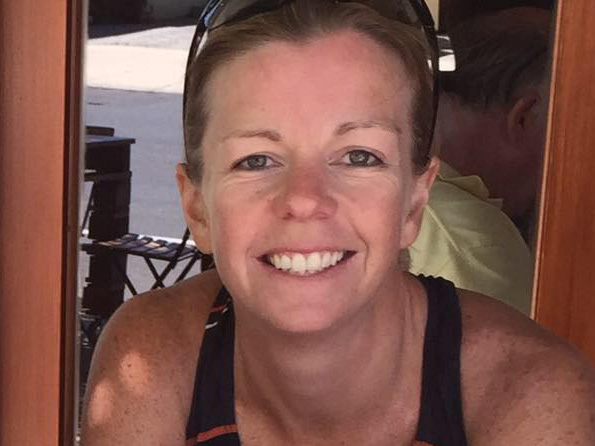
When Lauren Cannell was hit by a truck while cycling in 2015, she was left with multiple arm injuries.
It wasn't the first time the police senior sergeant had dealt with such a major health scare, having suffered a brain haemorrhage while at the gym a few years before.
And while the 45-year old recovered from both traumas, they marked the beginning of a years-long battle with what experts say is Australia's biggest health burden – chronic pain.
READ MORE: 'There's a lot of us out there that just can't even get out of bed': Living with crippling migraines
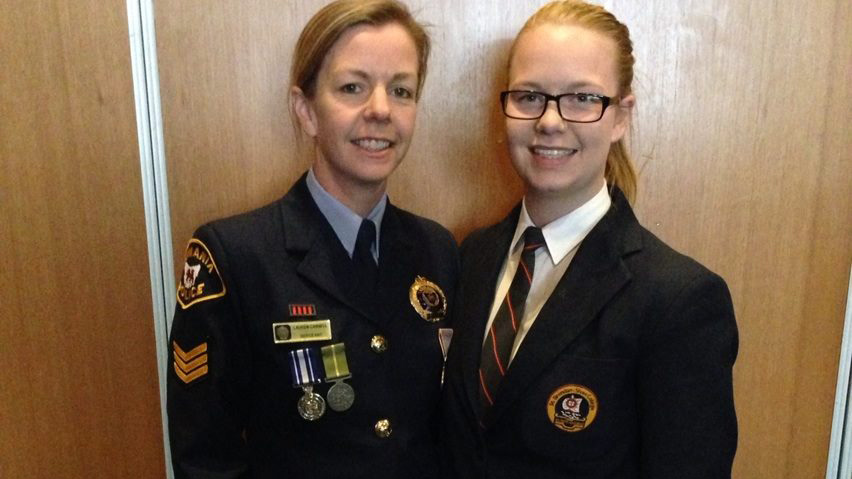
After two years, seeing multiple doctors and even having surgery, she was no closer to recovery.
Senior Sergeant Cannell, from Launceston, Tasmania, was in so much pain she admits she was even left wondering if she wanted to live anymore.
"I just felt like, 'if this is what my life's going to be, I don't really want to live like this,'" she said.
Running to get over trauma
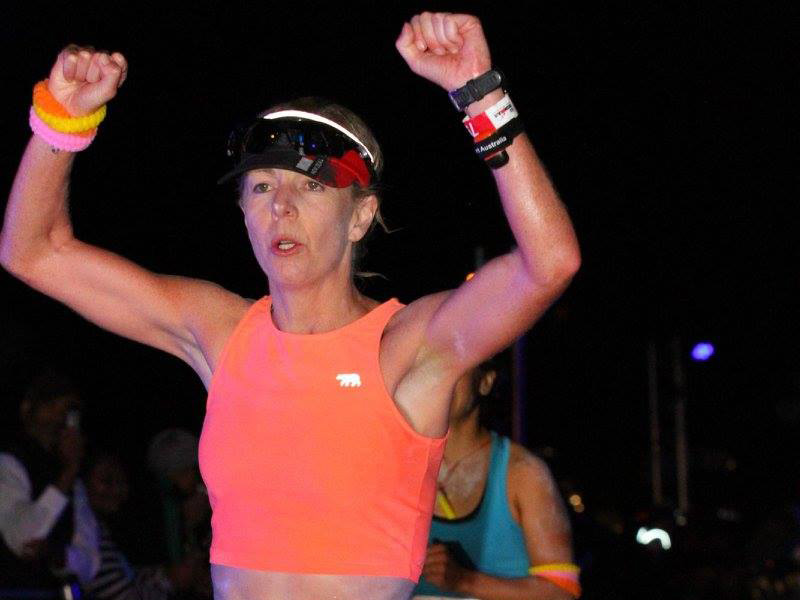
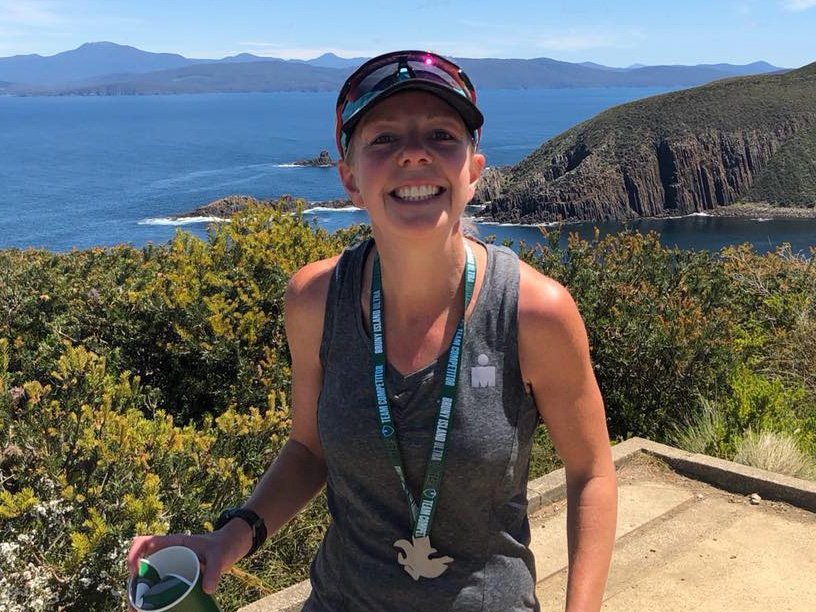
The sporty Tasmanian mother had started long-distance running after suffering PTSD following her road accident.
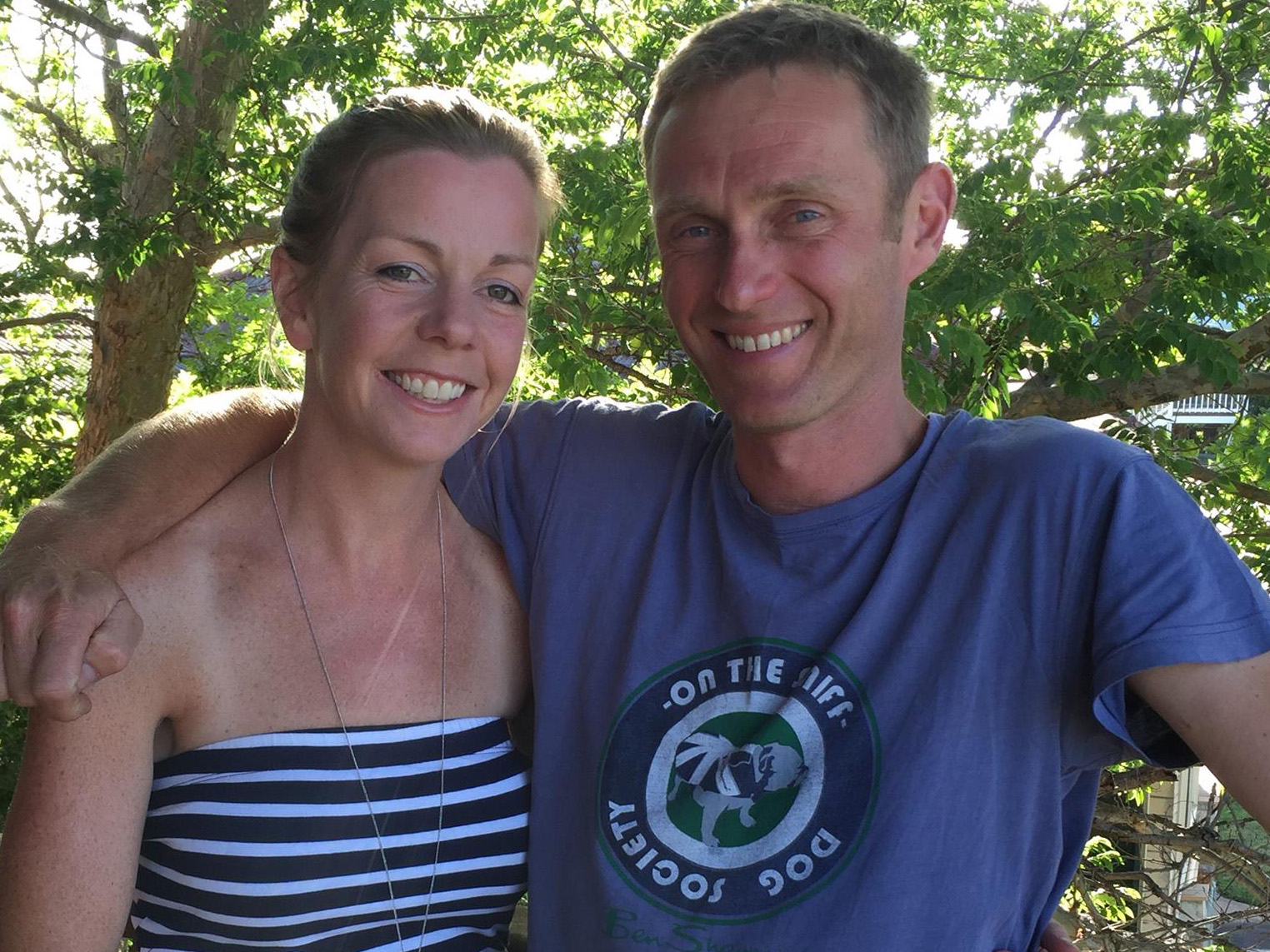
And while her injuries had healed, she developed a common runners' condition in one knee, where the tissue rubs against the bone.
After being given painkillers, Senior Sergeant Cannell returned to running.
But she suffered a stress fracture to her ribs and pelvis, and months after it should have healed, she was still in agony.
She stopped the exercise – but the pain got worse.
Now, it was not only in her knee – but everywhere.
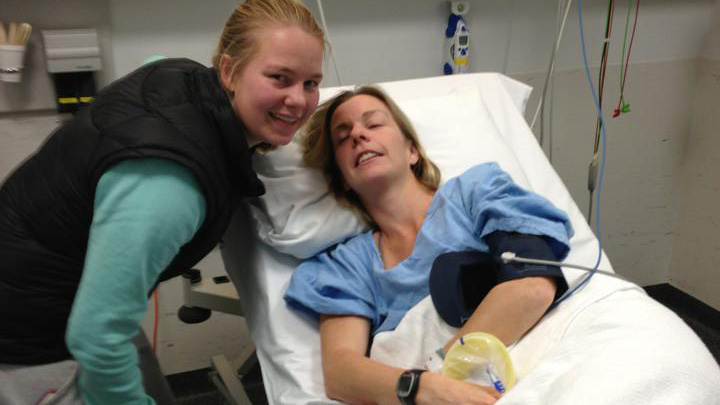
She couldn't go to work, and her anxiety spiralled.
Even doing nothing hurt.
"It felt like my whole body was in intense pain," she said.
"It was terrifying in a way because I didn't understand it."
At one point, she even thought she had some kind of cancer.
Senior Sergeant Cannell also struggled to sleep and when she did, she had nightmares about dying.
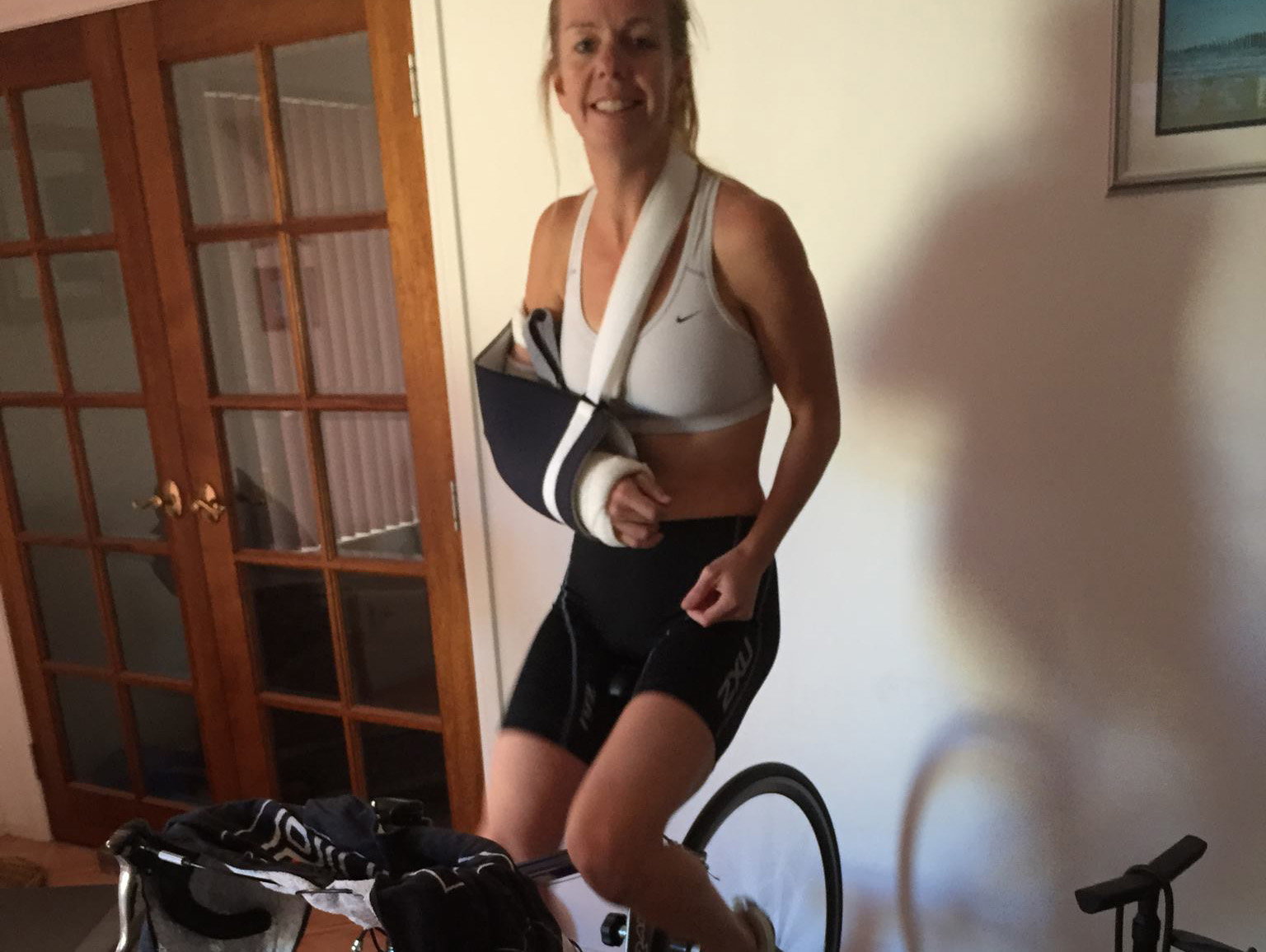
Doctors had no answers, saying all her injuries should have healed.
READ MORE: Paracetamol no better than placebo for many types of pain, study finds
She was desperate, relying on strong, addictive painkillers.
And her story is not uncommon, experts say.

Australia's pain problem
Pain like Senior Sergeant Cannell's is the most common reason Aussies go to their GP, Professor Mark Hutchinson from Adelaide Medical School said – with women more likely to suffer than men.
He said chronic pain is an "epidemic".
"Roughly one in four of us will experience chronic pain in our lifetime," he said.
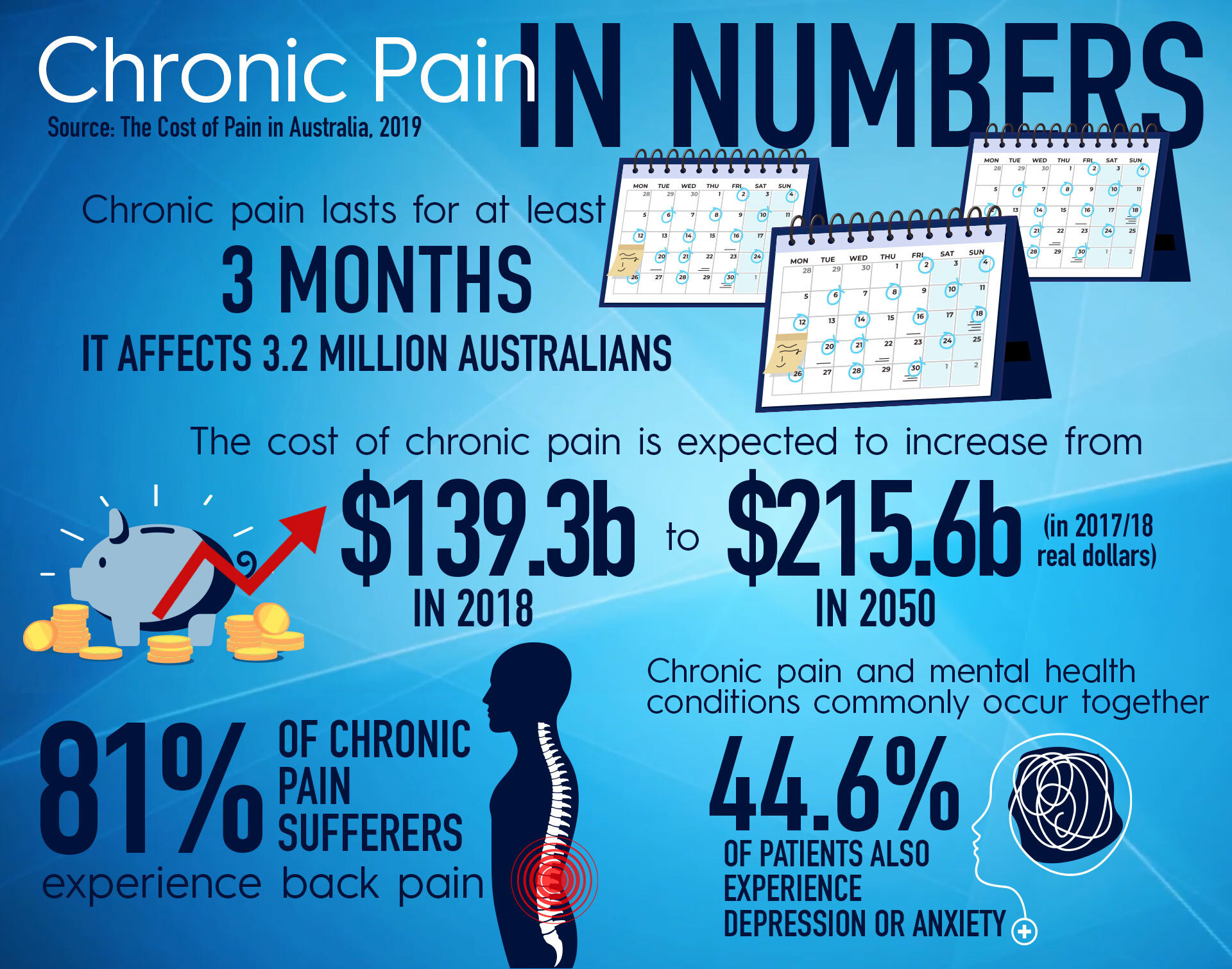
"We're looking at a multi-billion-dollar cost to health and society.
"That is a problem, which if we put at a long term consequence to the Australian people, it exceeds diabetes, cancer and heart disease."
A pain breakthrough
Finally, after getting no relief, even after having surgery on her knee, in 2019, Senior Sergeant Cannell went to see an exercise physiologist.
They specialise in understanding the body's response to exercise.
And she had a breakthrough.
She was told her pain was in fact not related to any of her old injuries as she had believed.
It was in fact, all likely being triggered by her brain's internal wiring system, in relation to her many previous episodes of pain.
READ MORE: Hidden epidemic costs Australian economy more than $140 billion each year
And while it was difficult for her to understand at first, Senior Senior Sergeant Cannell started doing her own research.
"You think it has to be related to an injury because you're in so much pain, but he explained it to me in terms of your brain starts setting up patterns when you've suffered from pain," she said.
She also watched a TED Talk by Professor Lorimer Mosely, Professor of Clinical Neurosciences at the University of South Australia, which explained the concept.
He was once bitten on the leg by a brown snake while out walking, which was intensely painful as well as life-threatening.
And a few years later, when he was out walking in a similar setting, he was simply scratched on the leg by a twig – but experienced a similar level of pain.
He says his brain related the two experiences and opted to try and "protect" his leg by triggering the intense reaction.
That's how chronic pain works, he said.

Chronic pain is pain that continues for more than three months after an injury, surgery, or another cause.
It affects 3.2 million Australians.
Professor Moseley, who runs an organisation called Pain Revolution, which offers free resources for people with the problem, said it's a complex, often misunderstood issue.
"The most common misunderstanding is that pain is providing you with a marker of the condition of your body part," he said.
"It actually never does that.
"What pain does is it urges you to protect a given body part."
He explained the body's nerves, which he dubs "danger detectors", are constantly scanning for potential danger.
When they detect a change, they'll signal the central nervous system – the spinal cord and brain – and the brain may decide to respond with pain, to try and "protect" that area.
He said pain is also influenced by many things which have nothing to do with the body, such as if you're feeling sad or stressed.

While he's working on getting more training for GPs, Professor Moseley also advises sufferers of chronic pain to turn to professionals like physiotherapists and psychologists for help once injuries have been ruled out.
But he warned there's no "quick fix".
"People really have to understand themselves, their own pain system, and retrain it," he said.
For Senior Sergeant Cannell, getting her head around the new concept was the start.
With the help of a psychologist, an occupational therapist and Pain Revolution, she gradually withdrew her painkillers.
She is now back at work, with the support of her fiancé Paul and daughter Taylah.
Though she still has some pain, she is able to handle it.
But she can't understand why it took so long to have the fresh concept of pain be mentioned to her.
"It's almost like looking at it from this new perspective," she said.
Australia's national organisation, PainAustralia, said it is awaiting the progression of the government's new pain action plan.
A spokesman for the Australian Department of Health, said the government is "committed" to helping Australians via the National Strategic Action Plan for Pain Management.
As well as changes to the regulation of addictive opioid pain killers, it includes $2.5 million for education and training and $4.3 million for pain management services in rural areas.
"The Action Plan, currently being considered by Health Ministers for endorsement, aims to improve awareness and understanding of pain; ensure health practitioners are educated and informed to provide best-practice treatment and care; and identify the most appropriate and effective mechanisms to advance pain research," a spokesman told 9News.
This article is part of a collaborative journalism project with the Australian Science Media Centre and Judith Neilson Institute.
Pedestrian dies on SH12 near Kaihu
A pedestrian has died after being struck by a car on an unlit highway north of Dargaville. The 22-year-old woman was walking north on State Highway 12, at Kaihu, when the tragedy occurred around 9.30pm on Saturday.The 16-year-old…
Private school admits poor handling of sexual conduct complaint
By RNZ A private girls’ boarding school in Auckland has admitted it failed to address allegations of sexual conduct involving a staff member and a 16-year-old student more than 20 years ago.Former staff member James Tibbles resigned…
Australian describes 'powerful' moment Prince Philip's coffin arrived
Australia's representative at Prince Philip's funeral, Commodore Guy Holthouse, has described the ceremony as "an amazing military send-off for an amazing man".
As Head of the Australian Defence staff in London, Commodore Holthouse was selected to represent Australia at the proceedings.
Stationed directly in front of St George's Chapel at Windsor Castle as the funeral procession arrived, he described the "powerful" moment to Weekend Today hosts Richard Wilkins and Rebecca Maddern.
READ MORE: A family united in grief, a Queen alone to farewell Prince Philip
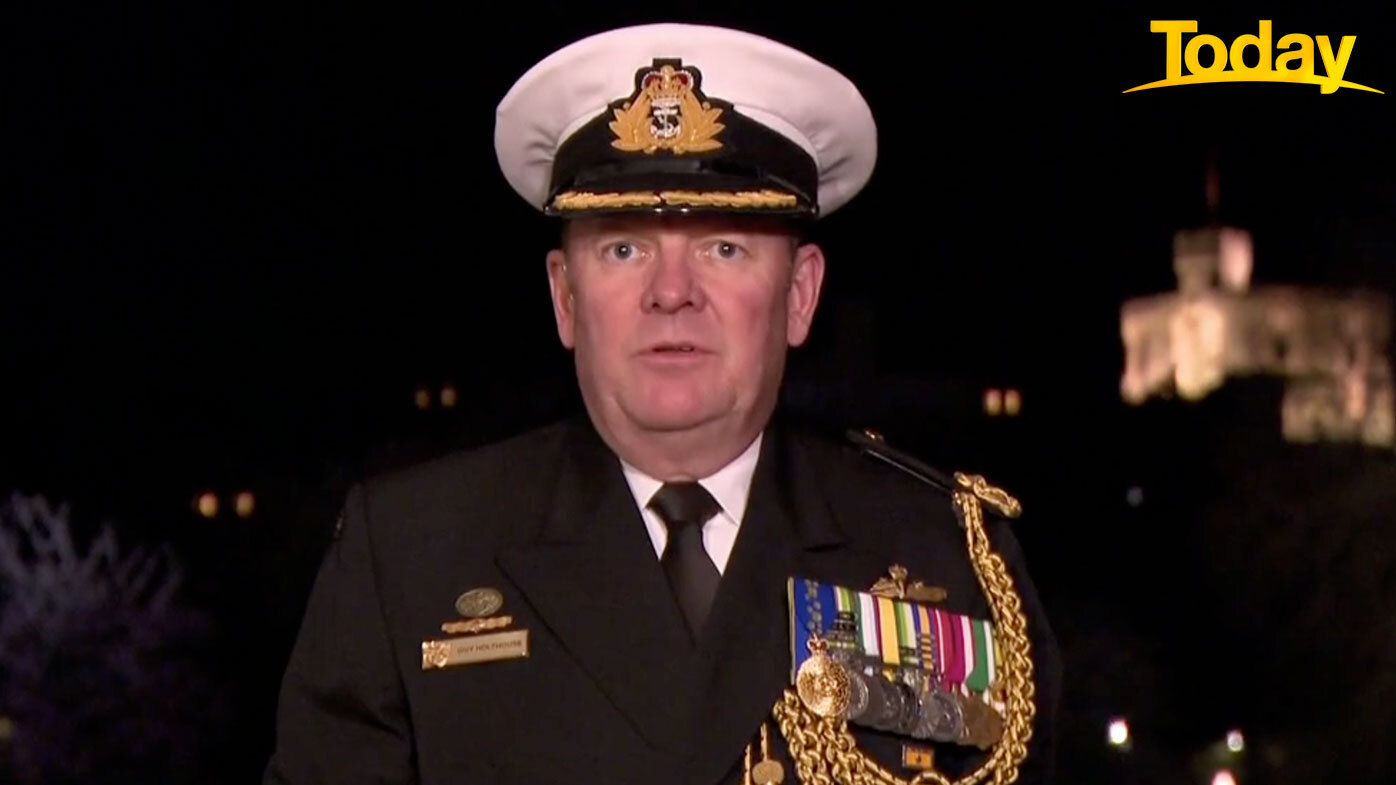
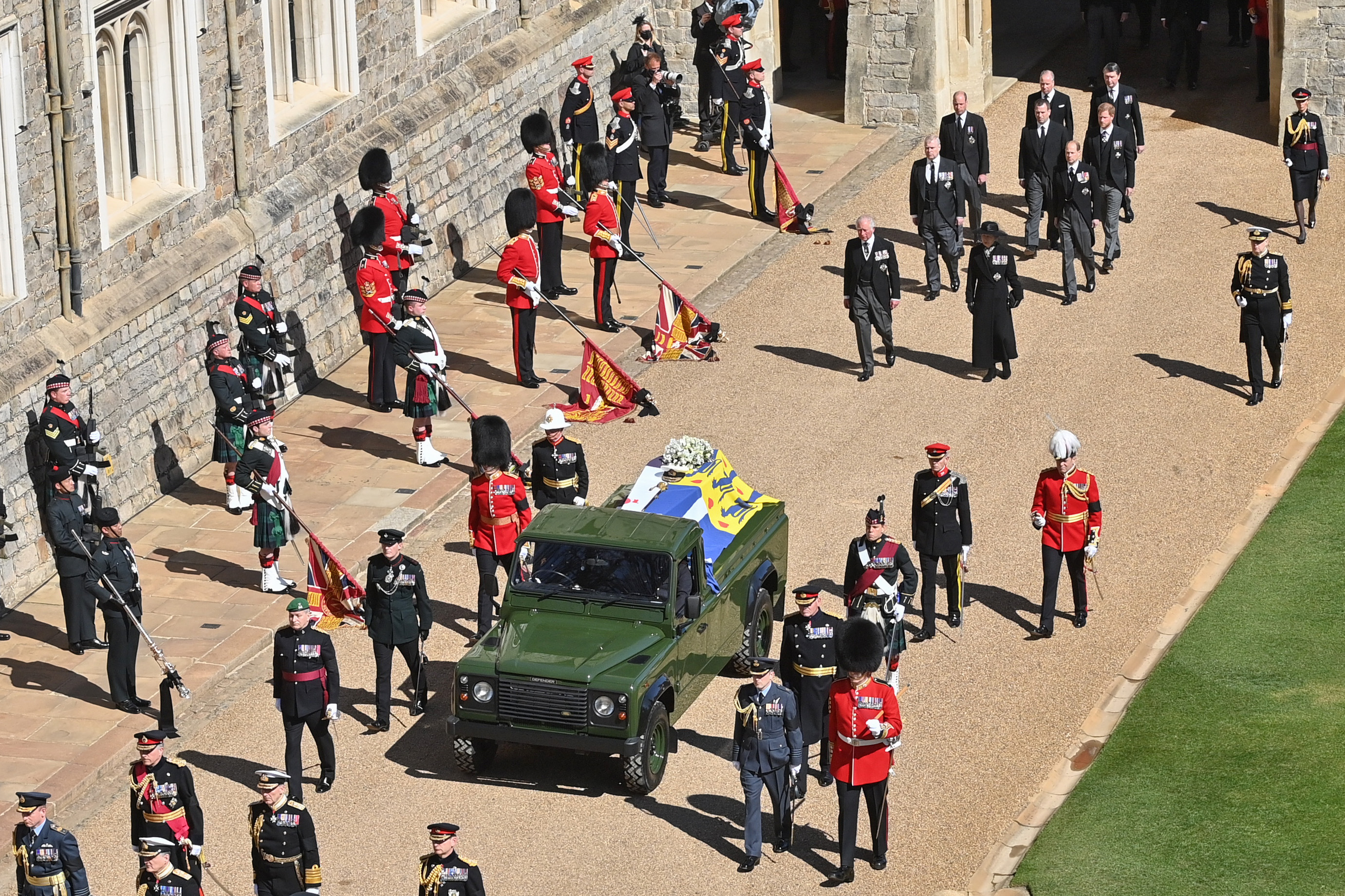
"There was a rehearsal on Thursday, which we attended, but it was a dress rehearsal," he said.
"When that Land Rover appeared in the semi-circular cloister, my proximity was pretty close. One could not help but feel the presence of what the occasion meant."
Amongst Prince Philip's wishes for his "no-fuss" funeral was to have Australia and in particular the Australian Defence Force present in the proceedings.
Prince Philip's ties to the Australian military pre-date even his marriage to Queen Elizabeth II, as he first visited the country as a naval midshipman during the Second World War.
READ MORE: Touching moment Princes Harry, William reunited in grief
In 1940, his vessel was tasked with helping escort Australian and New Zealand convoys safely across the waters to the Suez Canal.
He went on to become the Admiral of the Fleet of the Royal Australian Navy, Field Marshal of the Australian Army and Marshal of the Royal Australian Air Force, amongst his other titles.
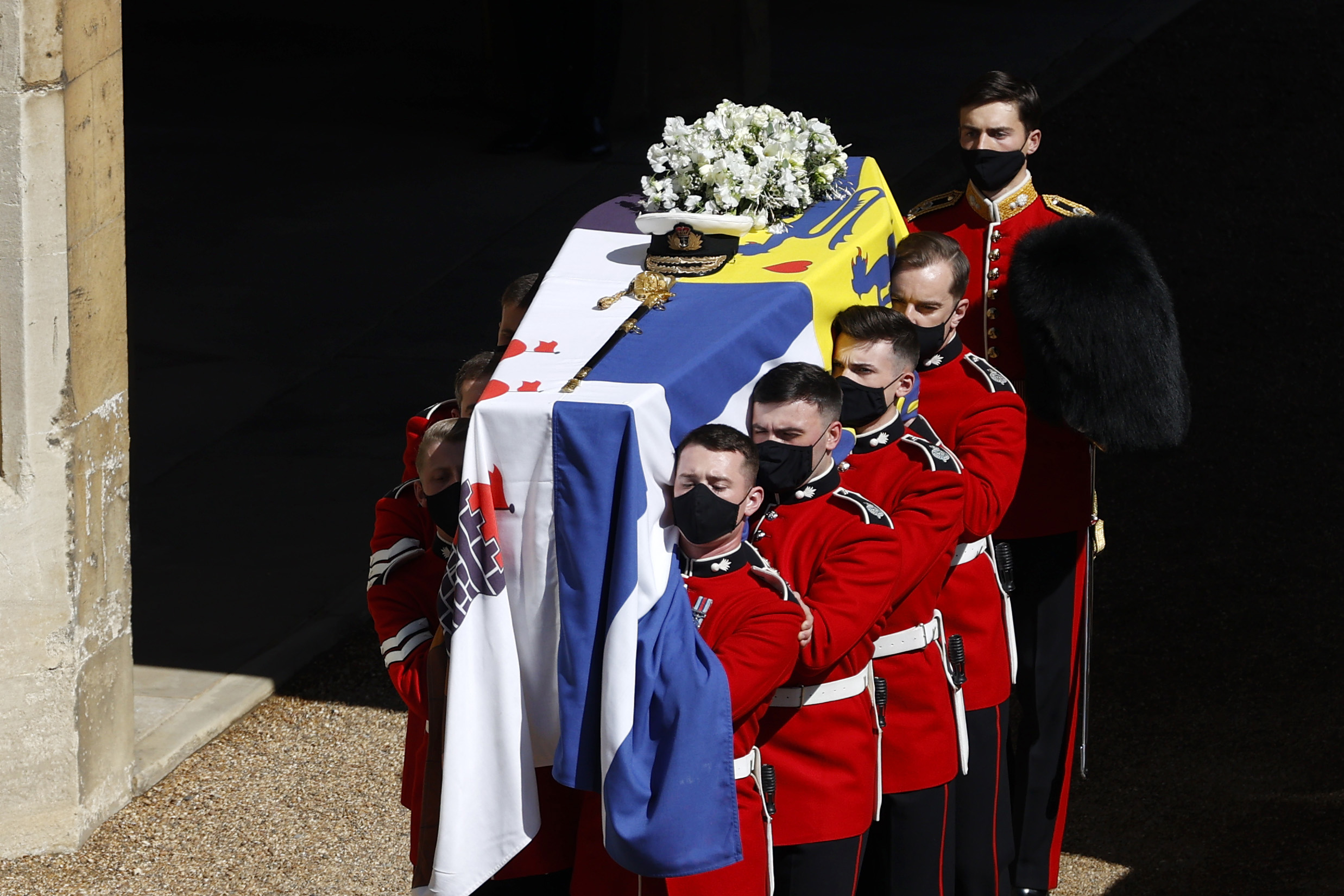
Tributes to Prince Philip's distinguished military past were scattered throughout the proceedings, from his naval cap that lay in state on his casket to the distinguished military officers who acted as his pallbears.
One noticable absence, however, was that of the military uniforms of senior royals which they traditionally don for such events.
It was a move reportedly designed to hold off family tensions after Prince Harry was stripped of his military titles after stepping back from royal duties last year
Commodore Holthouse said he was "very humbled and very honoured" to have been chosen to attend "a moment in history — in a very small way".
"It will be a moment in time that I will never forget."
Fraud, gold nuggets and 400kg of concrete: Police speak on the Mt Eden bones in the backyard case
You may not be guilty of murder for fraudulently acting as a man entombed under 400kg of concrete, but it sure raises some questions. That’s the hidden detail that until now the New Zealand public have been unaware of in the case…