Ashleigh Wyse is among Kiwis hugging their loved ones tighter today after thousands evacuated homes across the country amid fears waves would hit coastal towns and cities.Three offshore quakes — including a massive 8.1 rupture near…
Tag Archives: oceania
Covid-19 coronavirus: 'Bugger it' – Auckland to level 2, rest of NZ level 1, after a lockdown, earthquakes and tsunami threats
VIRUS LATEST* Audrey Young: Why the Valentines cluster was the least-loved lockdown of all * Steven Joyce: It’s time we climbed out of the Covid bunker * What you can and can’t do in levels 2 and 1 * How the emergency phone…
Herald morning quiz: March 6
Test your brains with the Herald’s morning quiz. Be sure to check back on nzherald.co.nz at 3pm for the afternoon quiz. To challenge yourself with more quizzes, CLICK HERE.
YouTube pulls Myanmar military channels, UN to meet on crisis
YouTube has removed five channels run by Myanmar's military for violating its guidelines.
The video service announced the move on Friday, as demonstrators defied growing violence by security forces and staged more anti-coup protests ahead of a special UN Security Council meeting on the country's political crisis.
YouTube said it was watching for any further content that might violate its rules.
READ MORE: Myanmar crackdown on protests sparks outrage
It earlier pulled dozens of channels as part of an investigation into content uploaded in a coordinated influence campaign.
The decision by YouTube followed Facebook's earlier announcement that it had removed all Myanmar military-linked pages from its site and Instagram, which it also owns.
The escalation of violence by security forces has put pressure on the world community to act to restrain the junta, which seized power on February 1 by ousting the elected government of Aung San Suu Kyi.
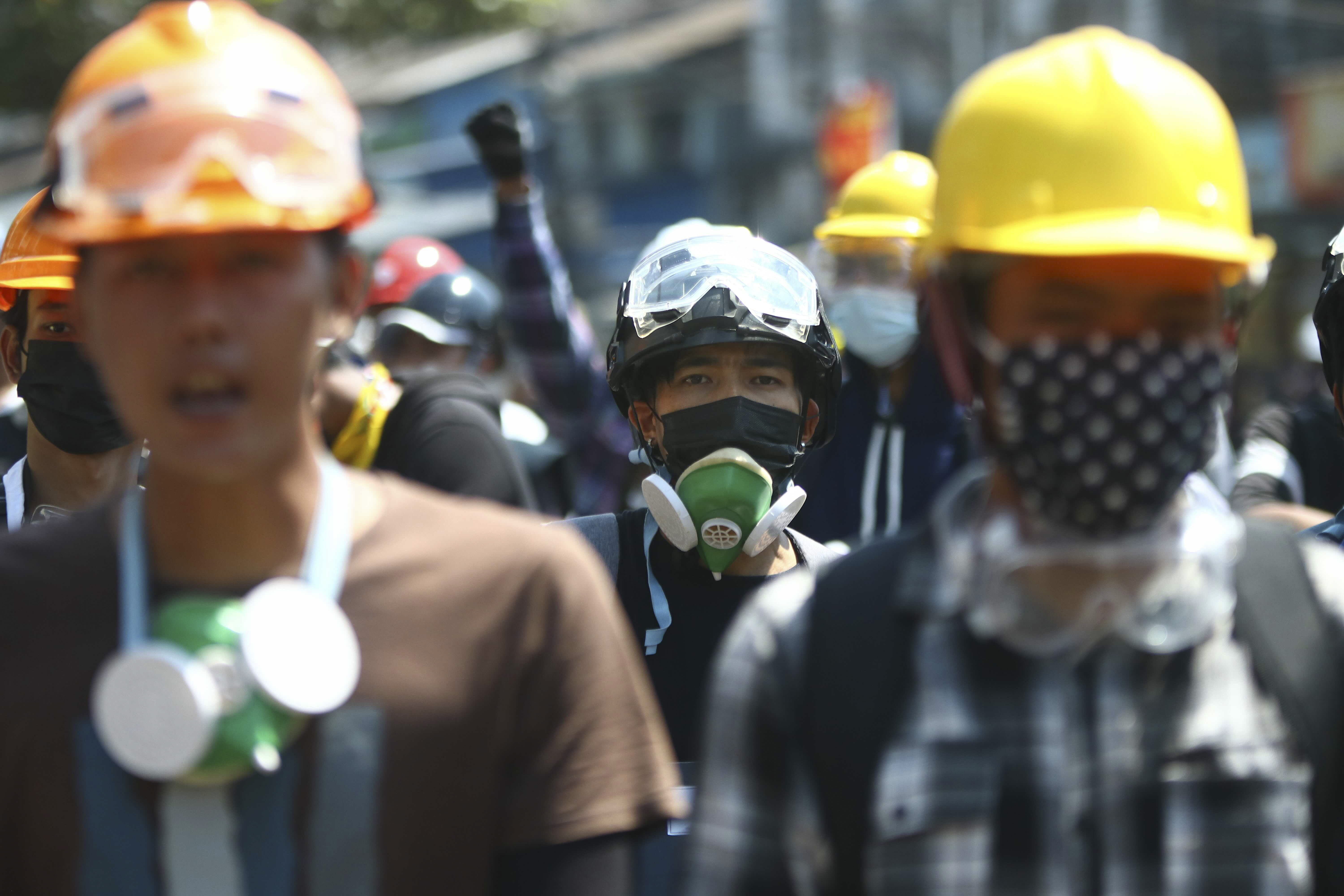
Large protests against military rule have occurred daily in many cities and towns.
Security forces escalated their crackdown this week with greater use of lethal force and mass arrests.
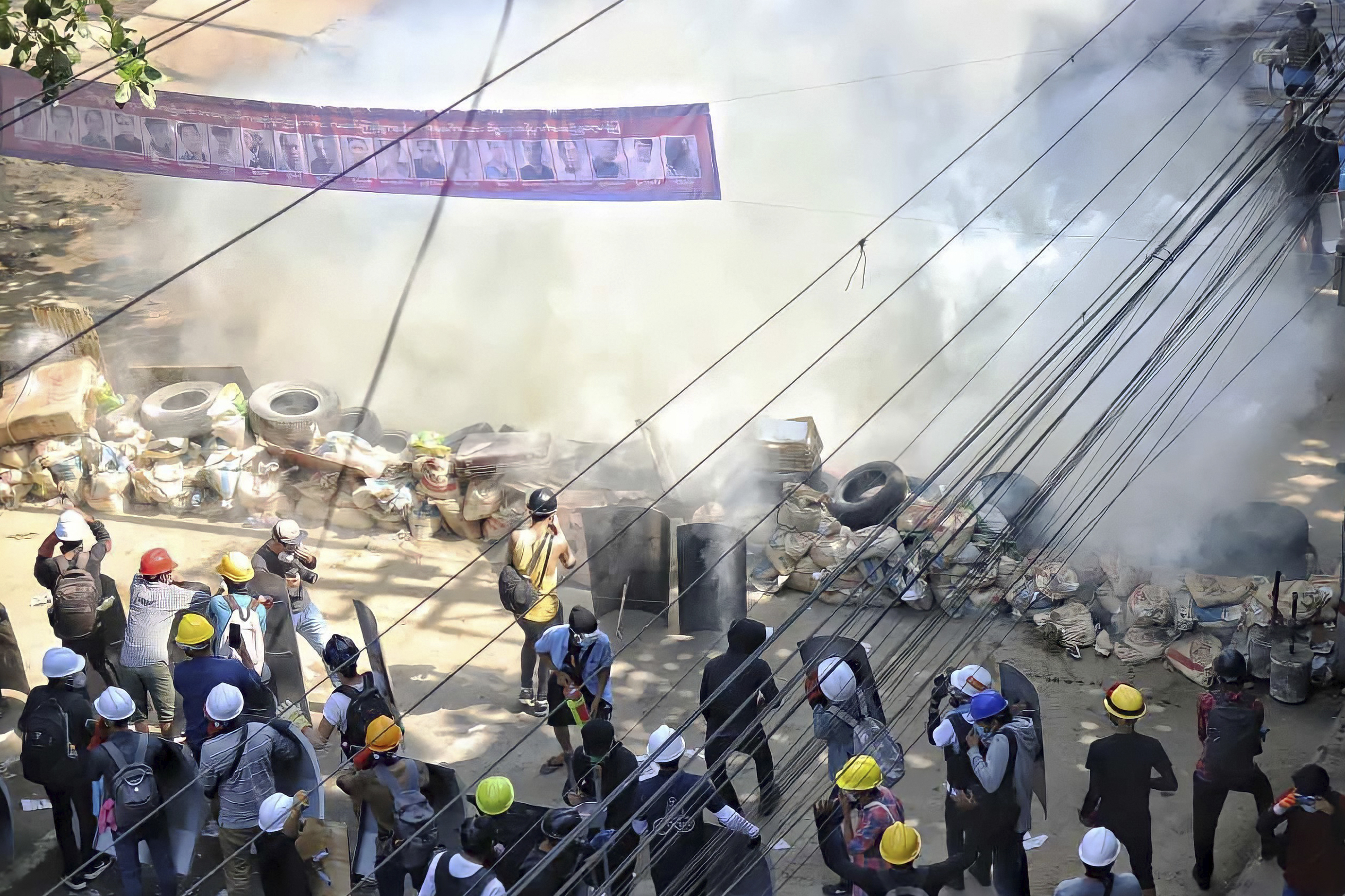
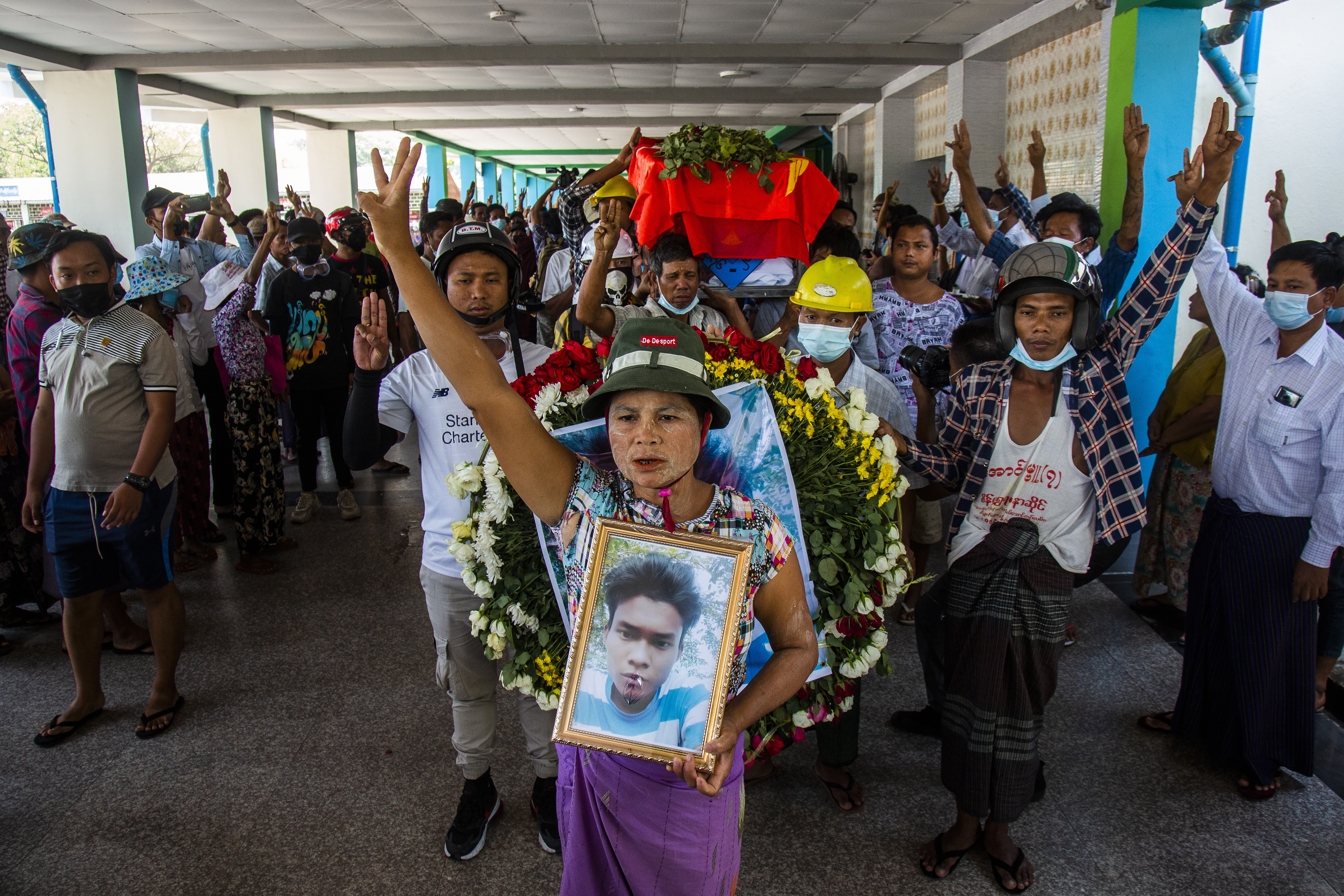
At least 18 protesters were shot dead on Sunday and 38 on Wednesday, according to the UN Human Rights Office.
More than 1000 people had been arrested, the independent Assistance Association for Political Prisoners said.
Protests continued in the country's biggest cities, Yangon and Mandalay, and elsewhere on Friday, and were again met by force from police.
Many cases of targeted brutality have been captured in photos and videos that have circulated widely on social media.
Videos showed security forces shooting people at point-blank range and chasing down and savagely beating demonstrators.
The United States called the images appalling and the UN human rights chief said it was time to "end the military's stranglehold over democracy in Myanmar".
The world body's independent expert on human rights in the country, Tom Andrews, urged Security Council members to watch the videos before their closed-door consultations on Friday.
While many abuses are committed by police, there is even greater concern about military forces being deployed in cities across the country that are notorious for decades of brutal counter-insurgency tactics and human rights abuses.
READ MORE: Myanmar protesters return to the streets as deadly crackdown sparks international outrage
In Yangon, members of the army's 77th Light Infantry Division have been deployed during anti-coup protests.
The 77th was also deployed in Yangon in 2007 to suppress anti-junta protests, firing upon protesters and ramming them with trucks, witnesses told Human Rights Watch.
The 99th Light Infantry Division has also been deployed, including in Mandalay.
It is infamous for its counter-insurgency campaigns against ethnic minorities across the country, including spearheading the response that led to a brutal crackdown that caused more than 700,000 Rohingya Muslims to flee from Rakhine state to Bangladesh.
It also has been accused of war crimes in Shan state, another ethnic minority area, in 2016 and early 2017.
Any kind of coordinated action at the UN will be difficult since two permanent members of the Security Council, China and Russia, are likely to veto it.
Even if the council did take action, UN special envoy to Myanmar Christine Schraner Burgener cautioned this week it might not make much difference.
She said she warned Myanmar's army the world's nations and the Security Council "might take huge strong measures."
"The answer was, 'we are used to sanctions and we survived those sanctions in the past,'" she said.
When she also warned Myanmar would become isolated, Schraner Burgener said, "the answer was 'we have to learn to walk with only a few friends.'"
The Association of South-East Asian Nations has urged a halt to violence and the start of talks on a peaceful solution in Myanmar.
The 10-member regional grouping, which includes Myanmar, is constrained from enacting serious measures by a tradition of acting by consensus and reluctance to interfere in each other's internal affairs.
However, one member, Singapore, was outspoken on Friday in criticising Myanmar's coup.
"It is the height of national shame for the armed forces of any country to turn its arms against its own people," its foreign minister, Vivian Balakrishnan, said in Parliament.
But he also warned the approach favoured by some Western nations, of pressuring Myanmar's generals with sanctions, would not be effective.
The US, Britain and several other countries have already started to use that approach.
"Despite all our fervour and earnest hopes of reconciliation … the keys ultimately lie within Myanmar. And there's a limit to how far external pressure will be brought to bear," he said.
One dead, three injured in horror crash
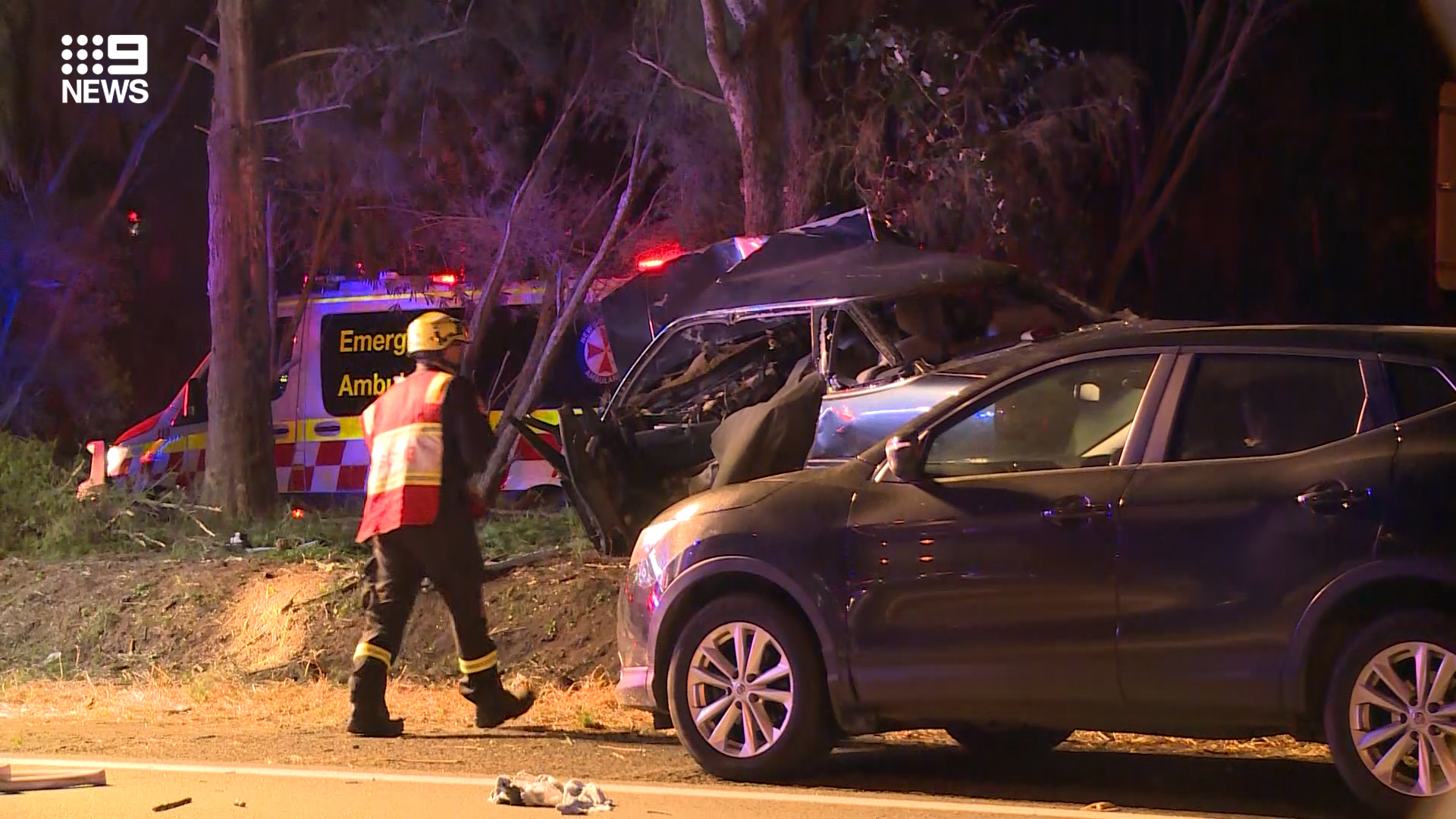
A woman is dead, another passenger is fighting for life and two children are in a critical condition after a crash on the Princes Highway outside of Wollongong.
A police spokesman said the driver of one car died at the scene and three others were injured when two vehicles collided southbound at Figtree about 7.15pm on Friday.
An off-duty paramedic was first on the scene after driving past the crash, 9News has learned.
According to NSW Ambulance, a teenager was airlifted to Westmead Children's Hospital in a critical condition, while paramedics rushed two children to Wollongong Hospital.
The children were both later taken to Westmead Children's Hospital in a critical condition.
"No words can describe the scene that we were faced (with) this evening," NSW Ambulance acting inspector Nathan O'Brien said in a statement.
"Going to a road accident when we know there are children involved is always difficult for first responders.
"Multiple patients with serious injuries can create a very challenging environment for paramedic crews. It is our responsibility to do everything we can to provide life-saving treatment."
NSW Police said after the collision near the Masters Road off-ramp, the blue Holden Statesmen hit a tree, trapping all four occupants.
A police spokesman told 9News.com.au the critically injured female had been sitting in the front passenger seat with the youngest passengers in the back.
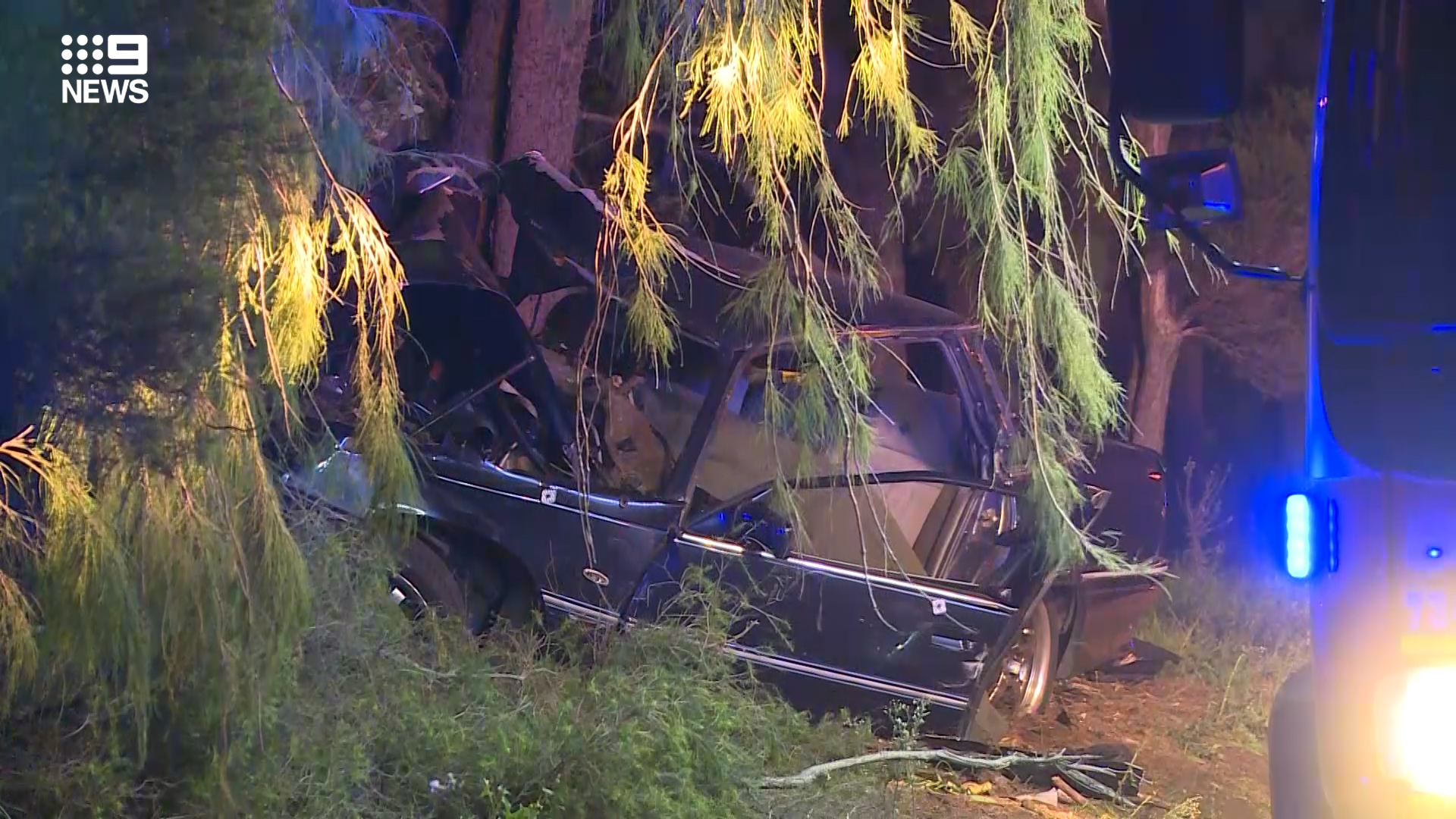
While the other vehicle's driver, also a woman, was visibly unharmed she was also taken to hospital for mandatory testing, the spokesman said.
Earlier reports had indicated as many as five cars were involved in the smash.
A NSW Ambulance spokeswoman told 9News.com.au 12 ambulance crews and two helicopters were called to the scene and treated four patients.
The police spokesman said diversions were in place and crash unit investigators were on the way to the scene.
Pope Francis arrives in Iraq for first papal visit
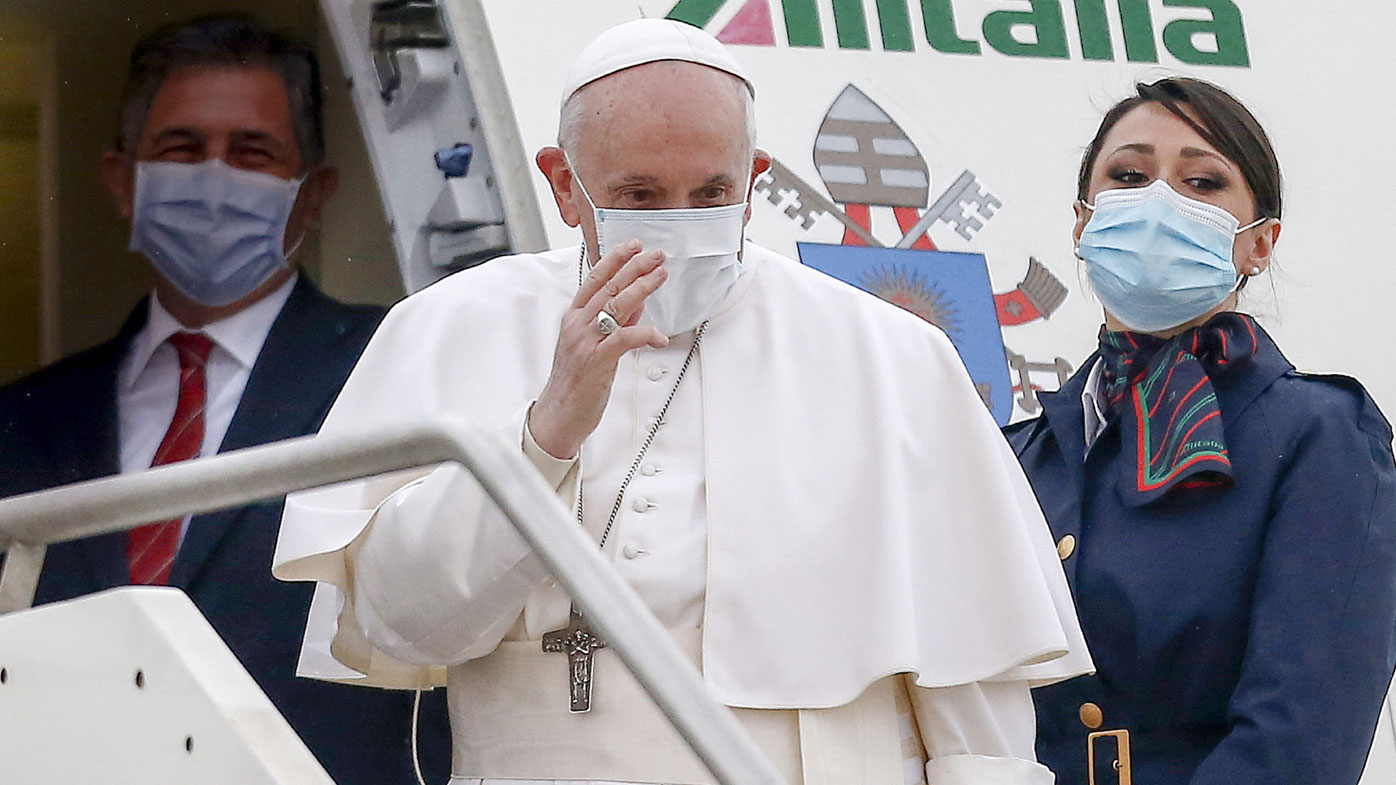
Pope Francis arrived in Baghdad on Friday to kick off the first-ever papal visit to Iraq and marking his first international trip since the start of the COVID-19 pandemic.
Francis' plane touched down at Baghdad's airport just before 2pm local time (10pm AEDT).
The 84-year-old will urge the country's dwindling number of Christians to stay put and help rebuild the country after years of war and persecution, brushing aside coronavirus and security concerns.
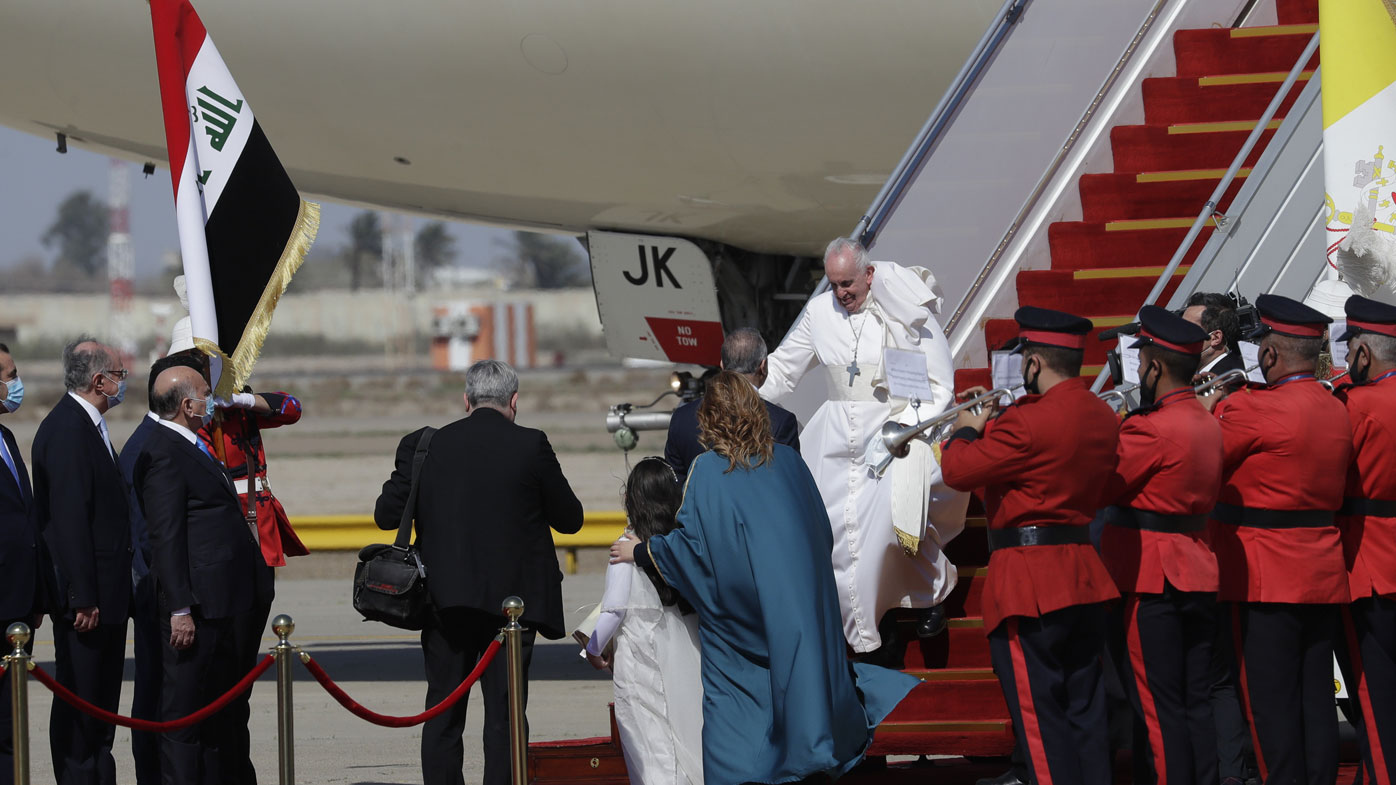
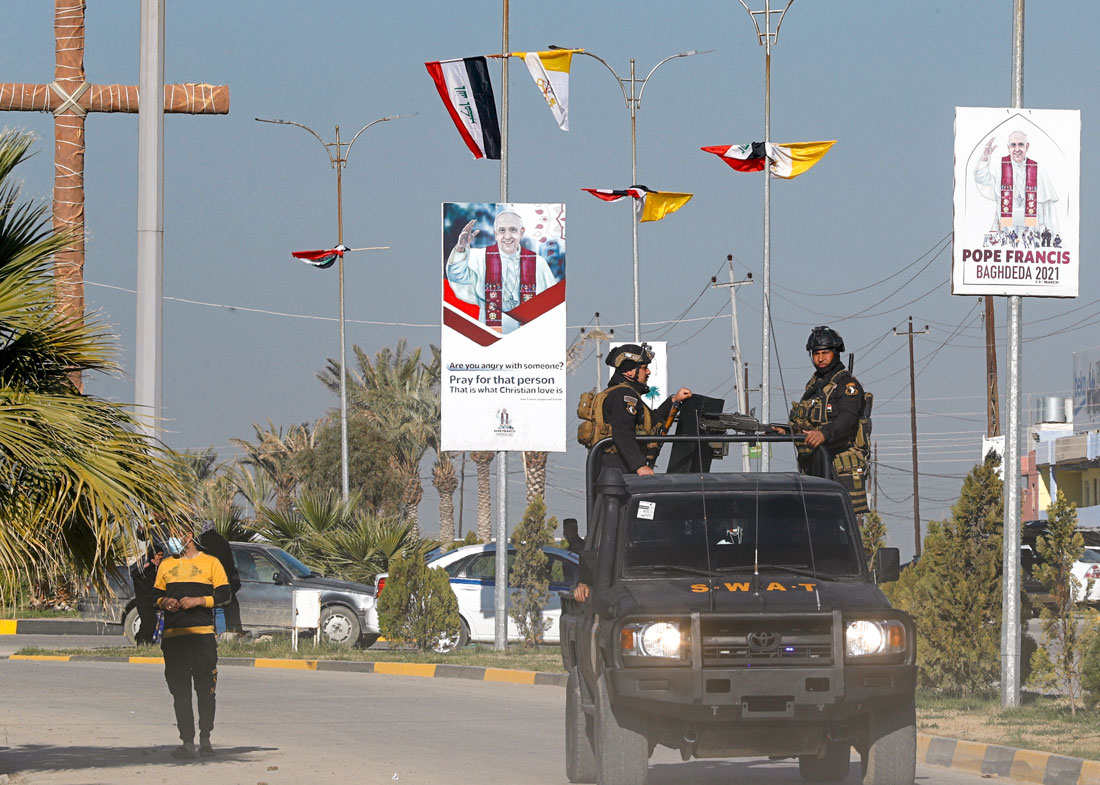
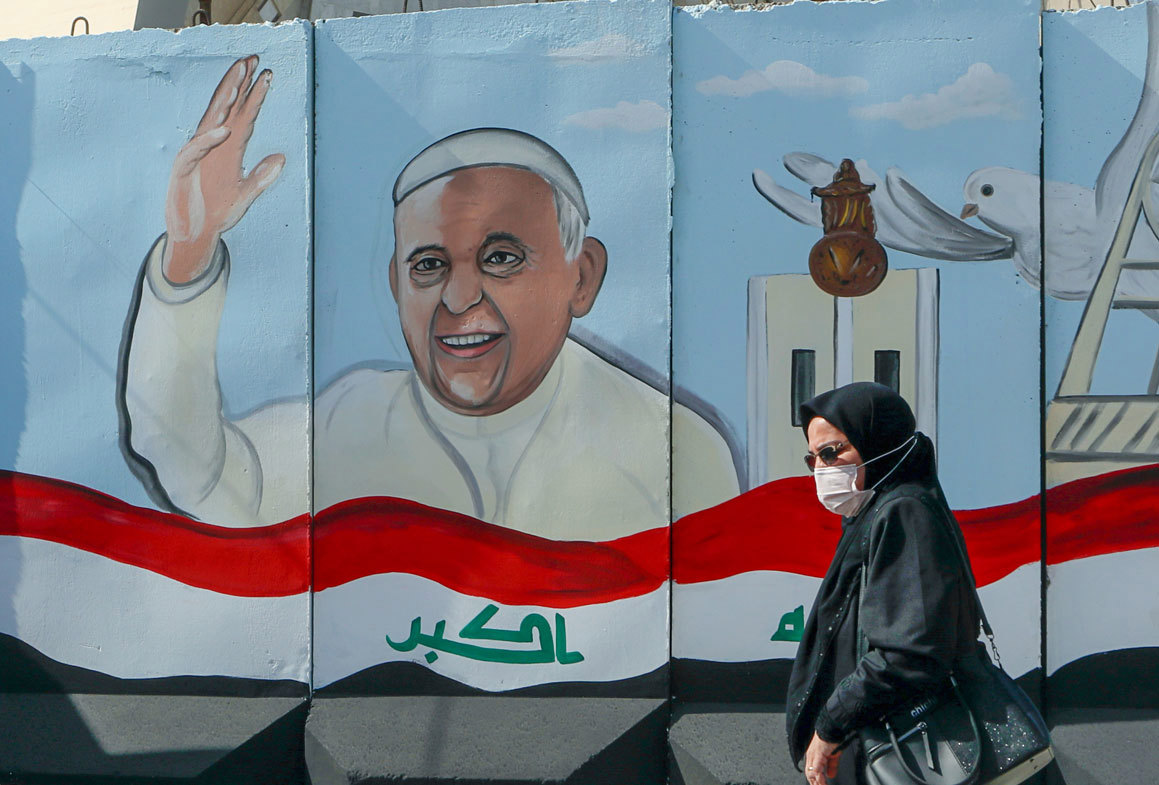
Iraqis were keen to welcome him and the global attention his visit will bring, with banners and posters hanging high in central Baghdad, and billboards depicting Francis with the slogan "We are all Brothers" decorating the main thoroughfare.
In central Tahrir square, a mock tree was erected emblazoned with the Vatican emblem, while Iraqi and Vatican flags lined empty streets.
Iraqi Foreign Minister Fuad Hussein said Iraqis were eager to welcome Francis' "message of peace and tolerance" and described the visit as a historic meeting between the "minaret and the bells."
Among the highlights of the three-day visit is Francis' private meeting Saturday with the country's top Shiite cleric, Grand Ayatollah Ali al-Sistani, a revered figure in Iraq and beyond.
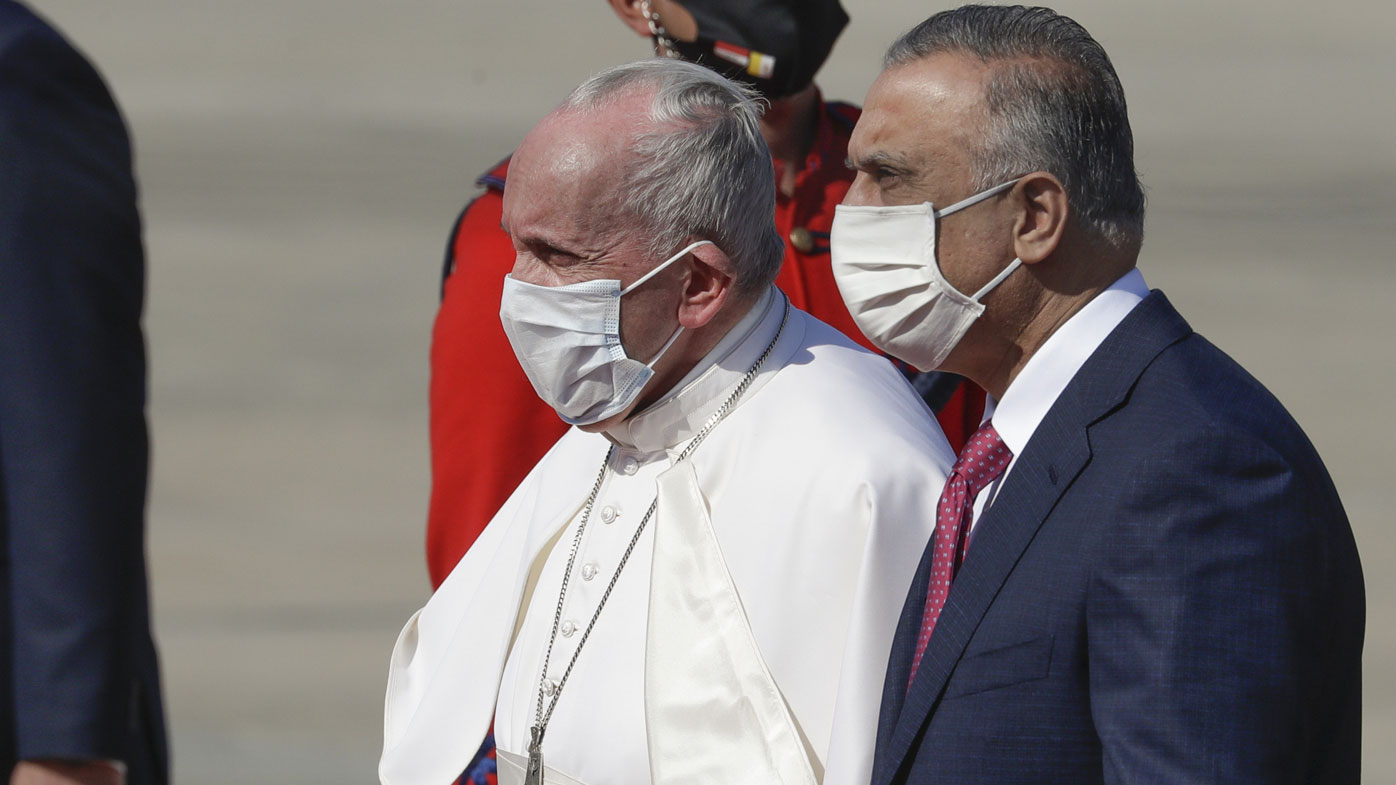
The government is eager to show off the relative security it has achieved after years of wars and militant attacks that nevertheless continue even today. Francis and the Vatican delegation are relying on Iraqi security forces to protect them, including with the expected first use of an armoured car for the pope-mobile-loving pontiff.
Tahsin al-Khafaji, spokesman for Iraq's joint operations, said security forces had been increased.
"This visit is really important to us and provides a good perspective of Iraq because the whole world will be watching," he said. The high stakes will give Iraqi forces "motivation to achieve this visit with safety and peace."
Francis is breaking his year-long COVID-19 lockdown to refocus the world's attention on a largely neglected people whose northern Christian communities, which date from the time of Christ, were largely emptied during the violent Islamic State reign from 2014-2017.
For the pope, who has often travelled to places where Christians are a persecuted minority, Iraq's beleaguered Christians are the epitome of the "martyred church" that he has admired ever since he was a young Jesuit seeking to be a missionary in Asia.
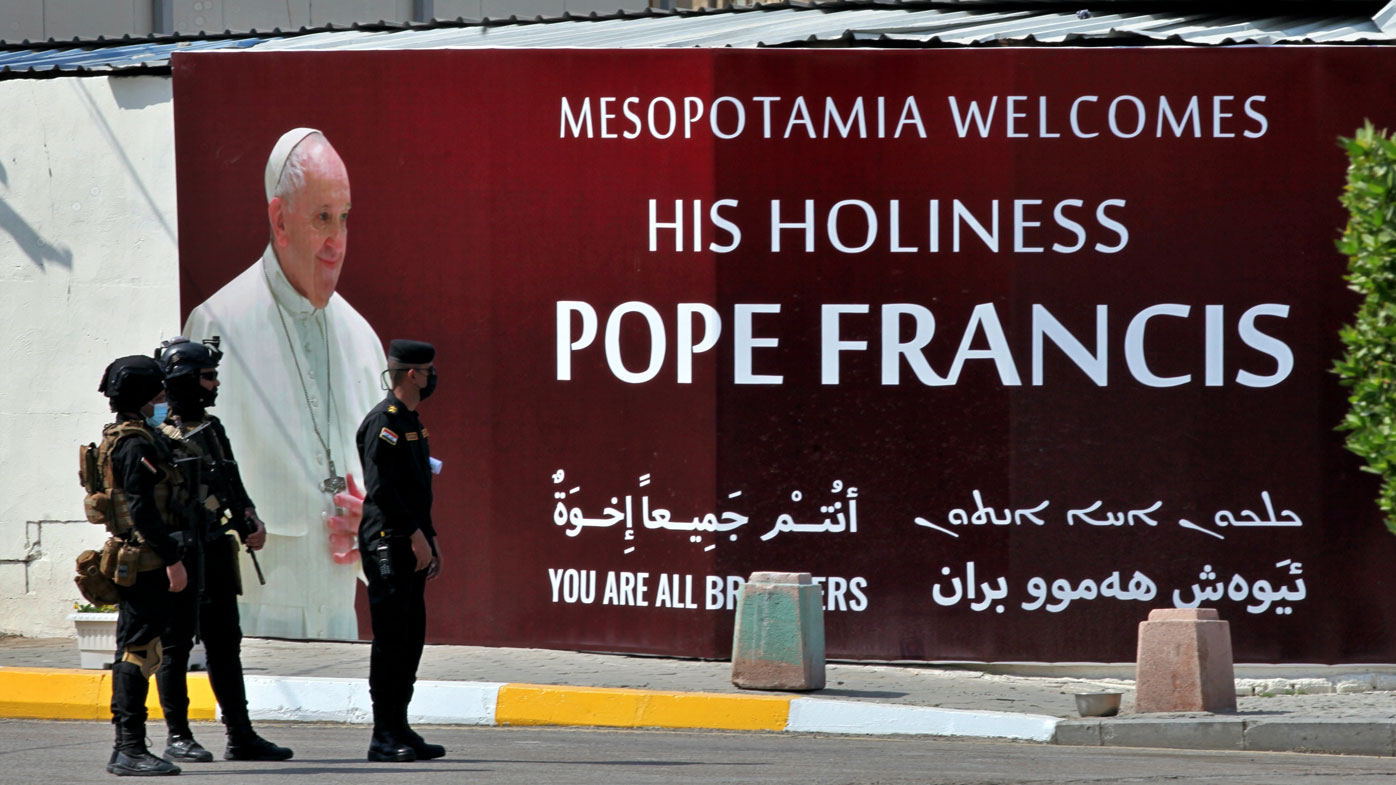
In Iraq, Francis is seeking to not only honour its martyrs but deliver a message of reconciliation and fraternity. The few Christians who remain in Iraq harbour a lingering mistrust of their Muslim neighbours and face structural discrimination long predating both IS and the 2003 US-led invasion that plunged the country into chaos.
"The Pope's visit is to support the Christians in Iraq to stay, and to say that they are not forgotten," the Chaldean patriarch, Cardinal Luis Sako, told reporters in Baghdad this week. The aim of Francis' visit, he said, is to encourage them to "hold onto hope."
The visit comes as Iraq is seeing a new spike in coronavirus infections, with most new cases traced to the highly contagious variant first identified in Britain. The 84-year-old pope, the Vatican delegation and travelling media have been vaccinated; most Iraqis have not.
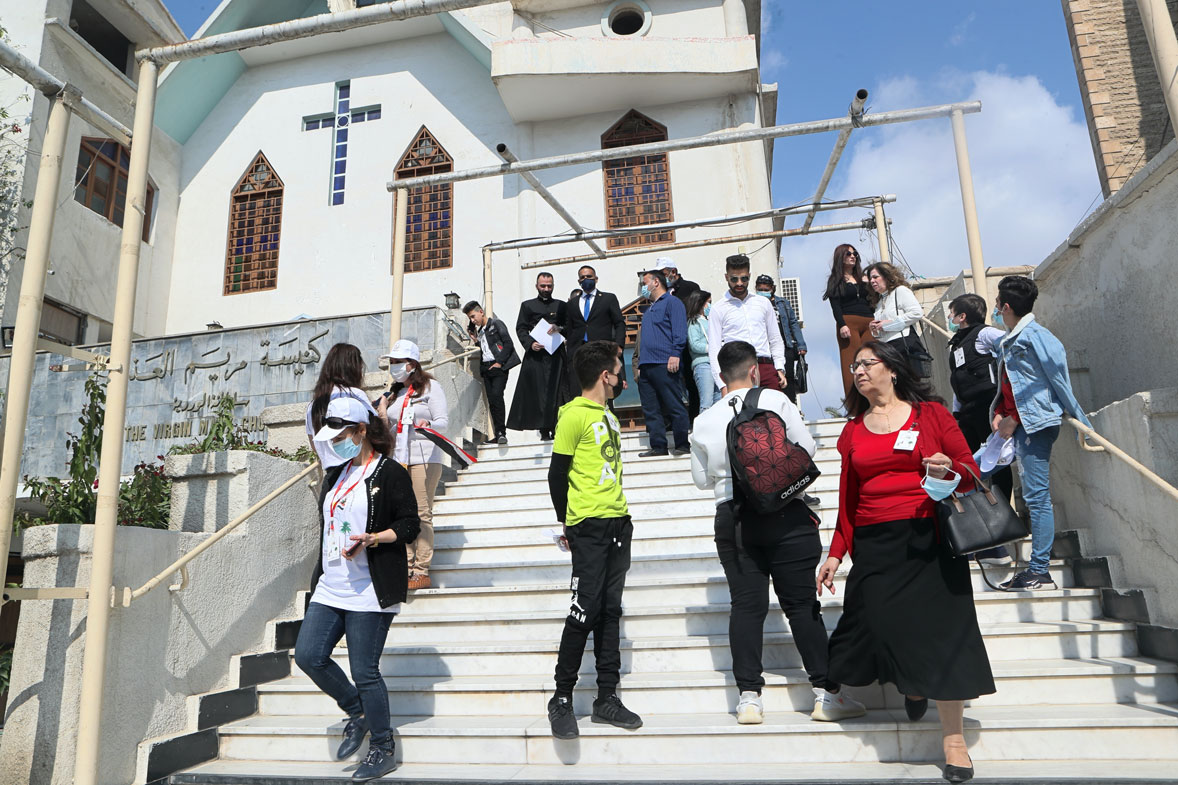
Ahead of the pope's arrival Friday, dozens of men, women and children gathered in a Baghdad church, many not wearing masks or observing social distancing, before boarding buses to the airport to welcome the pontiff.
The Vatican and Iraqi authorities have downplayed the threat of the virus and insisted that social distancing, crowd control and other health care measures will be enforced. The Vatican spokesman, Matteo Bruni, said this week the important thing is for Iraqis to know that the pope came to Iraq as an "act of love."
"I come among you as a pilgrim of peace, to repeat 'you are all brothers,'" Francis said in a video-message to the Iraqi people on the eve of his visit. "I come as a pilgrim of peace in search of fraternity, animated by the desire to pray together and walk together, also with brothers and sisters of other religious traditions."
Christians once constituted a sizeable minority in Iraq but their numbers began dwindling after the 2003 US-led invasion. They fell further when IS militants in 2014 swept through traditionally Christian towns across the Nineveh plains. Their extremist brand of Islam forced residents to flee to the neighbouring Kurdish region or further afield.
Few have returned, and those who have found their homes and churches destroyed.
Returnees have had to contend with more struggles. Many cannot find work and blame discriminatory practices in the public sector, Iraq's largest employer. Since 2003, public jobs have been mostly controlled by majority Shiite political elites, leaving Christians feeling marginalised.
While hard numbers are hard to come by, there were an estimated 1.4 million Christians in Iraq in 2003. Today the number is believed to be around 250,000.
During his visit, Francis will pray in the Baghdad church that was the site of one of the worst massacres of Christians, the 2010 attack by Islamic militants that left 58 people dead. He will honour the dead in a Mosul square surrounded by shells of destroyed churches and meet with the small Christian community that returned to Qaraqosh. He will bless their church, which was used as a firing range by IS.
The Vatican and the pope have frequently insisted on the need to preserve Iraq's ancient Christian communities and create the security, economic and social conditions for those who have left to return. But that hasn't necessarily translated into reality.
"I am the only priest in Mosul. Every Sunday I hold mass at 9 a.m., and only around 70 people attend," said the Rev. Raed Adil Kelo, parish priest of the Church of the Annunciation in the onetime de-facto IS capital.
Before 2003, the Christian population was 50,000, he said. It had dwindled to 2,000 before IS overran northern Iraq.
He doesn't expect more to return, but he said Francis' visit would have immeasurable importance for those who stayed.
"This visit will bring peace to Iraq" he said.
New device to revolutionise cancer scans
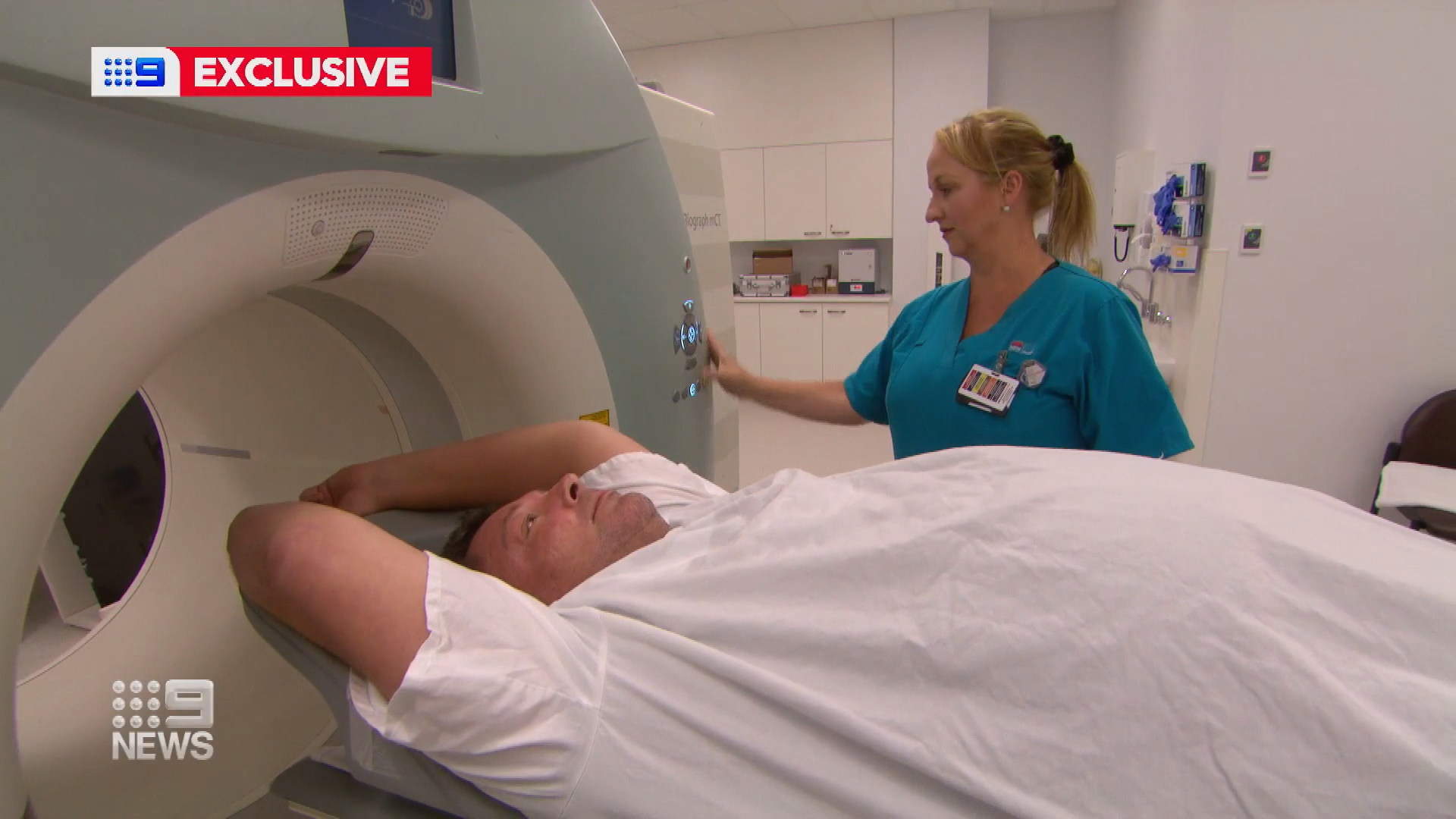
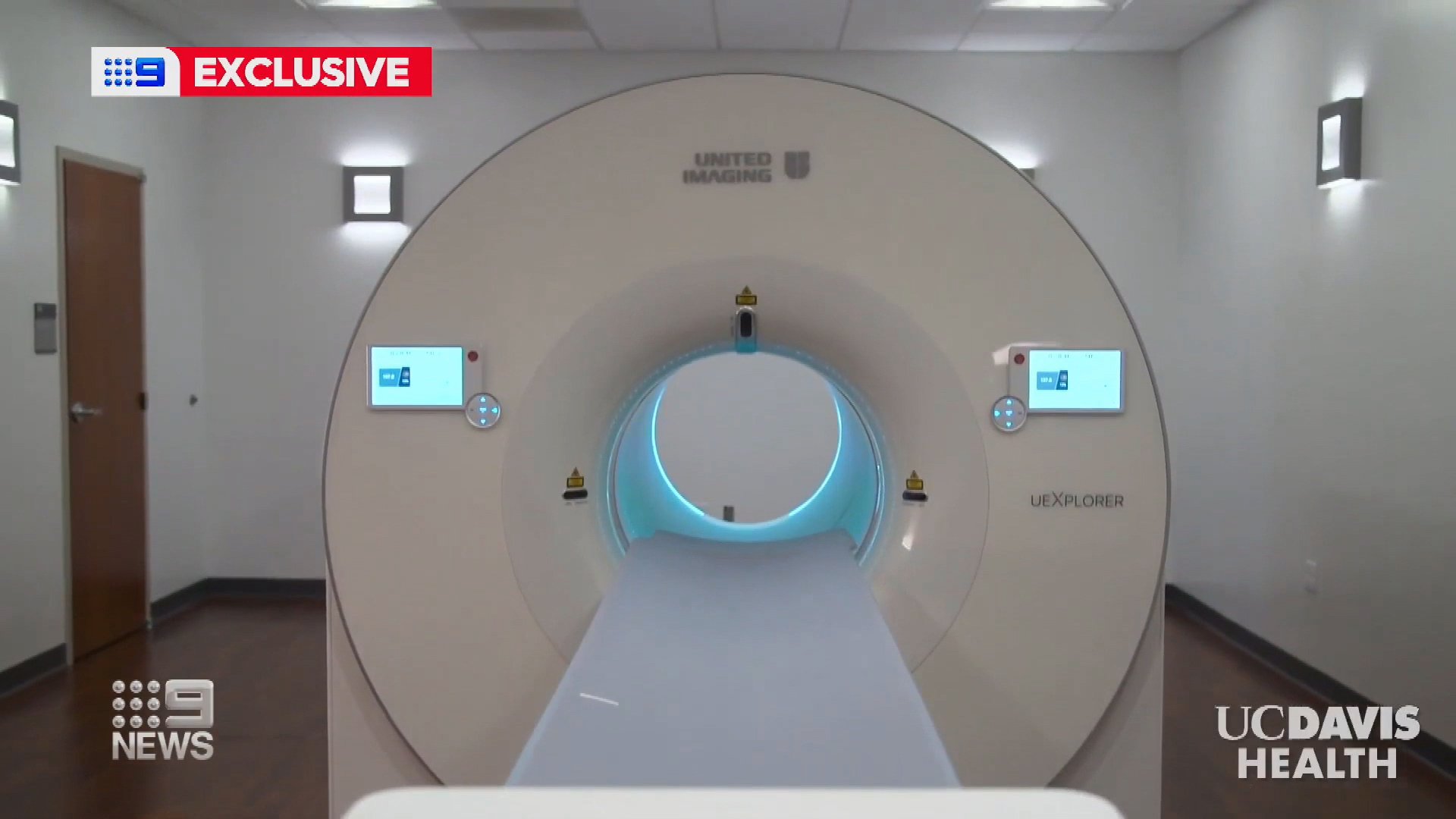
Cancer patients are set to benefit from a new PET scanner, the first of its kind in Australia which will revolutionise the way tumours are targeted and tracked.
Conventional PET scans require patients to lie on a bed for 20 to 30 minutes, but the new whole-body imaging machine can perform scans in a quarter of that time.
Instead of having to take a series of images, the scanner can capture the body's tissues and organs from head to toe in one single scan.
READ MORE: Revolutionary melanoma treatment offers new lease on life
It will also mean patients will be exposed to less radiation.
"We're going to be able to reduce the radiation dose to about half of what we currently do," said Associate Professor Paul Roach, director of nuclear medicine at Royal North Shore Hospital.
The technology will mostly benefit cancer patients to monitor their progress and guide treatments, but it can also assess people who've had a heart attack or those with brain disorders.
The scanner, which is called Total Body Positron Emission Tomography (TB-PET), will be acquired by Royal North Shore Hospital and the University of Sydney as part of a $15 million project to boost Australia's imaging capabilities.
The Federal Government, through the National Imaging Facility, has funded half of project so that researchers across the country can also use it to make discoveries.
READ MORE: Woman on working holiday finds out cough is terminal lung cancer
They could investigate a range of conditions such as motor neurone disease, which leads to paralysis.
"The problem there is we don't know what causes the disease, we don't whether it originates in the brain or in the spine or in the muscles themselves," said Professor Steven Meikle, head of the Imaging Physics Laboratory at the University of Sydney's Brain and Mind Centre.
"So this total-body PET would allow us to study that disease and try to find out where the breakdown in the molecular signalling is occurring."
Professor Roach said the scanner will be operational within a year.
It has been 30 years since the first PET scanner arrived in Australia and the latest announcement is set to further enhance medical diagnostics and research.
Police searching for missing 12-year-old Gisborne boy Caleb Takoko
Police are appealing for any sightings of a 12-year-old Gisborne boy who has been missing from his home since earlier today.Caleb Takoko, 12, left his home on Aberdeen Street about 5pm this evening.He has not been seen since,…
Ocean search for missing woman Melissa Caddick called off
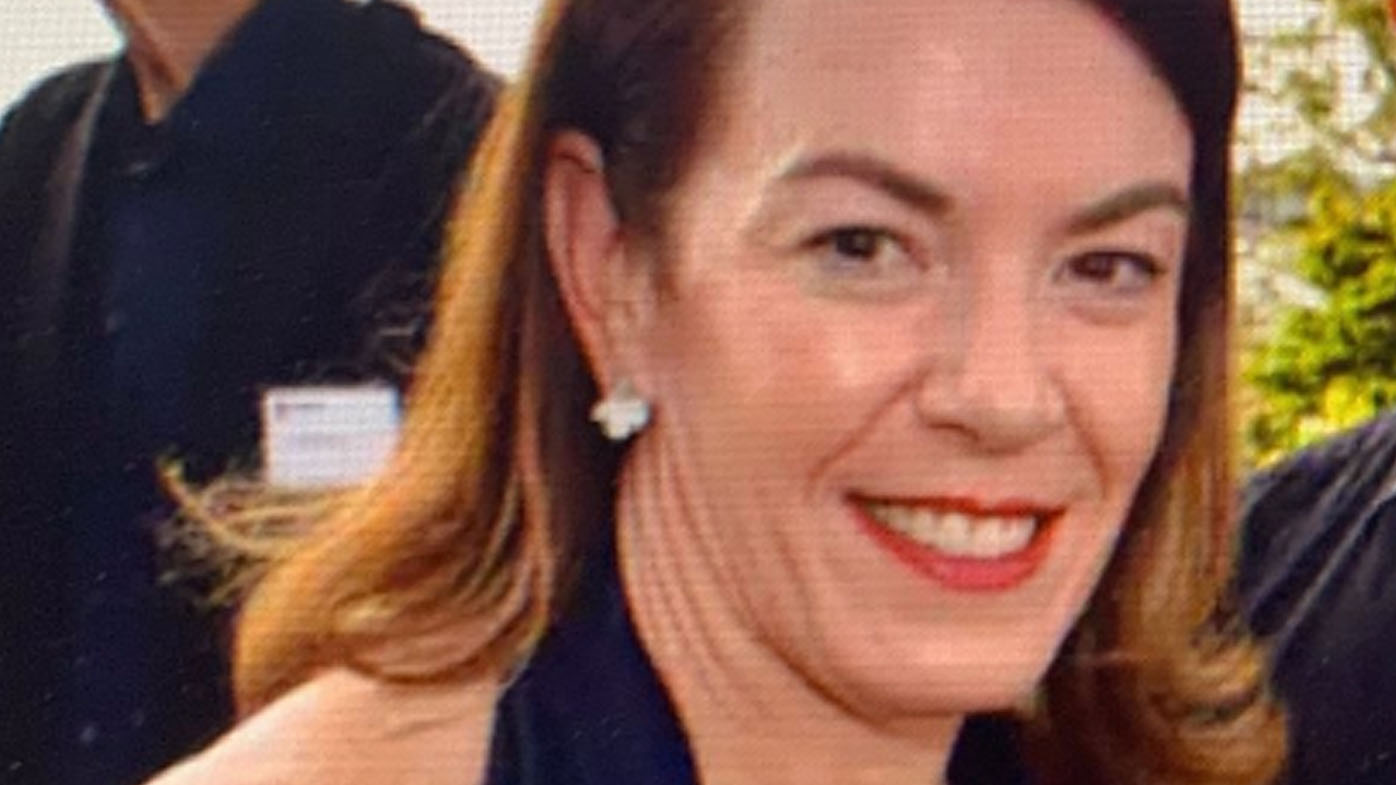
Police have called off the ocean search for missing businesswoman Melissa Caddick.
Divers today searched 6000 square metres of ocean floor at Dover Heights in Sydney, just a few hundred metres from Caddick's home.
Nothing of interest was found.
READ MORE: Police divers search waters near Melissa Caddick's home
An Asics shoe found near Tarthra on the NSW South Coast has been confirmed to contain the 49-year-old's remains, but police say they've been unable to link any other discoveries to the missing businesswoman.
Investigators said they wouldn't be conducting any further searches in the Dover Heights area.
Ms Caddick disappeared on November 12 last year after leaving her home for what her husband believed was a morning run at 5.30am.
She had been under investigation for allegedly running a Ponzi scheme, using millions from investors to make lavish personal purchases.
The Australian Federal Police (AFP) raided her home as part of an ASIC investigation the day before she disappeared.
Watch: Police arrest man after standoff closes Mt Albert, Auckland, street
Sophie Lawson’s flatmate walked straight out of a shower to announce she’d just seen dozens of armed police officers swarming their neighbours’ house. There were at least a dozen squad cars flashing on their kerb but they hadn’t…