It was a weekend to remember for one lucky MyLotto player from Christchurch after winning $22.5 million on Saturday. The man, who wishes to remain anonymous, was feeling lucky after recently winning two raffle prizes, so when he…
Tag Archives: oceania
Cyclone Niran strengthening in Queensland's far north
Residents of Queensland's far north are bracing for more destruction as Cyclone Niran strengthens.
The now category two cyclone has put neighbouring New Zealand and Papua New Guinea on high alert as it could be headed their way.
Meteorologists anticipate the storm could increase again to a severe category three in coming days.
READ MORE: Far North Queensland on cyclone watch
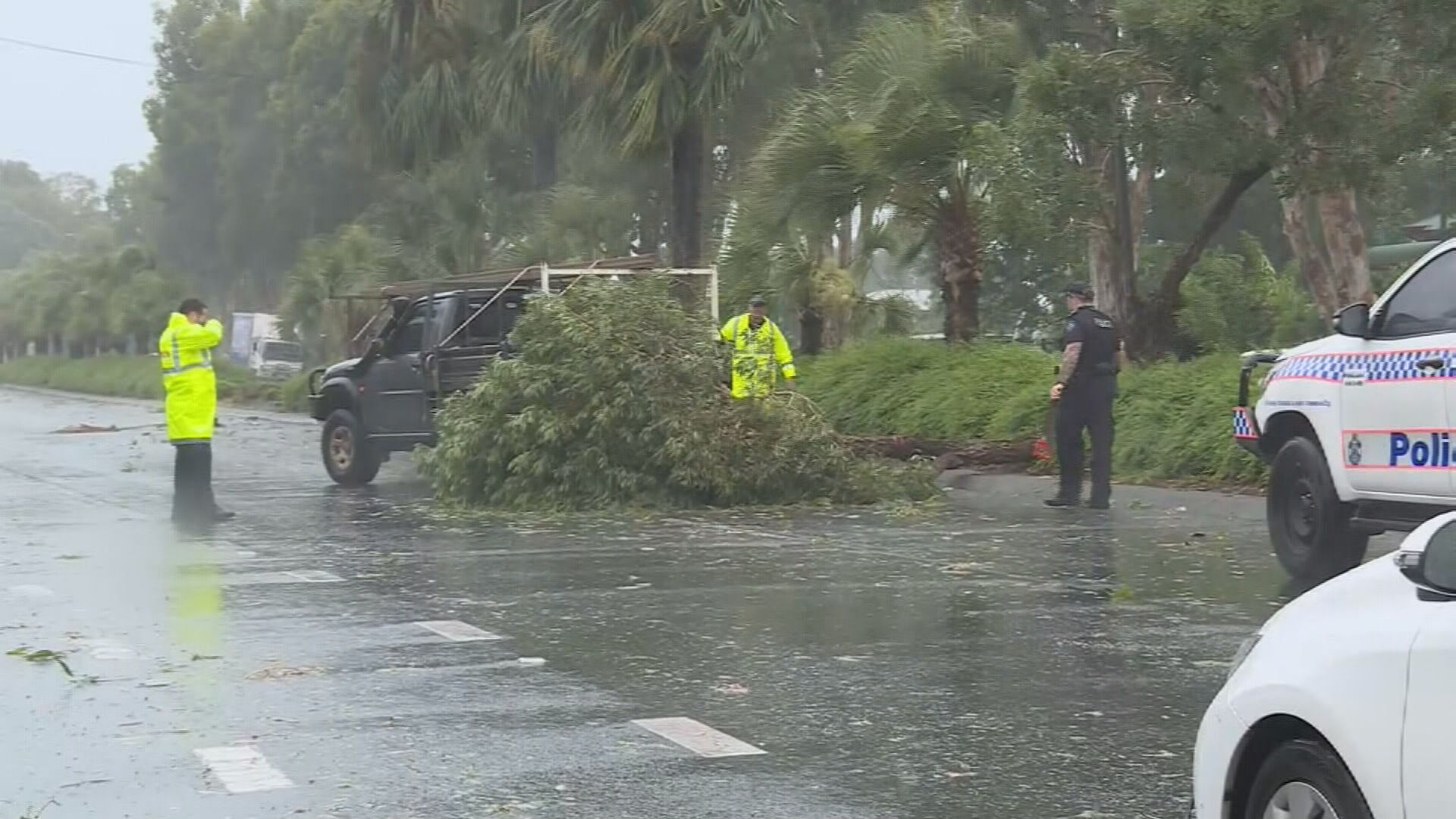
Hundreds of kilometres of the Queensland coast needs cleaning up and more is expected.
The cyclone is sitting about 250km off the north coast.
READ MORE: Woman charged after she allegedly consumed wine behind the wheel
Areas between Cape Flattery and Lucinda are still likely to feel the effects but not as severely as they did yesterday.
However a cyclone watch remains in place.
Meanwhile, the clean-up continues across Cairns.
There are still several trees and powerlines down, parts of the Bruce Highway remain cut off and homes have been down.
The State Emergency Service have received 127 calls for assistance.
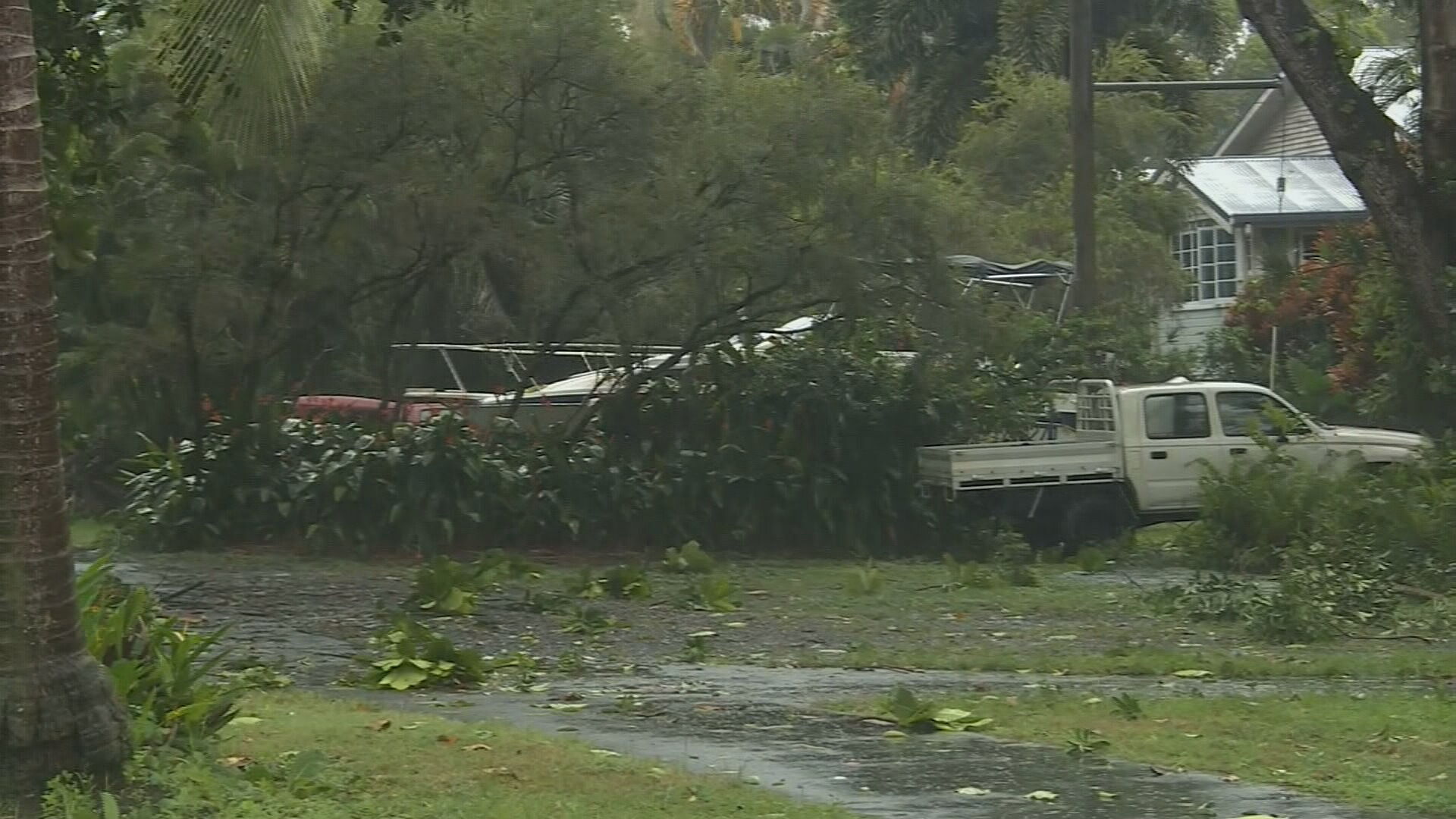
Energy companies are still working tirelessly to restore power to some 42,000 homes due to weather conditions.
In the past 24 hours or so a developing Tropical Cyclone Niran off north Queensland has generated the strongest wind gusts in nine years in Cairns (85km/h), two years in Lucinda (89km/h) and 13 months at Bouganville Reef (115km/h).
READ MORE: RBA keeps interest rates on hold at historic low 0.10 per cent as property booms
The strongest wind gusts recorded from this system have been 117km/h at Arlington Reef, a six-week high for that location.
The system has also help deliver 200-400mm in the past four days, including 400mm at Cardwell Range, 367mm at Bingil Bay, 358mm at Macknade, 351mm at Lucinda and 320mm at Alva Beach.
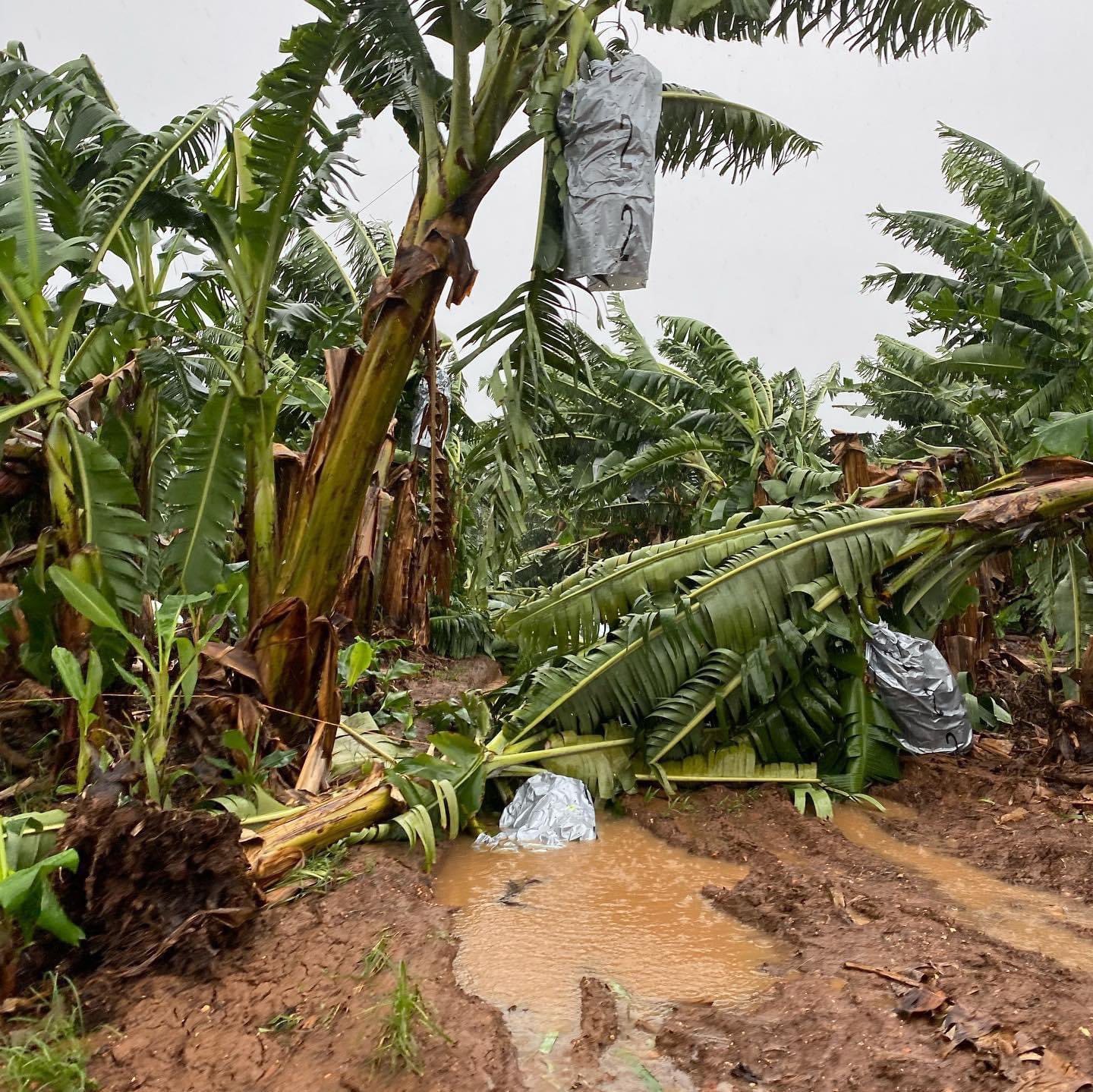
This is 60mm more than the monthly average at Alva Beach.
In the past 24 hours alone, more than 200mm was recorded at Cowley Beach and Bingil Bay.
It has been the heaviest rain in three years for Innisfail (171mm in 24 hours) and2 years at Cowley Beach (216mm in 24 hours).
For cyclone preparedness and safety advice, visit Queensland's Disaster Management Services website or for emergency assistance, call the Queensland State Emergency Service (SES) on 132 500.
Mahinarangi touches hearts as many aspire to reclaim their names
The mother of a little girl whose name was shortened by teachers because it was too hard to pronounce says she is stunned by how many others have had to deal with the same issue.Paris Tautu spoke out about her daughter Mahinarangi’s…
The 'perfect storm' driving up Aussie house prices
Australia's potential property buyers are facing a "perfect storm" of economic factors that are driving prices up at the fastest rate in almost two decades.
Yesterday property research firm CoreLogic revealed that in just one month home values surged 2.1 per cent – the highest single-month increase since 2003.
Sellers are being swamped with offers, banks are welcoming new customers through the doors and interest rates are at historic lows.
READ MORE: Aussie property prices rise at fastest rate in 17 years
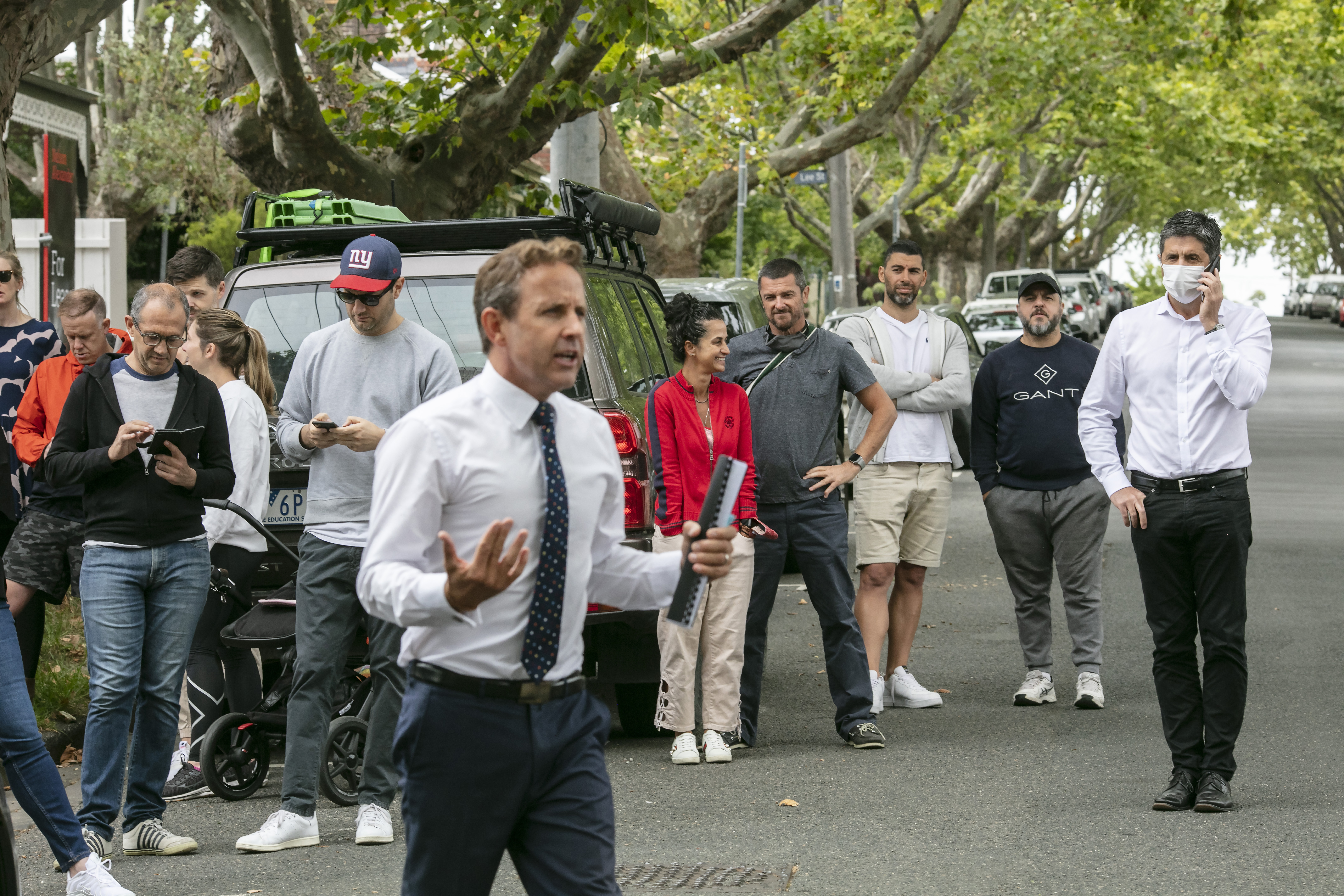
Steve Mickenbecker, Canstar Group's executive of financial services, said demand for properties is reaching fever pitch.
"It is the perfect storm for house prices. On the supply side, new listings through 2020 were well below the four preceding years and total listings now are also down as stock is absorbed before or as soon as properties hit the market," Mr Mickenbecker said.
"Owners are loath to put a house on the market even at high current prices, fearing they will miss the boat getting back in."
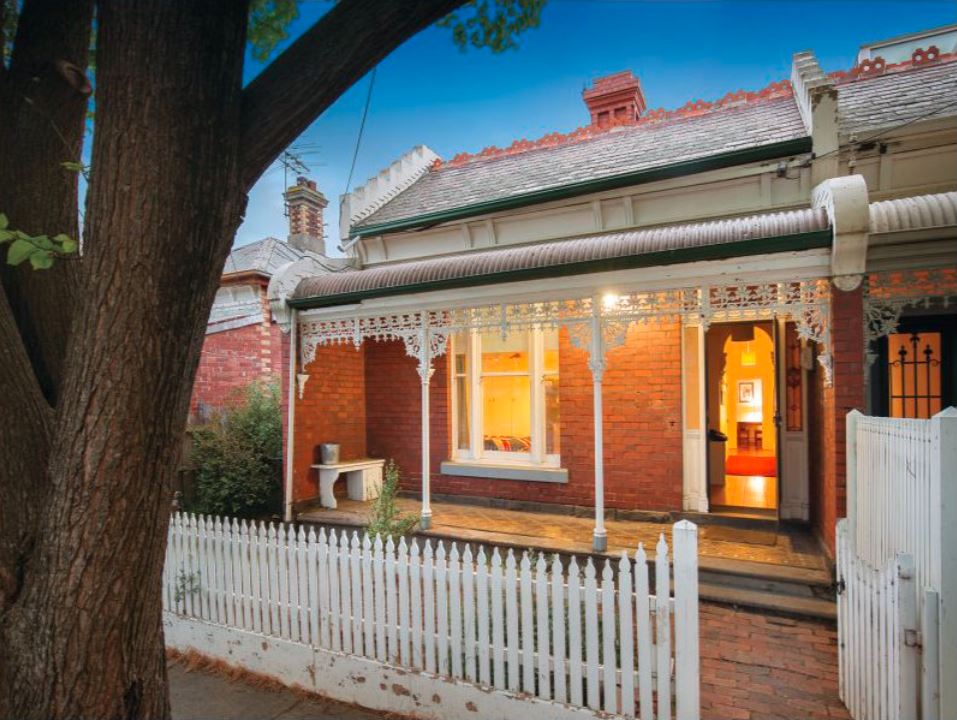
READ MORE: Humble beachside cottage almost cracks $2.5 million
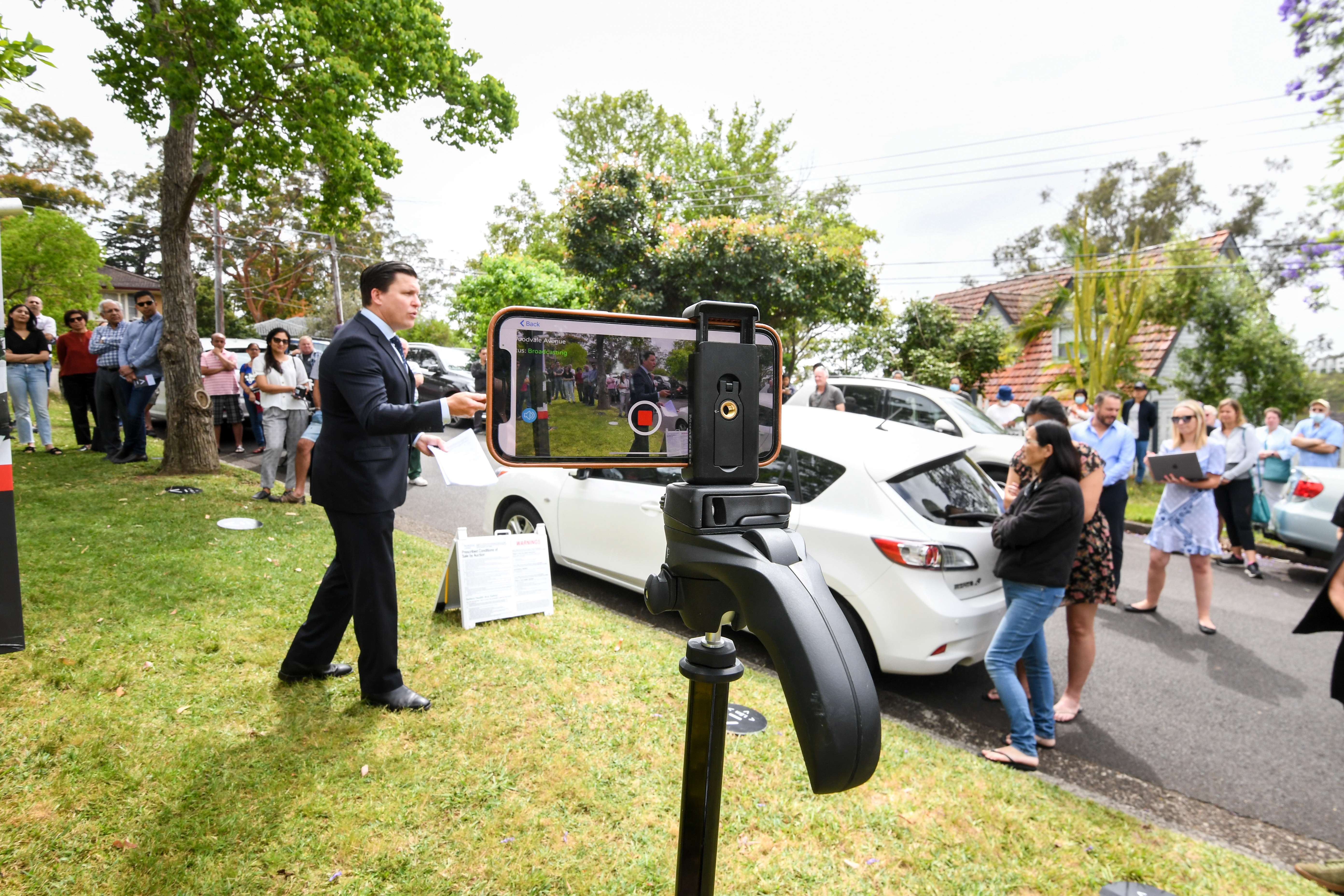
If historic low cash rates and restricted supply weren't enough, there's also a human psychological quirk jamming its foot on the price accelerator: FOMO, or the fear of missing out.
"Property demand has run way ahead, with the fear of missing out becoming a powerful psychological driver as government incentives and low interest rates have encouraged first home buyers and home builders into the market in a rush," Mr Mickenbecker explains.
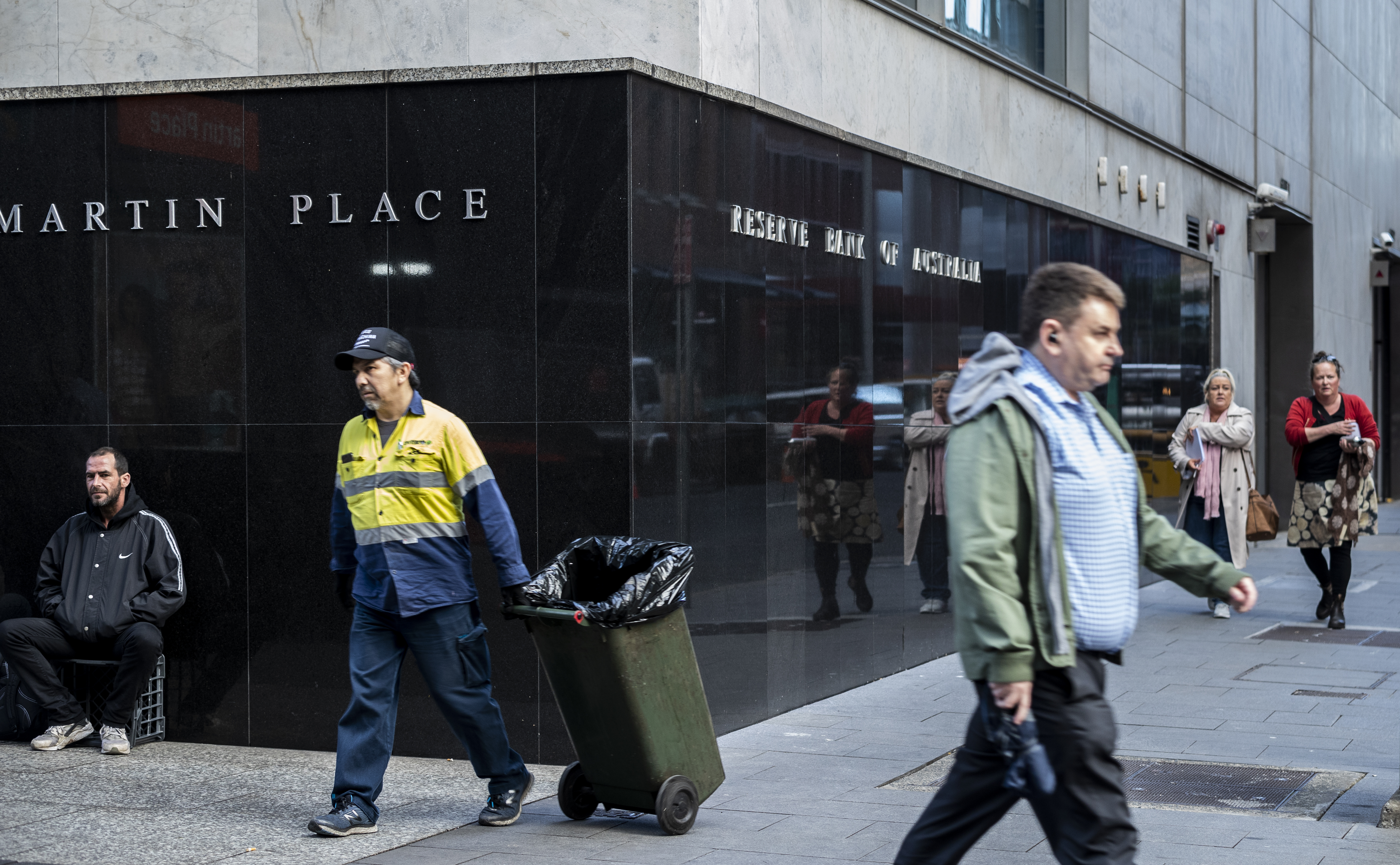
If the growth of Aussie house prices continues at its current meteoric pace, we could see the Reserve Bank's hand forced in lifting interest rates off their current level of 0.1 per cent.
READ MORE: Iconic Mad Max house up for sale in Victoria
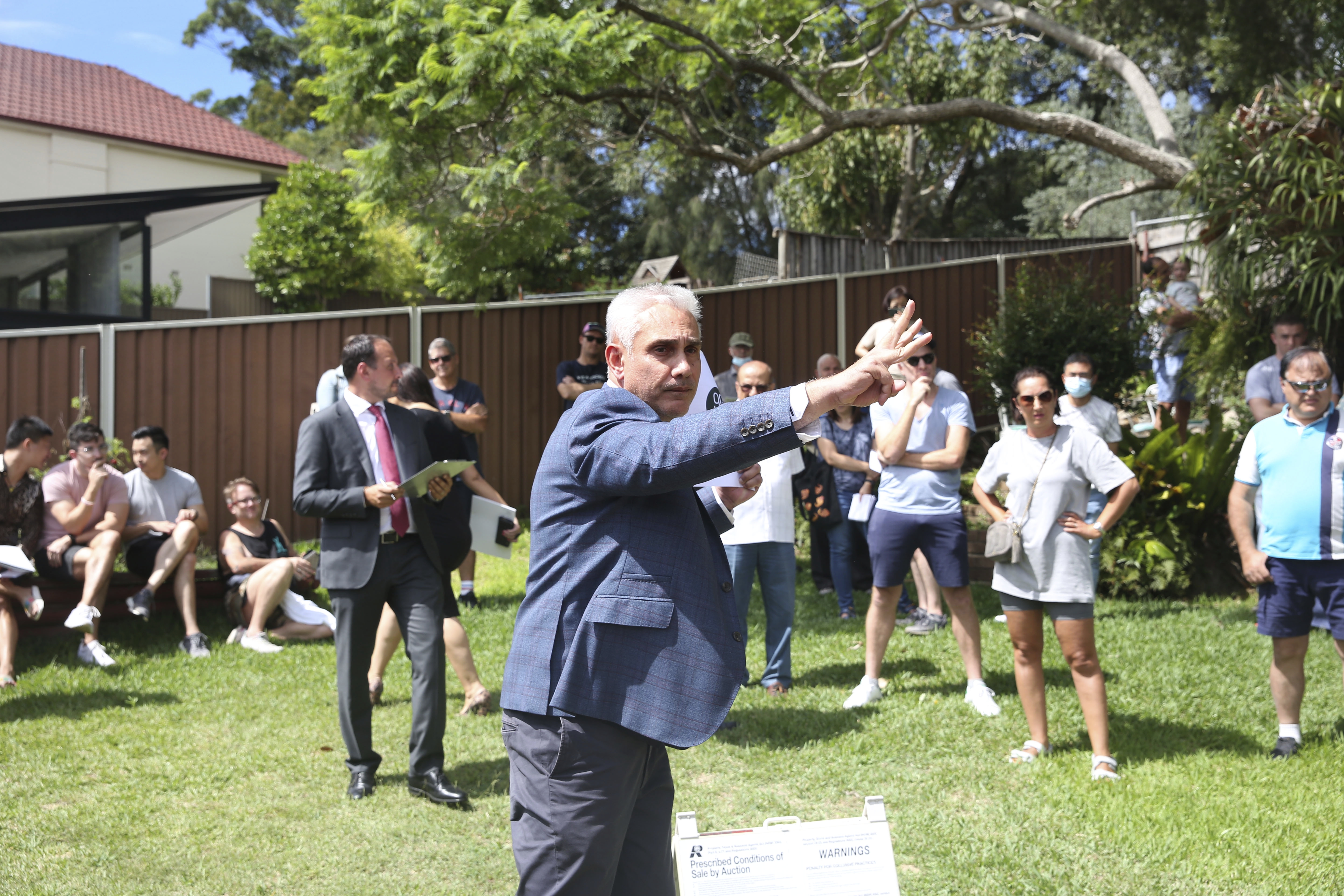
"The Reserve Bank doesn't expect to raise the cash rate for three years or more, but unless property prices can be slowed it will have to start looking for some way to apply the brakes," Mr Mickenbecker said.
"First home buyers and new construction are leading the charge for property buying rather than investors, so the Reserve Bank can't enlist APRA to target investors with lending caps as it has done previously."
Graham Cooke, head of consumer research at Finder, predicts the current growth has legs: a panel of 40 experts and economists forecast the average property price to grow by 12 per cent on average over the next two years.
READ MORE: How long it takes to afford a property in Australia
"With more than $120,000 set to be added to the value of the average Sydney home over the next two years, the brief period of 'affordable' prices appears to be ending," Mr Cooke said.
"ABS lists the median Aussie income at $49,805, so homeowners in the Harbour City will be earning 22 per cent more than the average income, just by living in their homes for two years."
Westpac economists Bill Evans and Matthew Hassan are even more bullish.
They believe house prices will spike by a total of 20 per cent over 2021 and 2022.
"We now expect dwelling prices to rise by 10 per cent nationally in 2021 with this pace continuing in 2022," Mr Evans and Mr Hassan advised last week.
"The upturn is being supported by record low interest rates; the confident expectation amongst borrowers that these rates will remain low for years to come; ample credit supply; and an improving economic backdrop, as the roll-out of vaccines promises to bring the pandemic to an end and drives a sustained lift in confidence."
READ MORE: House prices defy pandemic to hit record high
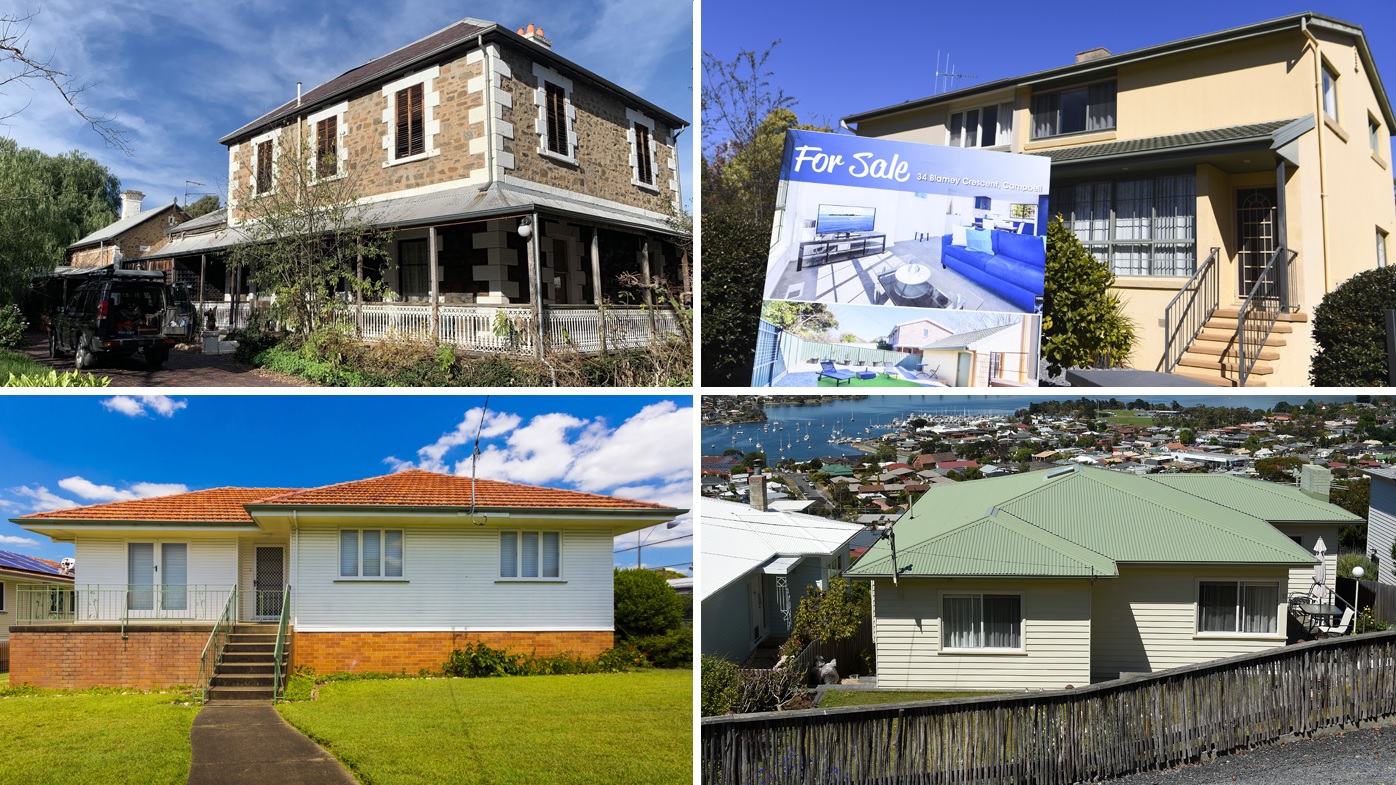
But all good things must come to an end, and Mr Mickenbecker believes "market forces" will eventually apply the brakes as renters moving into their first homes free up supply.
"Market forces must eventually slow the pace of demand, but we are going to have to see an increase in property listings to get us to that point. Supply must come from investors who will be feeling the heat as first home buyers leave a further vacancy behind, but investors can walk away with a tidy capital gain and no pressing housing need," Mr Mickenbecker said.
"Buyers will be feeling a lot of pressure before this all plays out and the Reserve Bank will be looking for a circuit breaker."
Are you trying to buy a home and find yourself competing with more people than ever? We want to hear from you. Email Stuart at sm****@******om.au
The information provided on this website is general in nature only and does not constitute personal financial advice. The information has been prepared without taking into account your personal objectives, financial situation or needs. Before acting on any information on this website you should consider the appropriateness of the information having regard to your objectives, financial situation and needs.
Could Banksy be behind this prison-escape mural on jail wall?
An artwork depicting a prisoner's daring escape has appeared on the wall of a British jail, prompting excited speculation that it was painted by elusive street artist Banksy.
The mural shows a prison inmate making an escape from Reading Prison, a disused institution in southern England that once held the Irish poet Oscar Wilde.
Its style matches the work of street art's most enigmatic star, but there has been no confirmation yet that Banksy is behind it.
READ MORE: New Banksy artwork on England's steepest street
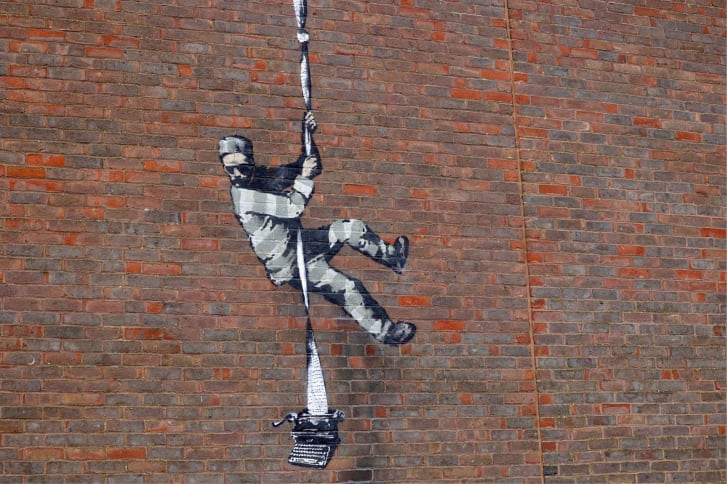
The mysterious work likely depicts Wilde, dangling over the wall of the jail on sheets from his typewriter.
He was held at the institution, then known as Reading Gaol, for two years from 1895, after being imprisoned under a historical law against "gross indecency" that was used to prosecute gay men.
Wilde's 1898 poem "The Ballad of Reading Gaol" is a reflection on his time there. The prison closed in 2013.
READ MORE: Banksy shares new artwork supporting Black Lives Matter
In December, Banksy confirmed that he was behind a new mural in Bristol, the English city that many believe is his hometown.
The mural, which the artist dubbed "Aachoo!!," depicts an old woman violently sneezing, her dentures shooting through the air.
Banksy confirmed the work was his on his Instagram page, the usual forum on which he verifies artworks.
No other works have been verified there since.
But he has been busy during the past year, dropping a handful of pandemic-inspired works.
In April, he posted a set of images to Instagram showing riotous rats graffitied around his bathroom.
READ MORE: Banksy encourages people to wear a mask through latest coronavirus-inspired work
In a nod to those adjusting their lifestyle due to COVID-19, the artist added the caption: "My wife hates it when I work from home."
The following month, he honored health care workers with an image titled "Game Changer," which featured a child playing with a nurse doll wearing a mask and cape.
And in July, the artist posted an Instagram video showing himself spray-painting an image of a rat onto a London Underground train, as he urged people to wear face masks.
It was later removed by transportation authorities for violating their "strict anti-graffiti policy."
– Reported with CNN
Demolition begins on Christchurch police kiosk after 30 years
A small kiosk that maintained a police presence in Christchurch’s Cathedral Square for decades is going to the wrecking ball.Demolition of the well-known landmark began on Monday as it has been five years since the police last used…
Cricket bat killing: John Collins changing story to 'fit the law', Crown says
A man who bludgeoned his friend to death with a cricket bat is not only a murderer but a liar, the Crown says.But John Kenneth Collins’ counsel, Len Andersen QC, said his client killed 45-year-old Brent Andrew Bacon “in the heat…
Covid 19 coronavirus: City Fitness Papatoetoe gymgoers due to be tested tomorrow
Gymgoers who were at a South Auckland gym at the same time as a man who tested positive for Covid-19 will be tested for the virus for the first time tomorrow. Anyone who was at City Fitness Papatoetoe, at Hunters Plaza, at the same…
Countries call on drug companies to share vaccine know-how
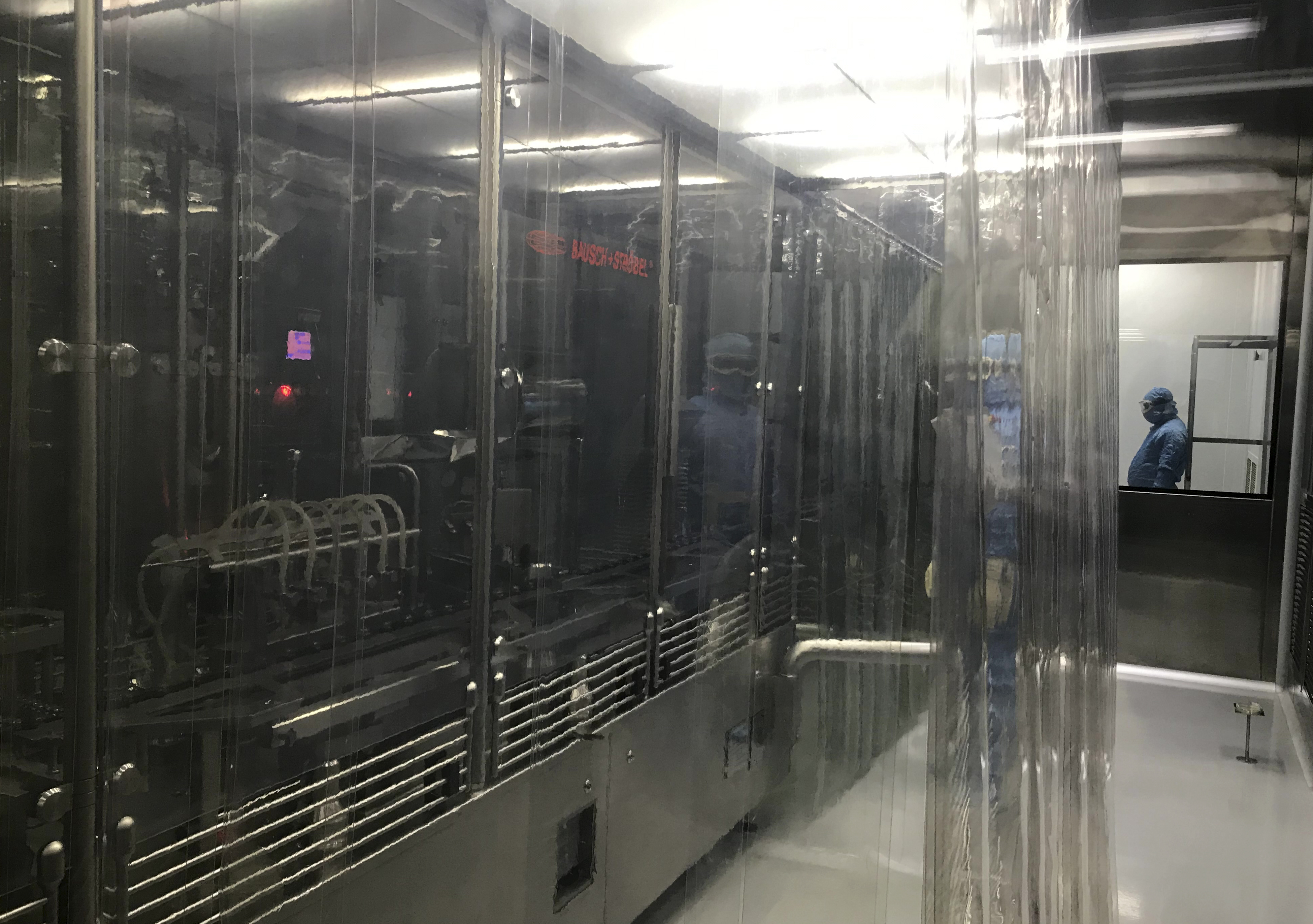
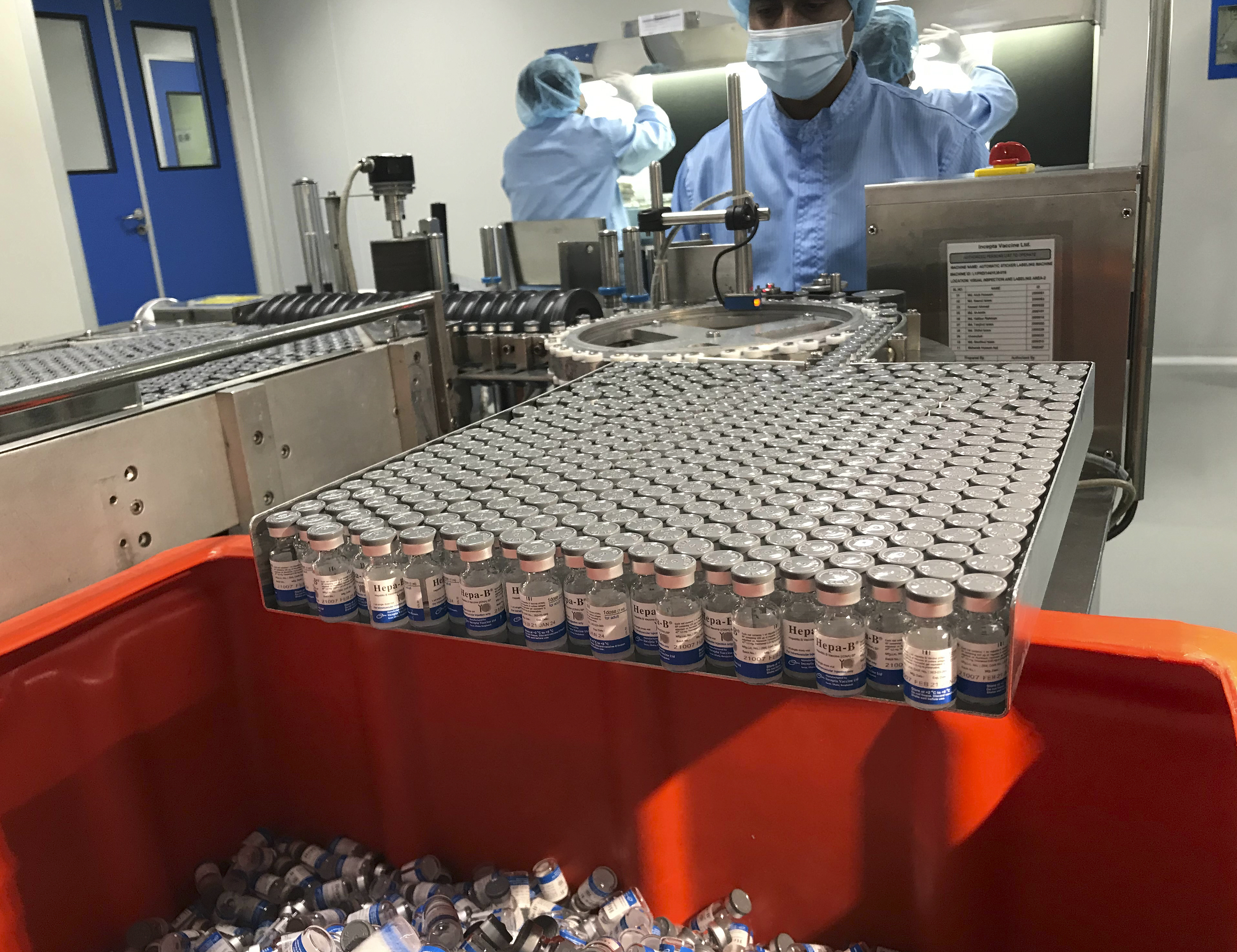
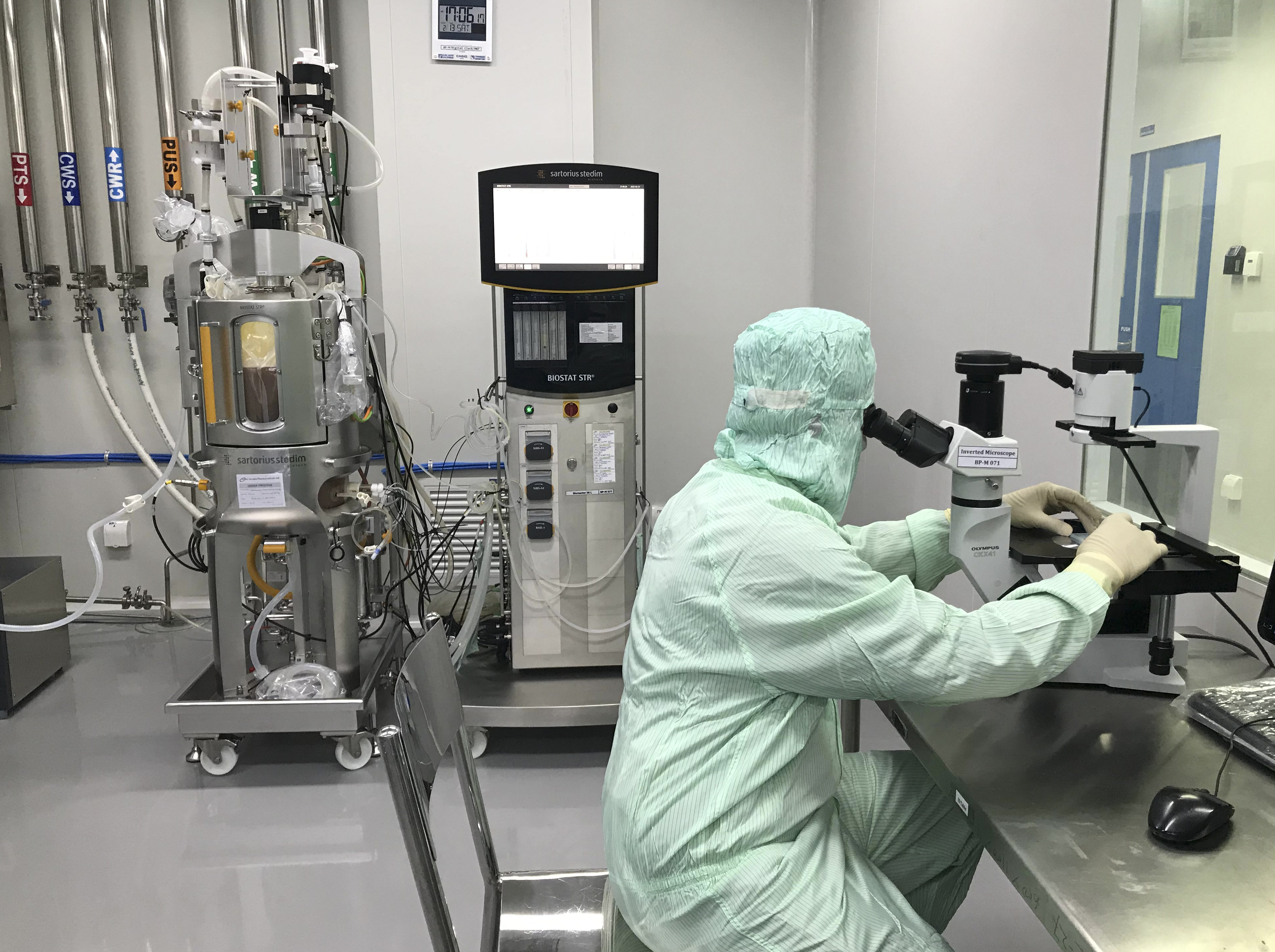
In an industrial neighbourhood on the outskirts of Bangladesh's largest city lies a factory with gleaming new equipment imported from Germany, its immaculate hallways lined with hermetically sealed rooms. It is operating at just a quarter of its capacity.
It is one of three factories that The Associated Press found on three continents whose owners say they could start producing hundreds of millions of COVID-19 vaccines on short notice if only they had the blueprints and technical know-how. But that knowledge belongs to the large pharmaceutical companies who produce the first three vaccines authorised by countries including Britain, the European Union and the US — Pfizer, Moderna and AstraZeneca. The factories are all still awaiting responses.
READ MORE: German hairdressers reopen despite coronavirus fears
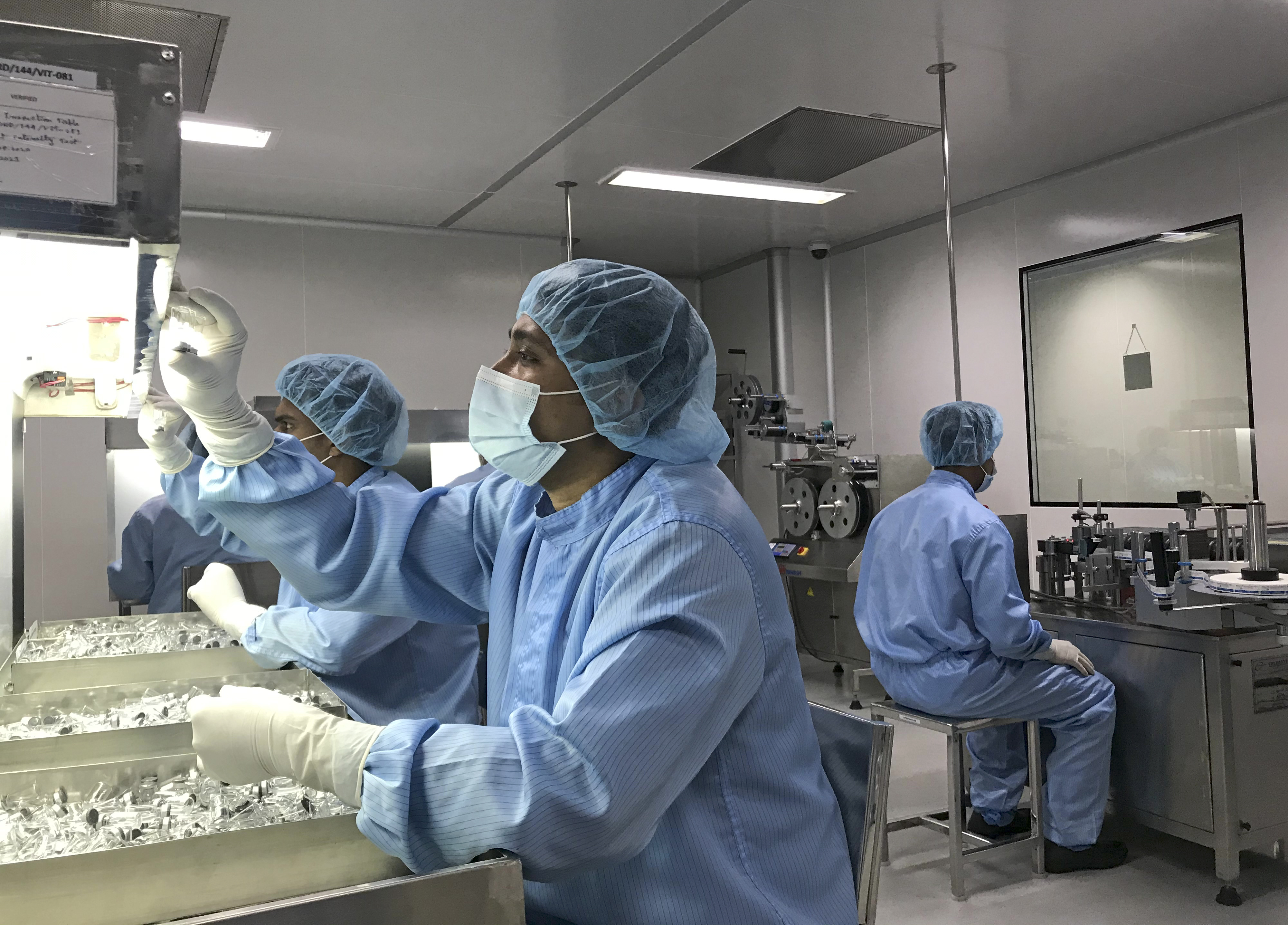
Across Africa and Southeast Asia, governments and aid groups, as well as the World Health Organisation, are calling on pharmaceutical companies to share their patent information more broadly to meet a yawning global shortfall in a pandemic that already has claimed over 2.5 million lives. Pharmaceutical companies that took taxpayer money from the US or Europe to develop inoculations at unprecedented speed say they are negotiating contracts and exclusive licensing deals with producers on a case-by-case basis because they need to protect their intellectual property and ensure safety.
Critics say this piecemeal approach is just too slow at a time of urgent need to stop the virus before it mutates into even deadlier forms. WHO called for vaccine manufacturers to share their know-how to "dramatically increase the global supply".
"If that can be done, then immediately overnight every continent will have dozens of companies who would be able to produce these vaccines," said Abdul Muktadir, whose Incepta plant in Bangladesh already makes vaccines against hepatitis, flu, meningitis, rabies, tetanus and measles.
Huge majority of jabs in only 10 rich countries
All over the world, the supply of coronavirus vaccines is falling far short of demand, and the limited amount available is going to rich countries. Nearly 80 per cent of the vaccines so far have been administered in just 10 countries, according to WHO. More than 210 countries and territories with a collective population of 2.5 billion hadn't received a single shot as of last week.
READ MORE: Is COVID to blame for the deadliest avalanche season in the US?
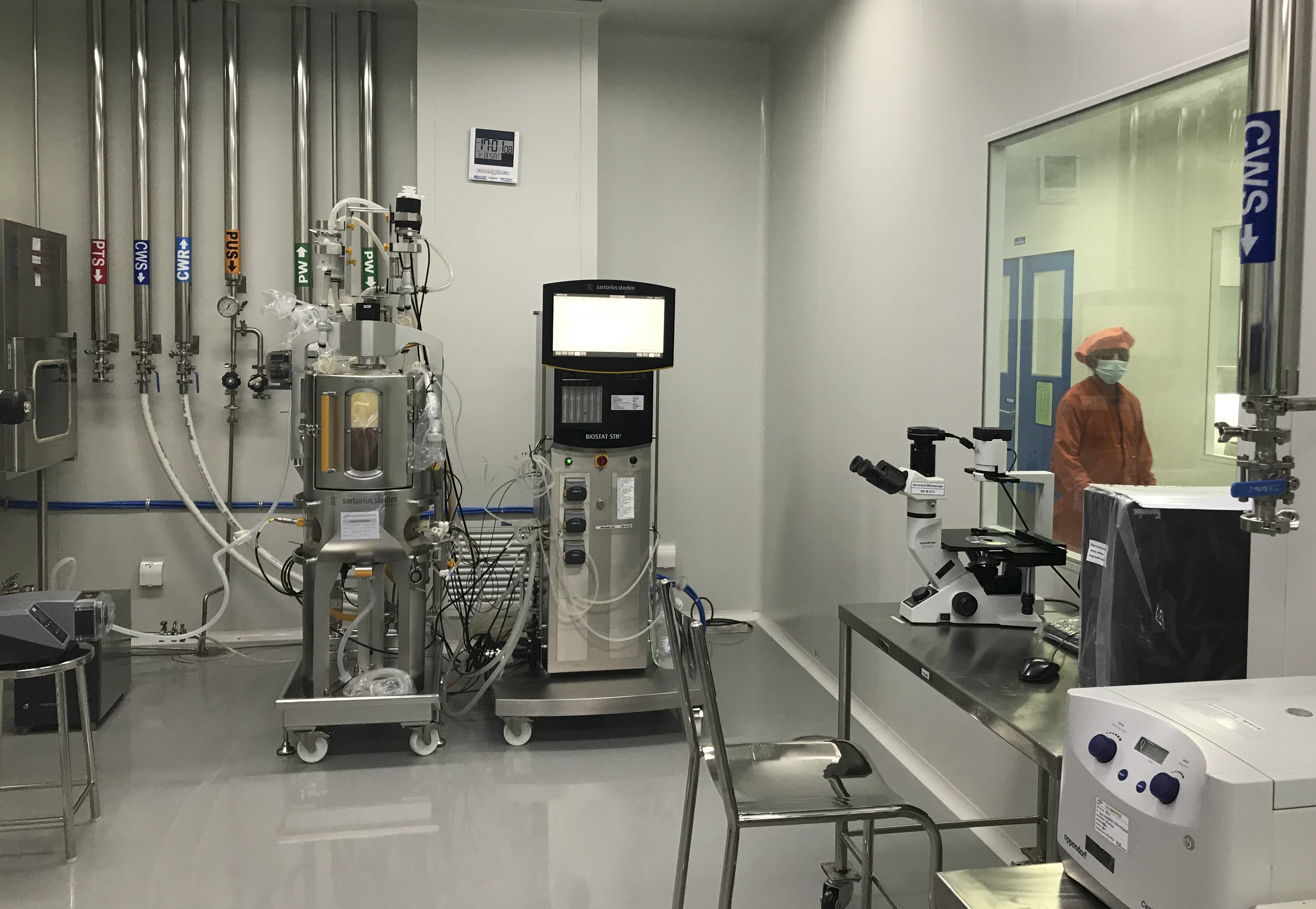
The deal-by-deal approach also means that some poorer countries end up paying more for the same vaccine than richer countries. South Africa, Mexico, Brazil and Uganda all pay different amounts per dose for the AstraZeneca vaccine — more than governments in the European Union, according to studies and publicly available documents. AstraZeneca said the price of the vaccine will differ depending on factors such as production costs, where the shots are made and how much countries order.
"What we see today is a stampede, a survival of the fittest approach, where those with the deepest pockets, with the sharpest elbows are grabbing what is there and leaving others to die," said Winnie Byanyima, executive director of UNAIDS.
In South Africa, home to the world's most worrisome COVID-19 variant, the Biovac factory has said for weeks that it's in negotiations with an unnamed manufacturer with no contract to show for it. And in Denmark, the Bavarian Nordic factory has capacity to spare and the ability to make more than 200 million doses but is also waiting for word from the producer of a licensed coronavirus vaccine.
Governments and health experts offer two potential solutions to the vaccine shortage: One, supported by WHO, is a patent pool modelled after a platform set up for HIV, tuberculosis and hepatitis treatments for voluntary sharing of technology, intellectual property and data. But not a single company has offered to share its data or transfer the necessary technology.
READ MORE: Turkish vaccine teams battle ice and snow to reach isolated villages
The other, a proposal to suspend intellectual property rights during the pandemic, has been blocked in the World Trade Organisation by the United States and Europe, home to the companies responsible for creating the coronavirus vaccines. That drive has the support of at least 119 countries among the WTO's 164 member states, and the African Union, but is adamantly opposed by vaccine makers.
Pharmaceutical companies say instead of lifting IP restrictions, rich countries should simply give more of the vaccines they have to poorer countries through COVAX, the public-private initiative WHO helped create for equitable vaccine distribution. The organisation and its partners delivered its first doses last week — in very limited quantities.
Rich countries clinging to vaccines
But rich countries are not willing to give up what they have. Ursula Von der Leyen, head of the European Commission, has used the phrase "global common good" to describe the vaccines. Even still, the European Union imposed export controls on vaccines, giving countries the power to stop shots from leaving their borders in some cases.
In comments Monday on her first day as director-general of the WTO, Nigeria's Ngozi Okonjo-Iweala said the time had come to shift attention to the vaccination needs of the world's poor.
"We must focus on working with companies to open up and license more viable manufacturing sites now in emerging markets and developing countries," she said, according to notes from her closed-door talk with delegates shared with The Associated Press.
READ MORE: Pfizer vaccine doesn't need to be kept in deep freeze, say US officials
The long-held model in the pharmaceutical industry is that companies pour in huge amounts of money and research in return for the right to reap profits from their drugs and vaccines. At an industry forum last May, Pfizer's CEO Albert Bourla described the idea of sharing IP rights widely as "nonsense" and even "dangerous." AstraZeneca's chief Pascal Soriot said if intellectual property is not protected, "there is no incentive for anybody to innovate."
Thomas Cueni, director general of the International Federation of Pharmaceutical Manufacturers, called the idea of lifting patent protections "a very bad signal to the future. You signal that if you have a pandemic, your patents are not worth anything."
Advocates of sharing vaccine blueprints argue that, unlike with most drugs, taxpayers paid billions to develop vaccines that are now "global public goods" and should be used to end the biggest public health emergency in living memory.
"People are literally dying because we cannot agree on intellectual property rights," said Mustaqeem De Gama, a South African diplomat who has been deeply involved in the WTO discussions.
Paul Fehlner, the chief legal officer for biotech company Axcella and a supporter of the WHO patent pool board, said governments that poured billions of dollars into developing vaccines and treatments should have demanded more from the companies they were financing from the beginning.
"A condition of taking taxpayer money is not treating them as dupes," he said.
Fauci calls for wider measures
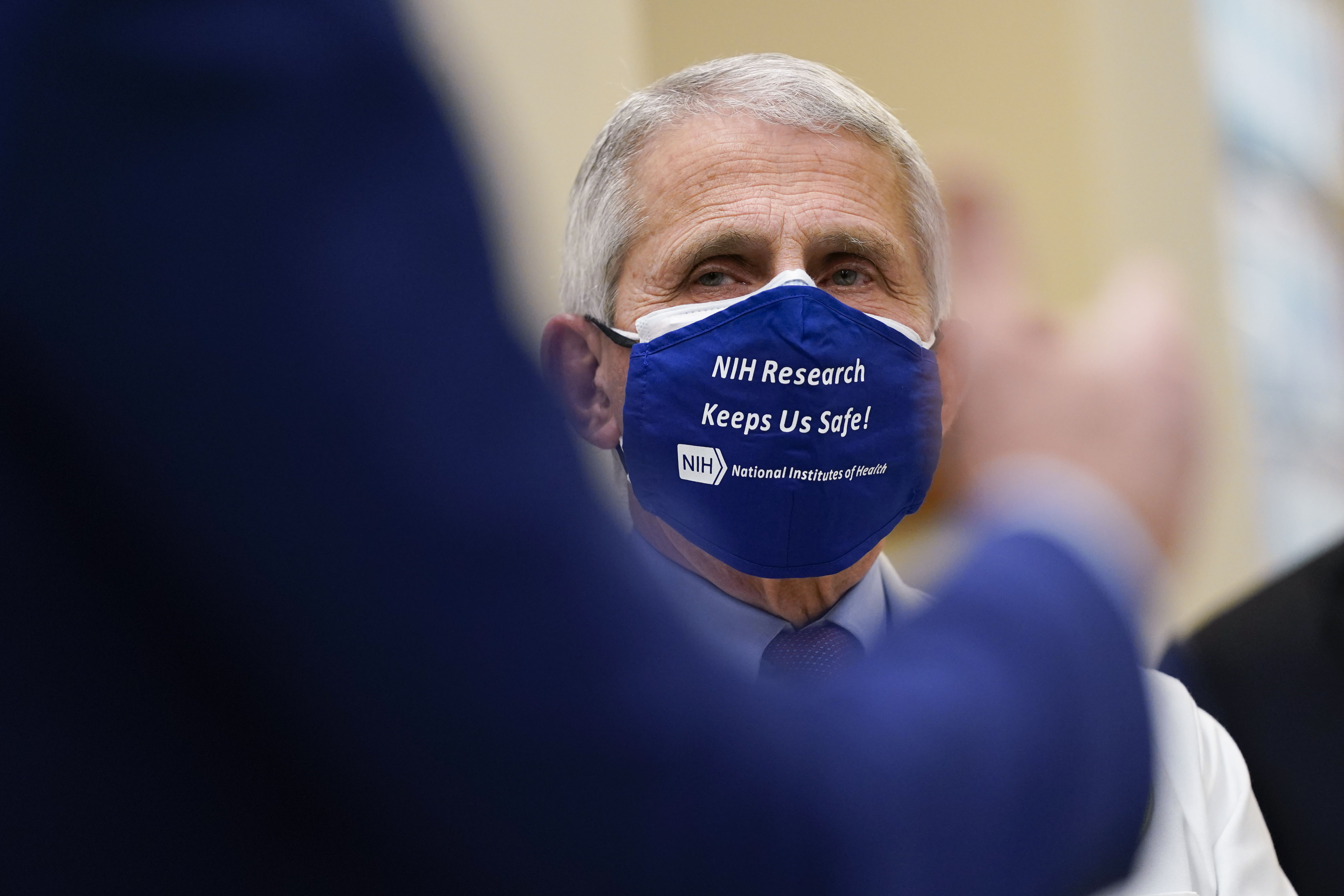
In an interview with the Journal of the American Medical Association, Dr Anthony Fauci, the leading pandemic expert in the United States, said all options need to be on the table, including increasing aid, improving production capacity in the developing world and working with pharmaceutical companies to relax their patents.
"Rich countries, ourselves included, have a moral responsibility when you have a global outbreak like this," Fauci said. "We've got to get the entire world vaccinated, not just our own country."
It's hard to know exactly how much more vaccine could be made worldwide if intellectual property restrictions were lifted, because the spare production capacity of factories has not been publicly shared. But Suhaib Siddiqi, former director of chemistry at Moderna, said with the blueprint and technical advice, a modern factory should be able to get vaccine production going in at most three to four months.
"In my opinion, the vaccine belongs to the public," said Siddiqi. "Any company which has experience synthesising molecules should be able to do it."
Back in Bangladesh, the Incepta factory tried to get what it needed to make more vaccines in two ways, by offering its production lines to Moderna and by reaching out to a WHO partner. Moderna did not respond to multiple requests for comment about the Bangladesh plant, but its CEO, Stéphane Bancel, told European lawmakers that the company's engineers are fully occupied on expanding production in Europe.

"Doing more tech transfer right now could actually put the production and the increased output for the months to come at great risk," he said. "We are very open to do it in the future once our current sites are running."
Muktadir said he was also in discussions last May with CEPI, or the Coalition for Epidemic Preparedness Innovations, one of WHO's partners in a global effort to buy and distribute COVID-19 vaccines fairly, but nothing came of it. CEPI spokesman Tom Mooney said the talks last year with Incepta didn't raise interest, but that CEPI is still in discussions "about matchmaking opportunities including the possibility of using Incepta's capacity for second wave vaccines."
Muktadir said he fully appreciates the extraordinary scientific achievement involved in the creation of vaccines this year, wants the rest of the world to be able to share in it, and is willing to pay a fair price.
"Nobody should give their property just for nothing," he said. "A vaccine could be made accessible to people — high quality, effective vaccines."
Police ordered to pay $10,000 for prosecuting one of their own
Police have been ordered to pay one of their own nearly $10,000 after their prosecution of his alleged domestic violence showed “clear negligence”.Judge Kevin Phillips, who made the costs order, said police had been “blinkered”…