NXUS said it’s important to have an ‘external eye’ in disaster responses.
Tag Archives: oceania
Fishermen snare 150kg bull shark in Sydney Harbour
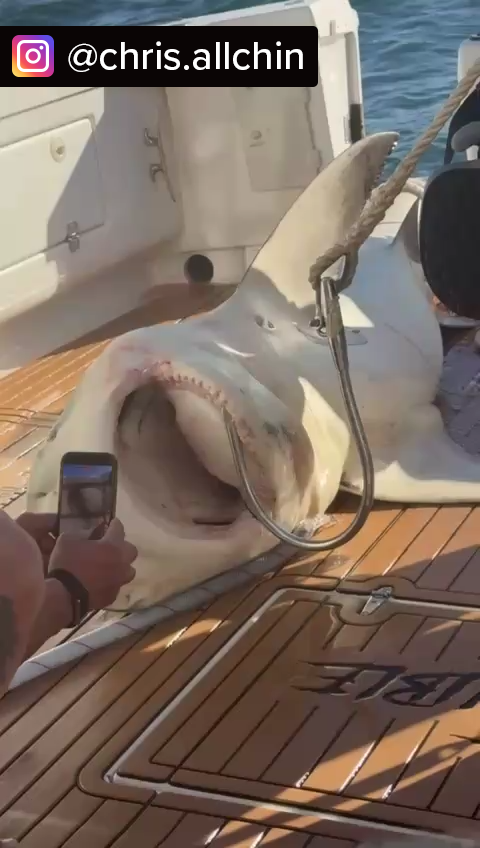
Fishermen in Sydney Harbour have reeled in a 150kg bull shark just days after the species was blamed for a series of attacks along the NSW coast.
Chris Allchin said he and his friends had set out to catch "something big" in the harbour earlier this week, fishing near Clifton Gardens on the northern side of the harbour.
In approximately 20 metres of water, and away from swimming beaches, Allchin and the boat's crew hooked the shark and brought it onboard.
READ MORE: Residents in fear after teens invited to mass bike rideout
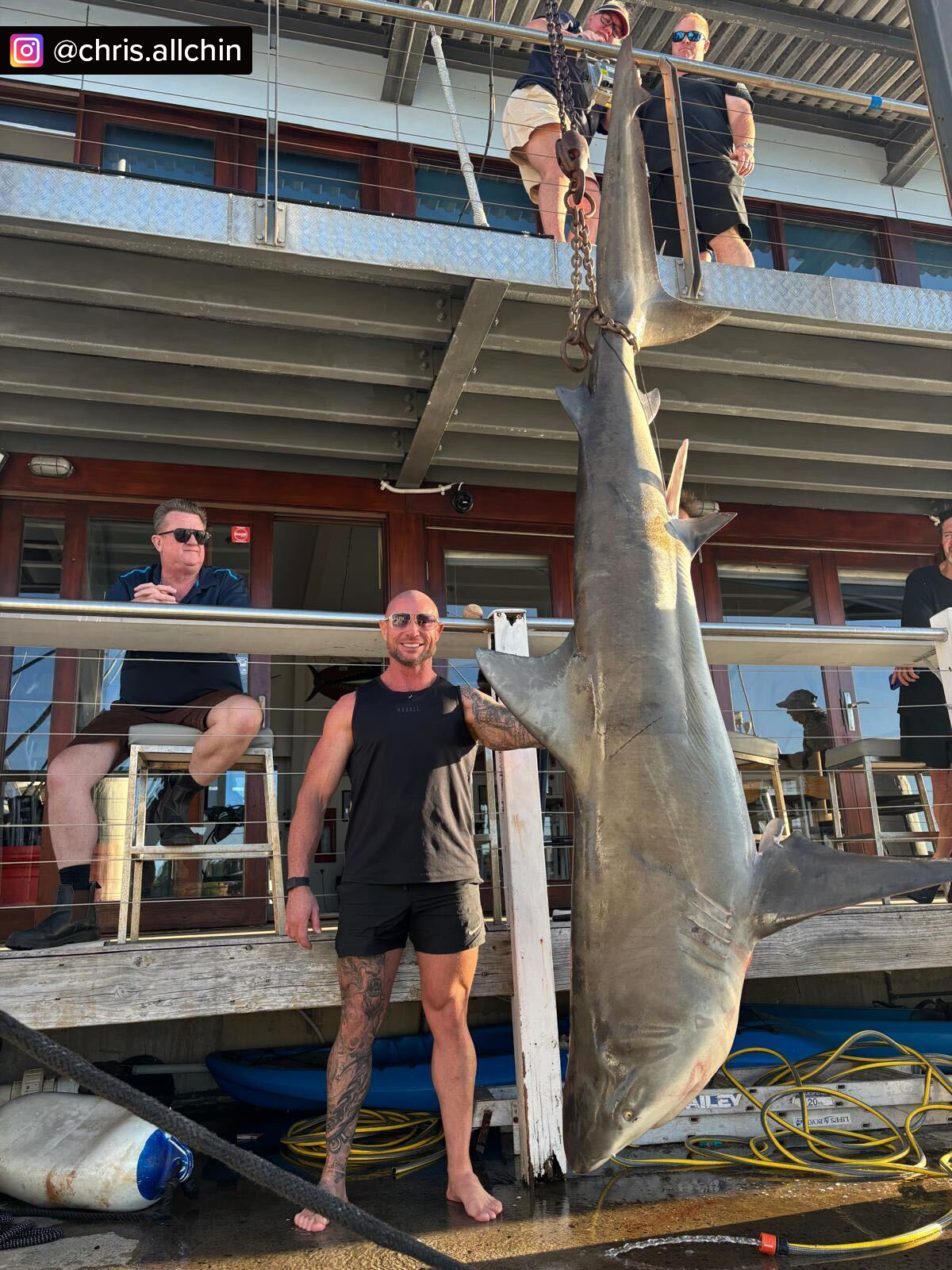
The shark, which is estimated to be between 18 and 20-years-old, was donated to fisheries for research.
Allchin described fighting the shark as "a rush" and said it was a reminder of the size of sharks that live in the harbour.
"Sharks have been and will always be in the harbour, and that we have safe swimming areas that are patrolled or behind nets for a good reason," he told 9News.
READ MORE: NSW council worker charged after alleged $1.3 million fraud
"Many people, including myself, have jumped into the harbour for a swim off the back of a boat, unaware of the potential danger below.
"Hopefully seeing that 150kg bull shark has educated people to swim in designated areas and not in the middle of the harbour."
Bull sharks are believed to be behind a recent string of attacks on people off the NSW coast, including a 12-year-old boy who died days after he was mauled at Vaucluse.
Bull sharks, like most species, do not typically prey on humans, but experts said they had likely been drawn in closer to shore by recent storms.
They are not a protected species in Australia.
The recent attacks triggered some debate over the shark population, though no cull or other control measure has been ordered.
NEVER MISS A STORY: Get your breaking news and exclusive stories first by following us across all platforms.
- Download the 9NEWS App here via Apple and Google Play
- Make 9News your preferred source on Google by ticking this box here
- Sign up to our breaking newsletter here
Prime Minister Christopher Luxon to attend Waitangi next week, Herald understands
Christopher Luxon’s yet to officially announce where he will be.
Westport man Joseph Wells sentenced for brutal attack on woman
Victim tried defending herself by hitting Wells multiple times with a portable speaker.
Australian astronomers discover potentially habitable planet
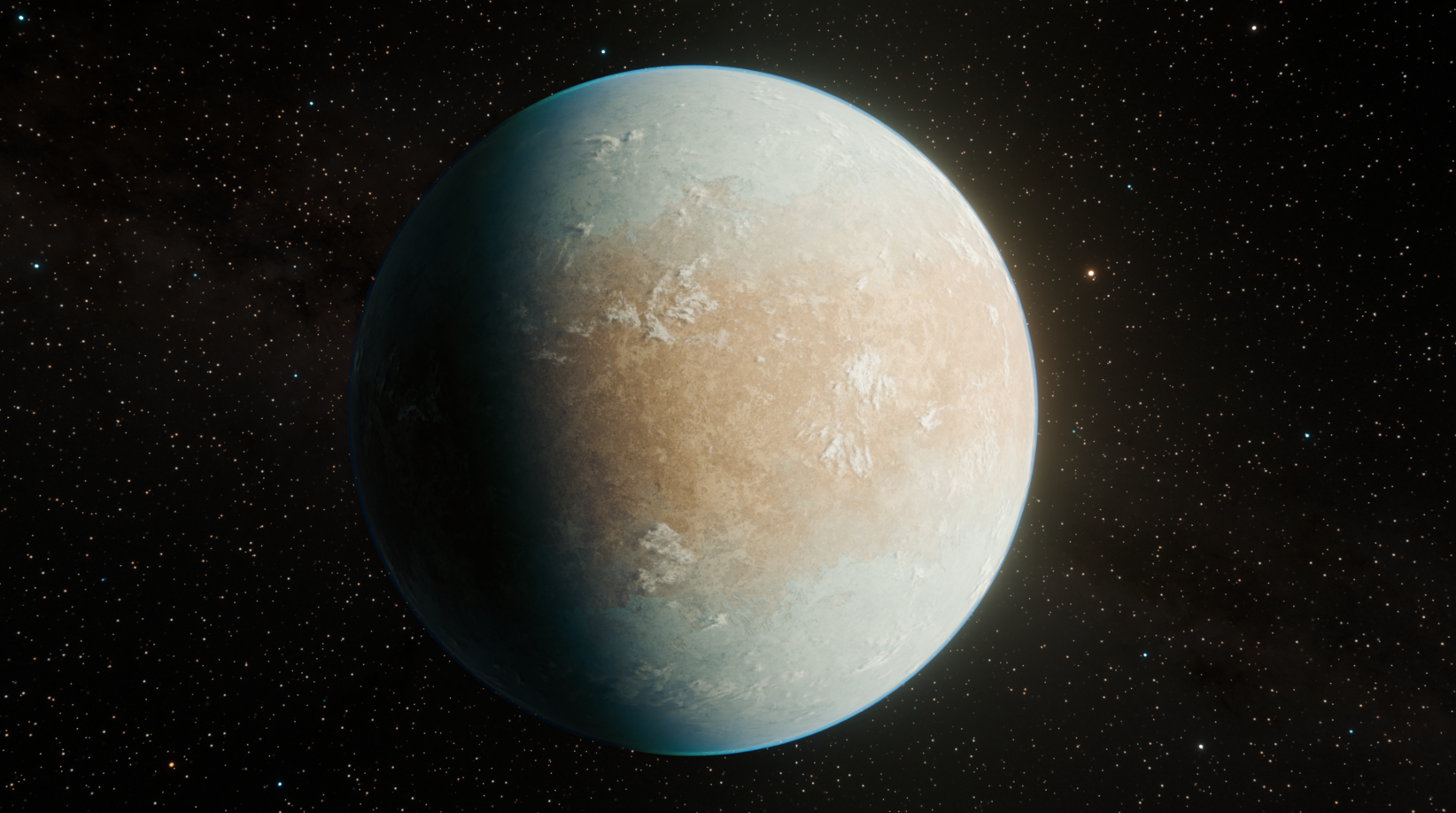
Australian astronomers have discovered a potentially habitable planet 150 light years away.
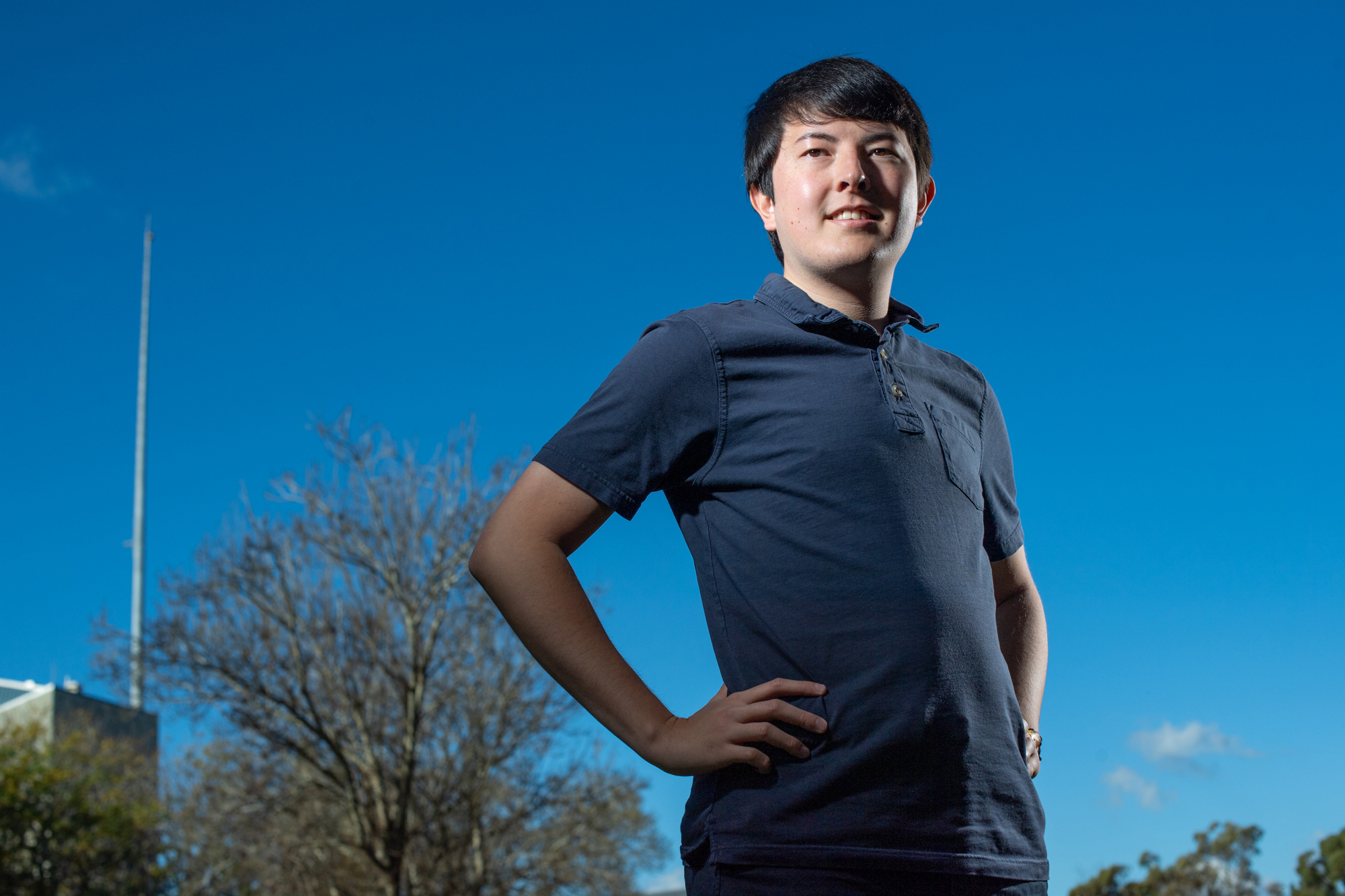
The candidate planet, named HD 137010 b, was identified by an international team led by University of Southern Queensland researcher Dr Alexander Venner using data from NASA's Kepler extended K2 mission captured in 2017.
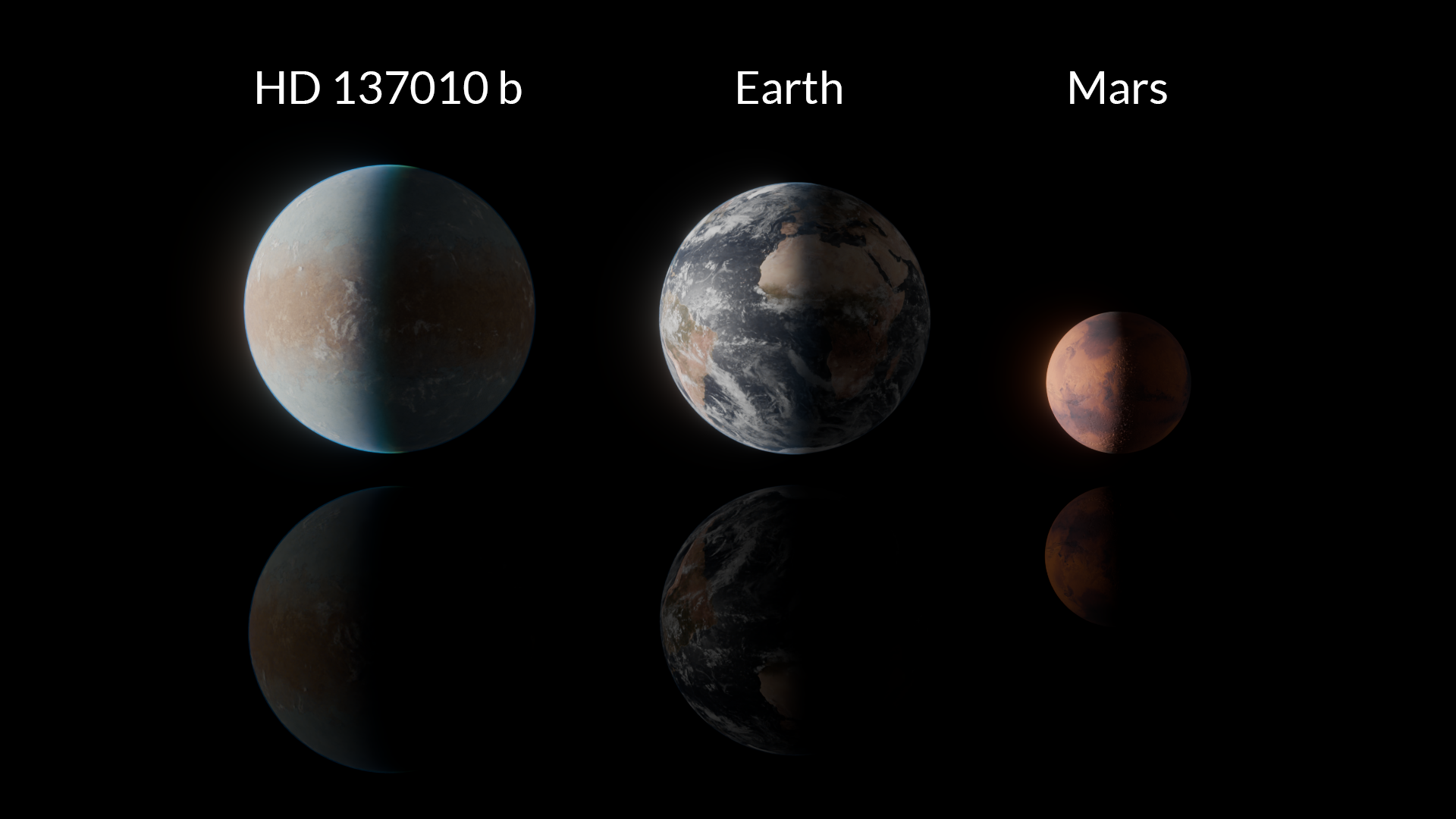
The new planet is estimated to be only six per cent larger than Earth, with a surface temperature more similar to Mars, potentially below -70 degrees.
READ MORE: Australia's fertility rate is about to plummet. We want to know why
The findings were published today in The Astrophysical Journal Letters.
The study found the candidate planet is located near the outer edge of the habitable zone, where liquid water could exist on a planet's surface.
HD 137010 b was spotted when it briefly crossed in front of its star during three months of Kepler observations.
READ MORE: Software issue leaves thousands of Telstra customers unable to make calls
The candidate planet left only the faintest trace, clue was detected by a team of amateur citizen scientists including Venner.
"I contributed to this citizen science project called Planet Hunters back when I was in secondary school, and it was a big part of how I got into research," Venner said.
"It was an amazing experience to go back to this work and dig up such an important discovery."
READ MORE: Scientists set a new time for the Doomsday Clock
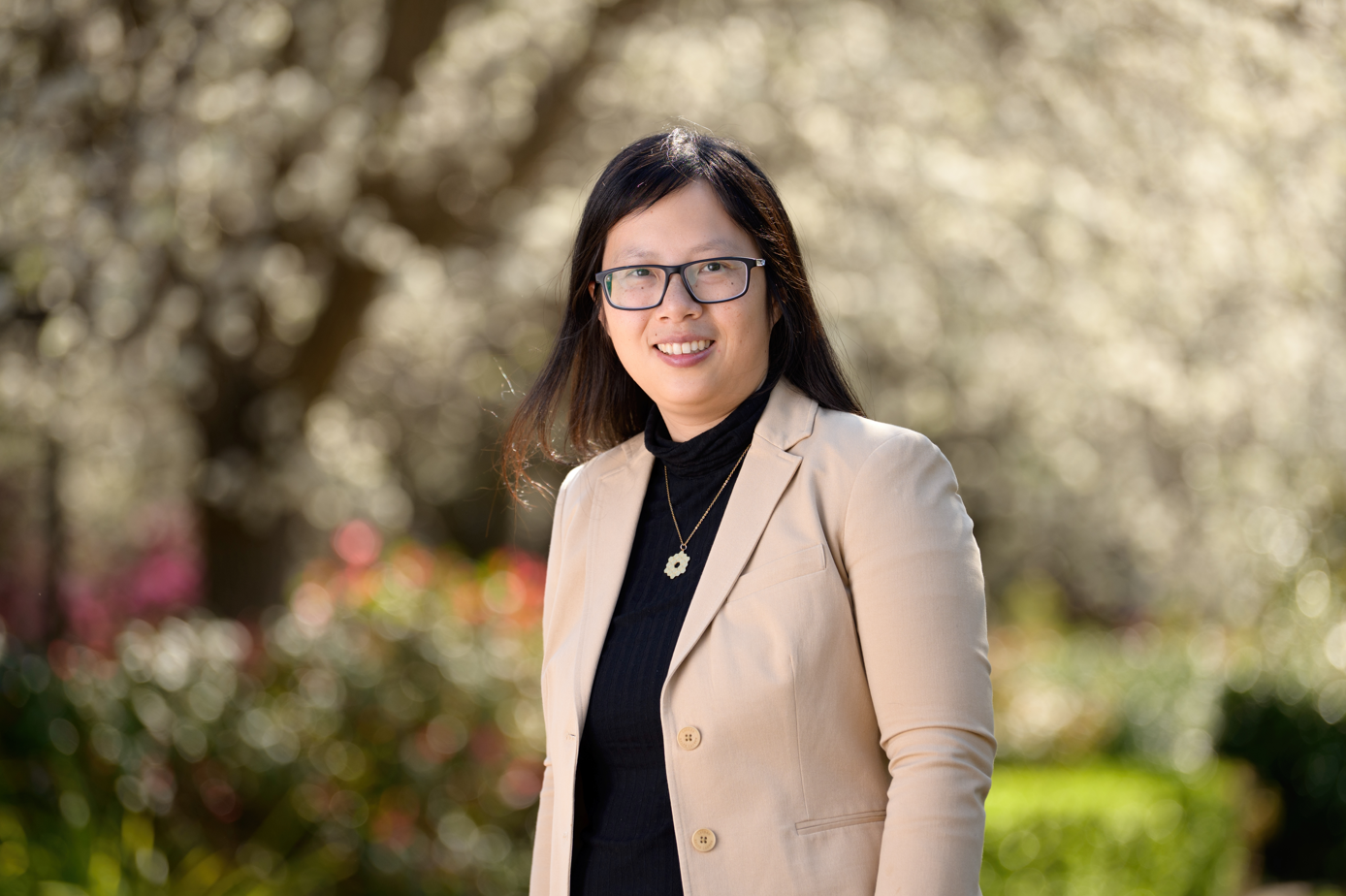
University of Southern Queensland astrophysicist Dr Chelsea Huang, a co-author of the study and Venner's PhD supervisor, said to date most of the potential habitable planets were around small dim stars.
"This causes a problem because these planets are so close to the host star that they experience an extended period of high-energy radiation," Huang said.
"Scientists expect this high-energy radiation will blast the atmosphere away of this planet and make them inhabitable."
Huang said the team expects this new candidate planet will have more favourable conditions for habitability.
READ MORE: One of Aussie outback's last strongholds against cane toads to fall
Venner said HD 137010 b was the first planet candidate with Earth-like properties to transit a Sun-like star bright enough for substantial follow-up observations.
"While current generations of astronomical instruments cannot fully characterise this newly discovered planet, it could become a prime target for future radial velocity instruments aiming to detect Earth analogues," he said.
"Future space missions designed to directly image Earth-like planets, like the NASA Habitable Worlds Observatory, may also be capable of capturing images of HD 137010 b."
NEVER MISS A STORY: Get your breaking news and exclusive stories first by following us across all platforms.
- Download the 9NEWS App here via Apple and Google Play
- Make 9News your preferred source on Google by ticking this box here
- Sign up to our breaking newsletter here
Australia’s fertility rate is about to plummet. We want to know why
Australia's birth rate is expected to plummet to a new record low after years of steady decline.
The nation's total fertility rate (TFR) has been below the replacement level of 2.1 children per adult woman for almost 50 years now.
But the situation has become more dire of late.
READ MORE: Residents in fear after teenagers invited to planned mass bike rideout in Sydney
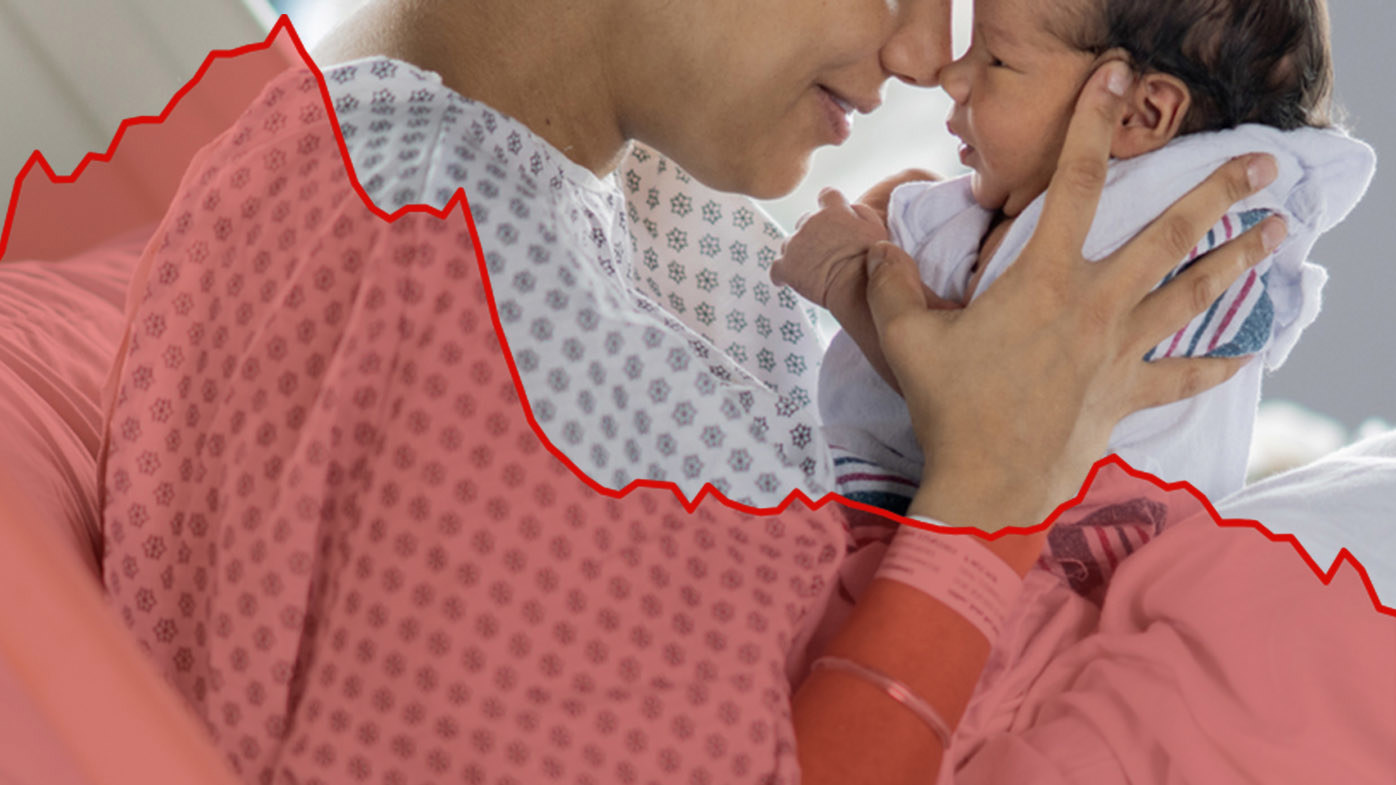
In 2023, Australia's fertility rate hit a low of 1.49, then dipped to a record-breaking low of 1.48 in 2024.
The predicted rate for 2025 was about 1.45, according to new data from The Centre for Population.
And this year it's expected to fall even lower to 1.42, the lowest it has ever been.
These record lows have been driven by multiple overlapping factors, from more Aussies choosing to have kids later in life, to older women having fewer children.
Some families stop at one child for personal or financial reasons, as raising a multi-child family in Australia can be prohibitively expensive between the cost of groceries, housing and schooling.
Have you got a story? Contact reporter Maddison Leach at our breaking newsletter here
Tesla’s sales slowdown puts Elon Musk’s enormous pay deal at risk
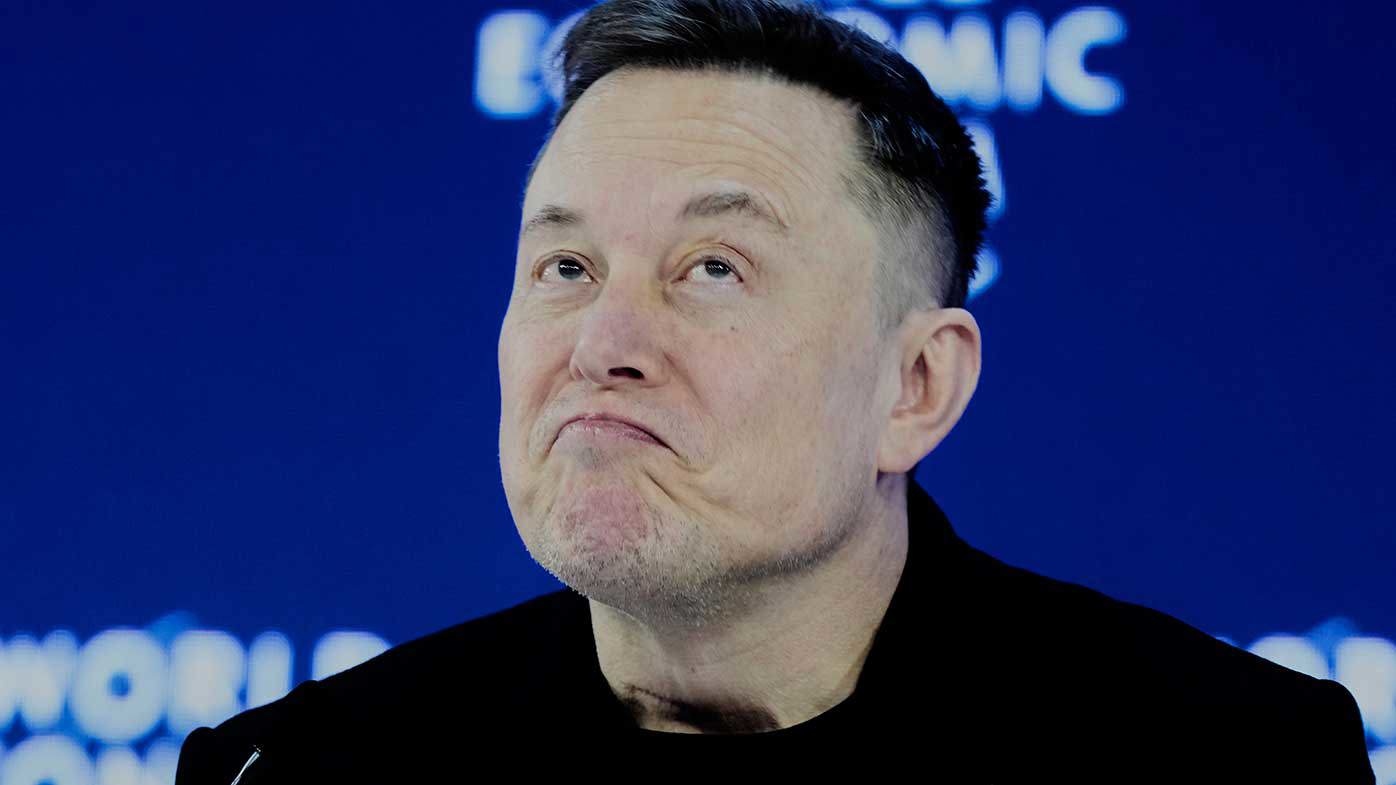
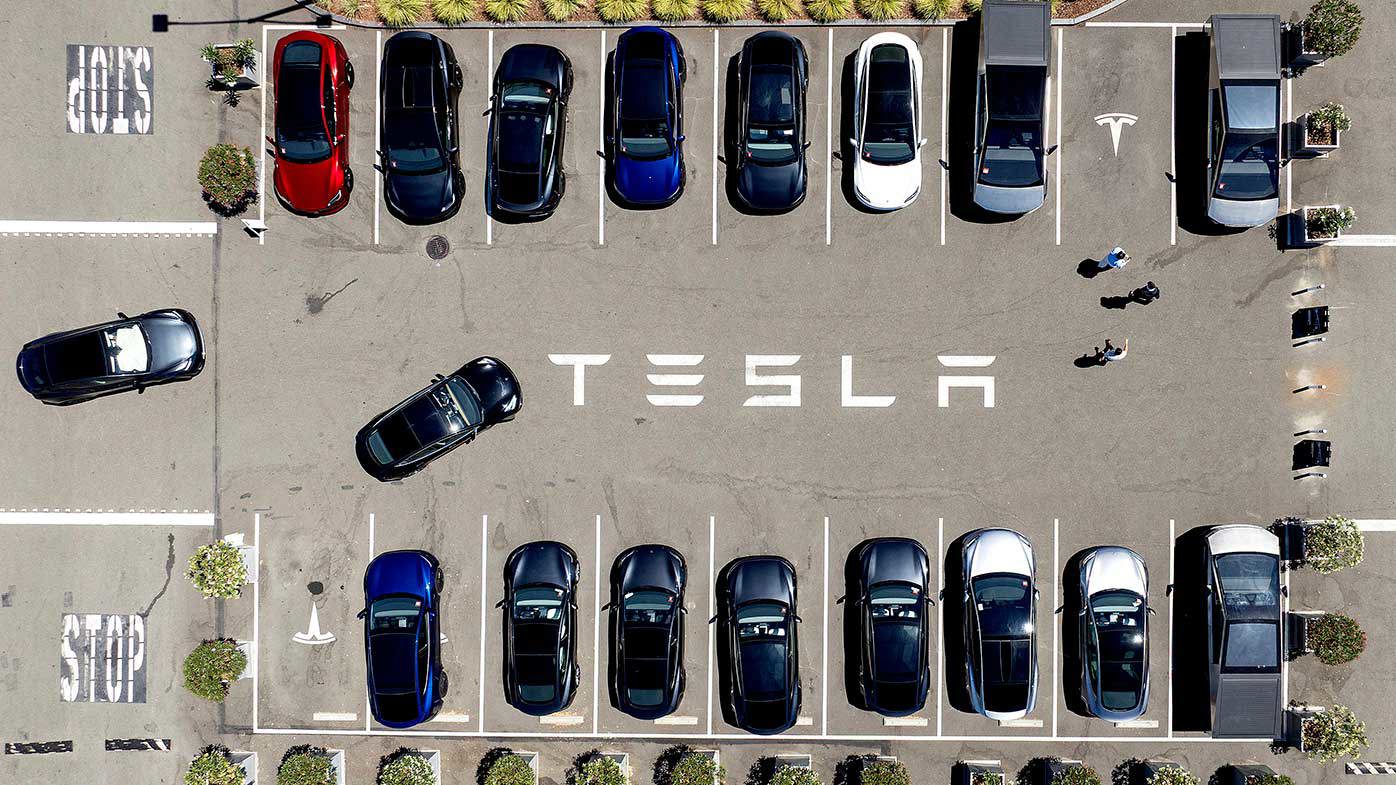
Tesla has seen its first decline in annual revenue in the company's history, putting CEO Elon Musk's historic pay package deal at risk.
The car and technology company reported revenue of $35 billion in the 2025 fourth quarter, nearly a billion dollars less than the same period in 2024.
But the reported revenue was slightly higher than forecast, leading to a jump in the company's after-hours share price.
READ MORE: Congresswoman attacked 'probably' set up the assault, claims Trump
A decline in car sales is behind much of the company's flagging numbers.
Vehicle deliveries dropped 8.6 per cent last year, with the brand number suffering from its attachment to Musk himself.
Since the South African-born multi-billionaire aligned himself to President Donald Trump, the brand has suffered.
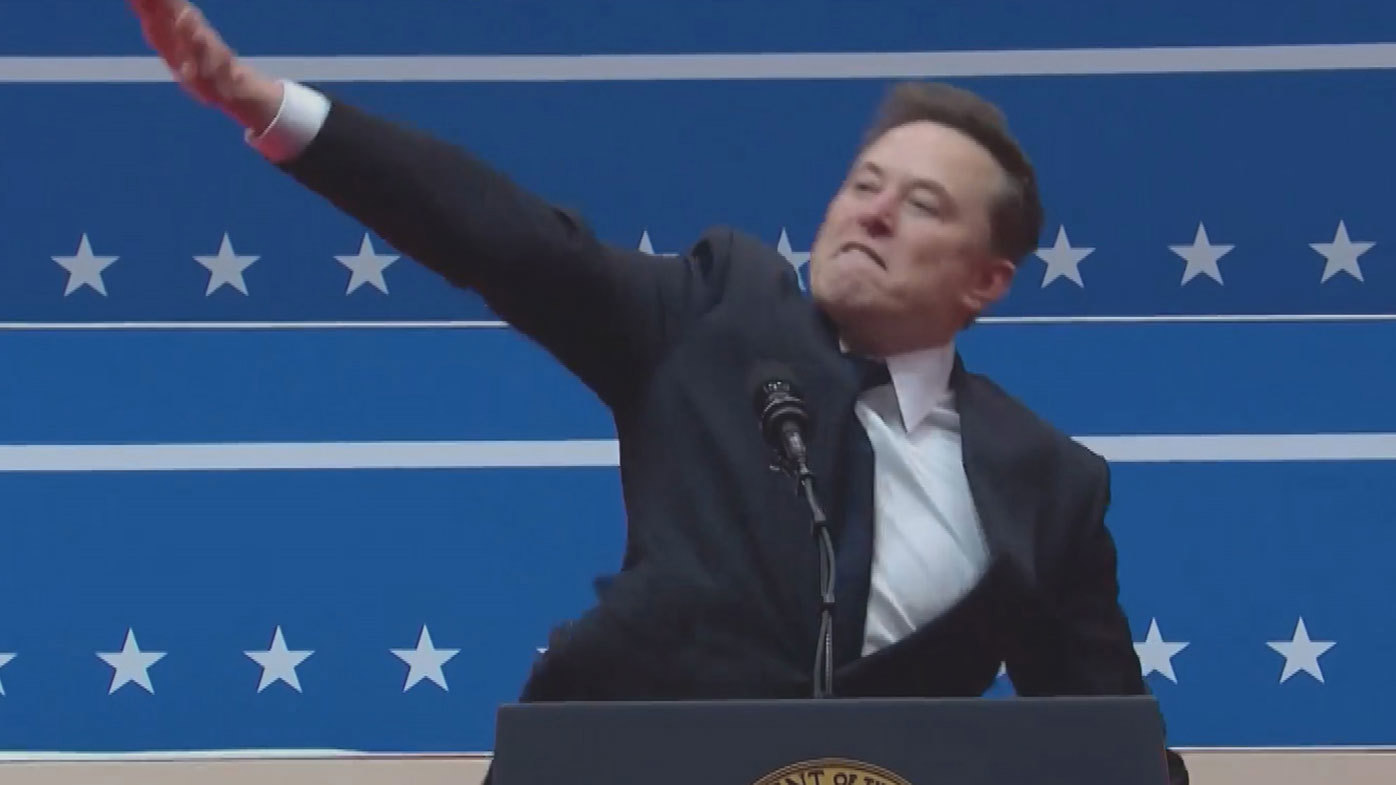
Protesters have hounded car dealerships selling Teslas after Musk appeared to do a Nazi salute at an inauguration event last January.
And when Trump cut Biden administration-era credits for electric cars, sales dropped further.
READ MORE: Melania Trump's $57m doco on track to bomb at the box office
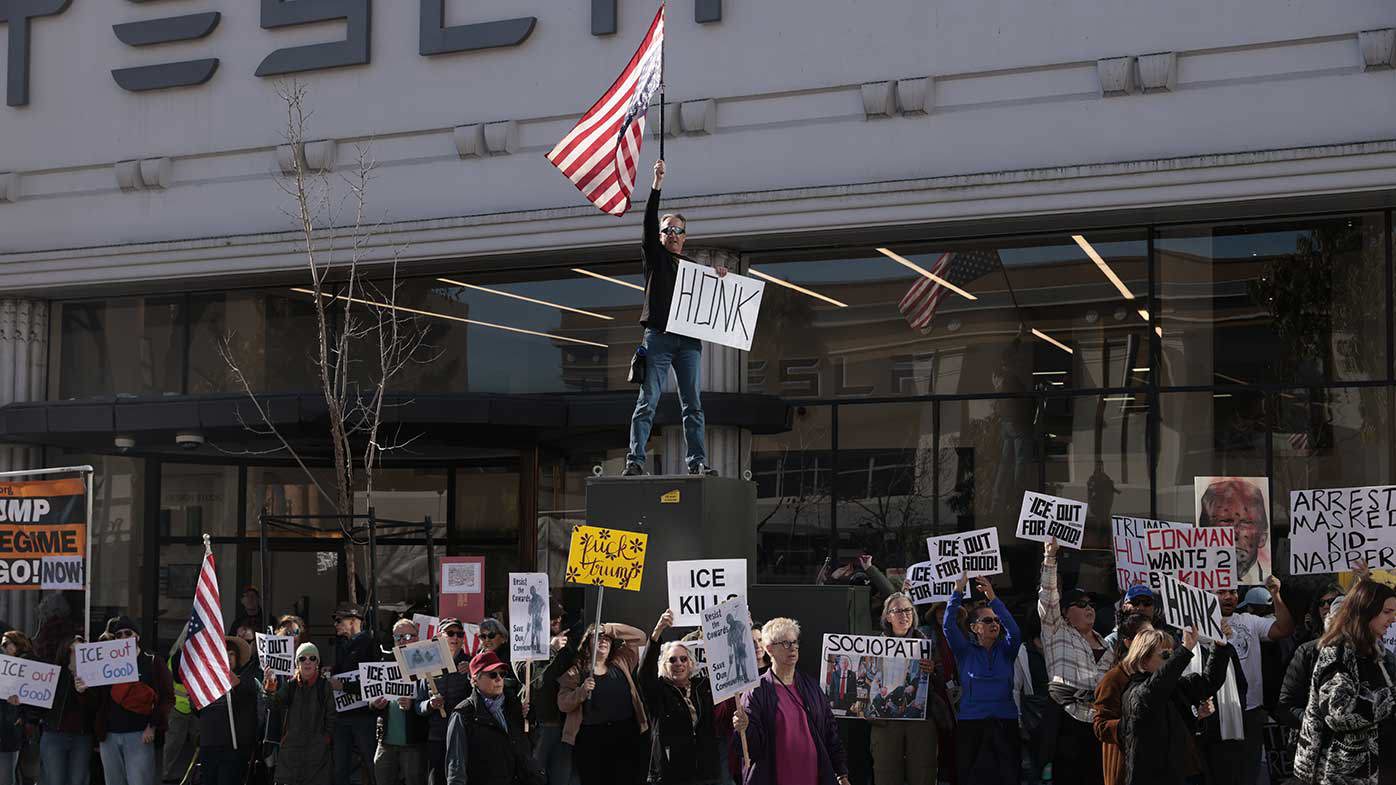
Musk's endorsements of far-right ideologies in Europe have alienated potential customers there.
Tesla is no longer the biggest electric car maker in the world, with Chinese company BYD claiming the crown earlier this month.
Earlier today Musk announced the company would be converting factories in California from cars to its humanoid robots.
Tesla's net income plummeted to $1.2 billion from nearly $3 billion last year.
The soft year could stop Musk from claiming the immense pay package approved by shareholders in November.
READ MORE: Grok to 'obey law' after AI app used to nudify women and girls
Under the deal, Tesla would pay Musk a trillion US dollars ($1.42 trillion) if he brought the company to a market capitalisation of $US8 trillion.
At present, it is at $US1.35 trillion.
The deal also requires him to sell 20 million electric cars, 10 million self-driving subscriptions, a million humanoid robots and a million robotaxis over 10 years.
Musk is already by far the richest man in the world, with an estimated net worth of more than a trillion Australian dollars.
By comparison, if Musk had all the banknotes in circulation in Australia, it would only account for 10 per cent of his net worth.
READ MORE: Tesla loses title as world's biggest electric vehicle maker
NEVER MISS A STORY: Get your breaking news and exclusive stories first by following us across all platforms.
- Download the 9NEWS App here via Apple and Google Play
- Make 9News your preferred source on Google by ticking this box here
- Sign up to our breaking newsletter here
NSW could be given another public holiday this year
Those in NSW could be given an extra day off this year to make up for the fact that Anzac Day falls on a Saturday.
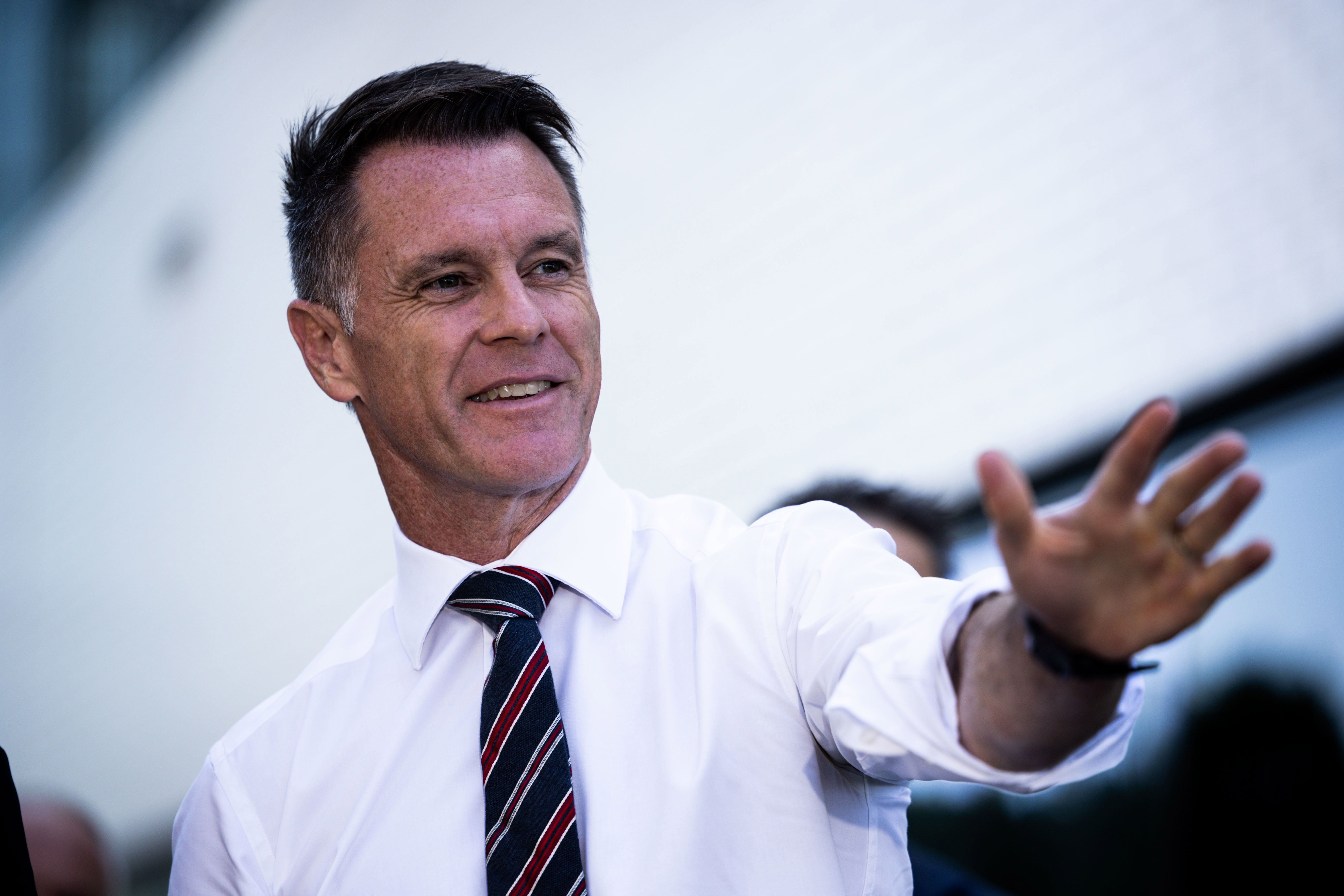
Premier Chris Minns has said he is considering adding Anzac Day to the list of holidays that would be granted an additional day for when Anzac Day falls on a weekend.
Currently, Anzac Day is only deemed a public holiday in NSW on April 25, even if it occurs on a Saturday or Sunday, as will be the case this year, when it falls on Saturday.
READ MORE: Nicki Minaj jumps on the 'bandwagon' as Trump's new celebrity ally
This means workers do not get a day off on the Monday, like other holidays such as Christmas, Boxing Day and New Year's Day, called an additional day.
"We're going to have a conversation about it for this year," Minns told Triple M's Beau, Cat & Woodsy.
"We're underserved when it comes to public holidays; there's a lot more in every other state."
READ MORE: Residents in fear after teens invited to mass bike rideout
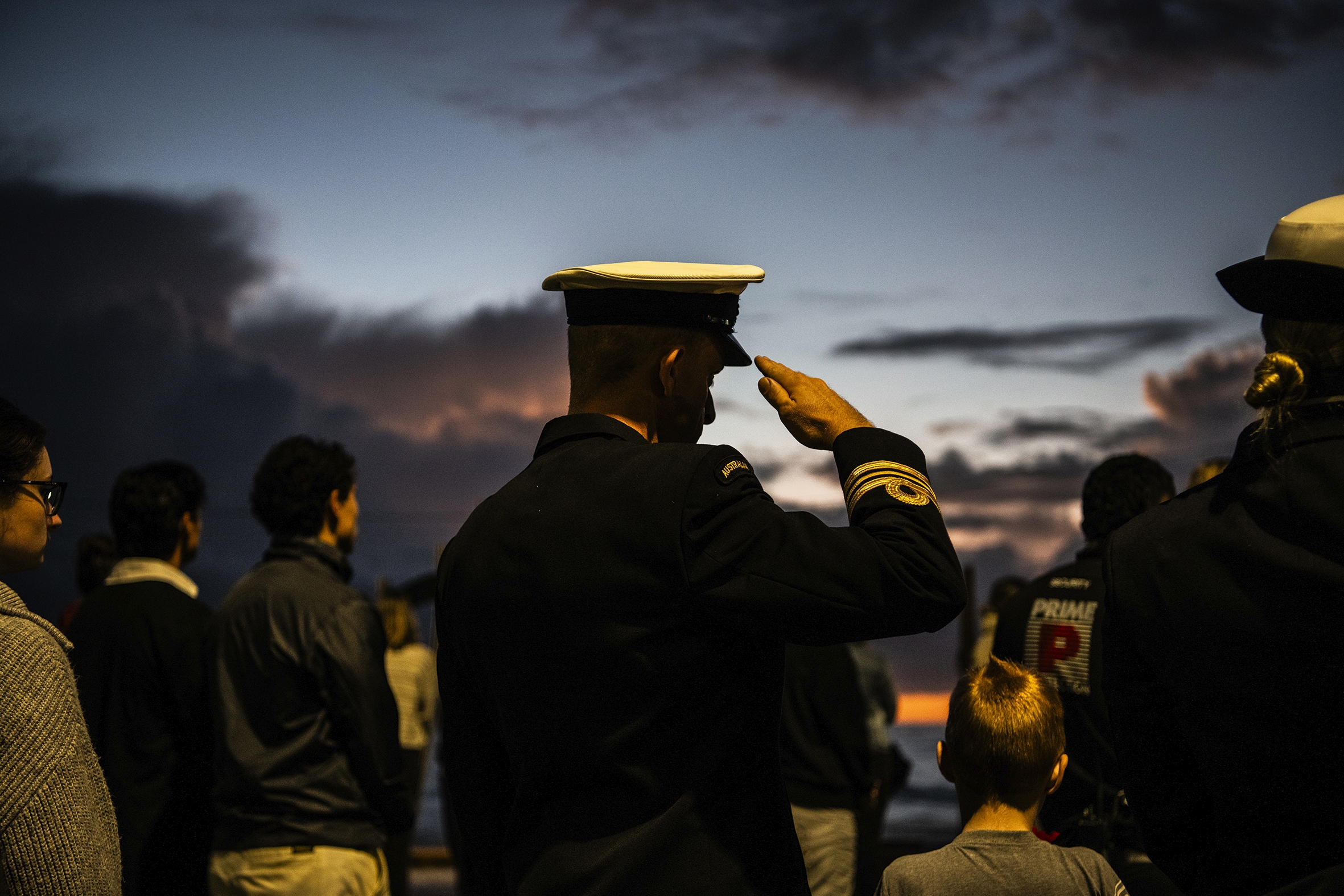
Most states and territories in Australia follow NSW' model on Anzac Day, with Western Australia and the Australian Capital Territory being the only places to give residents an additional day when April 25 falls on a weekend.
However, Minns insisted he would not make moves until he had consulted with the RSL to ensure it doesn't take away from the importance of remembrance ceremonies and marches on Anzac Day itself.
READ MORE: NSW council worker charged after alleged $1.3 million fraud
"I've got to have confidence that if we have a public holiday on the Monday, it doesn't detract from the salience of the 25," he insisted.
"It's got to be the 25 that's hugely important."
NEVER MISS A STORY: Get your breaking news and exclusive stories first by following us across all platforms.
-
Download the 9NEWS App here via Apple and Google Play
-
Make 9News your preferred source on Google by ticking this box here
-
Sign up to our breaking newsletter here
Nicki Minaj jumps on the ‘bandwagon’ as Trump’s new celebrity ally
Donald Trump has revealed Nicki Minaj as his unlikely new celebrity ally just weeks after his actions were called into question by his most influential backer, Joe Rogan.
The rapper just declared herself the US President's biggest fan at an event to launch 'Trump Accounts' for newborn babies.
"I will say that I am probably the president's number one fan, and that's not going to change." the Starships singer told the crowd on Wednesday (US time).
READ MORE: Agents involved in Alex Pretti shooting placed on administrative leave
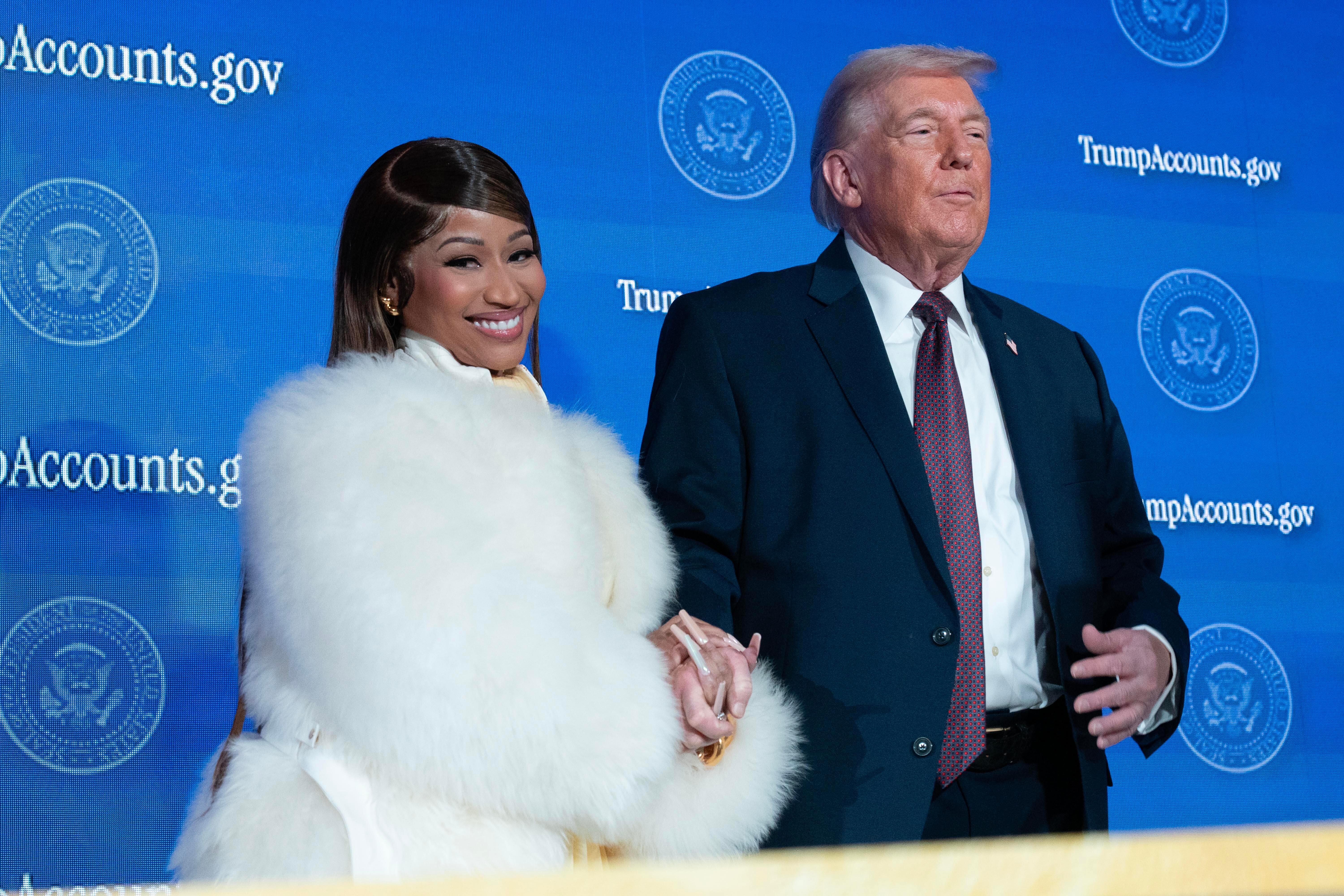
Appearing on stage with Trump, Minaj hit out at "hate", "bullying" and "smear campaigns" directed against the Commander in Chief.
Her comments may come as a surprise given that just a few years ago, Minaj publicly vowed she would not "jump on the Donald Trump bandwagon".
But her politics appear to have shifted towards the right in recent years.
Born Onika Tanya Maraj in Trinidad and Tobago, Minaj previously said her background as an undocumented immigrant put her at odds with Trump.
"What stuck with me was the children being taken away from their parents when they came into this country," she told Rolling Stone in 2020.
"That really bothered me because I was one of those immigrant children coming to America to flee poverty.
"And I couldn't imagine a little child going through all of that, trying to get to another country because they didn't have money in their country, or whether you're fleeing from war … and then being taken away from the one person that makes you feel comfort."
READ MORE: Melbourne youth gang members on notice after police warning
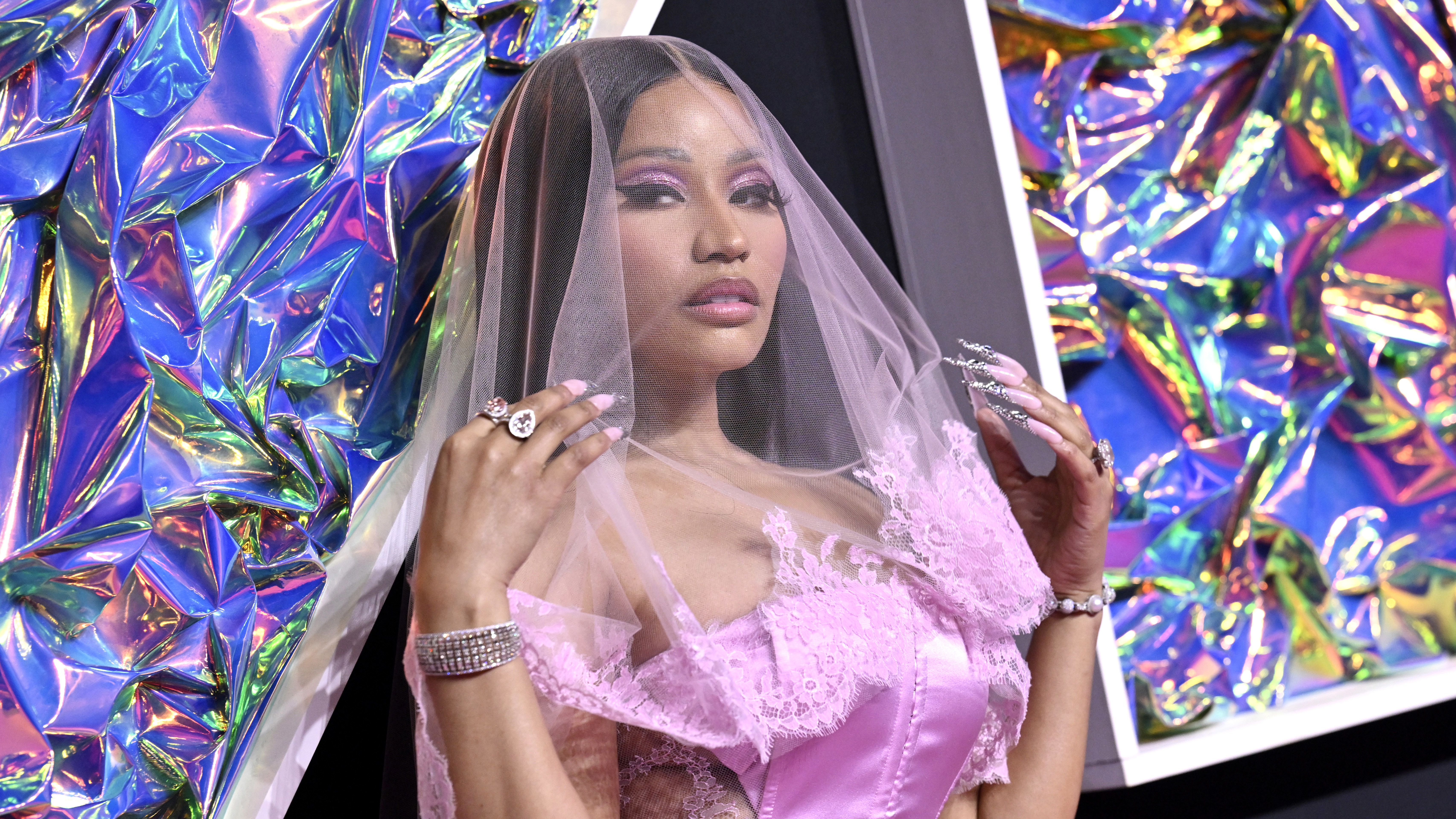
It seems that she has since changed her mind.
In 2021, she claimed on Twitter that the COVID-19 vaccine had made a male relative impotent, echoing right-wing vaccine scepticism and science denial.
There was no scientific evidence to support her claim.
In 2025, she reposted White House TikTok clips promoting Trump's anti-trans and anti-immigration policies, among others.
She also delivered a speech backing Trump's claims that Christians are under attack in Nigeria at the United Nations on the invitation of US ambassador to the UN Mike Waltz.
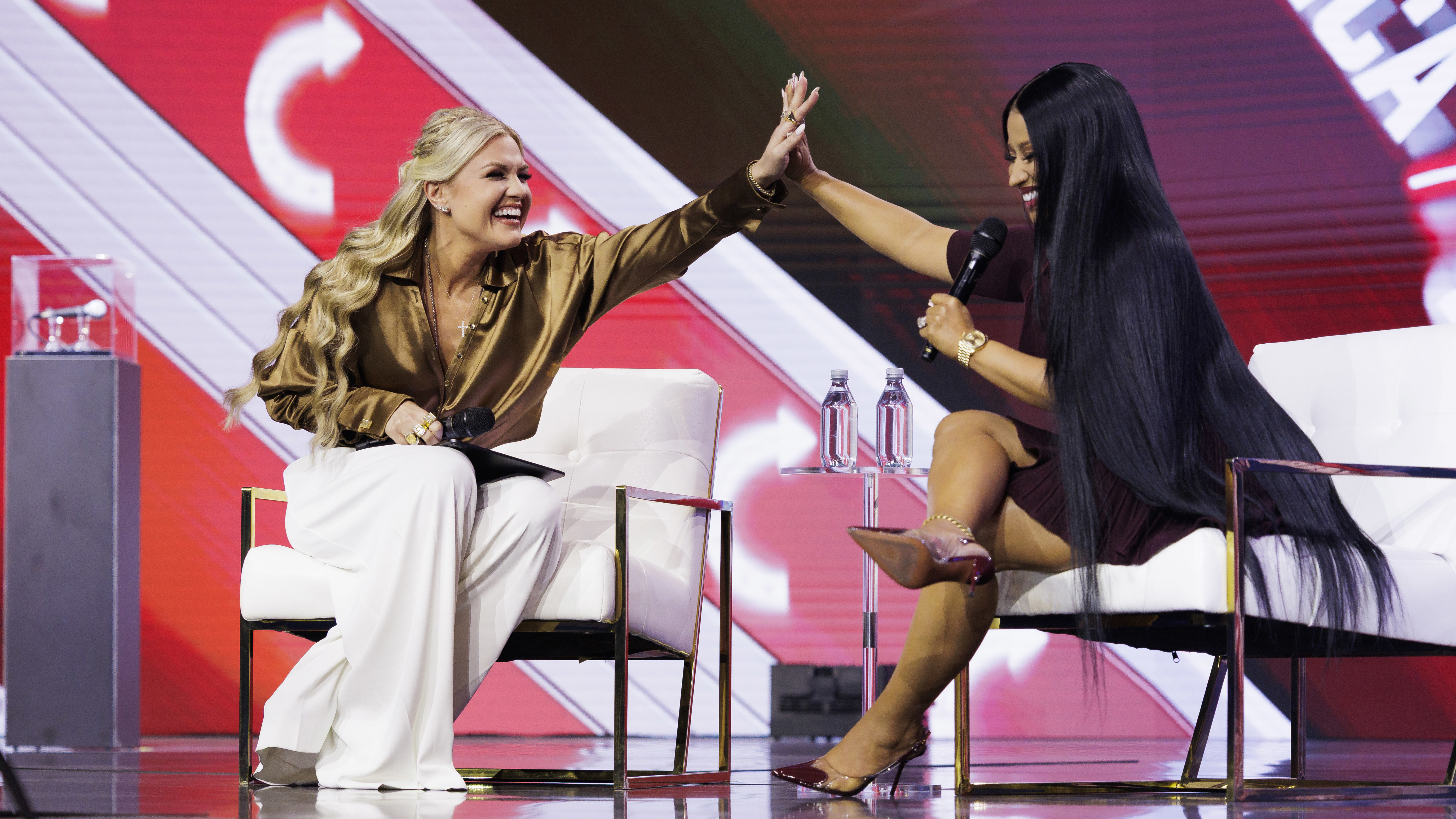
Minaj then appeared at Turning Point USA's AmericaFest for an event with Erika Kirk, widow of late conservative firebrand Charlie Kirk, in December 2025.
During their interview Minaj referred to the president as "handsome" and "dashing" and said she loved both him and Vice President JD Vance.
READ MORE: 'Speed and violence': Trump threatens Iran with 'armada' attack
Now she's taken the final step into Trump's fold with their joint appearance on Wednesday.
The president seemed glad to have the support of the "greatest and most successful female rapper in history" and thanked her for donating "hundreds of thousands of dollars" for the Trump accounts.
"I didn't know Nicki, and I've been hearing over the years she's a big Trump supporter, or Trump fan," he said.
"And she took a little heat on occasion because her community isn't necessarily a Trump fan."
Some critics, including Democratic strategist Mike Nellis, have speculated that Minaj's sudden support of Trump may be a bid to win a presidential pardon for her husband and brother, both of whom have serious criminal records.
Minaj's brother Jelani Maraj was sentenced to 25 years to life in prison in 2020 for raping an 11-year-old girl.
Her husband, Kenneth Petty, was convicted of attempted rape of a 16-year-old girl in 1994 and served four years in prison.
READ MORE: Trump's top diplomat says technical talks over Greenland have started
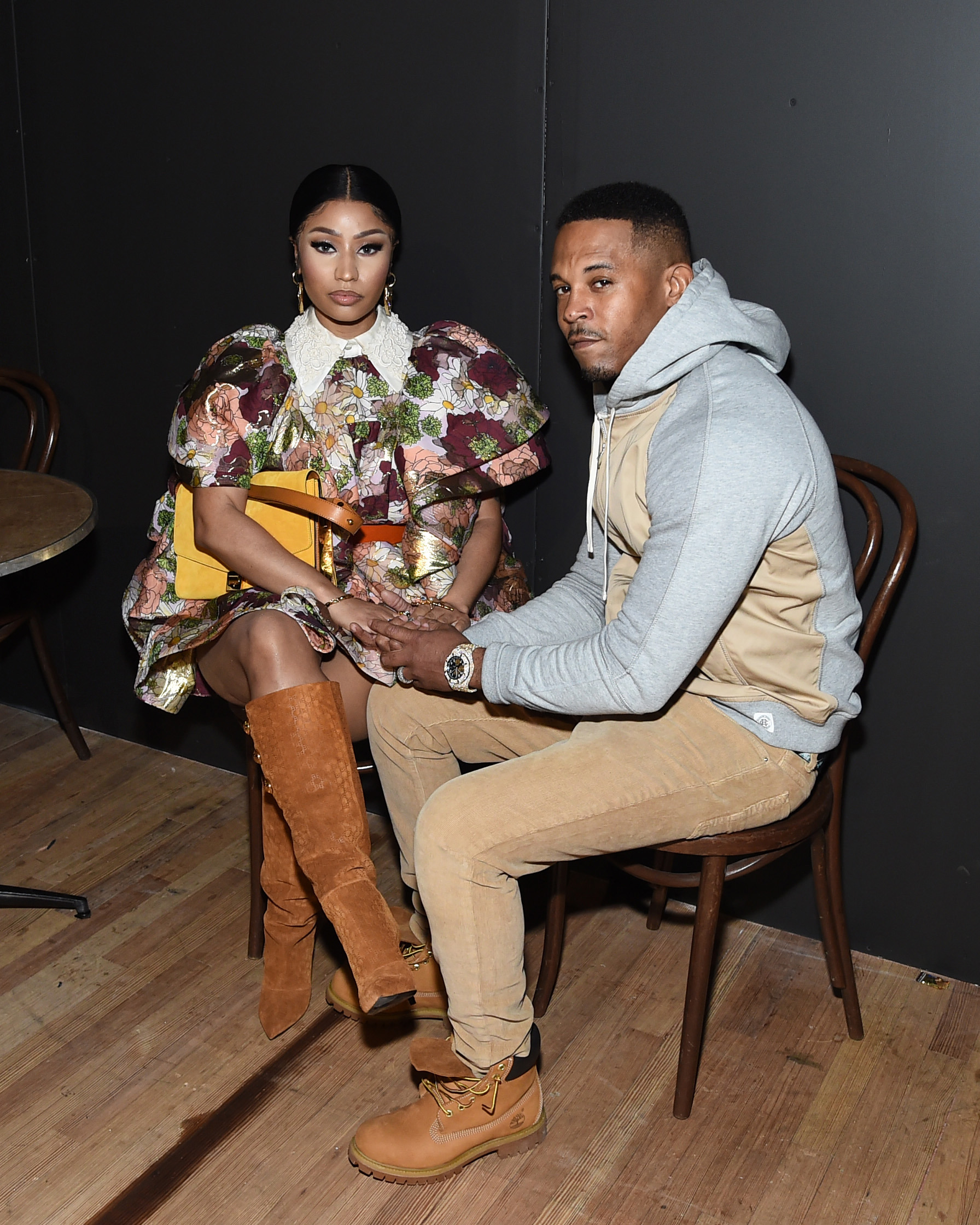
He was registered as a sex offender in New York state and was arrested for failing to register as a sex offender when he and Minaj moved to California in 2020.
He was sentenced to a year of house arrest, three years probation, and made to pay an $80,000 fine.
Petty was also charged with second-degree murder for shooting and killing a man named Lamont Robinson in 2002.
A plea bargain reduced the charge to manslaughter and he spent seven years in prison.
"It's super f–king embarrassing watching Nicki Minaj kiss Donald Trump's ass to get a pardon for her husband and her brother," Nellis wrote on X.
Minaj has not indicated that she would like the president to intervene on her brother or husband's behalf.
NEVER MISS A STORY: Get your breaking news and exclusive stories first by following us across all platforms.
- Download the 9NEWS App here via Apple and Google Play
- Make 9News your preferred source on Google by ticking this box here
- Sign up to our breaking newsletter here
Congresswoman attacked ‘probably’ set up the assault, claims Trump
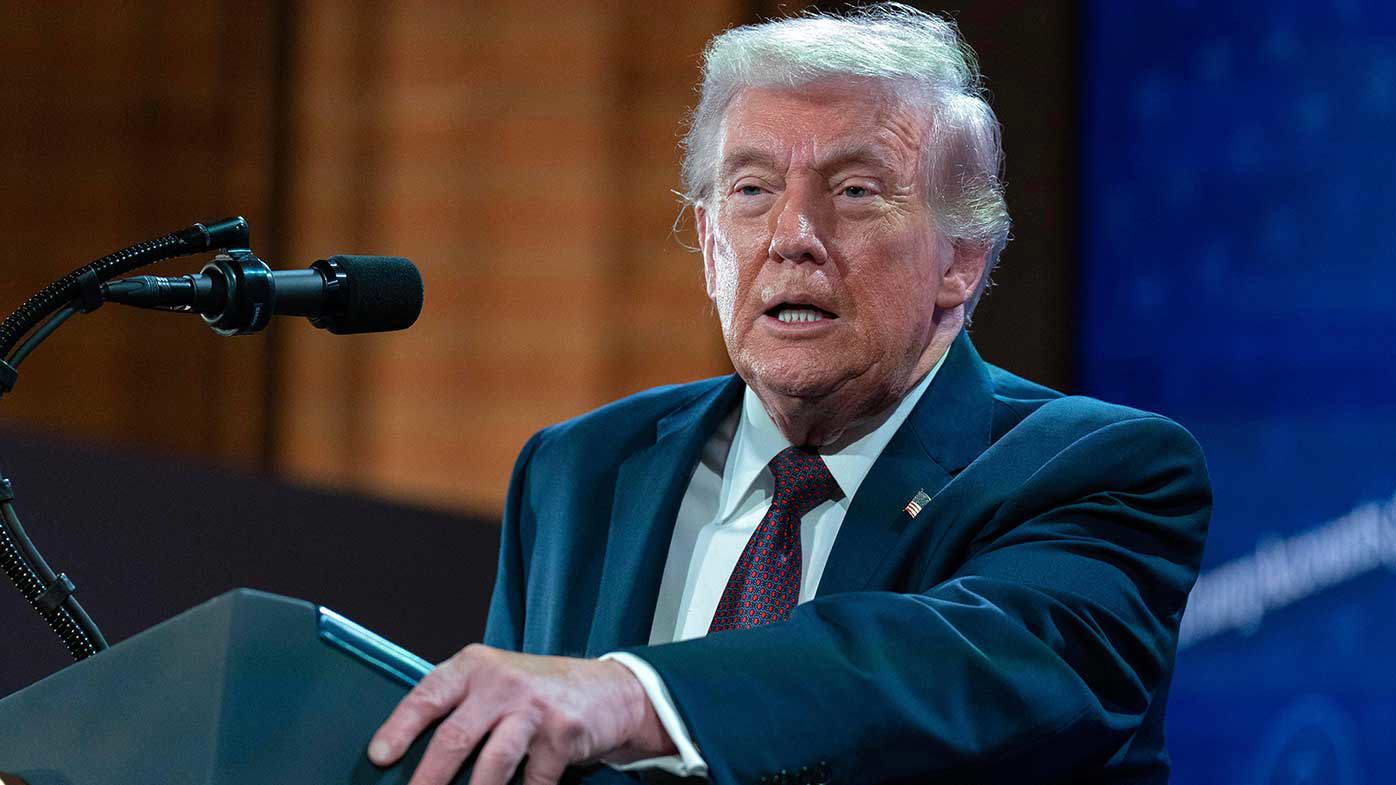
Donald Trump has accused a congresswoman who was allegedly attacked at an event yesterday of setting up the assault herself, but he hasn't provided any evidence for his claim.
Democratic Representative Ilhan Omar was sprayed with an unknown substance as she spoke during a town hall in Minneapolis.
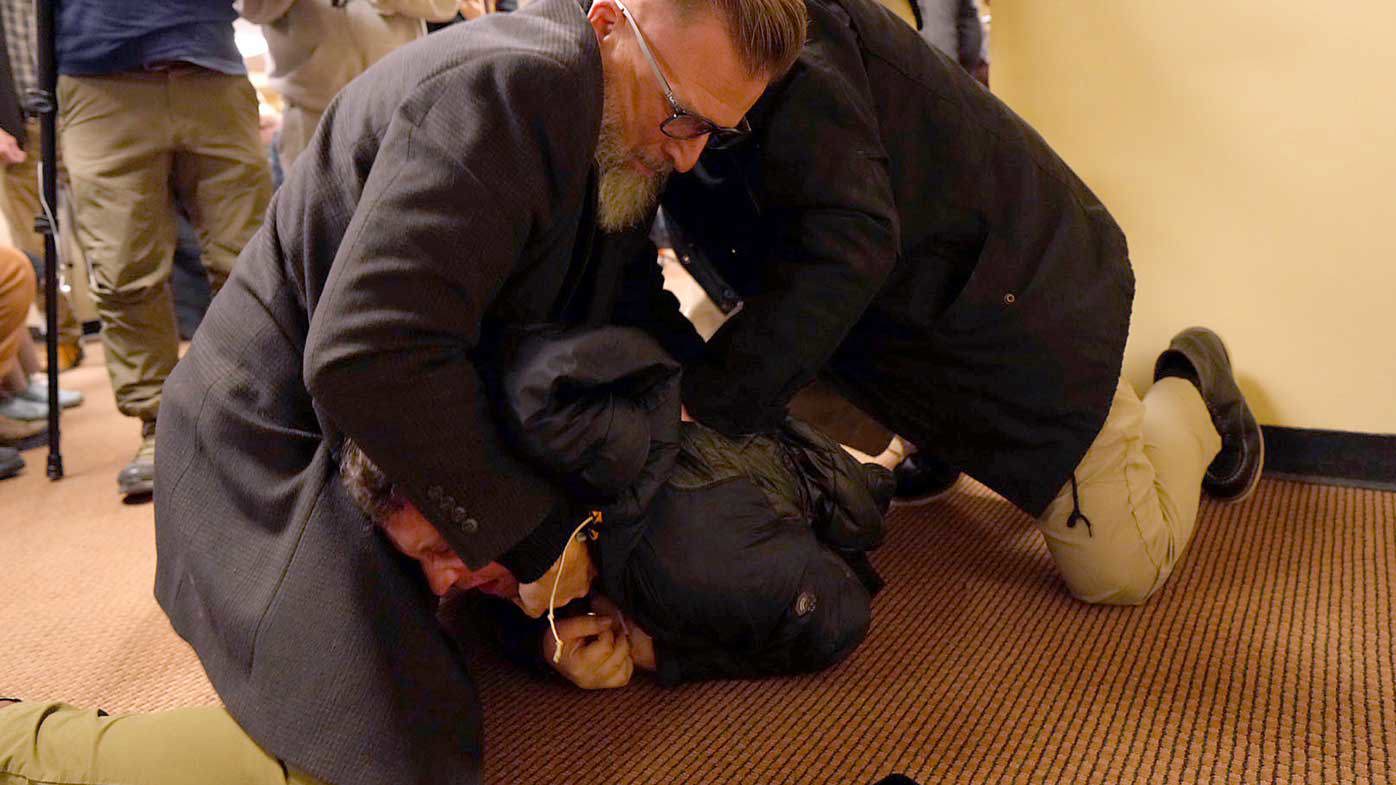
As she was at the podium, a man sitting in the audience raced up to her and squirted a brown liquid from a syringe onto her.
READ MORE: Agents involved in Alex Pretti shooting placed on administrative leave
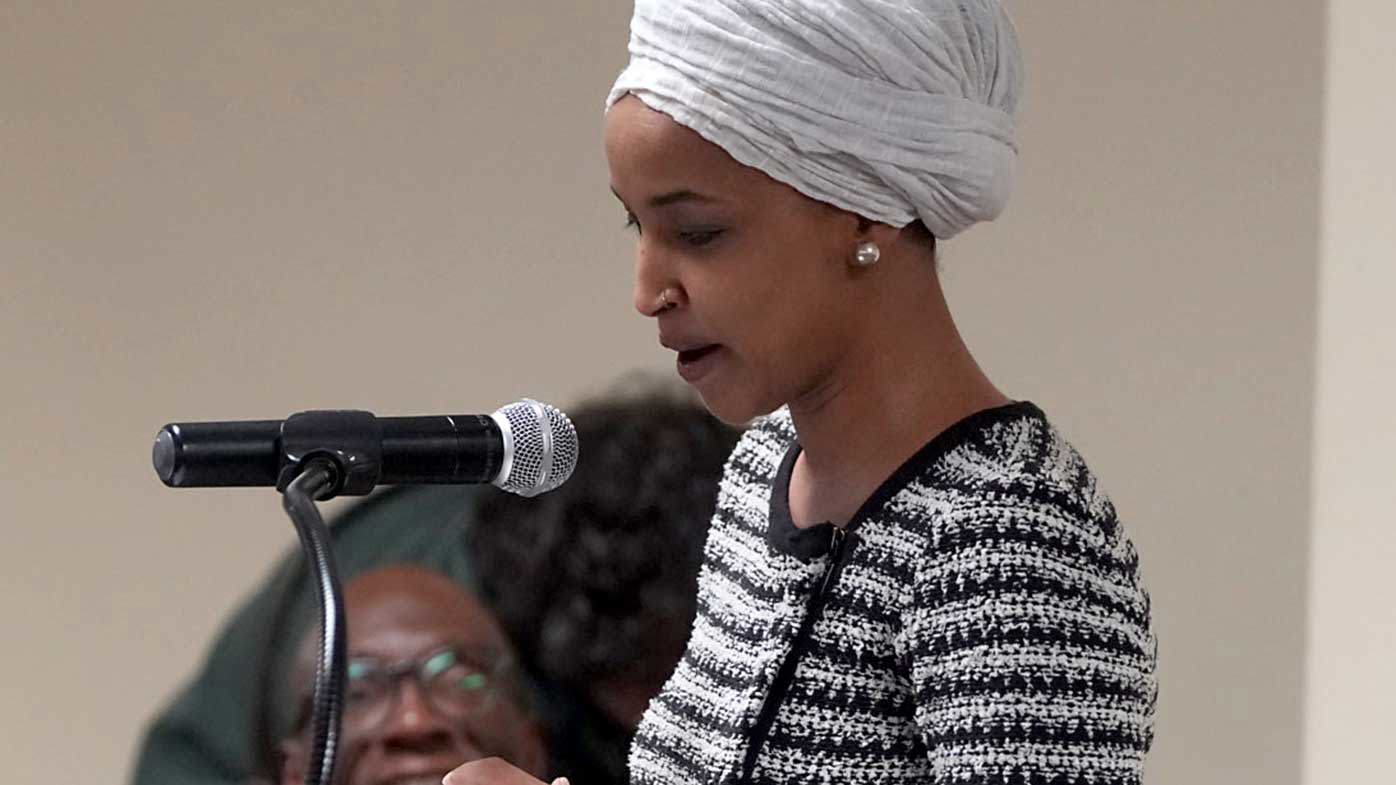
The man, Anthony Kazmierczak, was immediately tackled to the ground by a security guard as Omar raised her fist at him.
Omar was unharmed and continued with her event.
"We will continue," she said.
"These f—ing assholes are not going to get away with it."
Kazmierczak has now been booked on suspicion of third-degree assault.
Authorities believe the substance was apple cider vinegar.
Politicians from both sides have condemned the attack.
READ MORE: Melania Trump's $57m doco on track to bomb at the box office
But the US President is not among them.
"I don't think about her. I think she's a fraud. I really don't think about that," Trump said.
"She probably had herself sprayed, knowing her."
House Minority Leader Hakeem Jeffries decried Trump's remarks.
"That's a disgusting comment and the president's lies and misinformation continue to fan the flames of these types of violent incidents," he said.
"Ilhan Omar, of course, is a strong, courageous, hardworking public servant. This should have never happened."
Omar has long been a focus of Trump's ire.
The Somalia-born congresswoman from Minneapolis is a vocal critic of Trump and part of a group of progressives in Congress nicknamed The Squad.
Her colleagues from both parties spoke in Omar's defence after the alleged assault.
"I disagree with her on almost everything politically and on policy. But these type of disagreements should NEVER result in assault," Mississippi Republican Mark Alford said.
READ MORE: Trump fires his chief enforcer in Minneapolis
Meanwhile, another Squad member, Alexandria Ocasio-Cortez, linked the alleged attack to the president.
"It is not a coincidence that after days of President Trump and VP Vance putting Rep. Omar in their crosshairs with slanderous public attacks, she gets assaulted at her town hall," she said.
"Thank God she is okay."
With thousands of Immigration and Customs Enforcement (ICE) agents in Minneapolis, Omar has become the public face of the local opposition.
The White House has sought to tone down its rhetoric after a backlash to its response to the killing of nurse Alex Pretti.
But ICE and Border Patrol remain active on the streets of Minneapolis.
READ MORE: Enormous bruise spotted on Donald Trump's hand

There have been multiple instances of ICE detaining young children in the city as a way of baiting their families into coming out to be arrested.
In one instance, five-year-old boy Liam Conejo Ramos was kept outside in -21C temperatures as ICE waited to arrest his father.
Liam and his father are now in immigration detention.
At the time of their arrest, no deportation order had been issued for the family and they had a pending asylum case.
READ MORE: Has Trump really ended eight wars? Fact-checking the president's claim
NEVER MISS A STORY: Get your breaking news and exclusive stories first by following us across all platforms.
- Download the 9NEWS App here via Apple and Google Play
- Make 9News your preferred source on Google by ticking this box here
- Sign up to our breaking newsletter here