By Māni Dunlop, of RNZ . A national review has been launched into police photographing policy after it was revealed officers in Wairarapa took illegal photos of rangatahi. The Independent Police Conduct Authority and the…
Tag Archives: oceania
Dunedin drink-driver kicked and bit police after crashing car
A drink-driver who caused a crash in central Dunedin kicked and bit police officers when she was arrested, a court has heard.Lagwesha Mercer, 28, appeared in the Dunedin District Court yesterday where she was sentenced to 250 hours’…
Covid 19 coronavirus: Ashley Bloomfield – vaccine approval just a couple of weeks away
The approval process for the Covid vaccine is on track to be granted in the coming weeks, according to the director general of health. This morning, Dr Ashley Bloomfield told Newstalk ZB’s Mike Hosking that Medsafe was not far from…
Mitch McConnell: Capitol Hill mob was 'provoked' by Trump
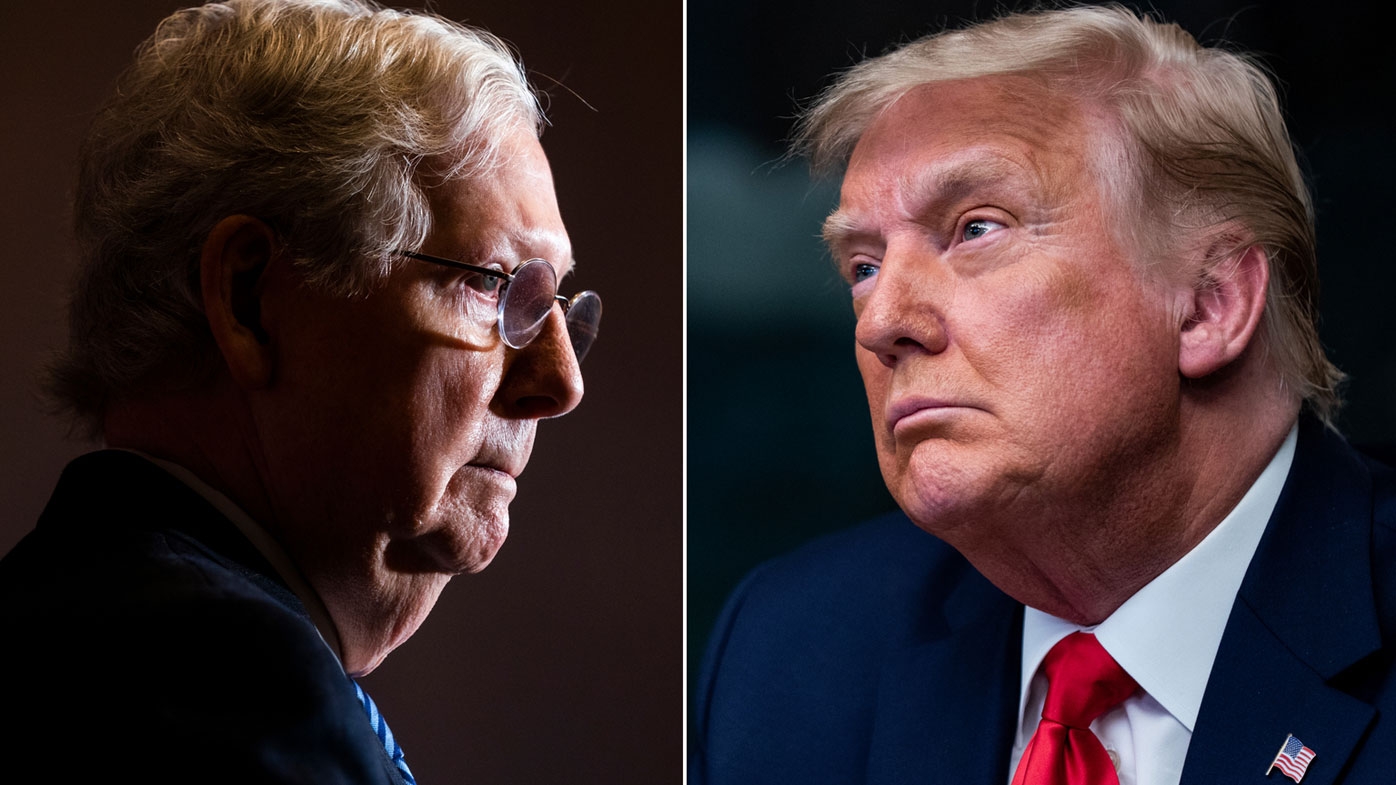
Senate Majority Leader Mitch McConnell said on Tuesday (Wednesday 5am AEDT) that the mob that attacked the Capitol was "provoked" by President Donald Trump.
"The mob was fed lies," McConnell, a Kentucky Republican, said on the Senate floor. "They were provoked by the President and other powerful people."
McConnell touted that Congress did its duty despite the violence on January 6, certifying the victory of President-elect Joe Biden and Vice President-elect Kamala Harris.
"We'll have a safe and successful inaugural right here on the very front of the Capitol," said McConnell.
RELATED: What is QAnon? How a wild conspiracy theory led to the storming of the US Capitol
McConnell's comments came as the Senate prepares to hold an impeachment trial over the House's charge of "incitement of insurrection." McConnell said on Tuesday that the Senate has received a message from the House that Trump has been impeached but noted that the House has not yet transmitted the article to the Senate.
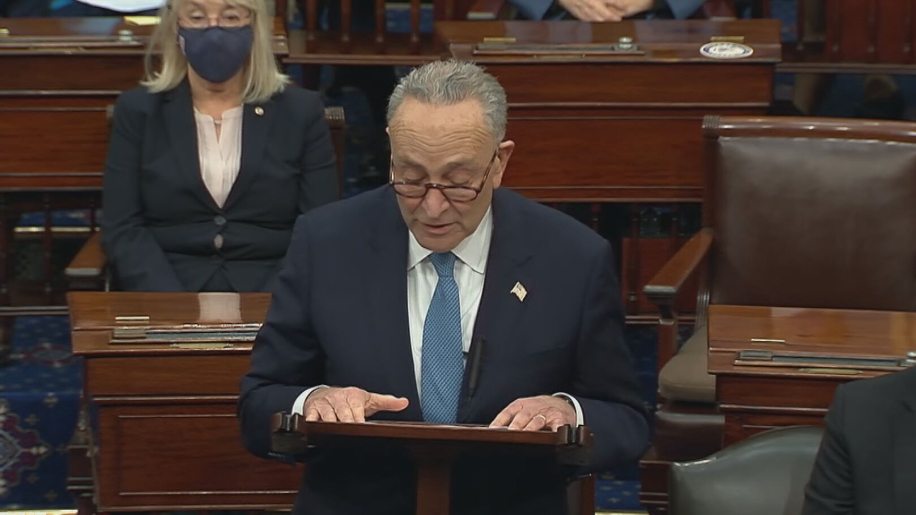
Senate Democratic Leader Chuck Schumer advocated for convicting Trump and disqualifying him from holding office again.
"We need to set a precedent that the severest offence ever committed by a President will be met by the severest remedy provided by the Constitution — Impeachment and conviction by this chamber as well as disbarment from future office," Schumer said.
McConnell said Congress would soon turn to work for the American people and asserted that no party has a broad mandate after the 2020 elections, which flipped the White House and Republican-led Senate to the Democrats.
"Certainly November's elections did not hand any side a mandate for sweeping ideological change," said McConnell. "Americans elected a closely divided Senate, a closely divided House and a presidential candidate who said he'd represent everyone."
"So our marching orders from the American people are clear," said McConnell. "We're to have a robust discussion and seek common ground. We are to pursue bipartisan agreement everywhere we can, and check and balance one another, respectfully, where we must."
Firefighters battle large scrub fire in Hawke's Bay overnight
Firefighters have spent much of the night at the scene of a large scrub fire in Hawke’s Bay. Crews were called to the blaze on Korokipo Rd, in Fernhill, about 10.45pm and put up to six properties at risk. DO YOU KNOW MORE? EMAIL…
Shipping container for rent at $390/wk: Council to inspect
A converted shipping container being advertised as a one-bedroom home available to rent at nearly $400 per week will be investigated by council. The Wellington rental , which was listed on Trade Me yesterday at the steep price of…
Elderly woman in tears after shock $1000 power bill
An elderly woman was left in tears after a shock power bill claiming she owed her electricity provider more than $1000.West Auckland resident Hazel Jones thought she was up to date with her bill – but Genesis Energy claims she has…
Herald morning quiz: January 20
Test your brains with the Herald’s morning quiz. Be sure to check back on nzherald.co.nz at 3pm for the afternoon quiz. To challenge yourself with more quizzes, CLICK HERE.
Japan warns it will block NZ honey shipments if glyphosate limits breached
By Charlie Dreaver of RNZ Japan is warning it will stop importing New Zealand honey if it continues to find the weed killer glyphosate during border testing.New Zealand’s global honey exports totalled $490 million last year,…
New coronavirus mutations have experts worried
The race against the virus that causes COVID-19 has taken a new turn: Mutations are rapidly popping up, and the longer it takes to vaccinate people, the more likely it is that a variant that can elude current tests, treatments and vaccines could emerge.
Coronavirus is becoming more genetically diverse, and health officials say the high rate of new cases is the main reason.
Each new infection gives the virus a chance to mutate as it makes copies of itself, threatening to undo the progress made so far to control the pandemic.

READ MORE: Wuhan scientists 'had symptoms before first case confirmed'
On Friday, the World Health Organisation urged more effort to detect new variants.
The US Centres for Disease Control (CDC) said a new version first identified in the United Kingdom may become dominant in the US by March.
Although it doesn't cause more severe illness, it will lead to more hospitalisations and deaths just because it spreads much more easily, the CDC said, warning of "a new phase of exponential growth".
"We're taking it really very seriously," Dr Anthony Fauci, the US government's top infectious disease expert, told NBC on Sunday.
"We need to do everything we can now … to get transmission as low as we possibly can," Harvard University's Dr Michael Mina said.
"The best way to prevent mutant strains from emerging is to slow transmission."
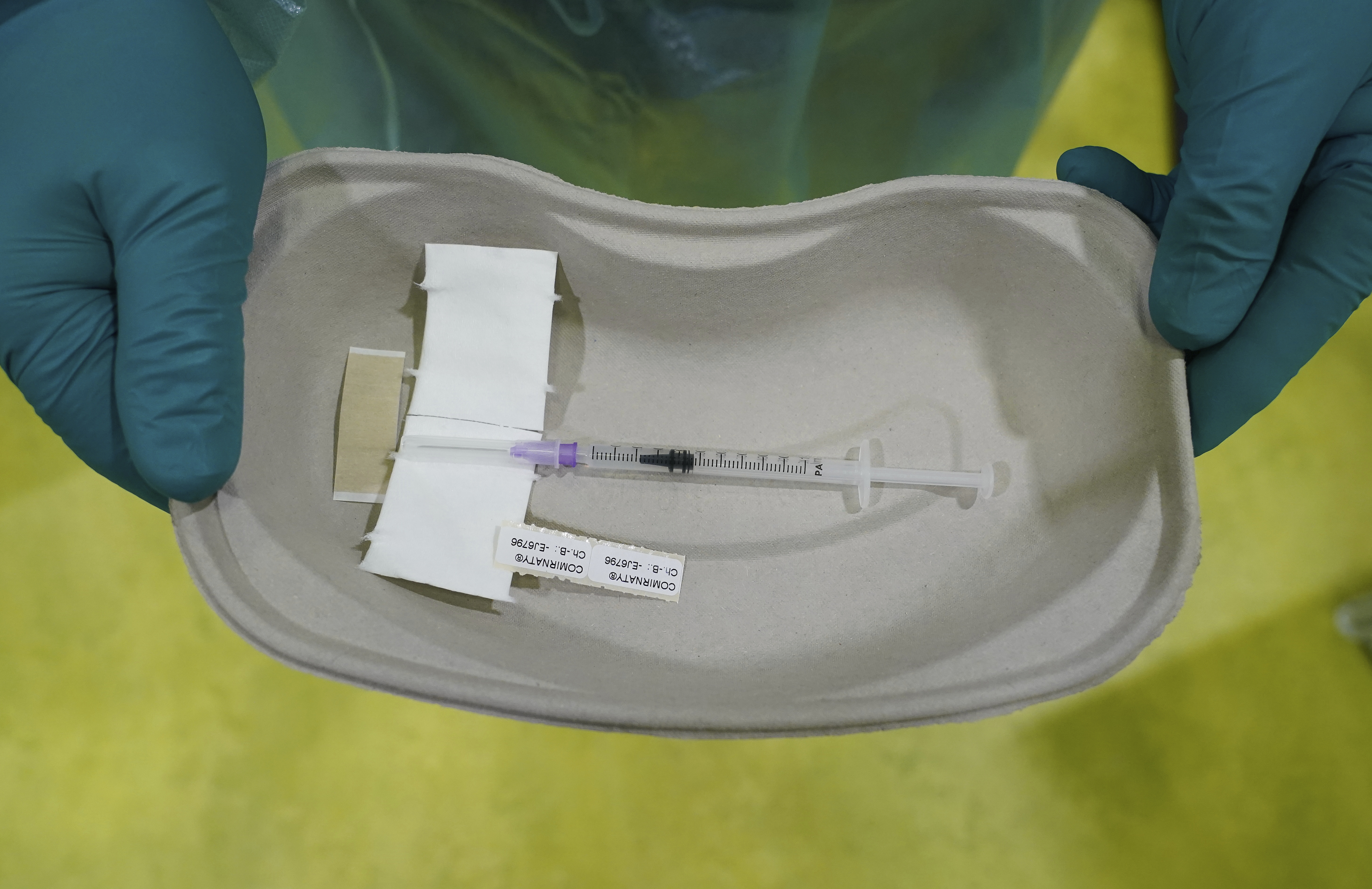
So far, vaccines seem to remain effective, but there are signs that some of the new mutations may undermine tests for the virus and reduce the effectiveness of antibody drugs as treatments.
"We're in a race against time" because the virus "may stumble upon a mutation" that makes it more dangerous, Dr Pardis Sabeti, an evolutionary biologist at the Broad Institute of MIT and Harvard, said.
READ MORE: What the super strain mutants mean for the world in 2021
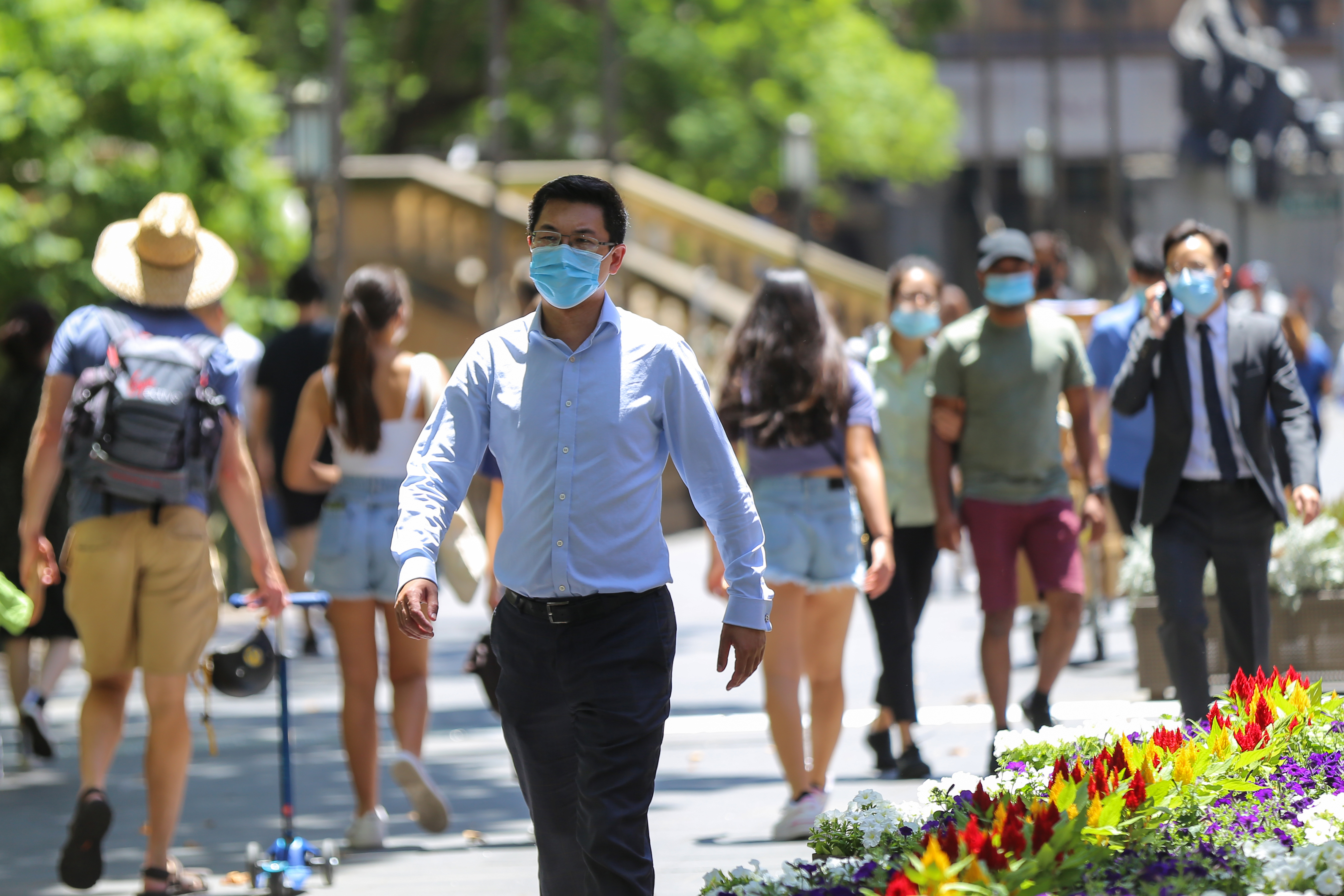
Younger people may be less willing to wear masks, shun crowds and take other steps to avoid infection because the current strain doesn't seem to make them very sick, but "in one mutational change, it might," she warned.
Dr Sabeti documented a change in the Ebola virus during the 2014 outbreak that made it much worse.
Mutations on the rise
It's normal for viruses to acquire small changes or mutations in their genetic alphabet as they reproduce. Ones that help the virus flourish give it a competitive advantage and thus crowd out other versions.
In March, just a couple months after coronavirus was discovered in China, a mutation called D614G emerged that made it more likely to spread. It soon became the dominant version in the world.
Now, after months of relative calm, "we've started to see some striking evolution" of the virus, biologist Trevor Bedford from the Fred Hutchinson Cancer Research Centre in Seattle said via Twitter.
"The fact that we've observed three variants of concern emerge since September suggests that there are likely more to come."
One was first identified in the United Kingdom and quickly became dominant in parts of England. It has now been reported in at least 30 countries including Australia.

Soon afterwards, South Africa and Brazil reported new variants, and the main mutation in the version identified in Britain turned up on a different version "that's been circulating in Ohio … at least as far back as September," Dr Dan Jones said, a molecular pathologist at Ohio State University who announced that finding last week.
"The important finding here is that this is unlikely to be travel-related" and instead may reflect the virus acquiring similar mutations independently as more infections occur, Dr Jones said.
That also suggests that travel restrictions might be ineffective, Dr Mina said.
Because the United States has so many cases, "we can breed our own variants that are just as bad or worse" as those in other countries, he said.
Treatment, vaccine, reinfection risks
Some lab tests suggest the variants identified in South Africa and Brazil may be less susceptible to antibody drugs or convalescent plasma, antibody-rich blood from COVID-19 survivors — both of which help people fight off the virus.
US Government scientists are "actively looking" into that possibility, Dr Janet Woodcock from the US Food and Drug Administration said.
READ MORE: WHO chief lambasts vaccine profits, demands elderly go first
The (US) government is encouraging development of multi-antibody treatments rather than single-antibody drugs to have more ways to target the virus in case one proves ineffective, she said.
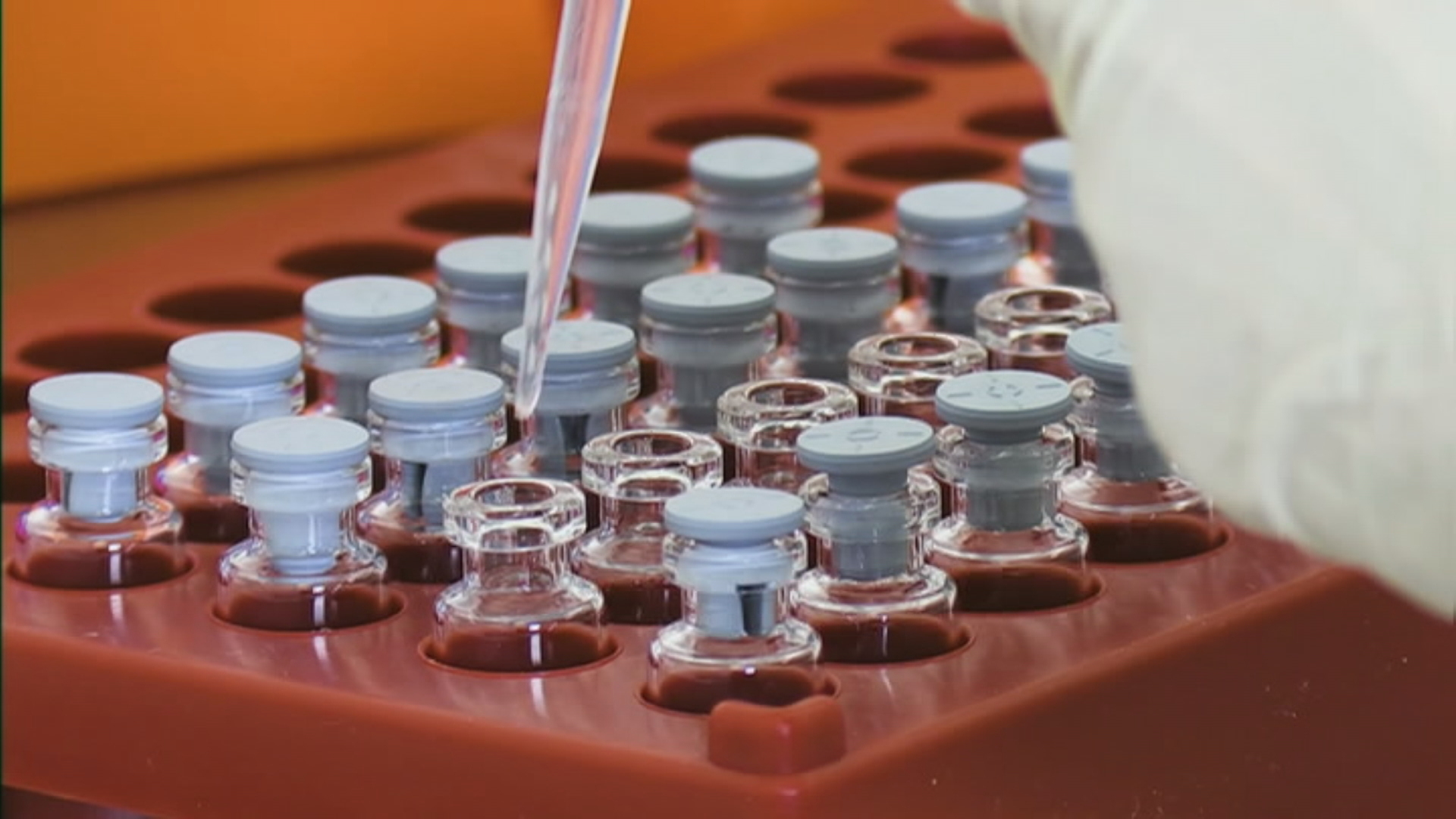
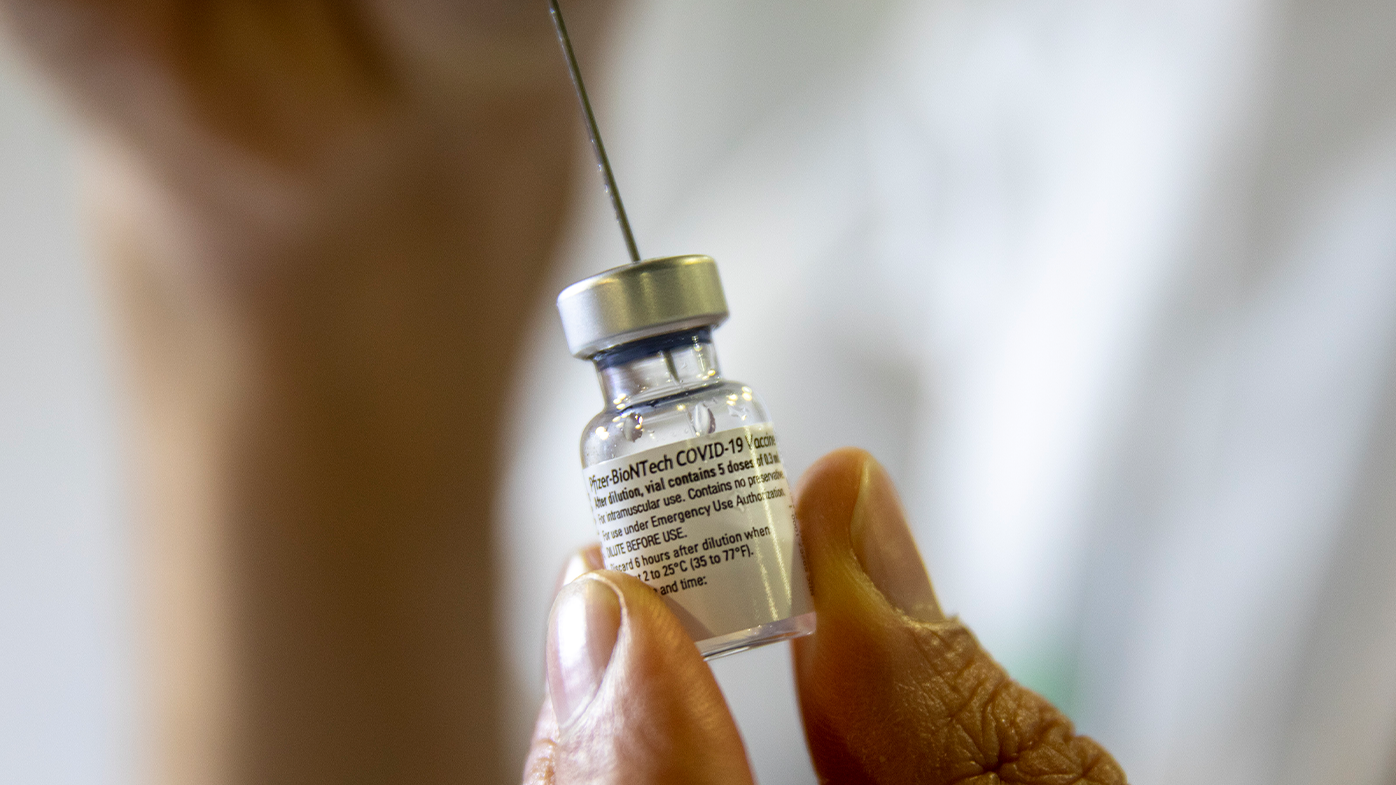
Current vaccines induce broad enough immune responses that they should remain effective, many scientists say.
Enough genetic change eventually may require tweaking the vaccine formula, but "it's probably going to be on the order of years if we use the vaccine well rather than months," Dr Andrew Pavia from the University of Utah told the Infectious Diseases Society of America.
Health officials also worry that if the virus changes enough, people might get COVID-19 a second time.
Reinfection currently is rare, but Brazil already confirmed a case in someone with a new variant who had been sickened with a previous version several months earlier.
What to do
"We're seeing a lot of variants, viral diversity, because there's a lot of virus out there," and reducing new infections is the best way to curb it, Dr Adam Lauring, an infectious diseases expert at the University of Michigan, said.
Loyce Pace, who heads the nonprofit Global Health Council and is a member of President-elect Joe Biden's COVID-19 advisory board, said the same precautions scientists have been advising all along "still work and they still matter."
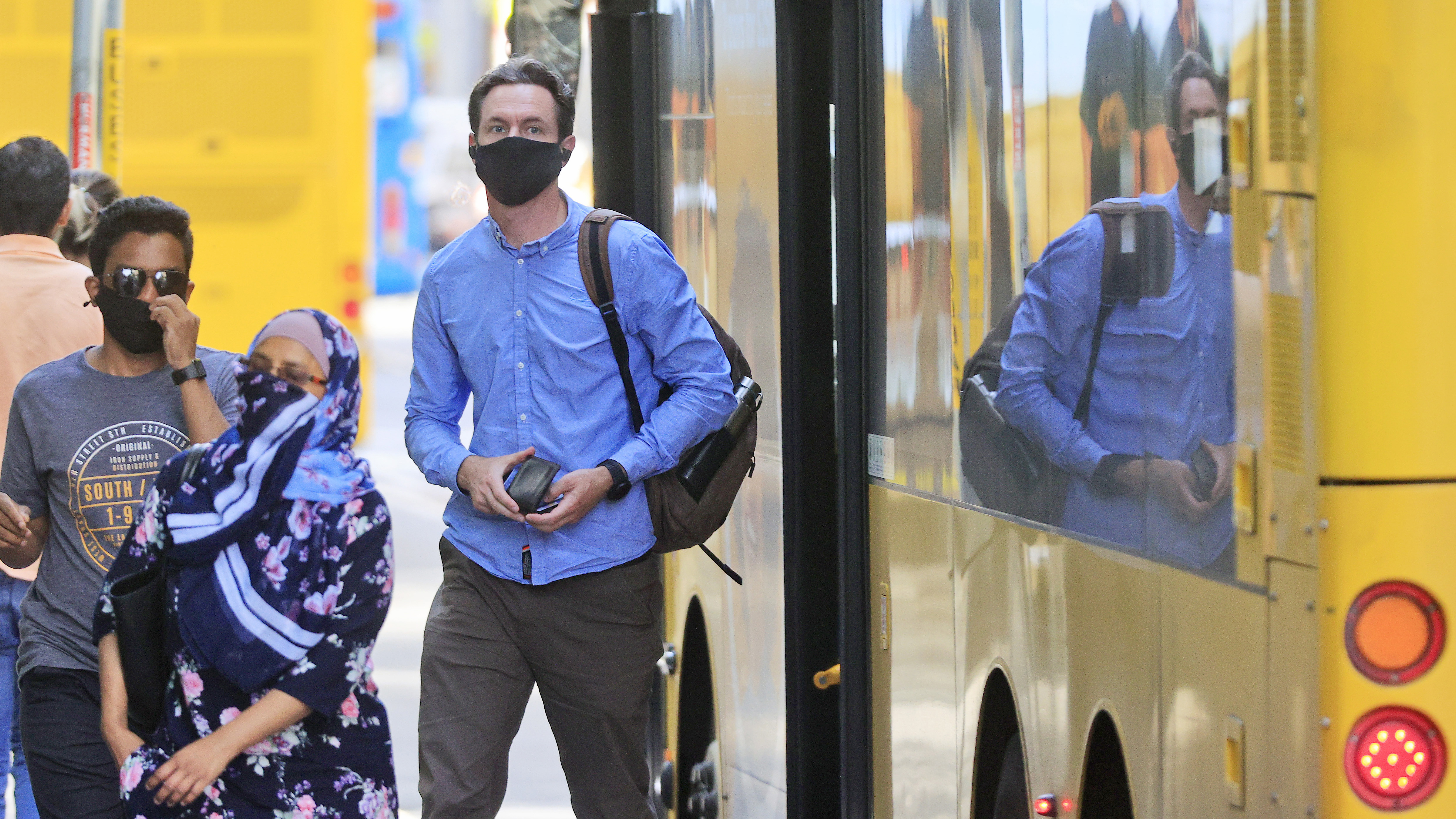
"We still want people to be masking up," she said on Thursday on a webcast hosted by the Johns Hopkins Bloomberg School of Public Health.
"We still need people to limit congregating with people outside their household.
"We still need people to be washing their hands and really being vigilant about those public health practices, especially as these variants emerge."