Tag Archives: oceania

Swiss hunt down mutated coronavirus strain at luxury ski resorts

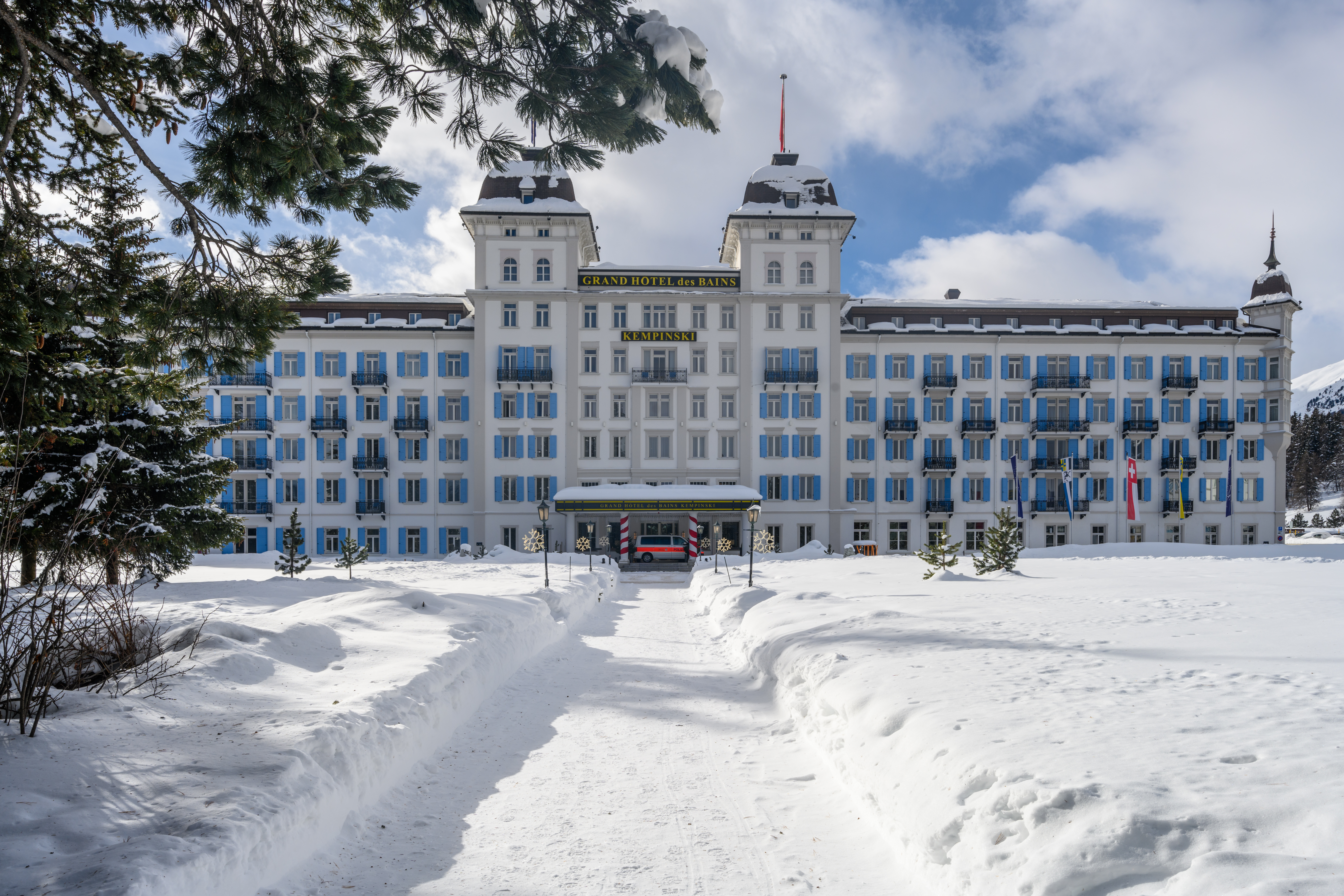
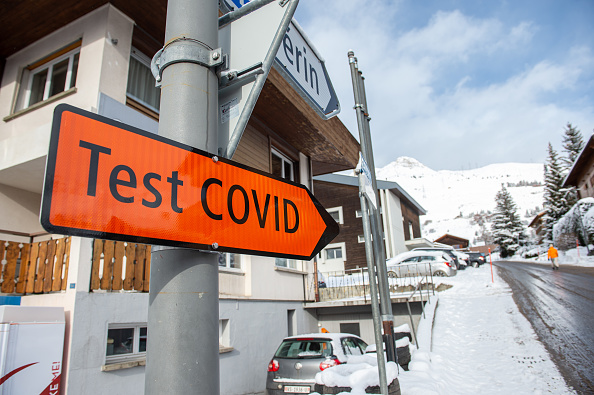
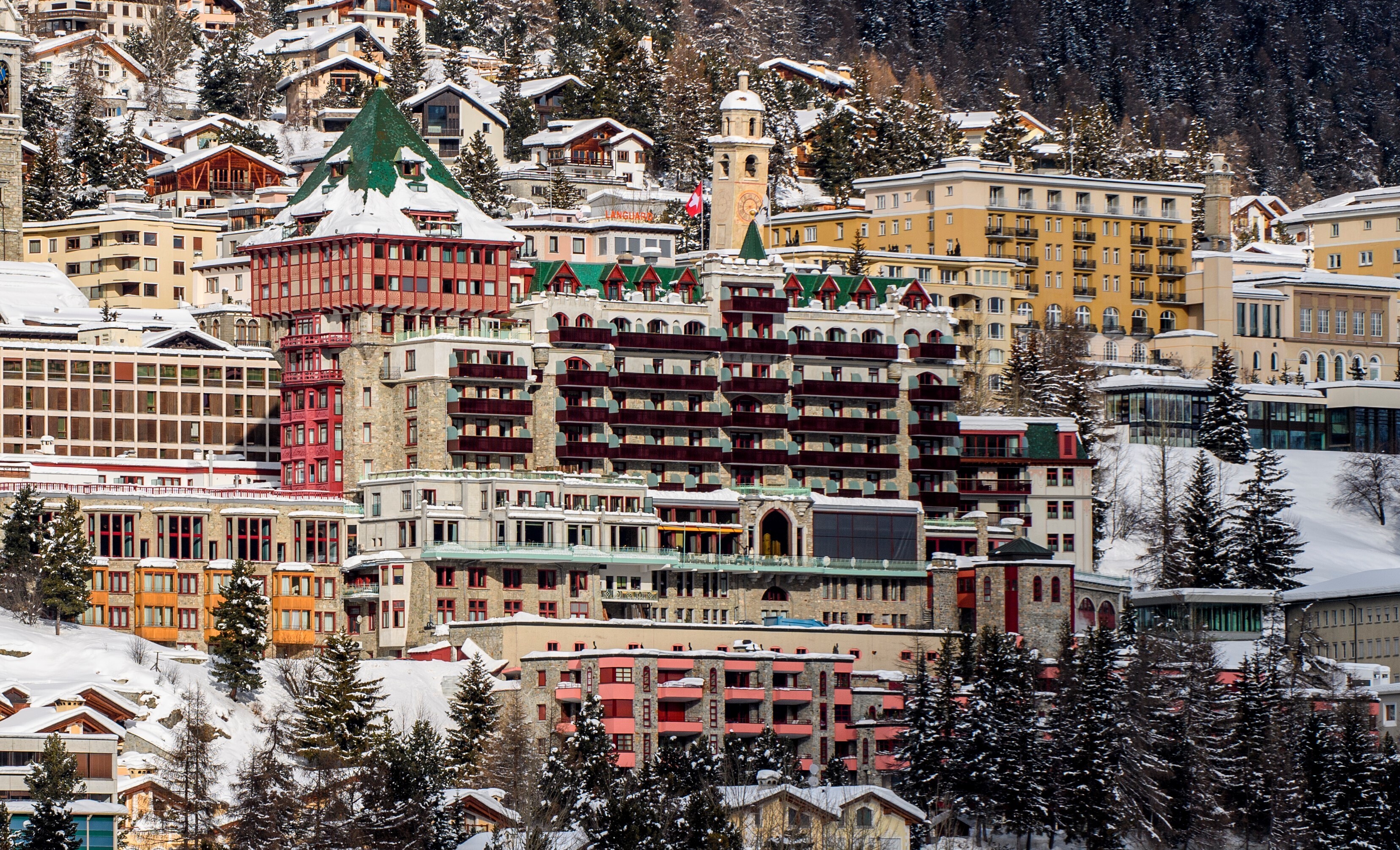
Swiss authorities have started mass testing residents and visitors in St Moritz after a new variant of the coronavirus was detected in the upscale skiing resort.

People were asked to register online and come in for free tests to a local gym and a beverage store on Tuesday, after two luxury hotels were put under quarantine Monday.

All schools, kindergartens and skiing schools were closed.

READ MORE: Wuhan scientists 'had symptoms before first case confirmed'

Officials said at least two dozen cases were detected in the two hotels, which local media identified as the Palace and the Kempinski hotel.

The Kempinski said late on Monday that health authorities had confirmed cases of the mutated coronavirus among the hotel's employees.

"Local health officials have ordered that all guests and staff at the hotel should be quarantined to minimise exposure to the public," a spokeswoman for Kempinski told The Associated Press.

"The hotel is strictly following the advice of the local health authorities and World Health Organisation guidelines."

All people in St. Moritz who are five-years-old and above were asked to participate in the test, which was voluntary.

Swiss media reported that the variant detected in St. Moritz was first found in South Africa.

READ MORE: Inside Spain's COVID-19 hospital as country under siege

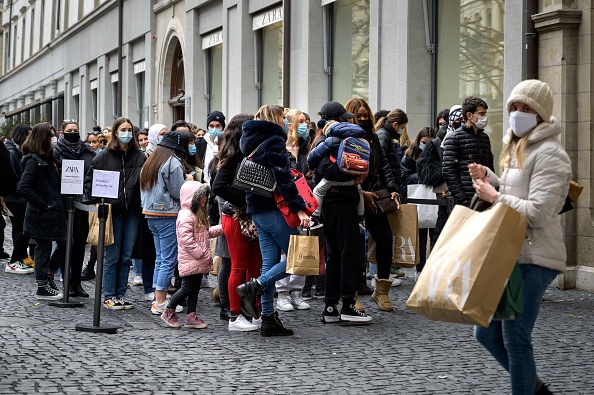
The new strain comes as Switzerland has closed non-essential shops, restaurant and sports facilities until the end of February in a move to drastically reduce coronavirus infections.

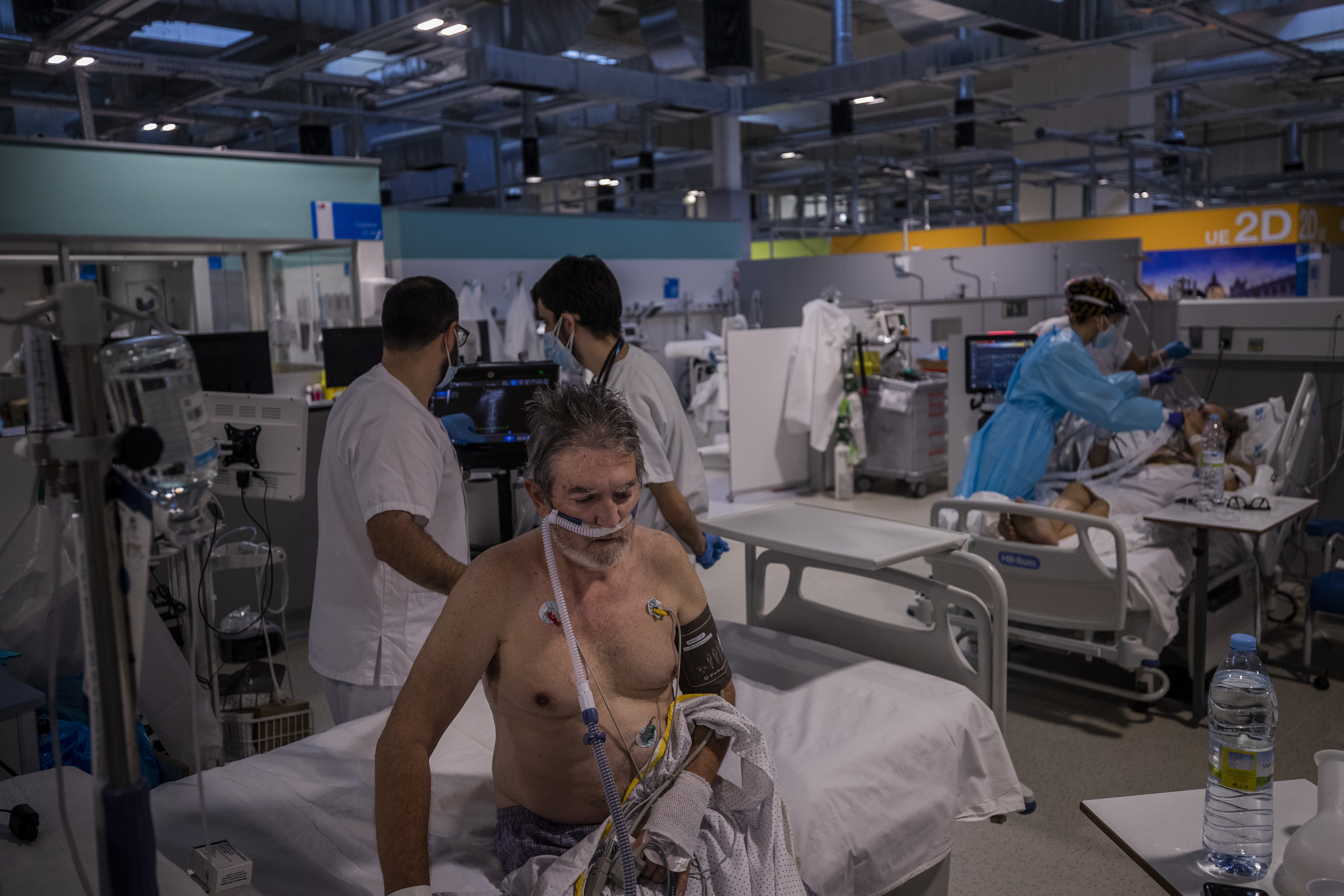
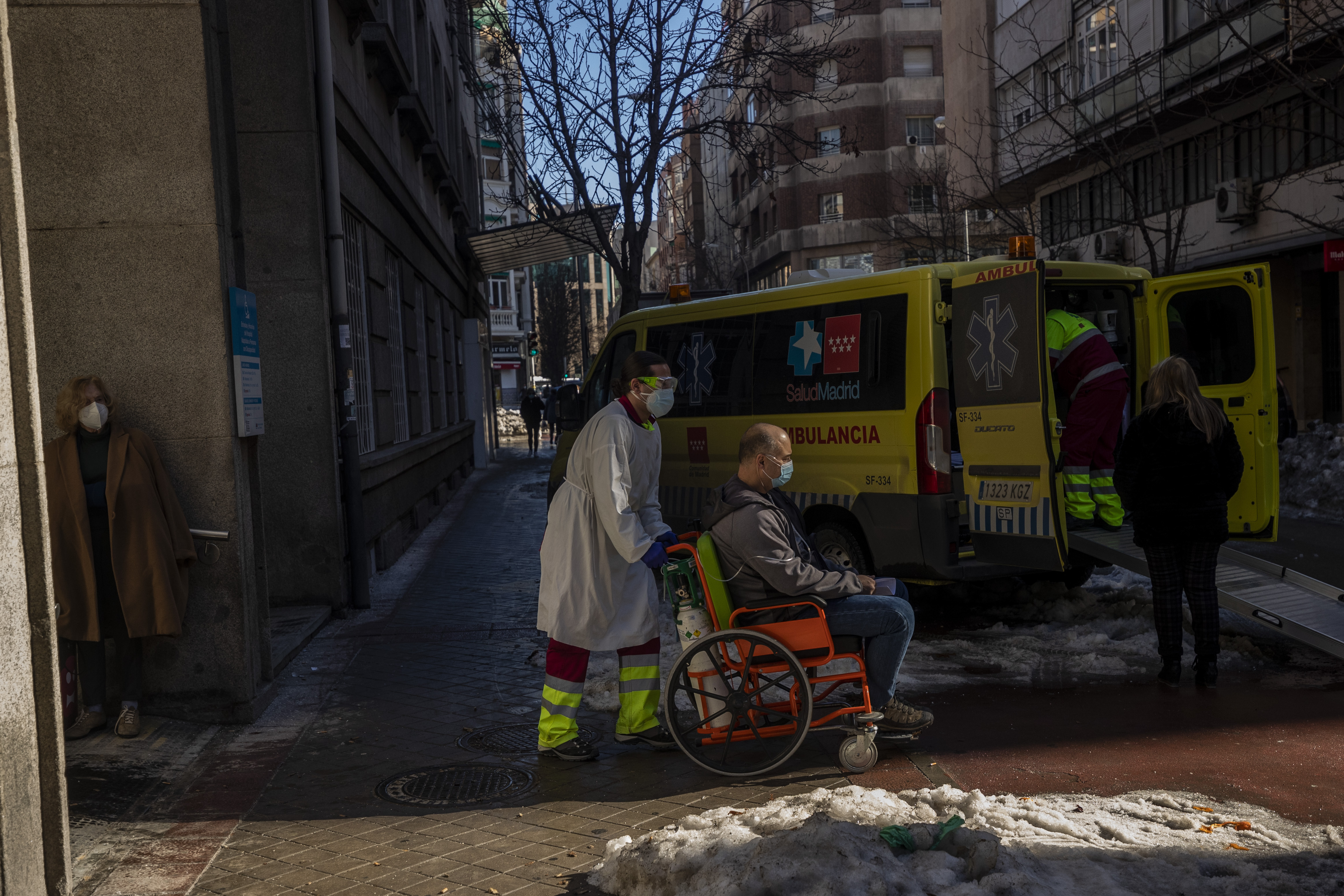
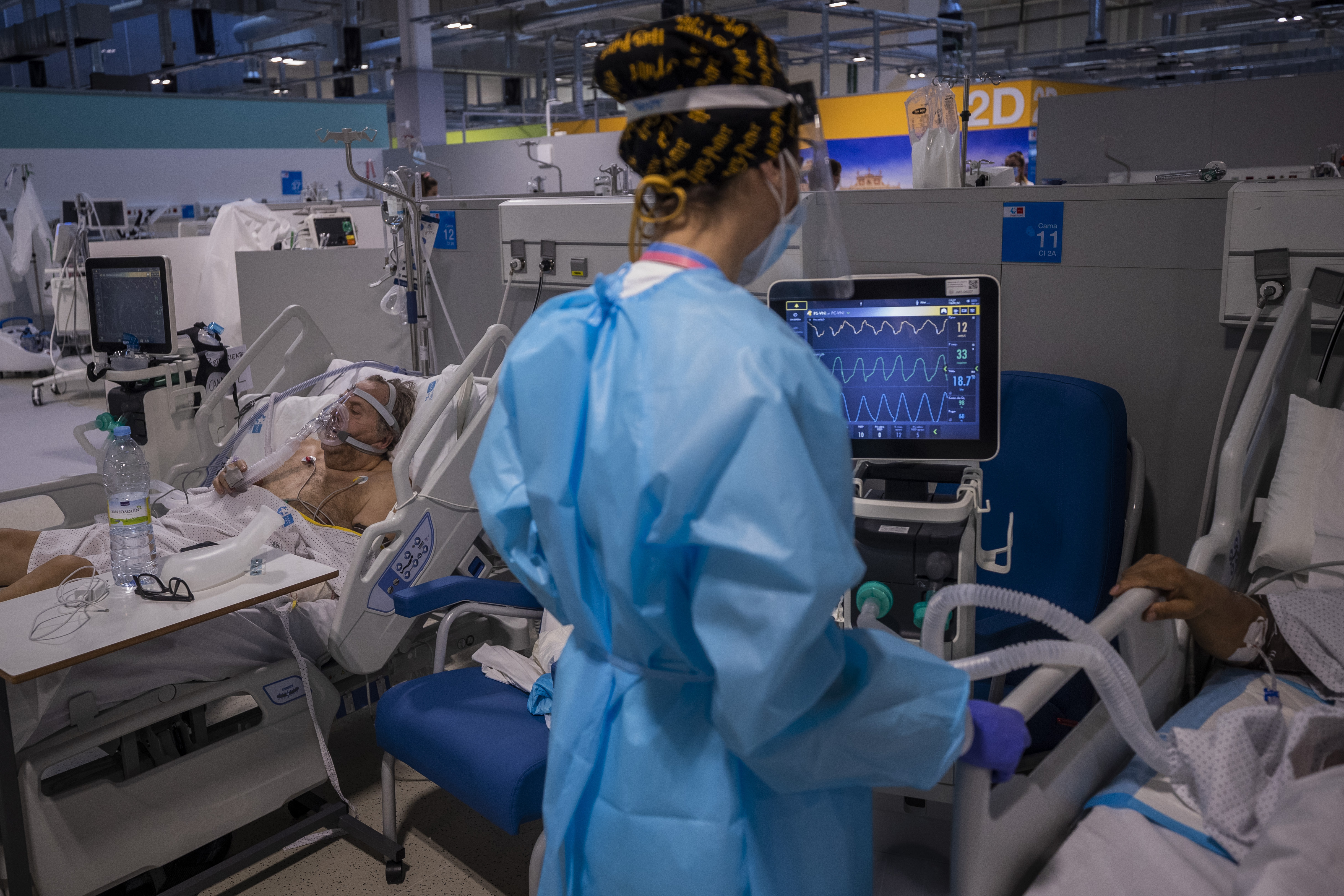
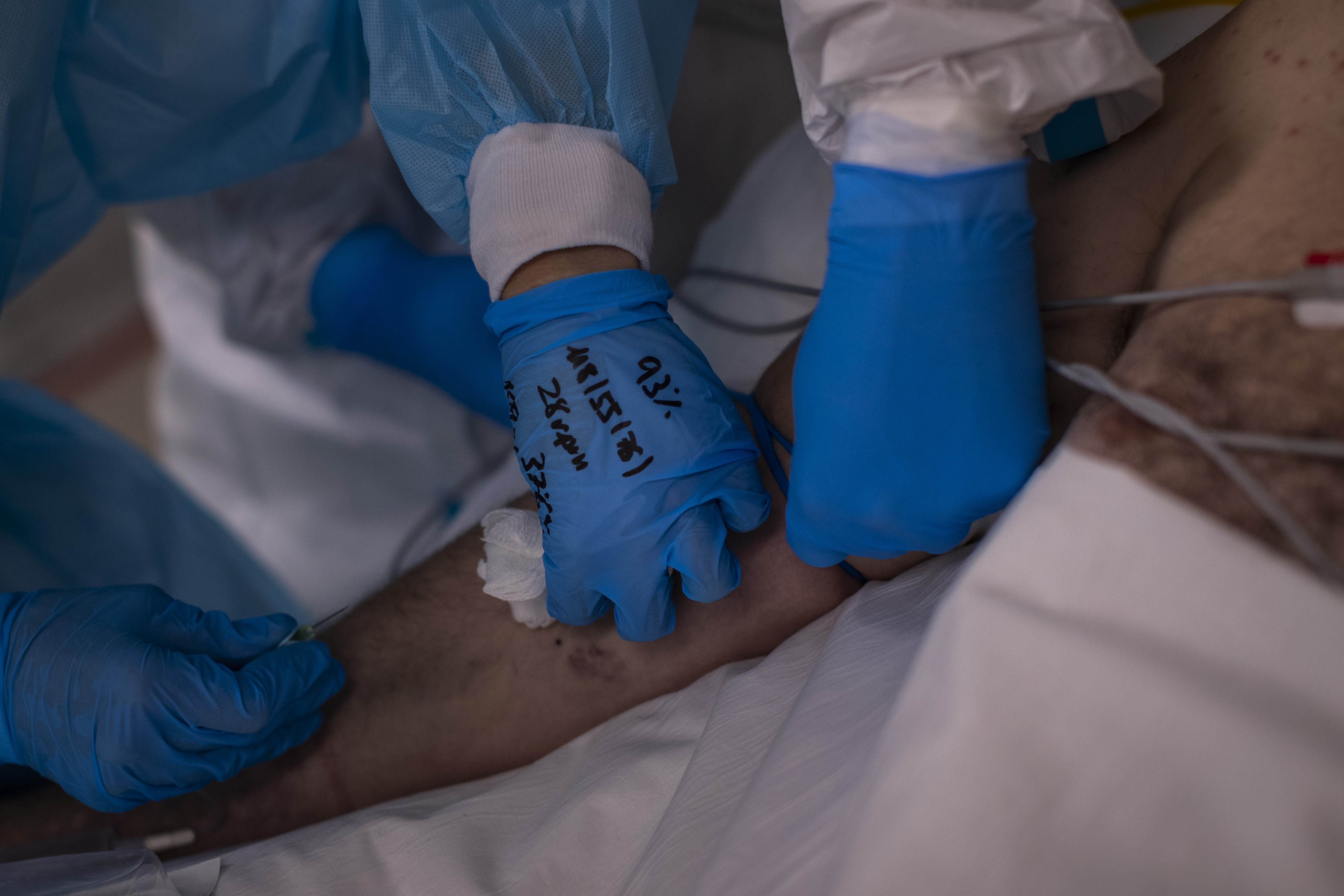
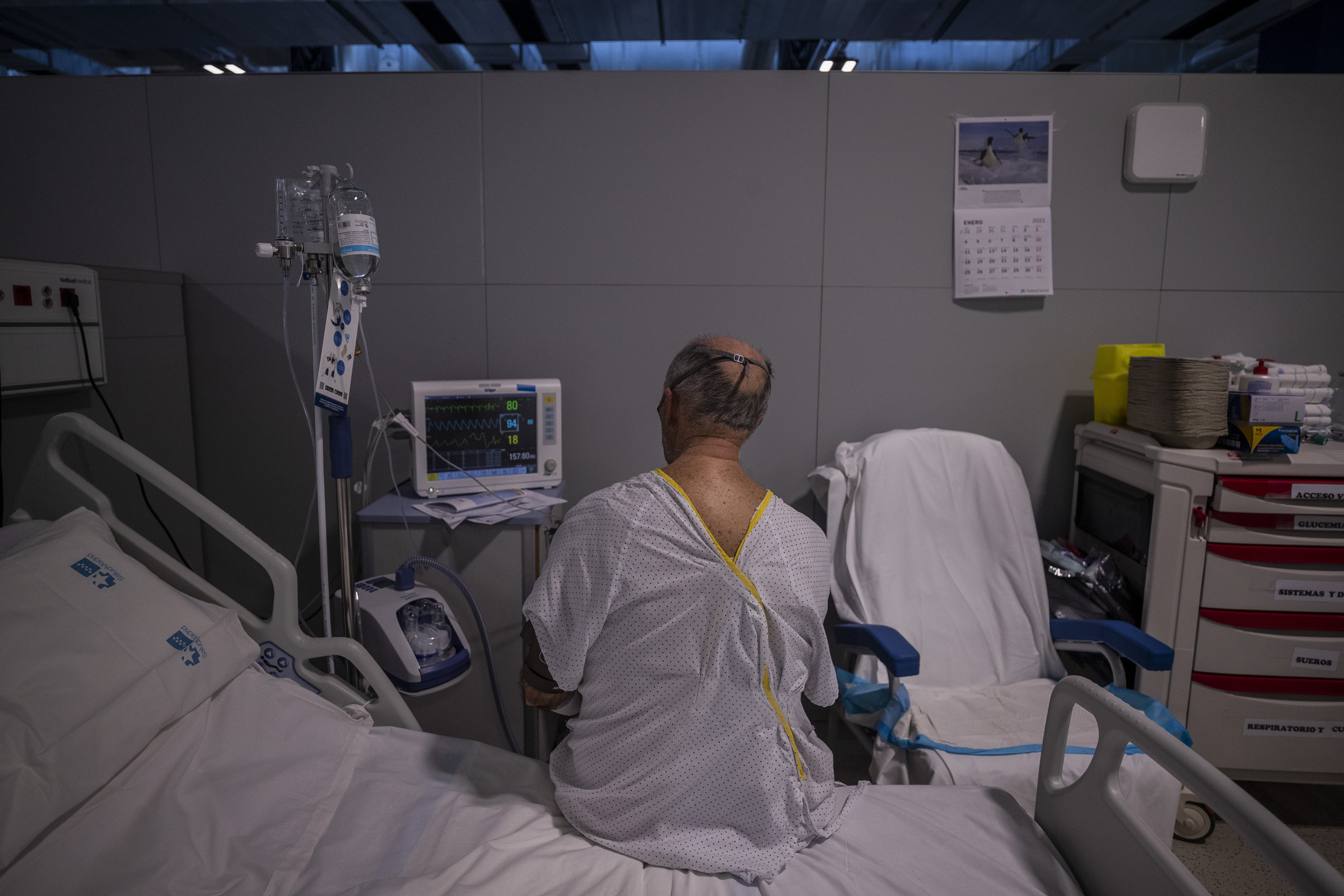
Inside Spain's COVID-19 hospital as country under siege

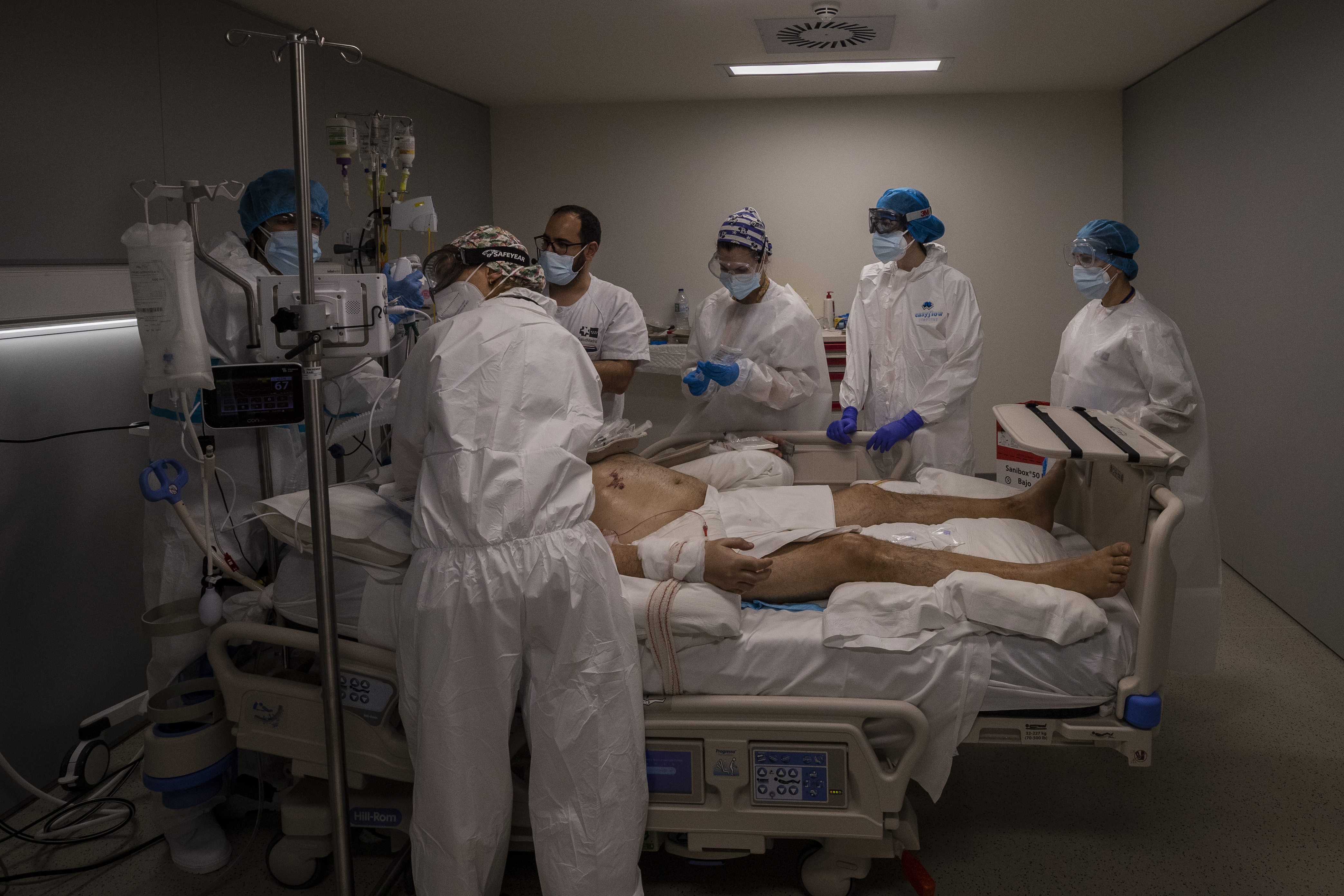
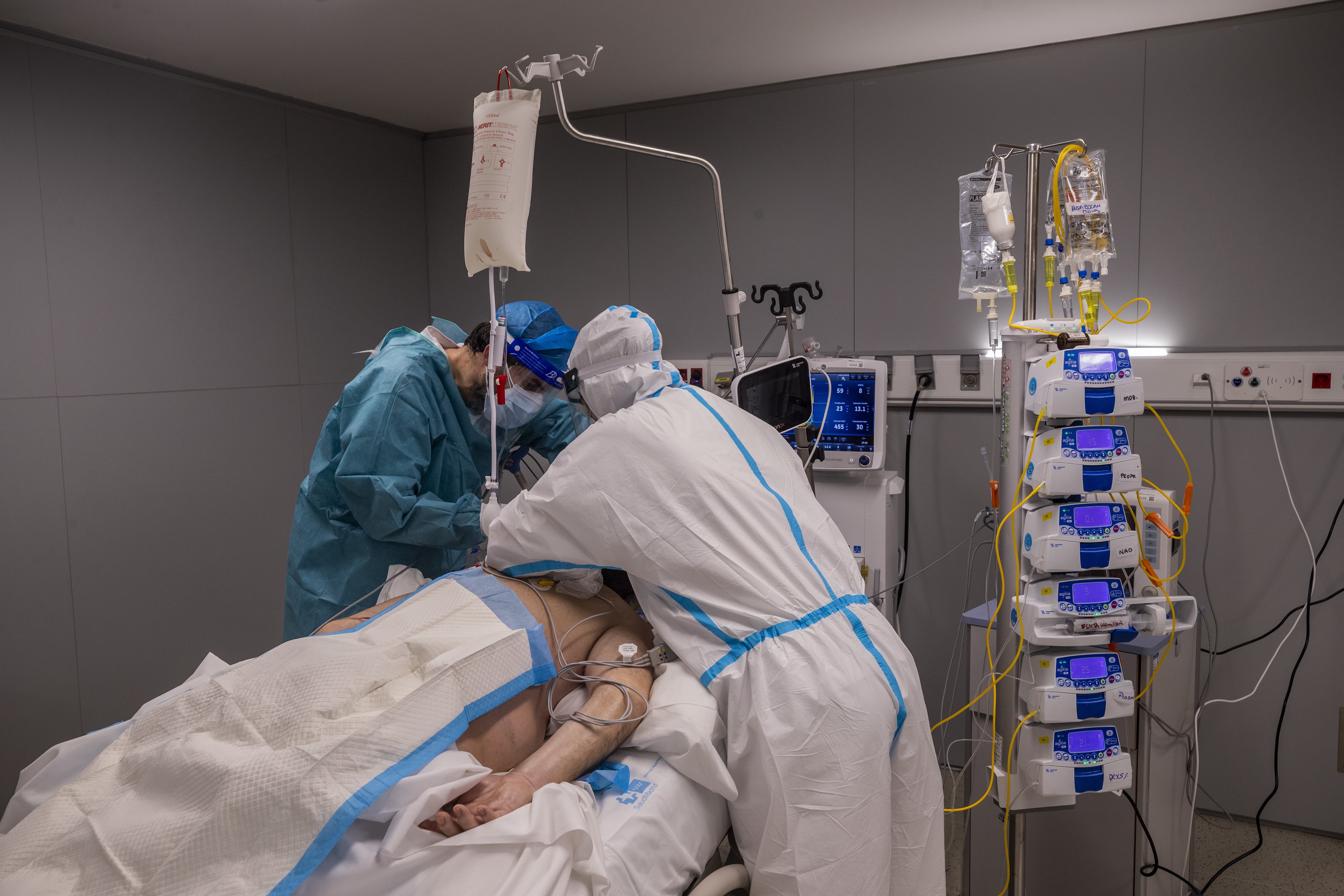
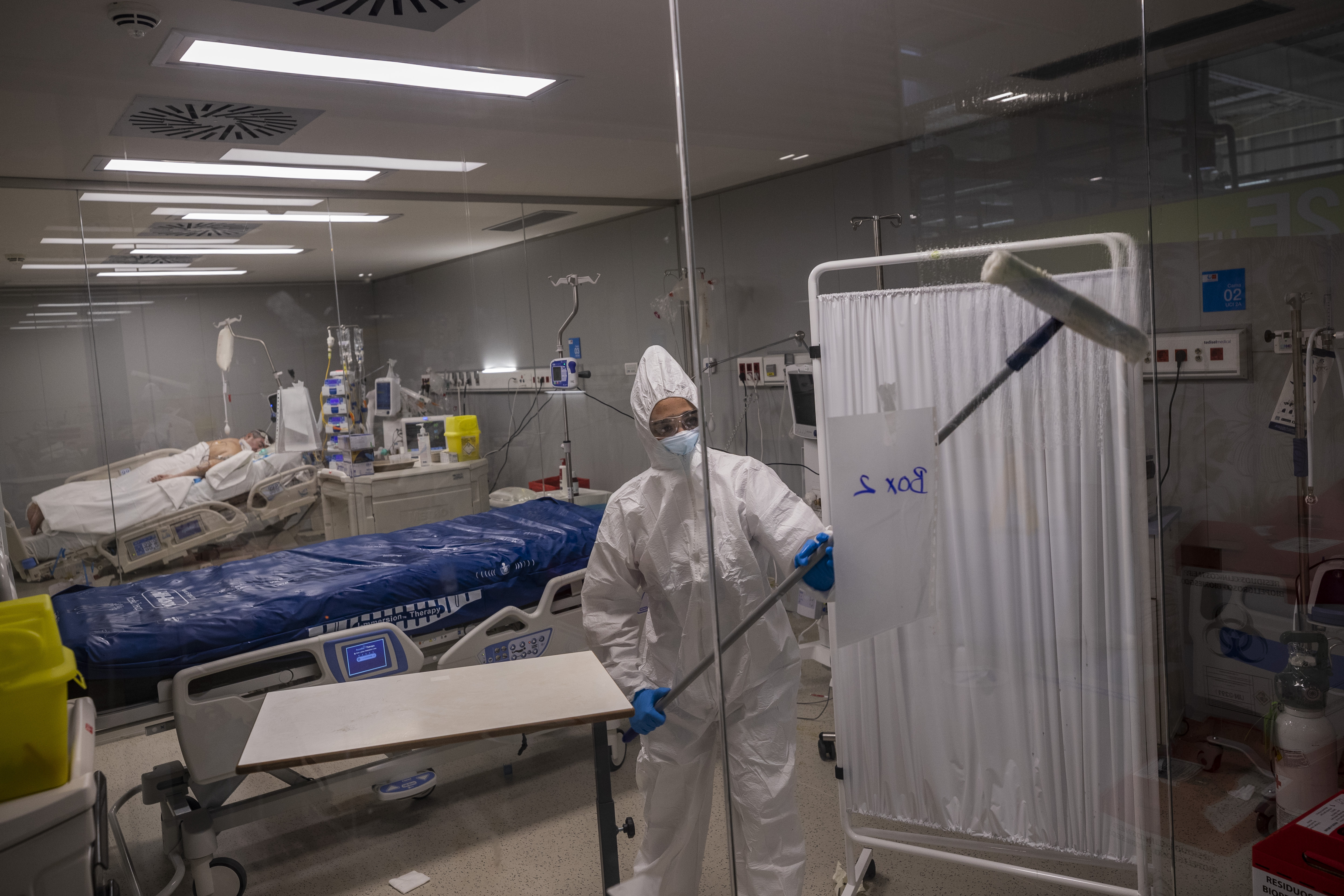
As soon as the lifeless body is silently pushed away on a stretcher, a cleaning battalion moves into the intensive care box.

In a matter of minutes, the bed where the 72-year-old woman fought for more than two weeks for another breath gets rubbed clean, the walls of glass isolating it disinfected with a squeegee.

There is little time to reflect on what has just happened, as death gives way to the possibility of saving another life.

READ MORE: Trump to lift COVID-19 related travel restrictions before he leaves office

"Our biggest source of joy is obviously emptying a bed, but because somebody is discharged and not because they have passed away," Ignacio Pujol said, the head of this Madrid ICU.

"That's a little space there for somebody else to get another chance."

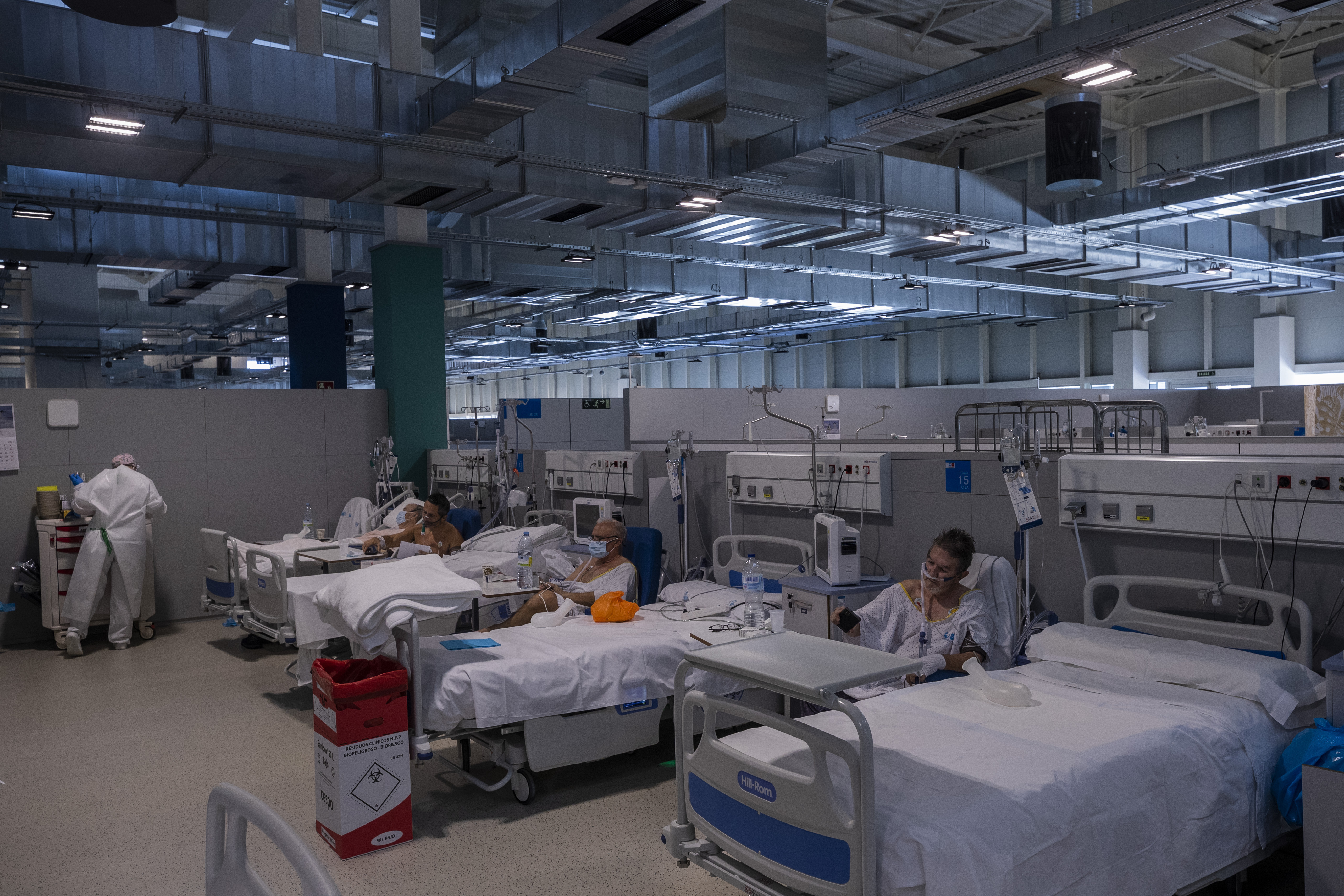
As a surge of infections is once again putting Spain's public health system against the ropes, the Nurse Isabel Zendal Hospital that employs Mr Pujol, a project seen by many as an extravagant vanity enterprise, is getting a fresh opportunity to prove its usefulness.

Named after the 19th-century Spanish nurse who took smallpox vaccination across the Atlantic Ocean, the facility was built in 100 days at a cost of 130 million euros (A$205 million), more than twice the original budget.

It boasts three pavilions and support buildings over an area the size of 10 soccer fields, looking somewhere between a small airport terminal and an industrial warehouse, with ventilation air ducts, medical beds and state-of-the-art equipment. The original project was for 1000 beds, of which roughly half have been installed so far.

The Zendal opened to a roar of competing fanfare and criticism on December 1 last year, just as Spain seemed to dampen a post-summer surge of coronavirus infections.

By mid-December, it had only received a handful of patients.

But Spain on Monday recorded over 84,000 new COVID-19 infections, the highest increase over a single weekend since the pandemic began.

The country's overall tally is heading to 2.5 million cases with 53,000 confirmed virus deaths, although excess mortality statistics add over 30,000 deaths to that.

As the curve of contagion steepened after Christmas and New Year's, the Zendal has gotten busy.

On Monday, 392 patients were being treated, more than in any other hospital in the region of 6.6 million.

Spain's surge follows similar infection increases in other European countries, most notably in the UK following the discovery of a new virus variant that experts say is more infectious.

The London Nightingale, one of the temporary hospitals across Britain designed to ease pressure on the country's overwhelmed health care system, has also reopened for patients and as a vaccination centre.

Spain's top health officials insist they have found no evidence that new variants wreaking havoc elsewhere are contributing in any way to its own rocketing infections.

Some experts dispute that, claiming the country's limited ability to sequence coronavirus cases is distorting reality and that a new stay-at-home order is necessary.

On the ground, increasing hospitalisations for the virus already surpass the peak of the second resurgence.

Nearly one out of every five hospital beds has a patient with COVID-19. The new illness is also taking up one-third of the country's ICU capacity and non-urgent surgeries are already being called off.

Joined by some medical experts, left-wing politicians and workers' unions accuse Madrid's conservative government of spending on vote-attracting hardware instead of reinforcing a public health system they have underfunded for years.

READ MORE: Cold snap brings Spain's lowest temperatures in 20 years

Investing in contact tracing and primary care previously, they say, could have averted the need for a Zendal altogether.

"Rather than the success they boast, the filling up of this makeshift hospital represents a tremendous failure of those at the helm of the pandemic's response, and also a failure of all of us as a society that could have done better," Ángela Hernández said, a spokeswoman for Madrid's main medical workers' union, AMYTS.

The last straw for the unions, she said, has been the regional government laying off medical staff who refuse to abandon their positions in regular hospitals when they are reassigned to the Zendal.

"The project has been nonsense from beginning to end," Ms Hernández said.

"A few beds without adequate personnel don't make a hospital."

Fernando Prados, Zendal's manager, says he doesn't mind the debate but the 750 patients treated over the last month and a half have already taken significant pressure off other hospitals.

"We have already contributed in one way or another," Mr Prados said.

"We know that we will continue to have COVID patients and once the pandemic is over this infrastructure will be here for any other emergency."

READ MORE: UK aims to give 1st COVID-19 shot to all adults by September

Past automatic glass doors, patients recover in modules of eight beds, leaving little space for privacy but providing better monitoring of possible complications in their recovery, Verónica Real said, whose challenge as the head nurse has been to organise staff teams drawn from other hospitals.

"Some of the sanitary workers arrive with a degree of anger for all the noise out there about our hospital," Ms Real said.

"But once here, the attitude completely changes."

READ MORE: Spain to keep track of residents who refuse the COVID-19 vaccine

The Zendal's managers say a modern ventilation system renews the entire facility's air every 5 minutes, which contributes to a safer work environment.

But they are most proud of the expansion of the intermediate respiratory care unit, where patients receive varying types of assisted respiration to overcome lung inflammation.

The unit's chief, Pedro Landete, says by admitting potentially worsening patients in one of its 50 highly-equipped beds, they are reducing the number of people who later require the more demanding intensive care.

José Andrés Armada arrived with mild symptoms at the facility after all his family was infected despite what he said was a very careful approach to the pandemic.

But the 63-year-old's health quickly deteriorated and last week he was on the brink of being intubated in one of the Zendal's dozen ICU boxes.

"I know that the economy is something to safeguard, but health is more important. We should be in lockdown by now. You can't have bars and other places open," the former entrepreneur said.

"I never imagined it could attack you in such a way."

Coronavirus party haven faces biggest surge

Masks off the minute you step inside. Bars packed and pulsing like it's 2019. Social media stars waving bottles of champagne. DJs spinning party tunes through multi-hour brunches.

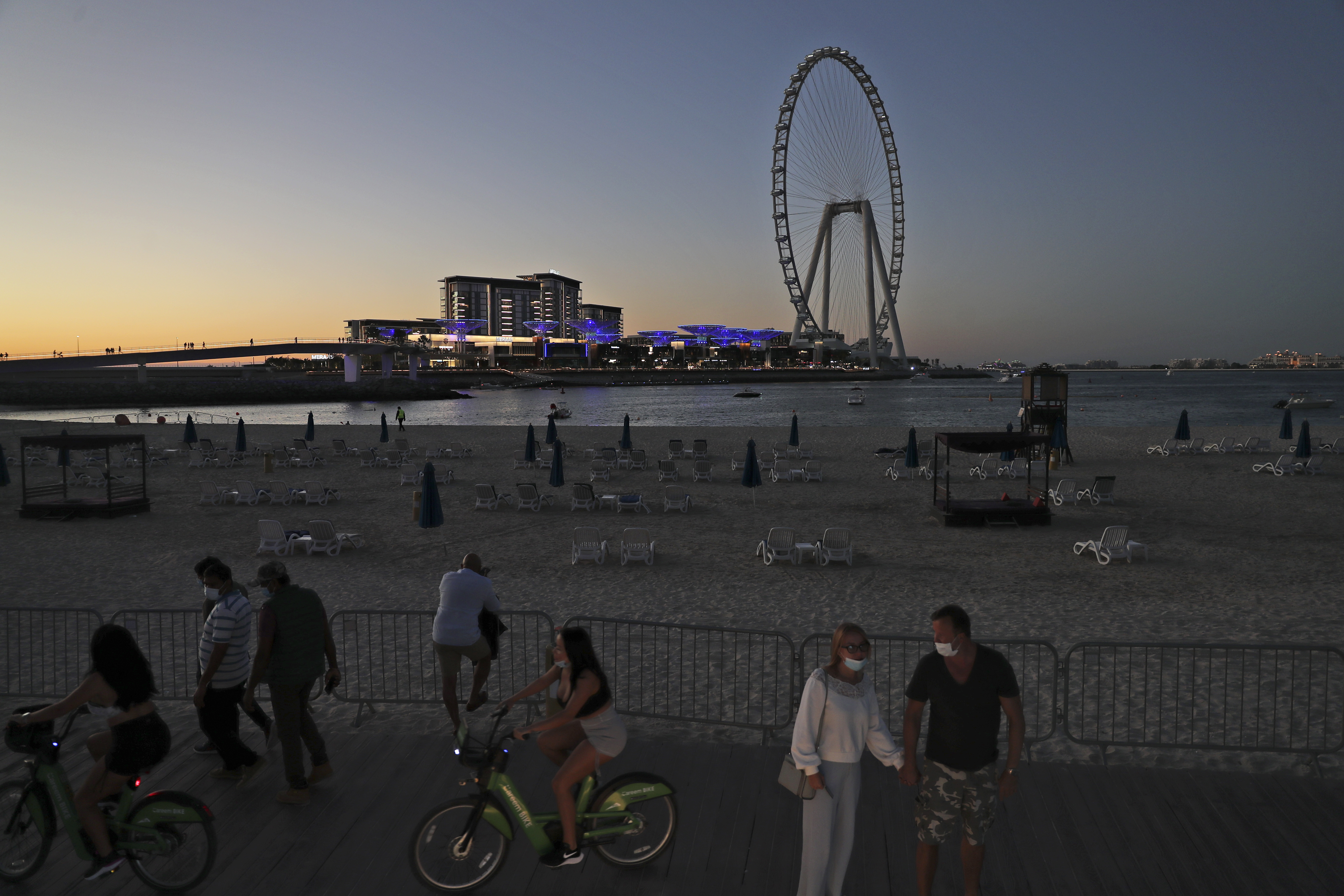
Since becoming one of the world's first destinations to open up for tourism, Dubai, in the United Arab Emirates, has promoted itself as the ideal pandemic vacation spot.

It cannot afford otherwise, analysts say, as the virus shakes the foundations of the city-state's economy.
READ MORE: Wuhan scientists 'had symptoms before first case confirmed'

With its cavernous malls, frenetic construction and legions of foreign workers, Dubai was built on the promise of globalisation, drawing largely from the aviation, hospitality and retail sectors — all hard hit by the virus.

Now reality is catching up to the big-dreaming emirate.

With peak tourism season in full swing, coronavirus infections are surging to unprecedented heights.

Daily case counts have nearly tripled in the past month, forcing Britain to slam shut its travel corridor with Dubai last week. But in the face of a growing economic crisis, the city won't lock down.

"Dubai's economy is a house of cards," Matthew Page said, a nonresident scholar at the Carnegie Endowment for International Peace.

"Its competitive advantage is being a place where rules don't apply."

While most countries banned tourists from the UK over fears of the fast-spreading virus variant found there, Dubai, home to some 240,000 British expats, kept its doors open for the holidays.
Emirates flew five daily flights to London's Heathrow Airport.

Within days, the new virus strain had arrived in the Emirates, but that didn't stop reality TV and soccer stars from fleeing Britain's lockdown and wintry weather for Dubai's bars and beaches — without taking a coronavirus test before boarding.

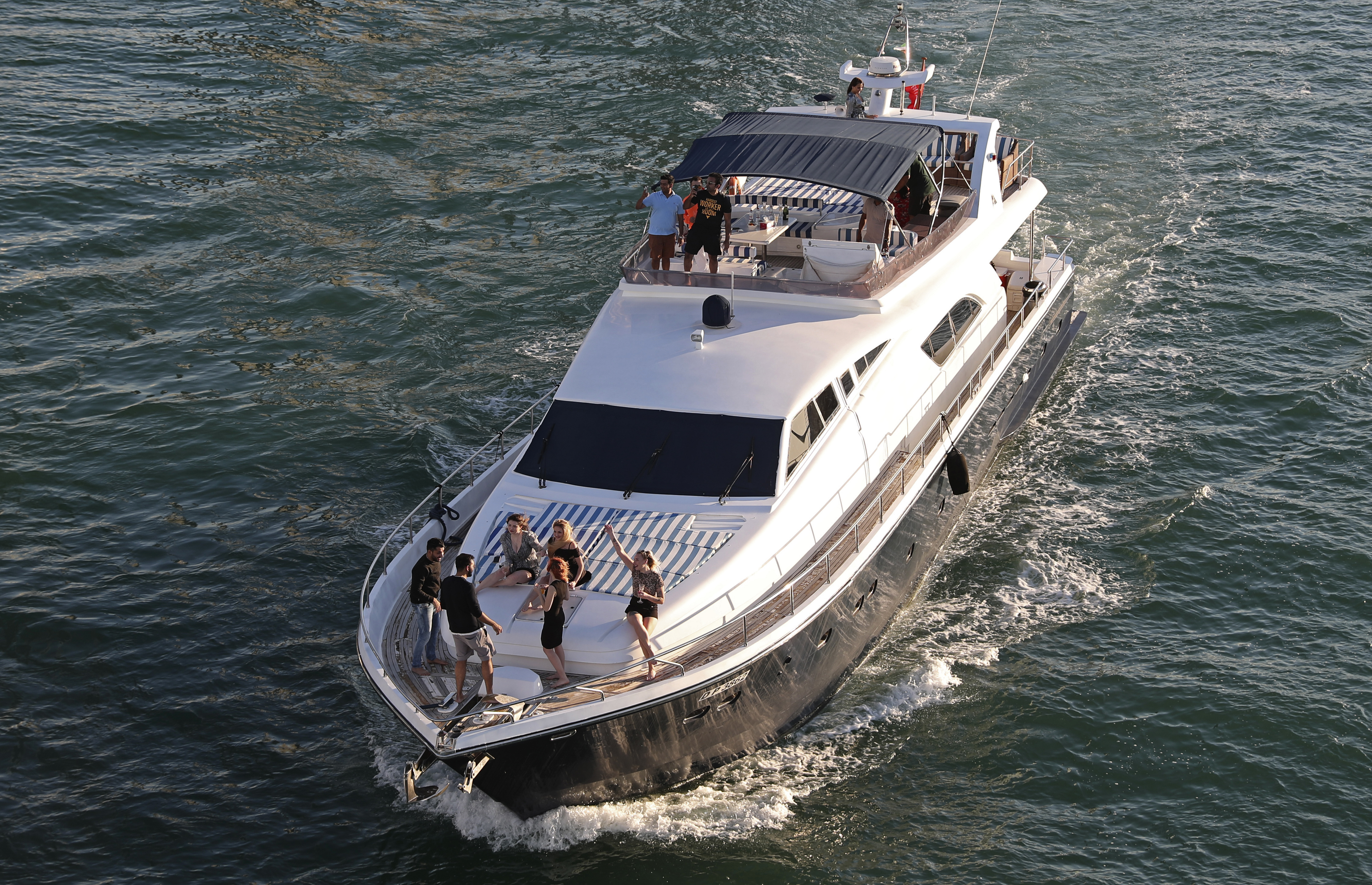
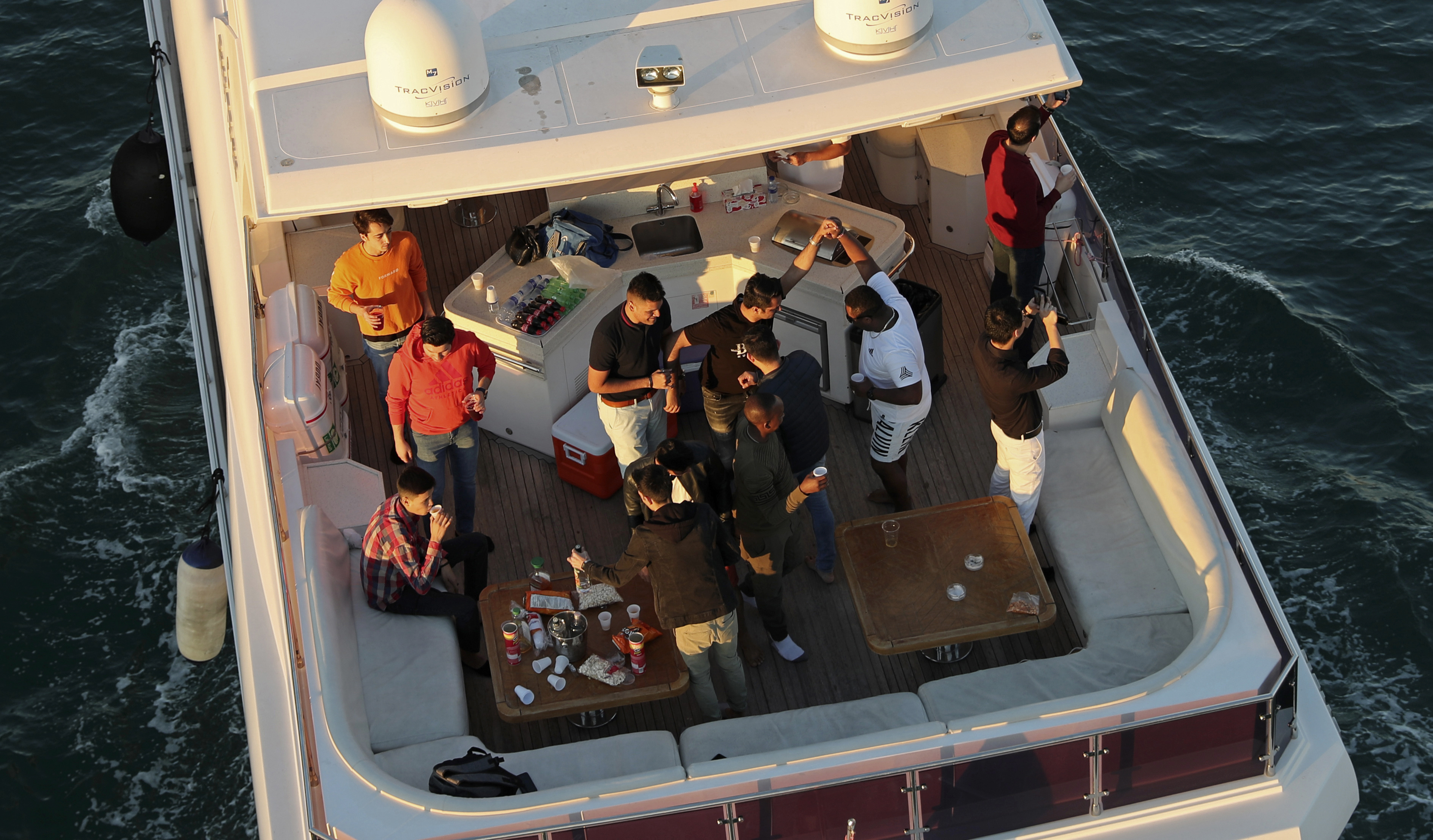
Scenes of pre-pandemic revelry were splattered across British tabloids. Facing backlash, Instagram influencers spotted at raucous yacht parties were quick to proclaim their travel "essential."

Dubai was glad of the influx.

Hotel occupancy rates surged to 71 per cent in December, according to data provider STR.

The London-Dubai air route ranked busiest in the world over the first week of January, OAG said, an aviation data analysis firm.

"People have had enough of this pandemic already," Iris Sabellano from Dubai's Al Arabi Travel Agency, said.

Ms Sabellano said many of her clients have been forced to quarantine after testing positive for the virus on arrival or before departure.

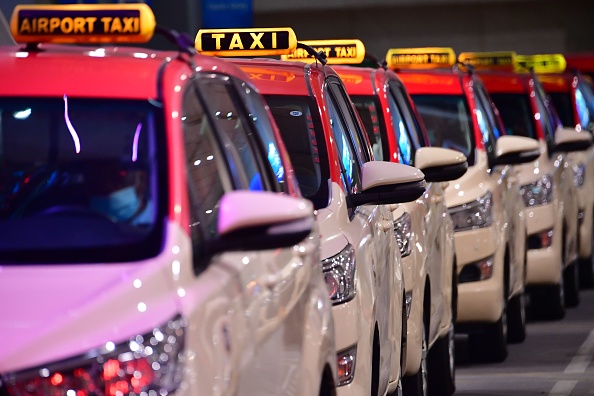
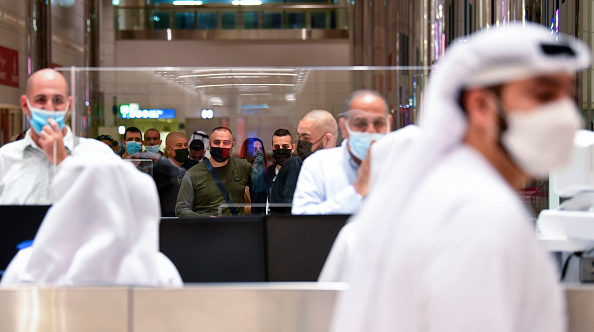
Travellers coming from a select list of countries don't need to get tests before their trips but all must at Dubai's airport.
"With vaccines coming out, they feel it's not the end of the world, they're not going to die," she said.

For those who do die of COVID-19, long-haul airline Emirates offers to pay $1800 to help cover funeral costs.

As outbreak worsens, stampede will slow.

Israeli tourists, who were coming in the tens of thousands following a normalisation deal between the countries, have vanished due to new quarantine rules.

A decision to suspend visa waivers for Israelis to the UAE until July took effect Monday.

Britain's move to mandate a 10-day quarantine for those returning from Dubai threatens to clobber what's left of the tourism sector.

"Brits make up such an important proportion of tourists and investors in Dubai," David Tarsh, spokesman for ForwardKeys, a travel data-analysis company, said.

"Cutting that pipeline … is a complete disaster for the city."
British Transport Secretary Grant Shapps tweeted that the government's decision was prompted by the UAE's latest virus data.

Beyond daily infections, however, the data is scant as the UAE does not make public information about disease clusters or hospitalisations.

Amid an aggressive testing campaign, the country has reported more than 256,000 cases and 751 deaths.

Analysts speculate the UAE's unique demographics — 90 per cent expatriate, comprising mostly healthy, young laborers — have prevented well-staffed hospitals from becoming overwhelmed and kept the death rate low, at 0.3 per cent.

But that hasn't assuaged Abu Dhabi, Dubai's more conservative neighbour and the country's capital.

Without explanation, Abu Dhabi has kept its border with freewheeling Dubai shut, despite promises to reopen by Christmas. Anyone crossing into Abu Dhabi must present a negative coronavirus test.

Relations between service-heavy Dubai and oil-rich Abu Dhabi can get tense.

During the 2009 financial crisis, Abu Dhabi needed to rescue Dubai with a US$20 billion ($25.9 billion) bailout.

This time, it's unclear whether Dubai can count on another cash infusion, given the crash in global oil prices.
Even pre-pandemic, Dubai's economy was heading toward another downturn thanks to a shaky real estate market, which has plunged 30 per cent in value since 2014 peaks.

The emirate and its web of government-linked entities face billions of dollars in debt repayments.

Already the government has stepped in to help carrier Emirates, which received US$2 billion ($2.59 billion) in aid last year.

Other indebted firms invested in hospitality and tourism may need help, especially with events like World Expo pushed back a year.

S&P Global, a ratings agency, estimates Dubai's debt burden to be some 148 per cent of gross domestic product if state-linked industries are included.

Under pressure, authorities have seized on vaccines as the only way to contain the outbreak.

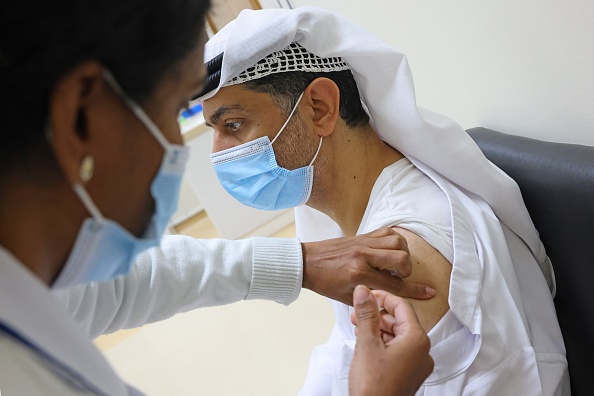
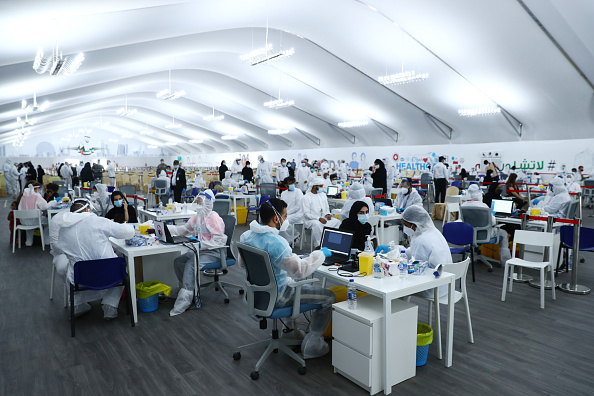
Plastered across front pages of state-linked newspapers are stories touting the mass inoculation drive, which officials claim to be the world's second-fastest after Israel, with 19 doses distributed for every 100 people as of Tuesday.

The UAE is offering the Chinese coronavirus vaccine Sinopharm to everyone, even as its announcement about the shot's efficacy lacks data and details.

Demand has overwhelmed supply for the Pfizer-BioNTech vaccine in Dubai, where hotline operators say thousands of high-risk residents remain on a waiting list.
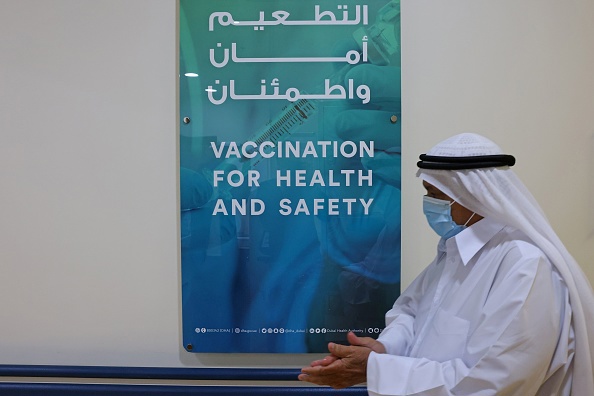
With the country shattering its infection record for seven consecutive days, Dubai's ruler, Sheikh Mohammed bin Rashid Al Maktoum, declared that widespread vaccination, not movement restrictions, would "accelerate the full recovery of our country."

But even if Dubai meets its goal of inoculating 70 per cent of the population by the end of 2021, Moody's Investors Service expects the UAE's economy to take three years to bounce back.

"I don't think Dubai's days are numbered," Mr Page, the Carnegie scholar, said.

"But if the city were more modest and responsible, it would be a more sustainable place."
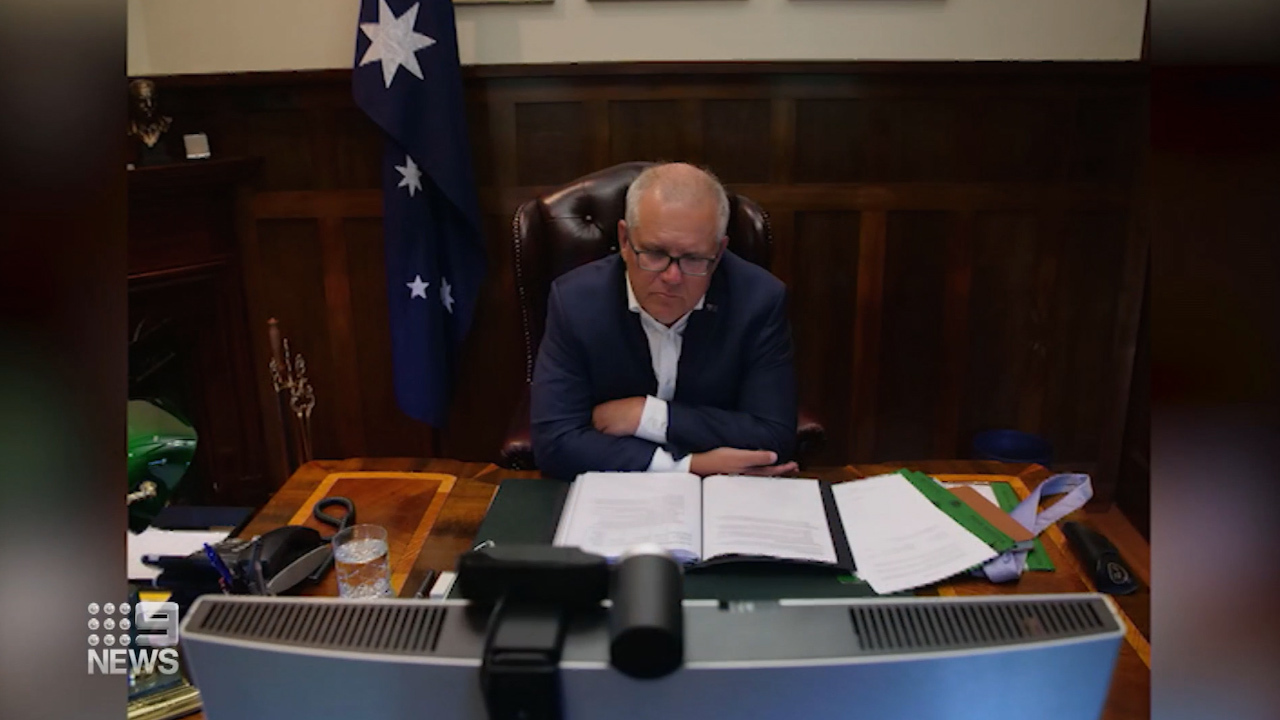
Morrison snubs Trump after final phone call to Pence

Prime Minister Scott Morrison has revealed he's not planning to speak to Donald Trump ahead of the US President's departure from office on Wednesday.

Scott Morrison bid farewell to outgoing US Vice President Mike Pence during a phone call this morning.

Earlier, he said thanks to the outgoing secretary of state, Mike Pompeo.

But when asked if Mr Trump was on his call list, the Prime Minister said he has "no plans to do that".

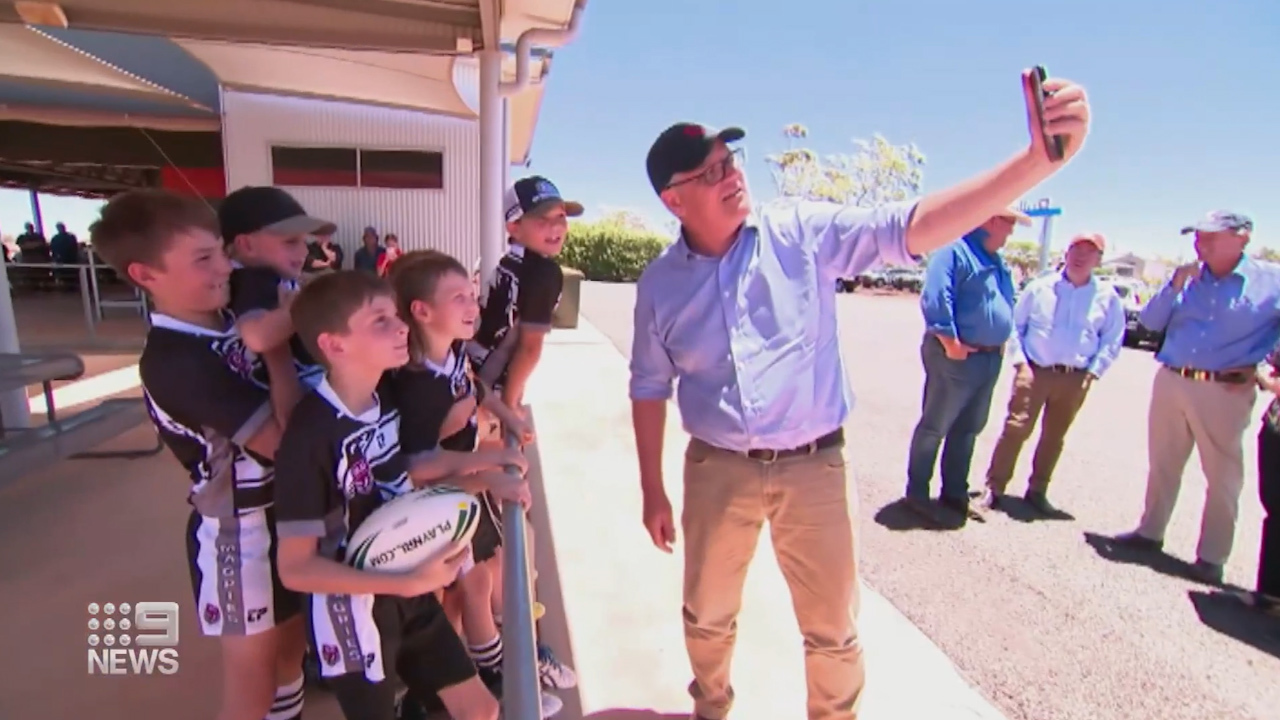
Mr Morrison's comments come as he began his four-day tour of outback Queensland today, where he plans to visit key marginal seats.

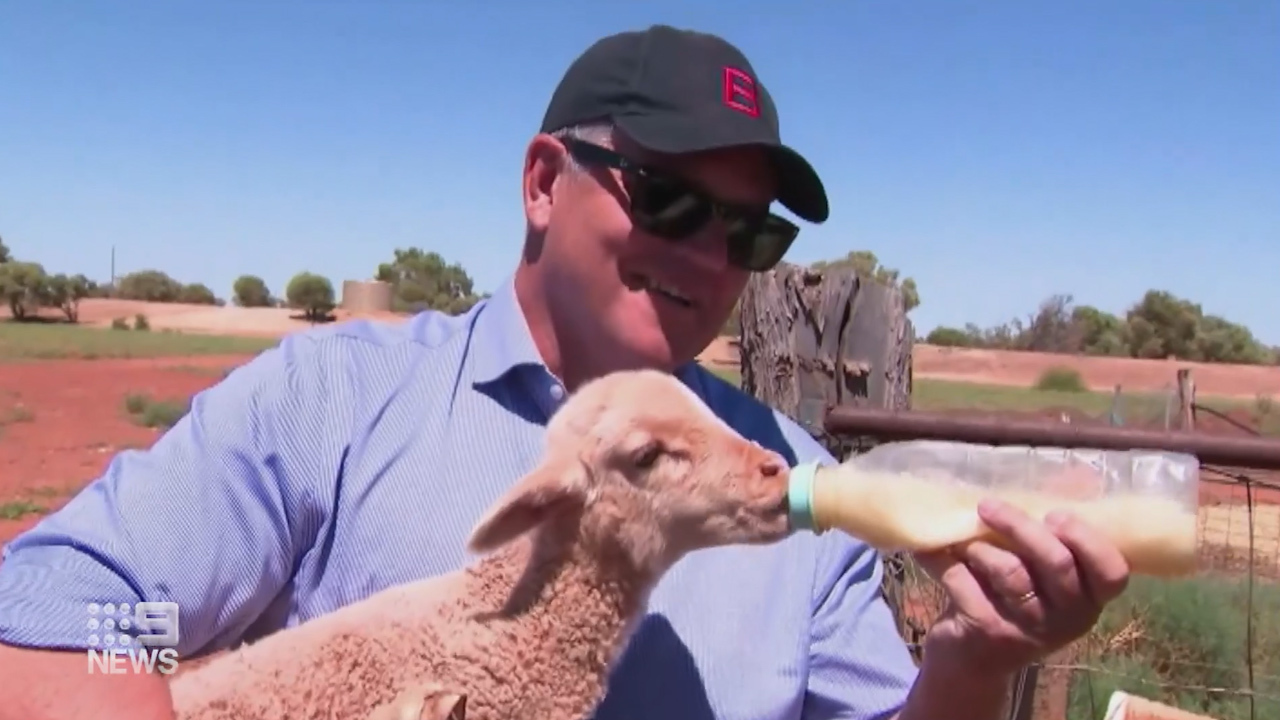
Today, the Prime Minister travelled to the southwest of outback Queensland, where he returned to a drought-affected property he visited in his first days as Prime Minister in 2018.

"They have seen the worst of times and now they're seeing better times," Mr Morrison said.

"What they (Australians) can expect from me and my government is for us to back them in."

The Prime Minister's tour has sparked speculation of an early federal election.

"There may well be, if there is it'll be because Scott Morrison makes a political decision that things are going to get worse for him in 2022," Opposition Leader Anthony Albanese told 4BC Radio today.

But Mr Morrison has remained insistent he will complete his full-term, saying he has a pandemic to focus on.

https://twitter.com/ScottMorrisonMP/status/1351383573320802304?s=20

Today on the road, Mr Morrison spoke with New Zealand Prime Minister Jacinda Ardern about COVID-19 vaccines

Overnight, he met virtually with other world leaders to do the same.

Mates cling to eskies as boat sinks

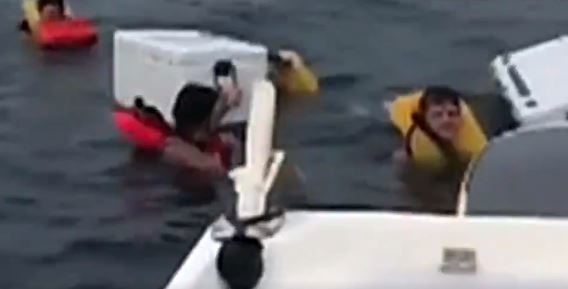
Four mates were thankful they packed their eskies on a recent fishing trip near Nelson Bay when their boat capsized in rough surf.

The men were spearfishing off Broughton Island when they got into trouble in 1.5 metre swell.

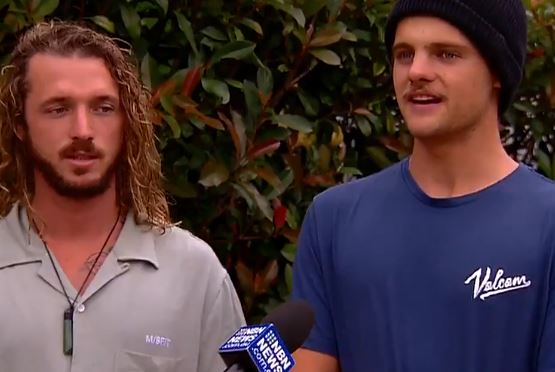
"You got to think on your feet I guess, pretty quickly you've got to clear the boat and grab the essentials and the essentials was that life cell," Noah Hamilton told 9News.

Port Stephens esky boat sinkPort Stephens esky boat sink

The group activated their emergency beacon, grabbed the eskies and waited, but the boat took on too much water and sank.

The EPIRB was received by the rescue coordination centre in Canberra, who got in contact with the NSW Water Police and the Westpac Rescue Chopper.

The men were down to their last flare as they bobbed in the ocean, clinging to their eskies, when a boat appeared on the horizon.

"We used our last one when we saw it and luckily they saw it just between the swell," Mr Hamilton said.

Woman under Melbourne tram stop as it collapses

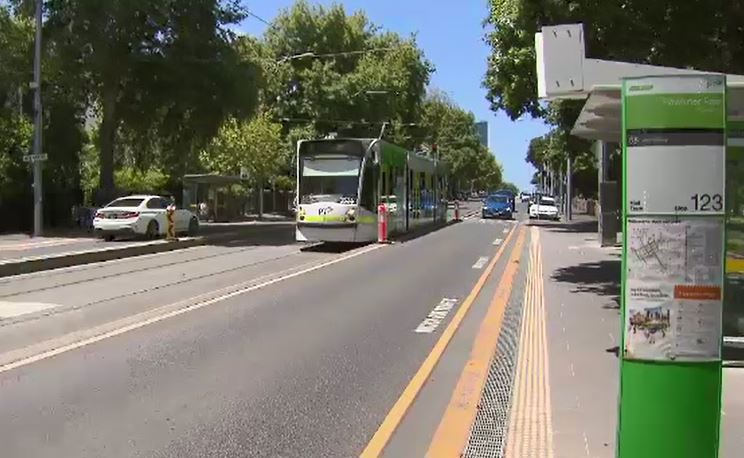
Calls for safety checks across Melbourne have ignited after a tram stop along a popular route collapsed on a woman.

The Carnegie shelter was not struck when it crumbled last month, almost falling on a woman who had been standing underneath it.

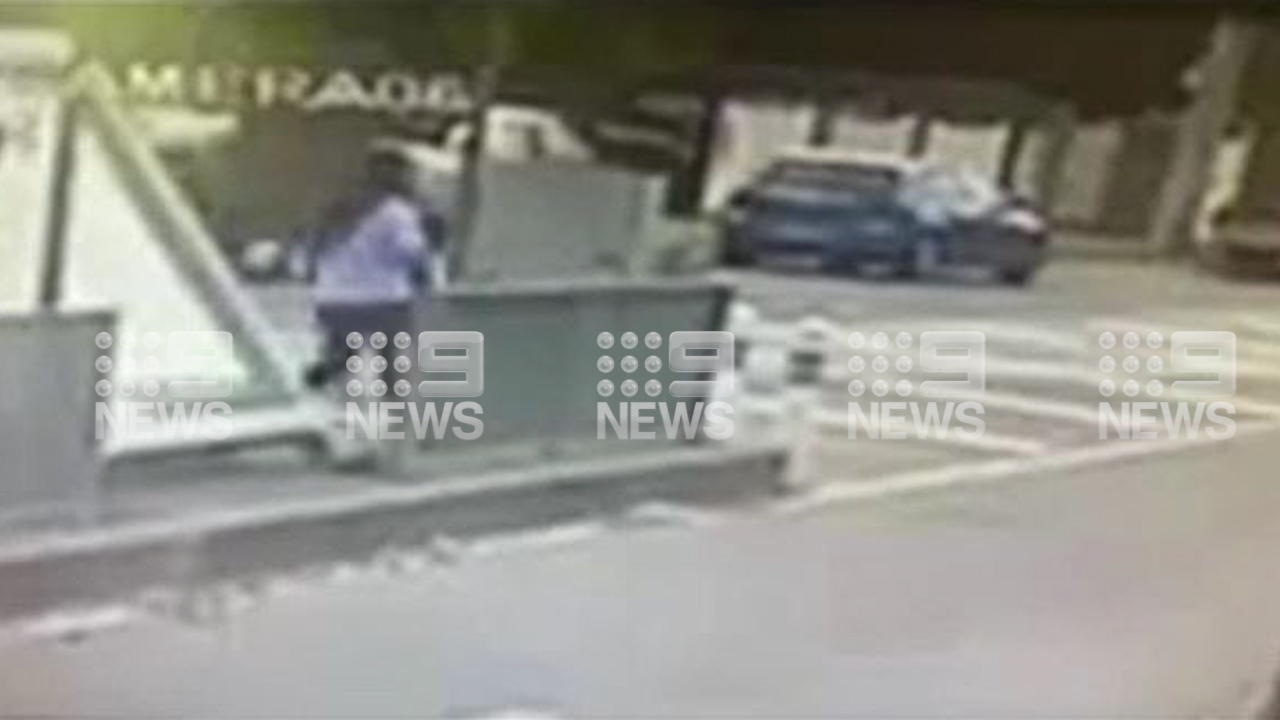
In new footage of the incident, the woman can be seen fleeing on to the road which forced the emergency stop of an oncoming tram.

The alarming incident has the Rail Tram and Bus Union (RTBU) calling for an audit on all major tram stops across the city.

READ MORE: Man charged with murder to remain in custody after brother fatally stabbed in Hastings

The tram stop was already leaning before it crumbled.

Divisional secretary of the RTBU Tarik Koc said the collapse is unacceptable and the union is concerned about other platform stops that could be potentially dangerous.

"It's mind boggling. It's absolutely insane what happened at Carnegie at the terminus, and it should never have to happen again," Mr Koc said.

READ MORE: Three more coronavirus cases linked to Australian Open, but some reclassified as historic

The Carnegie shelter has now been removed.

The RTBU suggested the stop was just 18 months old, however Yarra Trams this afternoon said it was in fact 10 years old.

Shadow Transport Minister David Davis said Melbourne passengers had the right to feel safe when commuting.

"Our public transport system should be safe and secure for passengers and the public more generally," Mr Davis said.

"There's no way a tram stop, and it seems a relatively recent tram stop, should be allowed to collapse like that."