Test your brains with the Herald’s morning quiz. Be sure to check back on nzherald.co.nz at 3pm for the afternoon quiz. To challenge yourself with more quizzes, CLICK HERE.
Tag Archives: oceania
Navalny faces surprise hearing in Russia
Kremlin critic Alexey Navalny has been ordered to remain in custody for 30 days during an unexpected hearing in Russia on Monday, less than 24 hours after he returned to the country and five months after he was poisoned with the nerve agent Novichok.
The opposition leader flew back to Moscow from Germany on Sunday, and was immediately detained by masked officers.
READ MORE: Russia's leading critic detained on return to Moscow after poisoning
https://twitter.com/CGreenbank9/status/1351168563613233157?s=20
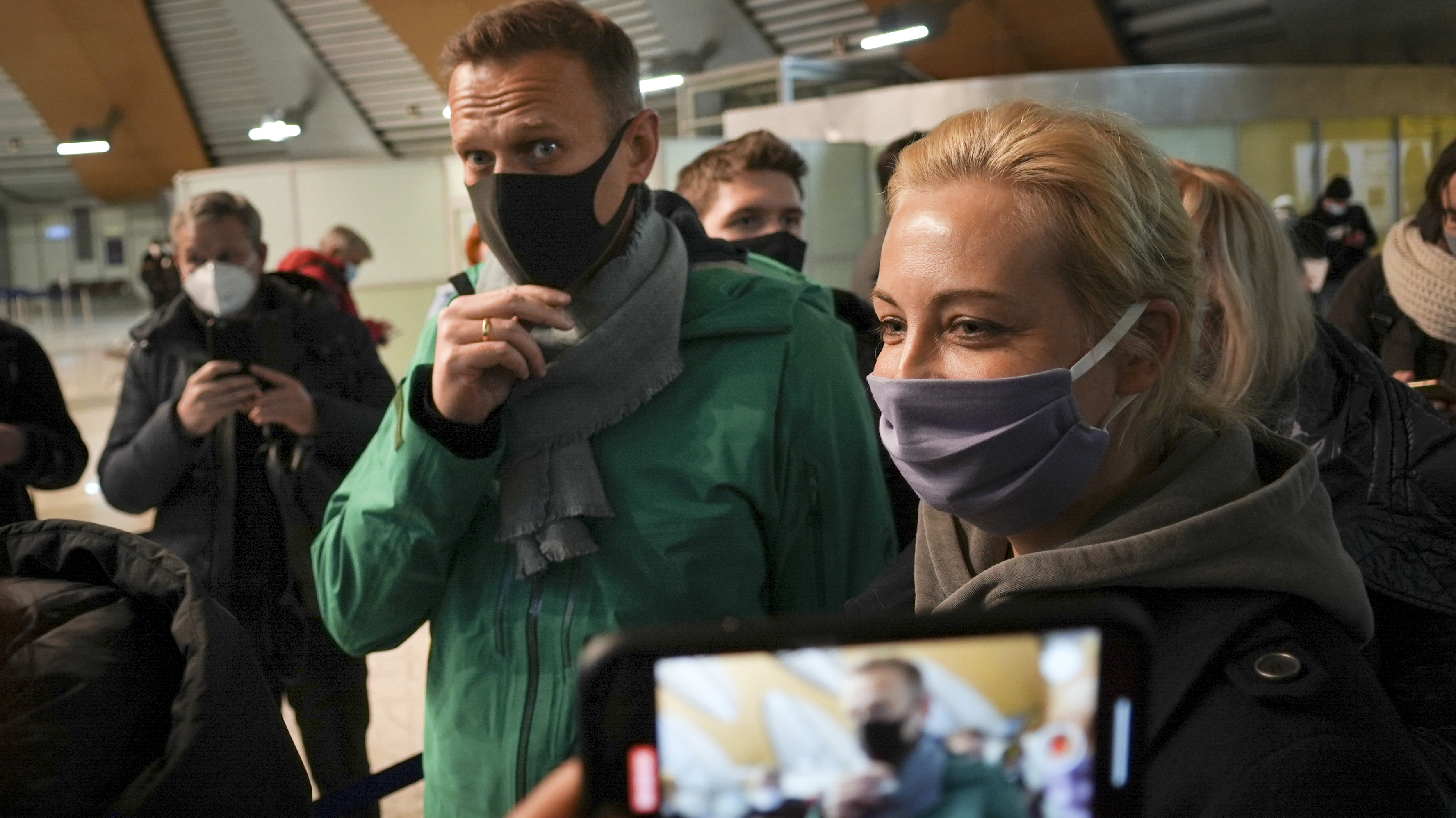
He was held overnight at a police station in the city of Khimki, just north of central Moscow.
Navalny was placed on the country's federal wanted list last month for violating terms of probation related to a 2014 conviction for fraud, which he dismisses as politically motivated.
Russia's Federal Penitentiary Service (FSIN) has requested that a court replace his suspended sentence with a prison term.
If the request is granted, Navalny will likely be jailed for three and a half years.
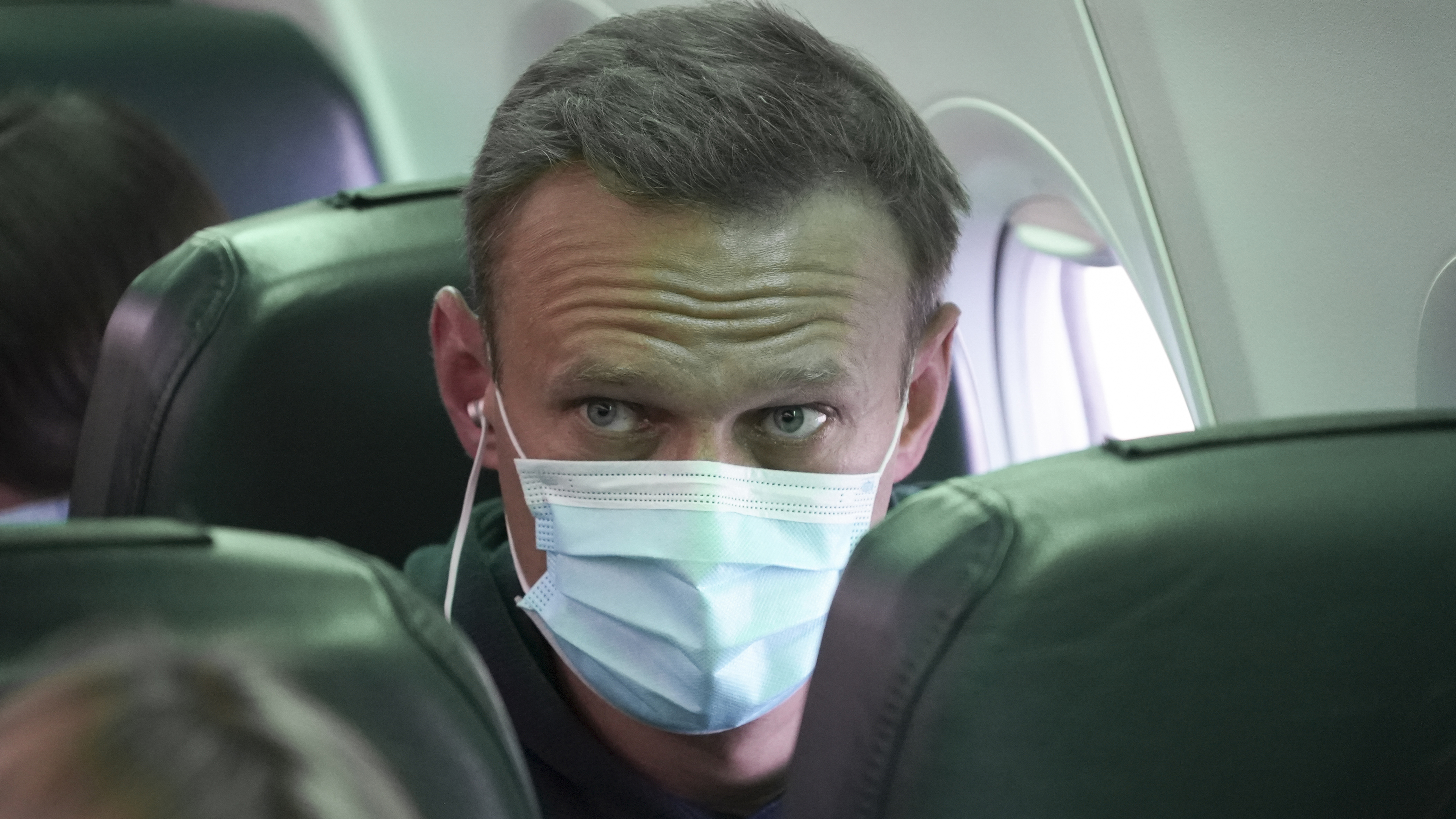
Governments around the world have criticised Russia over Navalny's arrest.
US Secretary of State Mike Pompeo, UK Foreign Minister Dominic Raab and German Foreign Minister Heiko Maas have all called for his immediate release.
More to come …
WHO chief lambasts vaccine profits, demands elderly go first
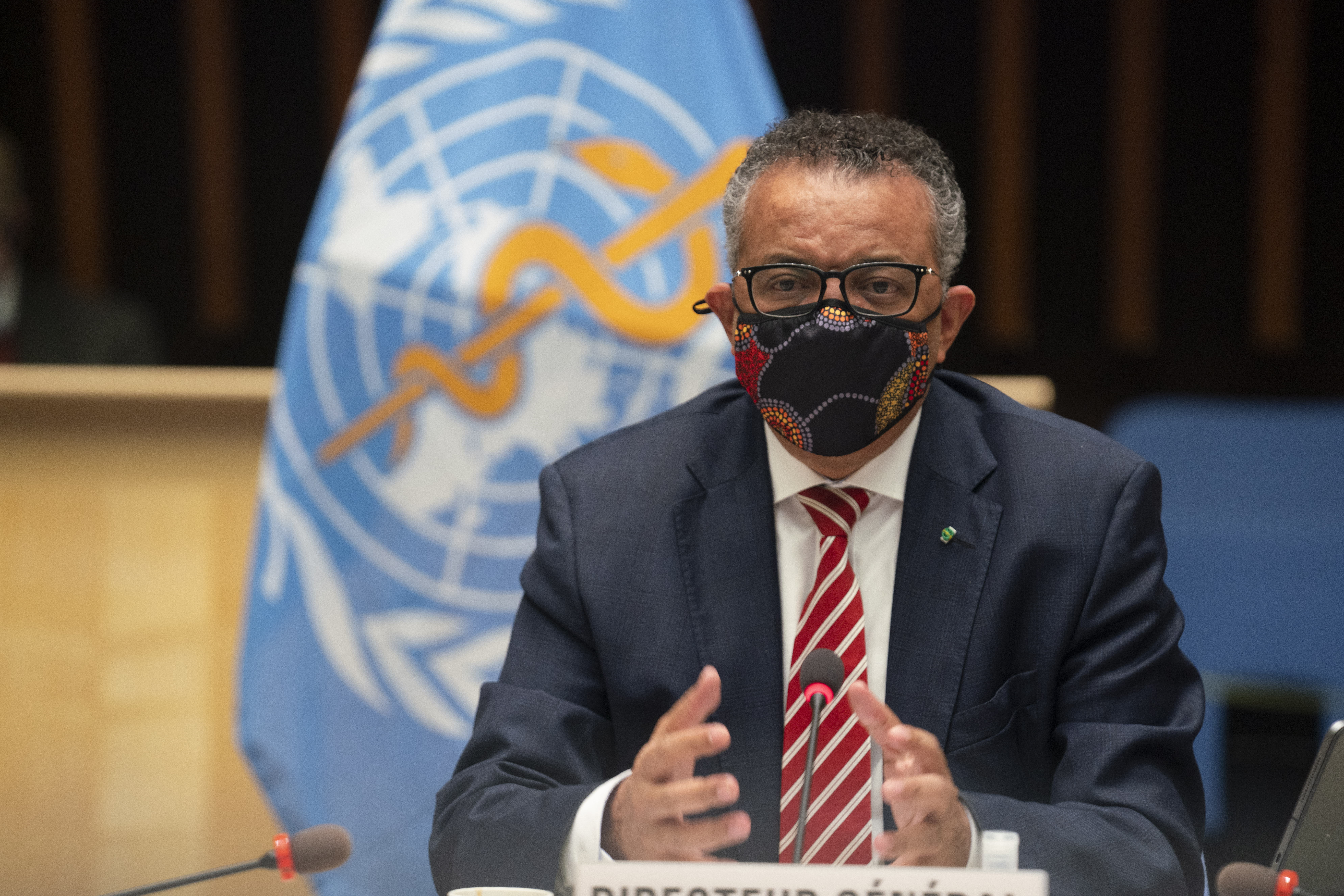
The World Health Organisation chief on Monday lambasted drugmakers' profits and vaccine inequalities, saying it's "not right" that younger, healthier adults in wealthy countries get vaccinated against COVID-19 before older people or health care workers in poorer countries and charging that most vaccine makers have targeted locations where "profits are highest".
Director-General Tedros Adhanom Ghebreyesus kicked off WHO's week-long executive board meeting — virtually from its headquarters in Geneva — by lamenting that one poor country received a mere 25 vaccine doses while over 39 million doses have been administered in nearly 50 richer nations.
"Just 25 doses have been given in one lowest income country — not 25 million, not 25,000 — just 25. I need to be blunt: The world is on the brink of a catastrophic moral failure," Tedros said. He did not specify the country, but a WHO spokeswoman identified it as Guinea.
READ MORE: WHO team arrives in Wuhan to investigate pandemic origins
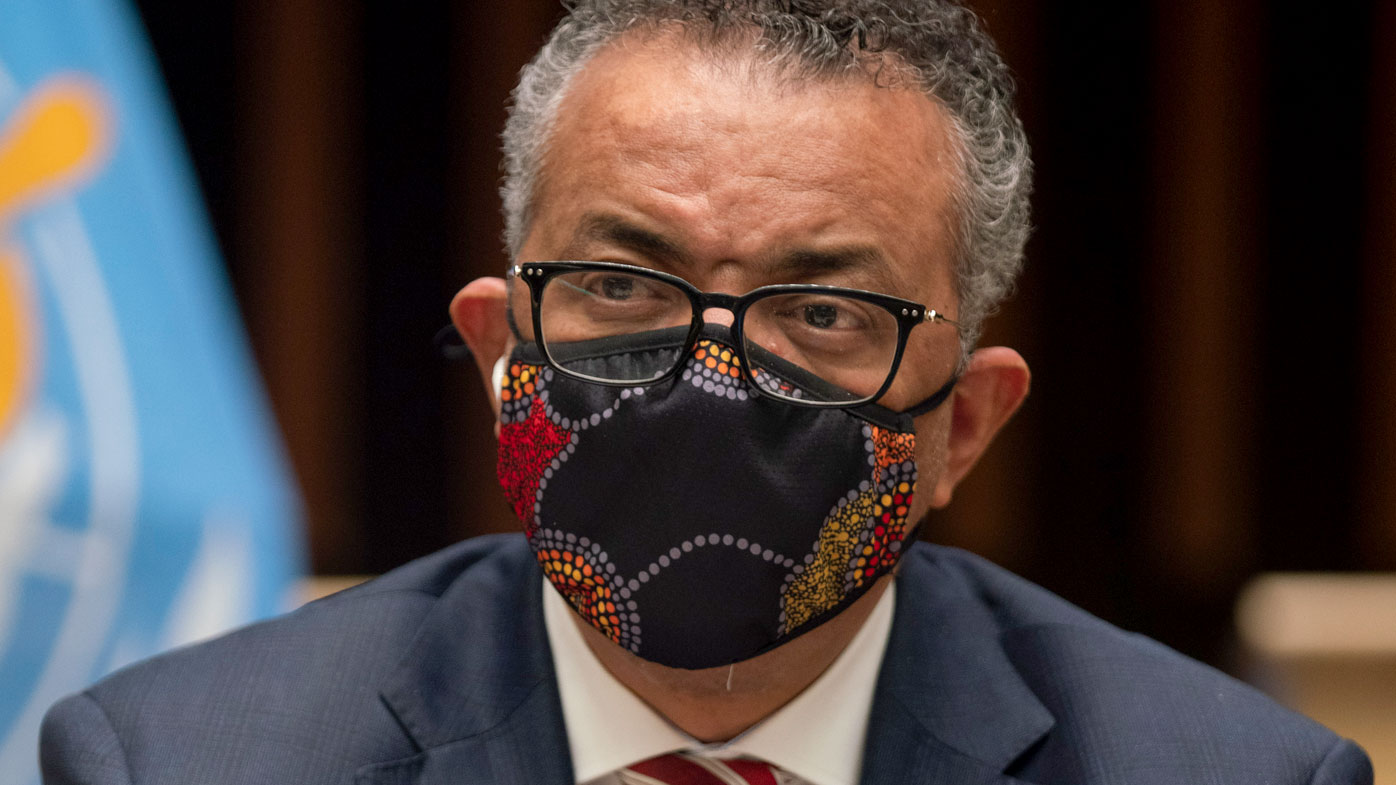
"It's right that all governments want to prioritise vaccinating their own health workers and older people first," he said. "But it's not right that younger, healthier adults in rich countries are vaccinated before health workers and older people in poorer countries. There will be enough vaccine for everyone."
Tedros, an Ethiopian who goes by his first name, nonetheless hailed the scientific achievement behind rolling out coronavirus vaccines less than a year after the pandemic erupted in China, where a WHO-backed team has now been deployed to look into origins of the coronavirus.
"Vaccines are the shot in the arm we all need, literally and figuratively," Tedros said. "But we now face the real danger that even as vaccines bring hope to some, they become another brick in the wall of inequality between the worlds of the world's haves and have-nots."
He noted the WHO-backed COVAX program, which aims to get vaccines out to all countries, rich or poor, based on need, has so far secured 2 billion vaccine doses from five producers and options on a billion doses more.
"We aim to start deliveries in February," he said. "COVAX is ready to deliver what it was created for."
READ MORE: Three countries account for half of global COVID-19 cases
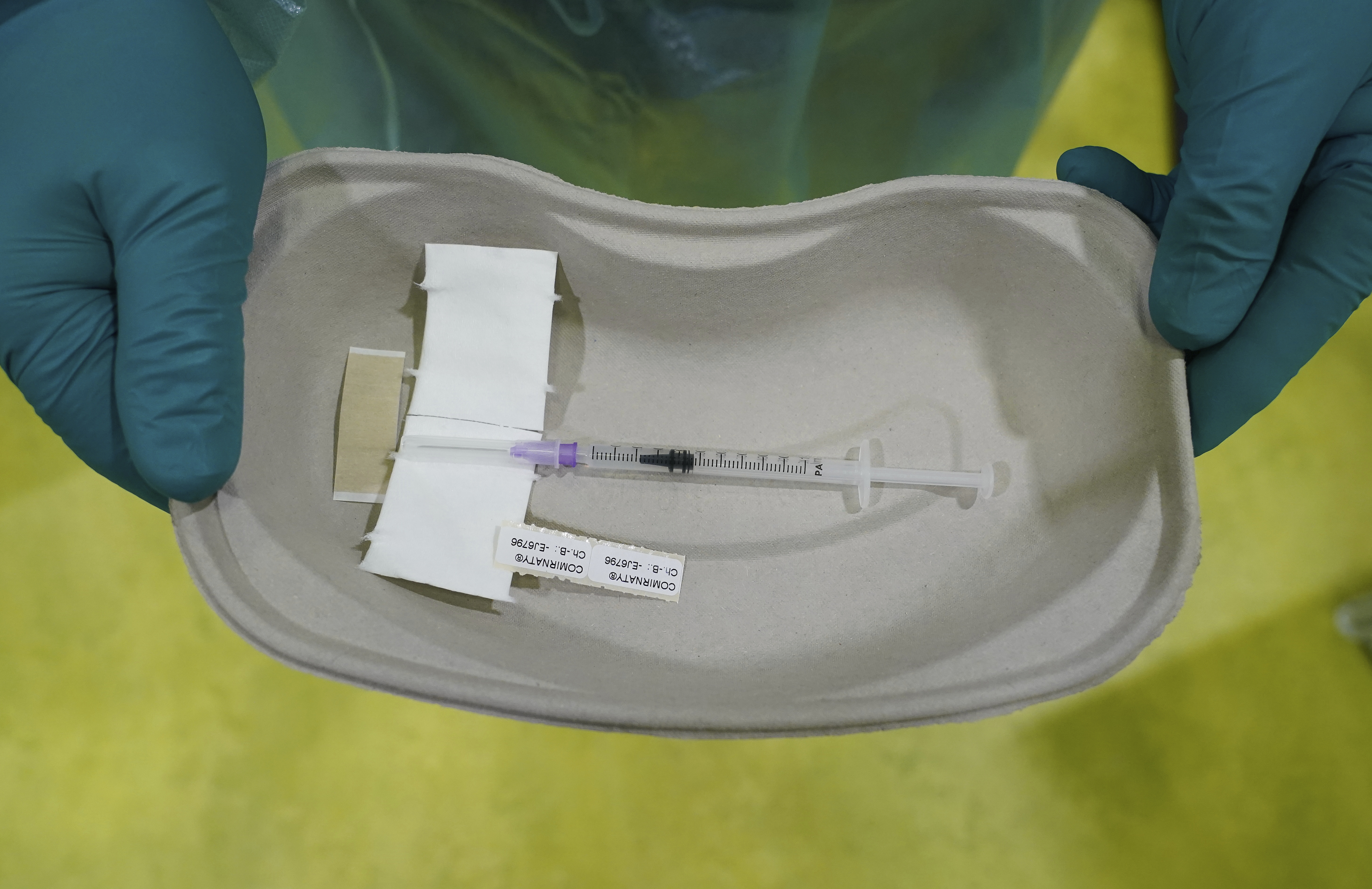
That target date could be a tall order, because a key producer of vaccines for the developing world — the Serum Institute of India — has not confirmed a date and predicted that its rollout might not happen before March or April.
In his opening remarks, Tedros aired some of his toughest public words yet toward vaccine makers, criticising "bilateral deals" between them and countries that WHO says can deplete the effectiveness of the COVAX facility — and went further to raise the issue of profits.
"The situation is compounded by the fact that most manufacturers have prioritised regulatory approval in rich countries, where the profits are highest, rather than submitting full dossiers to WHO," he said.
That appeared to allude to a shortage of data the UN health agency says it has received from vaccine makers so that WHO can approve their shots for wider emergency use.
Dr Clement Martin Auer, a board member from Austria, had sharp words and questions for GAVI, the Vaccine Alliance, that also with the Coalition for Epidemic Preparedness Innovations is leading the effort on COVAX.
While calling its principles of equal access to vaccines a "fantastic idea," Auer faulted COVAX as being "slow" and unable to close "crucial numbers" of contracts. He defended the European Union, which counts among its 27 members many of the world's richest countries, for getting vaccines for its 450 million citizens and being "the single largest donor" in supporting COVAX.
READ MORE: WHO warns of 'very serious situation' in Europe as virus cases spike
"We were, in the European Union, skeptical that GAVI-COVAX had the means and the capabilities to fulfil its tasks and negotiate the necessary contracts and to secure the needs of our citizens," Auer said, adding that COVAX management had "rejected" proposals negotiated by GAVI and the EU.
He said GAVI-COVAX early last year had not included mRNA vaccines like those developed by Pfizer-BioNTech and Moderna in the COVAX portfolio.
"This was a major mistake, taking into account that the mRNAs are the early ones on the market and the gold standards when it comes to COVID vaccines," Auer said.
WHO has approved Pfzier-BioNTech for emergency use against coronavirus and could approve Moderna this week.
WHO officials or other board members did not immediately address Tedros' concerns at the meeting.
In related vaccine news, Israel has struck a deal with Pfizer, promising to share vast troves of medical data with the international drug giant in exchange for the continued flow of its hard-to-get vaccine.
Proponents say the deal could allow Israel to become the first country to vaccinate most of its population, while providing valuable research that could help the rest of the world. But critics say the deal raises major ethical concerns, including possible privacy violations and a deepening of the global divide in access to coronavirus vaccines.
Due to the ultra-cold storage needed for the Pfizer vaccine, it is more expensive and harder to use than some rivals, including the Oxford-AstraZeneca vaccine, but studies show it is very effective. Israeli media have reported that Israel paid at least 50% more than other countries for the Pfizer vaccine.
Winter weather hits parts of Europe, from Poland to Turkey
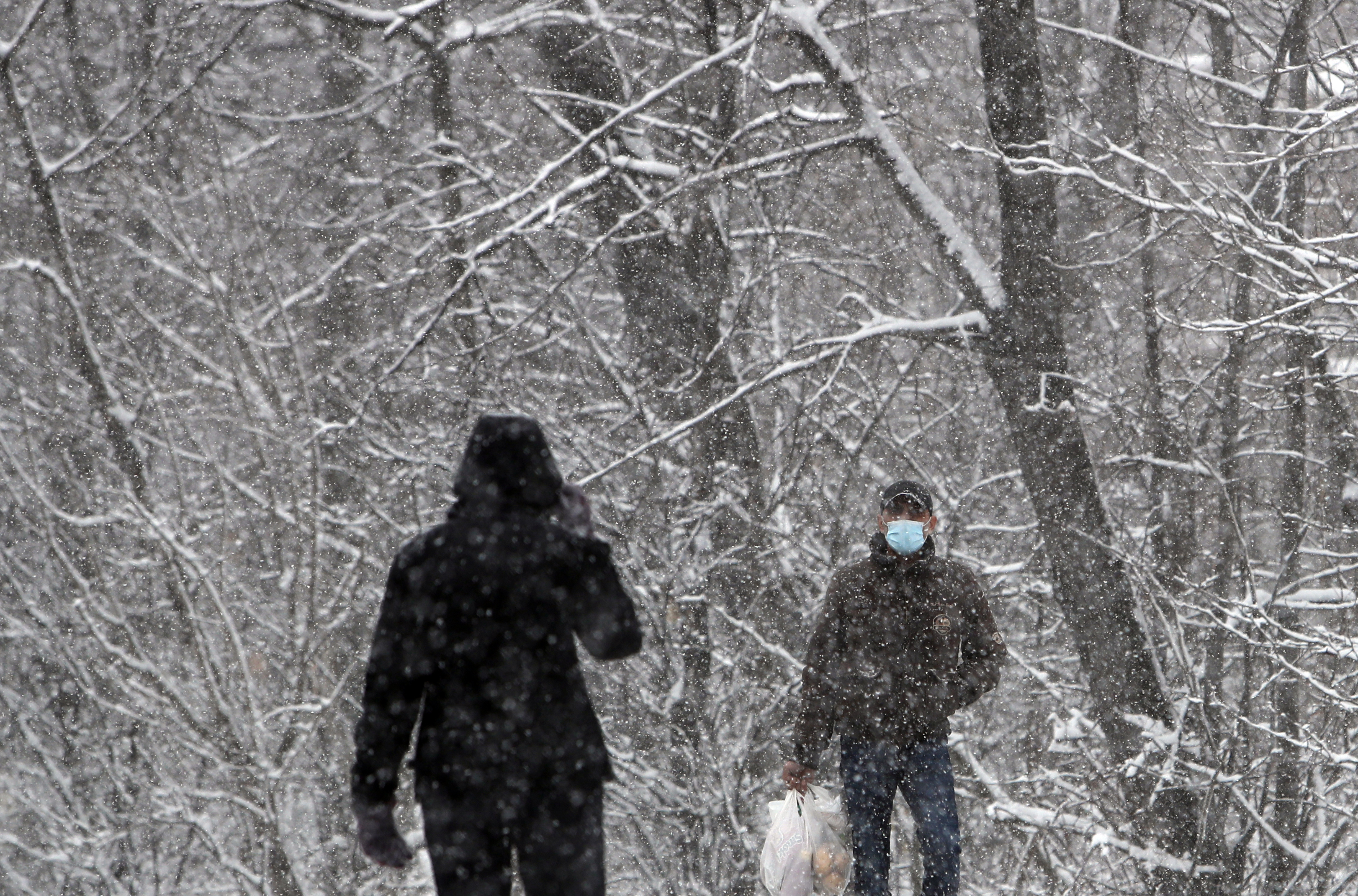
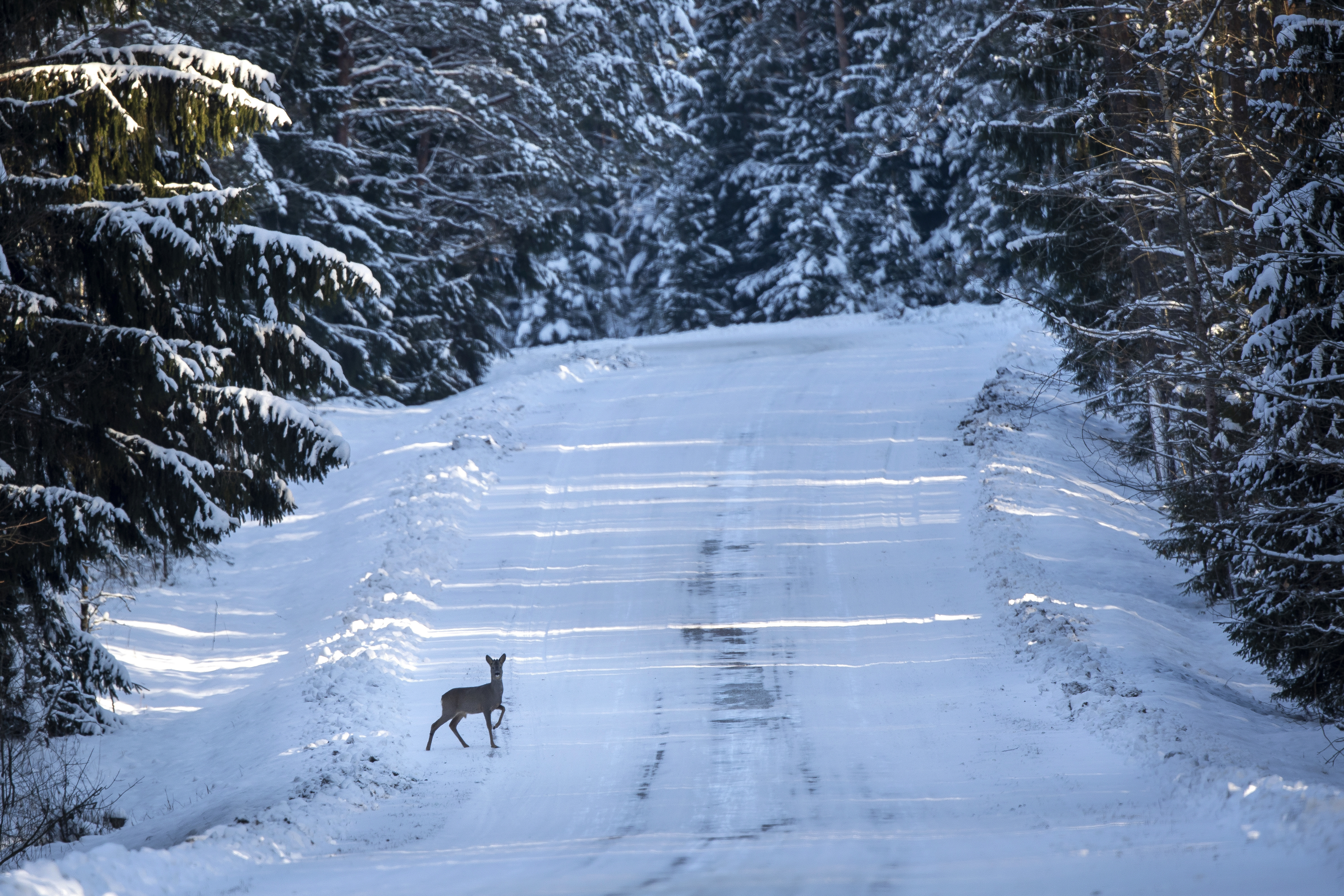
Extreme cold has hit large parts of Europe, with freezing temperatures cracking railroad tracks in Poland, snow blanketing the Turkish city of Istanbul and smog spiking as coal was being burned to generate heat.
Temperatures dropped to minus-28C in some Polish areas overnight, the coldest night in 11 years.
Many trains were delayed on Monday after rail tracks at two Warsaw railway stations cracked.
READ MORE: Archaeologists discover treasure trove of coins on farm in Hungary
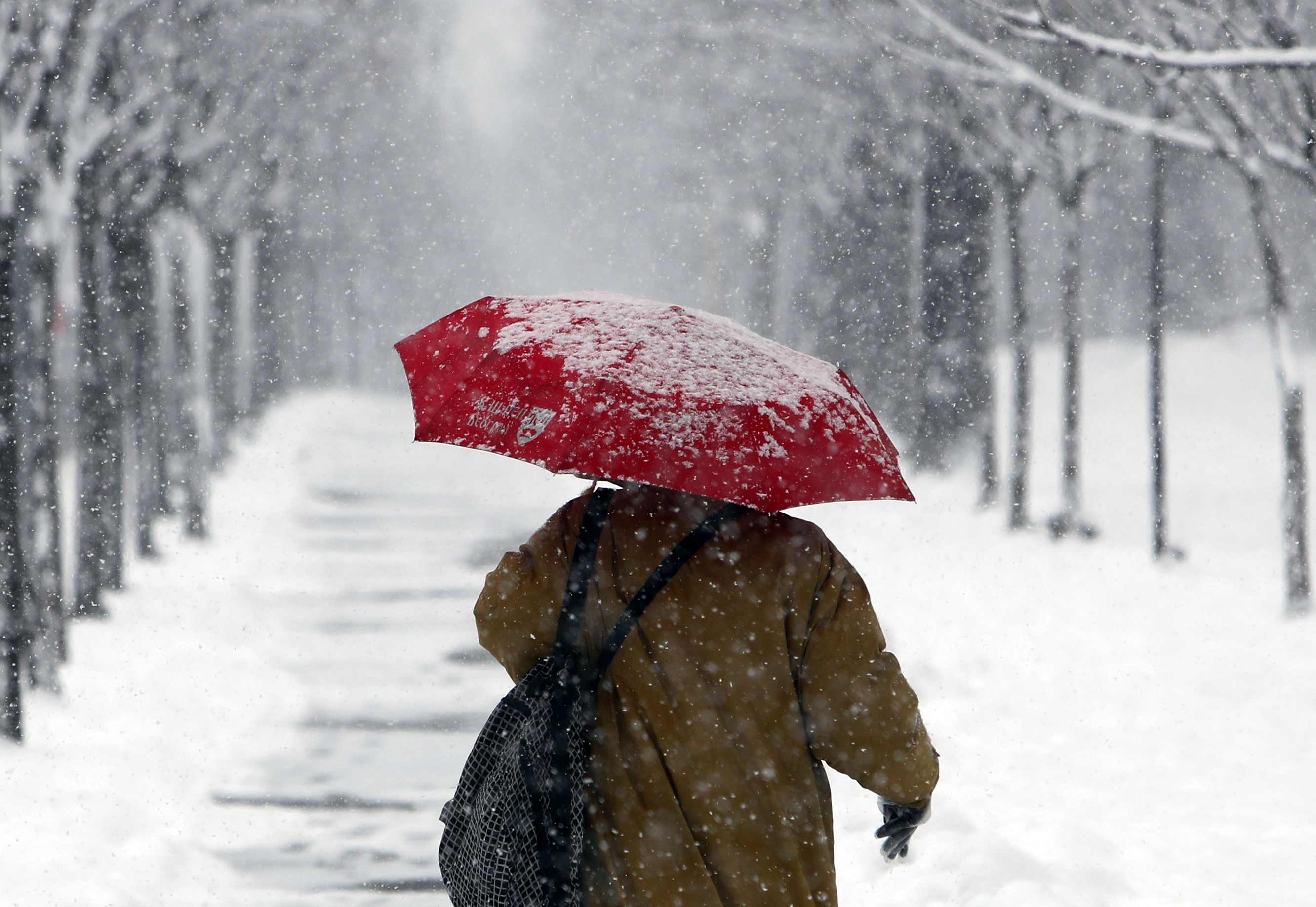
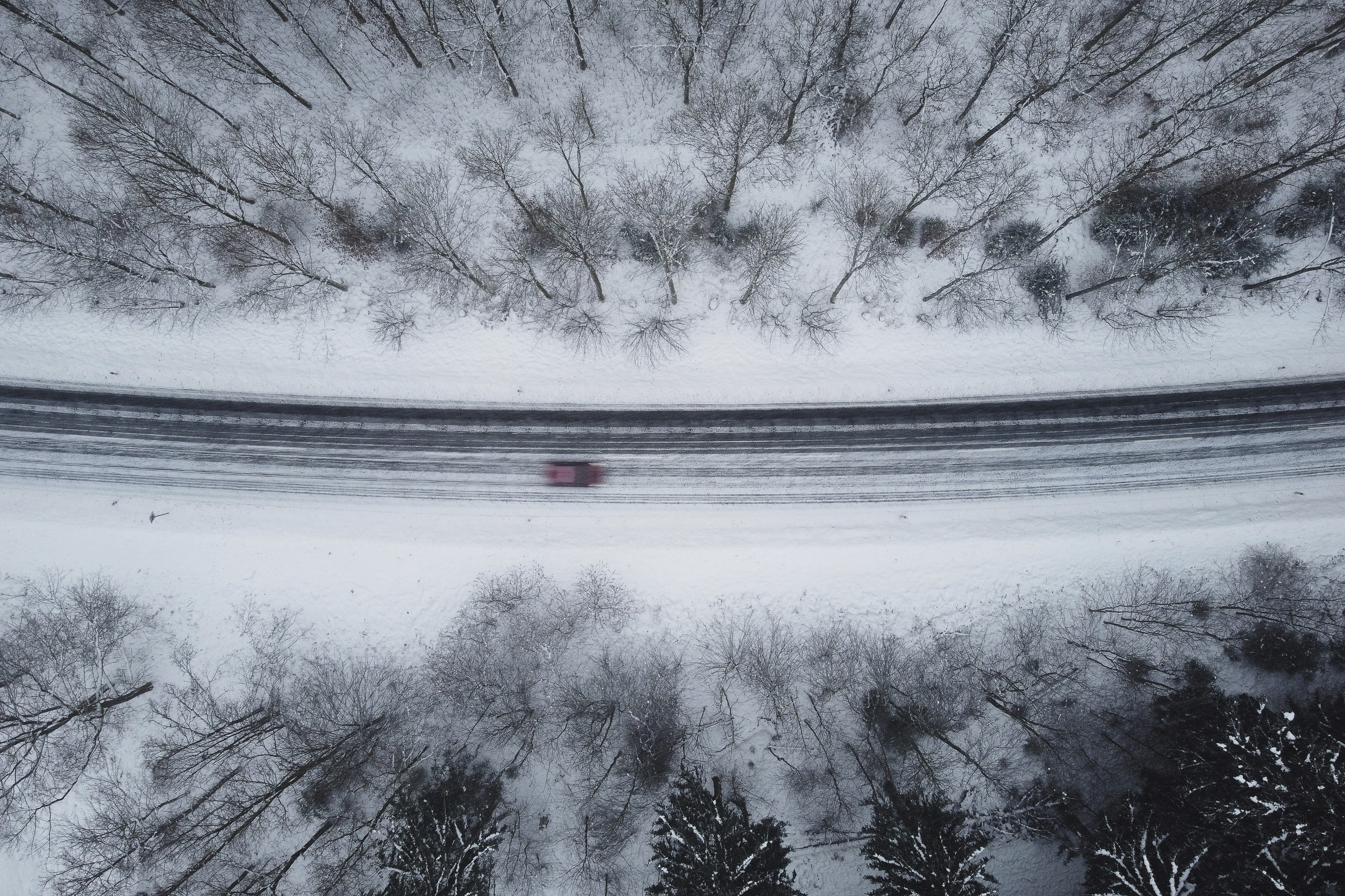
Hand-in-hand with the cold came a spike in smog in Warsaw and other parts of Poland, as the cold prompted an increase in burning coal for heat.
The smog levels were so high in Warsaw that city officials urged people to remain indoors.
Just across Poland's southwestern border, the Czech Republic experienced the coldest night this year with temperatures dropping below minus-20C in many places.
The lowest temperature, of minus-27C, was recorded Monday in Orlicke Zahori, a mountainous village 160km east of Prague and near the Polish border, according to the Czech Hydrometeorological Institute.
The freezing weather was expected to ease and be replaced by heavy snowfall in the northeastern Czech Republic, the institute said.
READ MORE: French woman tries to prove she's alive after court rules her dead
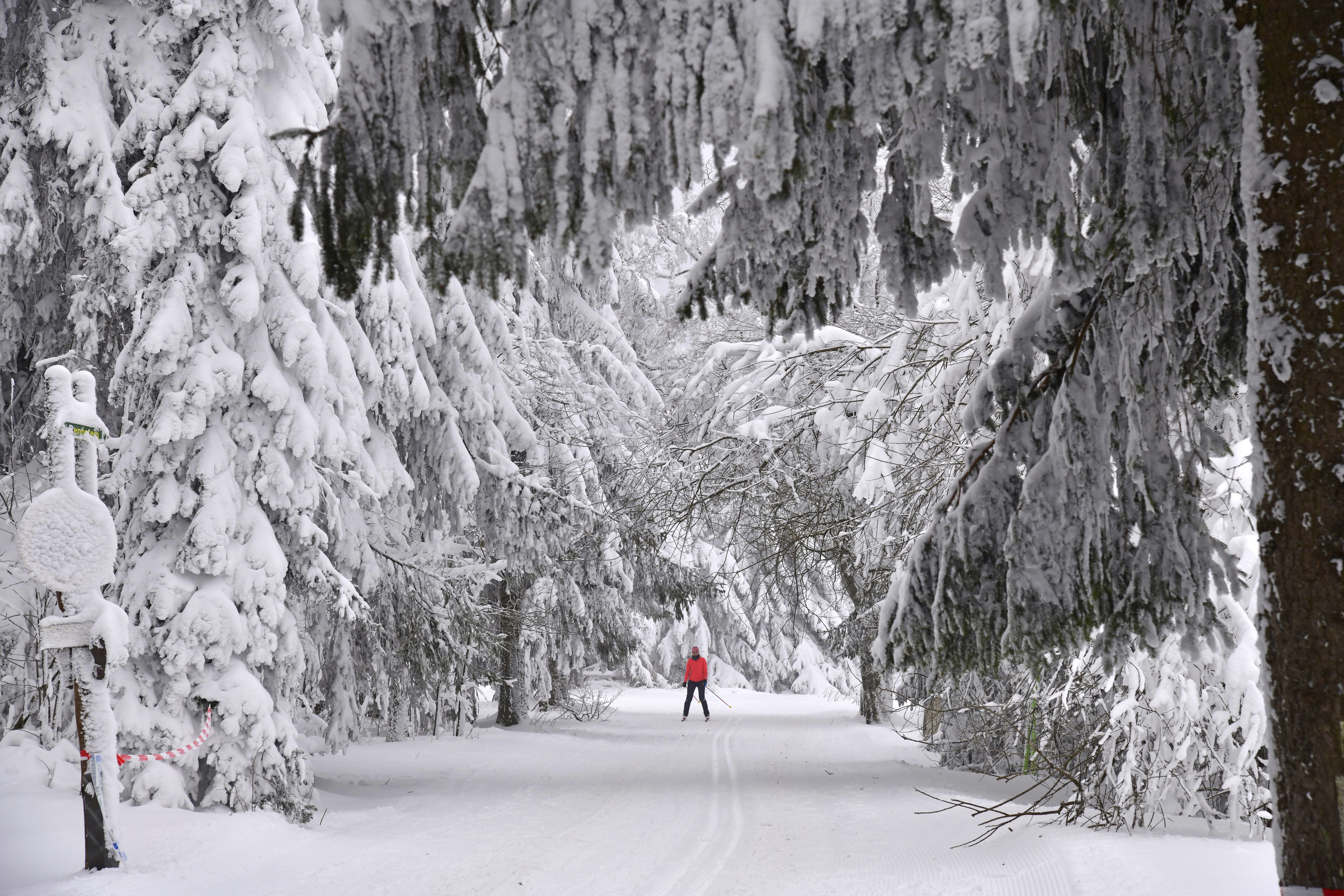
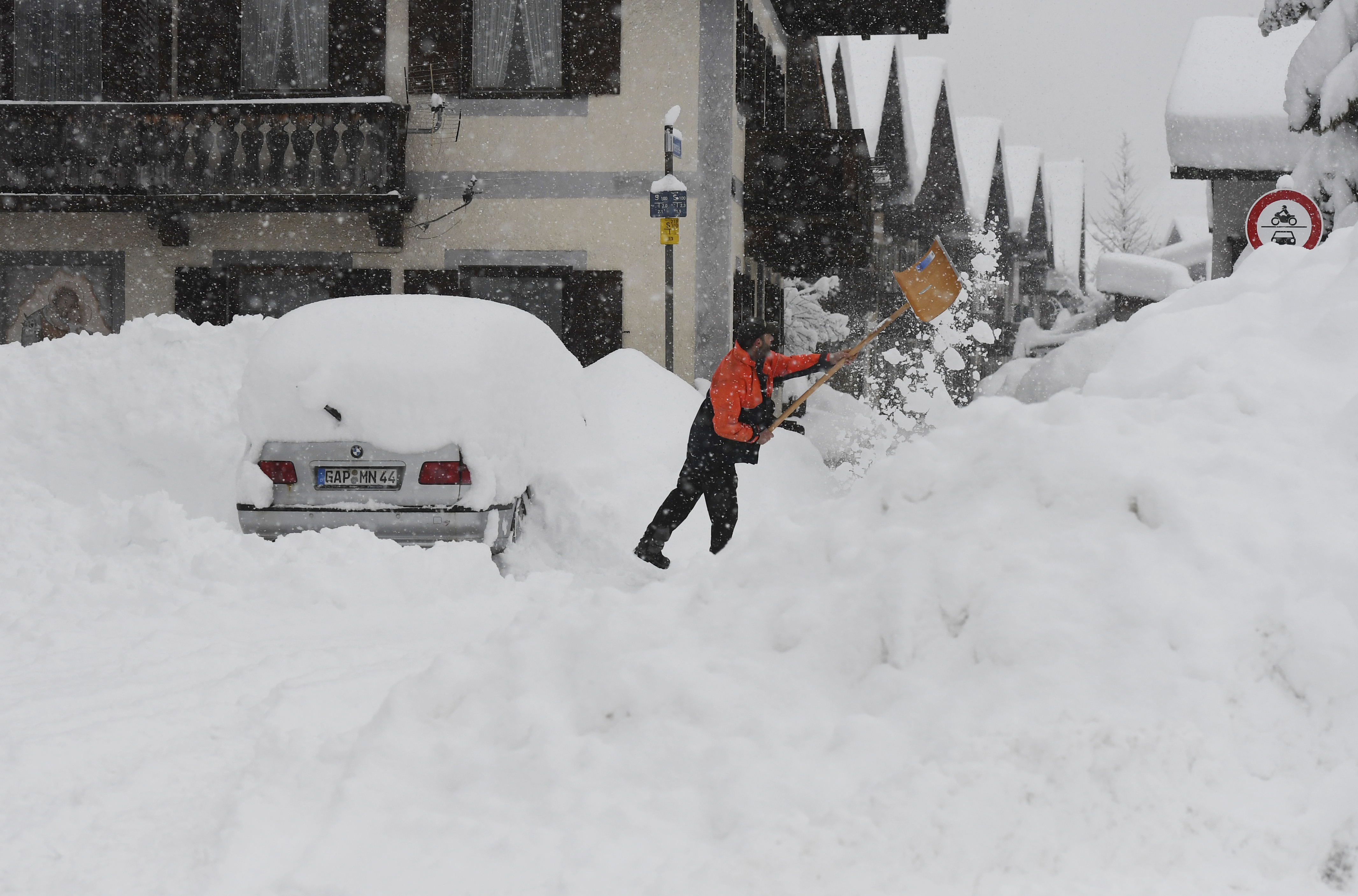
In Istanbul, traffic was brought to a halt by the layer of snow covering the city, with cars stalled or skidding on the roads.
The flurries were to continue throughout the day.
In Germany, fresh snow, slippery roads and fallen trees led to several car accidents on Sunday and overnight, the DPA news agency reported.
A driver died in southwestern Germany after his car shot over a mound of snow.
The Nordic region — where winter weather is the norm — also saw snow and subfreezing temperatures, with the coldest temperatures predictably recorded in the Arctic.
Norway's meteorological institute tweeted a tongue-in-cheek message on Monday, saying: "we encourage all knitting lovers to send woollen clothes to their friends in the north."
READ MORE: Cold snap brings Spain's lowest temperatures in 20 years
Reaching land 'now unlikely' as Cyclone Kimi U-turns
Tropical Cyclone Kimi weakened to a category one storm overnight as the likelihood of it reaching land diminished.
As the cyclone moves southeastward, parallel to the Queensland coast, it is expected to continue to slow before making a U-turn somewhere between Hinchinbrook Island and Townsville about 10am today.
"Further weakening is likely as it stalls off the coast on Tuesday," the Bureau of Meteorology said in a statement last night.
https://twitter.com/BOM_Qld/status/1351161402346639360
"The system's movement has been erratic, however, due to its recent movement towards the south-southeast, a coastal crossing between Hinchinbrook Island and Townsville tonight or early tomorrow is now unlikely."
The BoM says in the coming days Kimi is expected to track back towards the north of the state as a weak tropical low.
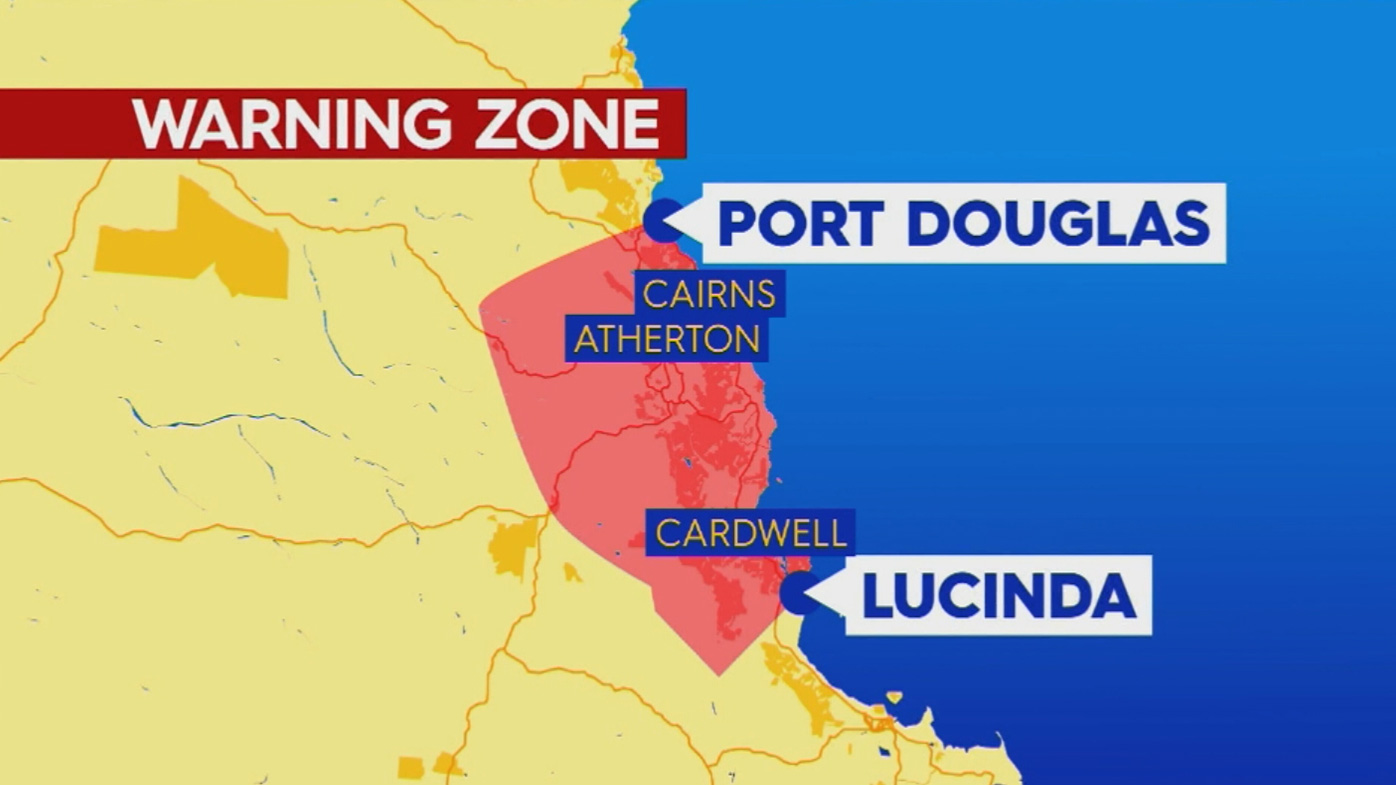
While the cyclone is unlikely to cross the coast, hundreds of thousands of people from Innisfail to Bowen remain on high alert, warned to prepare for gale force winds, heavy rainfall and abnormally high tides.
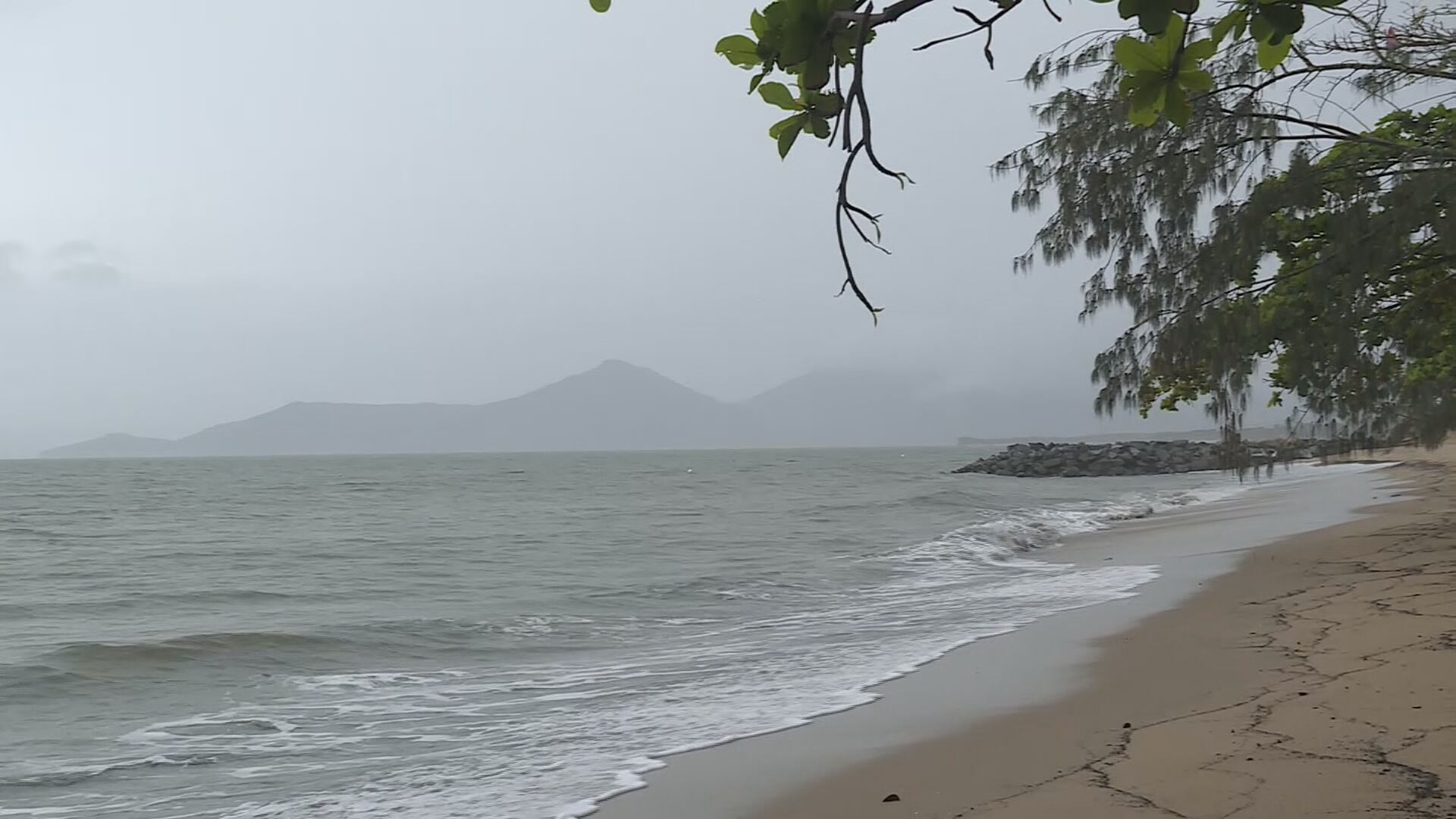
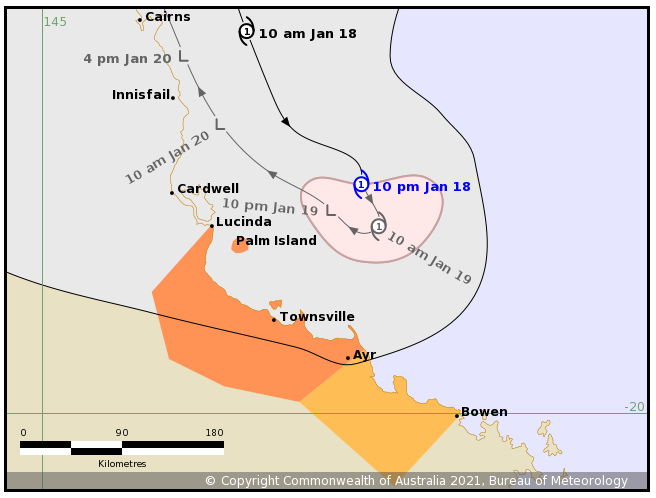
Gusts up to 130km/h are still possible about coastal and island communities between Innisfail and Ayr tonight and Tuesday, the BoM says.
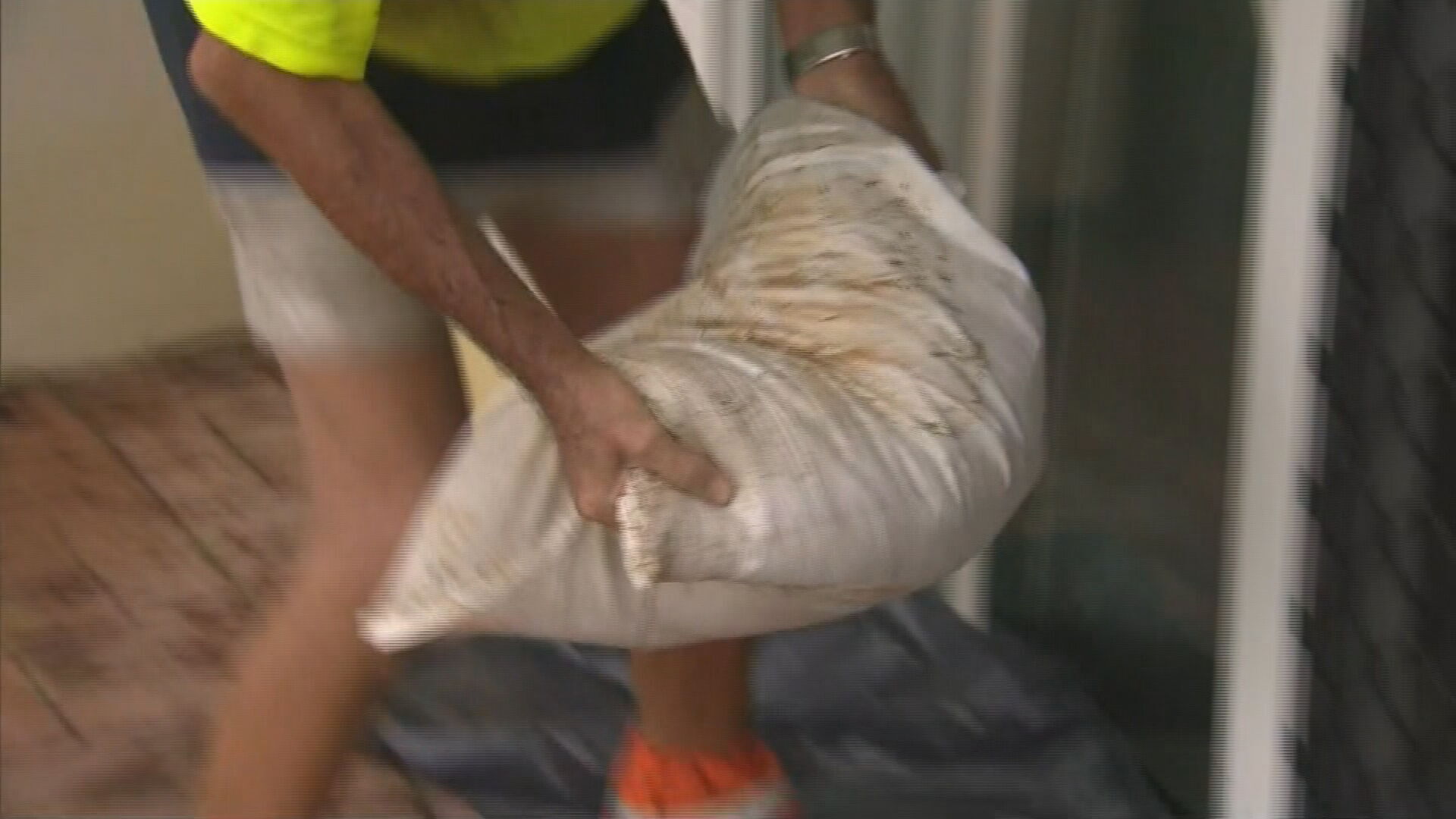
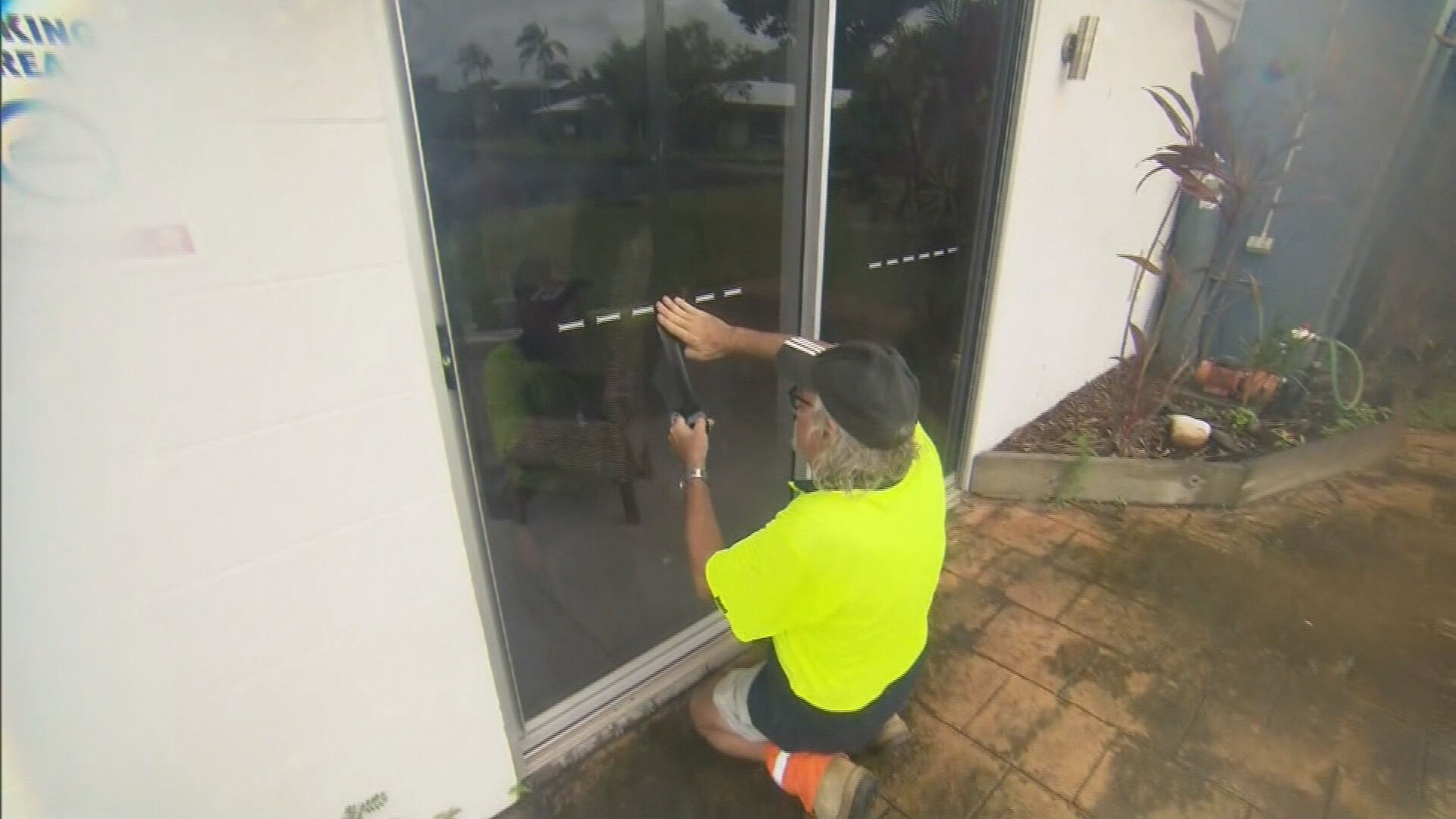
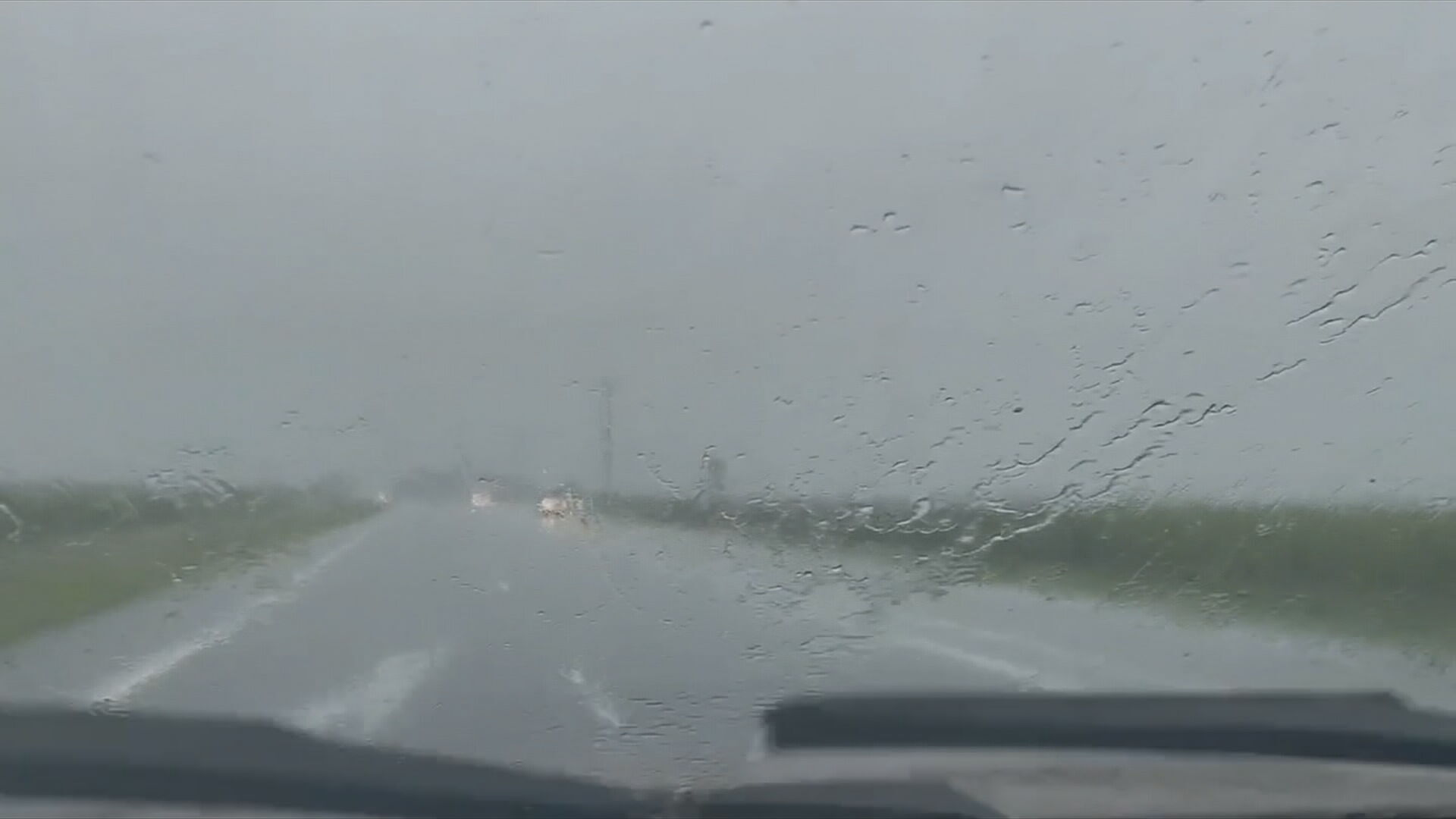
Heavy rainfall with the potential to cause flash flooding has put residents in Kimi's firing line on flood watch, many yesterday laying sand bags in an effort to waterproof their homes.
"There's going to be a lot of rainfall so of course the key message is if it's flooded forget it," Premier Annastacia Palaszczuk said yesterday.
"If you don't need to be on the roads tonight, don't be on the roads tonight."
Kimi keeps trackers on their toes all day Monday
The cyclone intensified to a category two storm on Monday, and throughout the day its projected path changed about a dozen times.
Residents from Innisfail to Ayr — including Lucinda, Palm Island and Townsville — were alerted in the morning that they were in the striking zone as Kimi tracked south-east.
The cyclone was initially due to hit Port Douglas just after breakfast on Monday but turned south, hugging the coastline and threatening towns with strong winds and heavy rain.
Innisfail felt Kimi's presence more than most, forcing preparations into overdrive.
"We're just ensuring that our teams are all ready and available in those southern areas," Eleanor Rosam from the State Emergency Service said.
Further south at Cardwell, locals were not leaving anything to chance.
"You don't know, this could end up intensifying, it could end up and down the coast for another week, but you know, you just have to roll with the punches," local Sharon Cameron said.
It is 10 years since Cardwell residents were preparing for a category five system — Tropical Cyclone Yasi.
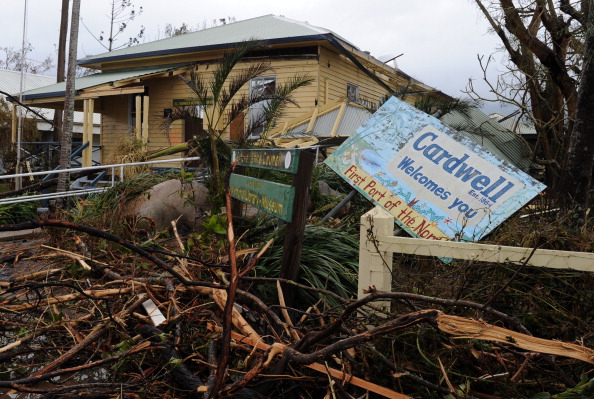
The damage was near unimaginable and absolutely unforgettable.
"The destruction was enormous, as you can imagine. There wasn't a leaf left on any tree," Caldwell local Warren Stahel said.
Ms Palaszczuk urged all Queenslanders living between Innisfail and Ingham "to be listening to their radio" and to make preparations for violent, potentially deadly, weather.
Parts of south-east and central Queensland will also feel the effects of Kimi, with torrential rain and flooding forecast.
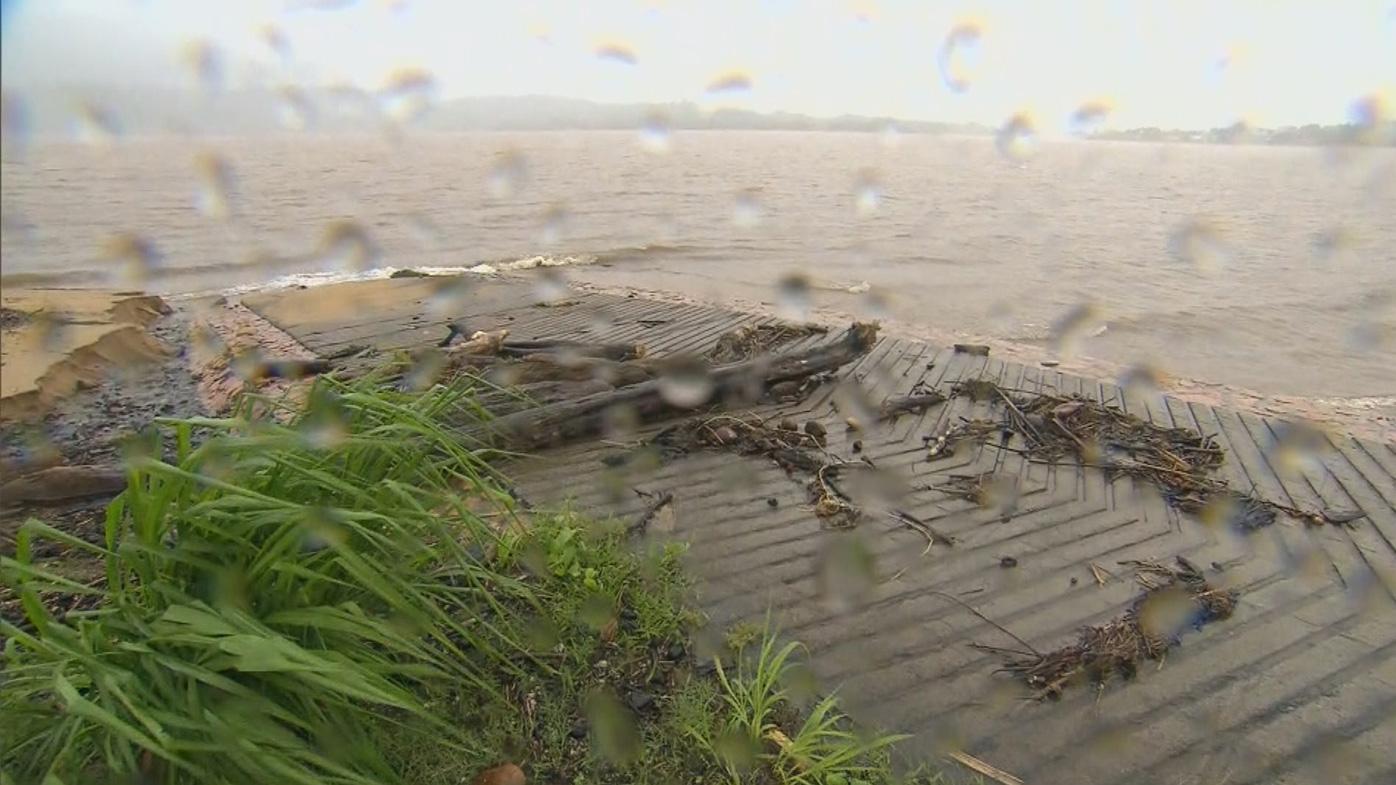
"We do expect there to be a lot of rain coming with this cyclone," Ms Palaszczuk said.
READ MORE: Restrictions set to ease as Brisbane's outbreak appears contained
Potentially dangerous flash flooding will be a risk, and extremely high winds are expected.
"We want everyone in these regions up north to be listening to their radio," Ms Palaszczuk said.
"If it's flooded, forget it," she said, warning of the danger of trying to escape or cross rising waters.
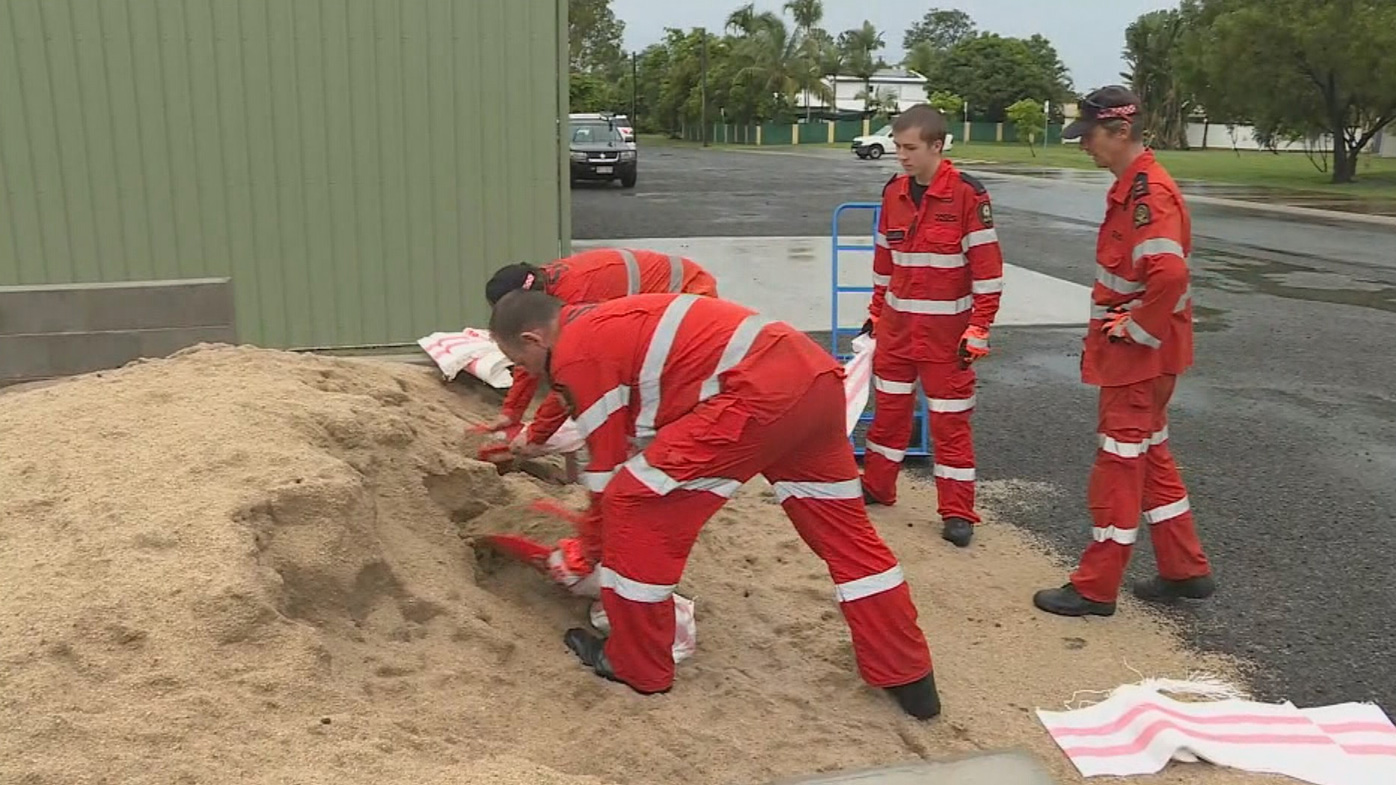
Major river flooding could occur in the Herbert, Murray and Tully River catchment areas, which are already described as "saturated".
Queensland Police Minister Mark Ryan warned of storm tides predicted between areas of Yarrabah and Cardwell.
"If you're on the coast there, be prepared."
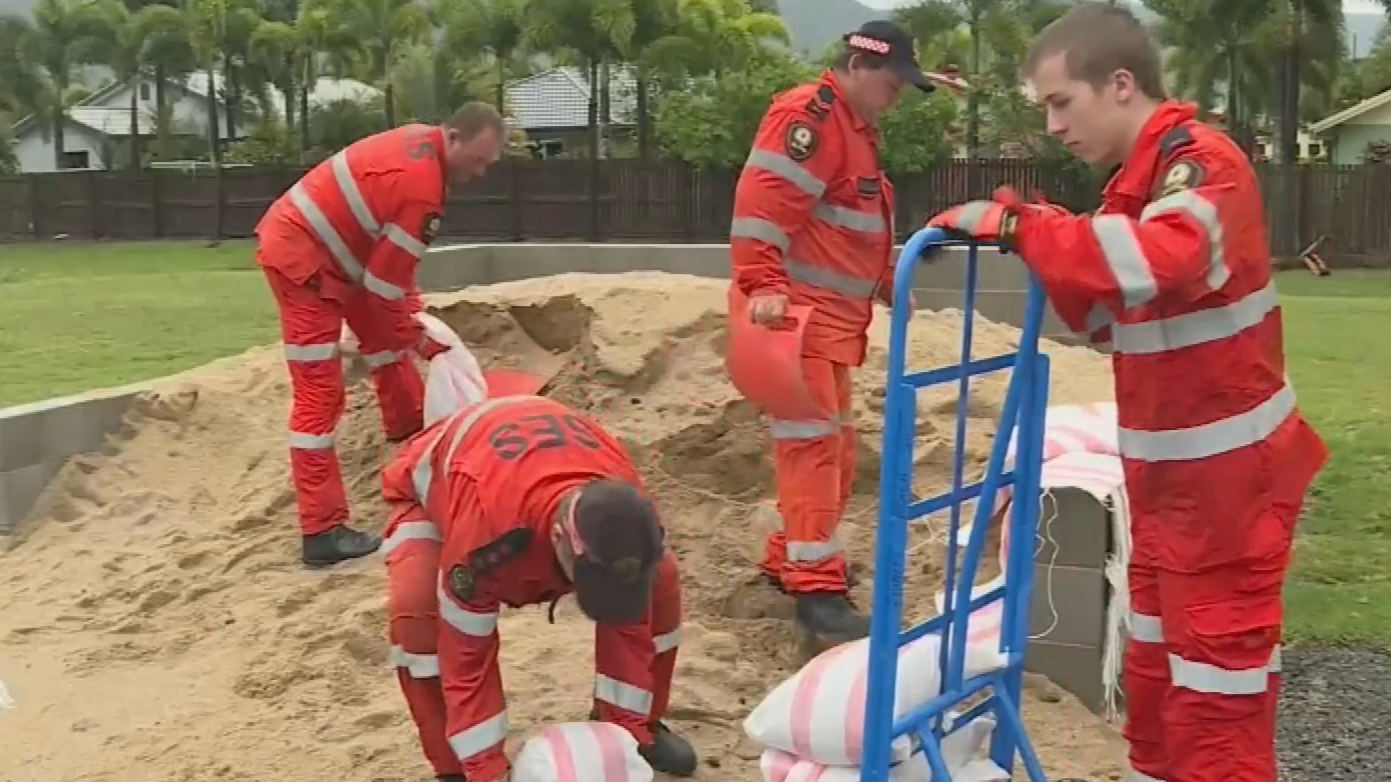
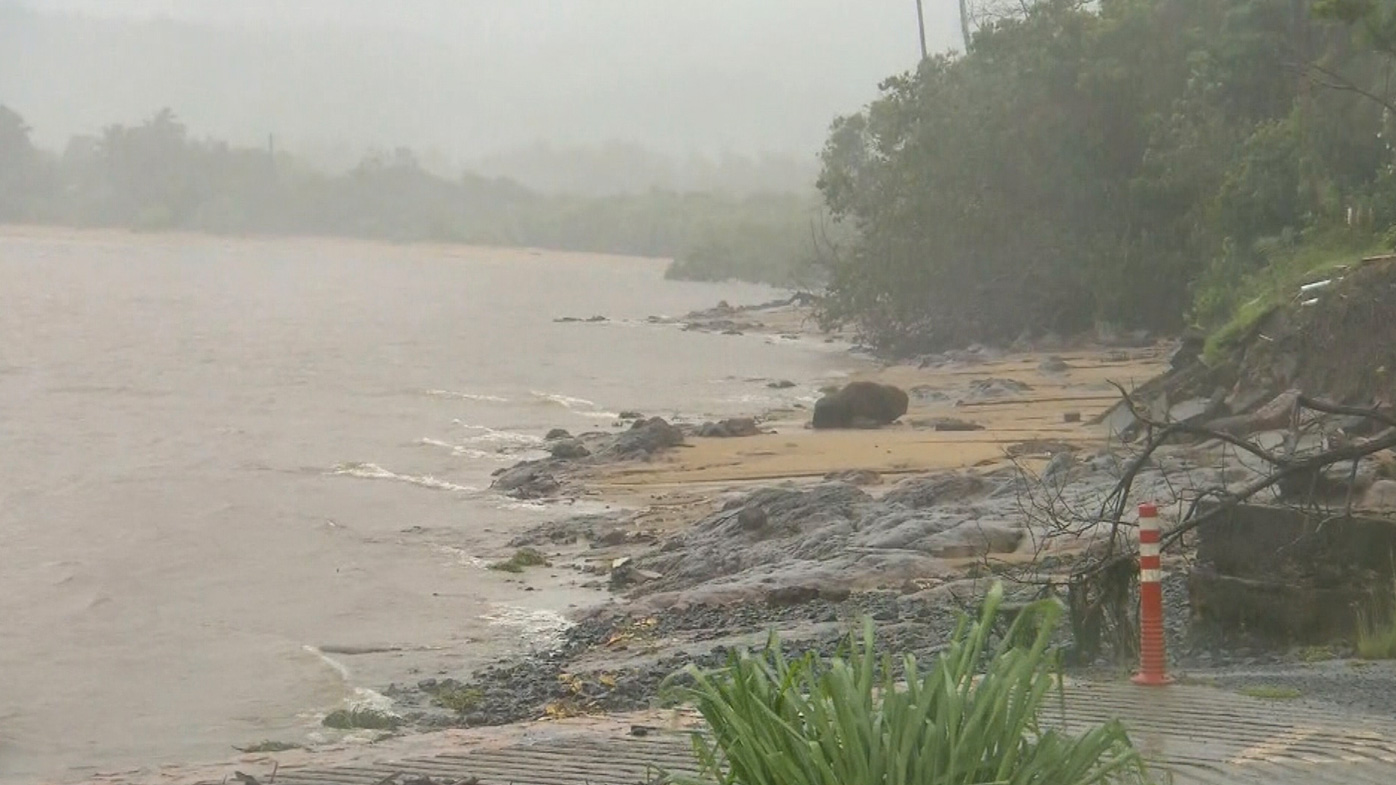
Mr Ryan said anybody in Kimi's firing line should secure property, trampolines, sheds and outdoor furniture.
"It is very important you have a plan," he said.
"Be very, very careful about the intense rain that could come in south-east Queensland because it could bring that flash flooding."
Giant 'Trump Baby' to live on in museum
A giant blimp depicting Donald Trump as a diaper-clad baby, which followed the outgoing US President on his visits to London and symbolised international opposition to his administration, has secured its place in history after being acquired by a British museum.
The 6m-tall "Trump Baby" blimp was created ahead of the President's first visit to the UK, when hundreds of thousands of Britons poured onto the country's streets to protest his presence in the country.
READ MORE: Fears of insider attack at Biden inauguration
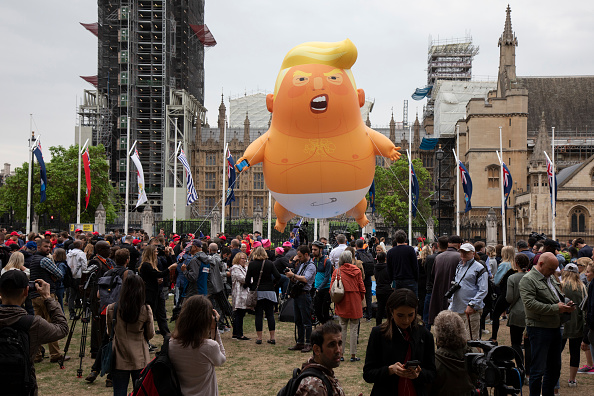
It will now be displayed in the Museum of London alongside other remnants of public protests in the British capital, the institution announced on the eve of Trump's departure from the Oval Office.
"We hope the baby's place in the museum will stand as a reminder of when London stood against Trump – but will prompt those who see it to examine how they can continue the fight against the politics of hate," the team behind the blimp said in a statement.
The balloon became famous around the world when London's mayor, Sadiq Khan, who Trump has frequently denigrated, gave permission for it to fly above the city during his initial visit.
Since then, it has followed the President on his trips around the world, appearing in Washington DC and at several of Trump's rallies and international tours.

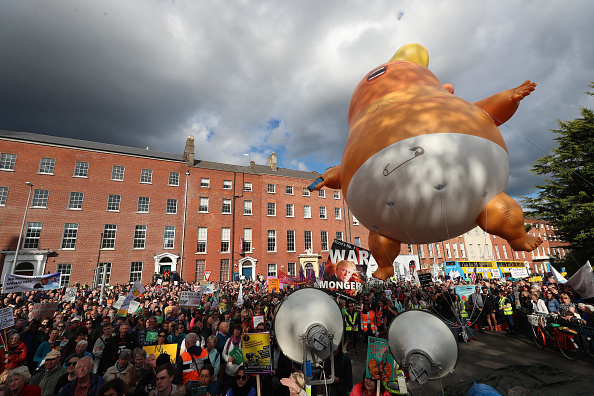
"This large inflatable was just a tiny part of a global movement – a movement that was led by the marginalised people whose Trump's politics most endangered," the blimp's creator said.
"London has always been an open, ever-evolving polyglot city. A haven for knowledge, tradition and controversy and over thousands of years we have played host to many a historic protest," Museum of London Director Sharon Ament said.
"By collecting the baby blimp we can mark the wave of feeling that washed over the city that day and capture a particular moment of resistance – a feeling still relevant today as we live through these exceptionally challenging times – that ultimately shows Londoners banding together in the face of extreme adversity."

Trump is overwhelmingly unpopular in the UK and in several other major countries, and studies have shown that the global image of the US has tumbled under his leadership.
Fewer than 1 in 5 people in Canada and Western Europe trusted Trump to do the right thing in international affairs, a Pew study found in September.
Perth man, 23, charged for alleged murder of best mate
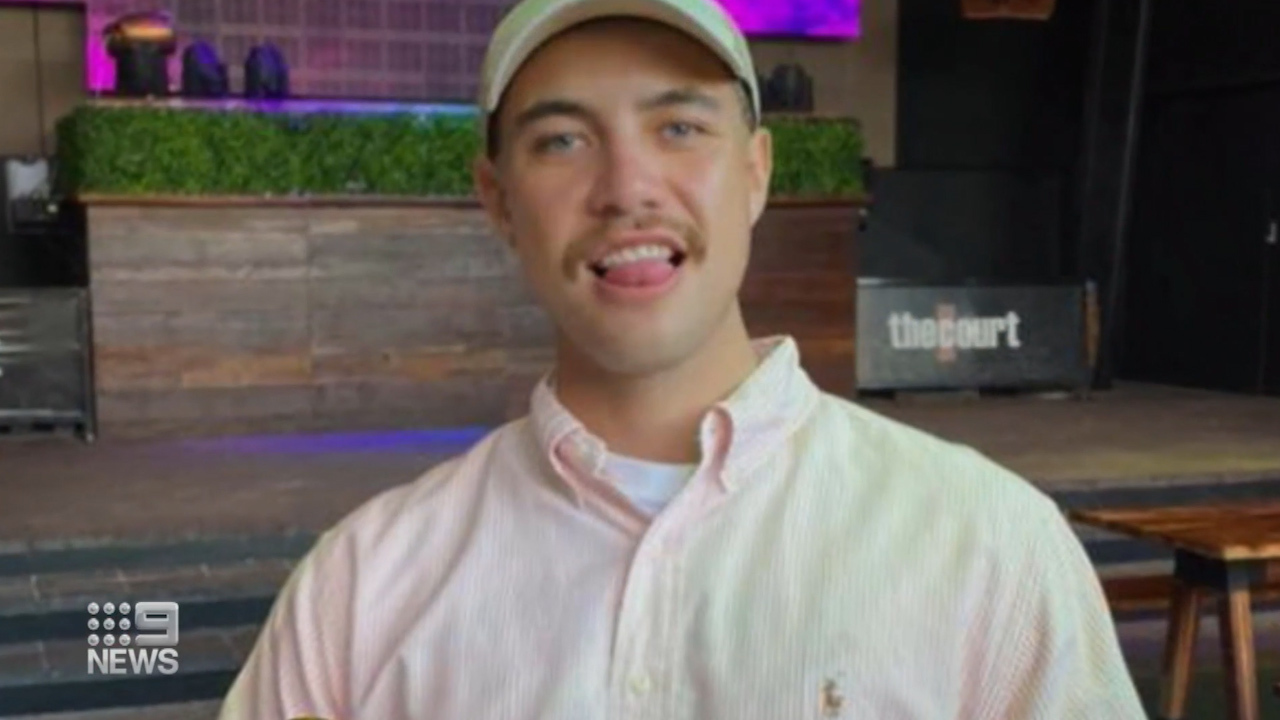
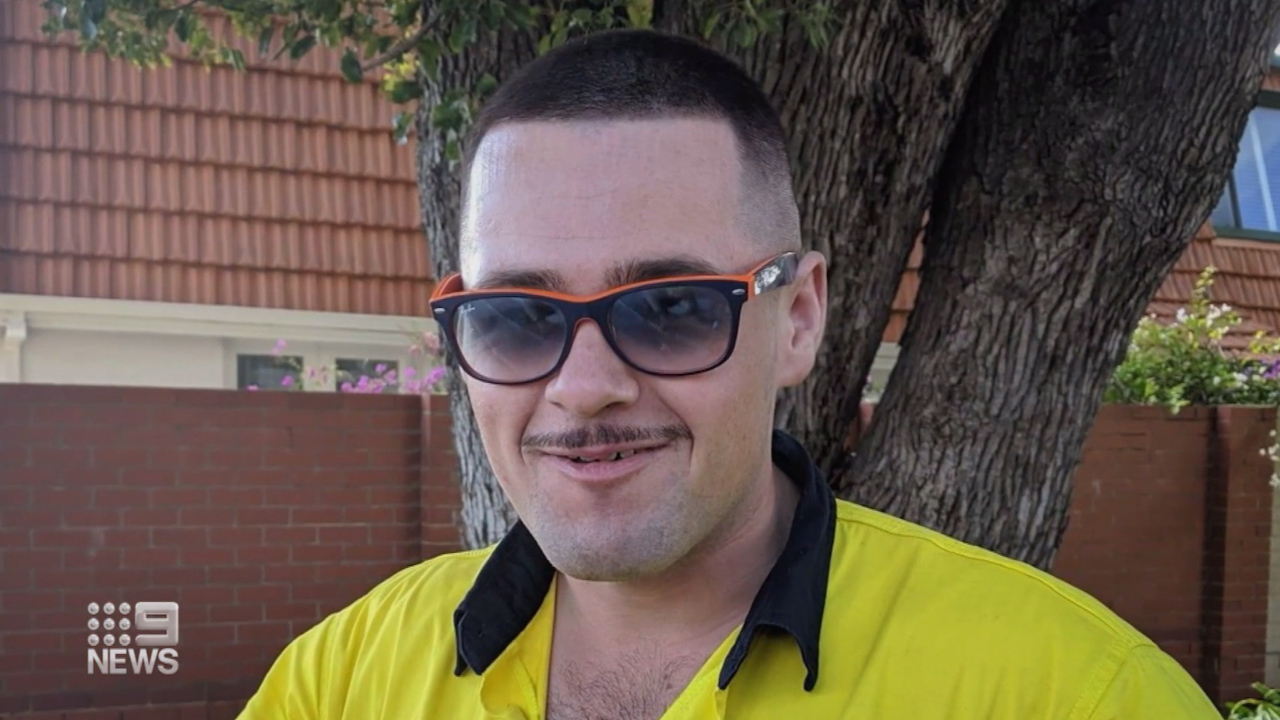
A 23-year-old man has been charged with the murder of his best mate in Perth at the weekend.
Nathan Cherrington, 23, allegedly stabbed Gus Kennedy, 24, in a drug-fuelled rage at his granny flat at Clyo Way, Kallaroo.
Mr Cherrington was shirtless when he allegedly knocked on a neighbour's door in the early hours of Sunday morning, asking them to call Triple Zero and claiming an argument over drugs got out of control.
WA Police said they were called to the scene at 2.50am and when officers arrived 10 minutes later Mr Kennedy was dead.
Police said they located the knife allegedly used to kill Mr Kennedy.
Neighbour Sara Pomare, whose home backs onto the granny flat, said "it sounded so out of control, like he had just flipped and lost all control of himself".
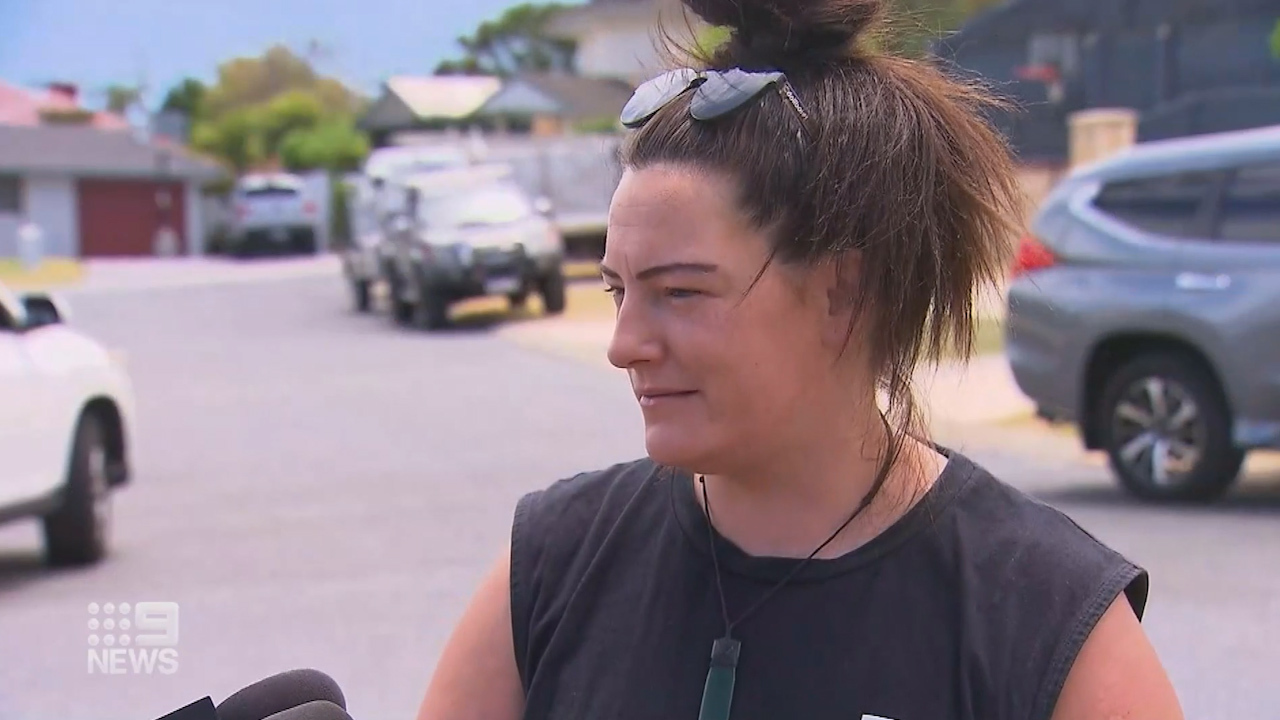
For one hour on Saturday night Ms Pomare said she heard yelling, which she believes was the victim attempting to soothe his mate, then suddenly silence.
"You know, 'stop bro, calm down, don't do that'," Ms Pomare said.
"It was niggling away at me why I could no longer hear the other person trying to calm him down."
Mr Cherrington was refused bail when he faced Joondalup Court today.
Sydney paraglider plunges seconds into 100th flight
A 37-year-old paraglider has been rescued after plunging 50 metres onto a cliff edge south of Sydney.
Rohith Gowda was on his 100th flight at Bald Hill look out in Otford yesterday when he crashed in strong winds seconds after takeoff.
Mr Gowda fell 50 metres to a cliff face below, leaving the IT consultant from Rhodes clinging to shrubs, with another 150 metre drop directly below him.
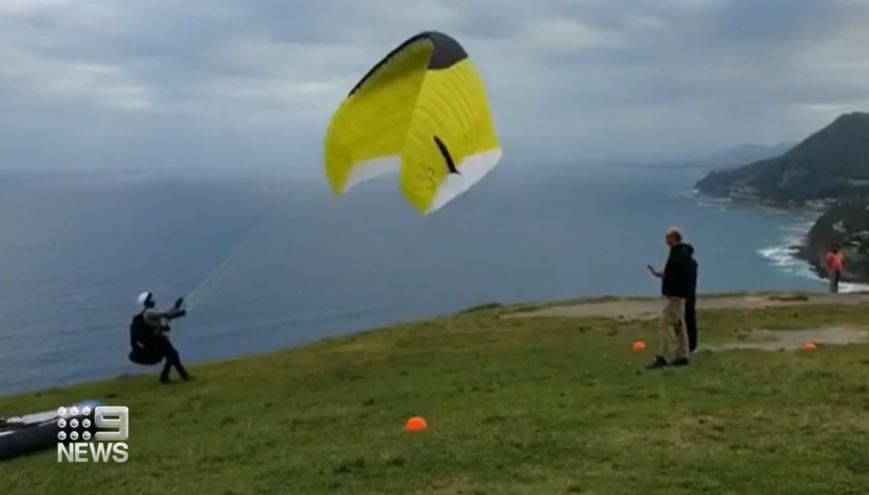
READ MORE: Footage shows shocking moment paraglider slams into cliff
What followed was a three-hour mission involving a small army of rescuers.
Special Operations Paramedic Oliver Alemin was the first to reach Mr Gowda.
"He did have all his safety equipment on which saved his life – but the fact he was so high up," Mr Alemin said.
"He was just shaken up and in pain actually."
Mr Gowda was carefully winched to safety and taken by helicopter to St George Hospital with a fractured pelvis.
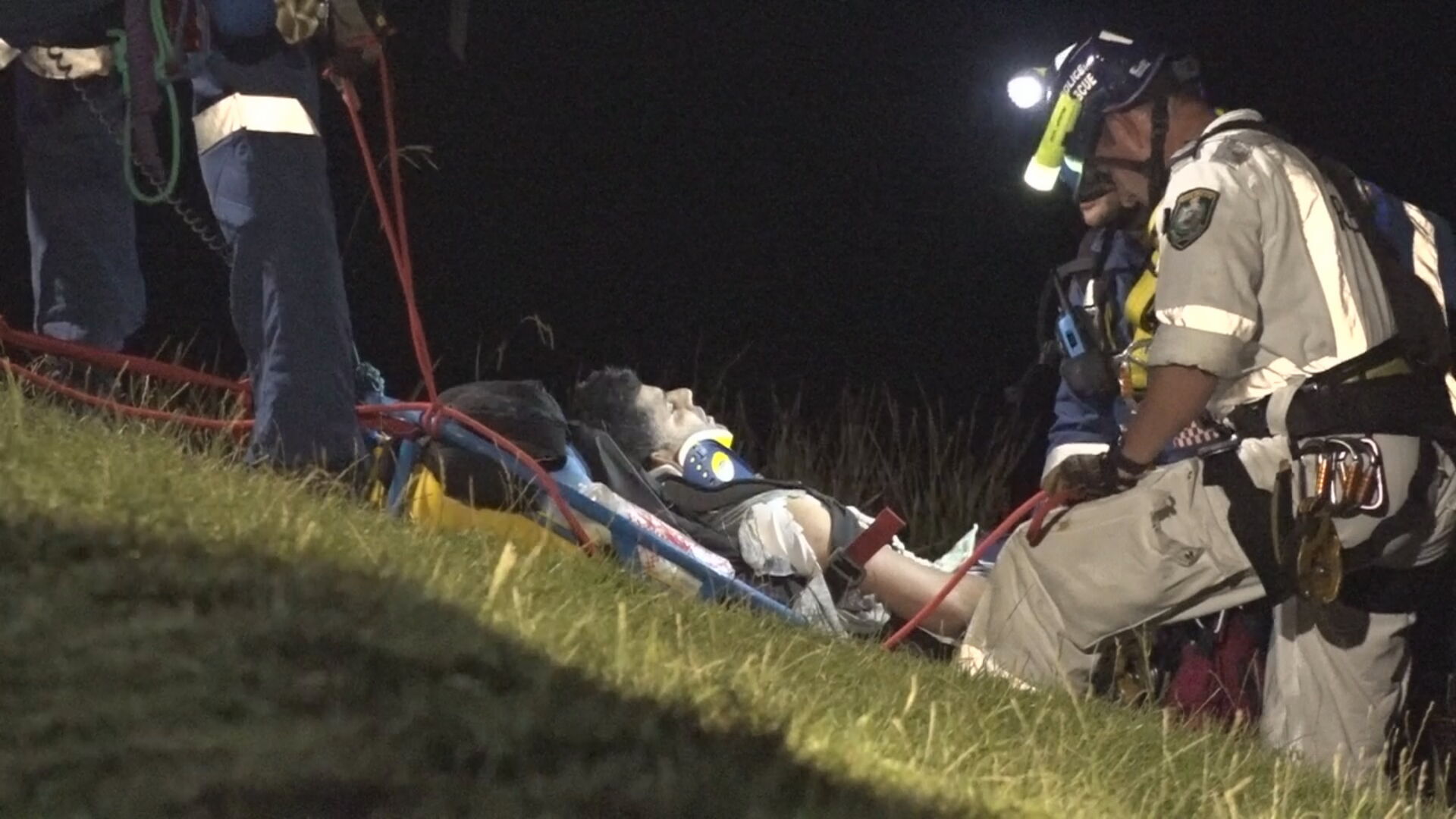
READ MORE: Paraglider pilot dies after crashing into cliff
The Bald Hill lookout is a popular location for daredevils but is known for its crashes.
In 2019, a 54-year-old father died in similar circumstances.
Speaking to 9News from his hospital bed, Mr Gowda thanked emergency services for their prompt response.
He said despite the scare he has plans to fly again soon.
Six coronavirus cases now linked to Australian Open
Another four coronavirus cases, including one player, have been linked to the Australian Open taking the total associated with the tournament to six.
The rising numbers mean more people will likely to be forced to self-isolate in Melbourne's quarantine hotels.
The Department of Health and Human Services this afternoon confirmed the new cases were three males aged in their 30s and one male aged in their 50s.
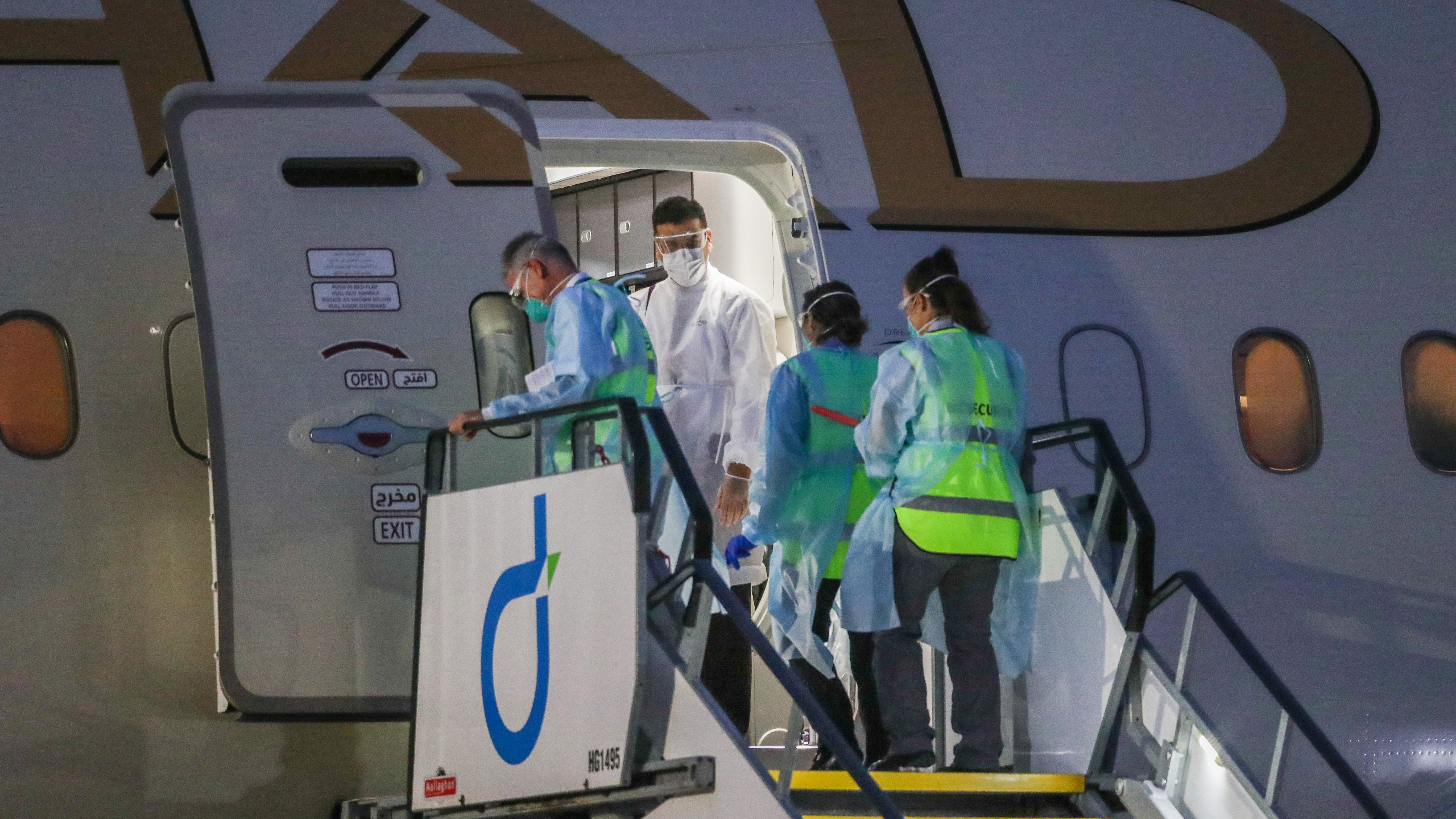
Victorian Premier Daniel Andrews today confirmed the new infections were in addition to the five cases which emerged from three flights over the weekend, bringing players, staff, officials and media to Australia.
All 15 charter flights have now arrived in Melbourne.
"All four are associated with the tennis, and they're all tucked away safely in hotel quarantine," he said.
"There's still plenty of time for two weeks of quarantine and a buffer that is built in before February 8 before the tournament starts, and we'll just have to be guided by the test results that come back from people who have been, by virtue of being on a flight with people who have tested positive, despite having tested negative before they got on the plane."
READ MORE: What you can and can't do on Australia Day as COVID-19 restrictions continue
Mr Andrews quickly shot down remarks from players requesting special treatment in hotel quarantine, including leniency on the rules and the duration of the quarantine period.
"The rules apply to them as they apply to everybody else, and they were all briefed on that before they came," he said.
"There's no special treatment here. Because the virus doesn't treat you specially. So neither do we."
The premier also hit back at the list of 'demands' given by Novak Djokovic, standing firm the rules would not be changed for anyone.
Djokovic reportedly wrote to the Australian Open boss with a raft of demands on behalf of players.
They included permission to visit a coach or trainer and to move as many players as possible to private residents with tennis courts.
"People are free to provide lists of demands," Mr Andrews said.
"But the answer is no. And that was very clearly put.
"We have Tennis Australia's full support in the rules and they were communicated to everybody involved in the event.
"It doesn't mean that everyone likes them, but that's not the world we're in.
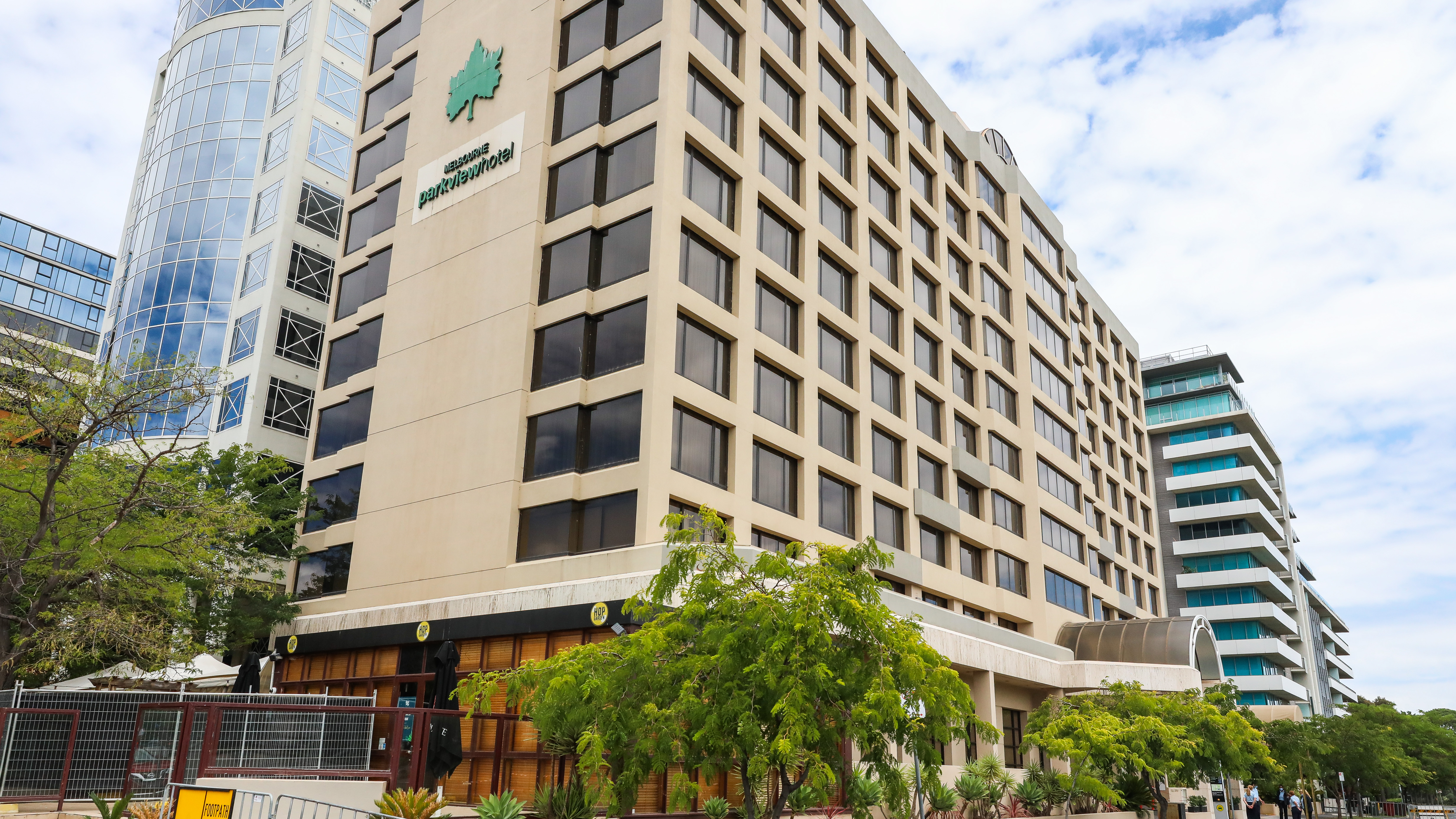
"This is a wildly infectious pandemic. There are rules that need to be followed. They will not be changed. And that's the basis on which people came here."
Victoria's Chief Health Officer Professor Brett Sutton said the infected individuals were probably exposed to COVID-19 before they got on the flights.
"It does speak to how much transmission there is globally at the moment, especially in the Northern Hemisphere, that there are people who tested negative but were incubating the illness and tested positive subsequently," he said.
"That's why the rules are extremely strict for these tennis players and their entourage, as much as for any other international arrival.
"Everyone finds quarantine tough, but Victorians have copped this as much as anyone in the world.
"Victorians have done it tough, and they don't expect special rules for anyone else."
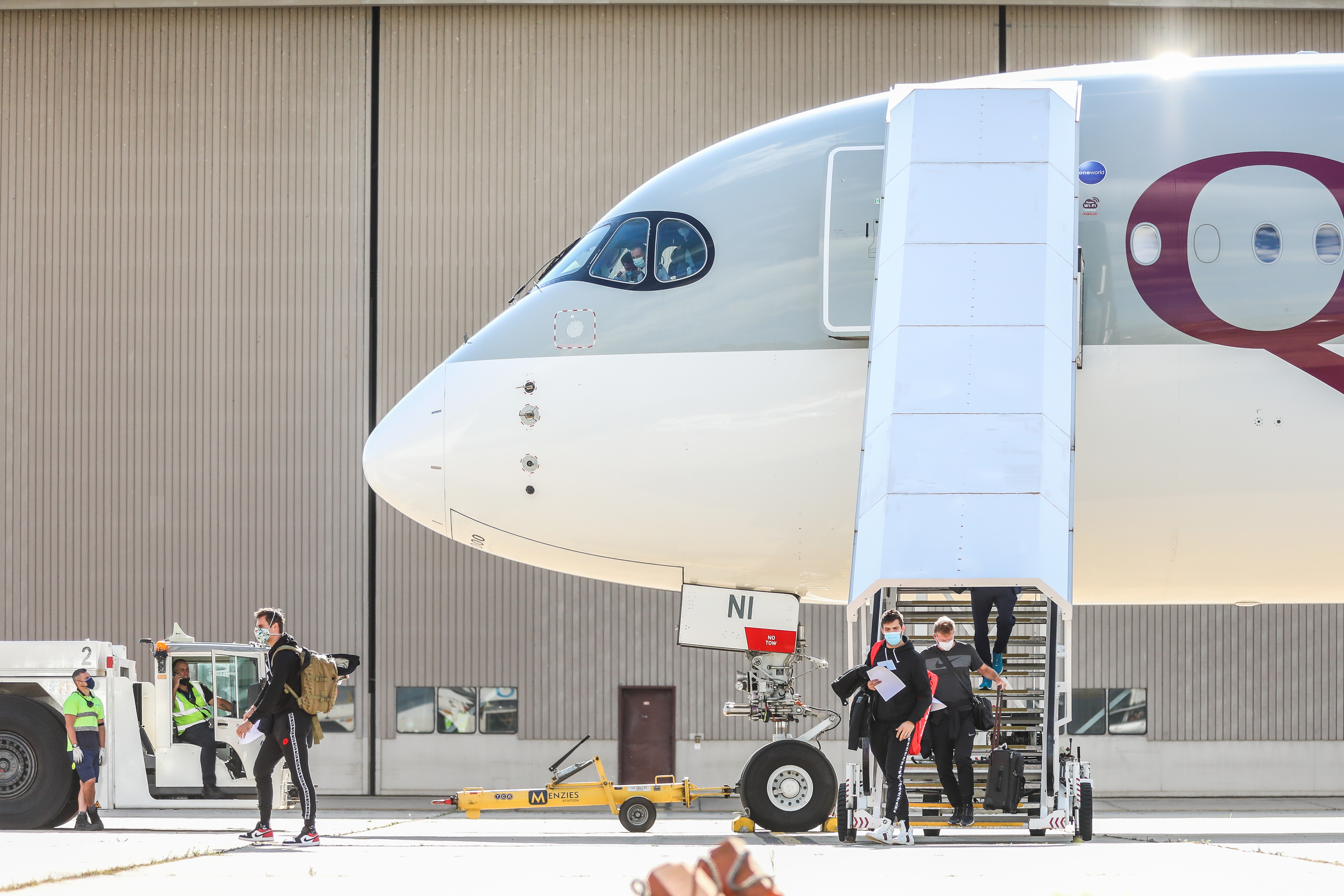
9News earlier revealed the fifth case was aboard a Qatar Airways flight QR7485, carrying players and officials that arrived from Doha at 5.30am on Saturday.
The positive test came from a passenger who was not a member of the playing contingent, Australian Open organisers said.
But all 58 passengers, including the 25 players on the flight, now cannot leave their hotel rooms for two weeks.
It means every other player on the plane is now considered a close contact and not eligible to leave their hotel room to train for five hours a day.
There are currently 72 players locked in their hotel rooms.
READ MORE: Berejiklian rebukes Victoria border block after Australian Open arrivals
The affected players include West Australian teenager Tristan Schoolkate.
https://twitter.com/AustralianOpen/status/1350789626705788929?ref_src=twsrc%5Etfw
The blow to the tournament comes as two players received official warnings after breaking the rules to open their hotel door to chat.
Other players have taken to social media to complain about conditions, including the quality of the food and even mice in their room.
Quarantined players who will now be unable to train for two weeks "are being supported to access equipment for their hotel rooms to help them maintain their fitness during this time", CQV said.
Ride-share driver, passengers in horror crash identified
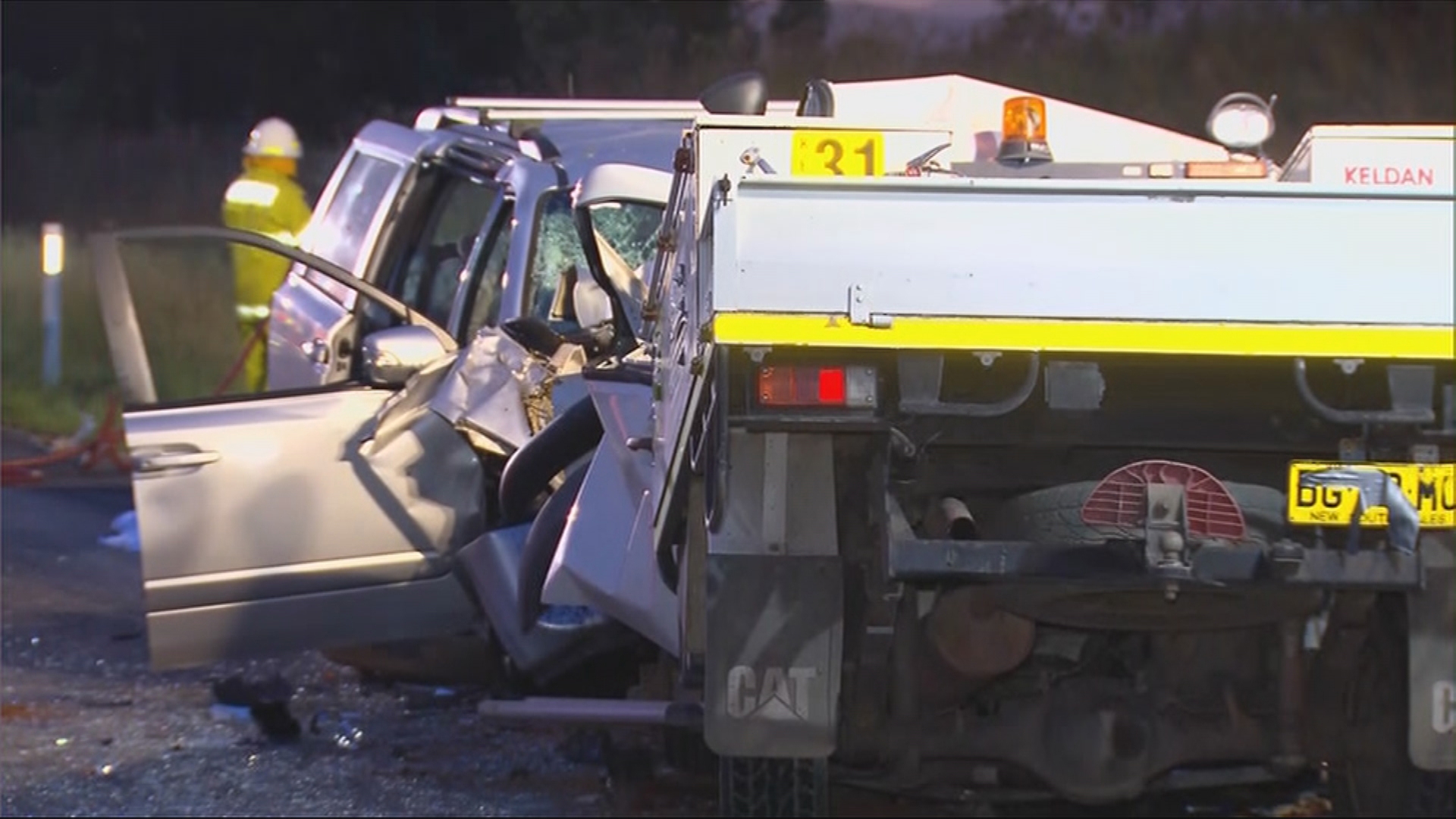
A man is fighting for life in hospital after a head-on crash in NSW's Upper Hunter Region left three people dead.
Just before 9.30pm yesterday emergency services were called to an accident on Bengalla Road at Muswellbrook after a Kia Carnival and a ute collided.
The male driver of the Kia has been identified as Rob Baker, a ride-share driver who spent his days and nights making sure people get home safely.
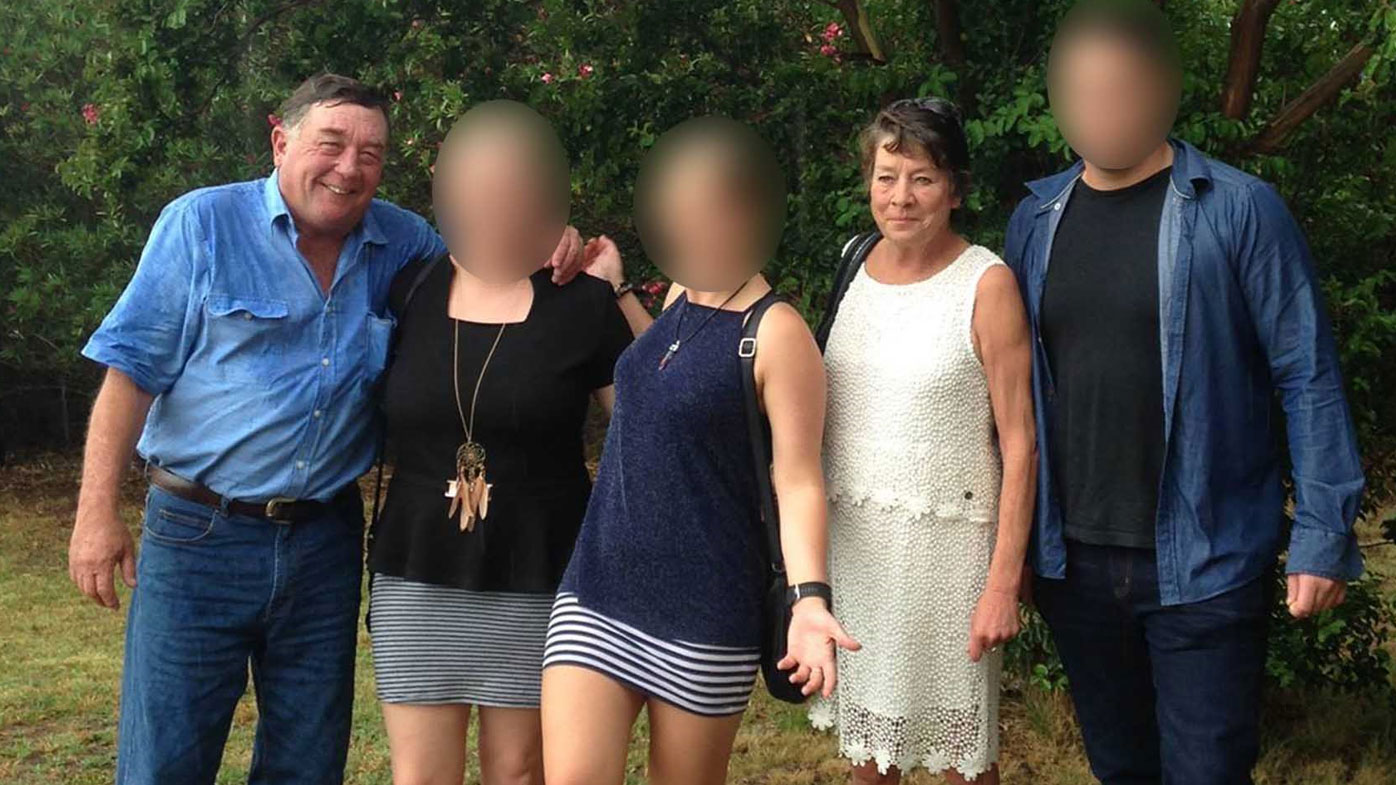
Mr Baker was driving Brad and Tracey Strachan home from Muswellbrook last night.
Mr Baker and Mrs Strachan, a local teacher of more than 30 years, both died at the scene.
Mr Strachan, a Bengalla miner, was airlifted to John Hunter Hospital with life-threatening injuries. He remains on life support.
The driver and sole occupant of the ute – a 34-year-old man – also died at the scene.
Hunter Valley Police Chief Inspector Guy Guiana confirmed earlier Mr Baker was believed to be a ride-share driver and the two passengers are husband and wife.
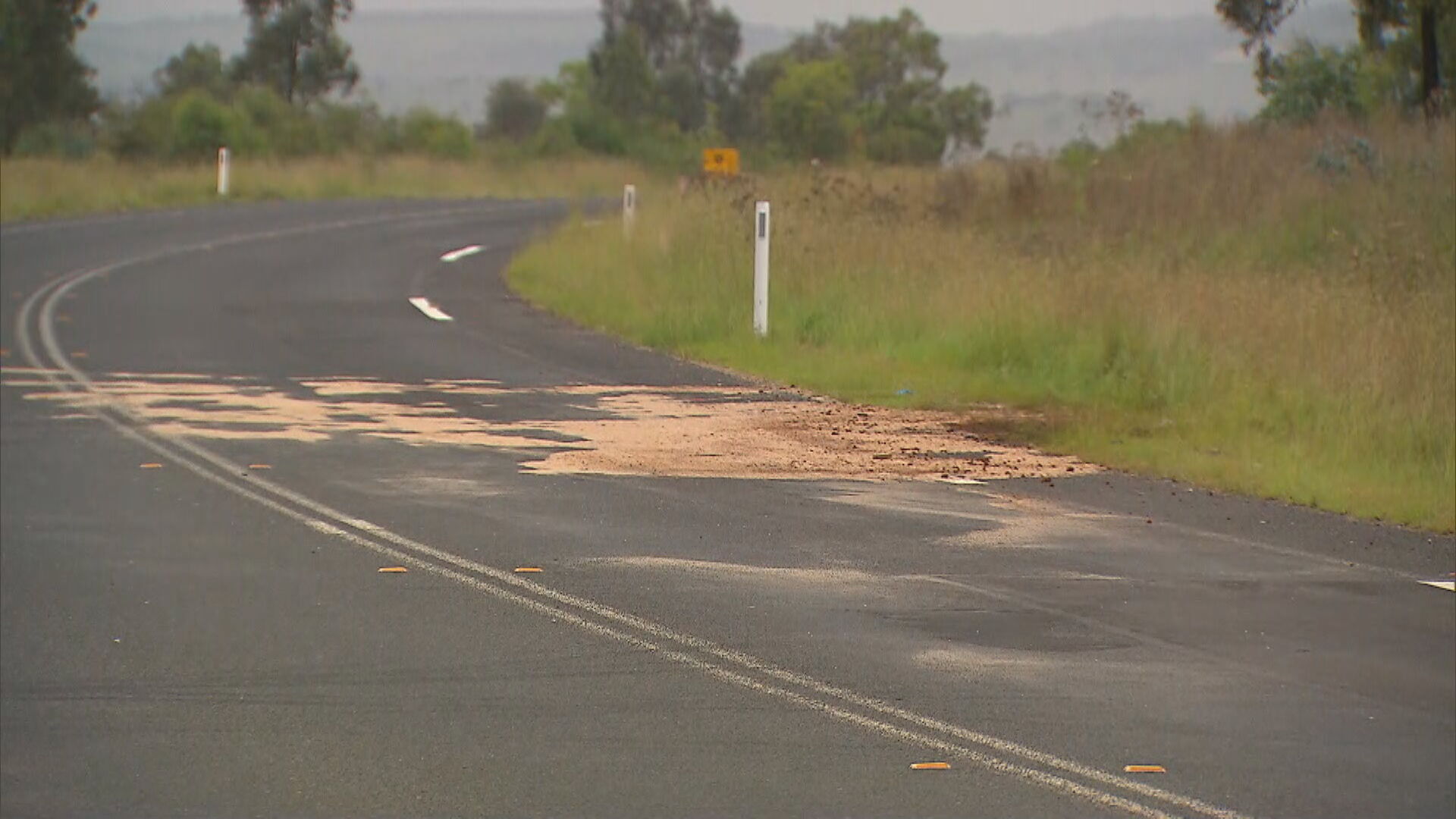
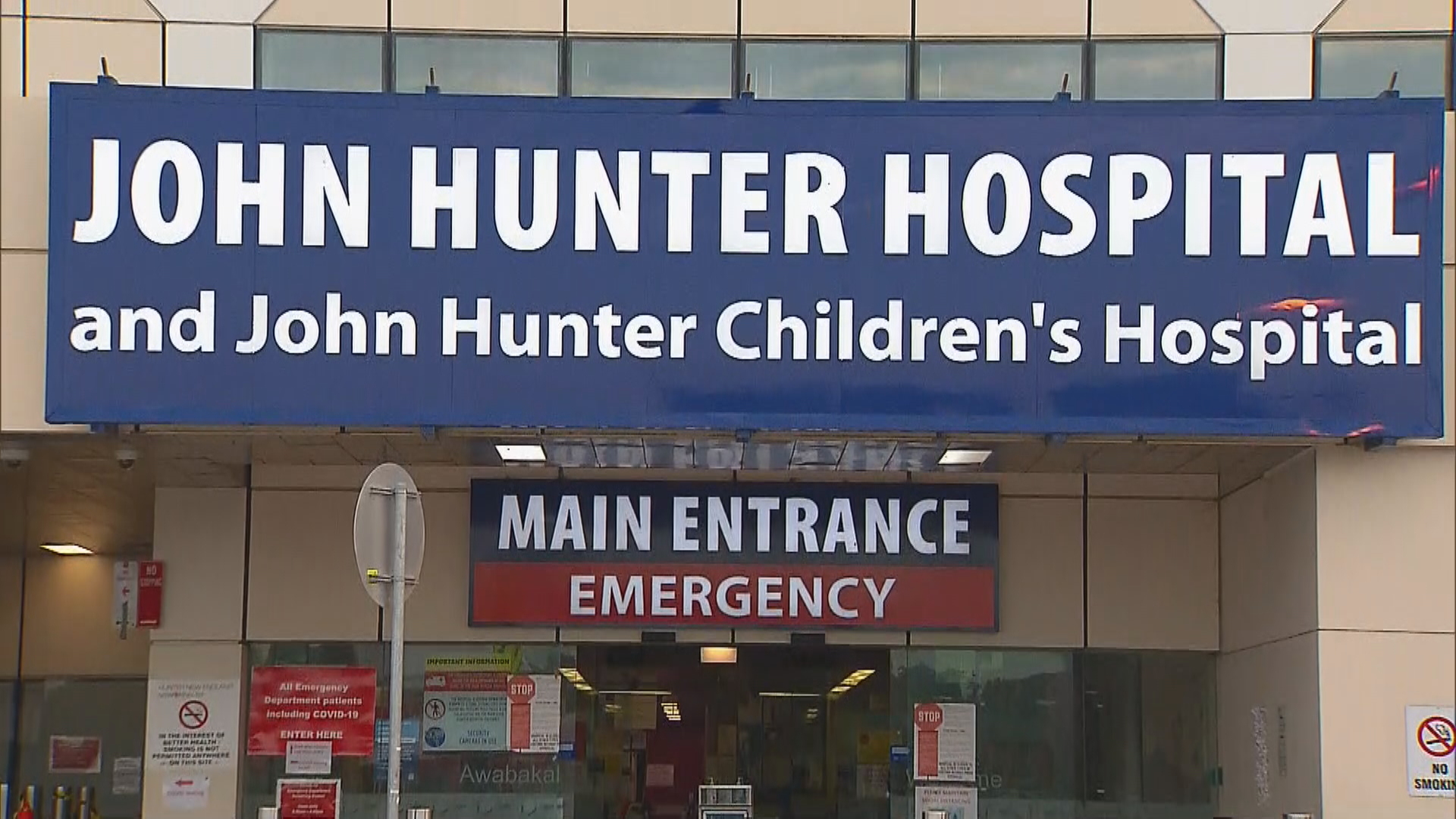
"The gentleman in hospital does have life-threatening injuries," Chief Inspector Guiana said.
Initial investigations suggest one of the vehicles was travelling on the wrong side of the two-lane road.
"It's a head on collision, so yes, one of the vehicles must have been in the wrong place at the wrong time," Chief Inspector Guiana said.
Police from Hunter Valley Police District established a crime scene and an investigation into the circumstances surrounding the crash is underway.
A report will be prepared for the Coroner.