More heavy rain is on the way for parts of the South Island recovering from flooding at the weekend.MetService said the amount of rain today could be significant for areas already affected by the heavy rain, and the areas affected…
Tag Archives: oceania
Whānau shocked to discover three sharks in Northland rockpool
A whānau in Ahipara ended 2020 with a shock of a lifetime when they discovered three sharks swimming in a remote rockpool. On Thursday evening, Christel Snowden, 35, and her uncle Gordy Kilgour, 53, had taken some of the kids…
Top economist's predictions for 2021
One of the leading economists in the country has forecast 2021 to be the year of economic recovery as the world deals with the fallout of the COVID-19 pandemic.
Craig James, Chief Economist of CBA's stockbroking firm CommSec, said locally the RBA has done much to reduce the shock the virus has taken on Australia's employment levels.
"Borrowing costs for Aussie households and businesses are at rock bottom, driving a housing market recovery, while encouraging firms to invest and hire workers," Mr James said.
READ MORE: Unemployment rate falls to 6.8 per cent as jobs surge in Victoria
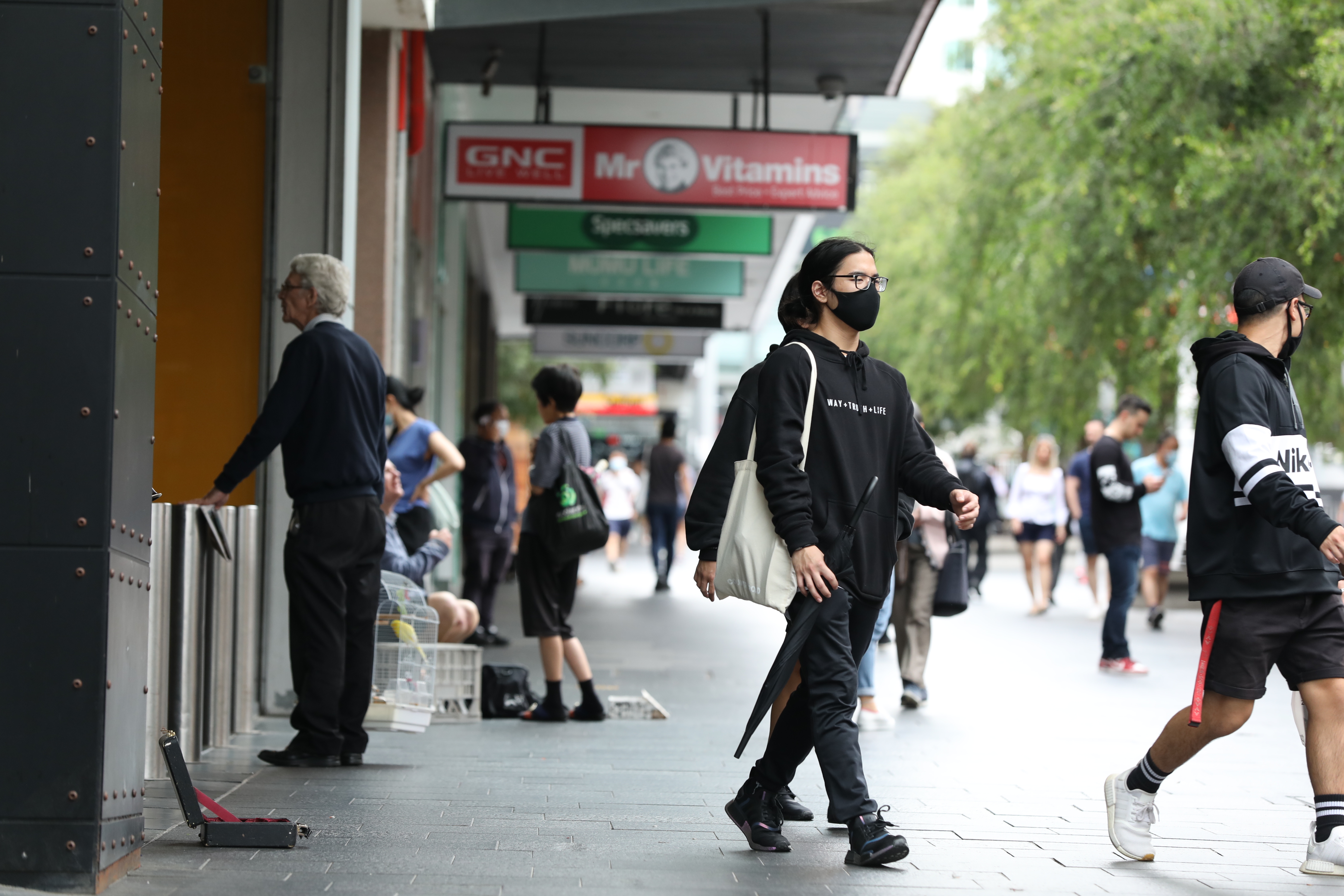
"Policy is primarily focused on job creation to reduce scarring in the labour market."
Globally, he predicted that a Biden presidency should see economies revert back to pre-pandemic levels 12 months from now.
"Investors hope that US President-elect Biden announces a stimulus package of at least US$1 trillion, which could boost US economic growth, returning the economy to pre-pandemic levels by the end of 2021," Mr James said.
READ MORE: Taking China to WTO 'no quick fix', trade minister admits
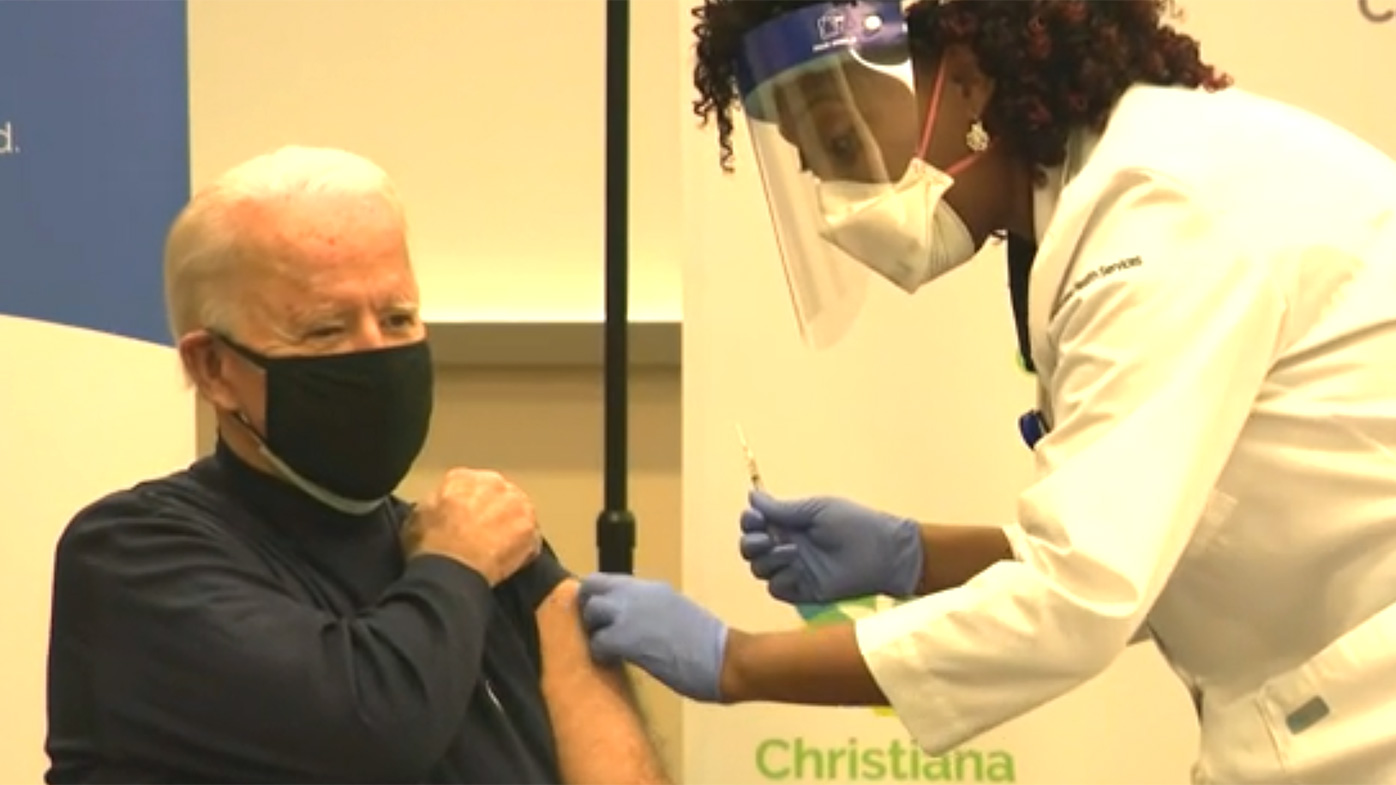
"As President, Joe Biden could introduce tougher financial regulation and impose anti-trust measures on big technology companies.
"His engagement with China on trade issues will also be a key focus along with his foreign policy objectives in the Middle East. This is of special importance to Australian businesses and investors."
Of course, much of his predictions hang upon a successful and widespread rollout of a COVID-19 vaccine, the tool widely tipped to be the catalyst for economic recovery.
READ MORE: China restricts Australian coal imports amid 'deteriorating relationship'

"Europe and the US are currently experiencing second waves of the virus, driving case numbers to record highs and necessitating fresh lockdowns," Mr James said.
"The good news is that an effective vaccine is expected to be distributed across the globe, with vaccinations already commencing in the UK. And treatments for the virus are also being developed.
"The economic outlook will clearly be dictated by the virus and how quickly vaccines can stem case numbers and allow economies to start repairing."
READ MORE: Australian economy would take 'economic hit' in South China Sea war
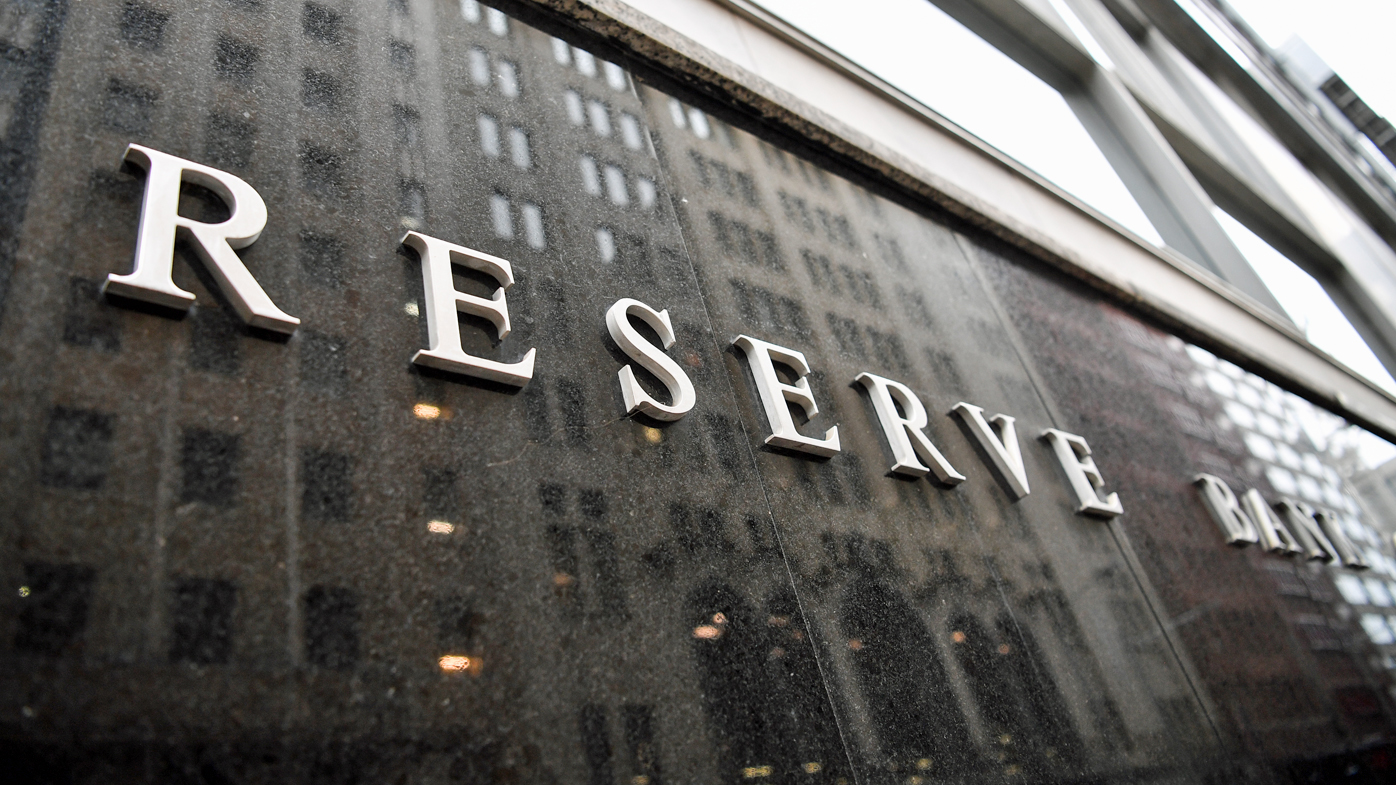
The economist also predicted Aussie interest rates to remain "super low", meaning it is unlikely to see another cut in the next 12 months.
Rather, he anticipates the RBA will focus on other fiscal policies to respond to the ebbs and flows of the local economy.
"While monetary policy was once all about adjusting interest rates (or the price of money) that is no longer the case." he said.
You can get up-to-date information from the Federal Government's Coronavirus Australia app, available on the App Store, Google Play and the Government's WhatsApp channel.
Beyond Blue's Coronavirus Mental Wellbeing Support Service is a 24/7 service free of charge to all Australians. Visit the site here or call 1800512348
For coronavirus breaking news alerts and livestreams straight to your smartphone sign up to the 9News app and set notifications to on at the App Store or Google Play.
The information provided on this website is general in nature only and does not constitute personal financial advice. The information has been prepared without taking into account your personal objectives, financial situation or needs. Before acting on any information on this website you should consider the appropriateness of the information having regard to your objectives, financial situation and needs.
China names areas 'high danger zones' after new COVID-19 spike
China has designated parts of Hebei province near Beijing as a coronavirus high danger zone after 14 new cases of COVID-19 were found.
Eleven of those cases were in Shijiazuang city, where some events for the 2022 Winter Olympics will be held.
An additional 30 people tested positive for the virus without showing any symptoms, the provincial health authority said today.
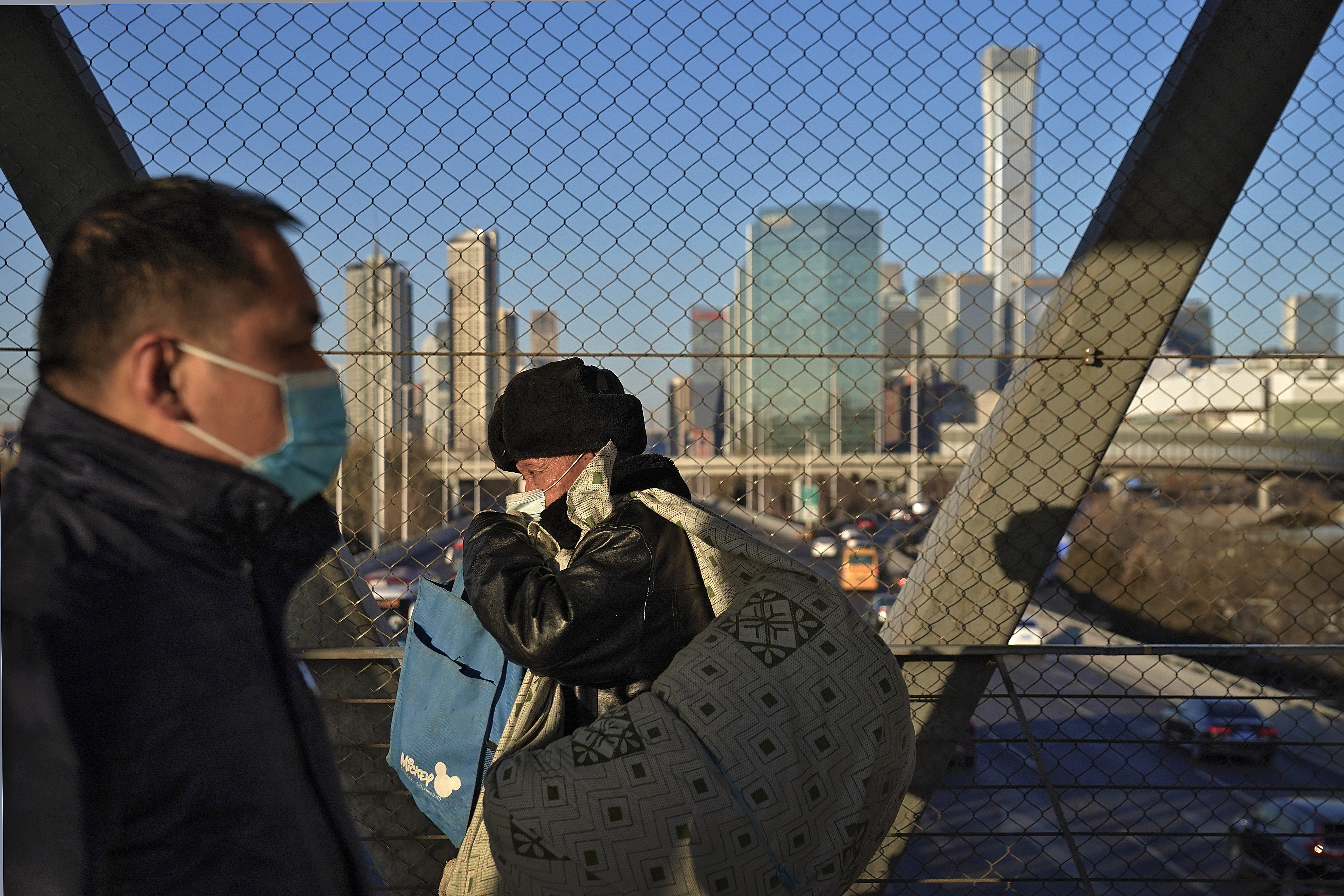
The other three COVID-19 cases were in the city of Yantai.
Parts of Shijiazhuang were designated high danger areas, meaning they will undergo stricter testing and isolation measures, while parts of Yantai were registered as medium risk areas.
READ MORE: China approves Sinopharm vaccine
Medical investigators were looking into whether a single event such as a family gathering had been the origin of many of the Hebei cases.
China has recorded a total of 87,183 cases of COVID-19, with 4634 deaths.
People who have tested positive but not shown symptoms have been counted separately from its official COVID-19 tally.
READ MORE: How a virus with no name spread into a global pandemic
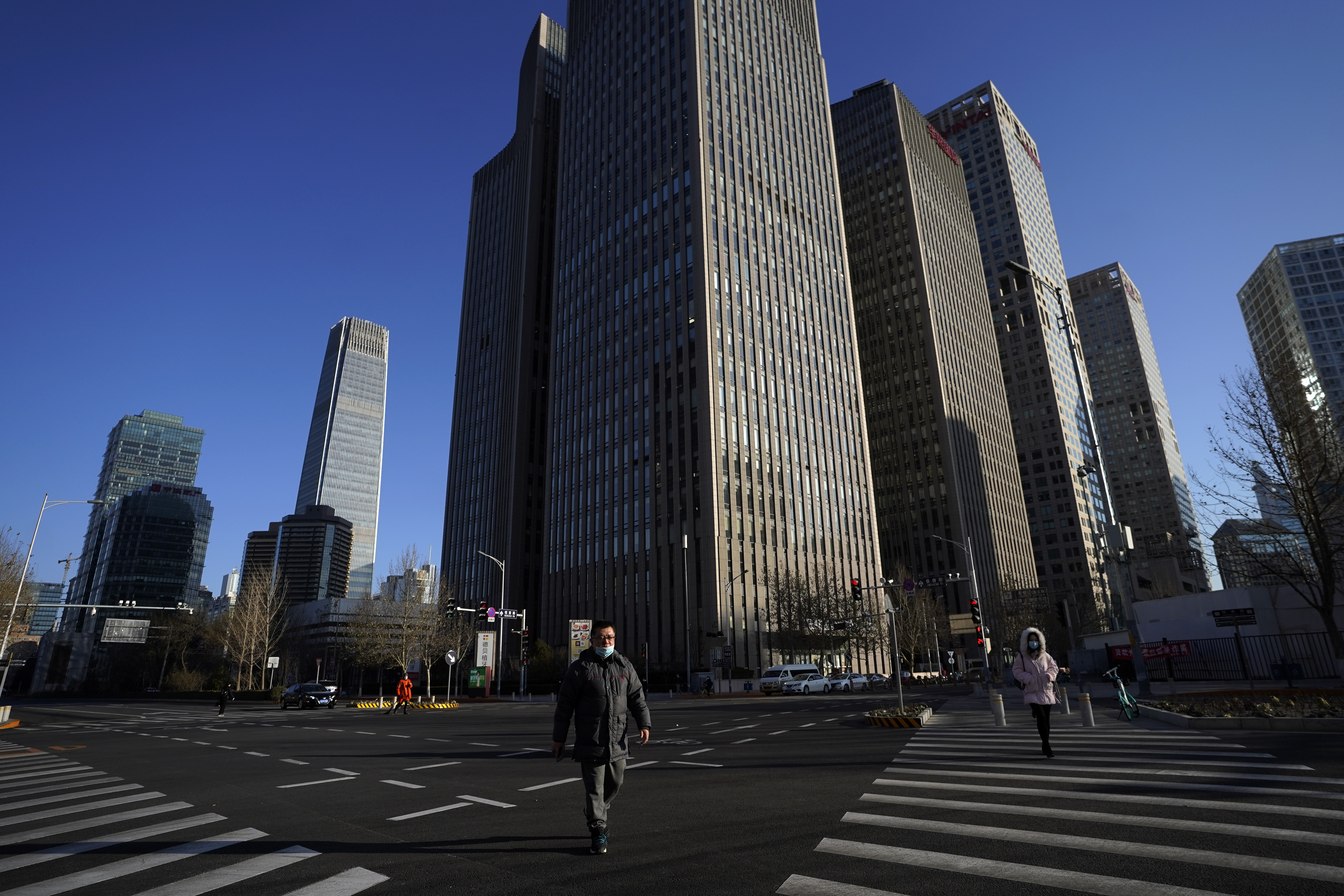
Wary of another wave of infections, China is urging tens of millions of migrant workers to stay put during next month’s Lunar New Year holiday, usually the world’s largest annual human migration.
Classes are also being dismissed a week earlier than usual and tourists are being told not to come to Beijing for holidays.
New quiz helping Aussies kick health goals for 2021
A new quiz based on psychological research from leading national science agency CSIRO is aiming to help Aussies improve their wellbeing in 2021 and beyond.
The personalised tool is designed to help users develop long-term strategies to improve their wellbeing and conquer motivation slumps in the new year.
Based on psychology and behavioral science, the new Start Strong Diet Quiz assesses participants' values and provides a guide to improve participants' overall health and wellbeing in 2021.
READ MORE: Managing disordered eating during lockdown
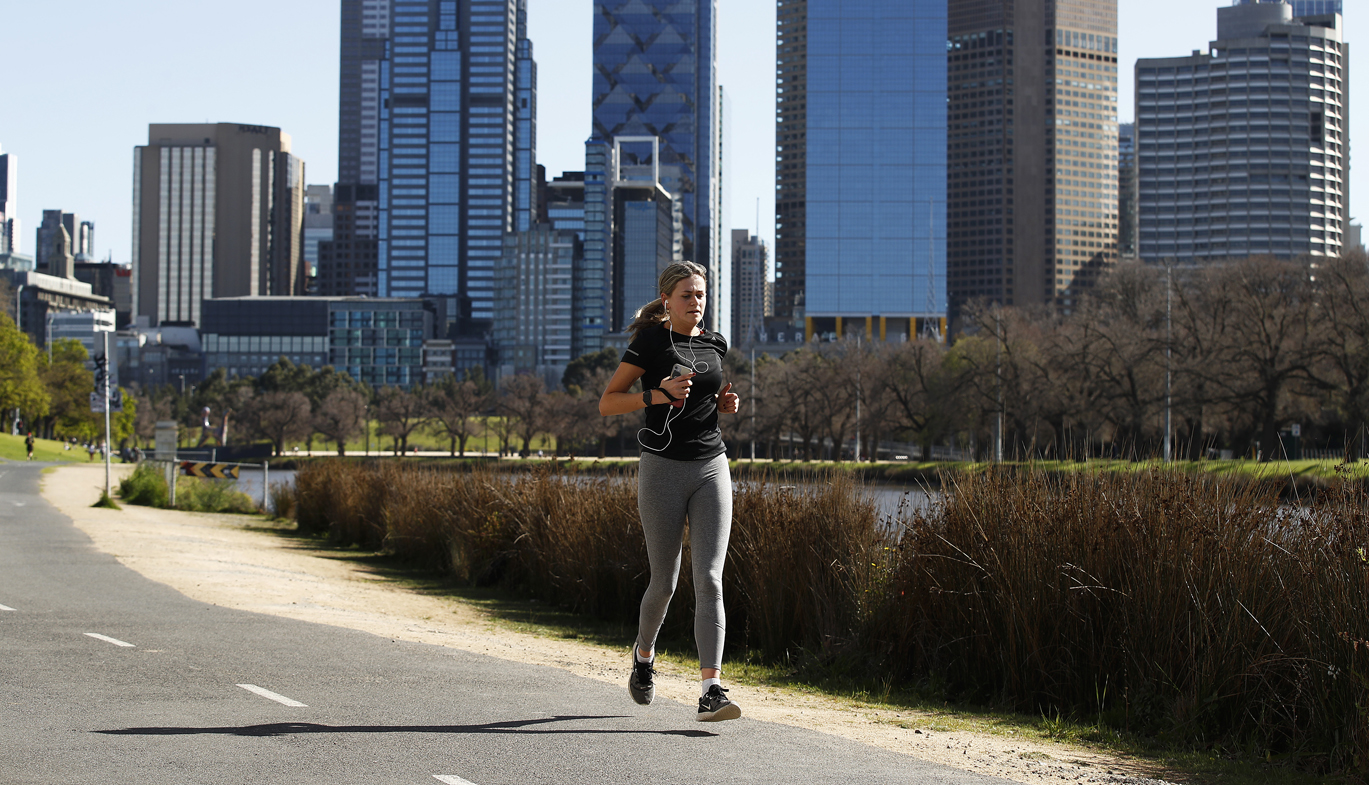
The app works by assessing the reasons behind a person's desire to change their health habits and tailoring practical tips to help reach their goal.
An analysis of over 11,000 people found most 93 per cent were motivated to lose weight to feel good and improve their quality of life.
A close second was health as a driver, with 89 per cent of people motivated by the prospect of a healthier lifestyle.
CSIRO research scientist, Dr Gilly Hendrie, said after a difficult year in 2020 many people would be looking to improve their physical and emotional health this year.
"Our research shows that lockdown took its toll on the minds and bodies of Australians," Dr Hendrie said.
LIVE UPDATES: Four new COVID-19 cases in NSW

"We look at the factors that help people change behavior and imbed that."
Dr Hendrie told nine.com.au a previous study conducted during the height of the COVID-19 pandemic revealed two out of five people felt they had gained weight during lockdown.
While weight loss is a common driver behind a desire to exercise or change their diet, Dr Hendrie said a more holistic approach is beneficial in helping people sustain motivation.
"There have been psychological studies that suggest the quality of the motivation can influence your success," she said.
"You may be more successful in meeting your goals if your motivation is internal for example to feel good to improve quality of life that something that is more external like wanting to look a certain way.
"The mental toll is something that needs to be considered and the quiz is based on helping improve people's overall wellbeing."
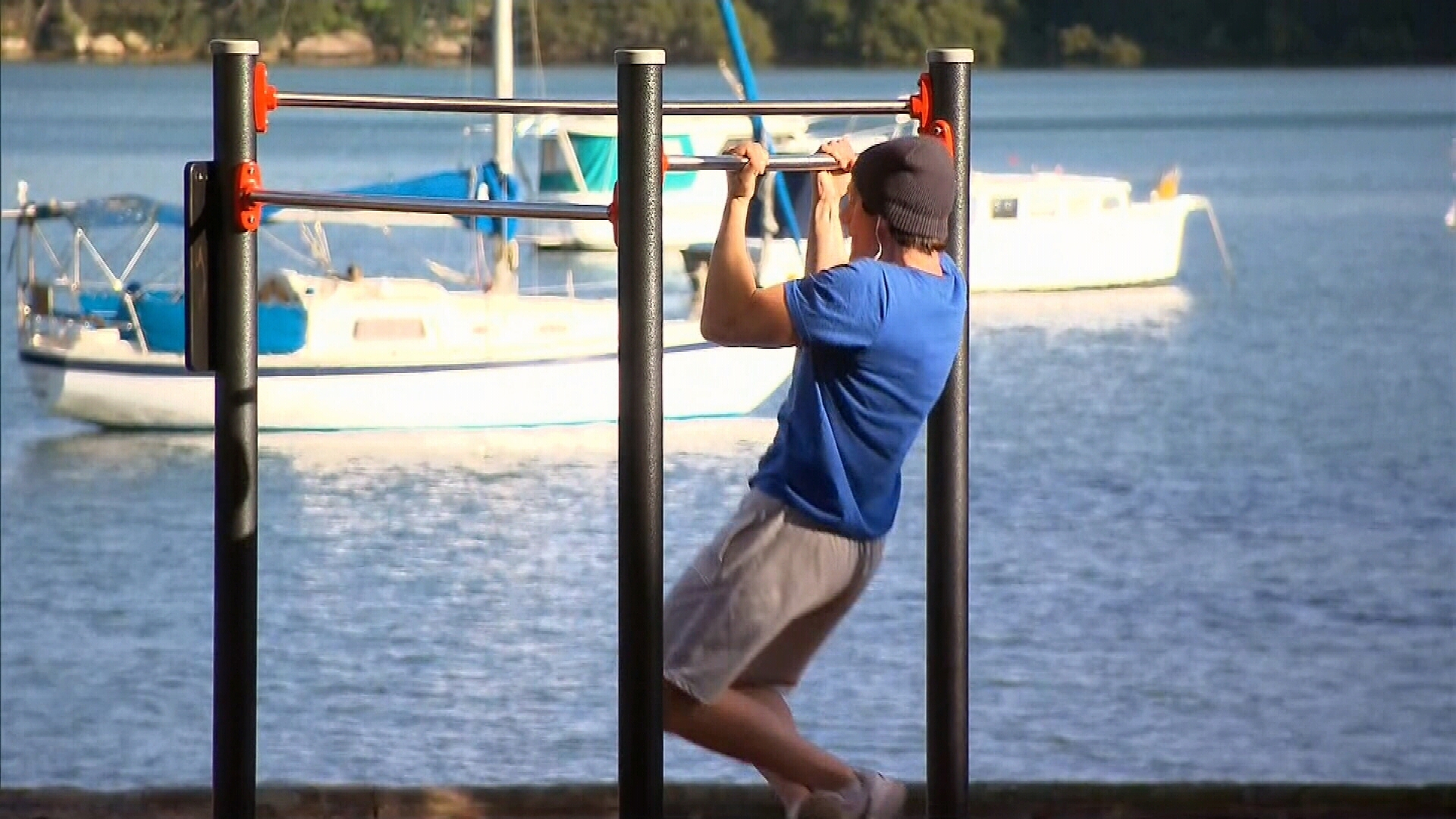
Dr Hendrie said setting achievable goals and ensuring people have access to manageable step-by-step tips to reaching them is another key to success.
"Setting a long term goal is important but having those baby steps is important and reminding yourself why you're doing it.
"The diet itself is based on many years of scientific reach and more recently were focusing more on wellbeing."
"There's a lot of programs going around at the moment and we're trying to make this a lifestyle change not just a short term thing so that people can improve their overall wellbeing this year and beyond."
CSIRO behavioral scientist Dr Emily Brindal said understanding people's reasons for starting a formal weight loss program was critical to help them stay committed once the New Year's resolutions have waned.
"'New year, new me' resolutions can often be spur-of-the-moment, and we all know that, despite best intentions, motivation levels often drop as challenges present," Dr Brindal said.
Covid-19 coronavirus: Ministry of Health spent $37m on defective protective gear
By RNZ The Ministry of Health spent $37 million on personal protective equipment (PPE) that was not fit for purpose.Its annual report for the year ended June shows the health agency spent a total of $108m on PPE for frontline…
Herald afternoon quiz: January 5
Test your brains with the Herald’s afternoon quiz. Be sure to check back on nzherald.co.nz for the morning quiz tomorrow. To challenge yourself with more quizzes, CLICK HERE.
Why Australia is not rushing to approve a COVID-19 vaccine
Australia will not rush to approve a COVID-19 vaccine until comprehensive data on the potential risks is vigorously analysed and made available.
The Federal Government has endured mounting pressure for a coronavirus vaccine to be approved for use in Australia, with critics calling for the process to be expedited as NSW and Victoria battle virus flare-ups.
Other countries around the world have approved vaccines in quick haste, with millions of people already vaccinated in China and the US.
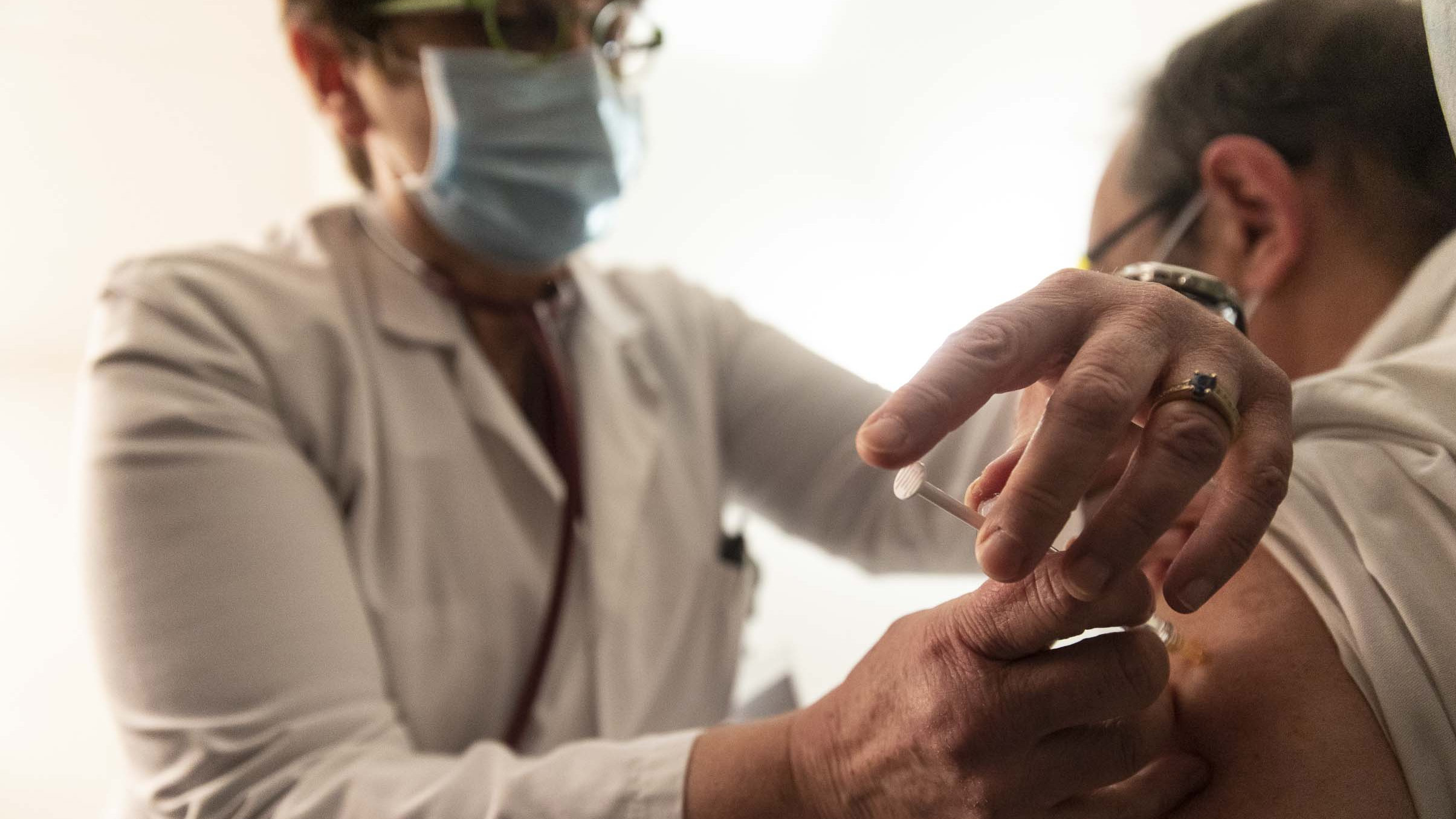
The nation's leading health experts have stood by Prime Minister Scott Morrison's tough stance, emphasising the safety of Australians cannot be compromised.
Australian National University infectious diseases expert Professor Peter Collignon told 9news.com.au the process was technically already "rushed" as the approval process was being conducted at least two to three times quicker than the usual speed for a vaccine.
"It's being done with extraordinary speed," he said.
"If you rush it, you are likely to waste vaccine and you may well be rolling out something before you have the full data of safety."
Professor Collignon said the world only had preliminary data on the vaccines, including potential side-effects.
Dr Allen Cheng, Victoria's Deputy Chief Health Officer and Chair of the Advisory Committee for Vaccines, said published papers of evidence only just "scrape the surface of what we want to know".
https://twitter.com/peripatetical/status/1346036238680285185
In the Pfizer study, a third of participants who received the jab in the placebo arm experienced side effects of fatigue and headache.
The phase three studies, which generally included about 20,000 to 25,000 people, were sufficient enough to exclude the moderately uncommon side effects, but not the serious and rare ones, which include those occurring in less than one in 10,000 people, Dr Cheng said.
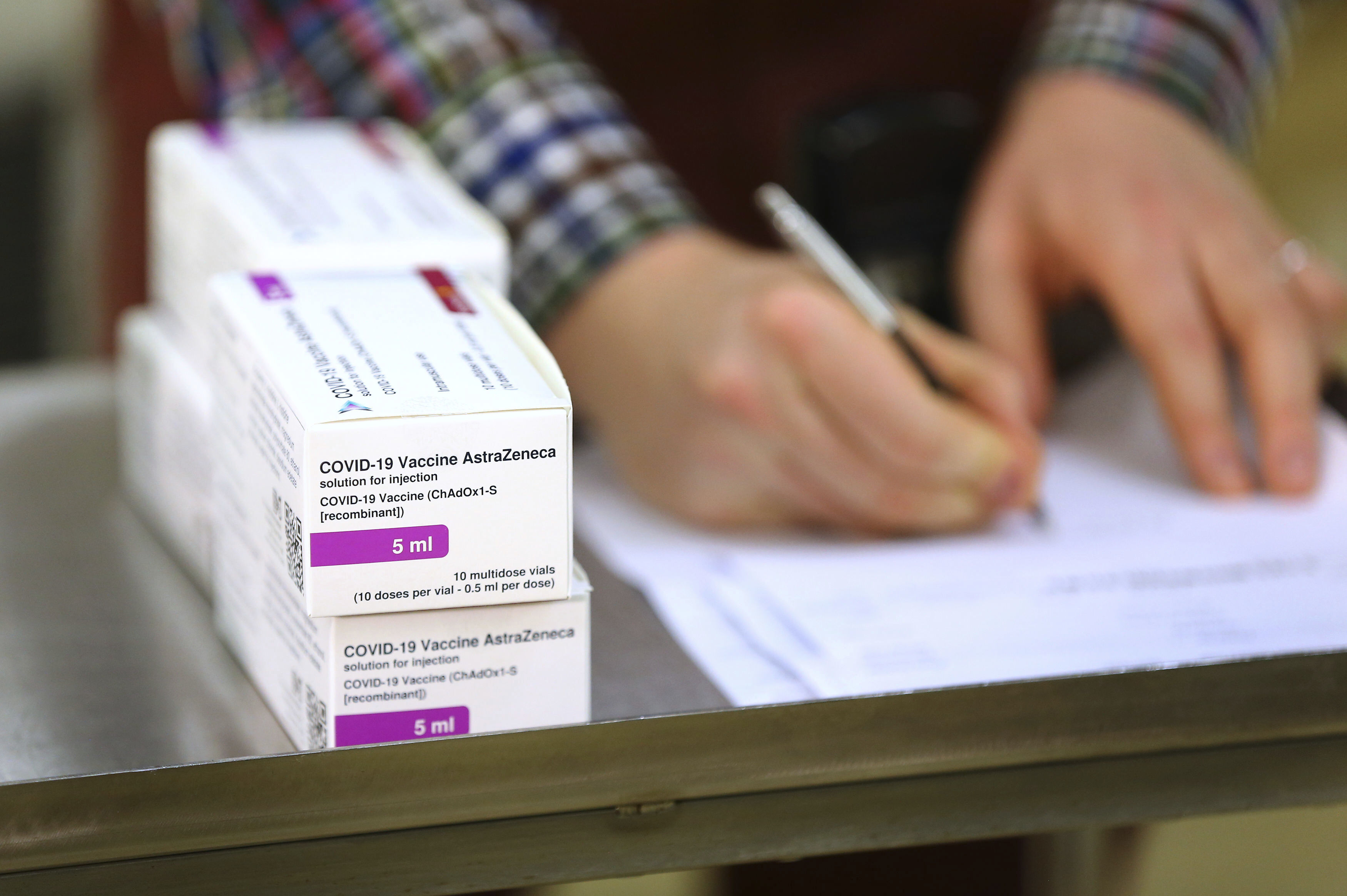
"If you see a single case of a serious side effect, it can be hard to work out if it is chance or something to worry about," he wrote on Twitter.
"An example are the cases of transverse myelitis (spinal cord inflammation) that were reported in the AstraZeneca trial."
Three cases in the study experienced spinal cord inflammation.
The side effect occurred in one case 14 days after the vaccine, in another case 10 days after but believed to be due to pre-existing multiple sclerosis, and a third case emerged in the control group.
Other side effects picked up post rollout include cases of anaphylaxis that have been reported in the UK and the US.
READ MORE: Oxford-AstraZeneca jabs begin for first patients in the UK
"Ultimately, the question is whether the benefit of using the vaccine outweighs the known risks and the uncertainties," Dr Cheng said.
"Countries where there are hundreds or thousands of deaths each day are clearly willing to tolerate some uncertainty to prevent this, and this is appropriate."
Israel is leading the pack in the vaccine race, with 14.4 doses administered per 100 people, according to Oxford University data.
The rate is the highest in the world, followed by Bahrain, the UK and the US.
More than 12.9 million COVID-19 vaccine doses have been administered across 30 countries so far, including 4.5 million in the US, 4.5 million in China and 1.2 million in Israel.
Professor Collignon said countries such as those in Europe, Israel, US and the UK had only given emergency approval of the vaccine due to their perilous COVID-19 death rates.
"We shouldn't do experiments before we see more data because we're not in an emergency situation," he said.
"They have uncontrolled infections and lots of deaths.
"Australia should not be at the front of the queue.
"We don't have uncontrolled spread, in fact, we've got little spread."
Prime Minister Scott Morrison shared the same view as the experts, telling 3AW today Australia was not in urgent need of a vaccine compared to other countries, which would see shortcuts taken if approved at this stage.
"They are in a position where they have no other choice because of the terrible situation they find themselves in," he said.
The final agreement between the Australian government and pharmaceutical giant Pfizer was solidified on Christmas Eve, with 10 million doses to be made available for a March rollout if the vaccine is approved by regulators.
Australia also has vaccine agreements with Pfizer-BioNTech, Oxford-AstraZeneca and Novavax.
President of the Australian Medical Association Dr Omar Khorshid told Today the ethical debate was one that needed more attention, rather than the push to quickly roll out a vaccine.
"It's more important to be given to people in Europe than it is in Australia," he said.
"There's a real ethical question as to whether we should be taking doses of this vaccine from other countries that are needing it more than us.
"But hopefully if the AstraZeneca vaccine gets approved it will be manufactured here and we'll have our own source for Australians and plenty of vaccine for every Australian."
Public distribution of an approved vaccine is expected to be begin as early as March in Australia.
However, Professor Collignon warned a vaccine would not make the world "go back to normal".
"I think people get the impression once we vaccinate the problem will go away – but that's not realistic," he said.
"It's not going to be an instant fix. We are going to have to live with this problem for another year or two at least.
"You have to have all the world vaccinated for the world to go back to normal like in 2019."
Commuter chaos: Holiday traffic building on motorways heading into cities
One person has suffered serious injuries after crashing a vehicle towing an empty horse float on State Highway 5 near Iwitahi.The vehicle crashed into a bank around 1.30pm and emergency services have closed one lane of the highway….
Shots fired at police: Foxton woman's carjacking horror by armed man
A woman whose car was taken in an alleged carjacking by an armed offender is still shaken after the ordeal.The Foxton woman had just pulled out of her driveway and was barely moving when another vehicle suddenly swerved in front…