Dunedin’s Baldwin Street is busy with sightseers during the summer break with its status as the world’s steepest street restored. At 4pm yesterday more people were on the North East Valley street than on the footpath and dozens…
Tag Archives: oceania
Tragedy saves Julian Assange from being extradited to US
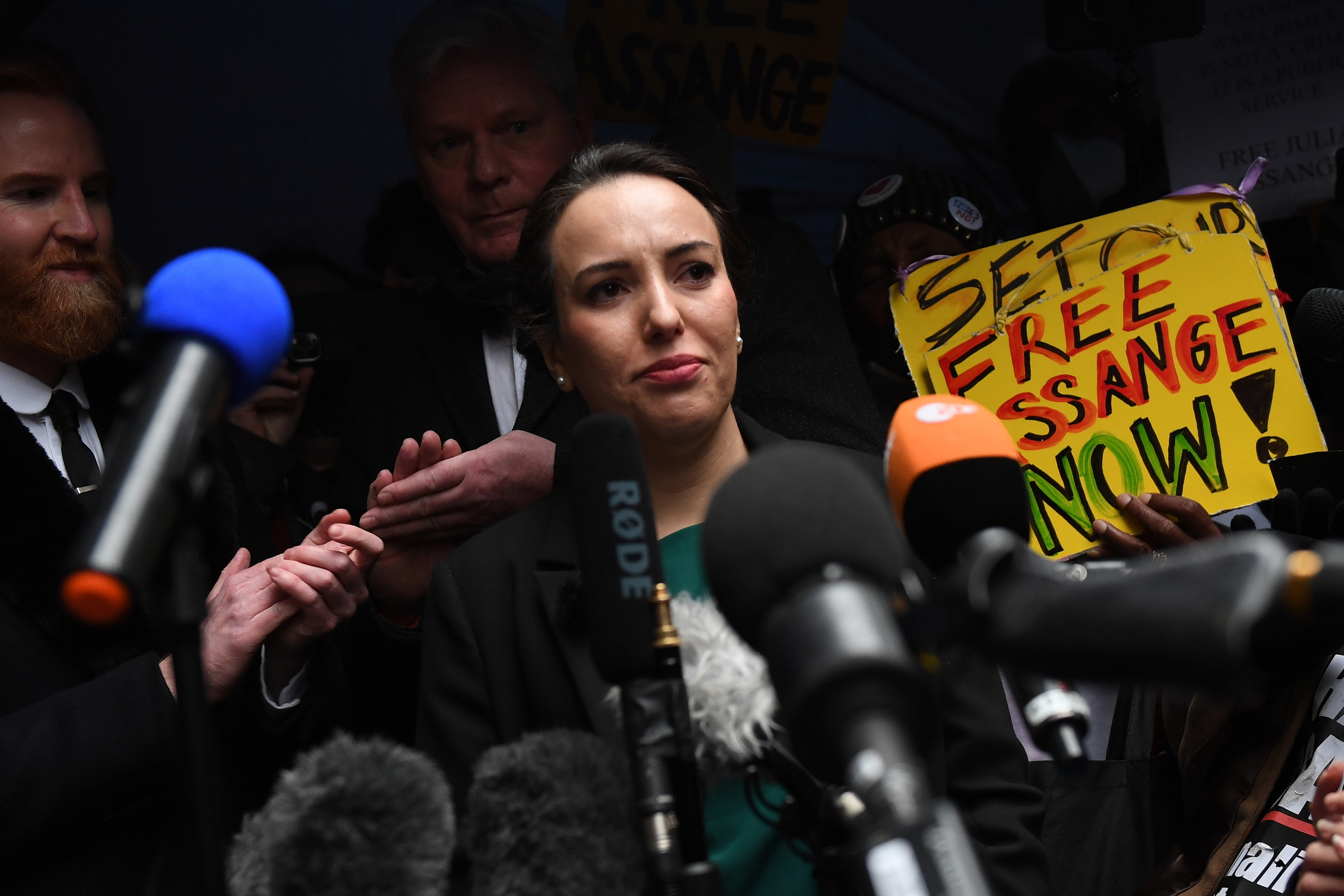
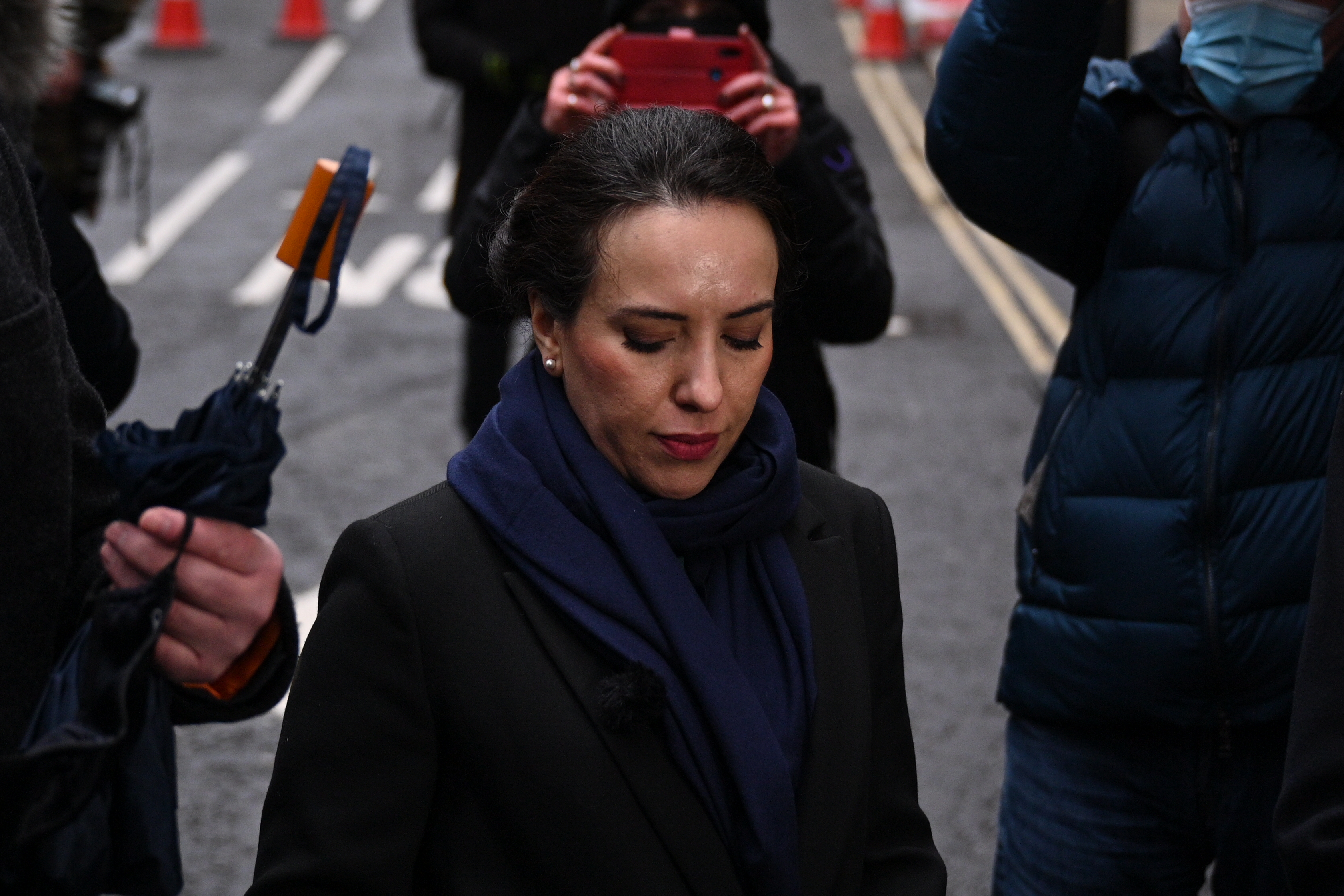
Stella Moris, the partner of Julian Assange and mother of two of his children, wept in a London courtroom as the WikiLeaks founder was delivered a dramatic victory.
More than 18 months after he was dragged out of the Ecuadorian embassy and taken into police custody after years claiming political asylum, a British judge last night ruled the Australian would not be extradited to the US to face espionage charges.
But the reason for the ruling was tragic: District Judge Vanessa Baraitser said that Assange would almost undoubtedly kill himself if held under harsh US prison conditions.
READ MORE: UK judge rules Assange will not be extradited to US
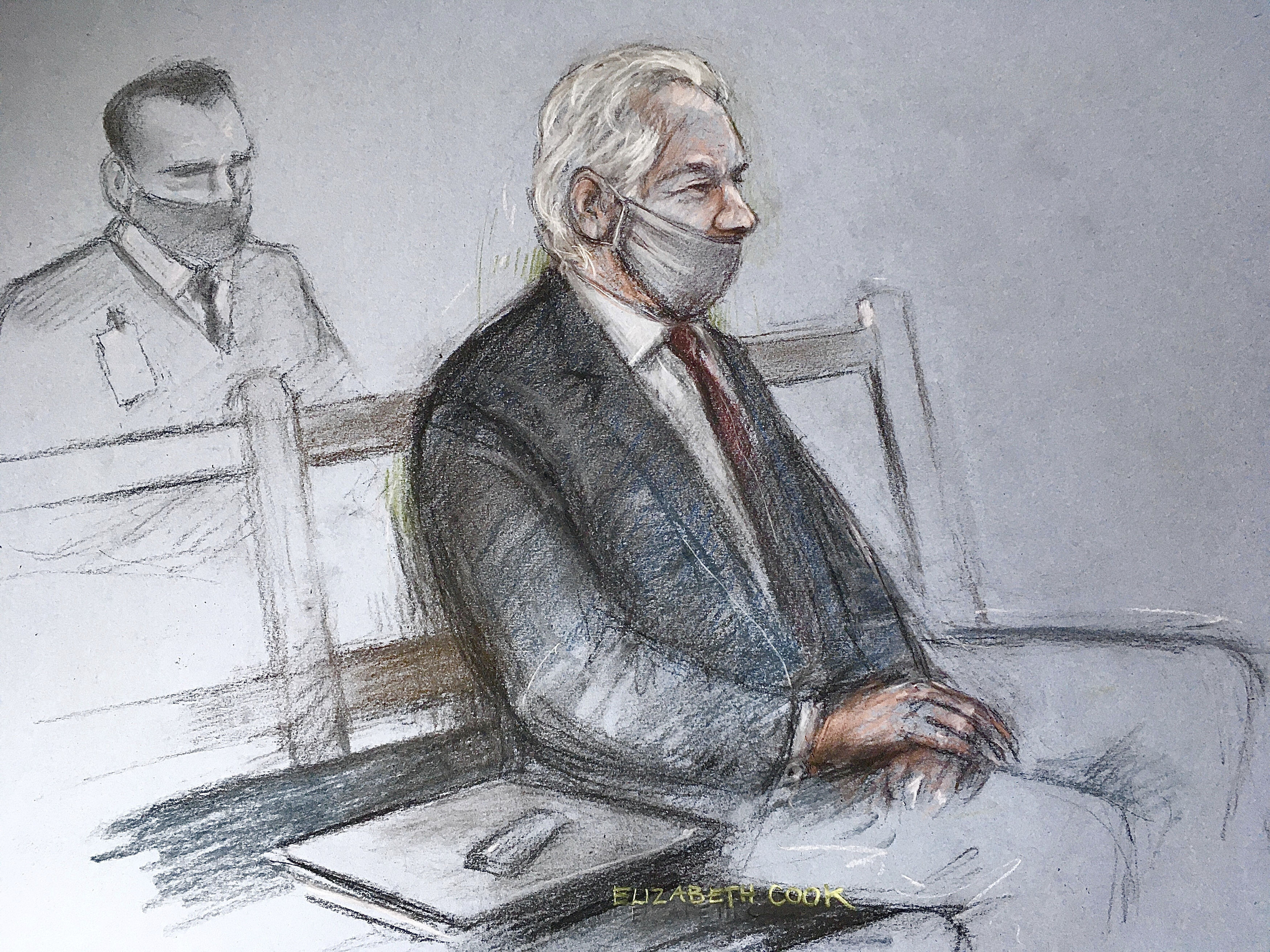
Baraitser rejected Assange's legal team's arguments that the 49-year-old faces a politically motivated American prosecution that rides roughshod over free-speech protections.
But she said Assange's precarious mental health would likely deteriorate further under the conditions of "near total isolation" he would face in a US prison.
"I find that the mental condition of Mr. Assange is such that it would be oppressive to extradite him to the United States of America," the judge said.
She said Assange was "a depressed and sometimes despairing man" who had the "intellect and determination" to circumvent any suicide prevention measures taken by American prison authorities.
https://twitter.com/CGreenbank9/status/1346049037343068160
The Australia sat quietly in the dock of London's Central Criminal Court as he learned the news.
Outside court, Moris said the ruling was "the first step towards justice", but it was not yet time to celebrate.
"I had hoped that today would be the day that Julian would come home," she said.
"Today is not that day, but that day will come soon."
READ MORE: Inside the US supermax prison Julian Assange is facing
Final chapter not even opened yet
The ruling marks a dramatic moment in Assange's years-long legal battles in Britain — though likely not its final chapter.
The US government said it would appeal the decision.
Assange's lawyers said they would ask for his release from a London prison where he has been held for more than a 18 months at a bail hearing on Wednesday.
https://twitter.com/amnesty/status/1346069219989811200?ref_src=twsrc%5Etfw
It's unclear whether the incoming Biden administration will pursue the prosecution, initiated under President Donald Trump.
Assange's American lawyer, Barry Pollack, said the legal team was "enormously gratified" by the British court's decision.
https://twitter.com/StellaMoris1/status/1344981277976494080
"We hope that after consideration of the UK court's ruling, the United States will decide not to pursue the case further," he said.
Moris urged Trump to pardon Assange before he leaves office later this month.
"Mr President, tear down these prison walls," she said.
"Let our little boys have their father."
https://twitter.com/MrsC_Assange/status/1346070304464900097
Facing 175 years in prison
US prosecutors have indicted Assange on 17 espionage charges and one charge of computer misuse over WikiLeaks' publication of leaked military and diplomatic documents a decade ago. The charges carry a maximum sentence of 175 years in prison.
Lawyers for Assange argue that he was acting as a journalist and is entitled to First Amendment protections of freedom of speech for publishing documents that exposed U.S. military wrongdoing in Iraq and Afghanistan.
Lawyers for the US government denied that Assange was being prosecuted merely for publishing, saying the case "is in large part based upon his unlawful involvement" in the theft of the diplomatic cables and military files by US Army intelligence analyst Chelsea Manning.
The British judge sided with US lawyers on that score, saying Assange's actions, if proven, would "amount to offences in this jurisdiction that would not be protected by his right to freedom of speech." She also said the US judicial system would give him a fair trial.
READ MORE: 'I need Julian': Assange's fiancée reveals hidden family
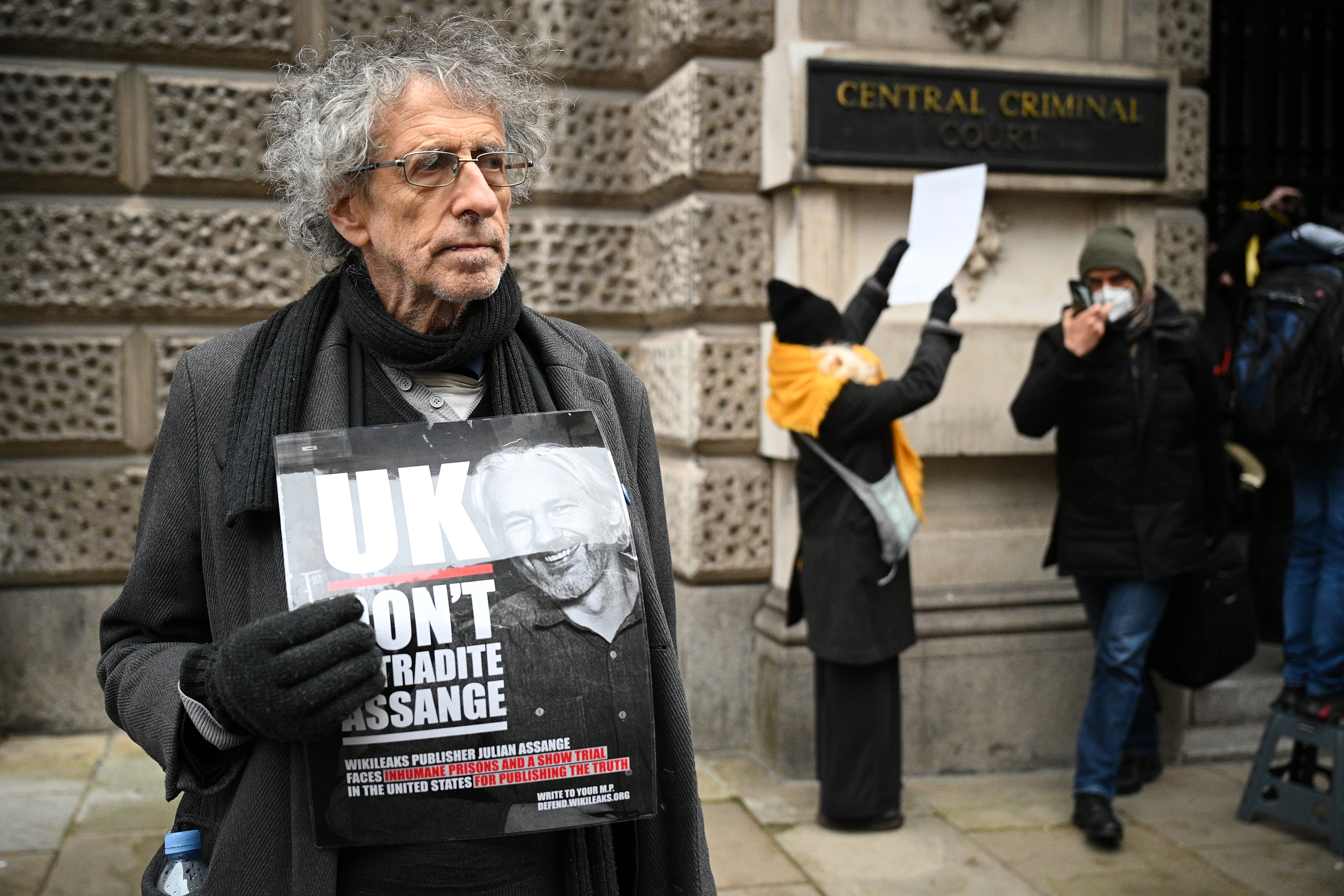
The defence also argued during a three-week hearing in the fall that Assange risked "a grossly disproportionate sentence" and detention in "draconian and inhumane conditions" if he was sent to the United States,
The judge agreed that US prison conditions would be oppressive. She accepted evidence from expert witnesses that Assange had a depressive disorder and an autism spectrum disorder.
"I accept that oppression as a bar to extradition requires a high threshold. … However, I am satisfied that, in these harsh conditions, Mr Assange's mental health would deteriorate causing him to commit suicide with the 'single minded determination' of his autism spectrum disorder," the judge said in her ruling.
Rights groups praise latest victory
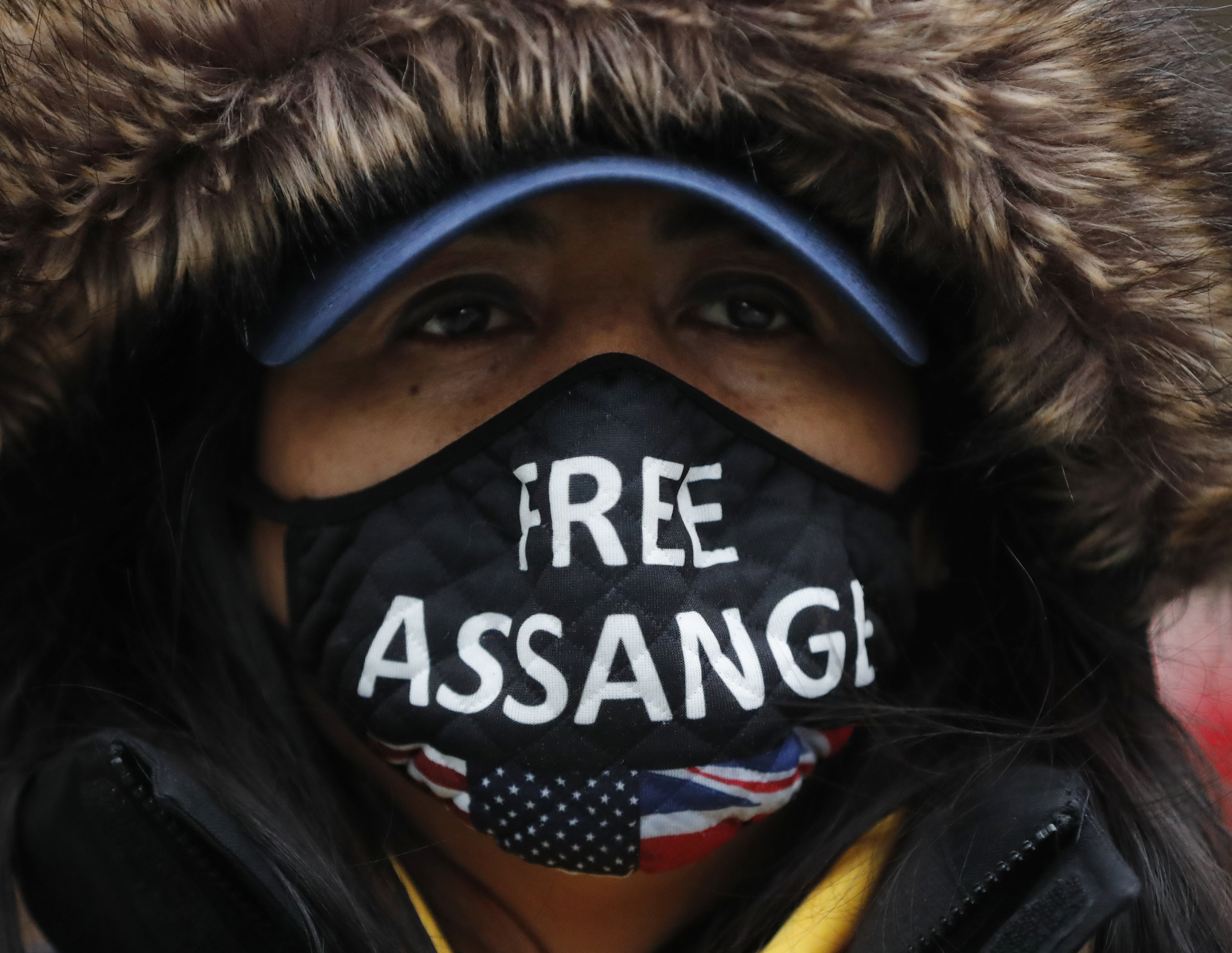
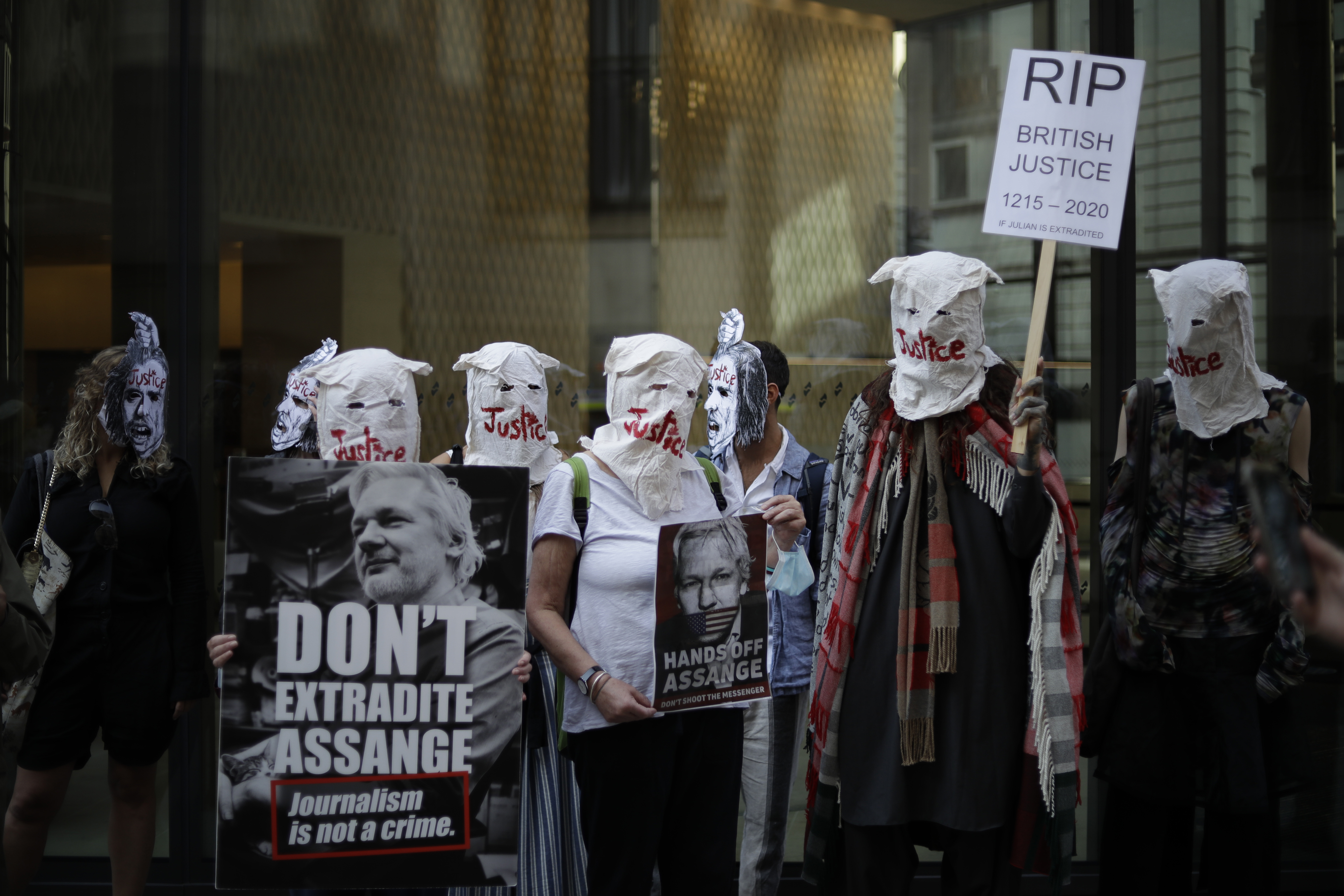
The prosecution of Assange has been condemned by journalists and human rights groups, who say it undermines free speech around the world.
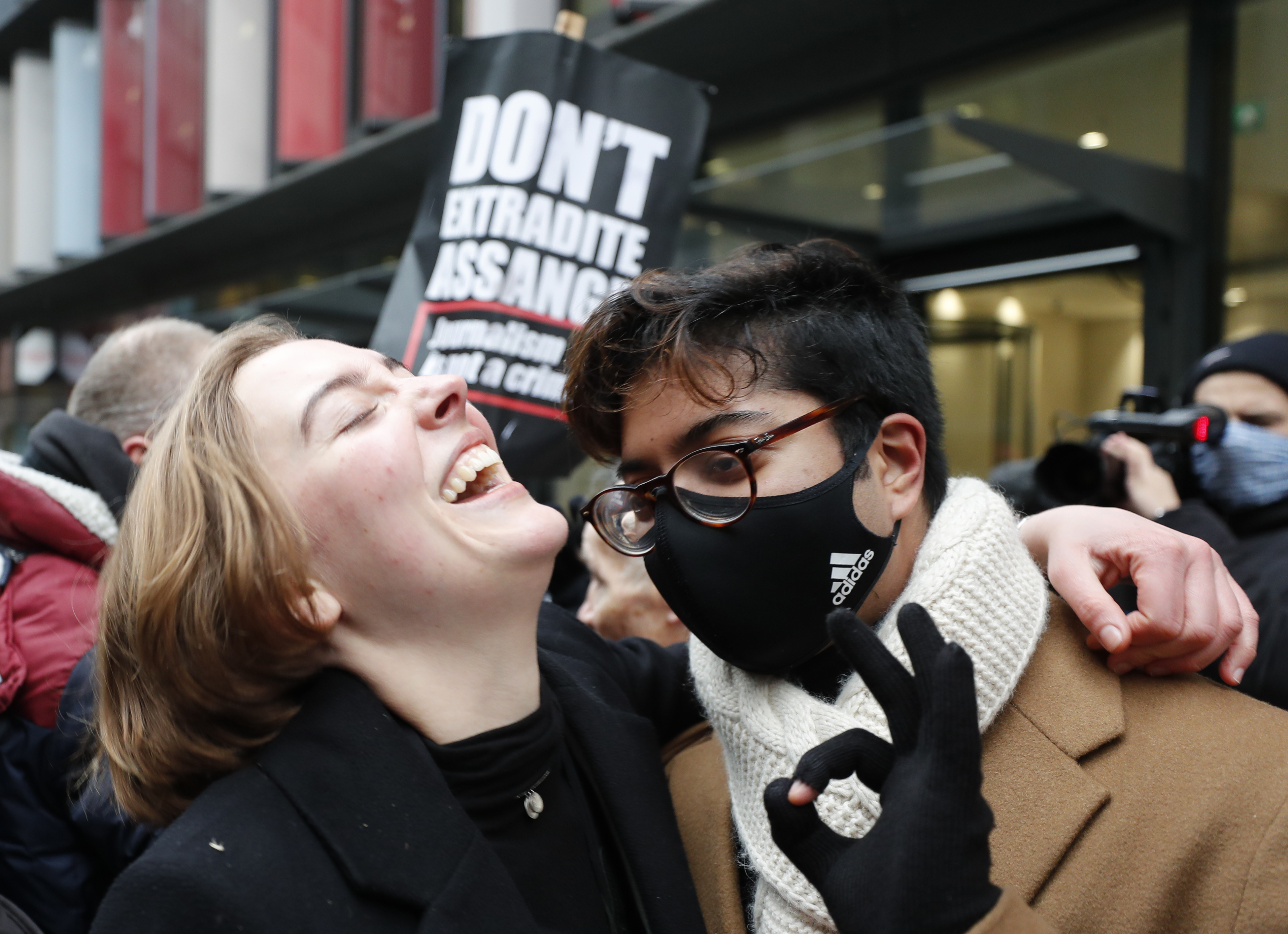
They welcomed the judge's decision, even though it was not made on free-speech grounds.
"This is a huge relief to anyone who cares about the rights of journalists," The Freedom of the Press Foundation tweeted.
Assange's legal troubles began in 2010, when he was arrested in London at the request of Sweden, which wanted to question him about allegations of rape and sexual assault made by two women.
In 2012, Assange jumped bail and sought refuge inside the Ecuadorian Embassy, where he was beyond the reach of UK and Swedish authorities — but also effectively a prisoner, unable to leave the tiny diplomatic mission in London's Knightsbridge area.
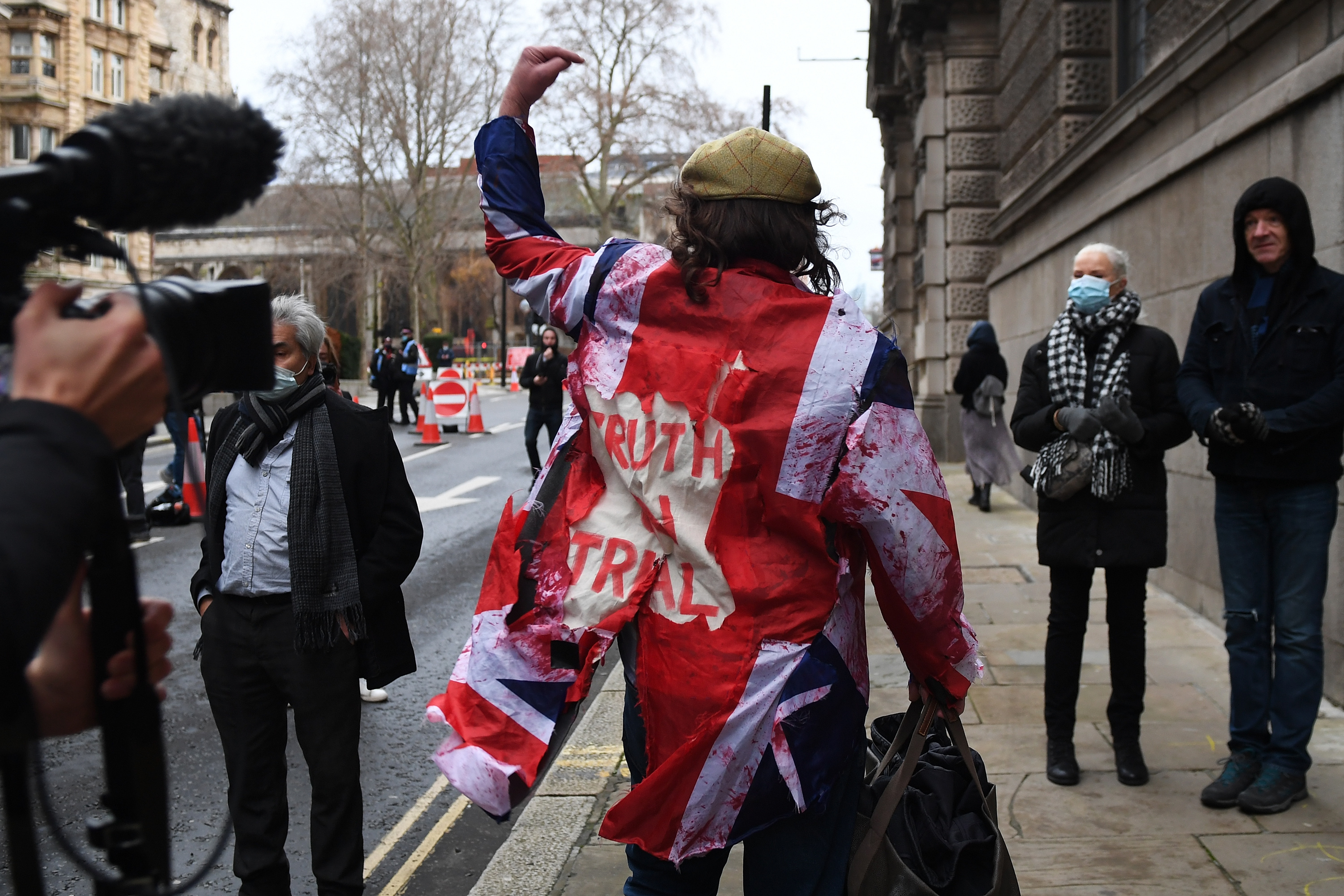
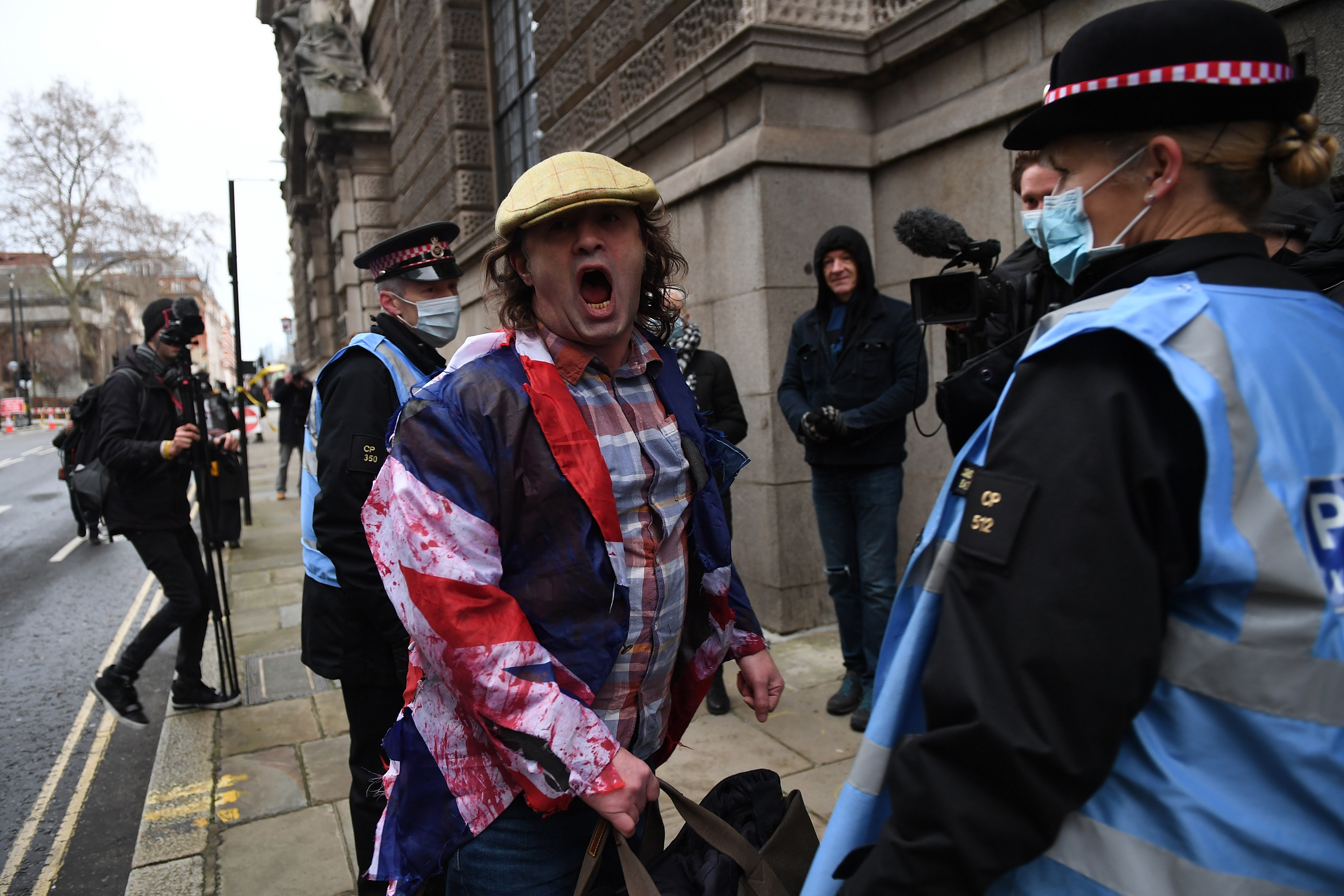
The relationship between Assange and his hosts eventually soured, and he was evicted from the embassy in April 2019. British police immediately arrested him for breaching bail in 2012.
Sweden dropped the sex crimes investigations in November 2019 because so much time had elapsed, but Assange has remained in London's high-security Belmarsh Prison throughout his extradition hearing.
Child critically hurt in water incident in Miranda
A child has been critically hurt in a water incident in Miranda.Emergency services were called to the Miranda Holiday Park on the Firth of Thames just after 8pm, police said. DO YOU KNOW MORE? EMAIL US St John paramedics treated…
BMX tragedy: Family of Auckland teen Kirill Koninin who died from head injury pleads for better helmet use
Kirill Koninin always wore a helmet when he went out on his bike – but for some reason on December 23 he made the fatal decision to leave it at home.Hours later he had suffered a catastrophic head injury and on Christmas Eve his…
Locals fend off flames with garden hoses as Punaruku fire threatens home, business
More than 30 firefighters battling a fire in scrub and pine forest on the east coast north of Whangārei yesterday afternoon managed to save a nearby home and accommodation business.The alarm was raised about 12.40pm when the…
Herald morning quiz: January 5
Test your brains with the Herald’s morning quiz. Be sure to check back on nzherald.co.nz at 3pm for the afternoon quiz. To challenge yourself with more quizzes, CLICK HERE.
Judge rules Julian Assange will not be extradited to US
A British judge has rejected the United States' request to extradite WikiLeaks founder Julian Assange to face espionage charges, saying he was likely to kill himself if held under harsh US prison conditions.
District Judge Vanessa Baraitser rejected allegations that Assange is being prosecuted for political reasons or would not receive a fair trial in the United States.
But she said his precarious mental health would likely deteriorate further under the conditions of "near total isolation" he would face in US prison.
https://twitter.com/CGreenbank9/status/1346049037343068160
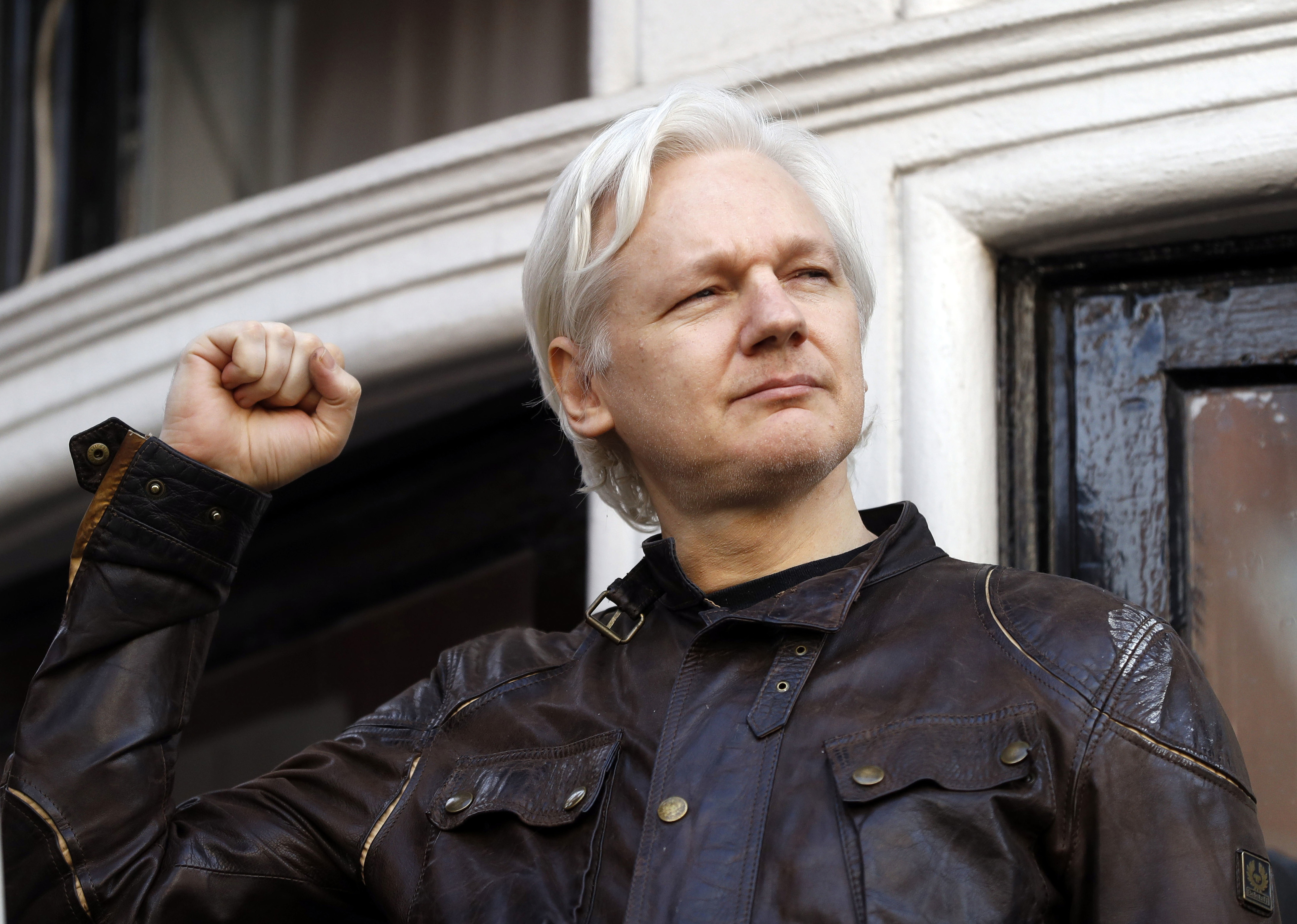
"I find that the mental condition of Mr. Assange is such that it would be oppressive to extradite him to the United States of America," the judge said.
She said Assange was "a depressed and sometimes despairing man" who had the "intellect and determination" to circumvent any suicide prevention measures taken by American prison authorities.
The US government said it would appeal the decision.
Assange's lawyers said they would ask for his release from a London prison where he has been held for more than a 18 months at a bail hearing on Wednesday.
Assange, who sat in the dock at London's Central Criminal Court for the ruling, wiped his brow as the decision was announced.
His partner Stella Moris, with whom he has two young sons, wept.
Assange's American lawyer, Barry Pollack, said the legal team was "enormously gratified by the UK court's decision denying extradition".
"The effort by the United States to prosecute Julian Assange and seek his extradition was ill-advised from the start," he said.
"We hope that after consideration of the UK court's ruling, the United States will decide not to pursue the case further."
The ruling marks a dramatic moment in Assange's years-long legal battles in Britain — though likely not its final chapter.
US prosecutors have indicted Assange on 17 espionage charges and one charge of computer misuse over WikiLeaks' publication of leaked military and diplomatic documents a decade ago.
The charges carry a maximum sentence of 175 years in prison.
Lawyers for the 49-year-old Australian argue that he was acting as a journalist and is entitled to First Amendment protections of freedom of speech for publishing leaked documents that exposed US military wrongdoing in Iraq and Afghanistan.
The judge, however, said Assange's actions, if proven, would "amount to offences in this jurisdiction that would not be protected by his right to freedom of speech."
The defence also argued during a three-week hearing in the fall that extradition threatens Assange's human rights because he risks "a grossly disproportionate sentence" and detention in "draconian and inhumane conditions" that would exacerbate his severe depression and other mental health problems.
The judge agreed with that argument. She said Assange suffered from moderate to severe clinical depression and was a "sometimes despairing man" genuinely fearful about his future.
Lawyers for the US government deny that Assange is being prosecuted merely for publishing the leaked documents, saying the case "is in large part based upon his unlawful involvement" in the theft of the diplomatic cables and military files by US Army intelligence analyst Chelsea Manning.
The prosecution of Assange has been condemned by journalists and human rights groups, who say it undermines free speech around the world.
They welcomed the judge's decision, even though it was not made on free-speech grounds.
"This is a huge relief to anyone who cares about the rights of journalists," The Freedom of the Press Foundation tweeted:
"The extradition request was not decided on press freedom grounds; rather, the judge essentially ruled the US prison system was too repressive to extradite. However, the result will protect journalists everywhere."
Assange's legal troubles began in 2010, when he was arrested in London at the request of Sweden, which wanted to question him about allegations of rape and sexual assault made by two women. In 2012, to avoid being sent to Sweden, Assange sought refuge inside the Ecuadorian Embassy, where he was beyond the reach of UK and Swedish authorities — but also effectively a prisoner, unable to leave the tiny diplomatic mission in London's tony Knightsbridge area.
The relationship between Assange and his hosts eventually soured, and he was evicted from the embassy in April 2019. British police immediately arrested him for jumping bail in 2012.
Sweden dropped the sex crimes investigations in November 2019 because so much time had elapsed, but Assange remains in London's high-security Belmarsh Prison, brought to court in a prison van throughout his extradition hearing.
Teen released after allegedly attacking cop on New Year's Eve
A young woman accused of assaulting a police officer during an Adelaide New Year's celebration has been freed on bail.
Tahnaya Clarke, 18, was arrested in Moseley Square at Glenelg just after midnight on January 1.
Vision allegedly shows Ms Clarke pulling on a female police officer's hair before kicking out as she's bundled into a police van.
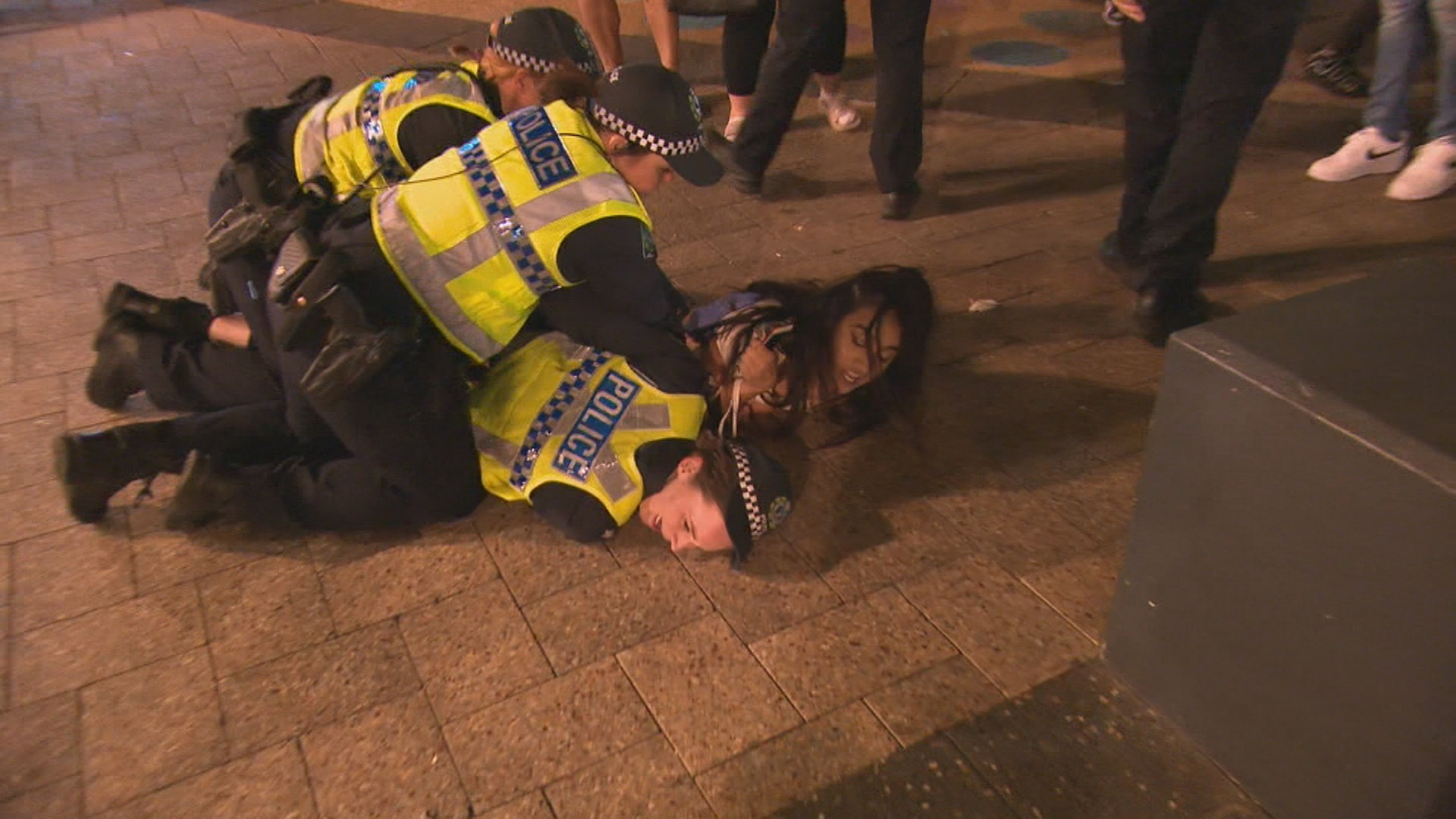
The court was told Ms Clarke allegedly reacted to the officer intervening in another fight.
The officer was taken to hospital for treatment.
Ms Clarke was charged with assaulting a police officer and fighting.

She is now set to live with her aunt in Warradale and is banned from attending Moseley Square.
However, the magistrate declined to impose a curfew despite a push from prosecutors.
Ms Clarke will return to court in March.
UK ramps up inoculations with Oxford-AstraZeneca vaccine
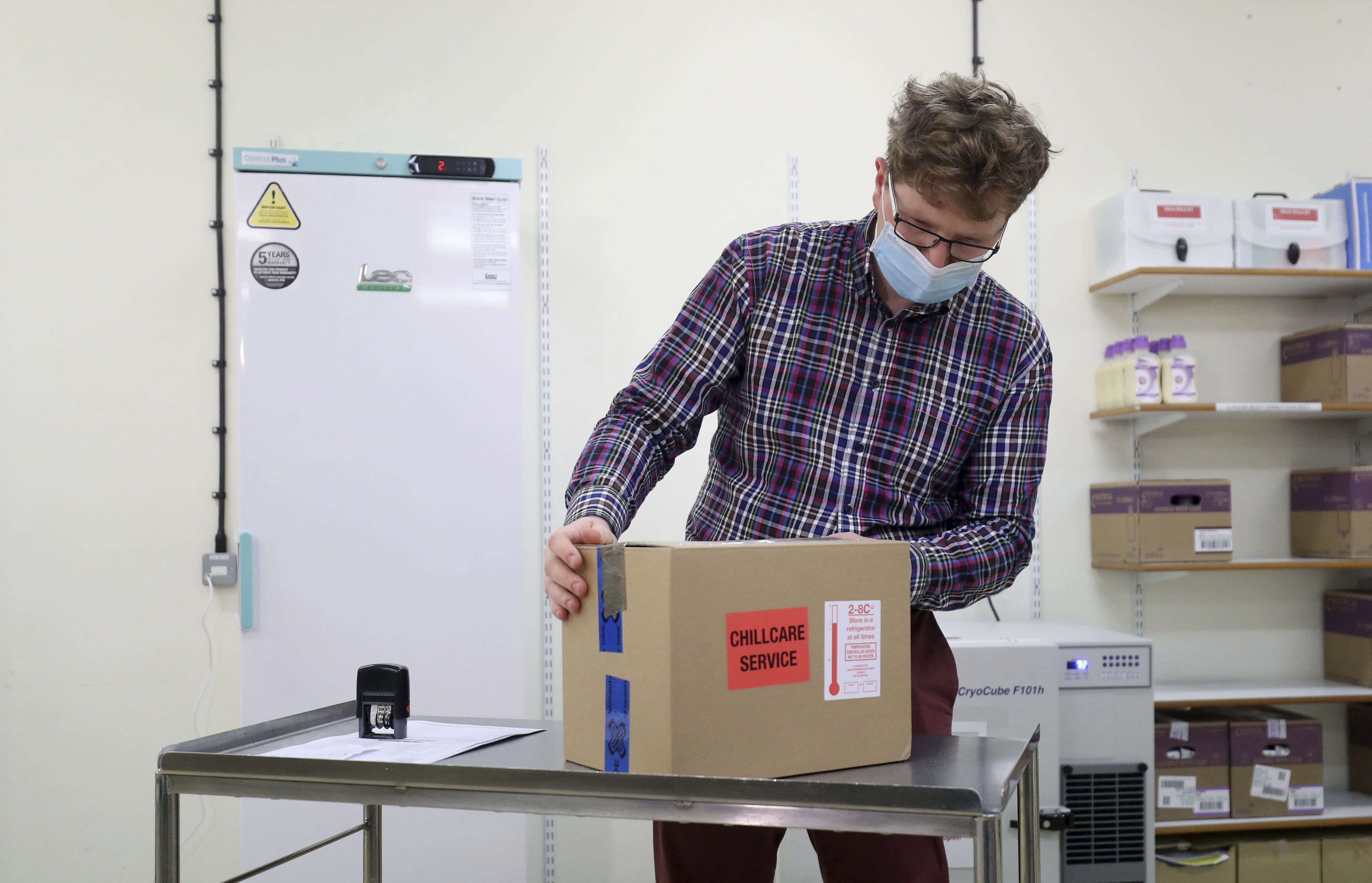
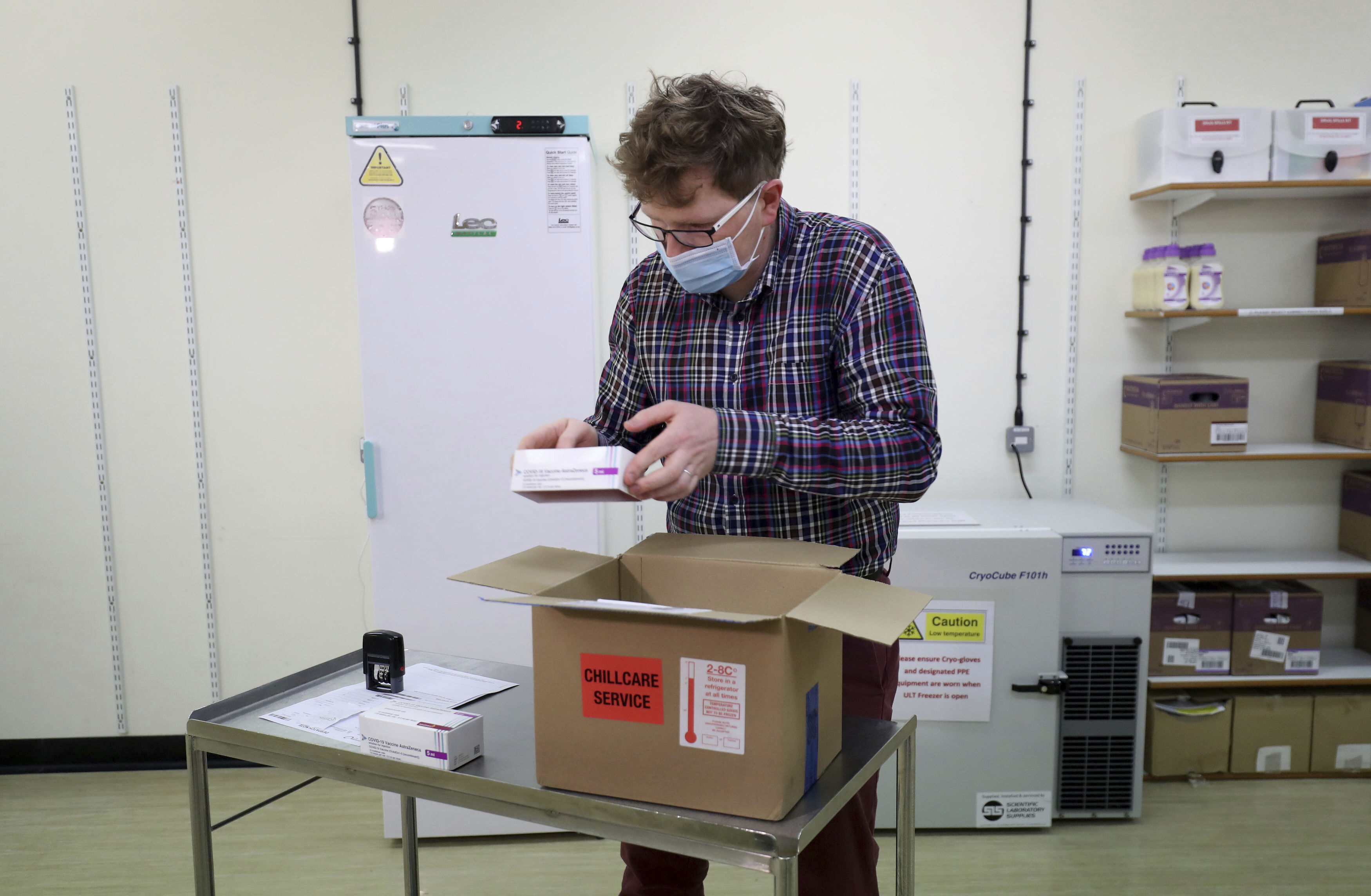
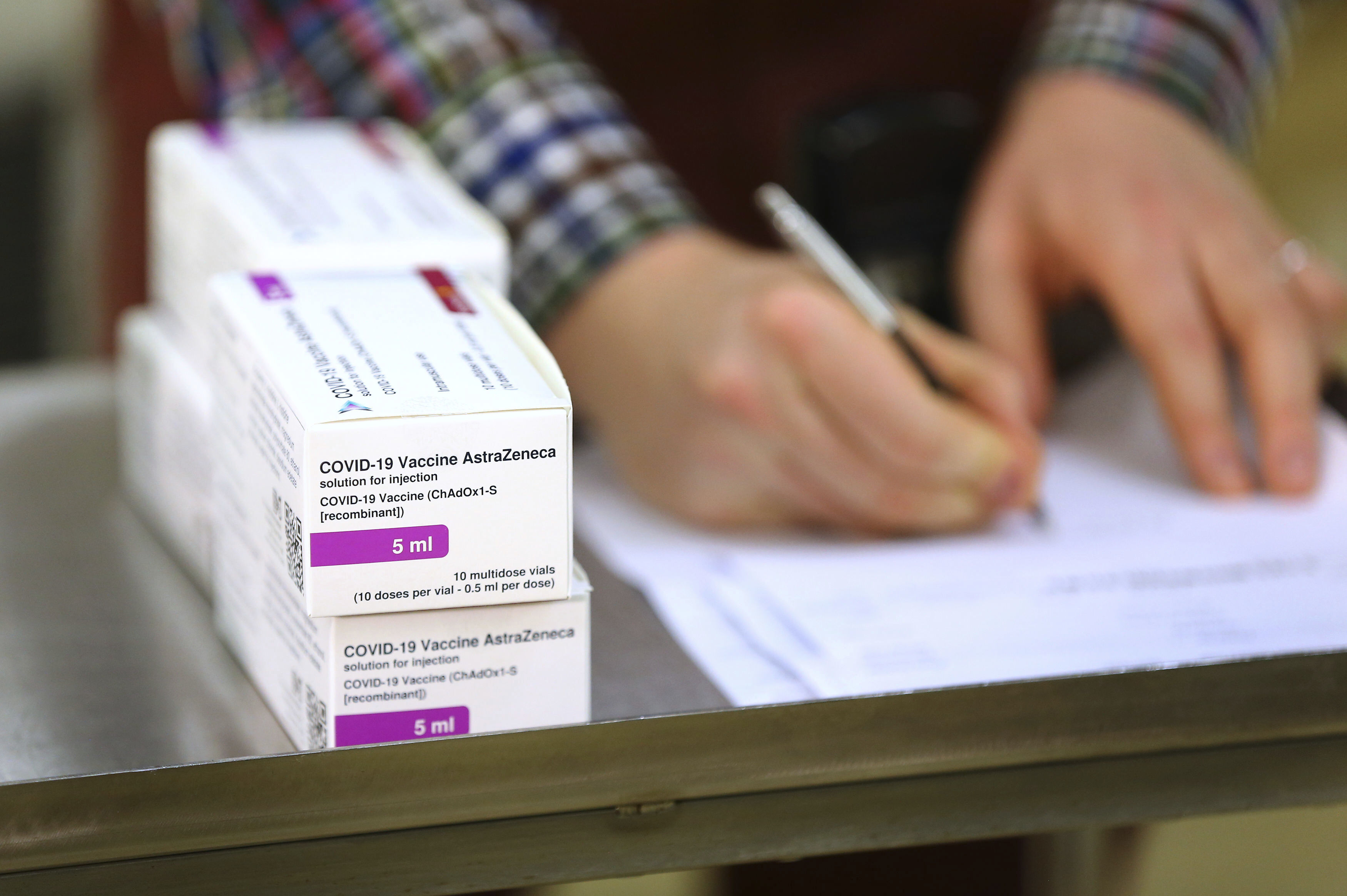
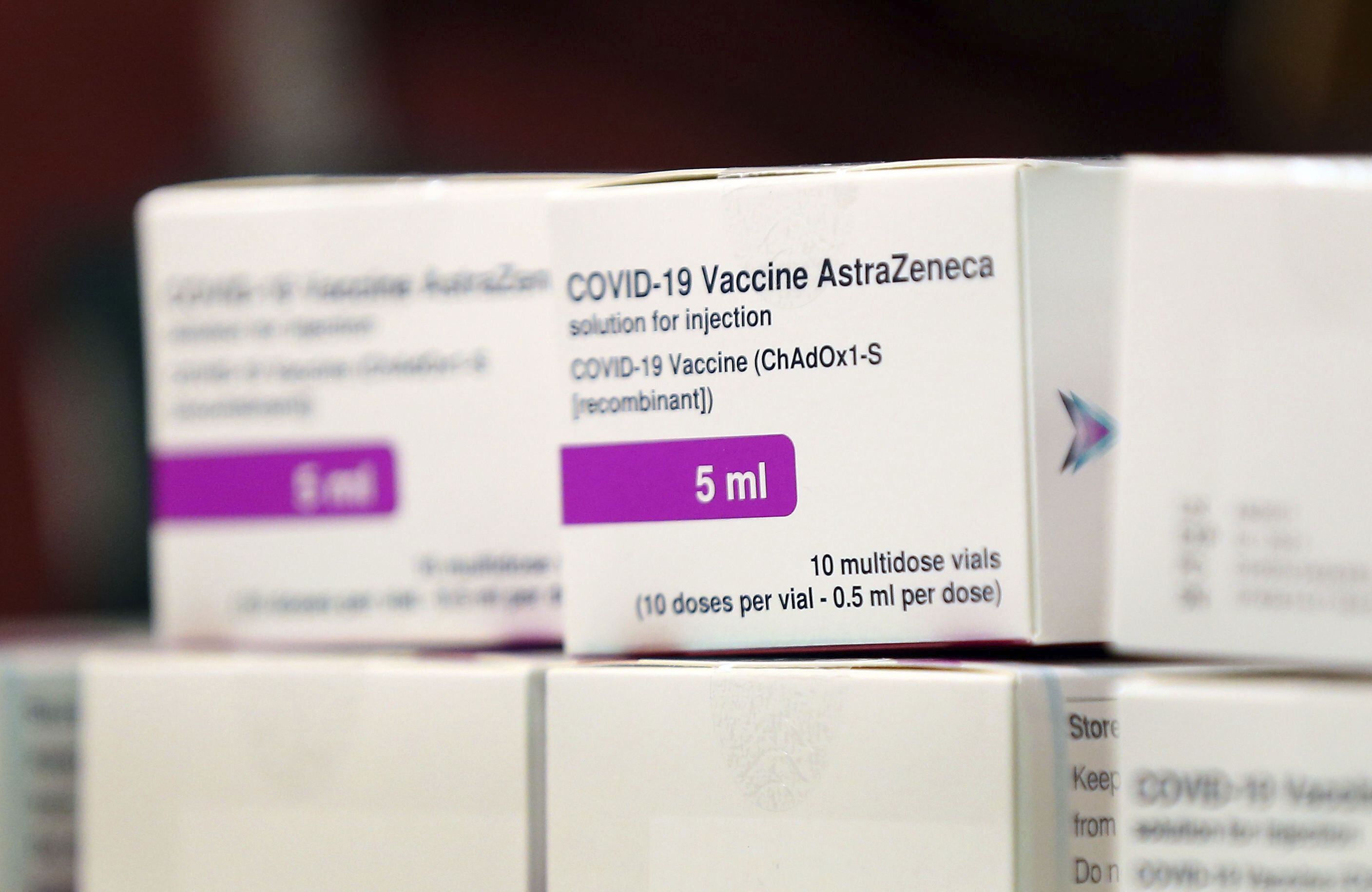
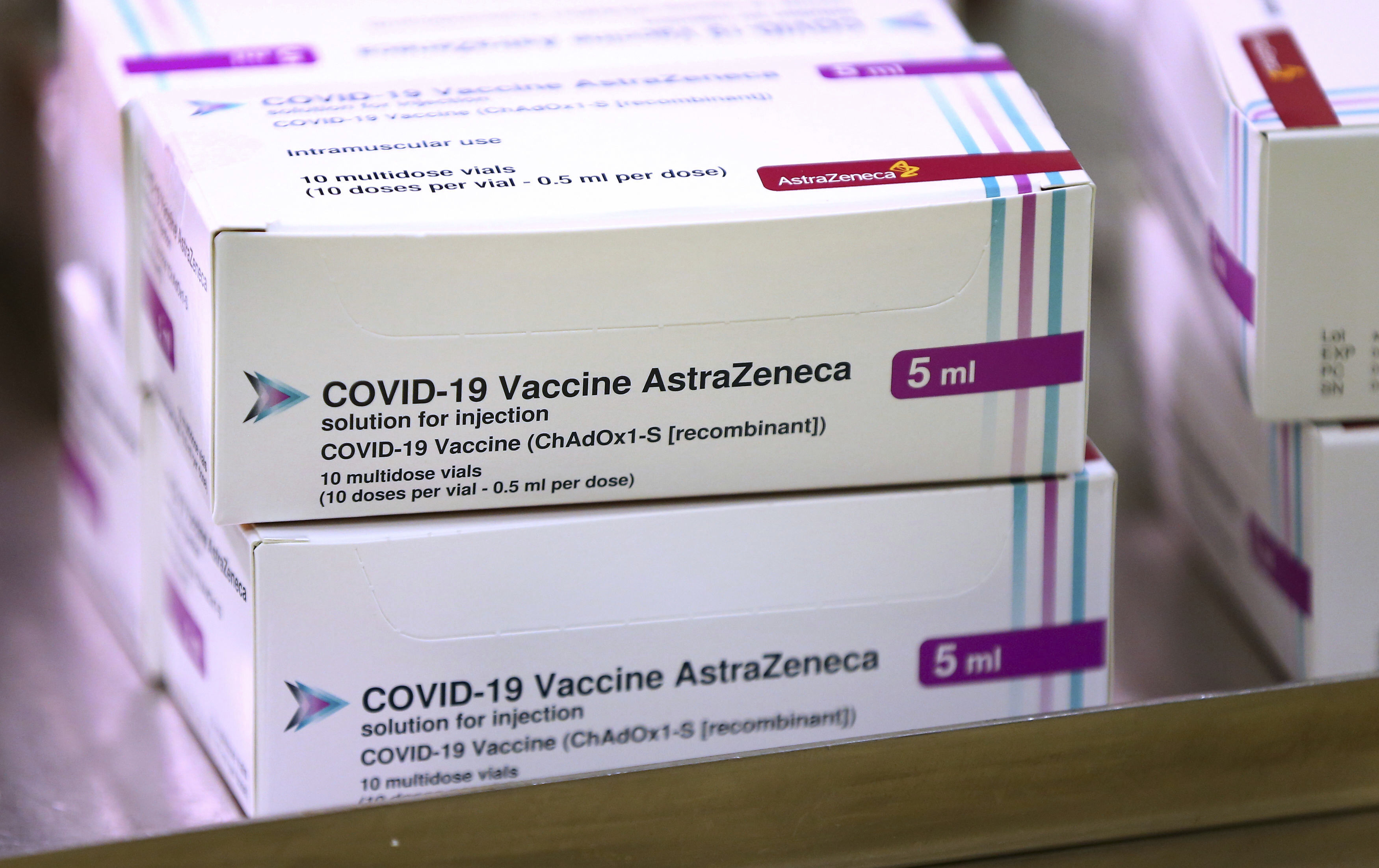
Britain has taken another giant step in the fight against COVID-19, ramping up its immunisation program by giving the first shots in the world from the vaccine created by Oxford University and pharmaceutical giant AstraZeneca.
Dialysis patient Brian Pinker, 82, was the first on Monday to get the new vaccine shot, administered by the chief nurse at Oxford University Hospital. Pinker said he was so pleased and that he can "now really look forward to celebrating my 48th wedding anniversary with my wife Shirley later this year."
Since December 8, Britain's National Health Service has been using a vaccine made by Pfizer and the German firm BioNTech to inoculate health care workers and nursing home residents and staff. The Oxford-AstraZeneca vaccine boosts that arsenal and is cheaper and easier to use since it does not require the super-cold storage needed by the Pfizer vaccine.
READ MORE: Boris Johnson warns of more UK lockdown measures as virus soars
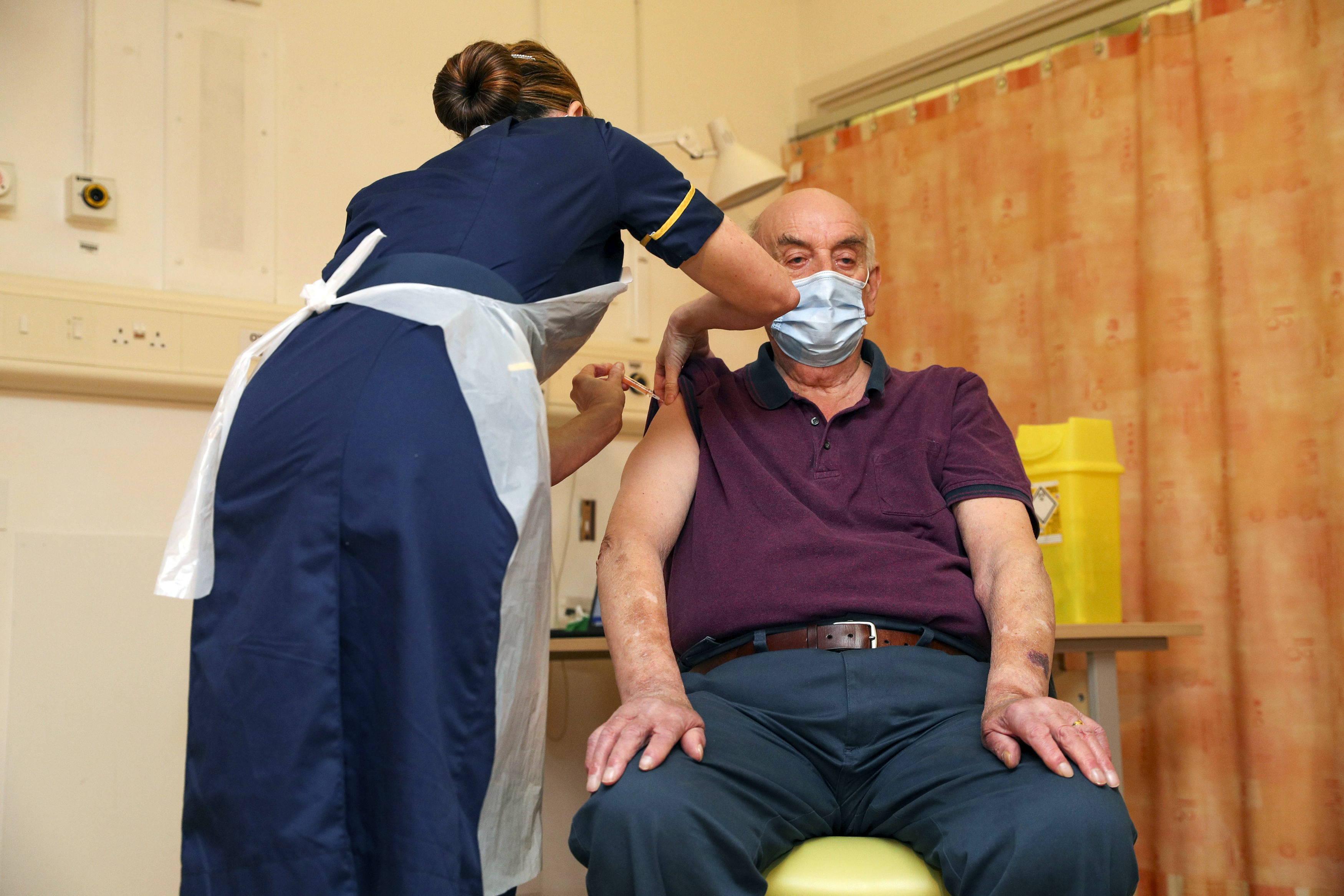
The Oxford-AstraZeneca vaccine was being administered at a small number of UK hospitals for the first few days so authorities can watch out for any adverse reactions. But hundreds of new vaccination sites — at both hospitals as well as local doctors' offices — will launch this week, joining the more than 700 already in operation, NHS England said.
In a shift from practices in the US and elsewhere, Britain now plans to give people second doses of both vaccines within 12 weeks of the first shot rather than within 21 days, to accelerate immunisations across as many people as quickly as possible.
The government's deputy chief medical officer, Jonathan Van-Tam, said Sunday that decision is "the right thing to do for the nation as a whole."
The UK is in the midst of an acute outbreak, recording more than 50,000 new coronavirus infections a day over the past six days. On Sunday, it notched up another 54,990 cases and 454 more virus-related deaths to take its confirmed pandemic death toll total to 75,024, one of the worst in Europe.
READ MORE: UK in 'eye of the storm' amid surging new coronavirus cases
British Prime Minister Boris Johnson warned Sunday that more onerous lockdown restrictions in England are likely in the coming weeks as the country reels from a coronavirus variant that has pushed infection rates to their highest recorded levels.
Johnson, though, insisted he has "no doubt" that schools are safe and urged parents to send their children back into the classroom Monday in areas of England where schools plan to reopen. Unions representing teachers have called for schools to turn to remote learning for at least a couple of weeks more due to the variant, which officials have said is up to 70 per cent more contagious.
"We are entirely reconciled to do what it takes to get the virus under control, that may involve tougher measures in the weeks ahead," Johnson told the BBC.
Johnson conceded that school closures, curfews and the total banning of household mixing could be on the agenda for areas under the most stress.
READ MORE: UK approves COVID-19 'vaccine for the world'
London and southeast England are facing extremely high levels of new infections and there's speculation that restrictions there will have to be tightened. Some areas in the region have more than 1000 coronavirus cases per 100,000 people.
Johnson's Conservative government is using a tiered coronavirus restrictions system to try to stop the spread of the virus. Most of England is already at the highest Tier 4 level, which involves closing non-essential shops, gyms and recreation centres and going to at-home instruction.
Armed offender fires shots at police from stolen vehicle before crashing in dramatic police incident in Feilding
A motorist failed to stop for police and later opened fire at officers, before carjacking another vehicle at gunpoint and crashing into a patrol car in Feilding, police say.The dramatic incident unfolded on Monday evening in Manawatū.Acting…