Rubbish left outside the transfer station has cost ratepayers $570,000.
Tag Archives: oceania
Federal politicians billed taxpayers $1.1 million for their family’s travel
Federal politicians have billed taxpayers more than $1.1 million in one year for their family's travel expenses, with the tourism minister ironically racking up the highest receipts.
Parliamentary rules allow politicians who are away from their home on official business to fly out their partner, children and other family members to them at taxpayer expense.
These family reunion travels can be to Canberra or across Australia, and also include a driver to and from the airport.
READ MORE: RBA spares cash-strapped households as rates kept on hold
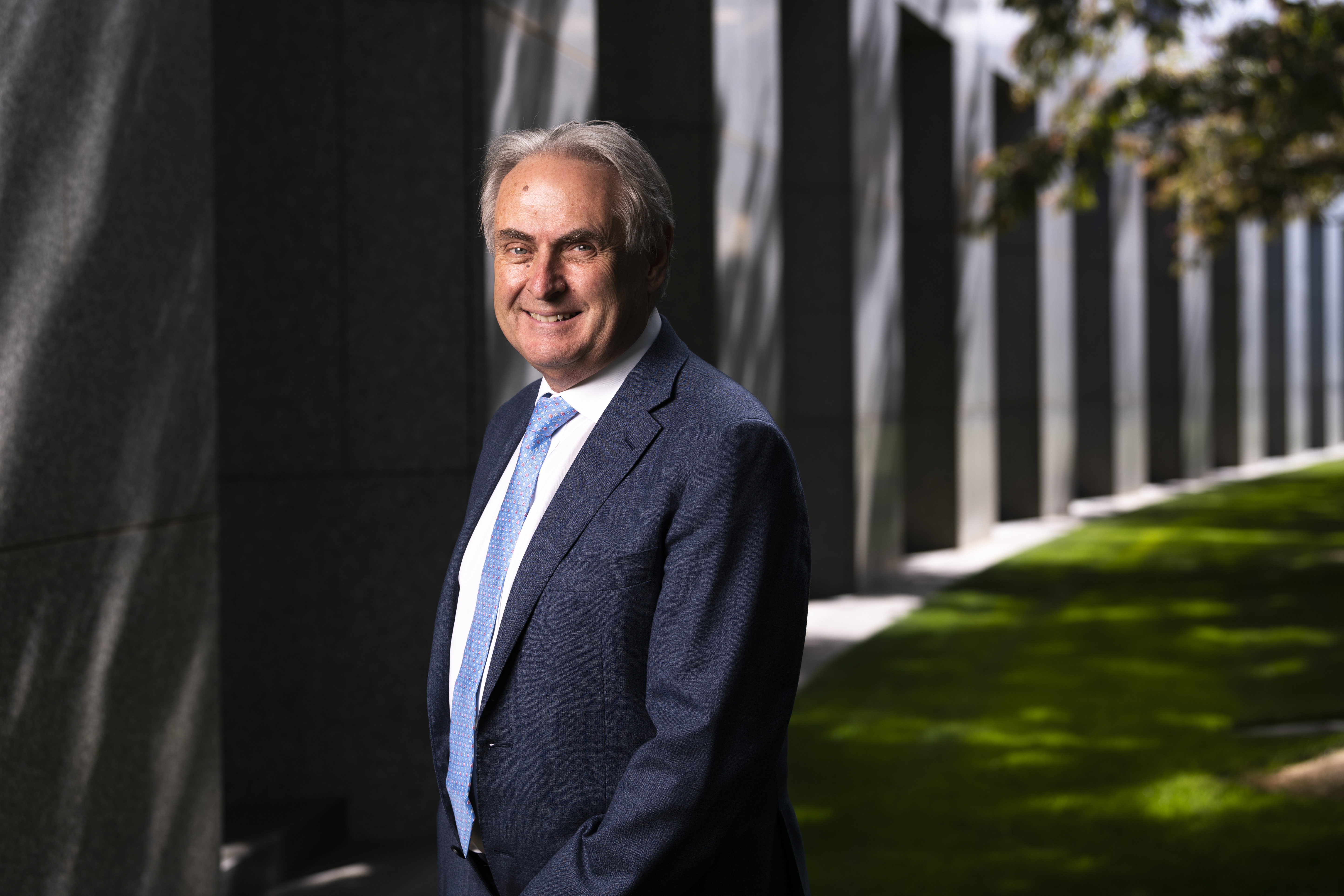
In the 2024-25 financial year, Trade and Tourism Minister Don Farrell charged taxpayers the highest amount of family travel expenses of $45,926.84.
Labor-turned-independent Senator Fatima Payman expensed $41,438.22 in that same time, followed by former opposition leader Peter Dutton with $38,772.83, and Nationals MP Andrew Wilcox with $33,758.30.
Prime Minister Anthony Albanese had the sixth-highest expenses of $30,253.08.
All up, parliamentarians have spent $1,188,909 on family travel in the last financial year.
Most of the highest-spending MPs and senators are based in South Australia, Western Australia and rural Queensland, with the longer flights likely leading to higher bills.
Since the start of the new financial year in July to September, they have already accrued $476,211.50 in family travel expenses.
Labor MP Patrick Gorman has expensed the most with $18,951.47, followed by former Liberal senator Linda Reynolds with $15,166.65 and Farrell with $14,828.67.
Data is not yet available for the August to December quarter.
READ MORE: One-in-five mortgage holders rue taking on huge home loans
Taxpayer-funded family travel has come under scrutiny after a Senate estimates hearing revealed Communications Minister Anika Wells billed more than $100,000 for a trip to New York.
Public records found that she had also spent $4000 to fly her husband to the cricket and another $3000 on a family ski trip.
Wells and her colleagues, including Albanese, have defended the expenses, saying they fell within the rules and are something all parliamentarians are entitled to.
But, as the average Joe feels the pressure of the cost of living, critics say the spending does not pass the pub test.
Wells has referred herself to the Independent Parliamentary Expenses Authority for an audit and refused the Coalition's demand to step aside until the matter is resolved.
"I absolutely accept those figures prompt a gut reaction in people, I honestly accept that. I agree with everybody that parliamentarians' expenses should be scrutinised," she told reporters.
"I have been found to have followed the guidelines so far, but for the absolute avoidance of doubt, I am happy for them to have another look."
READ MORE: Anika Wells refers herself to independent watchdog for spending audit

What are the rules around family reunion travel?
Politicians can organise reunion flights for their partner, children and eligible family members while they are on official business away from home in Canberra or across Australia at the taxpayers' expense.
With travel to Canberra, parliamentarians have a cost-based limit of nine business-class return flights for their partner and three economy-class return flights for their children a year.
With travel across Australia, they have a limit of three business-class return flights for the entire year.
The family of a parliamentarian can also have the taxpayer foot the bill for a driver to and from the airport.
Their children who are not accompanied by the parliamentarian, their spouse or a nominee must use a taxi or rideshare to travel to the airport. That cost is then reimbursed.
Family reunion travel is to help balance the parliamentarian's family life and is acceptable under parliamentary rules.
The Independent Parliamentary Expenses Authority oversees family reunion travel.
DOWNLOAD THE 9NEWS APP: Stay across all the latest in breaking news, sport, politics and the weather via our news app and get notifications sent straight to your smartphone. Available on the Apple App Store and Google Play.
Australia’s richest person loses bid for rooftop helipad
A bid by mining magnate Gina Rinehart to construct a rooftop helipad at the Perth headquarters of her company has been rejected by local councillors.
City of Perth councillors backed recommendations from planning officials and voted six to two in opposing the application at a council meeting last night.
Rinehart, the richest person in Australia, had sought to include a helipad designed to hold a Bell 429 helicopter on top of Hancock Prospecting's revamped headquarters in West Perth.
LIVE UPDATES: Under-16 social media ban kicks in
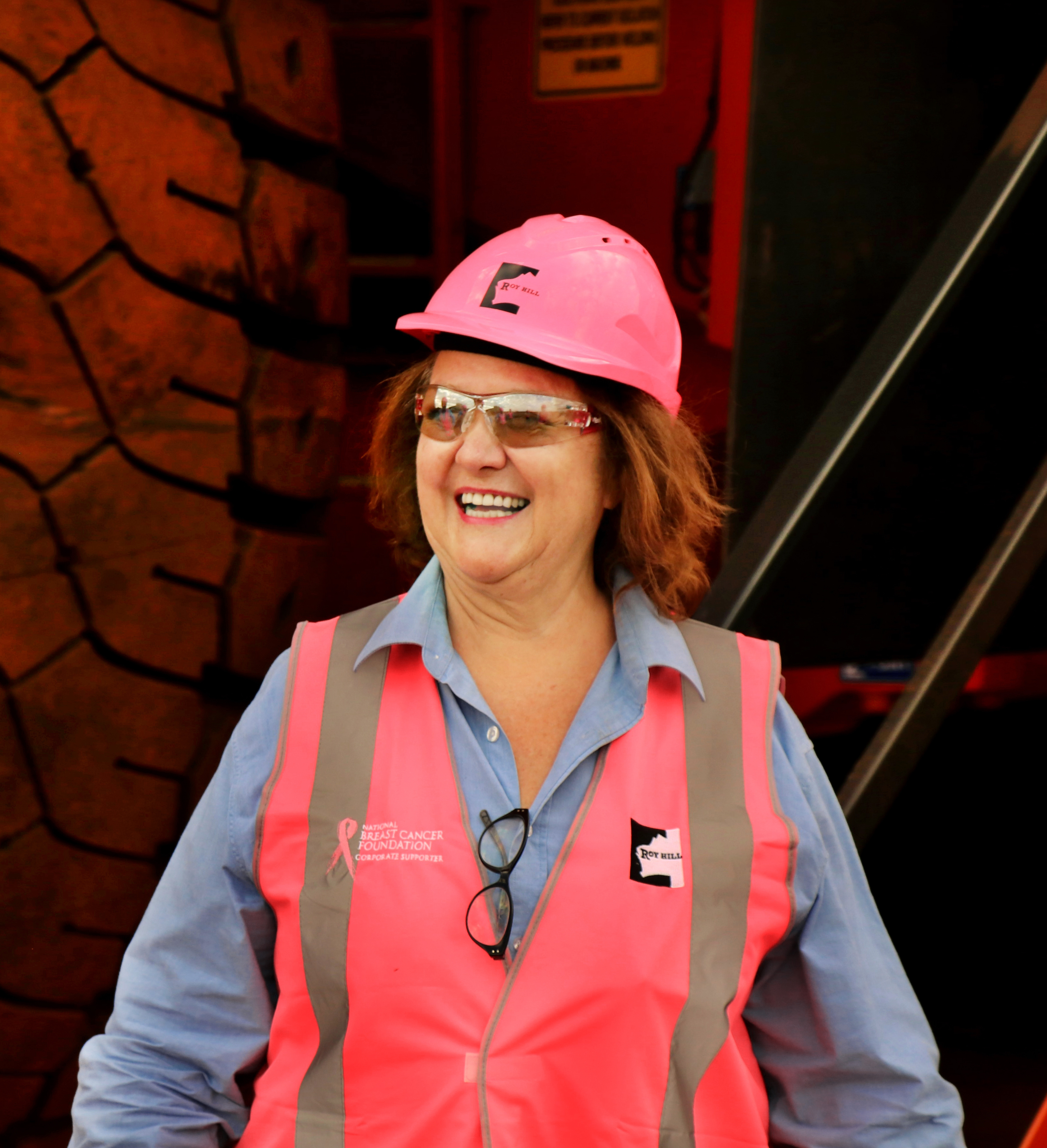
Hancock said the helipad would be used only a maximum of 12 times every year.
Noise impact from the helicopter would be limited to a few minutes during landing and take-off, the company said.
But council planning chiefs decided to oppose the application, arguing noise levels could not be eased and the helipad would impact nearby residential land.
Among the councillors who voted for a motion against the application was Lord Mayor Bruce Reynolds.
He told the meeting that Rinehart was an "amazing Australian", but backed planners' concerns about noise and environmental impacts.
A Hancock Prospecting spokesperson said the outcome of the meeting was disappointing and the company would consider further options.
READ MORE: In two words, Trump has handed Putin a gift that could turn the war

They pointed to a telephone poll conducted by the 6PR radio station in Perth last week that showed strong public backing for the helipad proposal.
The spokesperson also restated the company's stance that public safety would not be impacted and environmental impacts would be kept to a minimum.
"Independent technical assessments confirmed noise would not exceed existing ambient noise levels for the area, in fact, even reaching the highest current ambient noise level would occur for less than one minute per month – and only during daytime hours," they said.
"Other expert technical reports addressing aviation safety and wind downwash confirm the helipad can operate safely and appropriately within the existing and future inner-city context."
The spokesperson said Perth had missed an opportunity to showcase itself as a global mining and business hub, arguing other international cities had helipads.
"Rooftop helipads are commonplace in major and premier CBDs around the world including New York, London and Tokyo."
DOWNLOAD THE 9NEWS APP: Stay across all the latest in breaking news, sport, politics and the weather via our news app and get notifications sent straight to your smartphone. Available on the Apple App Store and Google Play.
‘This country is a joke’: Speculation over future of beloved Christmas tradition
Fire and Rescue NSW has hosed down suggestions its annual Christmas lolly run is in jeopardy after several stations announced the beloved tradition would change format.
Residents in the NSW Hunter region expressed their anger and disappointment after the stations explained the format would be updated after a review raised safety concerns.
The posts led to online speculation the event would be cancelled altogether in the future.
READ MORE: 'Shocked to the core': Beloved Christmas tradition scrapped in Sydney
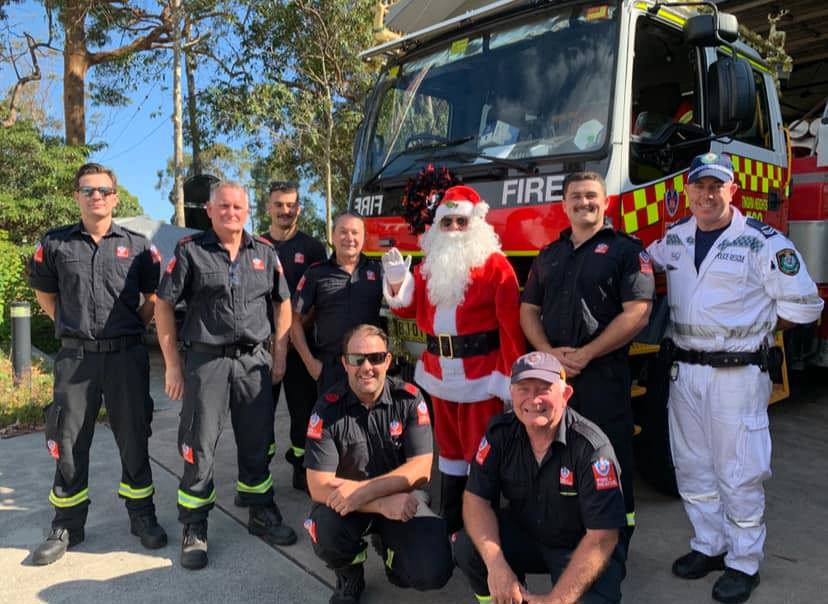
"Our organisation has highlighted the risk of harm to the public caused by the throwing of lollies from our appliances," one station posted on social media.
"It was also highlighted to our firefighters that we may be committing various criminal offences in the act of throwing lollies.
"Therefore we will not be driving the streets as we have done.
"The concern isn't the lollies themselves, but the risk of someone running onto the road or close to traffic to chase them."
The stations said they would make adjustments to the format of their lolly runs.
"You can still grab lollies, they'll just be handed out at our stopping points instead of being thrown from the truck," one station said.
"You might leave with a sweet treat and a friendly reminder to check your smoke alarms but you won't be dodging flying Minties this year."
READ MORE: In two words, Trump has handed Putin a gift that could turn the war
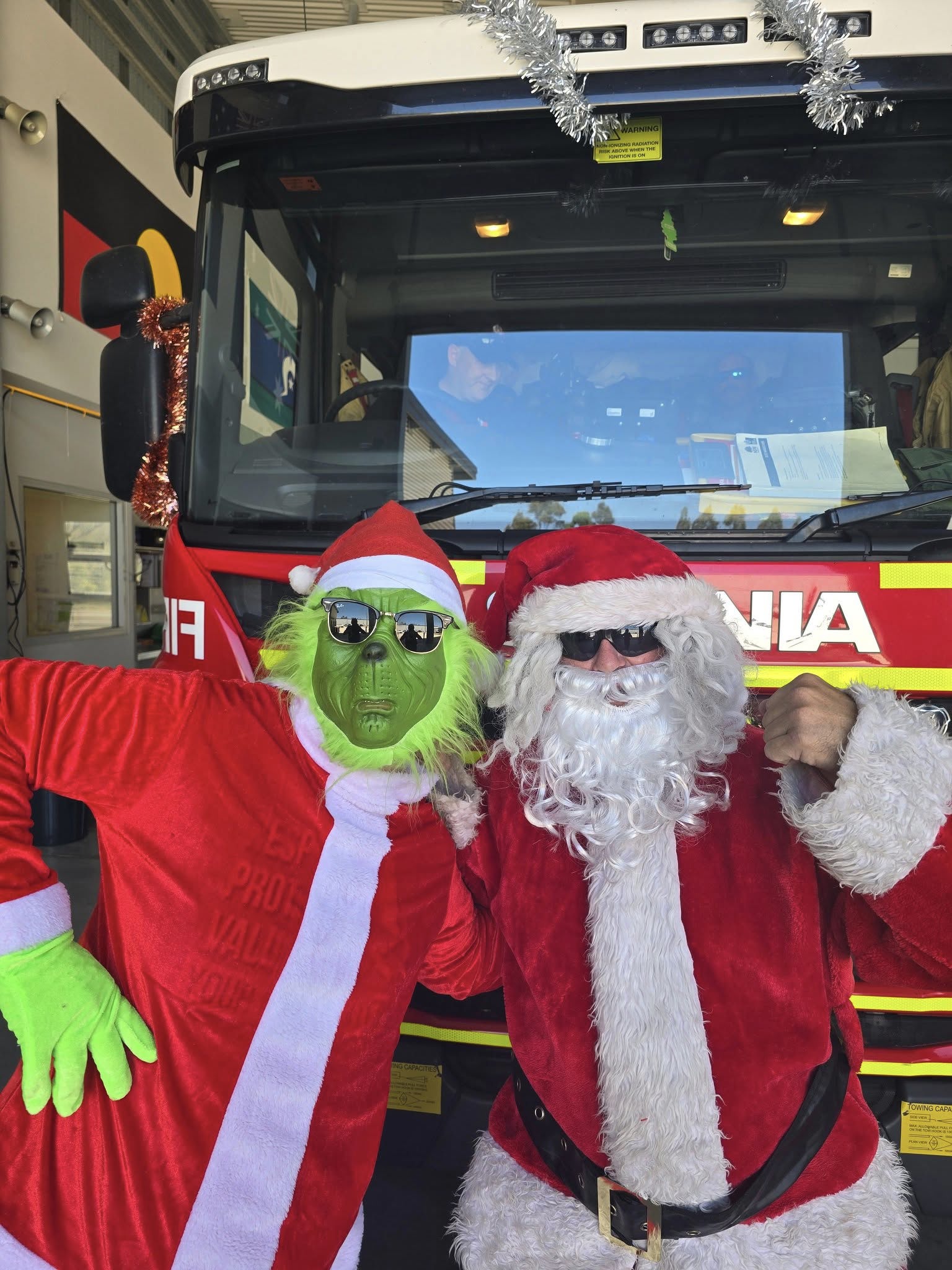
Residents expressed their appreciation for the hard work of firefighters but voiced their disappointment with the changes.
"This country is a joke!" one resident said.
"Who's complained this time," another person said.
"I always knew my childhood trauma was caused by a rogue Chupa Chup or musk stick thrown by Santa on the Christmas lolly run. Sad that littles these days will miss out on this tradition," a third resident said.
A Fire and Rescue NSW spokesperson reassured families the event would go ahead as it had in previous years and insisted the rule had been in place since 2023.
"For more than 50 years, the Fire and Rescue NSW Christmas lolly run has been a much-loved tradition in our community," the spokesperson said in a statement.
"We're proud of the connection it's created between our firefighters and local families.
"At this time of year, FRNSW is reminding firefighters not to throw lollies from their trucks.
"This is to prevent children running towards moving vehicles, reduce the risk of accidental injury, and to ensure we meet food safety and legal requirements.
"This approach has been taken since 2023.
"FRNSW can assure the community the lolly run will maintain its pride of place this Christmas."
DOWNLOAD THE 9NEWS APP: Stay across all the latest in breaking news, sport, politics and the weather via our news app and get notifications sent straight to your smartphone. Available on the Apple App Store and Google Play.
Why the weather in Antarctica could lead to greater bushfire risk in Australia
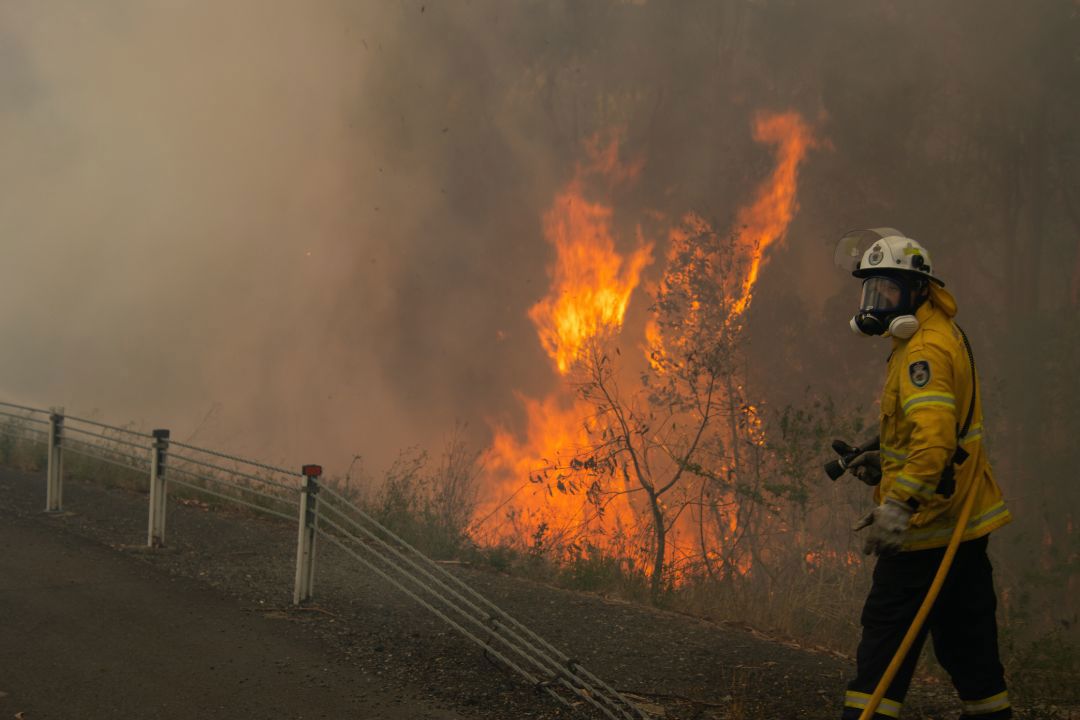
Rare warmer weather above Antarctica in spring has led to a greater risk of bushfires in three Australian states, experts warn.
Antarctica experienced a Sudden Stratospheric Warming (SSW), meaning parts of New South Wales, Victoria and Western Australia experienced less rain than usual, as well as hot and dry winds.
This means the environment is drier and fuel loads are higher, increasing bushfire risks in these areas.
Live Updates: Teen accounts won't 'magically disappear', eSafety boss says
An SSW refers to a rapid increase in the temperature over a polar region, which disrupts the polar vortex, powerful winds that flow around Antarctica.
As a result, eastern parts of Australia experienced less rainfall than usual, but southern and western parts of Australia had higher rainfall as the polar winds moved further west.
It will also impact weather in the summer months.
"Much of Australia should experience a warmer than normal summer," Weatherzone's Ben Domensino said.
"While the recent SSW brought healthy rainfall to parts of Australia's southern states, NSW and Qld experienced a number of very hot, dry and windy spells in spring. This has helped dry out the landscape, elevating fire fuel loads for summer."
READ MORE: Man accused of throwing grenade during home attack in suburban street
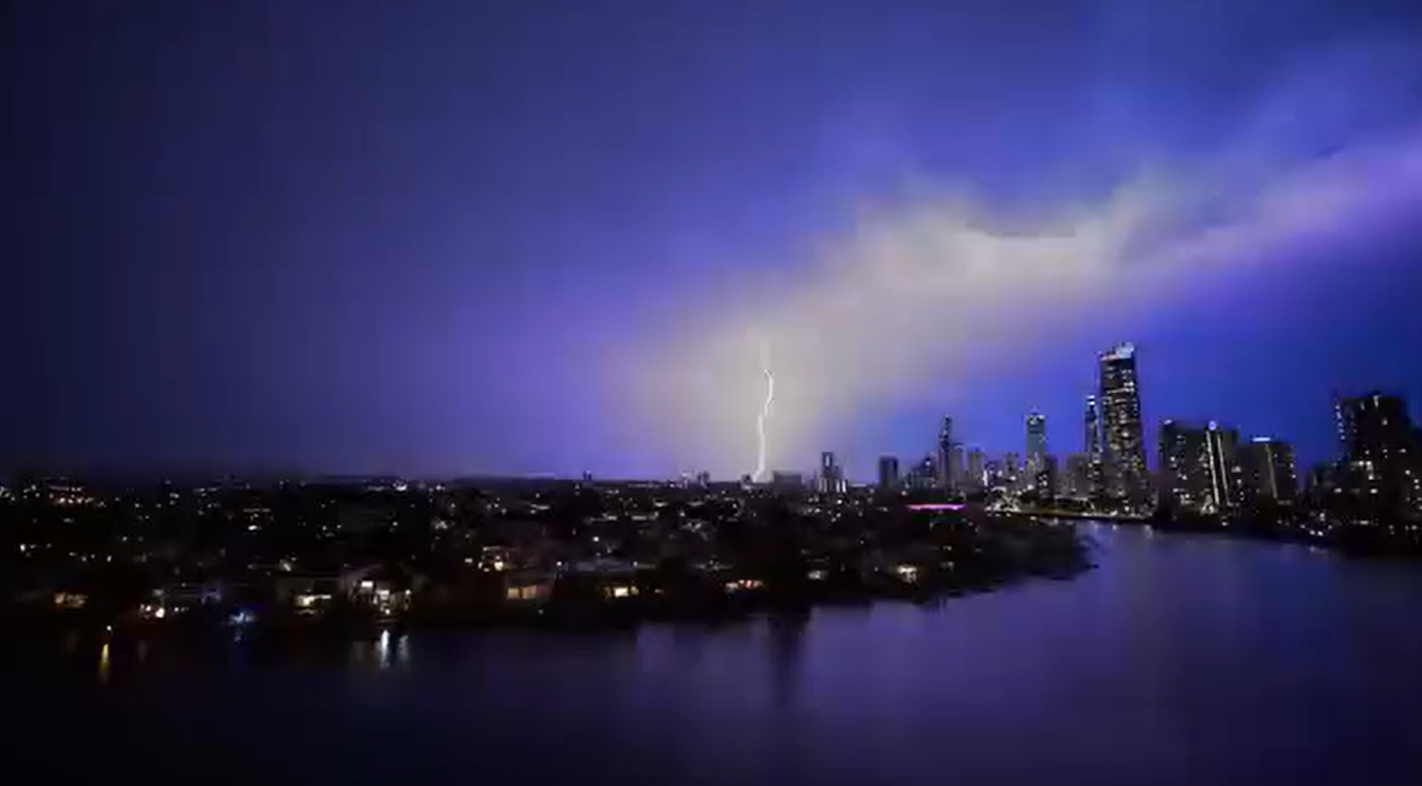
Fire danger is likely to be higher in New South Wales, as well as southern and central Queensland in December.
Parts of Australia will actually experience wetter summers due to weak La Nina conditions on the eastern seaboard.
Domensino warns this could actually increase the chance of bushfires in some regions.
"Lightning has the potential to ignite fires, especially across dry landscape, as they have already done numerous times this season," he said.
DOWNLOAD THE 9NEWS APP: Stay across all the latest in breaking news, sport, politics and the weather via our news app and get notifications sent straight to your smartphone. Available on the Apple App Store and Google Play.
‘Shocked to the core’: Beloved Christmas tradition scrapped in Sydney
Sydney residents have lashed out at David Jones after its iconic Christmas window display was abruptly scrapped this year.
Hornsby Heights father Phil told radio station 2GB the decision shattered a family tradition he had passed down to his seven-year-old daughter Lucy.
"I went around Elizabeth Street, went around Castlereagh Street, went around Market Street – no Christmas windows," he told 2GB radio host Clinton Maynard.
READ MORE: Australia Post warns of 'porch pirates' stealing Christmas parcels
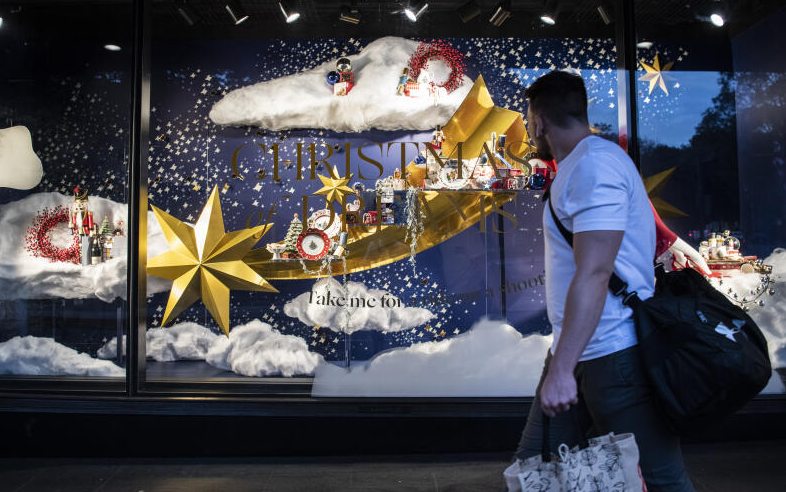
"What I find shocking is this has been a tradition of David Jones for the last 70 years.
"I was going back through the archives, I found a photo from 1952 of kids gathering around there.
"My mother used to tell me about my grandfather taking her down when she was a little girl, so this is something that's been going on for so long.
"It's such a tradition and I think it's a real loss for Sydney's Christmas.
"Melbourne's Myer is still running Christmas windows so I'm just shattered we're not doing it here."
The father said he asked staff and he was told the store wasn't doing the window this year.
"That's a small sentence, but for me it carries a big loss," he said.
"This is about community and sharing the joy of Christmas time that Sydney families have enjoyed for decades."
READ MORE: Shannon's visa hangs in the balance over crimes she didn't commit
The department store told the radio station it has opted to feature its loyalty program mascot Domino the Dalmatian which fits in with its theme, "A very rewarding Christmas".
One caller Denise said she regularly visited the department store to view the Christmas display.
"I was just shocked to the core when I heard about DJs in the city," she said.
"I was that upset that I went on their website and put a nice review on there for them."
Listener Ros told Maynard she was "disappointed" by the lack of decorations.
"What a load of crap with the Dalmatians, excuse my French," she said.
"We all love Dalmatians but they don't have a lot to do with Christmas, with respect to those wonderful dogs," Maynard said.
Caller Louise said she preferred the Christmas decorations in the Melbourne CBD.
"I try not to be outraged too much," she said.
"My husband and I were in Melbourne, we were very lucky to watch the Australian Open golf on the weekend, and we went into the Melbourne CBD yesterday and it felt so lovely for Christmas.
"I begrudgingly said to my husband, 'Wow, Melbourne just does it so much better'," she said.
A David Jones spokesperson said the team understood "how deeply sentimental the Christmas windows are for many families and truly appreciated the feedback".
"This year, we're celebrating A Very Rewarding Christmas – a season all about the joy of giving, cherishing moments with loved ones, and enjoying the benefits of our new loyalty program," the spokesperson said.
"To reflect this theme, the Elizabeth Street windows feature Domino the Dalmatian, our symbol of loyalty, brought to life through animation in our campaign.
"While the windows look different, the Christmas magic continues in-store with the Santa Experience, the Christmas Shop, the David Jones Choir, and our Christmas Shopping Festival on 11 December.
"We greatly value our customers' feedback and will carefully consider it as we plan future Christmas experiences."
DOWNLOAD THE 9NEWS APP: Stay across all the latest in breaking news, sport, politics and the weather via our news app and get notifications sent straight to your smartphone. Available on the Apple App Store and Google Play.
Bull and horses caught wandering into the home of Aussie politician
A politician from the Northern Territory had some surprise visitors in his house after a bull and a horse were caught sneaking in through an open door.
Andrew Mackay, who is a Country Liberal MP for the Northern Territory electorate of Goyder, shared a video of several farm animals gaining access to his home via a backdoor that had been opened by his pet dogs.
The pet camera initially showed two of his dogs pushing the sliding door open with their noses to get outside, leaving it slightly ajar.
LIVE UPDATES: Under-16 social media ban kicks in
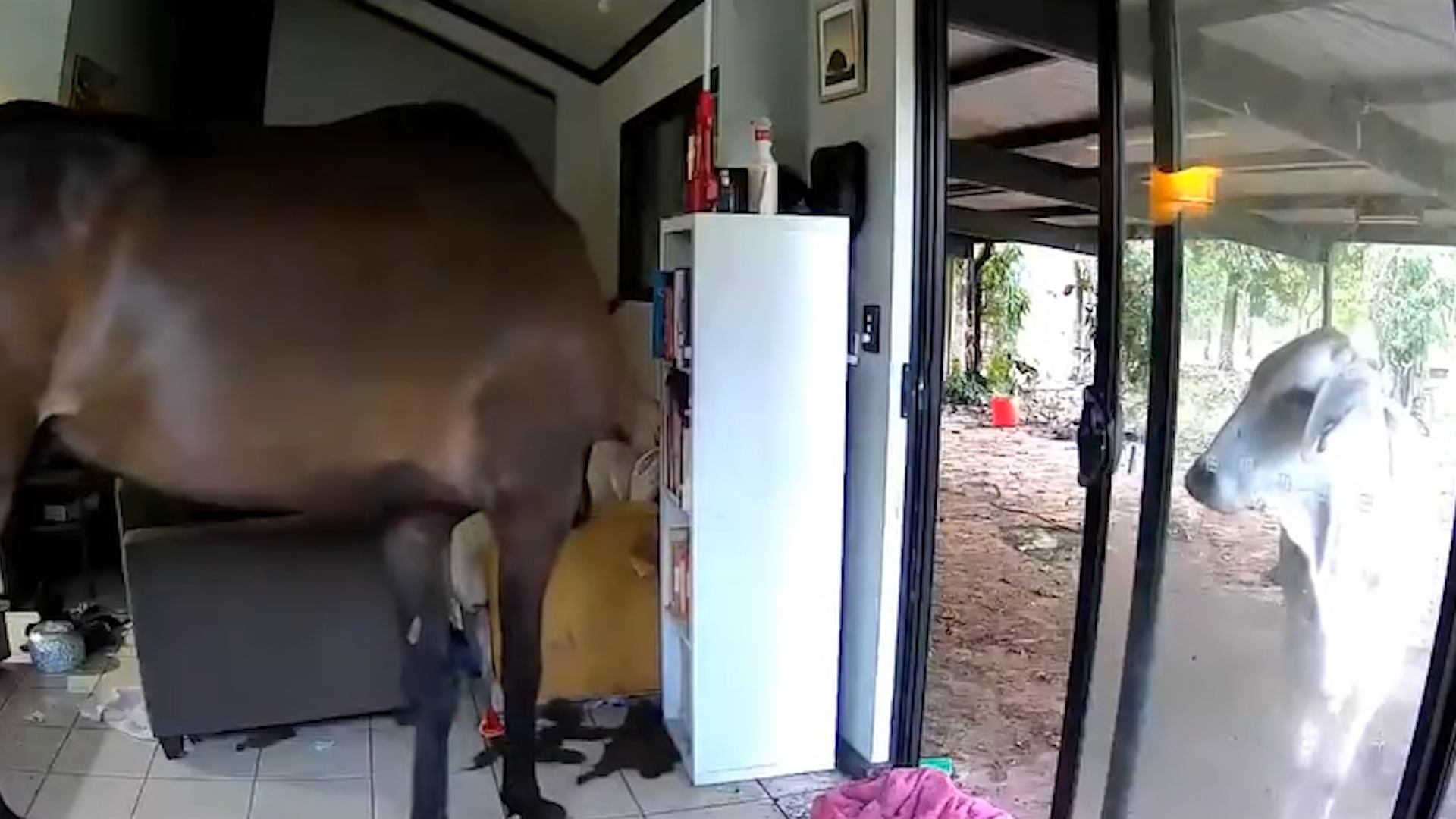
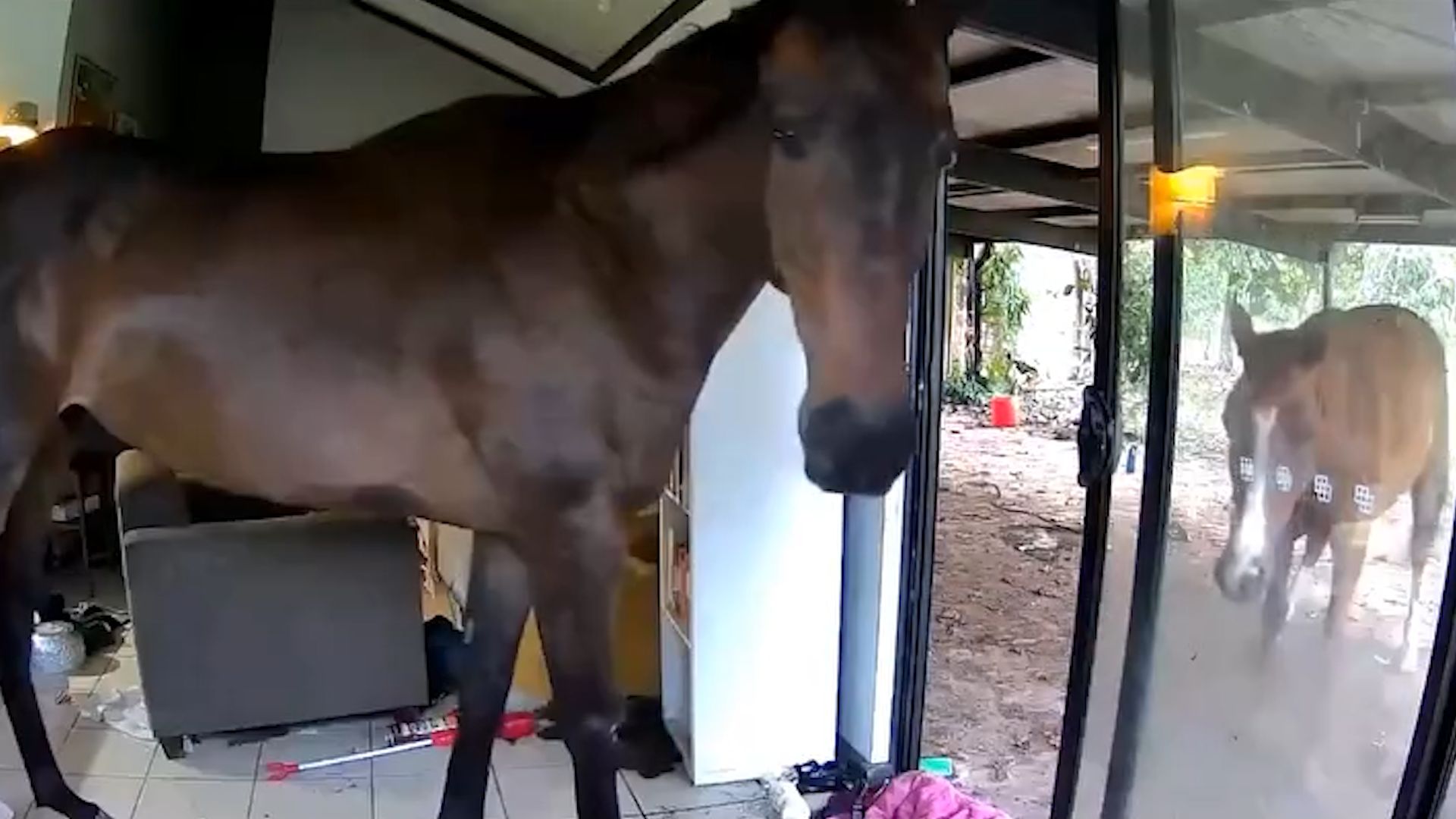
A large white bull was then seen poking his head through the door, before stepping fully inside the room.
A horse then follows suit, with both animals having a curious wander around what appears to be a living room.
Another horse is also seen on the camera standing outside the door, but it is unclear if they also ventured into the house.
Mackay, who posted the video to his official Facebook account, was able to see the funny side of the situation despite the potential dangers of a bull walking around his home.
"Note to self: The dogs can't be trusted with door security…" the post read.
OPINION: There is one simple reason why the social media ban will fail
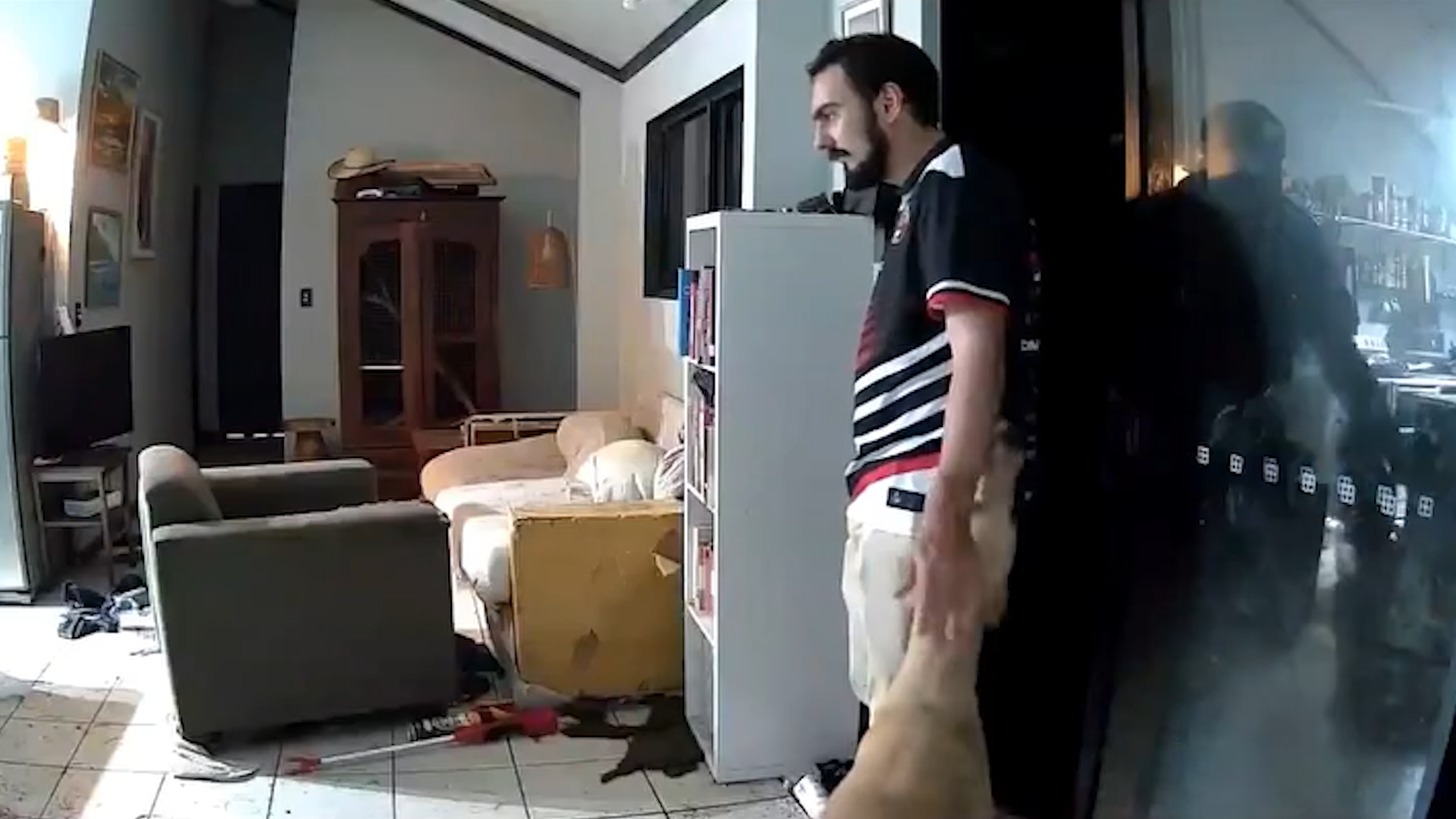
"Dinner finished early last night when I decided to check the pet cam to find Thunder figured out how to nuzzle open the door."
The end of the video taken later that night shows Mackay surveying the mess the animals made, with one of his dogs beside him.
He said there was no major damage and that all animals in the video were unharmed, but he still had some concerns they may return.
"Now the outside animals know what aircon feels like and will no doubt try again," he said with a hint of humour.
DOWNLOAD THE 9NEWS APP: Stay across all the latest in breaking news, sport, politics and the weather via our news app and get notifications sent straight to your smartphone. Available on the Apple App Store and Google Play.
FIFO worker mysteriously disappears after failing to board flight
A 25-year-old FIFO worker has disappeared after failing to board a flight to a posting in Western Australia's Pilbara region.
William Carter made the short travel from Kelmscott to Perth Airport to board a flight to Karratha on Saturday to start working at a mine site.
His mother, Jenny O'Byrne, last saw him outside terminal 3 about 12.40pm.
READ MORE: Aussie kids are officially booted from social media today. What now?
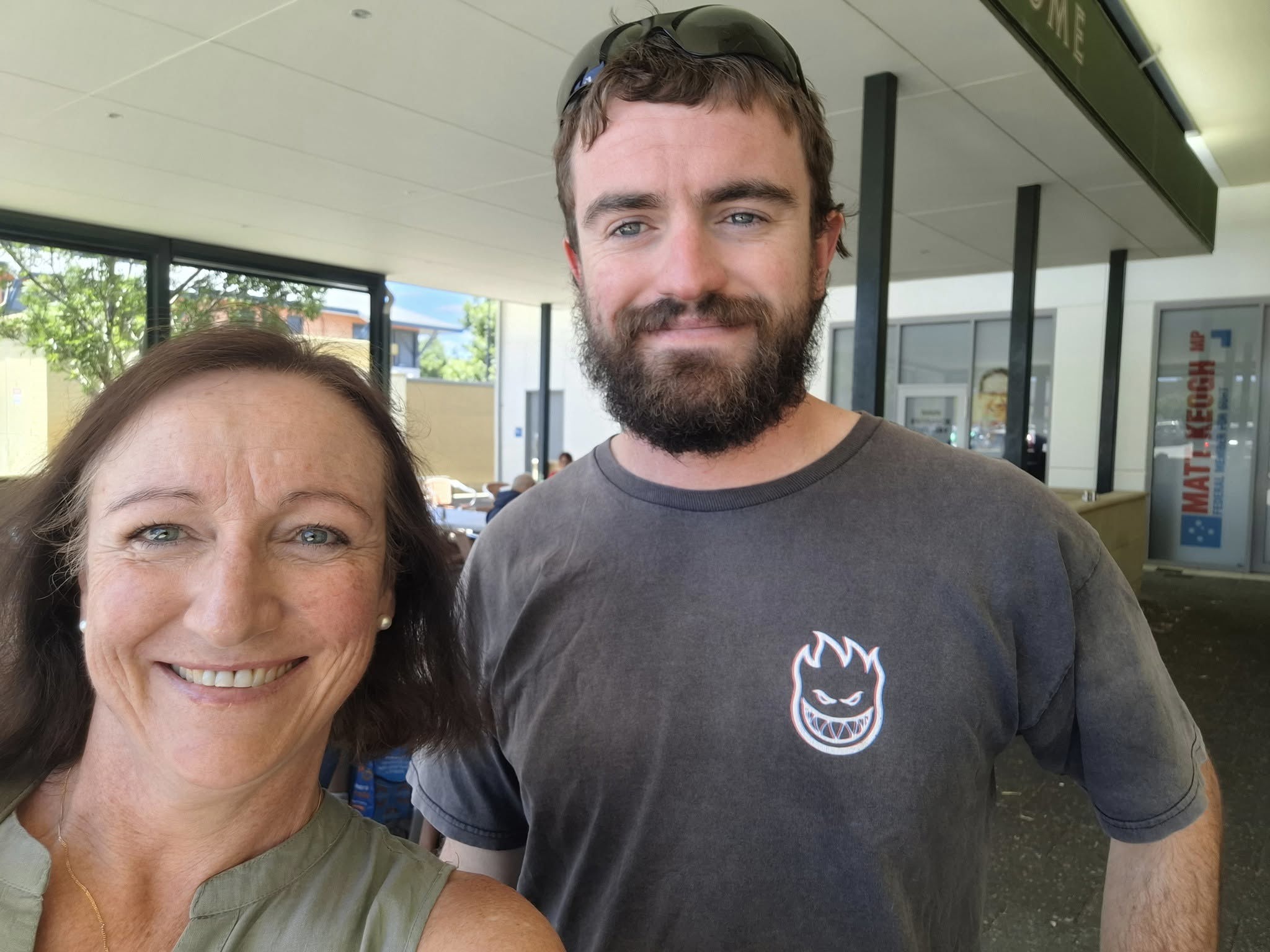
But he never made the flight and has not been seen or heard from since.
O'Byrne said she has serious concerns for his health in a public appeal for information.
She shared a photo they took together at Kelmscott Dome before heading to Perth Airport, before he went missing.
Carter is described as about 174cm tall with a slim build, brown hair and blue eyes.
Anyone who has information on his whereabouts is urged to contact police on 131 444.
DOWNLOAD THE 9NEWS APP: Stay across all the latest in breaking news, sport, politics and the weather via our news app and get notifications sent straight to your smartphone. Available on the Apple App Store and Google Play.
The NDIS is introducing computer-generated plans. Here’s what that means
Reports of computer-generated NDIS plans have been circling for weeks, leaving some participants and their families worried.
The new plans appear to be part of cost-cutting efforts at the NDIS, which is projected to cost Australia $52.3 billion in the 2025-26 financial year.
But what is the new I-CAN assessment tool, how will these computer-generated NDIS plans work, and when will they come into effect?
Here's what we know so far.
READ MORE: How Australia's world-leading social media ban will be enforced

What are NDIS computer-generated plans?
Talk of "computer-generated NDIS plans" refers to the new digital tool the NDIS will soon be implementing to help determine participant funding.
In October, the government announced changes to how budgets are determined for NDIS participants.
Under the new method, budgets will be decided based on a Support Needs Assessment.
The base of the assessment will be formed by the Instrument for the Classification and Assessment of Support Needs (I-CAN) tool.
Developed by the University of Melbourne and the Centre for Disability Studies, the I-CAN tool has been used in the Australian disability sector for 20 years.
The I-CAN tool is a computer program, but it's not AI.
"The Support Needs Assessment is not automated and does not use artificial intelligence," a National Disability Insurance Agency (NDIA) spokesperson told 9news.com.au.
"Decisions about a participant's needs will be made by a real person.
"Assessments will be conducted by trained assessors and plans will always be approved by real people who are trained NDIA staff."
When will the new NDIS computer-generated plans start?
"From mid-2026, the NDIS planning process will begin changing to make it fairer, more consistent and easier for participants," an NDIA spokesperson said.
The I-CAN planning model will be rolled out in stages, according to The Guardian.
The NDIA is reportedly conducting participant and staff information sessions now.
How does the I-CAN tool calculate my budget?
The I-CAN tool will be used in conjunction with in-person assessments to produce a Support Needs Assessment and develop participant budgets.
An NDIS participant will first meet with a trained assessor who will work to understand their life and disability support needs.
The participant can bring family, support people or carers to the meeting.
A new personal and environmental circumstances questionnaire will also be used to collect additional information about the participant's support needs.
In some cases, where the participant's needs are more complex, reports from their treating health professionals may also be submitted.
Information gathered by the assessor will be checked with the participant and their carers and put into the I-CAN tool.
It will then cost the participant's support needs and provide a budget or funding package.
All budgets produced using the I-CAN tool must be approved by an NDIS staff member.
However, NDIS staff cannot make any changes to a budget generated by I-CAN, according to reports.
Staff can only request a new assessment from the I-CAN tool using different inputs.
A spokesperson for the NDIA, which administers the NDIS, said the new method would ensure more consistent collection of information and inform fairer plan budgets.
"This planning process uses a person-based and strengths-based approach that will result in simpler plans with more flexibility," they said.
"It will also reduce the need for participants to collect and pay for expensive reports."
The spokesperson also said NDIA staff will spend more time with participants under the new framework.
READ MORE: The $1200 seatbelt crime countless Aussies have committed without even realising

What if I disagree with my NDIS computer-generated plan?
Participants still have the right to request a review of their plan, either internally or through the Administrative Review Tribunal (ART).
An internal review may involve conducting another assessment using the I-CAN tool.
If a participant is still unsatisfied, they can request a review through the ART.
However, tribunal members will reportedly no longer have the power to directly amend an NDIS participant's plan if they believe it's incorrect.
More than 7000 new cases of participants appealing NDIA decisions were brought before the ART in the 2024-25 financial year alone.
That figure represented a 76 per cent increase year on year.
DOWNLOAD THE 9NEWS APP: Stay across all the latest in breaking news, sport, politics and the weather via our news app and get notifications sent straight to your smartphone. Available on the Apple App Store and Google Play.
Trump hammers Europe as ‘weak’ and ‘decaying’ in gift for Putin
US President Donald Trump's emissaries to the Kremlin may have been spinning their wheels during talks last week in Moscow on a possible Ukraine peace deal, but the Russians can now press a new advantage: the deepening divisions between Washington and Europe.
Overnight, Trump doubled down on his administration's criticism of Europe, saying in a newly published interview with Politico that European nations were "weak" and "decaying" because of their immigration policies.
He also argued that Russia had the "upper hand" in its war on Ukraine and that it was time for Ukrainian President Volodymyr Zelensky to "start accepting things" when it comes to efforts to end the conflict.
READ MORE: Aussie kids are officially booted from social media today. What now?
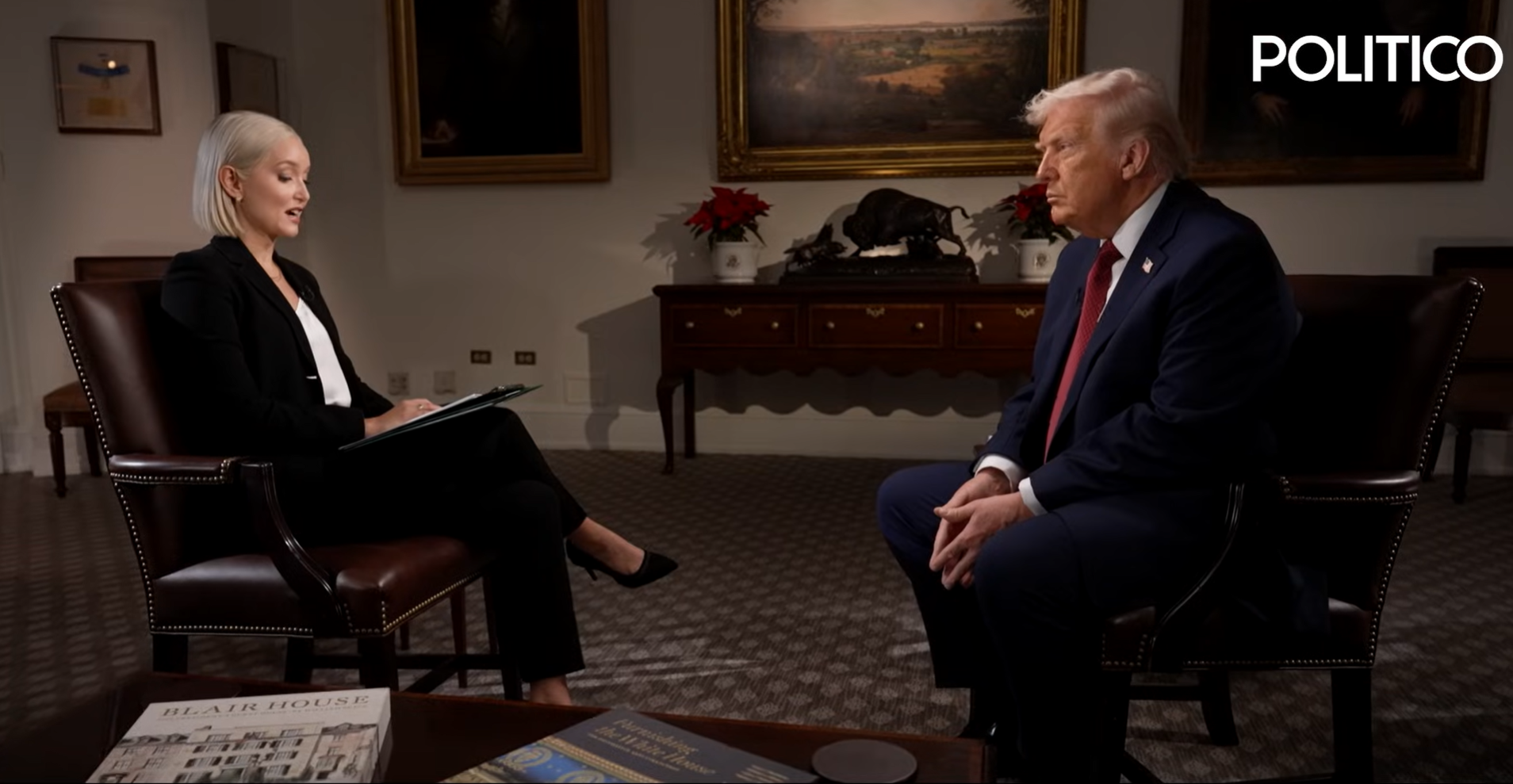
"He's going to have to get on the ball and start accepting things, you know, when you're losing," Trump said.
The US president's remarks followed the release last week of a new national security strategy that aimed a broadside at European governments for their support for Ukraine, blaming "European officials who hold unrealistic expectations for the war" for standing in the way of a peace deal.
"A large European majority wants peace, yet that desire is not translated into policy, in large measure because of those governments' subversion of democratic processes," the document asserts.
German Chancellor Friedrich Merz pushed back against that strategy document on Tuesday (Wednesday AEST), saying in a news conference that "some of it is comprehensible, some of it is understandable, and some of it is unacceptable to us from a European perspective," adding that European nations do not need help from the United States to "save democracy" in Europe.
But the Trump administration's formulation – casting Europe as an anti-democratic obstacle to stable relations with Russia – has been a godsend for Russian officialdom.
Kremlin spokesman Dmitry Peskov welcomed the release of the document, saying it was "consistent with our vision."
READ MORE: Judge blasts 'gutless coward' ex-nurse as he's jailed for murder of Toyah Cordingley
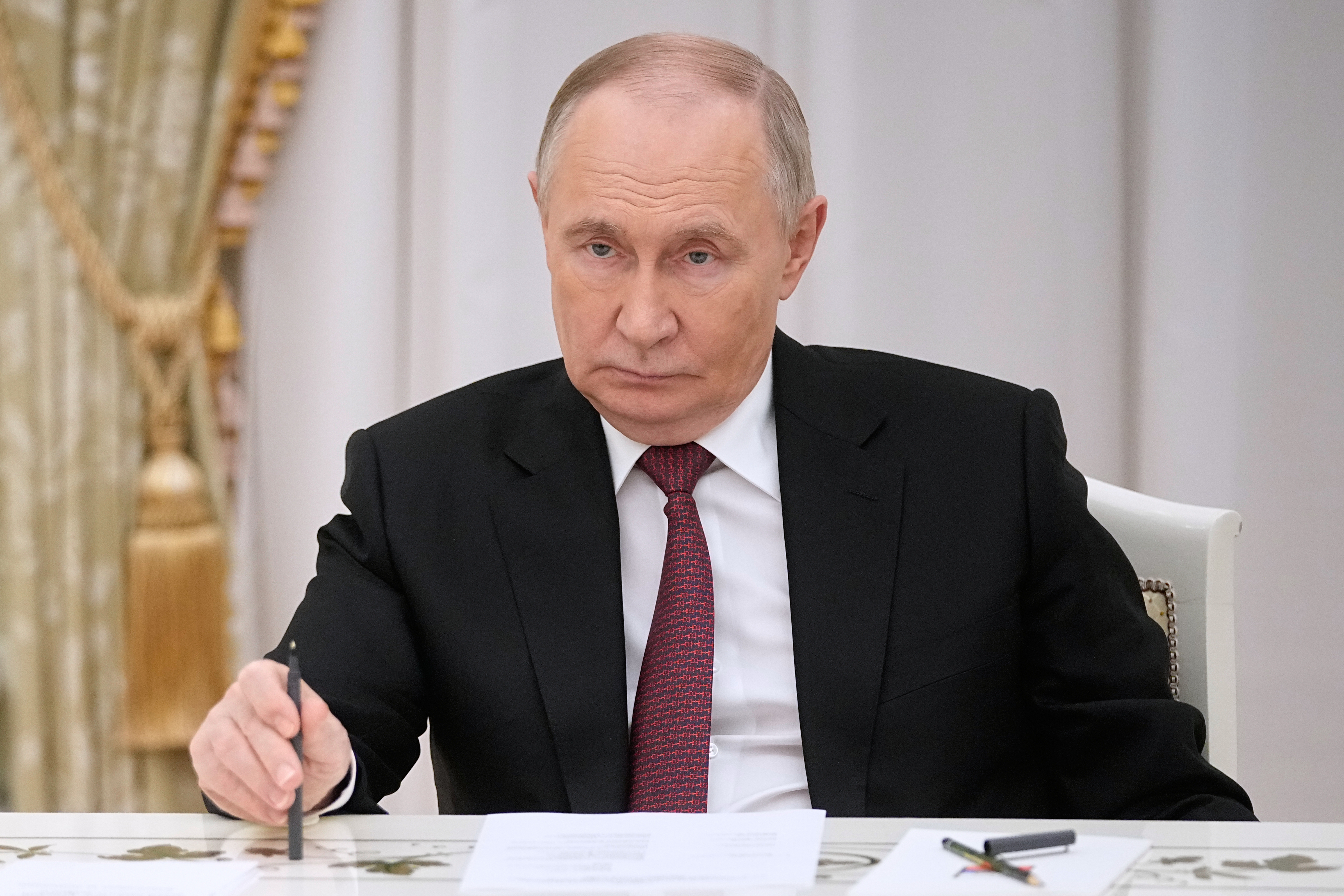
In remarks on Monday, Peskov elaborated further, saying: "The nuance we see in the new concept certainly appeals to us. It speaks of the need for dialogue and building constructive, good relations."
Kirill Dmitriev, the chief executive of the Russian Direct Investment Fund and a key intermediary in the recent diplomatic back-and-forth between Washington and the Kremlin, has also seized on the moment.
In a series of posts on X, Dmitriev celebrated Trump's castigation of European countries, particularly Trump's warning that "Europe has to be very careful" and that it "is going in some bad directions … very bad for the people".
Trump's remarks were in response to a question about X being hit with a $140 million fine by EU regulators on Friday for breaching European online content rules.
Elon Musk, the owner of X, responded with posts calling for the abolition of the EU.
But it's a bit rich for Russian officials to amplify the Trump administration's accusations of democratic backsliding by Europe: Russian President Vladimir Putin has all but eliminated political competition and erased media freedom over the course of a quarter-century in power.
READ MORE: 'The social media ban is the easy option, not the hard option. That's why it will fail'
What's more, Russia effectively blocks access to social media such as Facebook and X, although that doesn't stop well-connected Russian officials such as Dmitriev from using such tech platforms to broadcast their talking points in English.
But there appears to be a deliberate strategy here. Russian policy has been clearly aimed at chipping away European support for Ukraine, while seizing an opportunity to sow doubt about the viability of the NATO alliance.
And the Trump administration's new national security strategy gives Moscow more ammunition in an information war meant to sway publics in both the United States and Europe.
We've been here before: the fallout in Europe over the release of the Trump administration's new national security strategy resembles the shock felt by Europeans after US Vice President JD Vance delivered a speech at the Munich Security Conference in February.
And the jubilation likely expressed in Moscow over Washington's put-downs of Europe is reminiscent of the glee over Trump and Vance's public scolding of Zelenskyy in the Oval Office later that month.
Zelenskyy has been making the rounds in Europe this week, conferring with the leaders of Britain, France and Germany in London and meeting officials of NATO and the European Union in Brussels to shore up support for Ukraine. But in parallel, Russian messaging about – and warnings to – Europe have increased in volume.
READ MORE: Man shot in foot by group of thugs in Brisbane home

In an interview on Russian state television, hardline Russian political scientist Sergey Karaganov said Russia was "at war with Europe, not with a miserable, pitiful, misled Ukraine."
Karaganov added that he did not speak for Putin, so he could give his unvarnished opinion: "This war will not end until we smash Europe, morally and politically."
But even if Karaganov was not speaking on behalf of the Russian government, it was clear he is channelling threats made by Putin himself.
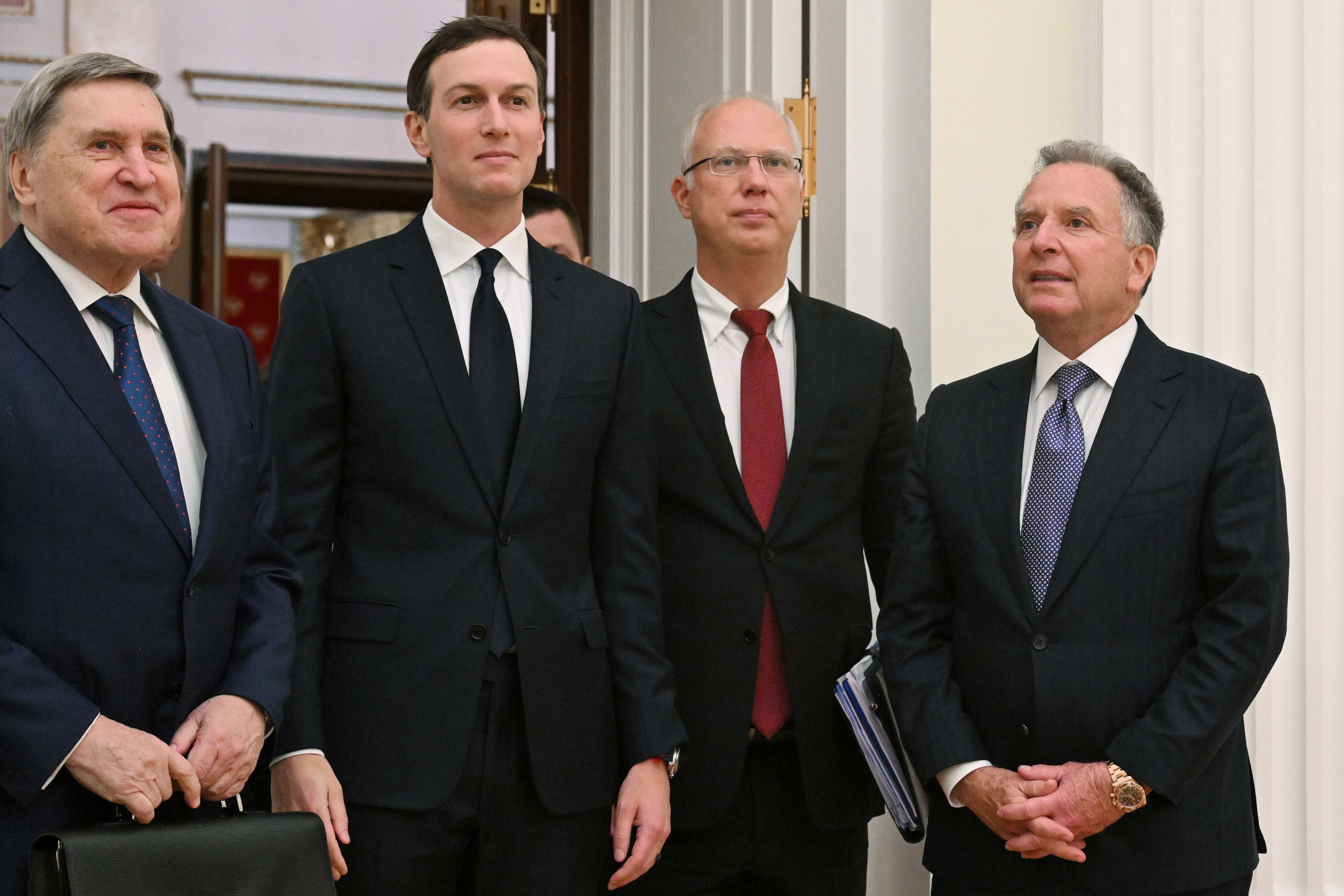
On the eve of his meeting with Trump's special envoy Steve Witkoff and his son-in-law Jared Kushner in Moscow last week, Putin warned that Russia was "ready right now" for war with Europe – even though it's not planning to start one.
"We are not planning to go to war with Europe. I have already spoken about this a hundred times, but if Europe suddenly wants to go to war with us and starts, we are ready right now," he said last Tuesday.
But the audience for that kind of sabre-rattling is clear, and the Kremlin wants to make sure that Europeans are rattled by the rhetoric that is shaking trans-Atlantic ties to their foundation.
Sign up here to receive our daily newsletters and breaking news alerts, sent straight to your inbox.