Controversial ex-doctor Rhys Cullen’s in a bitter legal stoush with a top Auckland school.
Tag Archives: oceania
Trump paints Zelenskyy into a corner with his new plan to end Russia’s war on Ukraine
With his new 28-point plan to end Russia’s war in Ukraine, President Donald Trump is resurfacing his argument that Ukrainian President Volodymyr Zelenskyy doesn't “have the cards” to continue on the battlefield and must come to a settlement that heavily tilts in Moscow's favour.
Trump, who has demonstrated low regard for Zelenskyy dating back to his first term, says he expects the Ukrainian leader to respond to his administration's new plan to end the war by next Thursday.
The president said on Friday of Zelenksyy, “He’s going to have to approve it,” though he was more reconciliatory a day later, saying, “I would like to get to peace.”
READ MORE: Ukraine's allies push back on a US peace plan seen as favouring Moscow
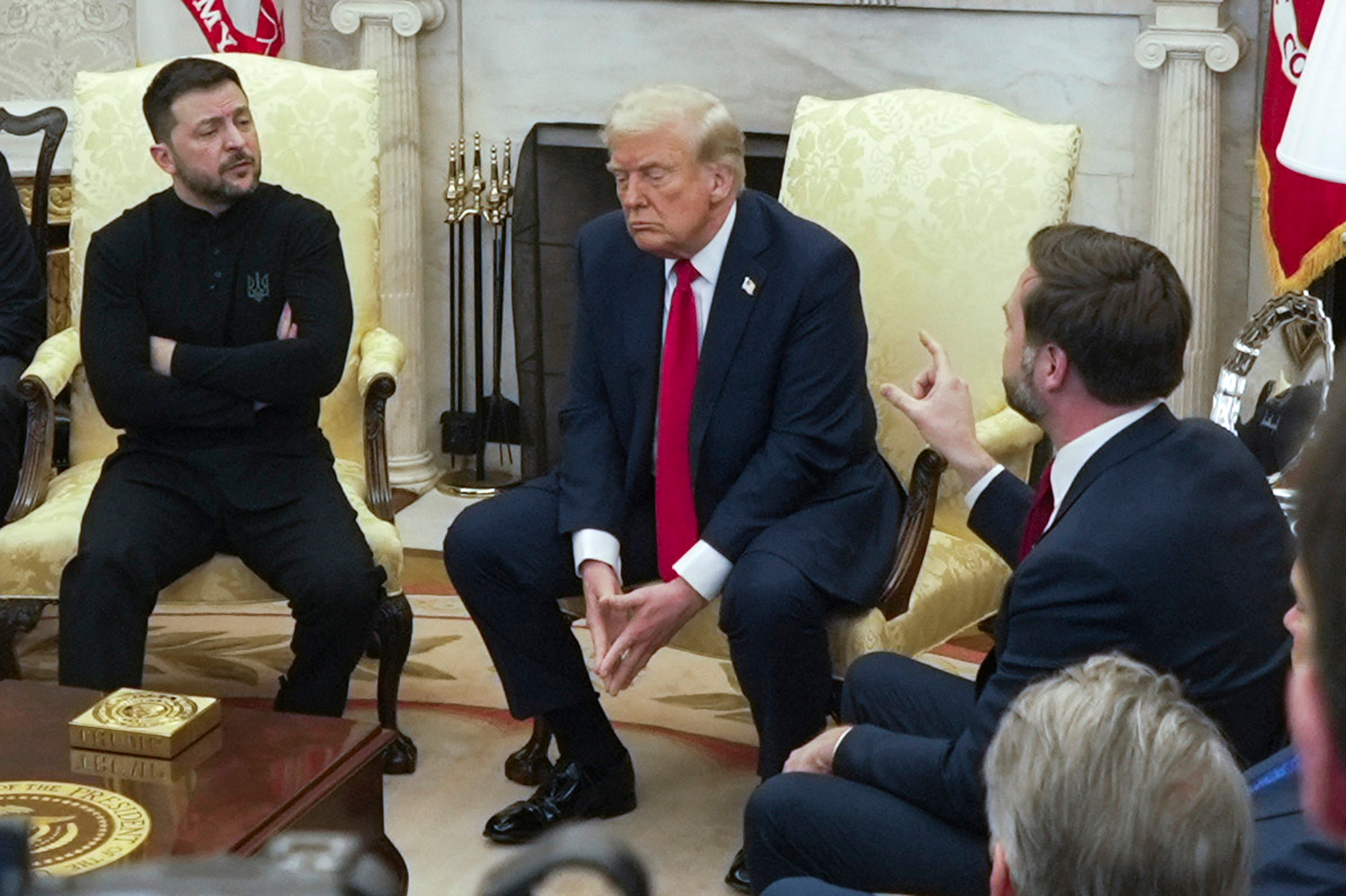
“We’re trying to get it ended. One way or the other, we have to get it ended,” Trump told reporters outside the White House on Saturday.
Buffeted by a corruption scandal in his government, battlefield setbacks and another difficult winter looming as Russia continues to bombard Ukraine's energy grid, Zelenskyy says Ukraine is now facing perhaps the most difficult choice in its history.
Trump and Zelenskyy have had a tortured relationship
Zelenskyy has not spoken with Trump since the plan became public this week, but has said he expects to talk to the Republican president in coming days.
It's likely to be another in a series of tough conversations the two leaders have had over the years.
The first time they spoke, in 2019, Trump tried to pressure the then newly minted Ukrainian leader to dig up dirt on Joe Biden ahead of the 2020 election.
That phone call sparked Trump's first impeachment.
Trump made Biden's support for Ukraine a central issue in his successful 2024 campaign, saying the conflict had cost US taxpayers too much money and vowing he would quickly bring the war to an end.
Then early this year in a disastrous Oval Office meeting, Trump and Vice President JD Vance tore into Zelenskyy for what they said was insufficient gratitude for the more than $US180 billion ($278 billion) the US had appropriated for military aid and other assistance to Kyiv since the start of the war.
READ MORE: Show goes on after comedian dies on stage

That episode led to a temporary suspension of US assistance to Ukraine.
And now with the new proposal, Trump is pressing Zelenskyy to agree to concessions of land to Moscow, a massive reduction in the size of Ukraine’s army, and agreement from Europe to assert that Ukraine will never be admitted into the NATO military alliance.
“Now Ukraine may find itself facing a very difficult choice: either loss of dignity, or the risk of losing a key partner,” Zelenskyy said in a video address on Friday.
At the center of Trump's plan is the call on Ukraine to concede the entirety of its eastern Donbas region, even though a vast swath of that land remains in Ukrainian control.
Analysts at the independent Institute for the Study of War have estimated it would take several years for the Russian military to completely seize the territory, based on its current rate of advances.
Trump, nevertheless, insists that the loss of the region — which includes cities that are vital defence, industrial and logistics hubs for Ukrainian forces — is a fait accompli.
“They will lose in a short period of time. You know so,” Trump said on Friday when asked during a Fox News Radio interview about his push on Ukraine to give up the territory.
“They’re losing land. They’re losing land.”
Trump's patience remains a question
The Trump proposal was formally presented to Zelenskyy in Kyiv on Thursday by Dan Driscoll, the US Army secretary.
The plan itself was a surprise to Driscoll’s staffers, who were not aware as late as Wednesday that their boss would be going to Ukraine as part of a team to present the plan to the Ukrainians.
Army officials walked away from that meeting with the impression that the Ukrainians were viewing the proposal as a starting point that would evolve as negotiations progressed, according to a US official, who spoke on condition of anonymity to discuss the sensitive talks.
It's unclear how much patience Trump has for further negotiation.
READ MORE: The world's biggest company just told everyone to chill out
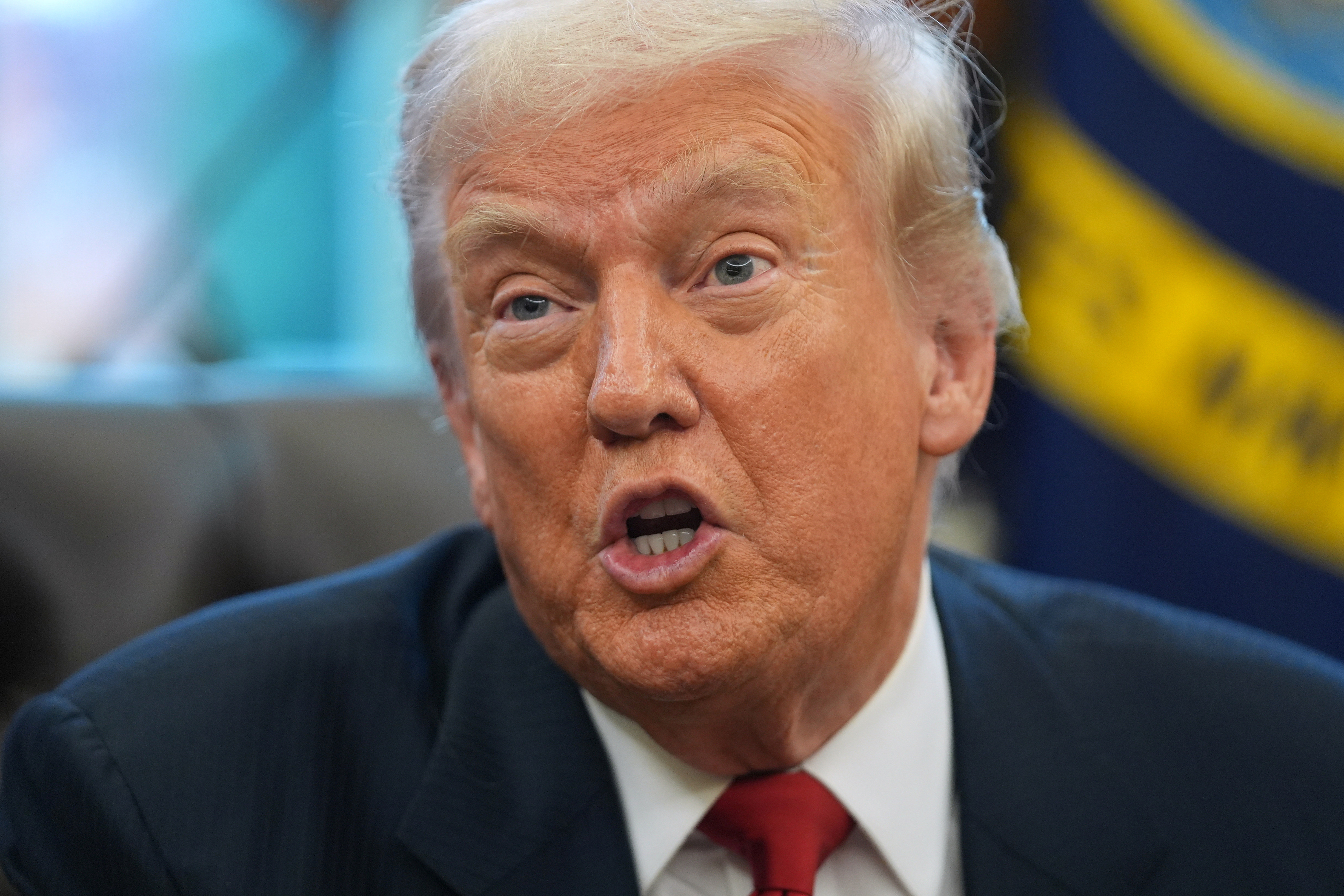
White House press secretary Karoline Leavitt said on Thursday that Trump's new plan reflects “the realities of the situation” and offers the “best win-win scenario, where both parties gain more than they must give”.
Asked about Zelenskyy's initial hesitant response to the proposal, Trump recalled the February Oval Office blow-up with Zelenskyy: “You remember, right in the Oval Office, not so long ago, I said, ‘You don’t have the cards.’”
Trump, though, was also asked yesterday if the proposal was his final offer to end the Ukraine war and said it wasn't — leaving open the possibility of more negotiation.
Still, asked what would happen if Ukraine and Zelenskyy ultimately reject the proposal, the president turned almost dismissive: “Then he can continue to fight his little heart out.”
Zelenskyy is now in a vulnerable spot
The mounting pressure from Trump comes as Zelenskyy is dealing with fallout over $US100 million ($154 million) in kickbacks for contracts with the state-owned nuclear energy company.
The scandal led to the resignations of top Cabinet ministers and implicated other Zelenskyy associates.
Konstantin Sonin, a political economist and Russia expert at the University of Chicago, said, “what Donald Trump is certainly extremely good at is spotting weak spots of people”.
One of the 28 elements of Trump’s proposal calls for elections to be held within 100 days of enactment of the agreement.
“I think it’s a rationalistic assessment that there is more leverage over Zelenskyy than over Putin,” Sonin said.
He added, “Zelenskyy’s back is against the wall” and “his government could collapse if he agrees” to the US proposal.
All the while, Ukraine is increasingly showing signs of strain on the battlefield after years of war against a vastly larger and better-equipped Russian military.
Ukraine is desperately trying to fend off relentless Russian aerial attacks that have brought rolling blackouts across the country on the brink of winter.
Kyiv is also grappling with doubts about the way ahead.
A European plan to finance next year’s budget for Ukraine through loans linked to frozen Russian funds is now in question.
The Trump proposal in its current form also includes several elements that would cut deeply into Ukrainian pride, David Silbey, a military historian at Cornell University, said.
One provision calls on Russia and Ukraine to abolish “all discriminatory measures and guarantee the rights of Ukrainian and Russian media and education,” and “all Nazi ideology and activities must be rejected and prohibited”.
That element could be seen by the Ukrainian side as giving credence to Putin's airing of distorted historical narratives to legitimise the 2022 invasion.
Putin has said the war is in part an effort to “denazify” Ukraine and complained of the country's “neo-Nazi regime” as a justification for Russia’s invasion.
In fact, in Ukraine’s last parliamentary election in 2019, support for far-right candidates was 2 per cent, significantly lower than in many other European countries.
The plan's provision is “very clearly an attempt to build up Putin's claim to Russian cultural identity within Ukraine,” Silbey said.
He added, “From territory loss to the substantial reduction of the Ukrainian military to cultural concessions that have been demanded, I just don’t think Zelenskyy could do this deal and look his public in the eye again.”
DOWNLOAD THE 9NEWS APP: Stay across all the latest in breaking news, sport, politics and the weather via our news app and get notifications sent straight to your smartphone. Available on the Apple App Store and Google Play.
Over 300 children and staff abducted from a school in Nigeria
A total of 303 schoolchildren and 12 teachers were abducted by gunmen during an attack on St. Mary’s School, a Catholic institution in north-central Nigeria’s Niger state, the Christian Association of Nigeria said, updating an earlier tally of 215 schoolchildren.
The tally was changed “after a verification exercise and a final census was carried out,” according to a statement issued by the Most. Reverend Bulus Dauwa Yohanna, chairman of the Niger state chapter of CAN, who visited the school on Friday.
He said 88 other students “were also captured after they tried to escape” during the attack. The students were both male and female and ranged in age from 10 to 18.
LIVE UPDATES: Cyclone Fina could reach category 4 as storm batters Darwin

The school kidnapping in Niger state’s remote Papiri community happened four days after 25 schoolchildren were seized in similar circumstances in neighbouring Kebbi state’s Maga town, which is 170 kilometres away.
No group has yet claimed responsibility for the abductions and authorities have said tactical squads have been deployed alongside local hunters to rescue the children.
A claim from the state government that the school had reopened for studies despite an earlier directive for schools in that part of Niger state to close temporarily due to security threats was described as false by Yohanna.
“We did not receive any circular. It must be an afterthought and a way to shift blame,” he said, calling on families “to remain calm and prayerful.”
READ MORE: One dead, four fighting for their lives after house fire

School kidnappings have come to define insecurity in Africa’s most populous nation, and armed gangs often see schools as “strategic” targets to draw more attention.
UNICEF said last year that only 37 per cent of schools across 10 of the conflict-hit states have early warning systems to detect threats.
Niger state has now shut down all schools as a measure to forestall other kidnappings. The decision was in a bid to protect lives and property, Niger Governor Umar Bago told reporters after meeting with security officials in Minna.
“It is the decision of stakeholders today to close all schools in Niger state. All schools are closed till further notice. So we have declared Christmas holiday for all schools in Niger state,” Bago said.

The kidnappings are happening amid US President Donald Trump’s claims of targeted killings against Christians in the West African country.
The president has previously claimed he was willing to take military action in Africa's most populous country if the attacks didn't stop.
Attacks in Nigeria affect both Christians and Muslims. The school attack earlier this week in Kebbi state was in a Muslim-majority town.
The attack also took place as Nigerian National Security Adviser Nuhu Ribadu was visiting the US where he met Defence Secretary Pete Hegseth on Friday.
DOWNLOAD THE 9NEWS APP: Stay across all the latest in breaking news, sport, politics and the weather via our news app and get notifications sent straight to your smartphone. Available on the Apple App Store and Google Play.
One dead, four fighting for their lives after house fire
One person has died and four people have suffered life-threatening injuries after a house was gutted by fire in northern Brisbane this morning.
Fire crews were called to Darcy Way at Lawnton just after 5.30am local time where they found the home engulfed in flames.
The fire was so ferocious the house had already collapsed, hindering initial firefighting efforts.
LIVE UPDATES: Cyclone Fina could reach category 4 as storm batters Darwin
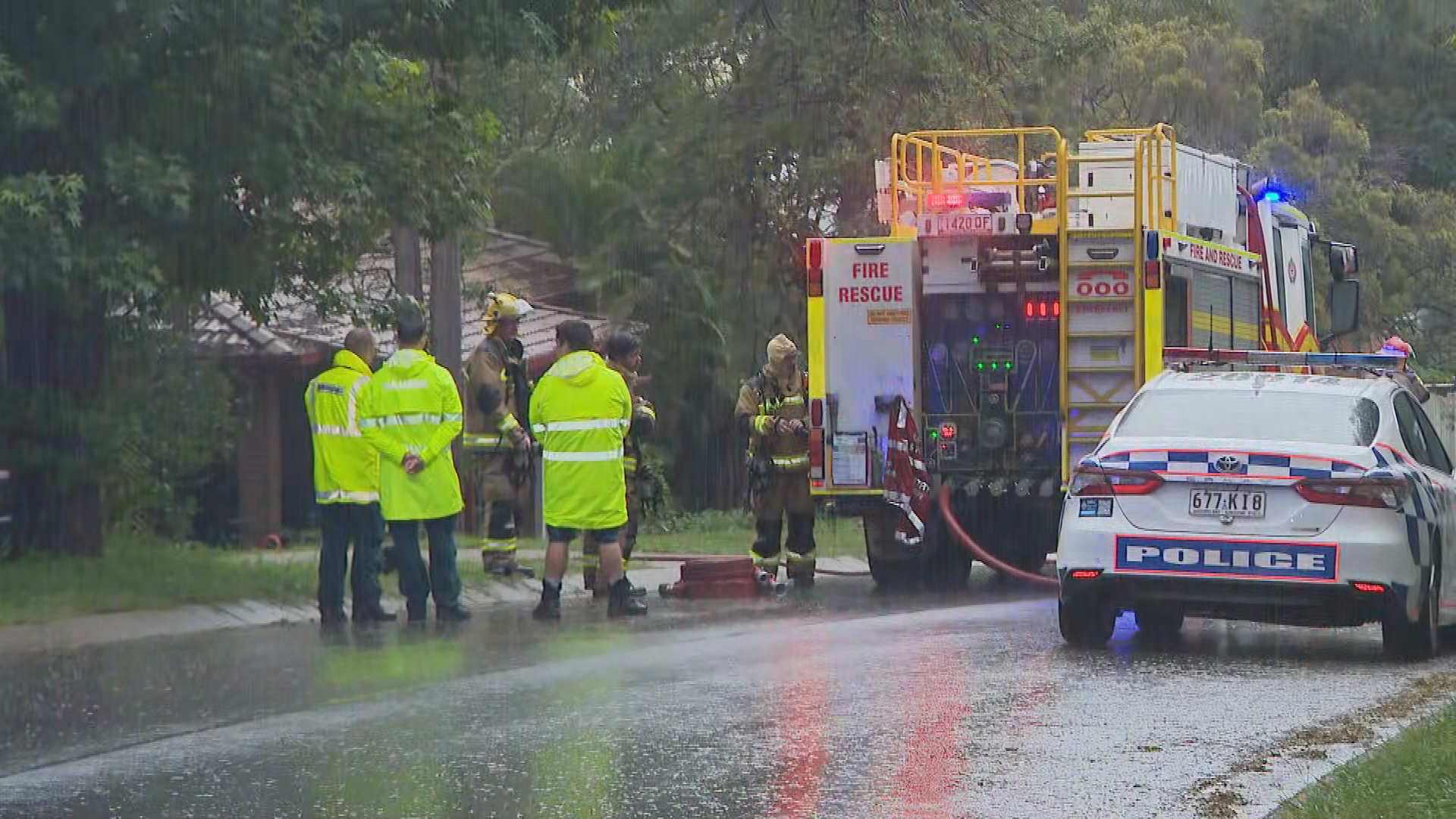
First responders found four people on the front lawn of the house, having managed to escape, with all suffering from serious injuries.
They were treated by 18 paramedics on the scene and have since been taken to Royal Brisbane and Women's Hospital.
Their injuries are believed to be life-threatening, including serious burns.
READ MORE: 'We're real': The type of book we may never see again thanks to AI
After authorities conducted a search inside the house, they found one person had been unable to escape and had died.
The person has not been identified.
Police confirmed a crime scene has been declared and an investigation has begun to look into the cause of the fire.
Authorities have closed off the road in both directions as they continue to contain the blaze and to begin their investigations.
DOWNLOAD THE 9NEWS APP: Stay across all the latest in breaking news, sport, politics and the weather via our news app and get notifications sent straight to your smartphone. Available on the Apple App Store and Google Play.
Christmas Appeal: Tauranga Community Foodbank boosted as week one donations surpass $20k
Donations hit $22,024.63 in the first week, nearly doubling last year’s start.
Mum inspired by son’s health battle to build new app for Kiwis
The app will stop parents from having to repeat medical histories at every appointment.
Nelly Sione sentenced for theft from her employer, Christchurch’s Tangata Atumotu Trust
Police said the money Nelly Sione stole should have gone to helping disadvantaged people.
Ukraine’s allies push back on a US peace plan seen as favouring Moscow
Ukraine’s Western allies rallied around the war-torn country on Saturday as they pushed to revise a United States peace plan seen as favouring Moscow despite its all-out invasion of its neighbour.
President Volodymyr Zelenskyy has vowed Ukrainians “will always defend” their home.
A Ukrainian delegation, bolstered by representatives from France, Germany and the UK, is preparing for direct talks with Washington in Switzerland on Sunday (Geneva time).
LIVE UPDATES: Cyclone Fina could reach category 4 as storm batters Darwin

The 28-point blueprint drawn up by the US to end the nearly four-year war sparked alarm in Kyiv and European capitals, with Zelenskyy saying his country could face a stark choice between standing up for its sovereign rights and preserving the American support it needs.
Speaking to reporters outside the White House on Saturday, President Donald Trump said the US proposal was not his “final offer.”
“I would like to get to peace. It should have happened a long time ago. The Ukraine war with Russia should have never happened,” Trump said.
“One way or the other, we have to get it ended.”
The US plan foresees Ukraine handing over territory to Russia, something Kyiv has repeatedly ruled out, while reducing the size of its army and blocking its coveted path to NATO membership. It contains many of Moscow’s long-standing demands, while offering limited security guarantees to Kyiv.
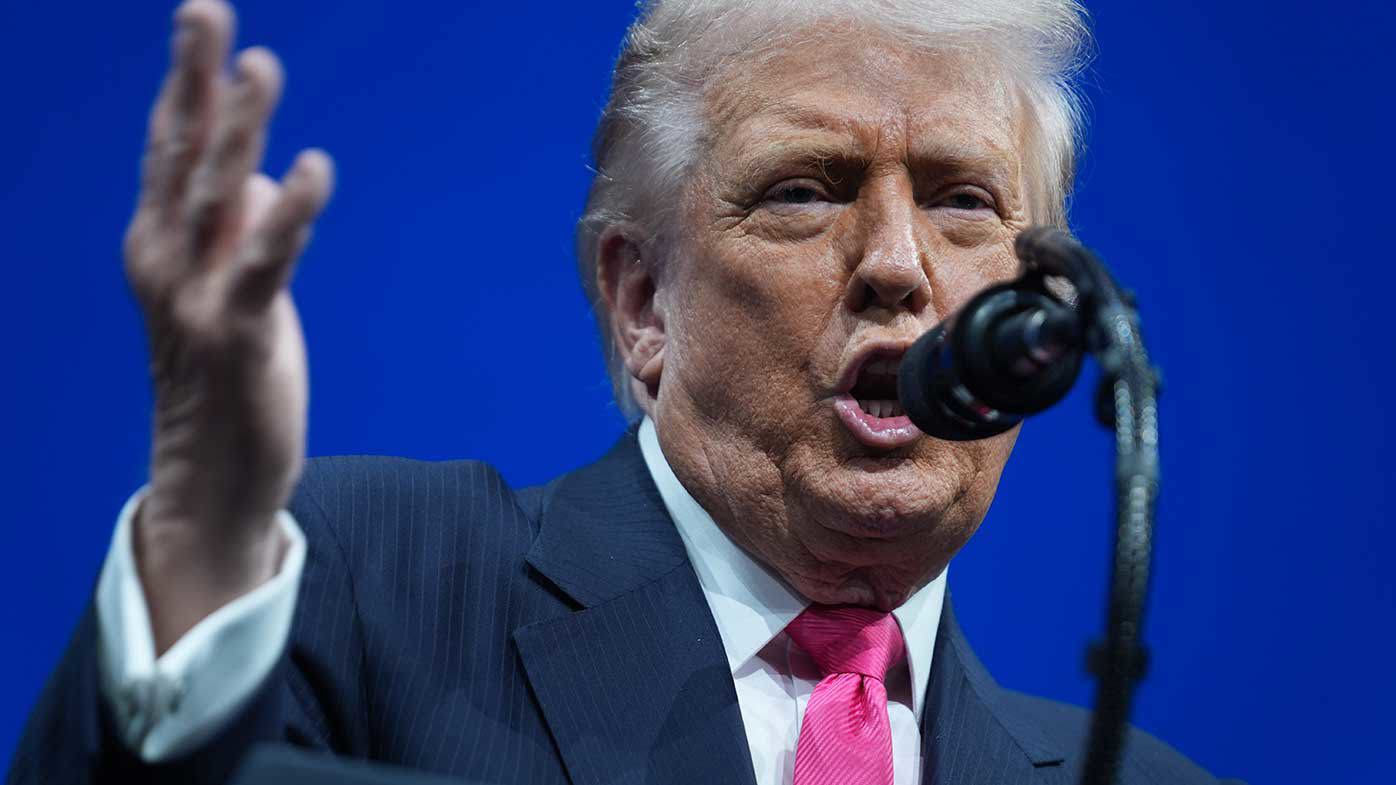
On Saturday, leaders of the European Union, Canada and Japan issued a joint statement welcoming US peace efforts, but pushed back against key tenets of the plan.
“We are ready to engage in order to ensure that a future peace is sustainable. We are clear on the principle that borders must not be changed by force. We are also concerned by the proposed limitations on Ukraine’s armed forces, which would leave Ukraine vulnerable to future attack,” the statement said.
It added that any decisions regarding NATO and the EU would require the consent of member states.
READ MORE: Show goes on after comedian dies on stage

The leaders of France, Germany and the UK met during the day on the sidelines of a Group of 20 summit in Johannesburg, South Africa, to discuss ways to support Kyiv, according to a person with knowledge of the matter who spoke on condition of anonymity because they were not authorized to speak publicly.
German Chancellor Friedrich Merz told reporters at the summit that “wars cannot be ended by major powers over the heads of the countries affected,” and insisted Kyiv needed robust guarantees.
French President Emmanuel Macron said the US peace plan for Ukraine “requires broader consultation” because “it stipulates many things involving Europeans,” like Russia's frozen assets and Ukraine’s accession to the European Union. Europe's security issues must also be taken into account, Macron said, adding: “We want a robust and lasting peace."
Merz and Macron said that envoys from Germany, France, the UK and the EU will join Ukrainian negotiators as they meet a US delegation in Geneva on Sunday to discuss Washington’s proposal.
Zelenskyy confirmed the meeting on Saturday, after Trump set a deadline for Kyiv to respond to the plan by next Thursday.
Among those expected to represent Washington are Trump’s Army secretary, Dan Driscoll, and Marco Rubio, who serves as both national security adviser and secretary of state, according to a US official who was not authorised to publicly discuss the American participants before the meeting and spoke on condition of anonymity.
Driscoll presented the US plan to Ukrainian officials this week.
European leaders have long warned against rushing a peace deal, seeing their own future at stake in Ukraine’s fight to beat back Russia, and insist on being consulted in peace efforts.
‘Quite a way from a good outcome’
Kyiv's key allies in Europe reiterated their reservations about the Kremlin's readiness to end the war.
“Time and again, Russia pretends to be serious about peace, but their actions never live up to their words,” UK Prime Minister Keir Starmer told reporters ahead of the G20 summit, days after a Russian strike on western Ukraine killed over two dozen civilians.
European leaders have long accused Russia of stalling diplomatic efforts in the hope of overwhelming Ukraine's much smaller forces on the battlefield.
Kyiv has repeatedly accepted US ceasefire proposals this year, while Moscow has held out for more favourable terms.
READ MORE: Brazil's judge orders Bolsonaro's arrest for allegedly plotting escape ahead of prison term
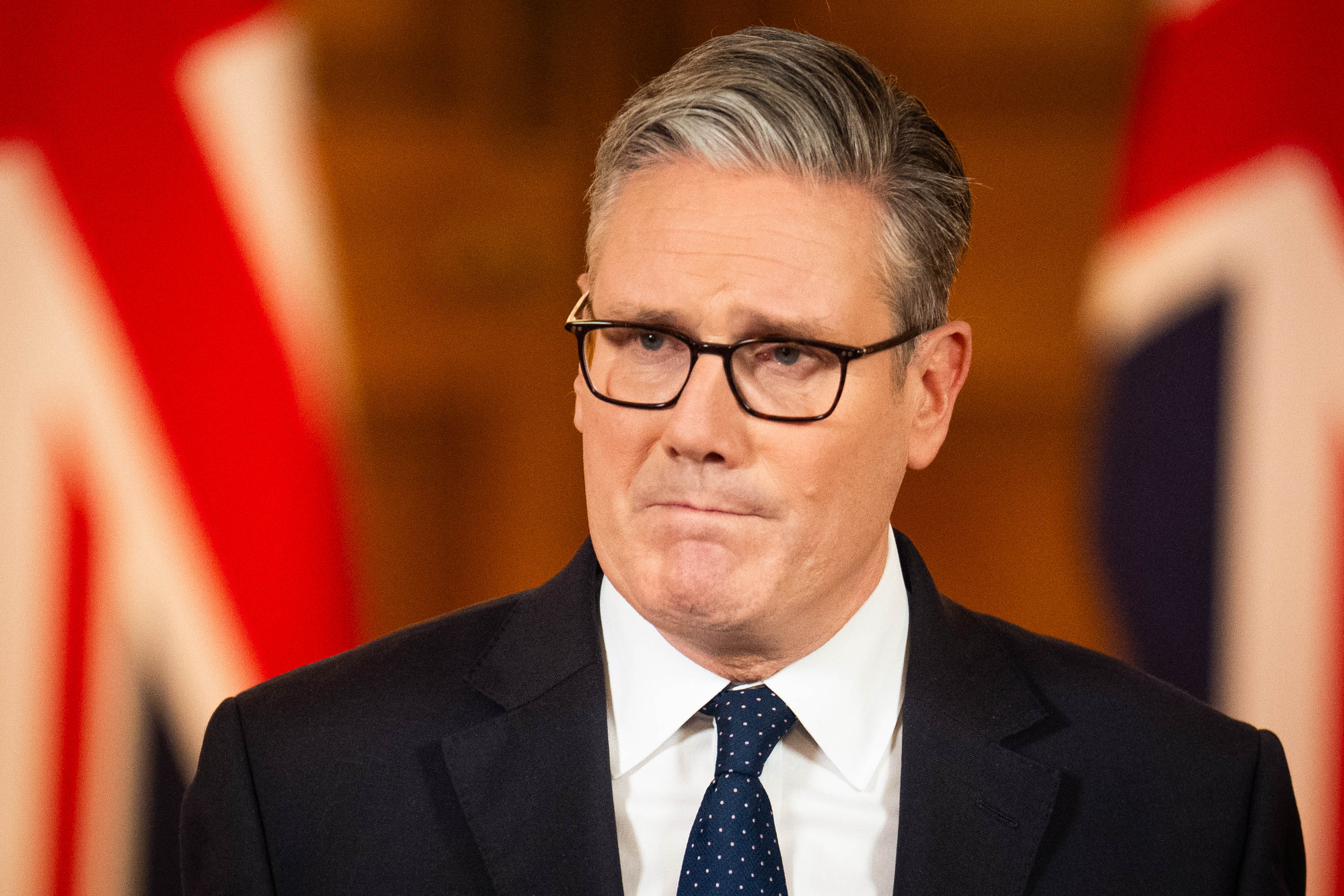
“An end to the war can only be achieved with the unconditional consent of Ukraine,” Merz said during G20 summit briefing, adding that he had told Trump in a long phone call on Friday that Europe needed to be a part of any peace process, and that Russia had previously failed to keep its promises to respect Ukraine's territorial integrity.
"From my perspective, there is currently a chance to end this war,” Merz added. “But we are still quite a way from a good outcome for everyone.”
EU Commission President Ursula von der Leyen said that a key principle for Kyiv's European allies was “nothing about Ukraine without Ukraine.”
Zelenskyy defiant as Ukraine remembers Soviet-era famine
Zelenskyy, in a video address published on Saturday, said Ukrainian representatives at the Geneva talks “know how to protect Ukrainian national interests and exactly what is needed to prevent Russia from carrying out” another invasion. “Real peace is always based on security and justice,” he added.
Nine officials are to take part in the talks, including Zelenskyy’s chief of staff Andrii Yermak and top envoy Rustem Umerov, according to a statement posted on the Ukrainian presidency’s website, which also stated that the negotiators are empowered to deal directly with Russia.
READ MORE: The world's biggest company just told everyone to chill out
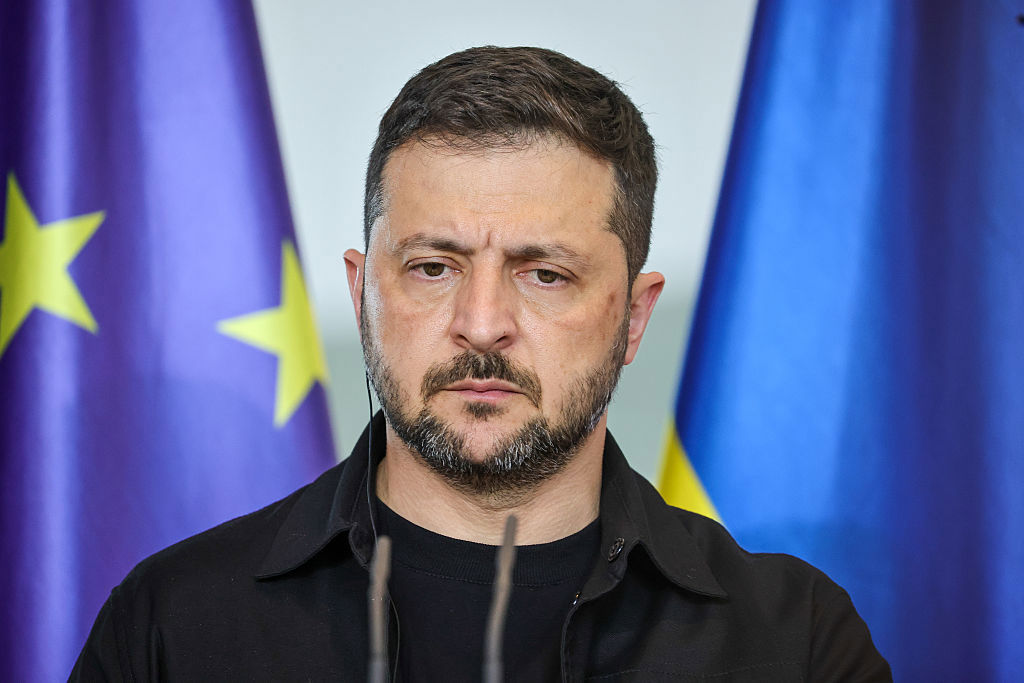
On Saturday, Ukraine commemorated the “great famine” that Soviet leader Josef Stalin imposed in the early 1930s, which led to millions of deaths.
“We all know how and why millions of our people died, starved to death, and millions were never born. And we are once again defending ourselves against Russia, which has not changed and is once again bringing death,” Zelenskyy said in a post on Telegram marking Holodomor Memorial Day.
“We defended, defend, and will always defend Ukraine. Because only here is our home. And in our home, Russia will definitely not be the master,” he added.
DOWNLOAD THE 9NEWS APP: Stay across all the latest in breaking news, sport, politics and the weather via our news app and get notifications sent straight to your smartphone. Available on the Apple App Store and Google Play.
‘We’re real’: The type of book we may never see again thanks to AI
Exclusive: JK Rowling does it. As did Anne Rice and Mark Twain.
You may not realise it, but Dr Seuss did it too.
The historic practice of writing under a pseudonym, pen name or nom-de-plume may be dying a slow death – thanks, in part, to the rise of artificial intelligence (AI) in publishing.
READ MORE: 'AI bubble' fears eased as world's most valuable company clears hurdle

READ MORE: Professor flooded with death threats over what he wants banned from Queensland
Research by Cambridge University this week found 51 per cent of published novelists in the UK are worried AI might end up making their jobs redundant.
There are already terabytes of AI slop masquerading as books being peddled on the internet – but Queensland fantasy author Darryl King isn't worried these will destroy his career.
King, who publishes his In All Jest series under the name D.E. King, told nine.com.au there could be very different consequences of ChatGPT's influence on the book industry.
"I think all authors are struggling to find ways to market themselves and to stand out now already without AI," King explained.
"It's a bit like music where as authors, we have to go and do more signings and appearances at libraries to validate we're real."
Recent studies have found book readers value the human element more than ever when it comes to fiction.
King said this has translated into book buyers wanting to know the author more intimately.
This means no fake name and no shadowy anonymous figure, instead of a real-life author headshot.
It could impact romance writers, who typically use pen names to preserve anonymity from their real-life acquaintances, the most.
Do you have a story? Contact reporter April Glover at Google Play.
The world’s biggest company just told everyone to chill out
Concerns about an AI bubble have been simmering for at least a year and a half. Nvidia's incredibly strong earnings this past week tried to put those fears to bed. It may not have been enough.
Nvidia on Wednesday posted sales and profits up more than 60 per cent year-on-year, stronger than Wall Street had projected. CEO Jensen Huang said "sales are off the charts". And the company expects fourth quarter revenue of about $US65 billion ($100 billion), once again ahead of Wall Street's projections.
Nvidia executives said these results, along with growth from other major AI players and the billions being poured into AI infrastructure, indicate that fears of an AI bubble are overblown.
READ MORE: Education minister calls out prestigious school over leaked document about students
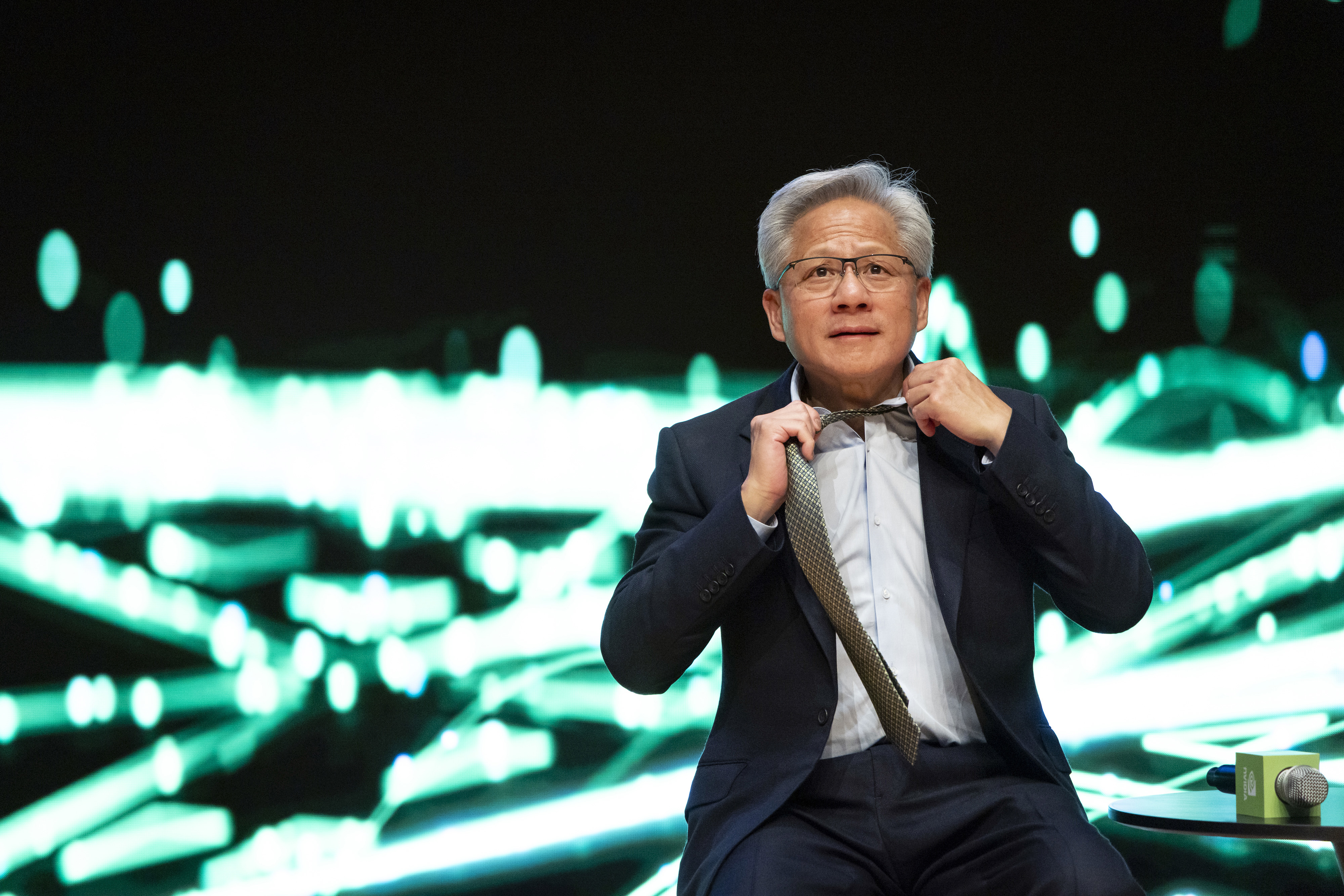
"There's been a lot of talk about an AI bubble," Huang said on a call with analysts on Wednesday. "From our vantage point, we see something very different."
Some Wall Street analysts agree. But the wider market is not yet convinced: After briefly ticking up on Thursday morning following Nvidia's report, the chipmaker's shares (NVDA) dipped back into the red. They closed Friday down 1 per cent, although the stock remains up 29 per cent from the start of this year.
In other words, Nvidia answered a lot of questions about where the industry stands right now, but it may take more to shift the overall AI narrative.
Not to burst your bubble
Nvidia CFO Colette Kress said the company anticipates $US3 trillion ($4.65 trillion) to $US4 trillion ($6.2 trillion) in annual AI infrastructure spending by the end of the decade, adding that demand "continues to exceed our expectations". Already, tech giants are expected to pour $US400 billion into AI-related capital expenditures this year, to meet what they say is growing demand for AI and cloud services but also to avoid falling behind industry rivals.
Nvidia has every reason to try to reassure investors — expectations for the company are sky-high after nearly two years of astronomical growth. And many look to the chipmaker as a bellwether for the overall tech industry.
Even as Silicon Valley tries to figure out the business model for generative AI, Nvidia has a big role to fill in the existing tech services people use every day, Huang said. That could help insulate Nvidia even if returns from new AI applications are smaller than expected or take longer to arrive than planned.
READ MORE: Boy and man charged after shootings in Sydney's west

"The world has a massive investment in non-AI software, from data processing to science and engineering simulations, representing hundreds of billions of dollars in cloud computing spend each year." Much of the infrastructure powering that software has transitioned from running on older CPU chips to Nvidia's GPUs, the chips known for running AI tools, Huang said.
Kress also took the unusual step of ticking through highlights from the chipmaker's partners' recent financial reports. At Meta, for example, AI recommendation systems are leading to "more time spent on apps such as Facebook and Threads". Anthropic recently noted it expects to earn $US7 billion in annual revenue this year. And Salesforce's engineering team is 30 per cent more efficient now that it's using AI for coding, she said, among a long list of corporate customers she rattled off.
Nvidia isn't the only one arguing that AI bubble concerns may be exaggerated.
"The pure Nvidia numbers/guidance and strategic vision shows the AI Revolution is NOT a Bubble…instead its Year 3 of a 10-year build out of this 4th Industrial Revolution in our view," Wedbush tech analyst Dan Ives said in emailed commentary.

Brian Colello, senior equity analyst at investment research company Morningstar, said he doesn't "see many signs to suggest that 2026 will be a weak year for Nvidia in any way" and sees the bubble fears weighing on the company's stock as a "buying opportunity".
Fears remain
But despite those strong results, it appears the stock market may not be ready to relax just yet.
Questions remain about whether tech firms will maintain their massive spending on AI infrastructure, especially as Nvidia has invested in key, unprofitable customers such as OpenAI and Anthropic. OpenAI CFO Sarah Friar also raised alarms earlier this month when she suggested that the government should backstop the debt tech companies are incurring to build AI infrastructure. Some took her comments as a sign OpenAI may struggle to afford its commitments, although the company later tried to walk back the statement.
And while Nvidia likely has enough customers even if a bubble burst causes some casualties among AI firms, investors may still be worried about what a downturn or even a slowdown could mean for the larger market.

Daniel Morgan, senior portfolio manager at Synovus Trust Company, said questions about the sustainability of Big Tech's infrastructure spending spree and Nvidia's circular funding deals were not "put to rest" with its latest report. Instead, they may just be "punted" to the next quarter.
That means Nvidia almost certainly has more work ahead to convince the world that we're in for an AI boom and not bust.