Around 35,000 people took part in this year's Sydney Marathon, which ended up being a record-breaking morning.
Tag Archives: oceania
Redheads from around the world gather for annual festival
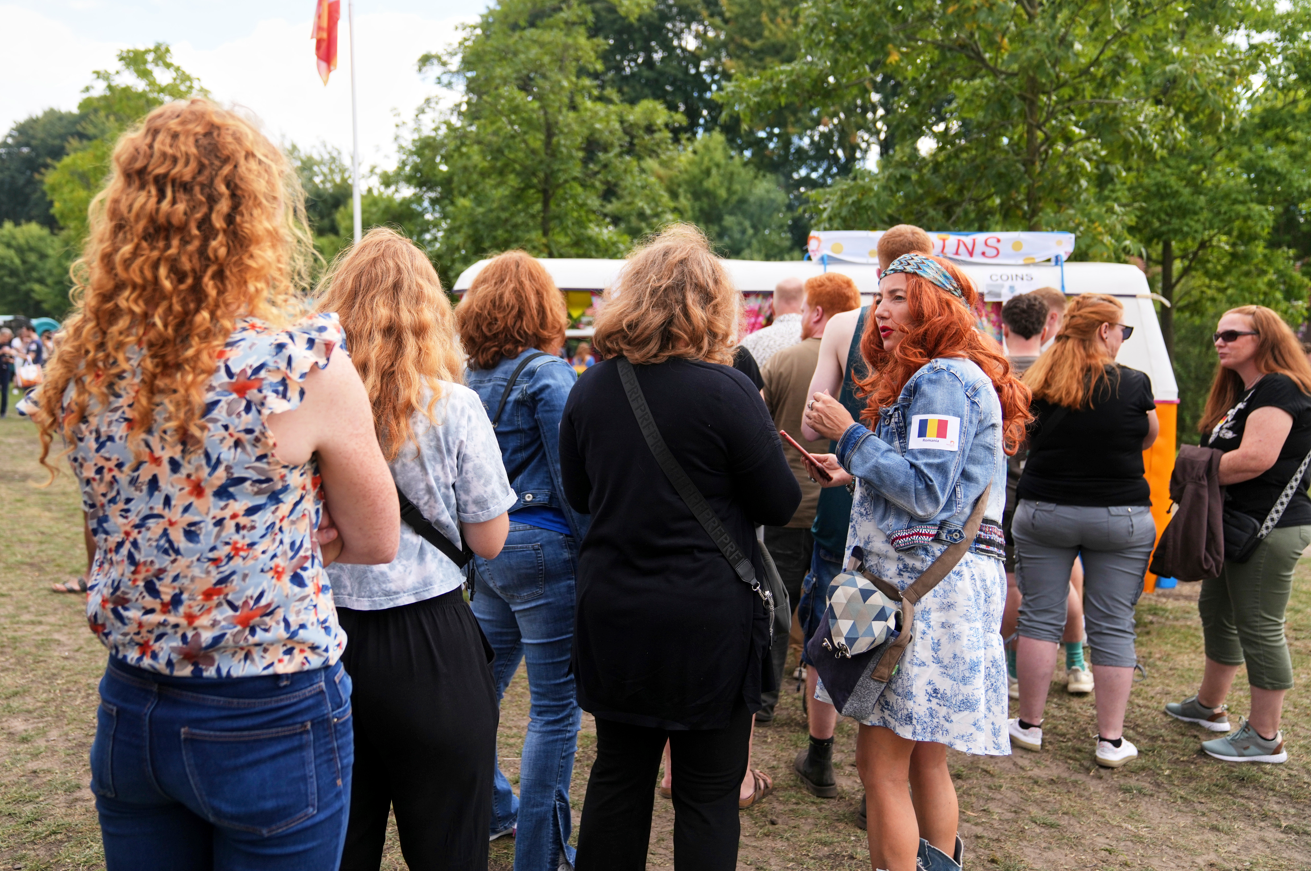
The southern Dutch city of Tilburg is seeing more colour than usual this weekend, as thousands of redheads from all over the world gather in the Netherlands for a once-a-year festival to celebrate their flaming locks.
The 2025 edition of the Redhead Days festival includes music, food trucks and workshops tailored to particular needs of redheads, from makeup explainers to skin cancer prevention.
Organisers expect the three-day event to draw several thousand attendees from some 80 countries.
READ MORE: Records broken in historic Sydney Marathon wins
Elounda Bakker, a Dutch festival veteran of 15 years, played cards with a group of redheaded friends from across the world who meet together every year at the festival.
"I came out of curiosity mostly, just to see what it would be like not to stand out in the crowd," said Bakker, 29.
"It was really an interesting first experience and I just keep coming because I met some really nice friends here."
READ MORE: Chicago mayor defies Trump's immigration crackdown plan for the city
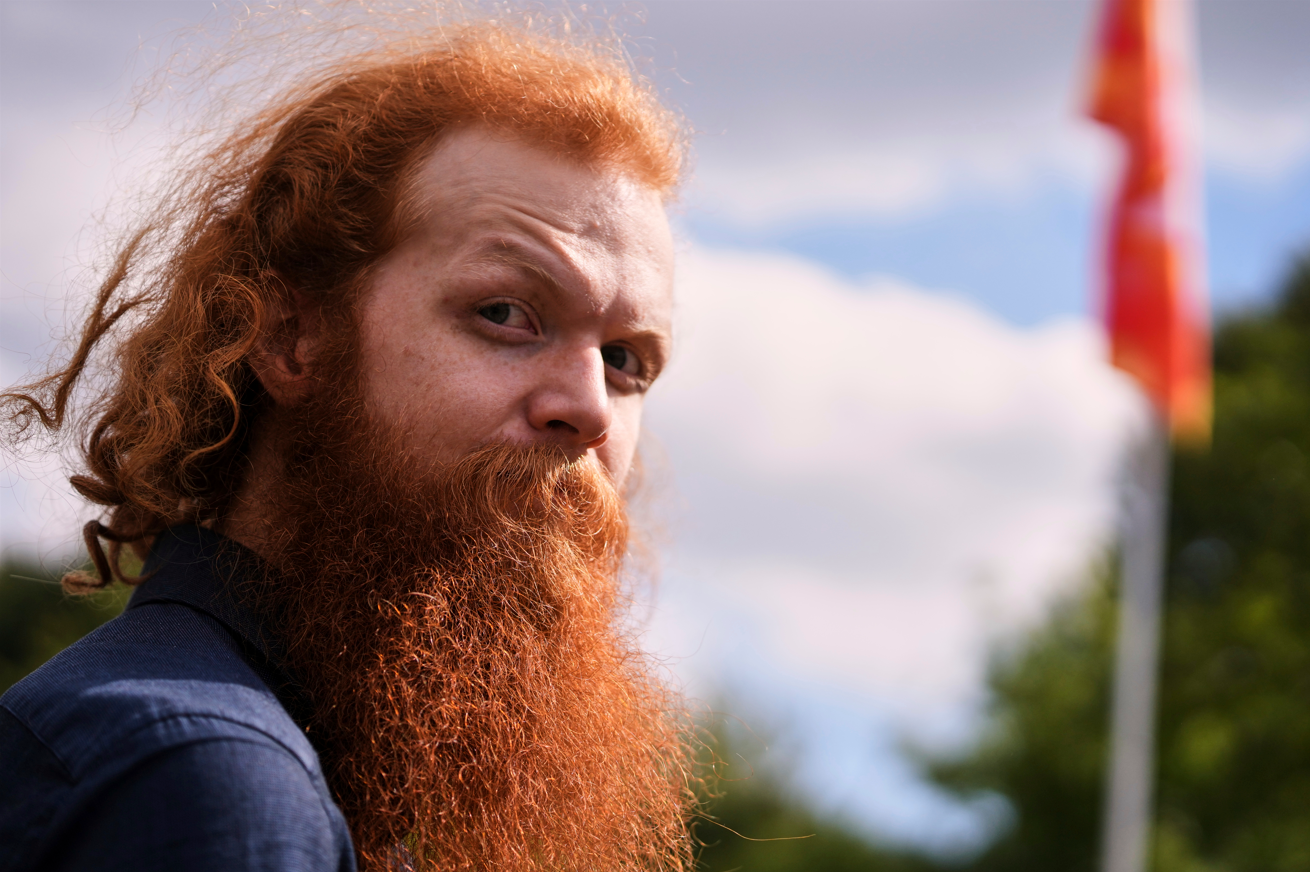
Magician Daniel Hank traveled six hours from Germany to join the festivities, now proud to flaunt the hair that made him the target of bullying when younger.
"I think it's really easy to recognise me because there are not that many people with a red beard, there are not many guys with long red hair," he said.
The festival is free and open to all, with the exception of the group photo on Sunday.
That event is restricted to "natural" redheads.
The 2013 edition set a Guinness World Record for the "largest gathering of people with natural red hair" with 1672 people posing for the group photo.
READ MORE: Wife of accused cop killer speaks on sixth day of manhunt
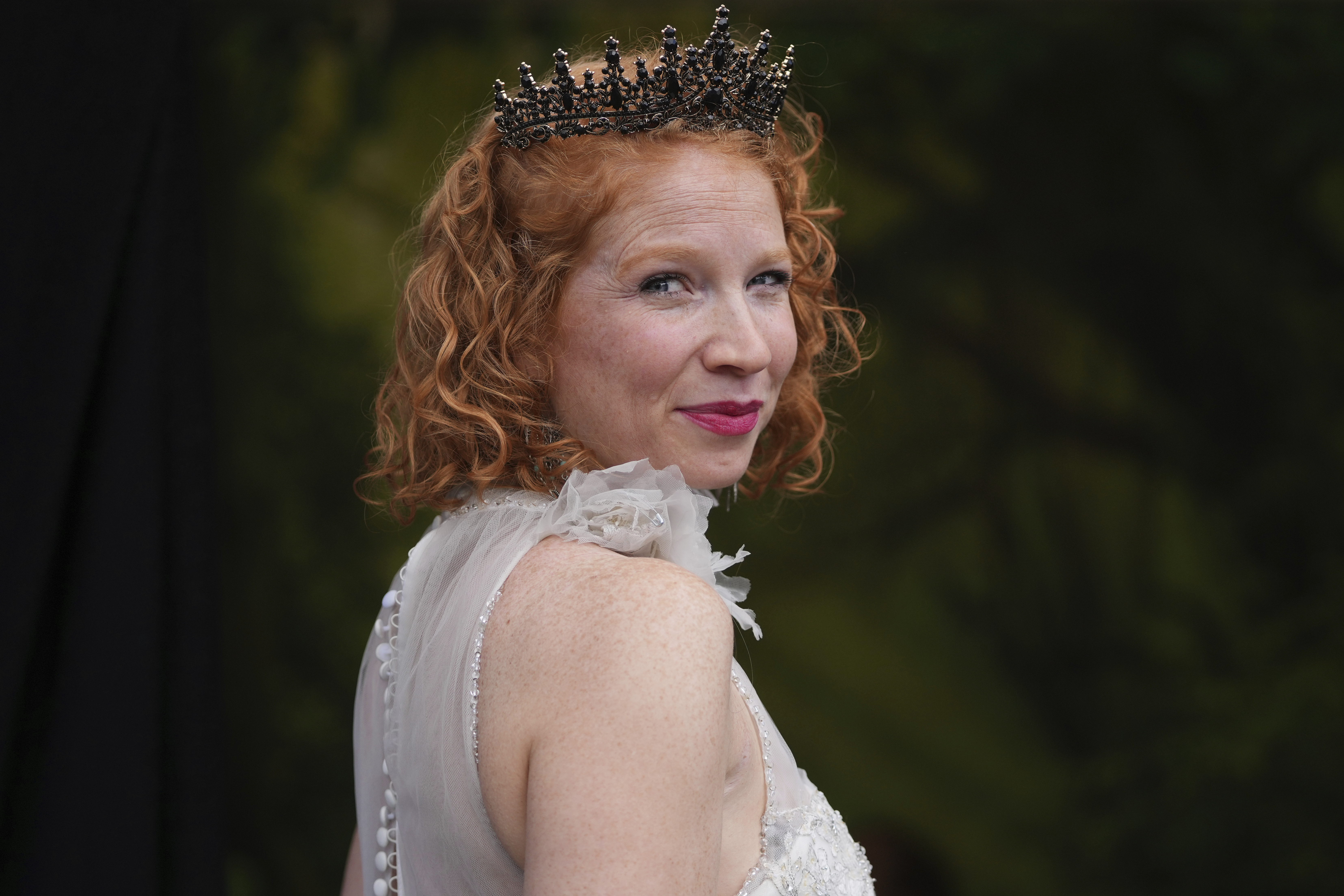
The tradition emerged two decades ago when Dutch artist Bart Rouwenhorst put out a call for 15 red-haired models for an art project in a local newspaper. He got 10 times the response he was expecting and brought the group together for a photo.
The project got so much attention, Rouwenhorst organised a similar meetup the following year and has continued to oversee the festival as it has expanded into the multiday event it is today.
"The festival is really amazing because all the people, they resemble each other and they feel like it's a family," he said.
DOWNLOAD THE 9NEWS APP: Stay across all the latest in breaking news, sport, politics and the weather via our news app and get notifications sent straight to your smartphone. Available on the Apple App Store and Google Play.
Australia put on notice by Donald Trump’s latest tech tariff threat
United States President Donald Trump has threatened to impose new tariffs and other penalties on countries that legislate against US tech giants, putting the Australian government on notice ahead of the incoming social media ban for children.
The federal government is pushing through legislation banning children under 16 years old, and is also pushing for digital platforms like Facebook to pay Australian publishers to use their news content under the News Bargaining Incentive.
However, this morning, Trump sent a pointed warning to countries threatening to restrict how American tech companies operate.
LIVE: Police officer injured, 'grave fears' for two others after shooting in Porepunkah
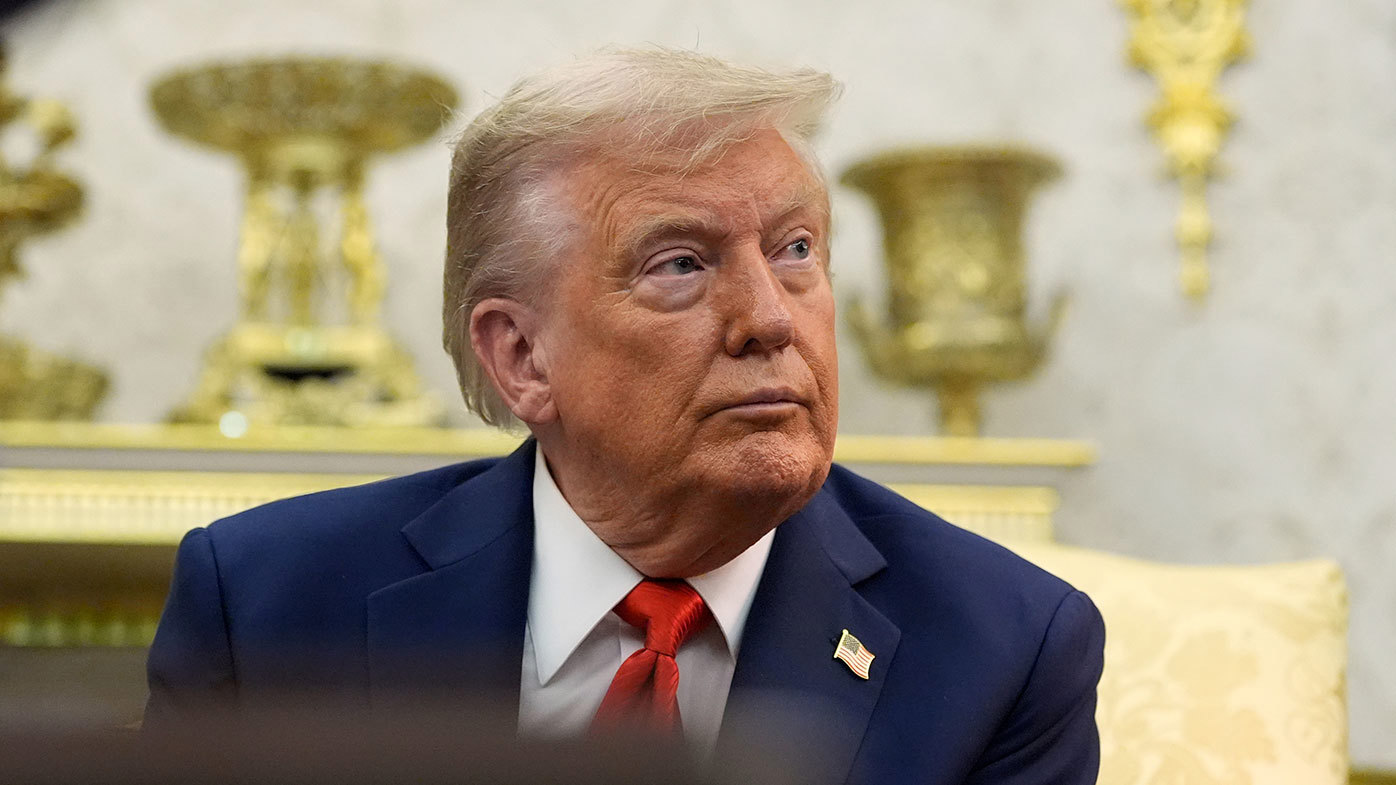
"I will stand up to Countries that attack our incredible American Tech Companies. Digital Taxes, Digital Services Legislation, and Digital Markets Regulations are all designed to harm, or discriminate against, American Technology," he said in a post on Truth Social.
"I, as President of the United States, will impose substantial additional Tariffs on that Country's Exports to the U.S.A., and institute Export restrictions on our Highly Protected Technology and Chips."
Major tech companies lobbied against Australia's incoming social media ban for young children, and Google even threatened to sue the federal government when it failed to get an exemption for YouTube.
READ MORE: Iran orchestrated at least two antisemitic attacks on Australian soil, PM says
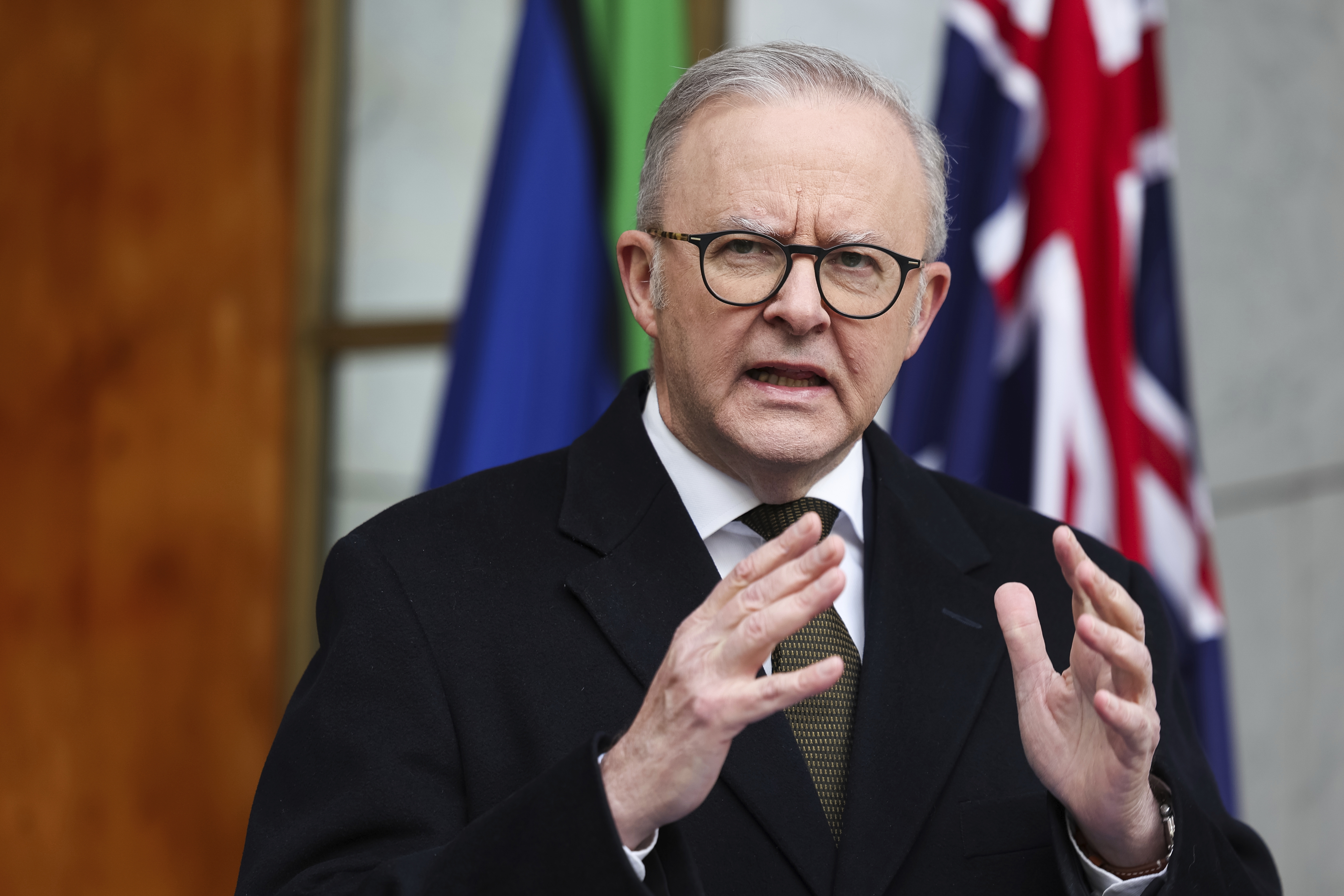
In June, Canada backed down from its own similar plan to regulate social media, but was still slugged with a 35 per cent tariff by Trump.
However, the federal government has shown no signs of being willing to back down from its position on the social media ban despite Trump's veiled threats.
"The government is committed to our world-first social media laws," a spokesperson told 9news.com.au.
Daniel Mulino, the Assistant Treasurer Minister for Financial Services and responsible for the News Bargaining Incentive, was approached for comment.
Several major tech figures have previously thrown their support behind Trump's presidency.
Meta donated $US1 million to Trump's inaugural fund and chief executive Mark Zuckerberg was one of several high-profile attendees at his inauguration, alongside Amazon boss Jeff Bezos and Google CEO Sundar Pichai.
DOWNLOAD THE 9NEWS APP: Stay across all the latest in breaking news, sport, politics and the weather via our news app and get notifications sent straight to your smartphone. Available on the Apple App Store and Google Play.
‘Further reduction’: RBA hints at even more welcome news for Aussies
Borrowers who welcomed the RBA's latest interest cut have been given a fresh dose of good news by the central bank.
This morning, the Reserve Bank released the minutes from its August 11-12 meeting, when its monetary policy board unanimously decided to cut the cash rate to 3.60 per cent.
That was the third time this year Michele Bullock and her board handed down an interest rate cut, but the minutes signalled even more relief could be handed down later in the year.
LIVE UPDATES: Two officers killed, one injured in shooting at rural Victorian property
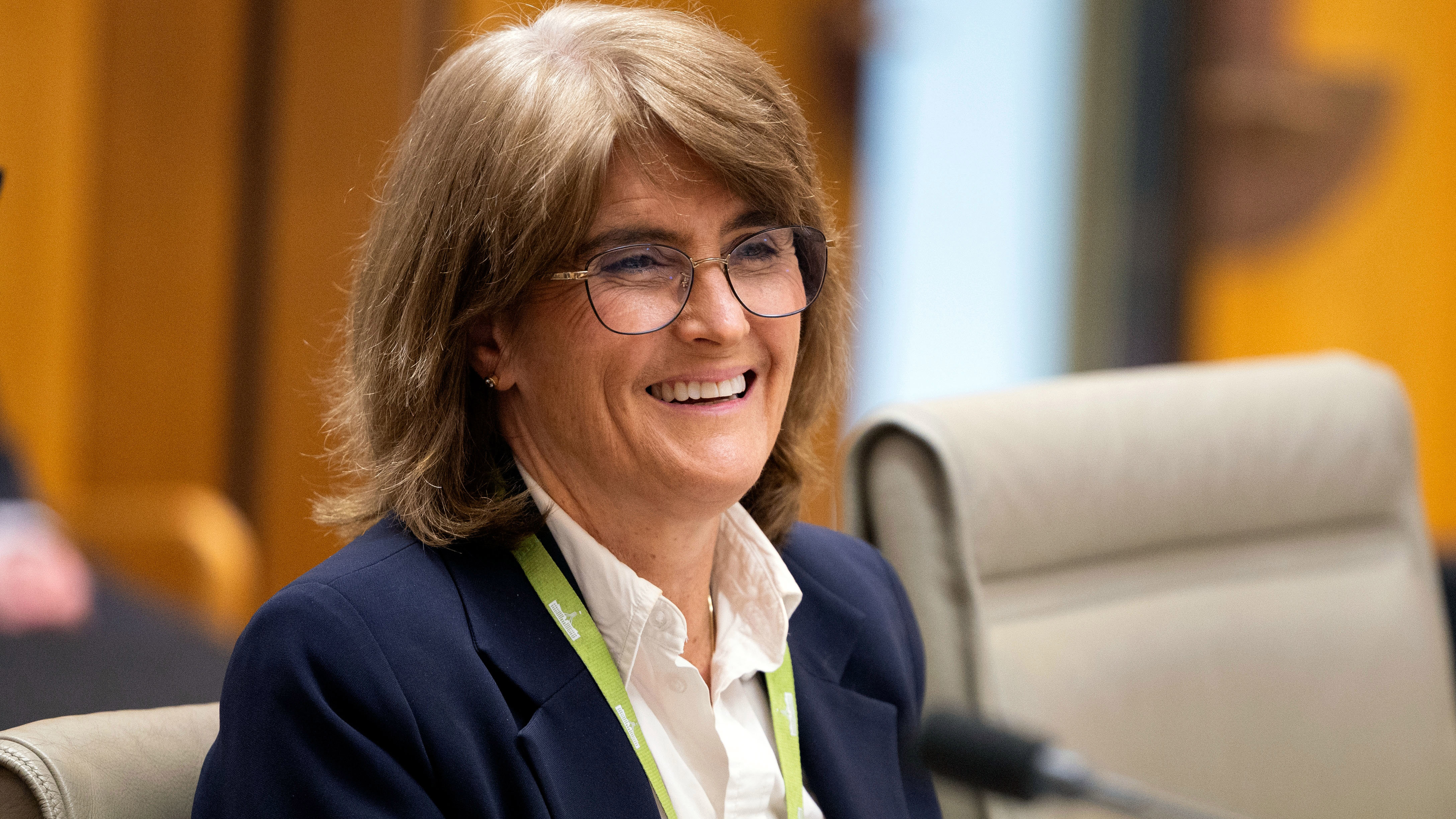
"Members agreed that – based on what they knew at the time of the meeting – preserving full employment while bringing inflation sustainably back to the midpoint of the target range appeared likely to require some further reduction in the cash rate over the coming year," the minutes state.
"They also agreed that it was important for the pace of decline in the cash rate to be determined by the incoming data on a meeting-by-meeting basis."
The monetary policy board will meet just three more times this year, with interest rate decisions to be handed down on September 30, November 4 and December 9.
The market is currently pricing in one more cut before the end of the year, which is what each of the big four banks are also forecasting.
READ MORE: Iran orchestrated at least two antisemitic attacks on Australian soil: PM
Economists from the Commonwealth Bank, Westpac, ANZ and NAB are all predicting a 25-basis-point cut will be handed down in November, taking the cash rate to 3.35 per cent by the end of the year.
Westpac and NAB have also pencilled in a further cut in February.
The RBA said there was a chance it would need to cut rates faster or slower than expected, particularly related to the unemployment rate.
However, the board also noted that it is "not yet possible to judge between these alternative scenarios for the pace of future reduction in the cash rate, given the prevailing uncertainties".
The information provided on this website is general in nature only and does not constitute personal financial advice. The information has been prepared without taking into account your personal objectives, financial situation or needs. Before acting on any information on this website you should consider the appropriateness of the information having regard to your objectives, financial situation and needs.
Accused Porepunkah gunman identified as ‘sovereign citizen’ Dezi Freeman
The suspect is still on the run, police say.
Teens charged after vicious attack on Sunshine Coast supermarket owner
Six teenagers have been charged after a Sunshine Coast shop owner was allegedly set upon on Saturday night after he accused one of them of stealing.
Shane Kensett told 9News he kicked a boy out of the Dicky Beach IGA store when he caught him trying to steal a pair of scissors.
He said not long afterwards, the boy returned with a group of teenagers who cornered him at the front of his store.
LIVE UPDATES: Two officers killed, one injured in shooting at rural Victoria property
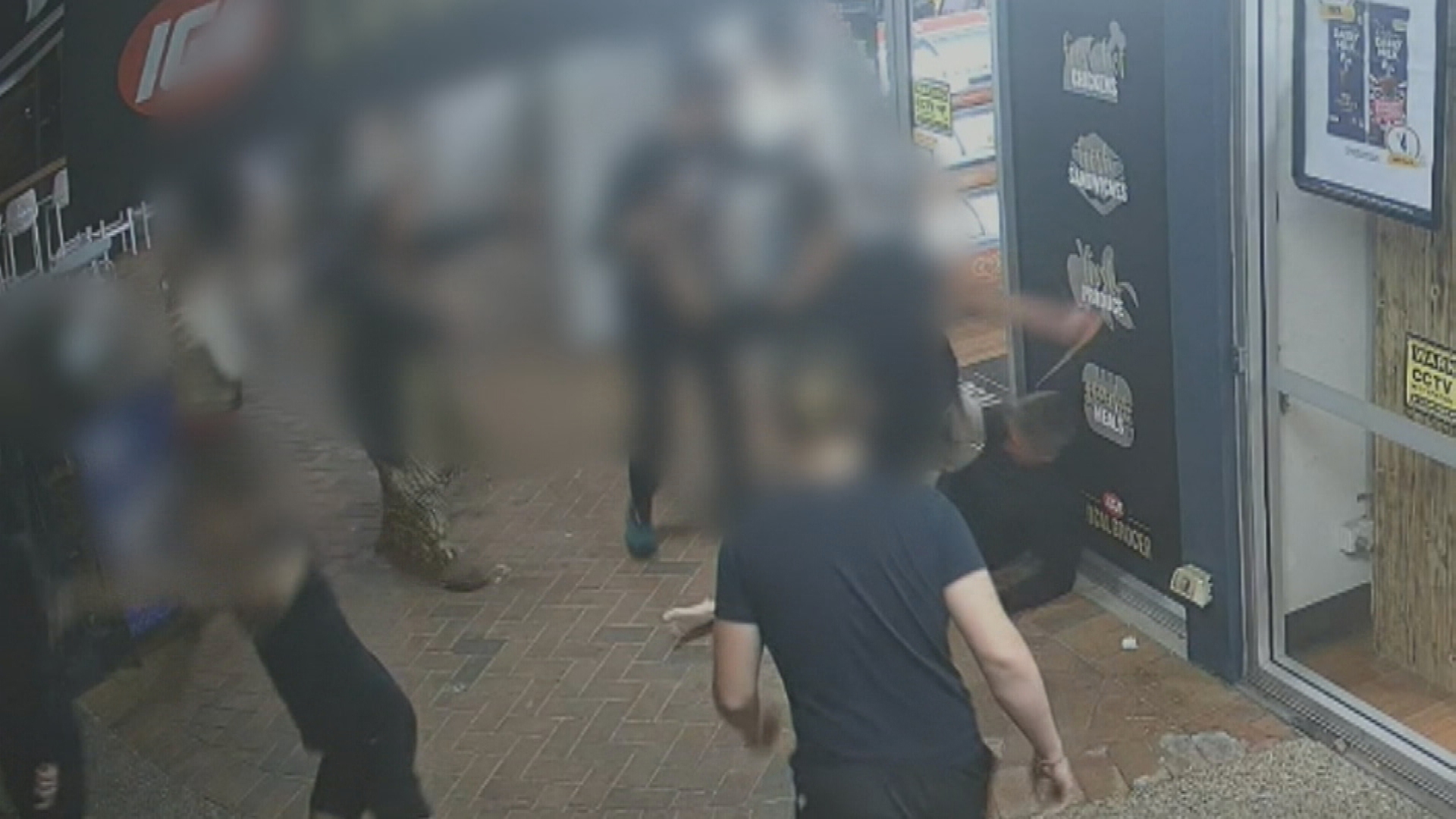
"I confronted them and said 'Go away, there's no need for this'," Kensett said.
"I felt alright until they were surrounding me at the door and I went, 'Alright, I'm in some trouble here'."
The group then allegedly punched and kicked Kensett, continuing to attack him after he had fallen to the ground.
The group fled when two members of the public intervened.
Kensett was rushed to hospital with a concussion, fractured nose, lacerations and bruising.
Police have charged six teenagers, aged between 14 and 17 with a number of offences including assault occasioning bodily harm and attempts to maim.
"I really hope that the magistrates hold up the work that the police have done and charge them for the full extent of what they've done," Kensett said.
He is now recovering and has been able to return to work.
DOWNLOAD THE 9NEWS APP: Stay across all the latest in breaking news, sport, politics and the weather via our news app and get notifications sent straight to your smartphone. Available on the Apple App Store and Google Play.
Killer teen driver cries as he’s given seven-year jail sentence
A killer teen driver who was high on MDMA when he crashed a stolen Jeep has cried as he was sentenced to more than seven years behind bars.
The boy, who cannot be named as he was 17 at the time of the fatal crash, put his head in his hands and wiped away tears as he learnt of his jail term on Tuesday afternoon.
He was behind the wheel of a stolen Jeep that crashed into William Taylor's Toyota Corolla in Burwood in Melbourne's east on the evening of July 2, 2024.
LIVE UPDATES: Alleged gunman on run after two police officers killed at rural property
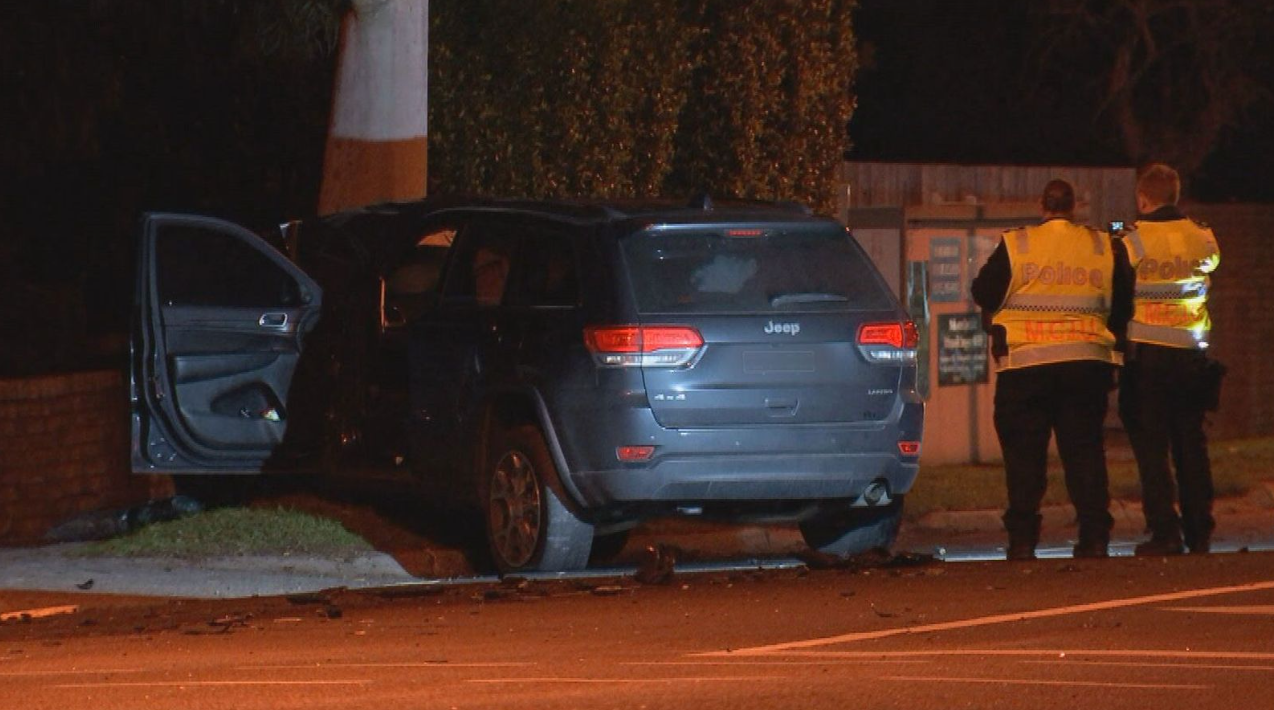
The boy was weaving through traffic at high speeds in the lead up to the collision, ignoring calls from his five teenage passengers to slow down or stop.
Taylor, who was driving to soccer training, had entered the intersection at Highbury and Warrigal roads when the Jeep struck the passenger side of his Corolla.
The stolen vehicle was travelling at 129km/h in a 60km/h zone in the seconds before the collision.
Taylor suffered extensive injuries and died at the scene, while the boy and his passengers ran from the stolen car.
In the hour after the fatal crash, the boy used his phone to track the Victoria Police air wing.
He also looked up Crimestoppers, news websites and searched, "what is the punishment for a minor who commits involuntary manslaughter?"
The boy was arrested at his home the next day and lied about losing his phone before providing a no-comment interview to investigators.
He was bailed, brought back into custody after breaching his bail conditions, and then released again in the month after the crash.
READ MORE: Iran orchestrated at least two antisemitic attacks on Australian soil, PM says
The boy, who is now 18, was still on bail when he entered a guilty plea in the Victorian County Court to charges including culpable driving causing death and conduct endangering life.
Judge Justin Lewis on Tuesday found the boy's moral culpability was high, given the teen was unlicensed, speeding in a stolen car and using the drug MDMA on the day of the crash.
"You never should have been driving at all," the judge said in sentencing.
Lewis accepted there was an element of panic when the boy fled the scene after the crash but also noted the teen was clearly trying to avoid arrest.
The judge said the boy's guilty plea showed he had accepted responsibility and spared Taylor's family having to sit through a trial.
He referenced five statements provided to the court from Taylor's family and friends, noting how eloquently they spoke of their grief.
"The death of the loss expressed is profound," Judge Lewis said.
He accepted the boy was still young and his prospects of rehabilitation were generally good, but said deterring other people in the community from committing similar offences was important.
The boy was jailed for seven years and seven months but he will be eligible for parole after four-and-a-half years.
Lewis recommended the Adult Parole Board direct the boy to serve all or part of his sentence in a youth justice centre, given his age.
The teen wiped away tears while his mother sobbed in the courtroom after the sentence was handed down.
Taylor's family hugged as they left the County Court but chose not to make a statement to media.
DOWNLOAD THE 9NEWS APP: Stay across all the latest in breaking news, sport, politics and the weather via our news app and get notifications sent straight to your smartphone. Available on the Apple App Store and Google Play.
Man accused of approaching Christchurch schoolgirls was under preventive detention order for sexual violence
Leo Goodwin, 53, breached conditions by approaching girls under 16.
What we know about the fatal police shooting in Porepunkah
Accused gunman Dezi Freeman remains on the run after two police officers were killed and a third was injured in a shooting on a rural property in north-east Victoria.
The incident unfolded at a home in Porepunkah in Victoria's alpine region, about 300 kilometres from Melbourne, when police went to execute a search warrant just after 10.30am.
Two officers, who were initially unaccounted for, died at the scene. The third has been rushed to hospital.
LIVE UPDATES: Search for gunman after police officers shot dead
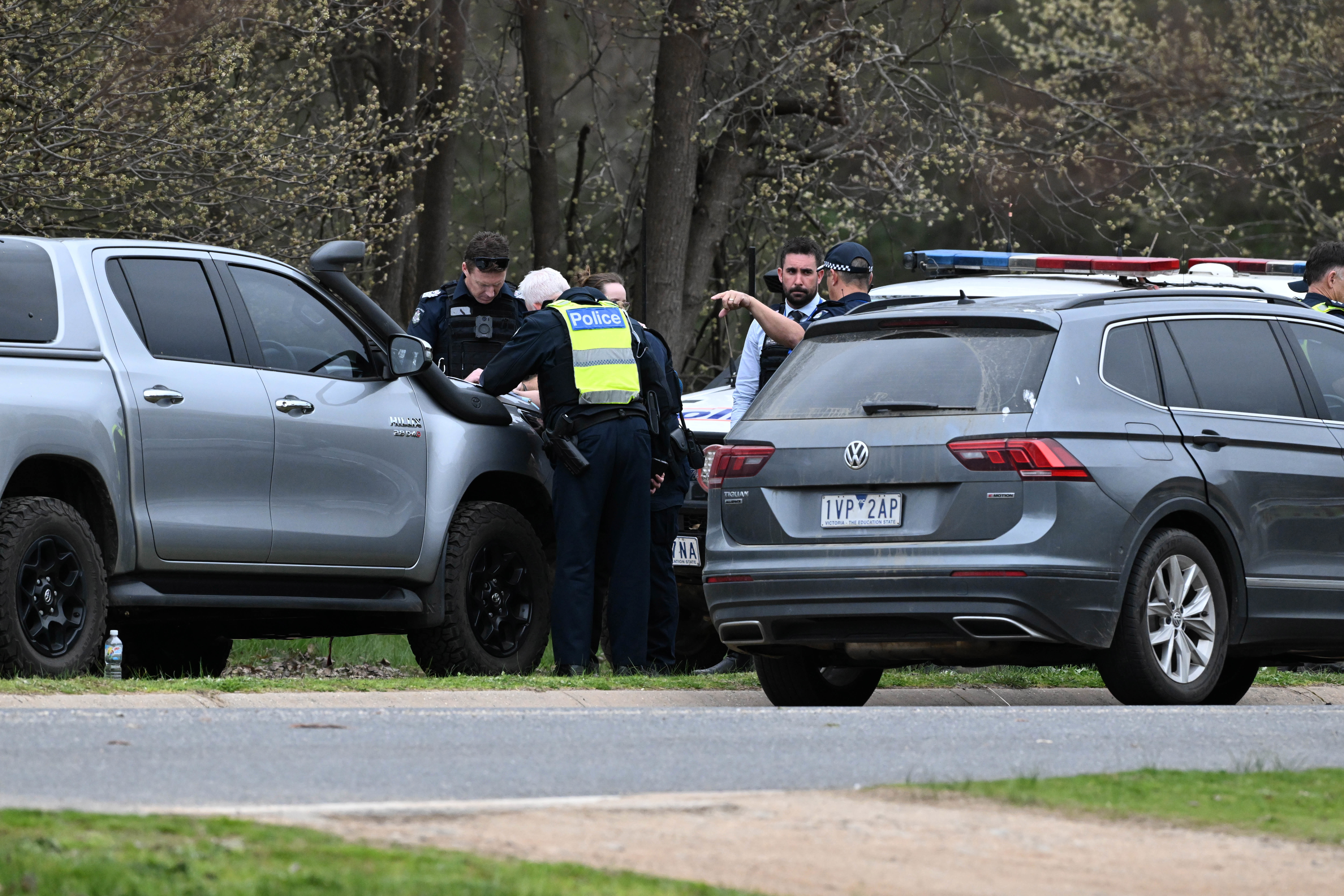
They have been identified as a 59-year-old detective and a 35-year-old senior constable.
Here is what we know about the incident so far.
What happened?
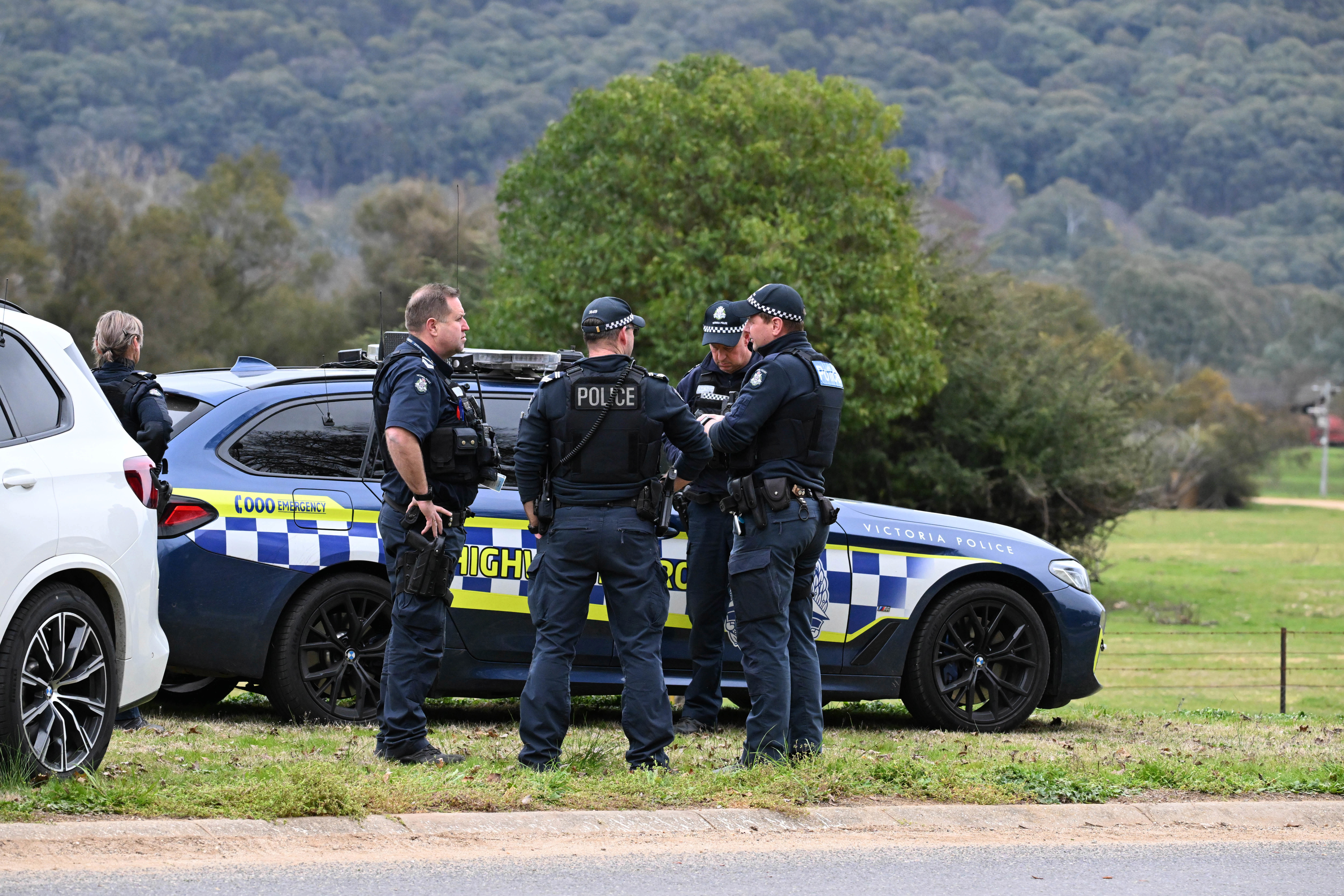
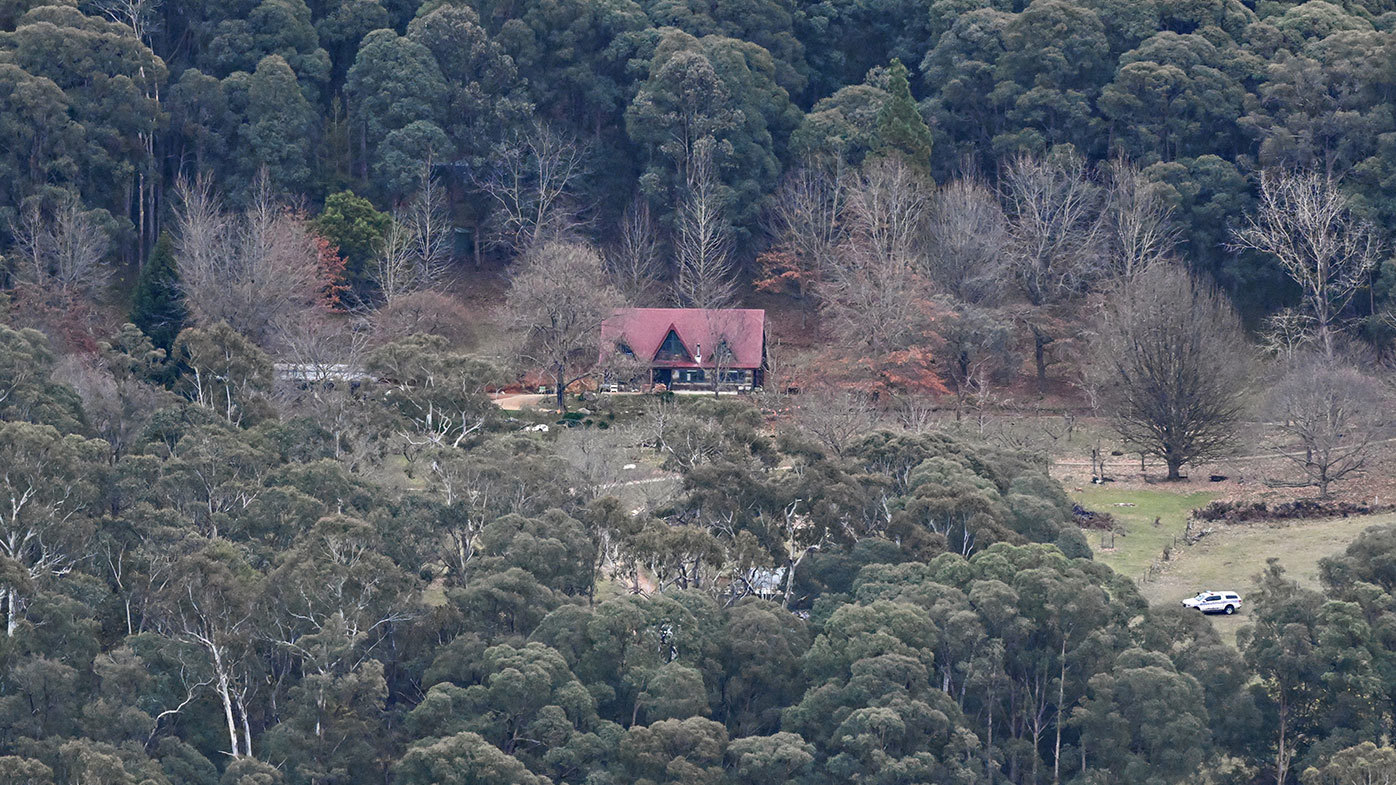
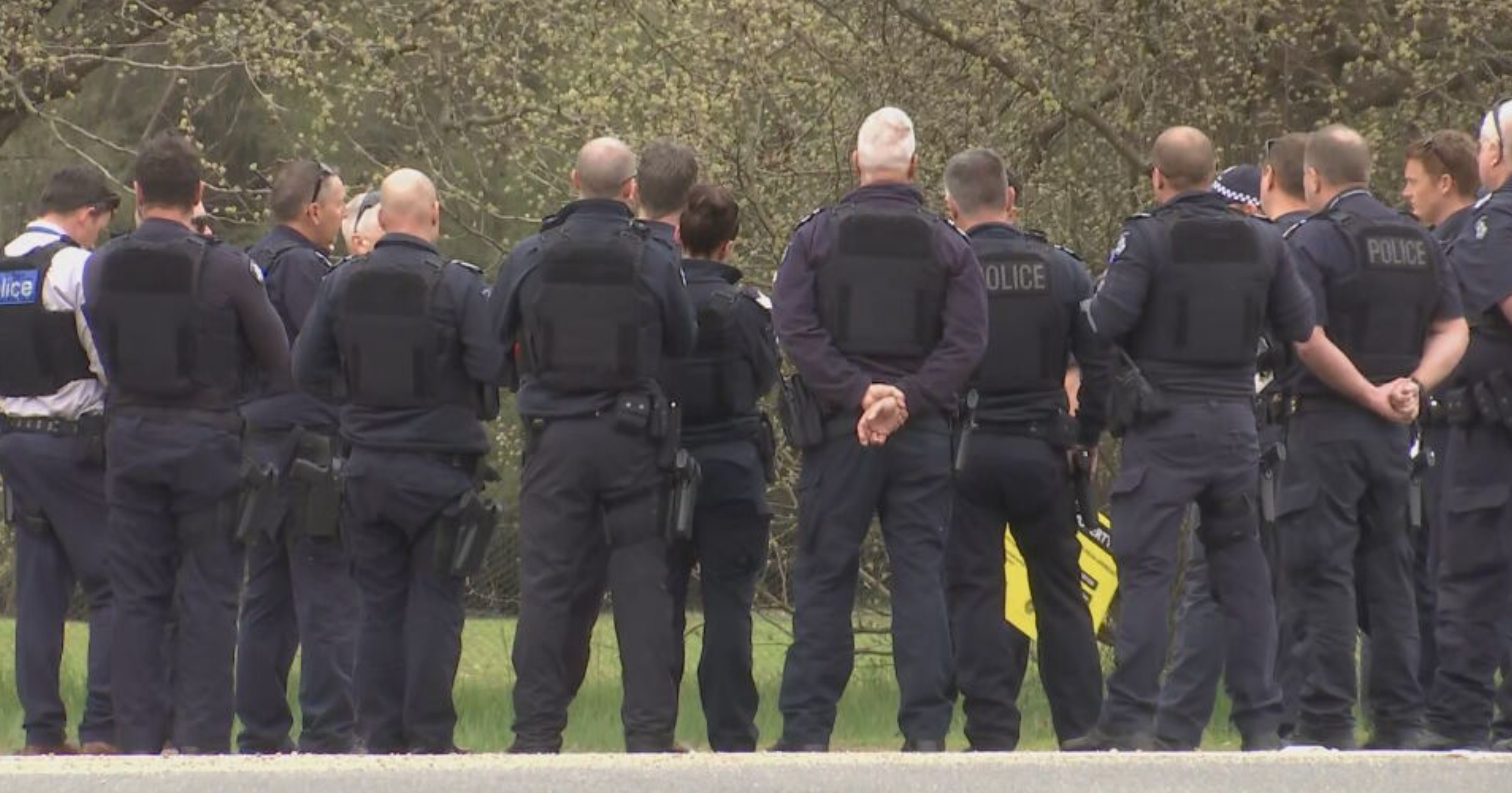
Ten police officers attended a rural property on Rayner Track, Porepunkah, just after 10.30am, Victoria Police confirmed in a statement.
9News understands the officers were executing a warrant for historical sex abuse allegations when they were fired upon.
"Two officers were fatally shot and a third was seriously injured after being shot in the lower body," a Victoria Police spokesperson said.
Chief Commissioner Mike Bush said the two officers were "murdered in cold blood" by a heavily-armed alleged gunman.
He told the media in an update tonight that Freeman was able to escape on foot and was seen fleeing into the bush after the incident.
Earlier reports claimed Freeman may have had family members with him, however Bush said this remained unconfirmed.
Bush said police were trying to locate Freeman's family.
An urgent call for assistance was made from the property about 10.55am.
The wounded police officer was airlifted to The Alfred Hospital in a stable condition, where he was undergoing emergency surgery.
No other officers had been physically injured, however they remained at the property.
Police from the Special Operations Group and Critical Incident Response Team also remained on scene.
"The suspect for this horrific event is still at large. We believe he is armed," Bush said.
"We have deployed every specialist resource into this area to locate him. It is our priority. Our priority is to arrest him to ensure that he's held to account for the actions, but also very much to bring safety and security to this community."
Detectives from the Homicide Squad will investigate the incident and attended the scene along with detectives from the Armed Crime Squad and Fugitive Squad.
"The Police Association Victoria is aware of a critical incident that has unfolded in northeastern Victoria impacting our members," a spokesperson said.
"We have sent critical incident support teams to the area to assist and support the impacted members, their families and colleagues."
A Porepunkah local told 9News she heard two or three gunshots ring out between 9.30 and 10.30am.
The woman said she thought the gunfire had come from deer hunters, but thought it was strange for people to be hunting in daylight.
What do we know about the accused gunman?
The accused gunman on the run has been identified as "sovereign citizen" Dezi Freeman.
Freeman allegedly fled into the surrounding bush, taking family members with him, after the incident.
Freeman still remains on the run more than seven hours after the ambush.
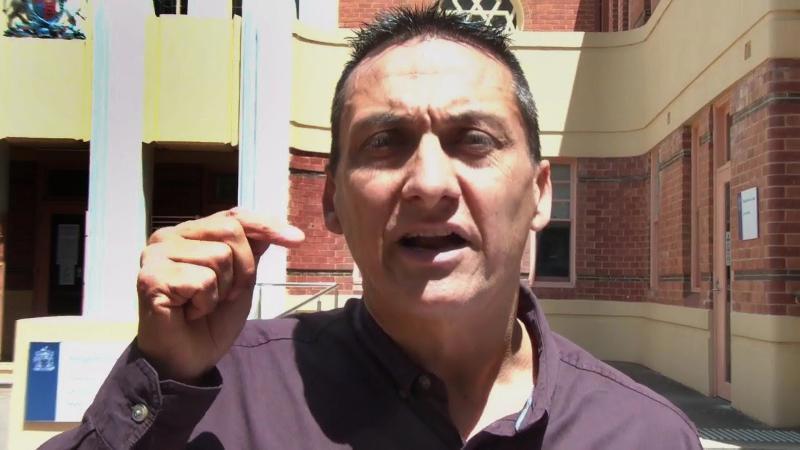
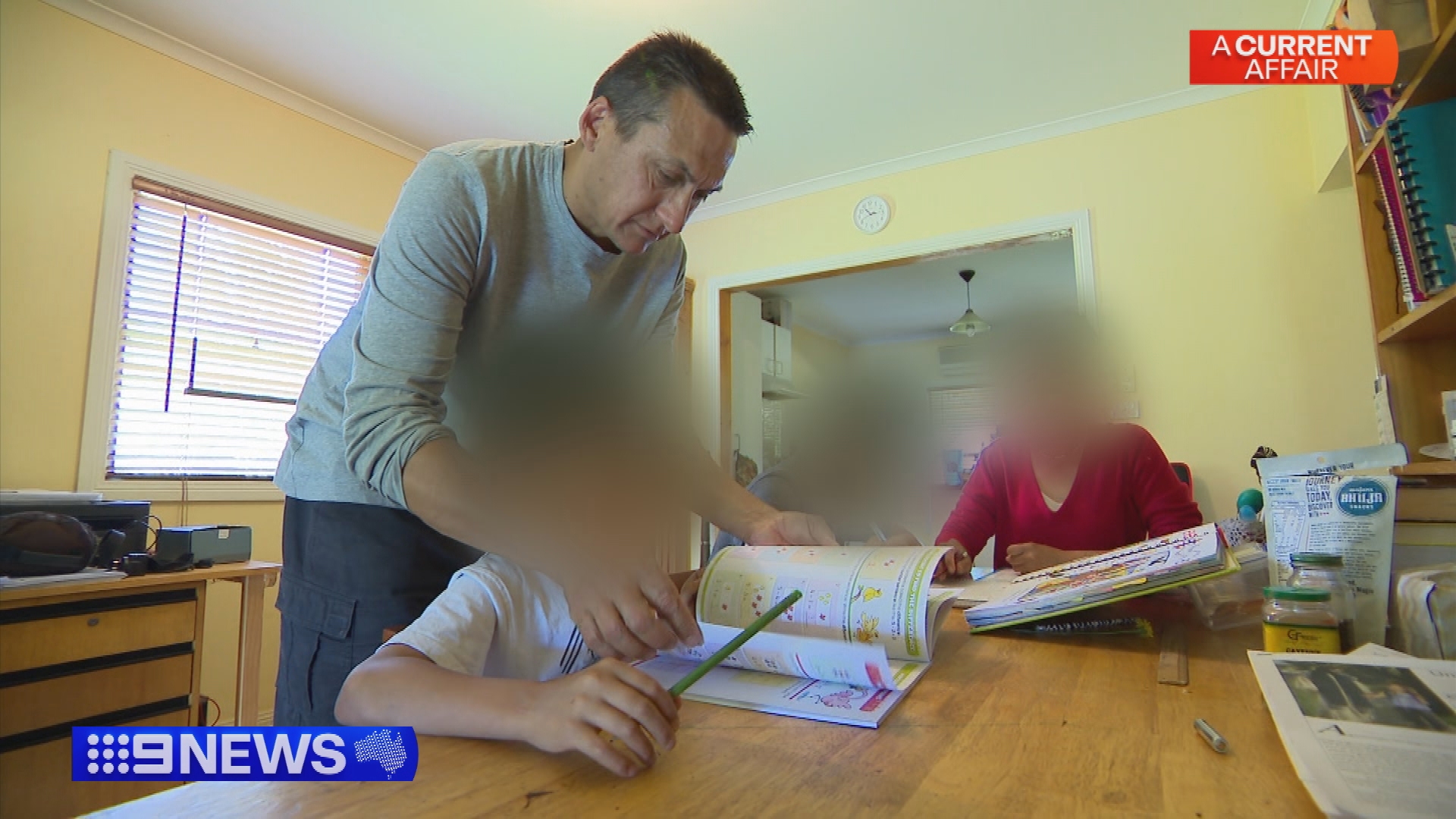
He is a self-described "sovereign citizen" who is known to police.
According to the Australian Federal Police, a sovereign citizen – also known as a SovCit – seeks to "disassociate from society and refuses to engage with societal requirements like paying tax".
Police believe he has left the property and at this time his whereabouts are unknown.
Police said he had at least several firearms on him.
Where is Porepunkah?
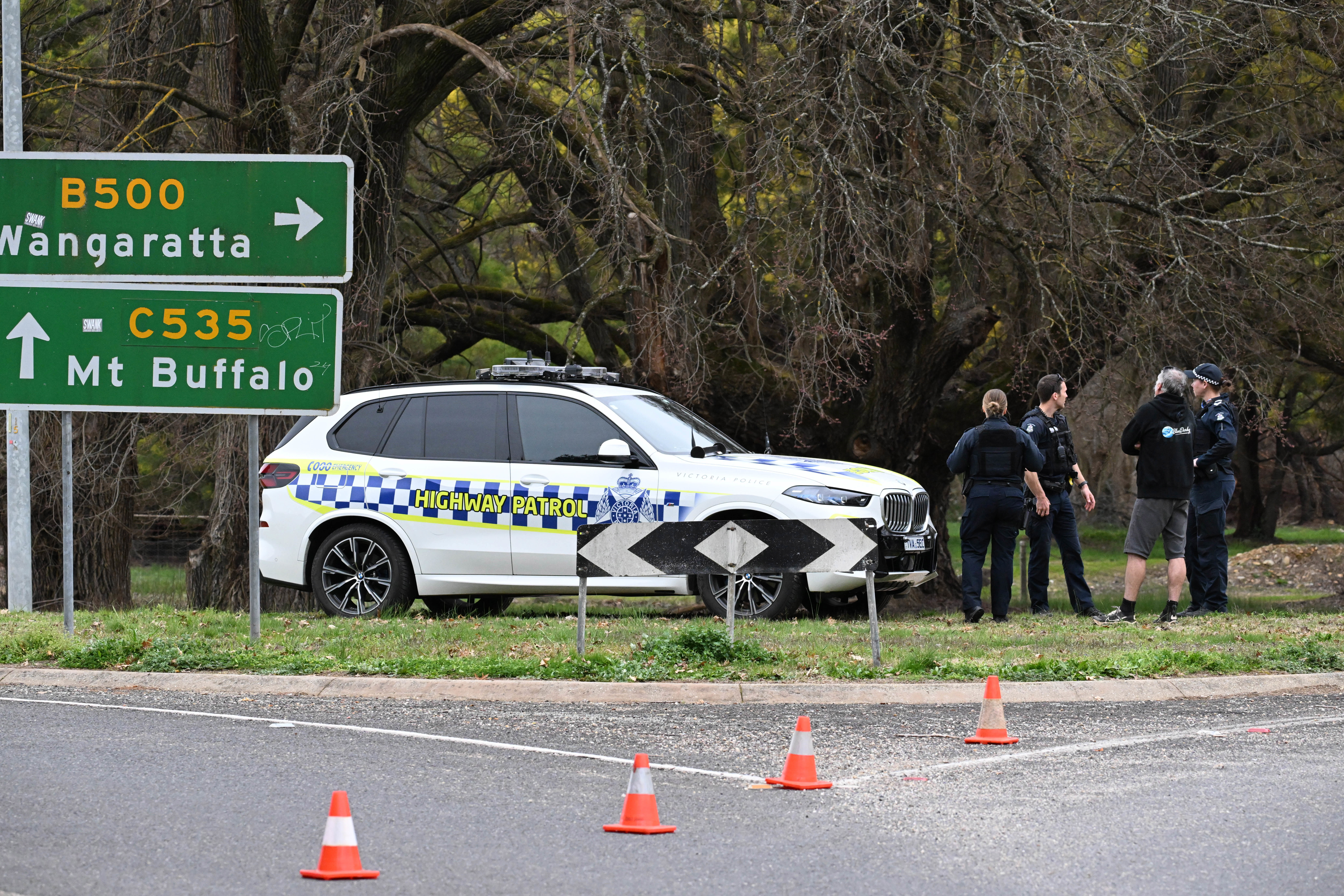
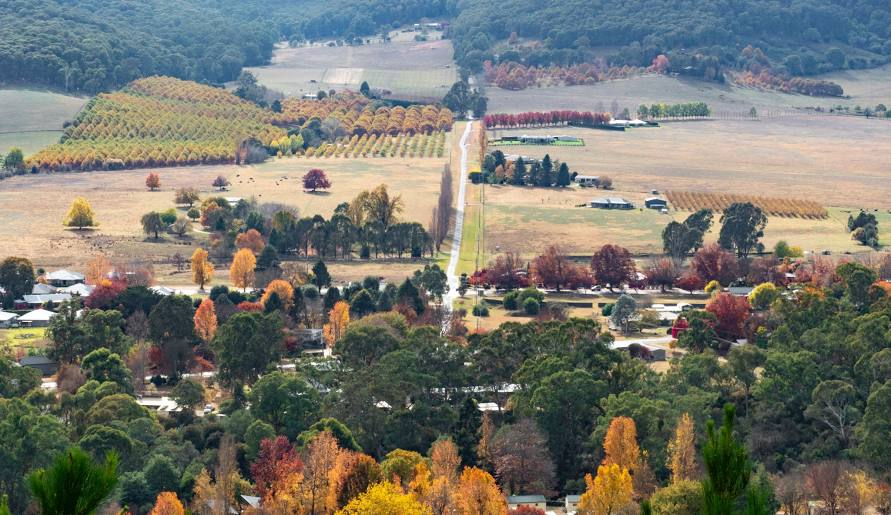
Porepunkah is located on the Great Alpine Road, at the foot of Mount Buffalo, about 300km north-east of Melbourne.
The remoteness of the town means police resources are currently limited.
It has a population of 1024, according to the 2021 Census.
The nearest town, Bright, is located 5km away.
Is the situation still active?
The gunman remains on the run.
It's believed the offender has left the property and at this time his whereabouts are unknown.
A significant search is actively under way to locate the man.
"We urge the public in and around the township of Porepunkah to remain indoors until further notice," Victoria Police said in a statement.
"We also ask people not to travel into the area."
Roadblocks have been established in and out of the town, meaning some locals are unable to return home.
What is the advice in the local area?
The town of Porepunkah has been placed into lockdown as the situation continues to play out.
Locals have been asked to stay indoors as the incident unfolds.
"Police are currently at a property in Porepunkah," Victoria Police said in a statement.
"This is still an active incident and we will provide more information when it's operationally safe to do so.
"We ask people to avoid the area."
Porepunkah Primary School has been put into lockdown.
The principal told The Age the children were all fine and watching movies to pass the time.
READ MORE: Australia Post suspends deliveries to the US after Trump tariffs
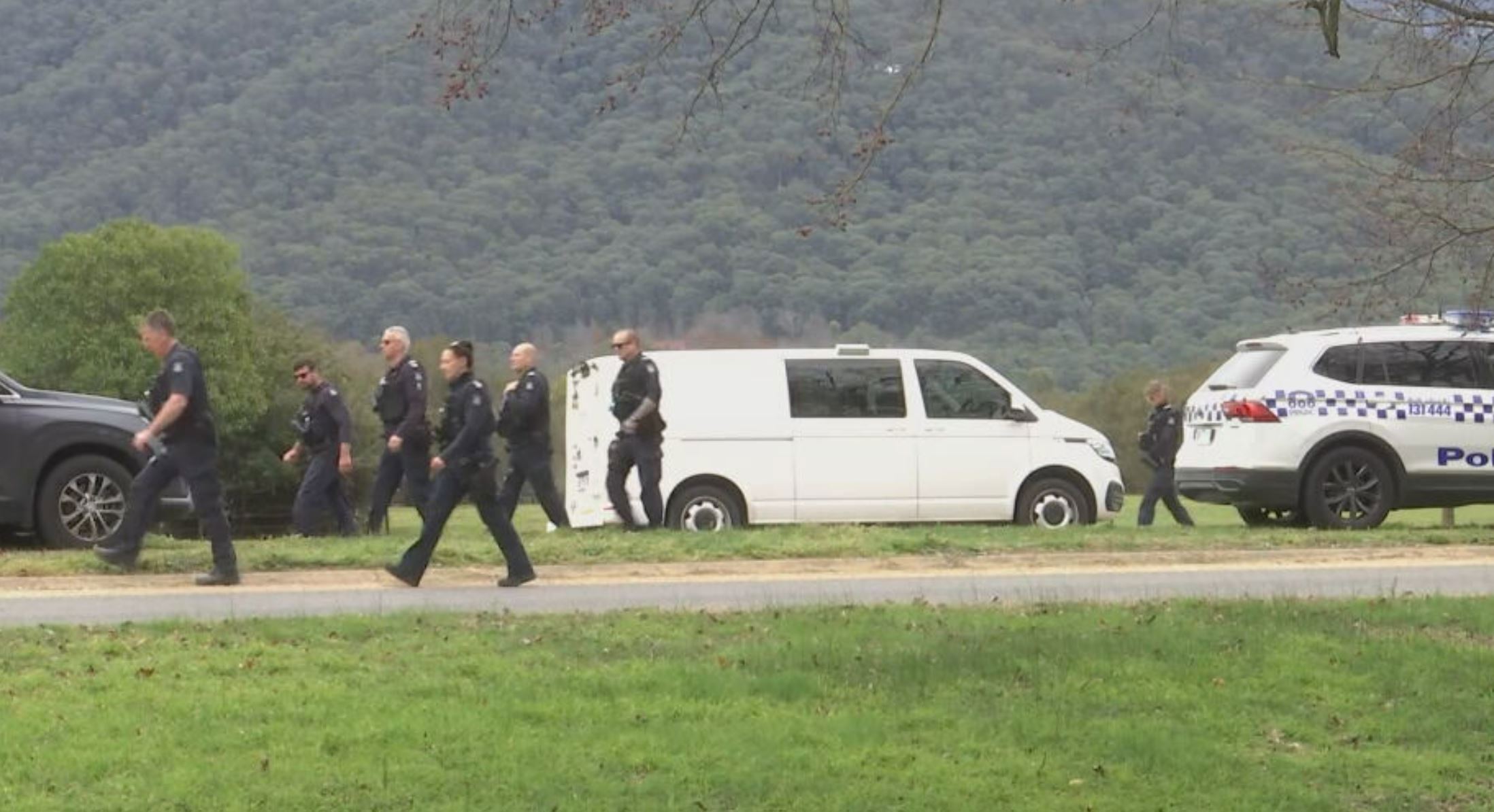
Local caravan park owner Andrea Siede said police directed guests to take the keys out of all vehicles, lock all doors and stay inside.
"They said, all your workers, put them somewhere safe…and you need to stay inside your property," Siede said,
"No family deserves to be going to work and not returning home."
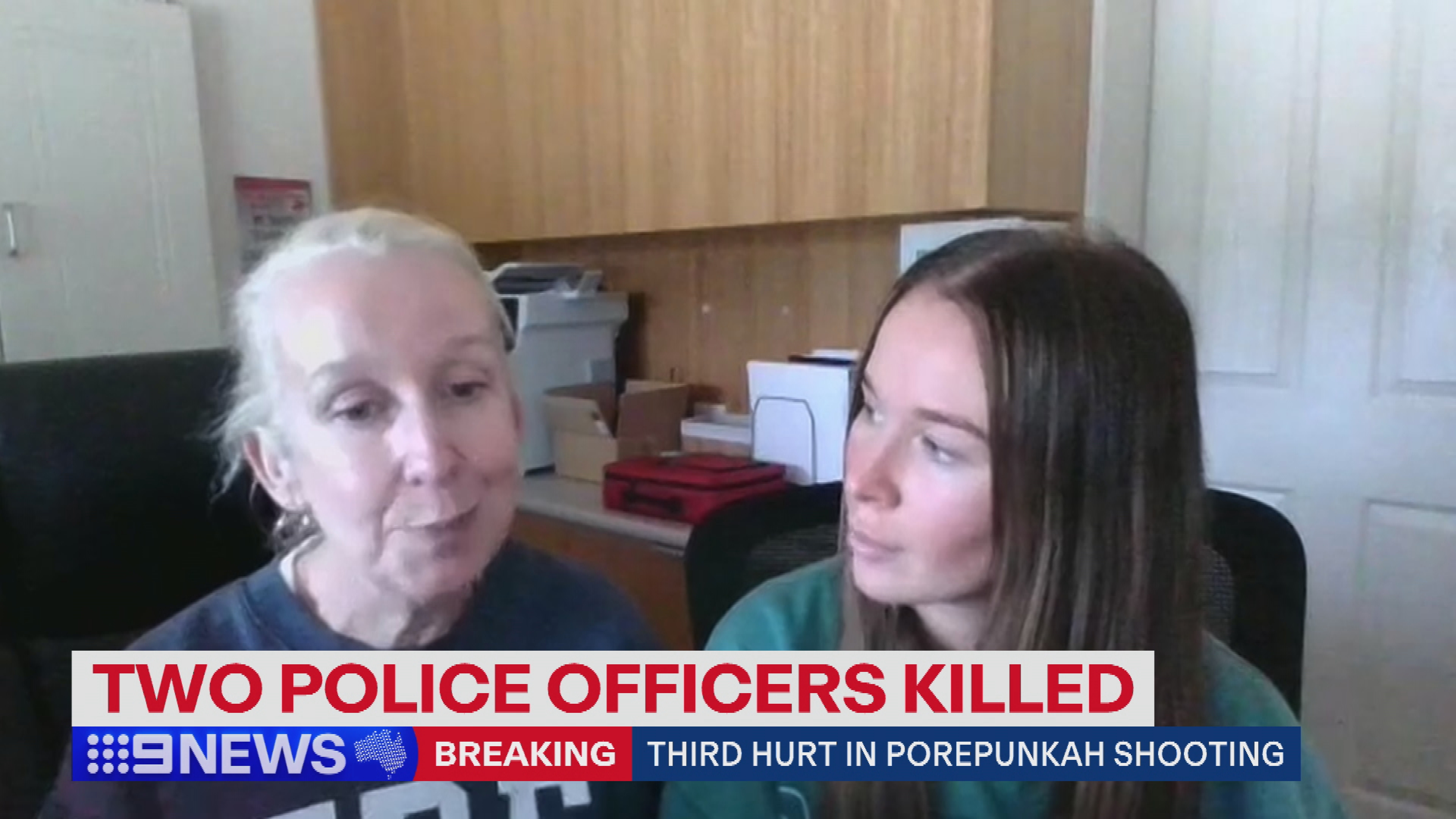
One local told 9news.com.au Porepunkah is a "pretty quiet community".
He said several police cars were seen heading across the town.
Alpine Shire Council, the local council servicing Porepunkah, said in a statement it was closing all council facilities "immediately".
"This includes all Transfer Stations, Libraries and Visitor Information Centres and Depots across the Shire, Council's Customer Service Centre in Bright, and Bright Sports Centre," the statement reads.
"Tonight's Ordinary Council Meeting has also been postponed, and will be rescheduled for two weeks' time.
"Further details will be provided at a later date. We thank you for your patience and understanding. We'll update the community when our services resume."
Reactions to the police shooting
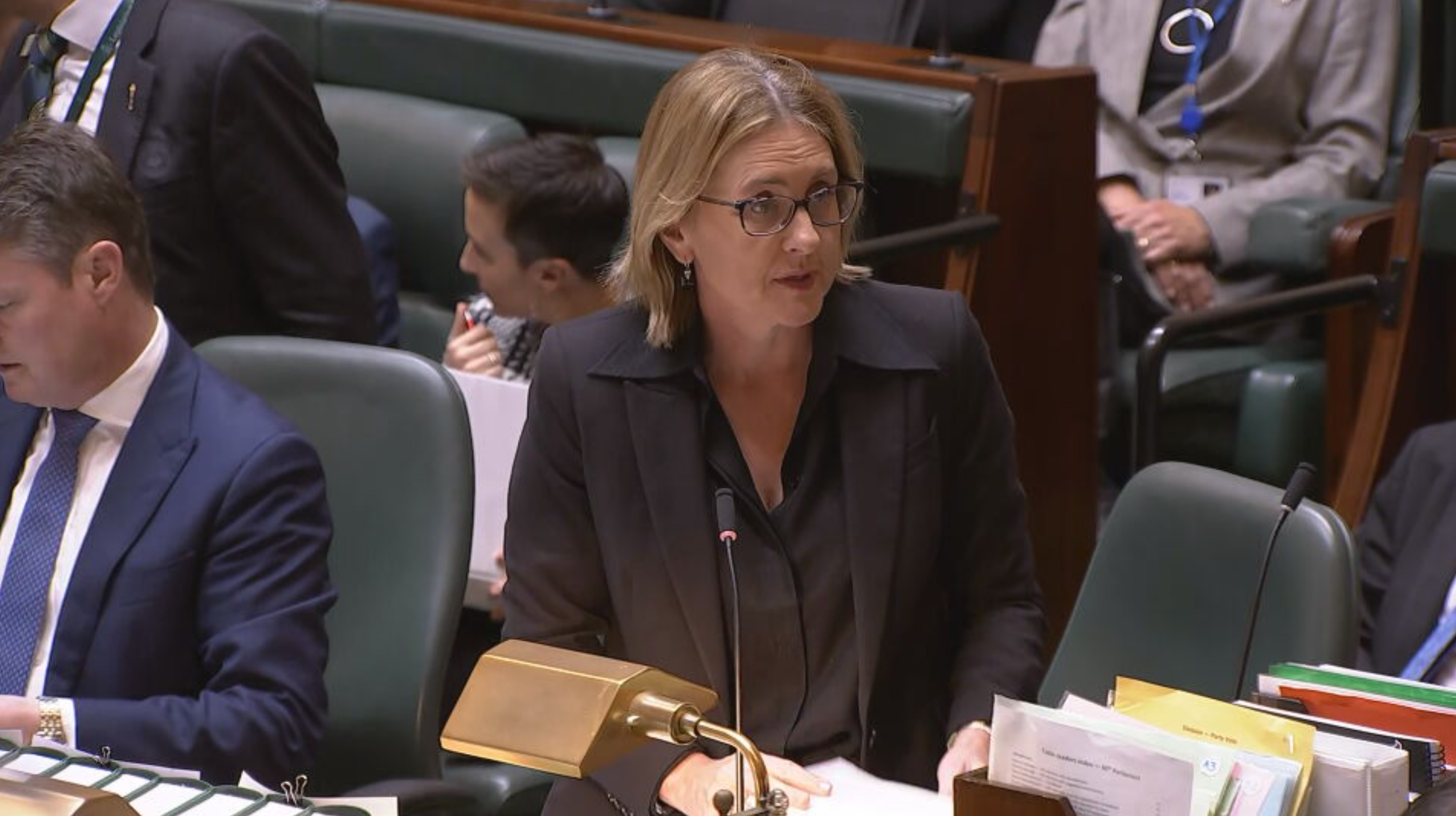
Victoria Premier Jacinta Allan spoke about the shooting during Question Time in Victorian parliament.
Allan urged people to stay away from the scene as police do their job.
"I do ask the Victorian community, particularly those in that beautiful part of the north-east of our state, to follow the advice of Victoria Police and avoid the area," she said.
Prime Minister Anthony Albanese said he was "very concerned" for the police officers involved.
"Our thoughts are with the police for the work they do, each and every day. The men and women who wear our uniform, wear the uniform of the police take risks each and every day," the PM told media in Canberra.
"The Victorian Police Commissioner will be providing updates during the afternoon as more facts that are able to be released become clear."
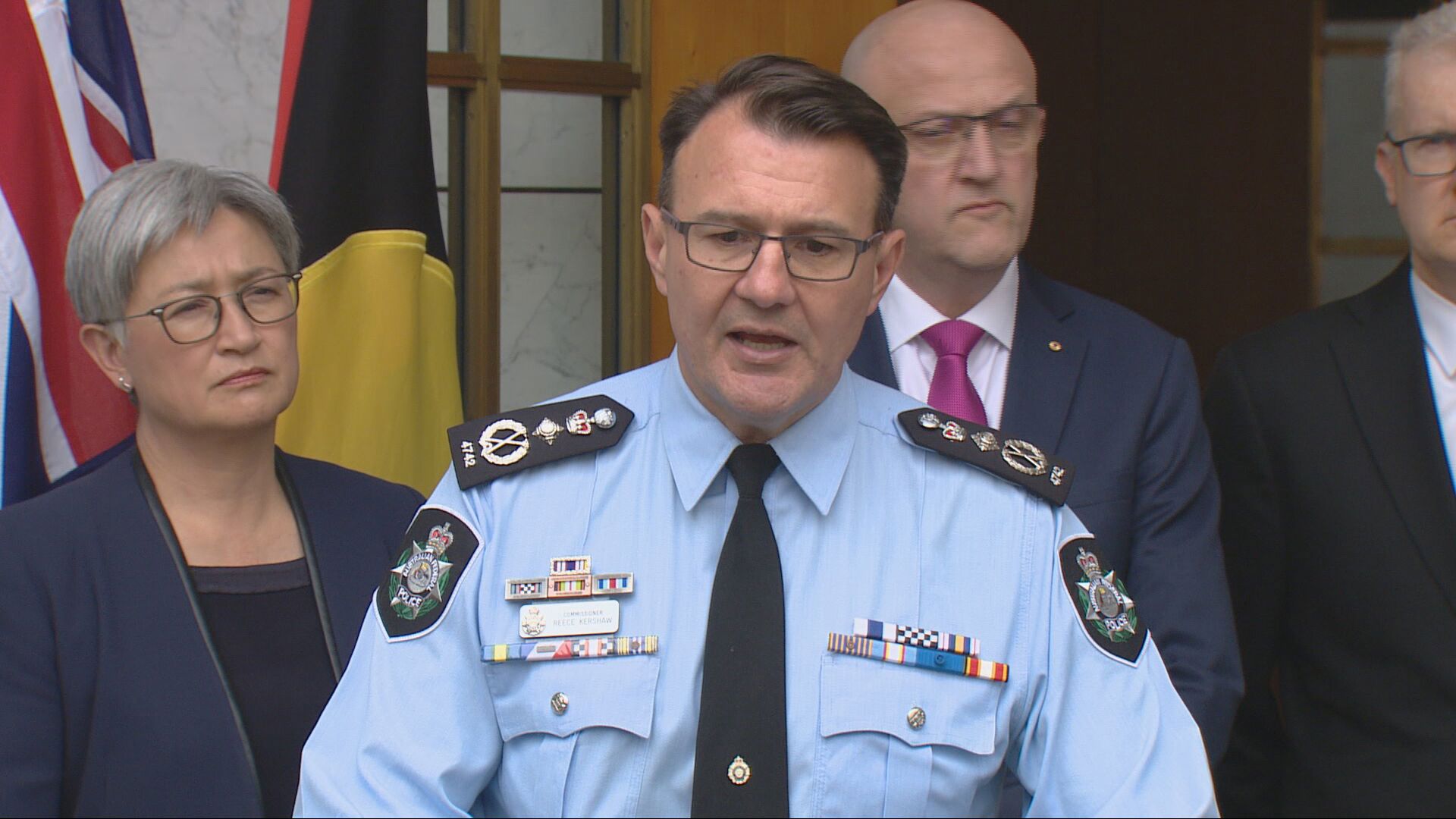
Australian Federal Police Commissioner Reece Kershaw joined Albanese and said there were "grave fears" for the officers as the incident unfolds.
"Just from the police blue family, the wider family across Australia, and overseas, our thoughts and prayers are with Victoria Police right now," Kershaw said.
"And we hope that they are all safe and well, however, we're hearing there are some grave concerns for some of those police officers and our hearts go out to the community."
Victoria's Opposition Leader Brad Battin told reporters at parliament that events like this "impact each and every police officer across Victoria and across Australia".
"We're seeing news, tragic news is happening up in the north of Victoria, and we want to send our thoughts and our strength out to Victoria police members who are hearing some of the news coming through at the moment," Battin said.
"We know that when Victoria police members get out of bed every day and go to work, they go to work with risk.
"Each and every day, Victoria police members go out in the face of danger.
"Each and every day they know the risks, and today, we want to send out our thanks to all of them, but more importantly, our thoughts to everyone as events unfold up in the north."
More to come.
Man arrested after sixth alleged firearms incident in Levin since last week
There were five alleged firearms incidents in Levin last week.