Anthony Ellison also provided his name and contact details on the package receipt.
Tag Archives: oceania
Zespri to cut 65 jobs, won’t replace another 70 amid industry changes
Staff consultation begins next week, continuing into early October.
Infamous durian fruit hits New Zealand supermarkets – for a price
The fruit is now available in New Zealand supermarkets run by Foodstuffs.
Banning of New Plymouth student’s speech leads to apology from school, free speech training
After mediation, the school has apologised and will offer free speech training.
‘Gravely concerned’ Winston Peters reacts to news Iran behind attacks in Australia
Ministry of Foreign Affairs and Trade to let Iranian ambassador know of Peters’ concerns.
Auckland’s only high-reach fire truck out of service, safety concerns rise
Backup is over two hours away, increasing risk for tall building residents.
Taupō emergency housing motel gang shooting: Mongrel Mob president on trial for murder
Ryan Woodford was shot in front of his partner and children in Taupō.
The Wiggles’ earnings of $7 million revealed after former CEO sues group
The former chief executive of The Wiggles claims he was undermined by the blue Wiggle in front of staff after raising concerns about friends and family members being employed by the children's entertainment group.
Luke O'Neill says he was denied bonuses and excluded from meetings before being dismissed with no reasonable basis in documents filed with the Federal Court.
He has launched legal action against The Wiggles, as well as Blue Wiggle Anthony Field and the group's general counsel Matthew Salgo.
LIVE UPDATES: Two officers killed, one injured in shooting at rural Victoria property
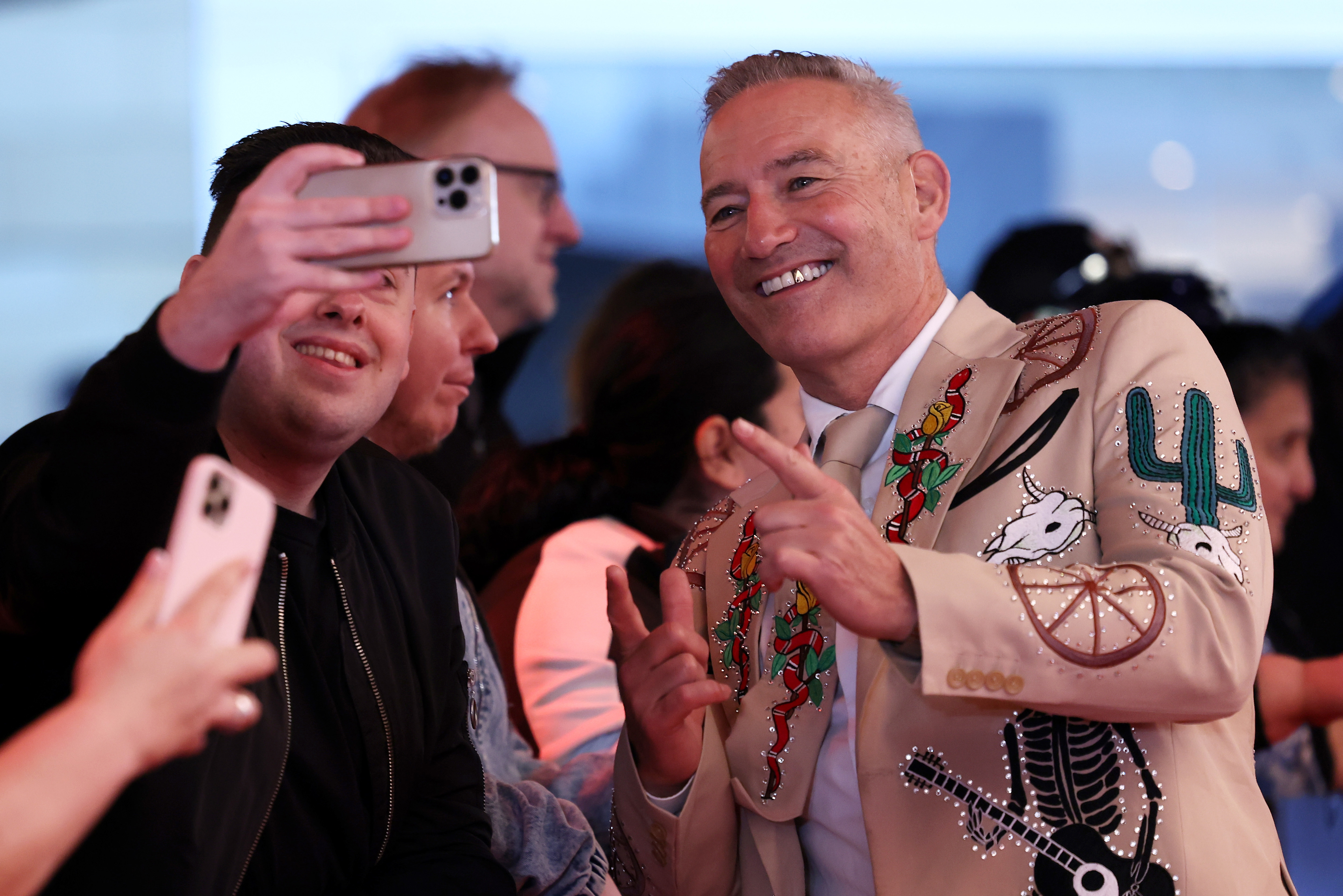
Field questioned O'Neill's competence and "undermined him" in front of more than a dozen staff at a meeting in February, the documents claim.
O'Neill then complained to Luke Field, the Blue Wiggle's nephew and the group's general manager commercial, about his uncle's behaviour in the meeting.
It came months after the chief executive complained about a different nephew being hired to work on the production of upcoming album The Tree of Wisdom.
O'Neill also took issue with Field implementing a bonus scheme for a friend and his daughter's boyfriend "without approval and in contrast with the usual employee bonus scheme," according to the documents.
Field then allegedly took steps to reduce O'Neill's roles and responsibilities.
That included excluding him from meetings with department store Kmart about selling branded toys, and emailing all staff about an intention to remove a tour promoter without prior consultation.
O'Neill made multiple other complaints about staffing and other decisions allegedly made by Field without approval.
He eventually complained to the group's director, Red Wiggle Simon Pryce, in April that the decisions were creating budget overruns, endangering his bonus.
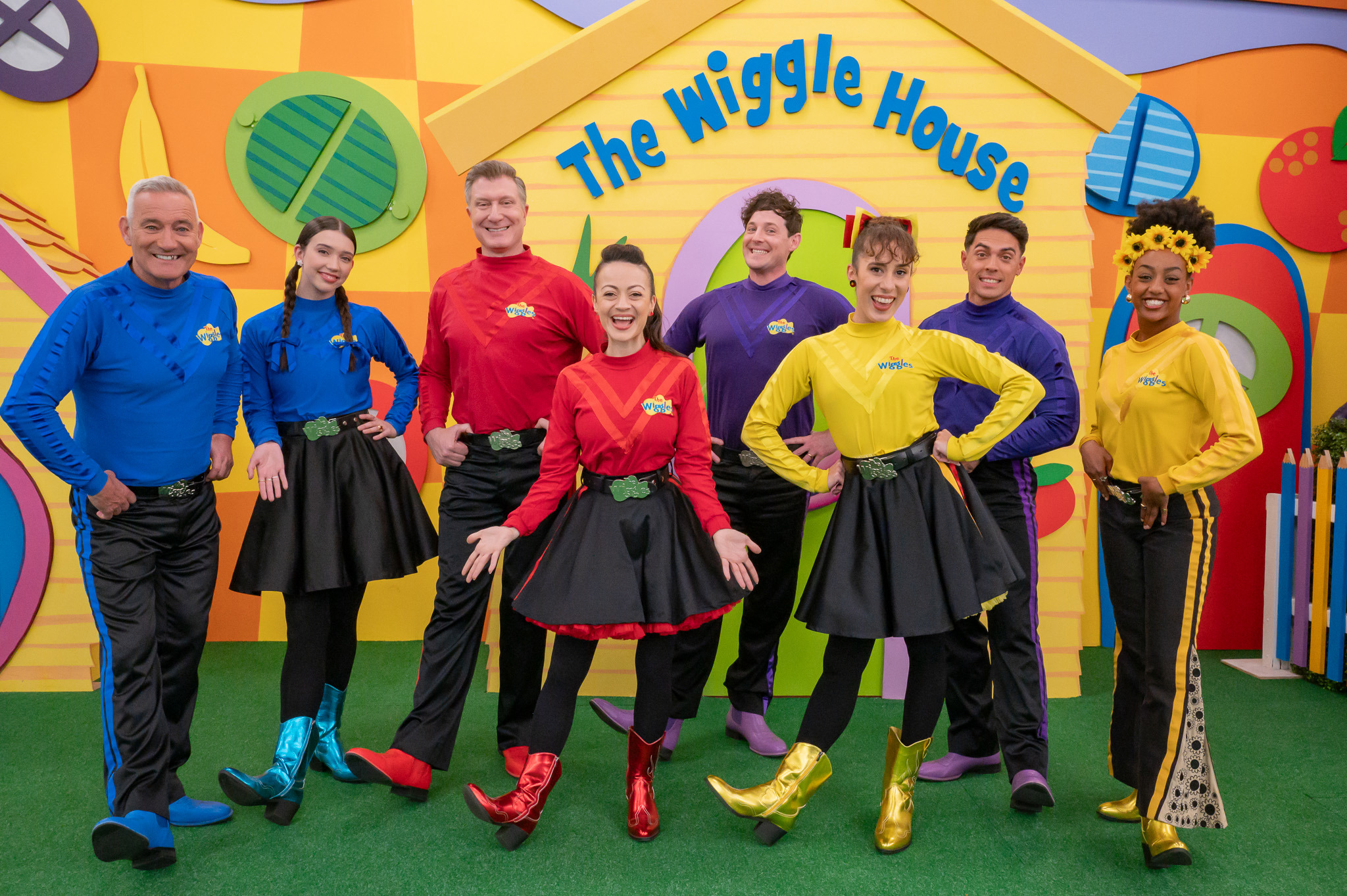
Pryce agreed his performance justified a raise after the three-decade-old group's earnings increased from $2 million in the 2023 financial year to a forecast $6.5 million to $7 million in 2025.
But O'Neill was dismissed in May.
He alleges the dismissal was unlawful and an adverse action for him exercising his workplace rights and came with no reasonable basis, prior warning, adverse feedback or performance management.
A bonus payment of more than $86,000, made in July, was less than what he alleges he was owed.
Field, Salgo and The Wiggles are yet to file their defence.
The case is due in court for its first hearing on September 8.
O'Neill began working for The Wiggles in a consultancy role in April 2023 before becoming chief executive in January 2024, tasked with implementing strategies to grow the group's revenue, maintain the budget and oversee hiring decisions.
The Wiggles formed in 1991 and are among Australia's top-earning and most widely beloved entertainment groups, winning multiple ARIA awards and being inducted in its hall of fame in 2011.
Field is the last remaining member of the original line-up, which has expanded over time.
DOWNLOAD THE 9NEWS APP: Stay across all the latest in breaking news, sport, politics and the weather via our news app and get notifications sent straight to your smartphone. Available on the Apple App Store and Google Play.
Right to disconnect law kicks in for millions more Aussies
Millions of small business workers now have the right to legally disconnect from work after a federal government legislation change officially kicked in.
The right to disconnect employment law will capture small businesses with 14 employees and under from today.
Under the new rules, staff can't be punished for reasonably ignoring after hours calls, text messages or emails from the boss.
READ MORE: Dangerous inmate only cell contact for mushroom killer
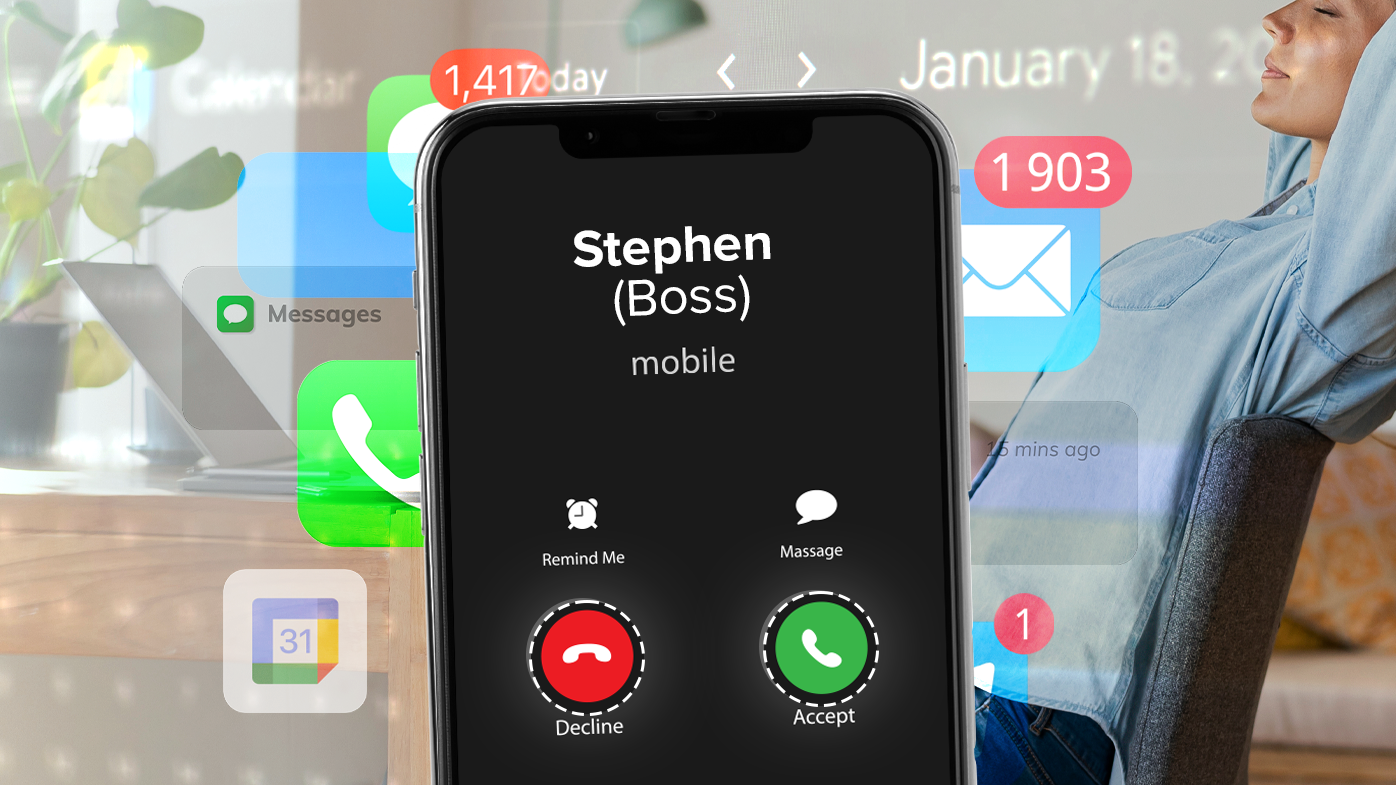
Work-related contact under this law applies to employers as well as third parties such as clients or business partners.
Employees also can't be disciplined or let go for refusing contact outside of work hours.
The same rule has applied to big businesses for the past year.
According to the ABS, over five million people were employed by a small business in Australia in 2022.
The ABS Counts of Australian Business reported 97.2 per cent of total businesses in the country had under 20 employees.
There are some exceptions to the right to disconnect.
While employees can refuse contact from employers where reasonable, what counts as reasonable is up to interpretation.
Several factors must be taken into consideration when deciding what is reasonable, including but not limited to the reason for the contact, whether an employee is compensated for after-hours work and an employee's personal circumstances.
READ MORE: Australia Post suspends deliveries to the US after Trump tariffs

READ MORE: 'A lot' of Americans would 'like a dictator', Trump says
Workers with a reasonable additional hours clause already in their employment contract may not be able to invoke the new protections.
If an employee feels these rights have been violated they should raise it first with their employer, then with the Fair Work Commission if internal mediation doesn't work.
Employers found to be in violation of the new laws can be fined up to $18,000.
Since the legislation came into effect for bigger businesses last year, research recently found more than half of all employers have been approached by staff exercising their right to disconnect.
Recruitment agency Robert Half found 56 per cent of surveyed employers reported formal complaints from staff wanting to use their right, while 15 per cent reported informal feedback or comments.
Small to medium businesses were found to have received 11 per cent more concerns from staff than large businesses.
DOWNLOAD THE 9NEWS APP: Stay across all the latest in breaking news, sport, politics and the weather via our news app and get notifications sent straight to your smartphone. Available on the Apple App Store and Google Play.
‘This is a wake-up call’: Australia breaks tragic drowning record
Australia has broken a tragic record over the past year.
The National Drowning Report released today has found the country had its highest number of drowning deaths since records began.
Over the last 12 months, a staggering 357 people have died from drowning.
READ MORE: Dangerous inmate only cell contact for mushroom killer
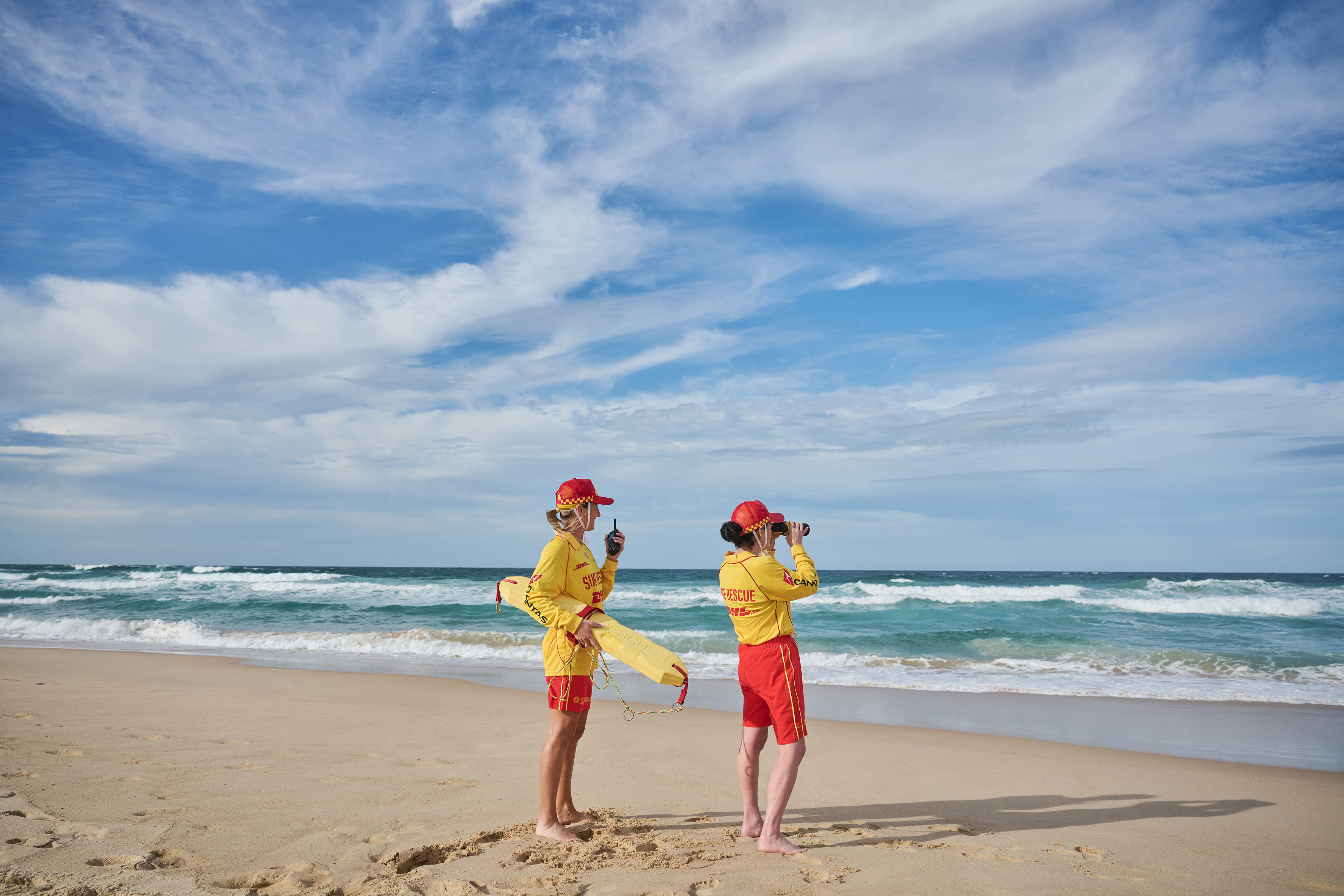
This is 27 per cent higher than the 10-year average, according to Royal Life Saving and Surf Life Saving.
The drowning rate for people aged between 15 and 24 recorded the biggest spike, with 44 people in this age group drowning – an increase of 38 per cent against the 10-year average.
The lowest rate of drowning was for children aged between five and 14 years.
And one third of all drowning deaths were adults aged over 65.
"This is a wake-up call," Royal Life Saving Australia chief executive Justin Scarr said.
"Drowning deaths have surged to unprecedented levels.
"The decline in swimming skills, an ageing population, and more people heading to remote and unfamiliar locations away from lifesaving services are causing concern."
Royal Life Saving Australia and Surf Life Saving Australia blamed the surge on more tourism in national parks and regional areas, along with climate and lifestyle shifts.
It noted gaps in swimming ability are widening for regional, remote, and migrant communities, creating "lifelong vulnerabilities to drowning".
"Rip currents remain Australia's number one coastal hazard, responsible for more than 1one in three beach drowning deaths – claiming more lives than sharks, floods, or cyclones combined," Surf Live Saving chief executive Adam Weir said.
"Never have our surf lifesavers and lifeguards worked harder to keep people safe at beaches, with almost 2.2 million preventative actions and over 8000 rescues.
"More is being asked of surf lifesavers and lifeguards, as beach usage continues to grow and people explore a wider range of coastal locations."
READ MORE: Australia Post suspends deliveries to the US after Trump tariffs
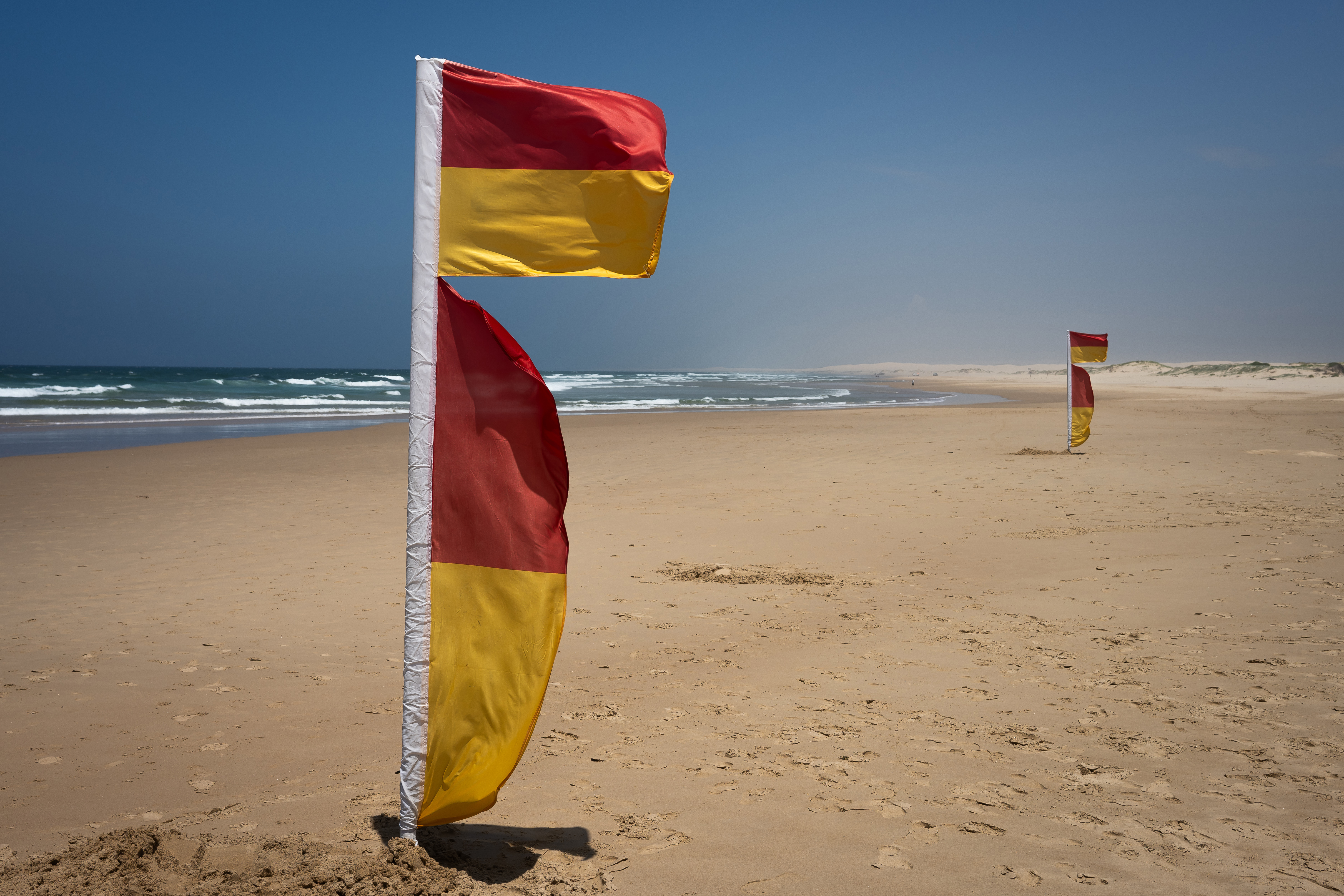
Coastal locations accounted for 154 of the deaths, with beaches claiming 82 lives.
Another 122 people died while drowning at inland waterways, including 99 in rivers.
The report found drowning rates doubled for people living in disadvantaged areas and nearly tripled in regional and remote areas compared to major cities.
Drownings increased in every state and territory except Tasmania and in the Northern Territory.
READ MORE: 'A lot' of Americans would 'like a dictator', Trump says
There was only one drowning death in the ACT in the past year.
The biggest increase was in South Australia, where drowning deaths were a 71 per cent increase on the 10-year average.
Federal Minister for Communications and Minister for Sport Anika Wells said the government has poured $34 million into addressing water safety.
"The messages are simple; supervise children, learn to swim, prioritise water safety and lifesaving skills, wear a lifejacket when boating, and always swim between the red and yellow flags," Wells said.
In 2024, the same report recorded 323 drowning deaths, 14 per cent higher than the previous year's figures
DOWNLOAD THE 9NEWS APP: Stay across all the latest in breaking news, sport, politics and the weather via our news app and get notifications sent straight to your smartphone. Available on the Apple App Store and Google Play.