Tag Archives: oceania

Man arrested, another man dead after alleged stabbing on suburban road

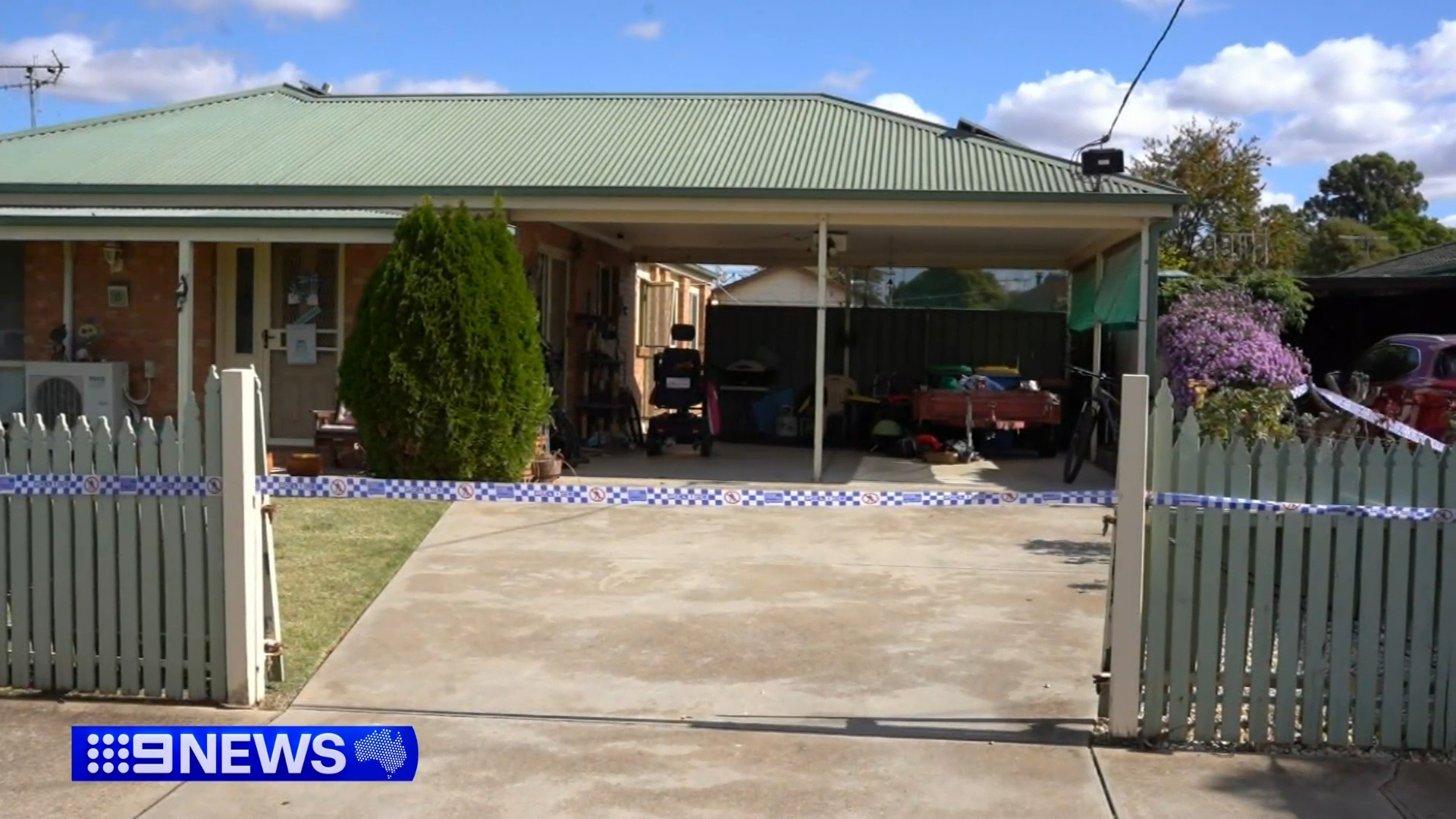
A man has been arrested after allegedly stabbing another man to death in a fight on the NSW South Coast.

Emergency services were called to the intersection of Moss Street and Brereton Street in Nowra about 5.45pm yesterday.

Police alleged the two men, who knew each other, were involved in an altercation before one of the men was stabbed in the torso. 

READ MORE: Fisherman dies after being swept from rocks on deadly Easter weekend

Paramedics arrived at the scene and treated the injured man, who is believed to have been in his 20s, but he died.

A short time later, a 47-year-old man was arrested at Nowra Police Station. 

A crime scene has been declared and is awaiting forensic examination. An investigation is under way into the man's death.

Anyone with information is urged to contact Crime Stoppers.

DOWNLOAD THE 9NEWS APP: Stay across all the latest in breaking news, sport, politics and the weather via our news app and get notifications sent straight to your smartphone. Available on the Apple App Store and Google Play.
Trump-aligned court turns on each other over mass deportations

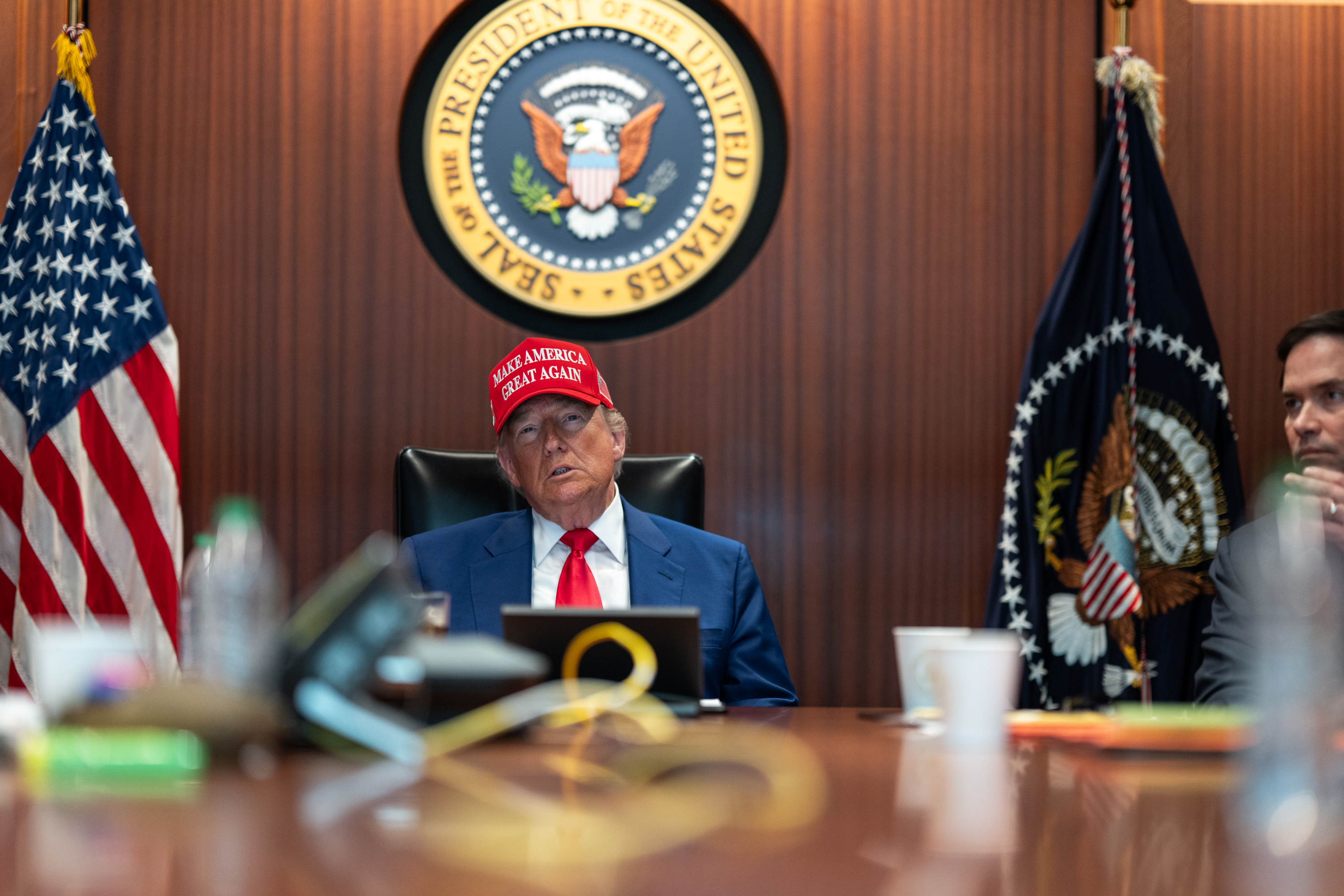
Less than two weeks after the Supreme Court allowed President Donald Trump to use a controversial 18th century wartime authority to speed deportations, the issue has rocketed back to the justices in a second short-fuse appeal with enormous potential consequences.

The situation was entirely foreseeable.

After handing down an opaque 5-4 order earlier this month that allowed both sides to claim victory, the nation's highest court is being asked for a second time to halt the administration from using the Alien Enemies Act.

READ MORE: Israeli probe into the killings of 15 Palestinian medics in Gaza finds 'professional failures'

That review will take place as lower courts begin to wrangle over what kind of notice the government must provide to those targeted under the act and what steps the migrants can take to fight it.

In a rare overnight order handed down by the Supreme Court early on Saturday morning, a majority of justices blocked the Trump administration from deporting a group of immigrants in Texas. Two conservatives — Justices Clarence Thomas and Samuel Alito — dissented from the decision.

The court's brief order did not explain its reasoning. The court ordered the Trump administration to respond to the emergency appeal "as soon as possible," which it did later Saturday. In the meantime, the court said, "the government is directed not to remove any member of the putative class of detainees from the United States until further order of this court."

The Trump administration responded later on Saturday, telling the Supreme Court it wants the authority to remove the Venezuelans detained in Texas under laws other than the controversial Alien Enemies Act while the litigation over their potential deportations continues.

And the Supreme Court signaled it is likely to say more in coming days or weeks about what will happen to the migrants at the centre of several fast-moving court cases over the Alien Enemies Act playing out in courtrooms in New York, Colorado and Texas.

The White House on Saturday trained its attention on the lawsuits, rather than the Supreme Court itself.

"President Trump promised the American people to use all lawful measures to remove the threat of terrorist illegal aliens," White House press secretary Karoline Leavitt said, adding, "we are confident in the lawfulness of the administration's actions."

The White House has alleged that the people it has deported under the act are members of the Venezuelan Tren de Aragua gang, but evidence proving as much has been scant. Government lawyers have cited tattoos on immigrants or clothing linked to gangs in court papers to allege criminality.

An uncertain order

The Supreme Court issued a murky, unsigned order on April 7 in another emergency appeal dealing with the Alien Enemies Act, a 1798 law Trump invoked to bypass the regular process required to remove certain people in the country illegally.

The court technically allowed the administration to continue to use the controversial law — a win for Trump. And it blocked a key legal pathway civil rights groups were attempting to use to challenge Trump's invocation of the law so they could shut down its use wholesale.

At the same time, the court said migrants subject to deportation under the act were entitled to notice and an opportunity to challenge their removal through federal habeas corpus petitions — suits brought by people who claim they are being detained by the government unlawfully — marking at least a partial win for migrants.

READ MORE: Zelenskyy says Russia trying to create 'impression of a ceasefire' as attacks continue

How much notice? The court didn't say. How to reconcile the fact that habeas petitions are typically filed by prisoners to seek release from detention, not to halt deportations? Near silence. And what about the more than 200 Venezuelans who were already rushed onto planes and deported to El Salvador? Not clear.

To be sure, the Supreme Court is often reticent to get into details on its emergency docket — and for good reason. Often the factual record is uncertain. And the justices are usually eager to avoid changing the law without a more thorough briefing and oral argument.

But the April 7 decision, perhaps prudent in its caution, nevertheless gave Trump a ton of wiggle room. The White House took all of it, claiming complete victory and starting the process of relying on the act again.

Following the Supreme Court's lead, the American Civil Liberties Union filed a series of habeas lawsuits seeking to protect identified clients as well as "similarly situated" Venezuelans who could potentially be targeted under the Alien Enemies Act. Several lower courts — including one in New York and another in Texas — issued temporary orders blocking the administration from deporting people under the act while it considers the cases.

Those orders protect only migrants in the geographic regions covered by the federal courts in play.

Alito's late night retort

Alito, meanwhile, waited until late on Saturday night to issue his dissent blasting his colleagues.

"Literally in the middle of the night, the court is­sued unprecedented and legally questionable relief without giving the lower courts a chance to rule, without hearing from the opposing party, within eight hours of receiving the application, with dubious factual support for its order, and without providing any explanation for its order," Alito wrote, joined by Thomas.

Alito said the American Civil Liberties Union, which is representing the immigrants, had "provided little concrete support" for the allegation that the migrants at issue were in danger of immediate removal.

"I refused to join the court's order because we had no good reason to think that, under the circumstances, issuing an order at midnight was necessary or appropriate," Alito wrote.

How we got here

This week, immigrant rights groups said a number of Venezuelan detainees in northern Texas not covered by any earlier orders began receiving notice from the government that they are subject to deportation under the act.

The ACLU has said those notices — now required by the Supreme Court — were in English, indecipherable to at least some of the Spanish-speaking detainees. The notices, the ACLU said, did not indicate how the people who received them could challenge their removal. The group said the detainees faced "imminent" removal, despite the Supreme Court's direction that they have enough time to seek an independent review of their case.

Two immigrants filed a habeas petition in a federal district court in Abilene, Texas, on Wednesday, seeking a temporary order blocking their deportation and the removal of "similarly situated" people held at the Bluebonnet Detention Center in Anson, Texas.

US District Judge James Hendrix, whom Trump nominated to the bench in his first term, denied the request for the two migrants, noting the government had "answered unequivocally" that it did not intend to remove them, so they were not at immediate risk of deportation.

Hendrix said he "reserves decision" on whether the ACLU could protect a wider class of unknown migrants but said he would order written arguments on that question in "due course."

Whether the groups can establish a "class" of migrants affected by the case is a technical but important point: Without a class, each migrant who receives notice of potential removal will have to file their own habeas petition and fight their case individually. Habeas petitions are notoriously difficult to win in federal court, and it will be a challenge for most immigrants to obtain lawyers.

Unsatisfied with the result — and perhaps untrusting of the Trump administration to keep its word — the ACLU appealed to the New Orleans-based 5th US Circuit Court of Appeals. A panel of appellate court judges in the conservative court denied the request.

The migrants then turned to the Supreme Court on Friday, filing their emergency appeal with Alito, who handles quick-turn appeals from the 5th Circuit.

Notably, the Supreme Court did not technically grant the ACLU's request in its middle-of-the-night order, but it nevertheless gave the groups what they were seeking: a temporary halt on deportations at issue until it had more time to review the appeal. That decision doesn't necessarily mean the migrants will win their case, only that they can't be removed for now.

What happens next

The ball remains with the Supreme Court.

In its overnight order, the justices blocked the Trump administration from taking further action on the Texas detainees until it provides more clarity.

It also ordered the Department of Justice to respond to the ACLU's request "as soon as possible." The Justice Department did so Saturday evening, arguing the justices should deny the request to halt removals under the Alien Enemies Act.

"The government has agreed not to remove pursuant the AEA those AEA detainees who do file habeas claims," wrote US Solicitor General D. John Sauer, the Trump administration's top appellate attorney. "This court should dissolve its current administrative stay and allow the lower courts to address the relevant legal and factual questions in the first instance — including the development of a proper factual record."

Sauer, in other words, argued the case had moved too quickly for lower courts to establish the facts.

But as a back-up argument, the Trump administration then told the high court it wants clarity that it may remove at least some of the same migrants under less controversial immigration laws. The Supreme Court's order Saturday did not distinguish between deportations under the Alien Enemies Act and other laws that require normal due process before removing people from the country.

Sauer's latest brief lacked much of the bluster of previous written arguments the administration has submitted to the Supreme Court and was relatively straightforward. The tone may reflect the unusual step the high court took in its order early Saturday shutting down the administration's effort to quickly remove the migrants.

Israeli deputy commander fired over killing of 15 Palestinian medics

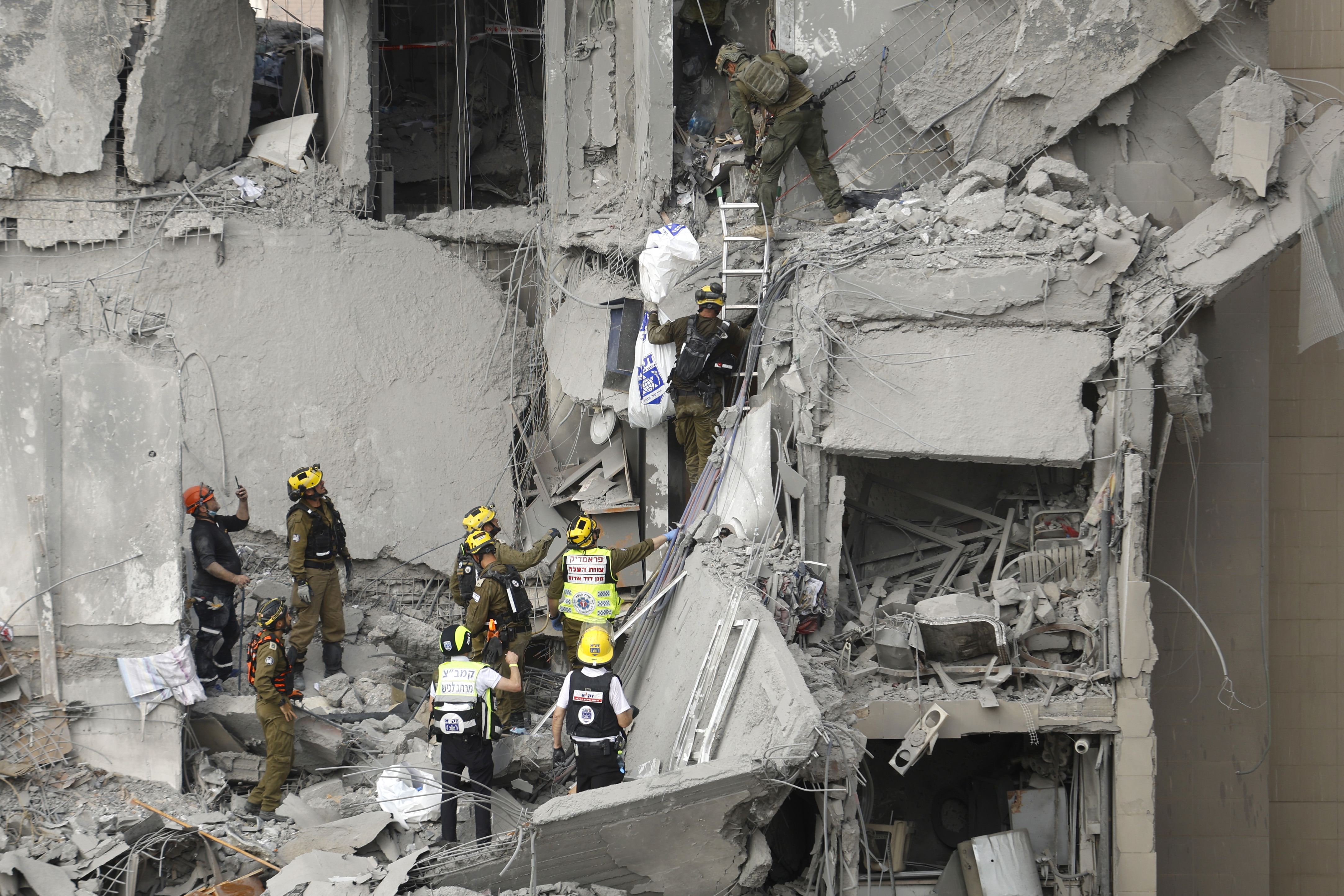
An Israeli investigation into the killings of 15 Palestinian medics last month in Gaza by Israeli forces says it has found a chain of "professional failures" and a deputy commander will be fired — one of the most severe punishments of the 18-month war.

Israel at first claimed that the medics' vehicles did not have emergency signals on when troops opened fire but later backtracked. Cellphone video recovered from one medic contradicted Israel's initial account.

The military investigation publicised yesterday found that the deputy battalion commander, "due to poor night visibility", assessed that the ambulances belonged to Hamas militants.

READ MORE: Dad of six stabbed to death outside nightclub

Video footage obtained shows the ambulances had lights flashing and logos visible as they pulled up to help another ambulance that came under fire earlier.

The teams do not appear to be acting unusually or in a threatening manner as three medics emerge and head toward it.

Their vehicles immediately come under a barrage of gunfire that goes on for more than five minutes with brief pauses.

Bodies were buried in a mass grave

Eight Red Crescent personnel, six Civil Defense workers and a UN staffer were killed in the shooting before dawn on March 23 by troops conducting operations in Tel al-Sultan, a district of the southern Gaza city of Rafah.

Troops bulldozed over the bodies along with their mangled vehicles, burying them in a mass grave. UN and rescue workers were only able to reach the site a week later.

The head of the Palestinian Red Crescent Society has said the men were "targeted at close range". The Israeli military investigation said the examination found "no evidence to support claims of execution or that any of the deceased were bound before or after the shooting".

READ MORE: Hundreds of workers to get potentially deadly disease

 Mourners gather around the bodies of 8 Red Crescent emergency responders, recovered in Rafah a week after an Israeli attack

It said the Palestinians were killed due to an "operational misunderstanding" by Israeli forces, and that a separate incident 15 minutes later, when Israeli soldiers shot at a Palestinian UN vehicle, was a breach of orders.

The deputy commander who will be dismissed was the first to open fire and the rest of the soldiers also started shooting, the investigation said. It said the soldiers were 20 to 30 meters (65-100 feet) from the road when the ambulances pulled up.

The findings asserted that six of those killed were Hamas militants — it did not give their names — and said some of the others were originally misidentified as Hamas. Israel's military initially said nine were militants. The Civil Defense is part of the Hamas-run government.

No paramedic was armed and no weapons were found in any vehicle, Maj. Gen Yoav Har-Even, in charge of the military's investigative branch, told journalists.

READ MORE: Rick was just a tiny dot in the ocean, 1km from help

This frame grab from a video released by the Palestinian Red Crescent Society, taken with a phone by one of the 15 Palestinians medics killed

Israel accuses Hamas of hiding fighters in ambulances

The investigation found that the decision to crush the ambulances was wrong but said there was no attempt to conceal the event. Har-Even said the bodies and vehicles were removed from the road because the military wanted to use it for an evacuation route later that day.

He said the military notified international organisations about the shooting that day and helped them locate the bodies.

Har-Even said the deputy commander was fired for giving a not "completely accurate" report to investigators about the later incident in which troops fired on a UN vehicle. One person was killed.

The statement on the findings concluded by saying that Israel's military "regrets the harm caused to uninvolved civilians". The sole survivor was detained for investigation and remains in custody for further questioning.

There was no immediate public reaction to the findings from the Red Crescent, Civil Defence or UN.

The findings have been turned over the Military Advocate General, which can decide whether to file charges. It is meant to be an independent body, with oversight by Israel's attorney general and Supreme Court.

There are no outside investigations of the killings under way.

Israeli strikes have killed more than 150 emergency responders from the Red Crescent and Civil Defence, most of them while on duty, as well as more than 1000 health workers during the war, according to the UN. The Israeli military rarely investigates such incidents.

Israel has accused Hamas of moving and hiding its fighters inside ambulances and emergency vehicles, as well as in hospitals and other civilian infrastructure, arguing that justifies strikes on them. Medical personnel largely deny the accusations.

Israel disputes ICC accusations of war crimes

Palestinians and international human rights groups have repeatedly accused Israel's military of failing to properly investigate or whitewashing misconduct by its troops.

Har-Even said the Israeli military is currently investigating 421 incidents in Gaza during the war, with 51 concluded and sent to the Military Advocate General. There was no immediate information on the number of investigations involving potential wrongful deaths or how many times the MAG has pursued criminal charges.

The International Criminal Court, established by the international community as a court of last resort, has accused Israeli Prime Minister Benjamin Netanyahu and former Defence Minister Yoav Gallant of war crimes. Israel, which is not a member of the court, has long asserted that its legal system is capable of investigating the army, and Netanyahu has accused the ICC of antisemitism.

The war in Gaza began when Hamas-led militants attacked southern Israel on October 7, 2023, killing about 1200 people, mostly civilians, and abducting 251. Most of the hostages have been released in ceasefire agreements or other deals. Hamas currently holds 59 hostages, 24 of them believed to be alive.

Israel's offensive has since killed over 51,000 Palestinians, mostly women and children, according to Gaza's Health Ministry, which does not distinguish between civilians and combatants.

The war has destroyed vast parts of Gaza and most of its food production capabilities. About 90 per cent of the population is displaced, with hundreds of thousands of people living in tent camps and bombed-out buildings.

Frustration has been growing on both sides, with rare public protests against Hamas in Gaza and continued weekly rallies in Israel pressing the government to reach a deal to bring all hostages home.

DOWNLOAD THE 9NEWS APP: Stay across all the latest in breaking news, sport, politics and the weather via our news app and get notifications sent straight to your smartphone. Available on the Apple App Store and Google Play.
Pope Francis delights crowd with surprise popemobile tour

Pope Francis has emerged from his convalescence on to bless the thousands of people in St Peter's Square, treating them to a surprise popemobile romp through the piazza, drawing wild cheers and applause as he continues his recovery from a near-fatal bout of double pneumonia.

"Viva il Papa!" (Long live the pope), "Bravo!" the Easter Sunday crowd shouted as Francis looped through the square in his open-topped popemobile and then up and down the main avenue leading to it.

He stopped occasionally to bless babies brought up to him, a scene that was common in the past but unthinkable just a few weeks ago as the 88-year-old Francis fought for his life.

READ MORE: Dad of six stabbed to death outside nightclub

"Brothers and sisters, Happy Easter!" Francis said, his voice sounding stronger than it has since his hospitalisation.

Francis didn't celebrate the Easter Mass in the piazza, delegating it to Cardinal Angelo Comastri, the retired archpriest of St Peter's Basilica.

But after the Mass ended, Francis appeared on the loggia balcony over the basilica entrance for more than 20 minutes and imparted the apostolic blessing in Latin. The thousands of people below erupted in cheers as a military band kicked off rounds of the Holy See and Italian anthems.

Francis waved from the balcony as a Vatican archbishop read aloud his speech, a global appeal for peace in the world's hotspots that is the hallmark of the Vatican's Easter celebrations.

In all, he was outside on a sunny spring day for about 50 minutes, with temperatures at 21 degrees in a piazza awash in daffodils, tulips and other flowers donated by the Netherlands for Easter.

On his way to the basilica, Francis met briefly in his hotel with US Vice President JD Vance, who was spending Easter in Rome with his family. The Vatican said the encounter lasted just a few minutes and was designed to allow for an exchange of Easter greetings.

READ MORE: Hundreds of workers to get potentially deadly disease

Francis has only appeared in public a handful of times since returning to the Vatican on March 23 after a 38-day hospital stay. He skipped the solemn services of Good Friday and Holy Saturday leading up to Easter, but he had been expected to make an appearance on Sunday.

Easter is the most joyful moment on the Christian liturgical calendar, when the faithful celebrate the resurrection of Christ after his crucifixion. This year, Easter is being celebrated on the same day by Catholics and Orthodox Christians, and has been marked by Russia's announced temporary Easter truce in its war in Ukraine.

Easter at the Vatican traditionally involves a Mass and the pope's Urbi et Orbi blessing (Latin for "to the city and the world"), a papal speech delivered from the loggia which is usually a roundup of global hotspots and human suffering.

In the speech, read by Archbishop Diego Ravelli, master of liturgical ceremonies, Francis appealed for peace in Gaza and Ukraine, as well as Congo and Myanmar and in other hotspots.

READ MORE: Rick was just a tiny dot in the ocean, 1km from help

"May the risen Christ grant Ukraine, devastated by war, his Easter gift of peace, and encourage all parties involved to pursue efforts aimed at achieving a just and lasting peace," the message said.

"In this Jubilee year, may Easter also be a fitting occasion for the liberation of prisoners of war and political prisoners!"

Francis has sharply cut back his workload as he follows doctors' orders of two months of convalescence and respiratory therapy to improve his lung function.

He still seems to require great effort to project his voice, and his breathing remains laboured. But it sounded stronger than it has to date in the few words he uttered from the loggia.

Before Sunday, his biggest outing had been a visit to Rome's downtown prison to spend Holy Thursday with inmates.

The visit made clear his priorities as he slowly recovers: to spend time with the people most on the margins.

DOWNLOAD THE 9NEWS APP: Stay across all the latest in breaking news, sport, politics and the weather via our news app and get notifications sent straight to your smartphone. Available on the Apple App Store and Google Play.
Father-of-six stabbed to death on Melbourne’s Chapel Street

A father-of-six with suspected bikie links has died in hospital after being on Melbourne's popular Chapel Street.

His attackers remain on the run as police investigate what sparked the deadly confrontation.

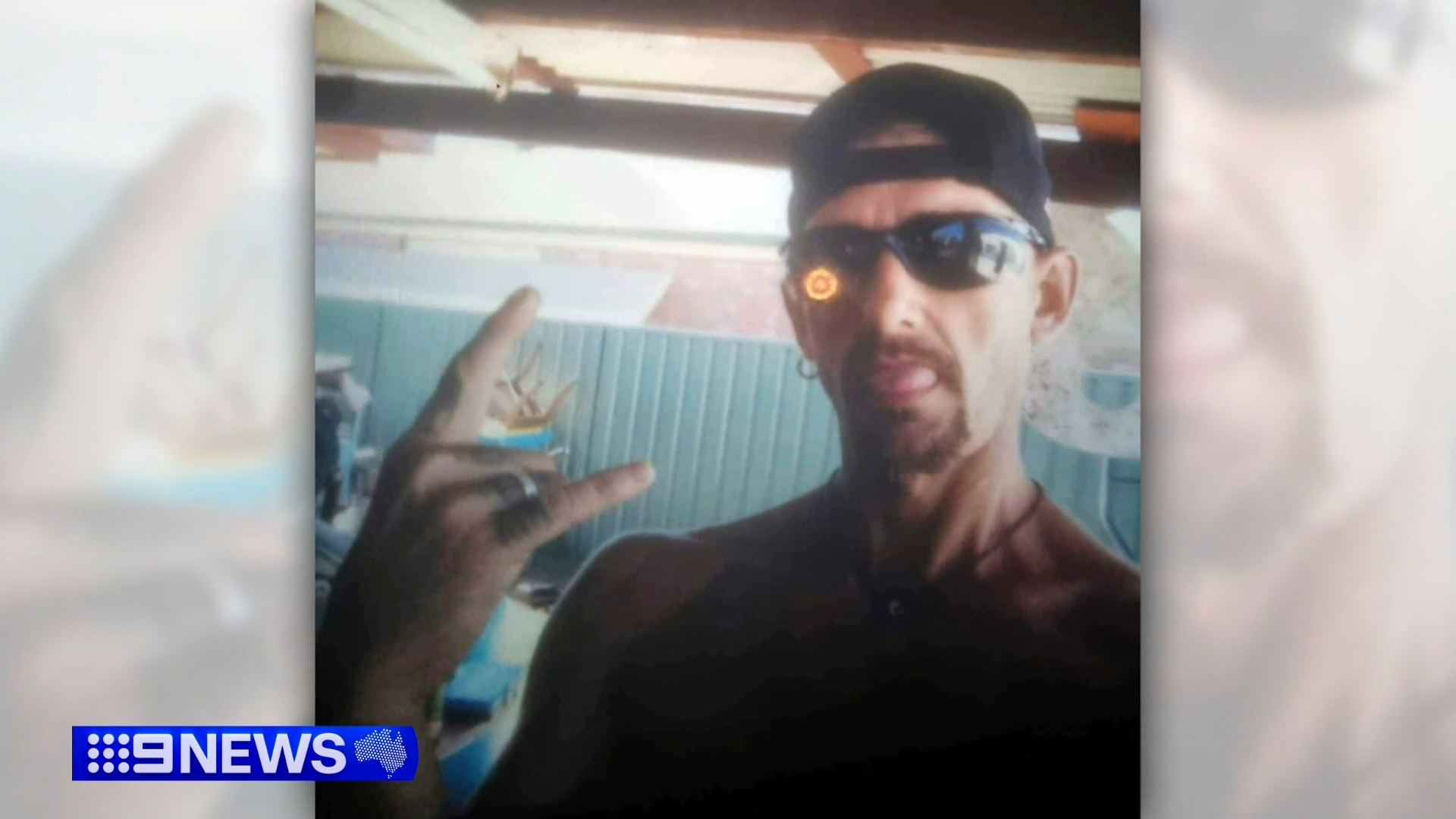
Melbourne man Ruka Carlson, 30, was chased several blocks before being cornered outside Electric Bar in Prahran, where he was knifed and kicked multiple times about 1.30am today

READ MORE: These students experienced their second deadly school shooting in seven years

Melbourne man Ruka Carlson, 30, was chased several blocks before being cornered outside Electric Nightclub in Prahran where he was knifed and kicked multiple times around 1.30am.

Revellers rushed to help and the young father was taken to hospital but died.

The Homicide Squad now on the hunt for up to six offenders..

Detectives seized a Mercedes and were seen looking through bins for evidence.

It's understood the heavily tattooed man is known to police and has links to outlaw motorcycle gangs.

He leaves behind six children.

READ MORE: Fisherman dies after being swept from rocks on deadly Easter weekend

Man stabbed to death in Prahran A father of six with suspected bikie links has been stabbed to death on Melbourne's popular Chapel Street.

9News understands police are investigating whether the victim pulled out a gun on his attackers at the Love Machine nightclub before he was chased and stabbed.

Police have that gun and are testing to see if it's real or fake.

"I don't think it's a random attack … but we're still trying to work out what the circumstances were leading up to it," Detective acting Inspector Chris Ellway said.

DOWNLOAD THE 9NEWS APP: Stay across all the latest in breaking news, sport, politics and the weather via our news app and get notifications sent straight to your smartphone. Available on the Apple App Store and Google Play.
Hundreds of workers expected to develop potentially deadly disease

Hundreds of workers on Queensland's biggest underground road tunnel projects are expected to contract potentially deadly silicosis in their lifetime, a study has found.

The findings from the University of Sydney predict between 200 to 300 workers will develop silicosis in the coming years.

About 20 to 30 of them would also likely contract lung cancer, directly as a result of their work.

READ MORE: AI-powered test to identify early signs of silicosis

Workers in underground tunnels expected to contract silicosis, new study finds

That's out of the more than 2000 workers on the Clem7, Airport Link and Legacy Way tunnels in Brisbane.

Researchers came to the conclusion by looking at archived data about personal protective equipment and ventilation between 2007 and 2013.

They used the data to calculate the health impacts on the workers into the future.

They found issues around the improper fittings of masks or times where no masks would be used by a variety of workers and a lack of ventilation.

Silicosis is an incurable disease caused by inhaling small particles of silica dust and is typically associated with the synthetic stone benchtop industry.

It's hoped this study will encourage an overhaul of safety regulations in current and future projects here and across the country.

Workers in underground tunnels expected to contract silicosis, new study finds

READ MORE: Fisherman dies after being swept from rocks on deadly Easter weekend

The Australian Workers' Union has suggested new standards around ventilation systems to prevent workers being exposed in the first place.

Australia moved to ban engineered stone last year.

New cases of silicosis continue to emerge from other high-risk industries.

Bodysurfer credits Apple Watch for saving his life

Bodysurfer Rick Shearman's smartwatch is the reason he's still alive.

The 49-year-old turned to his device when he found himself lost at sea off the coast of NSW

Things took a turn for the worse after Shearman went in for a bodysurf in Byron Bay in July last year.

READ MORE: Fisherman dies after being swept from rocks during deadly Easter weekend

Bodysurfer Rick Shearman's smartwatch is the reason he's still alive.The 49-year-old turned to his device when he found himself lost at sea off the coast of NSW

He was unexpectedly sucked out to sea and left stranded more than one kilometre from the shore.

Shearman used his smart watch as a last hail Mary to send out an SOS alert and treaded water until he was found.

"I tried that emergency feature out of desperation and I was pretty astounded when I actually made the call through to triple zero," Shearman told 9News.

Shearman treaded water for 20 minutes before his rescue.

Bodysurfer Rick Shearman's smartwatch is the reason he's still alive.The 49-year-old turned to his device when he found himself lost at sea off the coast of NSW

"I stayed on the line until the chopper came over the horizon and scooped me up," he said.

He reunited with the rescue team to film a safety campaign for Apple.

READ MORE: Gun found after man killed on popular Melbourne nightclub strip

Westpac Rescue crew officer Alex Carroll recalled saving Shearman from the sea.

"He was obviously tired and exhausted and [we] just gave him a helping hand to the beach," Caroll said.

Shearman's story of survival is featured in Apple's new campaign launched last week.

Bodysurfer Rick Shearman's smartwatch is the reason he's still alive.The 49-year-old turned to his device when he found himself lost at sea off the coast of NSW

"[It] absolutely did save my life, invaluable," said Shearman.

"I wouldn't be here today without it."

Several other smart watches on the market have other potentially life-saving features, including an ECG monitor on a Garmin device and stress-level monitoring on a Samsung Galaxy Watch.

DOWNLOAD THE 9NEWS APP: Stay across all the latest in breaking news, sport, politics and the weather via our news app and get notifications sent straight to your smartphone. Available on the Apple App Store and Google Play.
‘Best kind of Easter egg’: Brittany Higgins’ baby’s name revealed

Former political staffer Brittany Higgins and her husband, David Sharaz, have revealed the name of their baby.

Sharaz revealed the name the new parents had chosen on Instagram, and shared photos of their baby for Easter.

"The best kind of Easter egg we've ever received," David Sharaz wrote.

READ MORE: Fisherman dies after being swept from rocks on deadly Easter weekend

"Baby Frederick Leon Sharaz's first Easter."

Higgins replied, "Little sweet dumpling".

The photos include Higgins feeding the baby in Noosa, and the couple posing together with him.

The baby was born last month.

Sharaz and Higgins married on the Gold Coast in June last year.

They returned to live in Queensland from the South of France.

They now live the Noosa suburb of Sunshine Beach.

Last year, a Federal Court judge found, on the burden of proof required in a civil trial, that Bruce Lehrmann sexually assaulted Higgins in the Parliament House office of then-Senator Linda Reynolds, their boss at the time, in March 2019.

Lehrmann has denied that any sexual activity occurred between himself and Higgins, and has appealed the judge's findings against him.

Higgins, who has fought to change how women in politics are treated in the wake of her experience.

These students experienced their second deadly school shooting in seven years

As Ilana Badiner took shelter in the student union during the Florida State University shooting on Thursday, she remembers thinking "I kind of knew the drill already."

Seven years ago, Badiner was an eighth grader at the middle school adjacent to Marjory Stoneman Douglas High School during the shooting that killed 17 people in Parkland, Florida.

"I've been through this before. It was a similar situation," Badiner, 21, told CNN.

READ MORE: Fisherman dies after being swept from rocks on deadly Easter weekend

Ilana Badiner graduates from Florida State University in May.

Now a senior at FSU, Badiner was attending a bowling class on the ground floor of the student union on Thursday when a shooter opened fire near the building, killing two people and injuring six others before he was shot and taken into custody by police.

It marked the sixth mass shooting in Florida and the 81st mass shooting in the United States in 2025, according to the Gun Violence Archive.

The bowling area has big glass doors and windows that face an open area where students can grab food or study.

Through the windows, Badiner started to see students sprinting to the bathrooms and hallways and leaving behind their belongings.

Though Badiner couldn't hear any gunshots over the loud music playing in the bowling alley, she instantly thought students were running from someone with a gun.

READ MORE: Albanese, Dutton pause campaign to issue Easter messages

"I didn't know why everyone else would be running and they were leaving all their belongings behind and definitely knew there was an emergency," she said.

She and a friend immediately let her bowling instructor know something was wrong. The instructor was Stephanie Horowitz, according to Badiner, who also happened to be a Parkland shooting survivor.

Horowitz was a freshman at Marjory Stoneman Douglas High School during the 2018 mass shooting on Valentine's Day.

A vigil is held near the Florida State University student centre on , following the shooting.

"I had a feeling it was an active shooter situation before I even heard," Horowitz, a graduate student at FSU, said in an interview with CBS.

"We were lucky that some of my students looked out of the glass doors and saw everybody running."

Fred Guttenberg, the father of 14-year-old Jaime Guttenberg who was killed in the Parkland shooting, posted on X: "America is broken. My daughter Jaime was murdered in the Parkland school shooting. Many of her friends who were lucky enough to survive that shooting went on to attend FSU. Incredibly, some of them were just a part of their 2nd school shooting and some were in the student union today."

READ MORE: Gun found after man killed on popular Melbourne nightclub strip

Sophomore Brianna Jade Freedland, who was also in eighth grade at the middle school adjacent to Marjory Stoneman Douglas during the shooting, took shelter at FSU's gym on Thursday with her roommate.

They were working out on the second floor when they heard students screaming "active shooter" and quickly shuffled into the women's locker room with about 125 others, she told CNN.

While hiding, Freedland saw those around her crying, shaking and texting their parents goodbye messages.

She said all the anxiety and fear of Parkland suddenly came rushing back.

She was in a portable classroom attached to the Westglades middle school during the 2018 shooting, where there were big windows without many places to hide.

She and her classmates huddled under her civic teacher's desk for at least three hours.

"I just remember like literally being scared for my life," Freedland said. "I just remembered literally thinking, like, this is it."

She wouldn't be able to set foot in the portable classroom for at least a month and her family adopted a service dog after the tragedy to help Freedland cope.

She also raised $US10,000 for Marjory Stoneman Douglas for her mitzvah fundraising project.

While hiding in FSU's locker room on Thursday, her experience at Parkland helped her know what to expect and to reassure her roommate help was on the way, Freedland said.

READ MORE: Putin declares 'Easter truce', but Ukraine says it is still under attack

After about two hours, police safely escorted them out of the gym while they all held their hands raised in the air.

"No one should ever have to experience this kind of fear once, let alone twice," she said.

Josh Gallagher, who said he also survived the 2018 shooting, was in the FSU Law Library during Thursday's shooting.

"After living through the MSD shooting in 2018, I never thought it would hit close to home again," he posted on social media.

Memories of Parkland shooting

Horowitz led Badiner and about 30 to 40 others to hide in the back office of the bowling alley, according to Badiner.

Some students also took shelter in a backroom where people play billiards.

It was at that moment that Badiner started receiving texts from the FSU emergency line while an overhead alarm sounded. Her suspicions of a shooting were right.

She started texting her dad every few minutes. She remembers thinking: was the shooter in the building? Was he outside? What floor was he on?

She also thought of her time as an eighth grader in Parkland – when her class turned off the lights, locked the door, covered the windows and huddled against a classroom wall for about three hours waiting for answers as they could hear nearby police sirens.

"Eventually, they came on the loudspeaker, and we found out that it was at Stoneman Douglas," she said. "We're very close to that school. So we don't know who the shooter was or what his motive was, so we didn't know if he would come into our building next."

For a while after the deadly shooting, she would have to keep the lights on to fall asleep at night.

"I just felt nervous being in the dark," she said.

She remembered being escorted out of her eighth-grade classroom by a SWAT team while her peers tried to get in touch with their parents. She reunited with her dad and brother at a Publix down the street.

READ MORE: Man slips off Queensland cliff in first date disaster

People comfort each other as they sit and mourn at one of seventeen crosses, Feb. 15, 2018, after a candlelight vigil for the victims of the shooting at Marjory Stoneman Douglas High School, in Parkland, Florida.

Though the Parkland shooter targeted the high school – not the middle school where Badiner was – she had a moment on Thursday where she realized even though she survived the shooting seven years ago, she might not be able to survive this one too.

As they hid in the bowling alley office, she started to hear rumours about the shooting and victims.

She had met some friends on the first day of the bowling class who chatted with throughout the semester. Now, they sat huddled in the corner of the small office together scared for their lives.

There was one desk in the room with a computer, where she could see a warning message informing people to shelter in place.

It felt like a long time of hiding and refreshing social media before police arrived. After checking her texts with her dad, she realized it was actually only 15 minutes.

As police escorted her out of the student union, she saw an injured person on the ground surrounded by police and medics.

"I remember just walking out the doors and I immediately saw her and my heart started beating a little faster. I was like, wow, people are actually injured severely."

As other students flowed out of the student union and nearby buildings, Badiner began to panic because she didn't know if the shooter had been caught yet.

Eventually, Badiner was able to safely make it home to her off-campus house.

She hasn't cried yet and thinks it might be because she's still in shock. She thinks the tears will come when she learns more about the victims.

She attended a vigil for the victims on Friday evening, though she was a little nervous about being in an open space with so many people.

Badiner, who graduates from FSU in May, said she's frustrated she's going through some of these feelings a second time.

"I definitely think there are some things that could be changed. I'm not well-informed enough about the specific (gun) laws that are put into place, but I have a feeling that someone can be doing something to keep us safer," she said.

Similar to seven years ago, Badiner decided to sleep with a candle warmer on Thursday night, almost like a night light, so she wouldn't be sleeping in complete darkness.