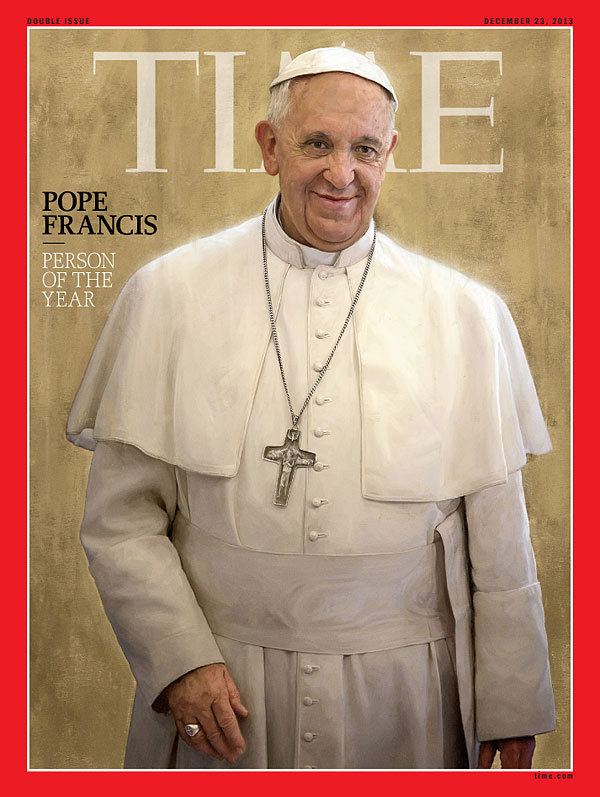
Jorge Mario Bergoglio was born on December 17, 1936. He became the Archbishop of Buenos Aires in 1998 before being inaugurated as Pope Francis in 2013.
Tag Archives: oceania
Pope Francis, the first Latin American pope in history, dies aged 88
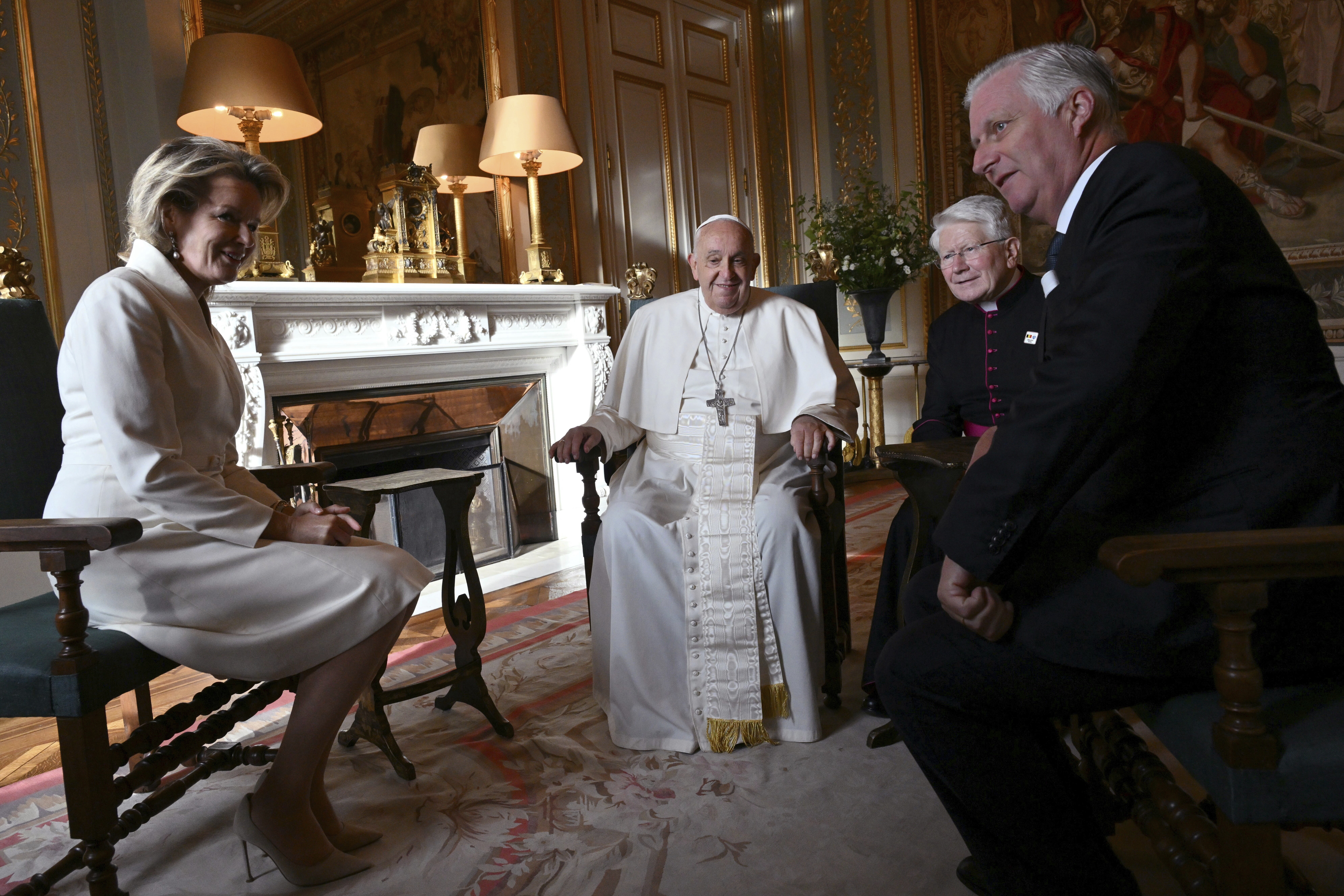
Pope Francis, the first Latin American pope in history, has died at the age of 88, the Vatican has announced.
"At 7.35 this morning, the Bishop of Rome, Francis, returned to the home of the Father. His entire life was dedicated to the service of the Lord and of his Church,″ Cardinal Kevin Farrell, the Vatican camerlengo, announced.
ROLLING COVERAGE: The death of Pope Francis
"He taught us to live the values of the Gospel with faithfulness, courage, and universal love, especially for the poorest and most marginalised.
"With immense gratitude for his example as a true disciple of the Lord Jesus, we commend the soul of Pope Francis to the infinite, merciful love of God, One and Tribune."
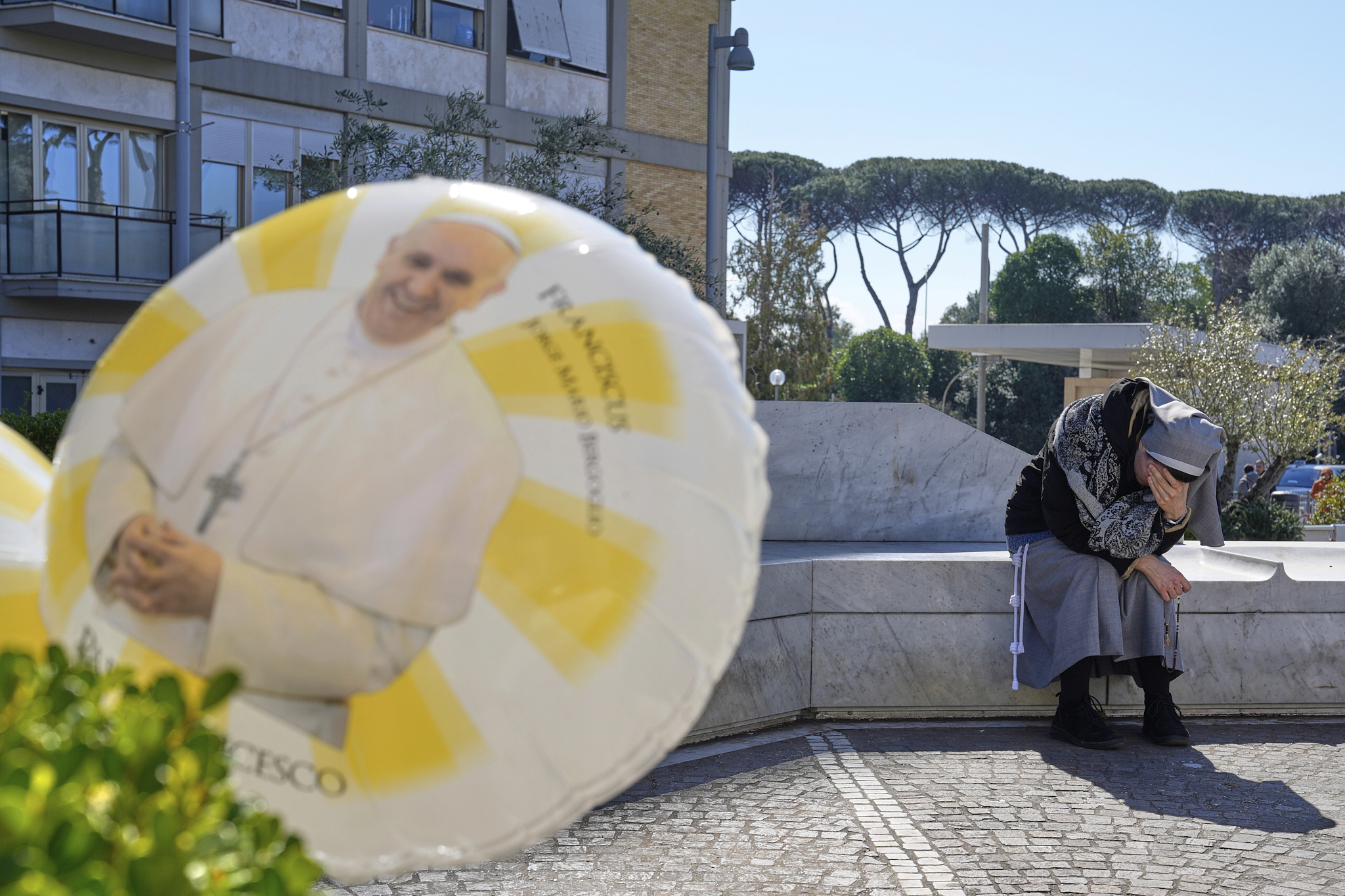
Francis, who suffered from chronic lung disease and had part of one lung removed as a young man, was admitted to Gemelli hospital on February 14, 2025, for a respiratory crisis that developed into double pneumonia.
He spent 38 days there, the longest hospitalisation of his 12-year papacy.
His precarious health had prompted a wave of prayers and well-wishes from Catholics around the world.
IN PICTURES: The life of Pope Francis
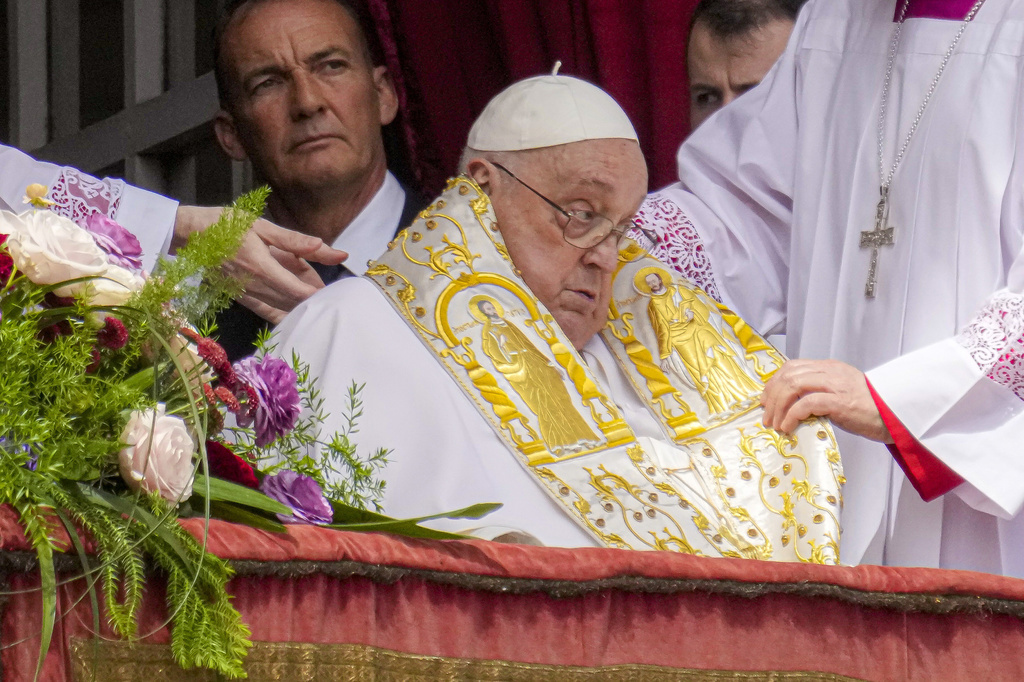
But just hours ago he made two surprise appearances for Easter crowds at the Vatican.
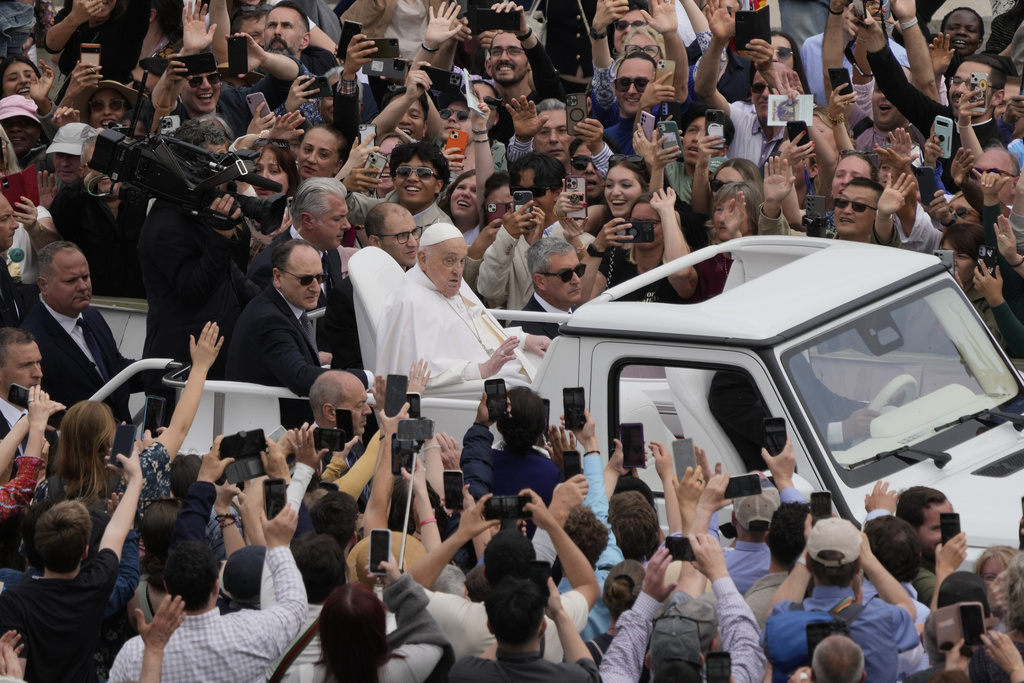
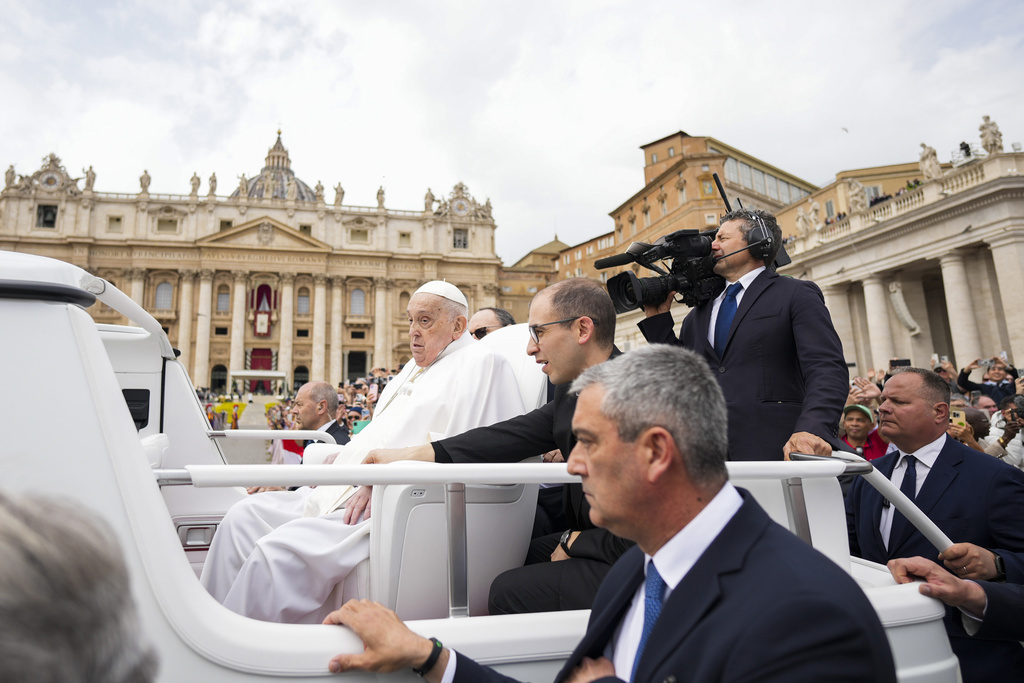
He emerged to bless the thousands of people in St Peter's Square, treating them to a surprise popemobile romp through the piazza, drawing wild cheers and applause.
"Bravo!" the Easter Sunday crowd shouted as Francis looped through the square in his open-topped popemobile and then up and down the main avenue leading to it.
He stopped occasionally to bless babies brought up to him.
Francis didn't celebrate the Easter Mass in the piazza, delegating it to Cardinal Angelo Comastri, the retired archpriest of St Peter's Basilica.
But after the Mass ended, Francis appeared on the loggia balcony over the basilica entrance for more than 20 minutes and imparted the apostolic blessing in Latin.
The thousands of people below erupted in cheers as a military band kicked off rounds of the Holy See and Italian anthems.
The Church will now enter a nine-day mourning period before a new pontiff is chosen by the College of Cardinals in a secretive election in the Sistine Chapel known as a conclave.
Reforming the Vatican
Francis was elected on a mandate to reform the Vatican bureaucracy and finances but went further in shaking up the church without changing its core doctrine.
"Who am I to judge?" he replied when asked about a purportedly gay priest.
The comment sent a message of welcome to the LGBTQ+ community and those who felt shunned by a church that had stressed sexual propriety over unconditional love.
"Being homosexual is not a crime," he told The Associated Press in 2023, urging an end to civil laws that criminalise it.
Stressing mercy, Francis changed the church's position on the death penalty, calling it inadmissible in all circumstances.
He also declared the possession of nuclear weapons, not just their use, was "immoral."
In other firsts, he approved an agreement with China over bishop nominations that had vexed the Vatican for decades, met the Russian patriarch and charted new relations with the Muslim world by visiting the Arabian Peninsula and Iraq.
He reaffirmed the all-male, celibate priesthood and upheld the church's opposition to abortion, equating it to "hiring a hitman to solve a problem".
Roles for women
But he added women to important decision-making roles and allowed them to serve as lectors and acolytes in parishes.
He let women vote alongside bishops in periodic Vatican meetings, following longstanding complaints that women do much of the church's work but are barred from power.
Sister Nathalie Becquart, whom Francis named to one of the highest Vatican jobs, said his legacy was a vision of a church where men and women existed in a relationship of reciprocity and respect.
"It was about shifting a pattern of domination — from human being to the creation, from men to women — to a pattern of cooperation," Becquart, the first woman to hold a voting position in a Vatican synod, said.
The church as refuge
While Francis did not allow women to be ordained, the voting reform was part of a revolutionary change in emphasising what the church should be: a refuge for everyone — "todos, todos, todos" ("everyone, everyone, everyone") — not for the privileged few.
Migrants, the poor, prisoners and outcasts were invited to his table far more than presidents or powerful CEOs.
"For Pope Francis, it was always to extend the arms of the church to embrace all people, not to exclude anyone," Farrell, whom Francis named as camerlengo, taking charge after a pontiff's death or retirement, said.
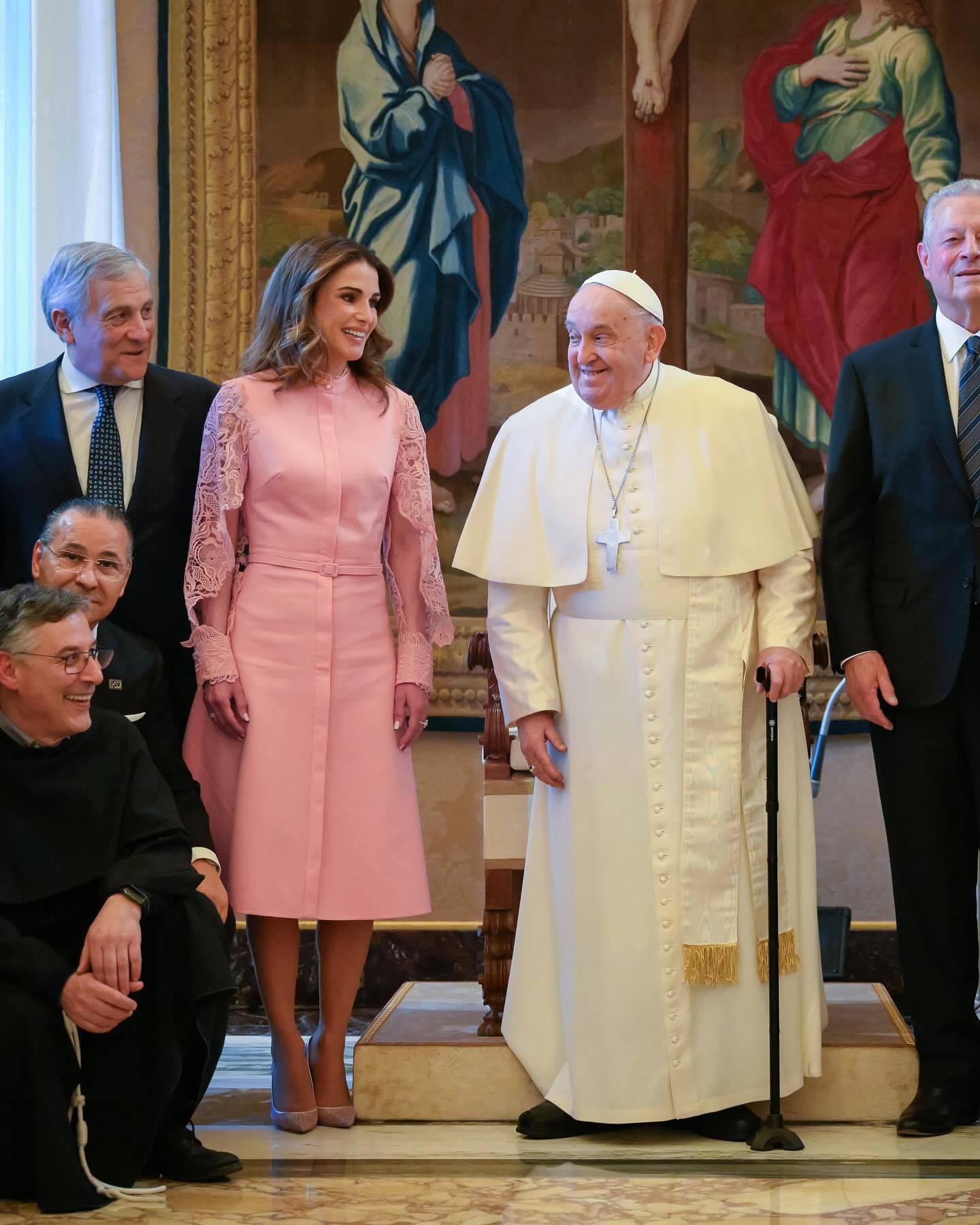
Francis demanded his bishops apply mercy and charity to their flocks, pressed the world to protect God's creation from climate disaster, and challenged countries to welcome those fleeing war, poverty and oppression.
After visiting Mexico in 2016, Francis said of then-US presidential candidate Donald Trump that anyone building a wall to keep migrants out "is not Christian."
While progressives were thrilled with Francis' radical focus on Jesus' message of mercy and inclusion, it troubled conservatives who feared he watered down Catholic teaching and threatened the very Christian identity of the West.
Some even called him a heretic.
A few cardinals openly challenged him. Francis usually responded with his typical answer to conflict: silence.

He made it easier for married Catholics to get an annulment, allowed priests to absolve women who had had abortions and decreed that priests could bless same-sex couples.
He opened debate on issues like homosexuality and divorce, giving pastors wiggle room to discern how to accompany their flocks, rather than handing them strict rules to apply.
St Francis of Assisi as a model
Francis lived in the Vatican hotel instead of the Apostolic Palace, wore his old orthotic shoes and not the red loafers of the papacy, and rode in compact cars. It wasn't a gimmick.
"I see clearly that the thing the church needs most today is the ability to heal wounds and to warm the hearts of the faithful," he told a Jesuit journal in 2013.
"I see the church as a field hospital after battle."
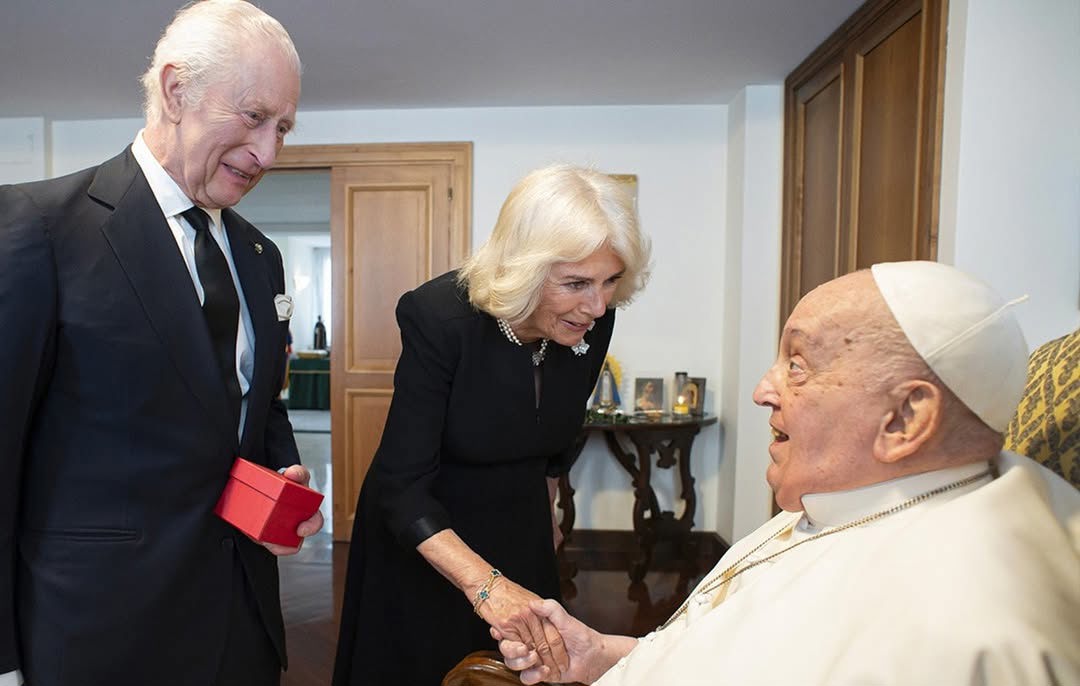
If becoming the first Latin American and first Jesuit pope wasn't enough, Francis was also the first to name himself after St Francis of Assisi, the 13th-century friar known for personal simplicity, a message of peace, and care for nature and society's outcasts.
Francis sought out the unemployed, the sick, the disabled and the homeless. He formally apologised to Indigenous peoples for the crimes of the church from colonial times onward.
And he himself suffered: He had part of his colon removed in 2021, then needed more surgery in 2023 to repair a painful hernia and remove intestinal scar tissue.
Starting in 2022 he regularly used a wheelchair or cane because of bad knees, and endured bouts of bronchitis.
He went to society's fringes to minister with mercy: caressing the grossly deformed head of a man in St Peter's Square, kissing the tattoo of a Holocaust survivor, or inviting Argentina's garbage scavengers to join him onstage in Rio de Janeiro.
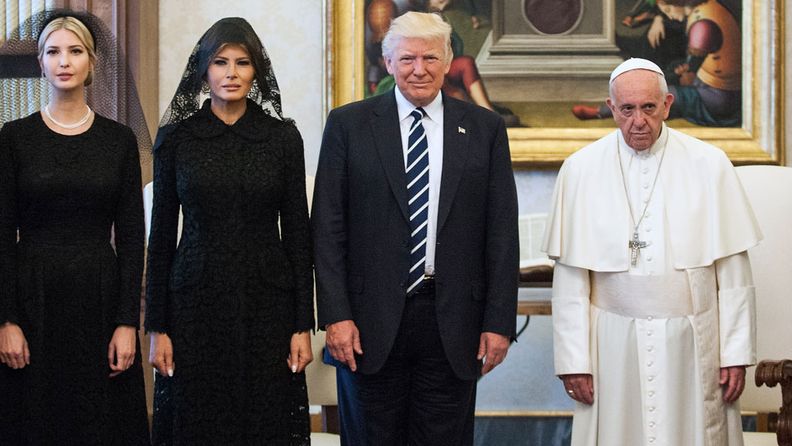
"We have always been marginalised, but Pope Francis always helped us," said Coqui Vargas, a transgender woman whose Roman community forged a unique relationship with Francis during the pandemic.
His first trip as pope was to the island of Lampedusa, then the epicentre of Europe's migration crisis.
He consistently chose to visit poor countries where Christians were often persecuted minorities, rather than the centres of global Catholicism.
Friend and fellow Argentine, Bishop Marcelo Sánchez Sorondo, said his concern for the poor and disenfranchised was based on the Beatitudes – the eight blessings Jesus delivered in the Sermon on the Mount for the meek, the merciful, the poor in spirit and others.
"Why are the Beatitudes the program of this pontificate? Because they were the basis of Jesus Christ's own program," Sánchez said.
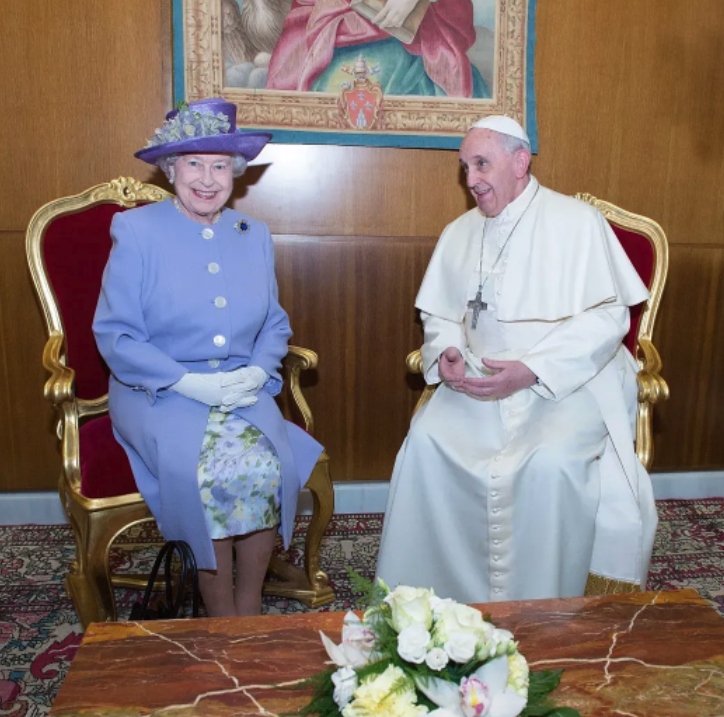
Missteps on sexual abuse scandal
But more than a year passed before Francis met with survivors of priestly sexual abuse, and victims' groups initially questioned whether he really understood the scope of the problem.
Francis did create a sex abuse commission to advise the church on best practices, but it lost its influence after a few years and its recommendation of a tribunal to judge bishops who covered up for predator priests went nowhere.
And then came the greatest crisis of his papacy, when he discredited Chilean abuse victims in 2018 and stood by a controversial bishop linked to their abuser.
Realising his error, Francis invited the victims to the Vatican for a personal mea culpa and summoned the leadership of the Chilean church to resign en masse.
As that crisis concluded, a new one erupted over ex-Cardinal Theodore McCarrick, the retired archbishop of Washington and a counsellor to three popes.
Francis had actually moved swiftly to sideline McCarrick amid an accusation he had molested a teenage altar boy in the 1970s.
But Francis nevertheless was accused by the Vatican's one-time US ambassador of having rehabilitated McCarrick early in his papacy.
Francis eventually defrocked McCarrick after a Vatican investigation determined he sexually abused adults as well as minors.
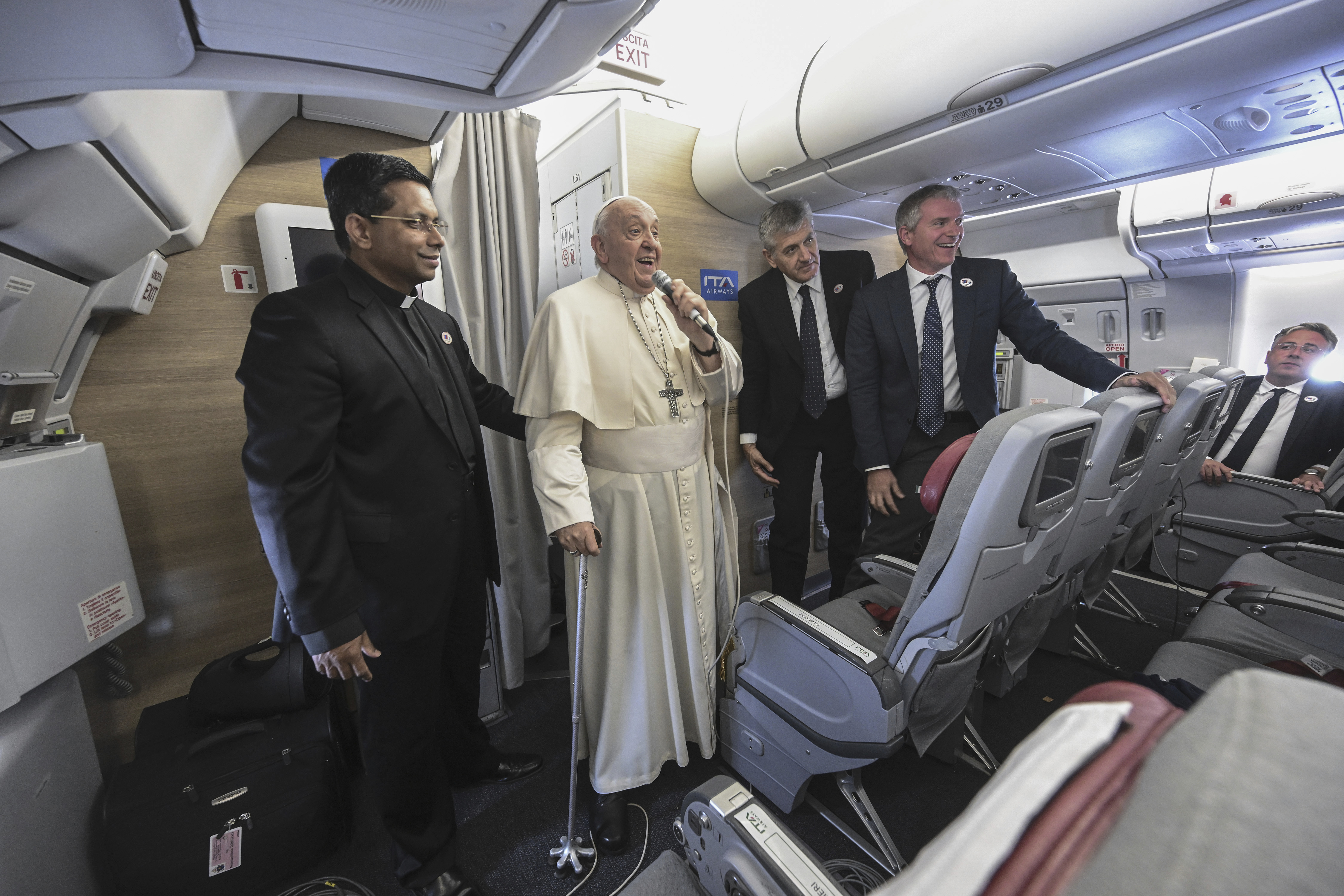
He changed church law to remove the pontifical secret surrounding abuse cases and enacted procedures to investigate bishops who abused or covered for their pedophile priests, seeking to end impunity for the hierarchy.
"He sincerely wanted to do something and he transmitted that," said Juan Carlos Cruz, a Chilean abuse survivor Francis discredited who later developed a close friendship with the pontiff.
A change from Benedict
The road to Francis' 2013 election was paved by Pope Benedict XVI's decision to resign and retire — the first in 600 years — and it created the unprecedented reality of two popes living in the Vatican.
Francis didn't shy from Benedict's potentially uncomfortable shadow.
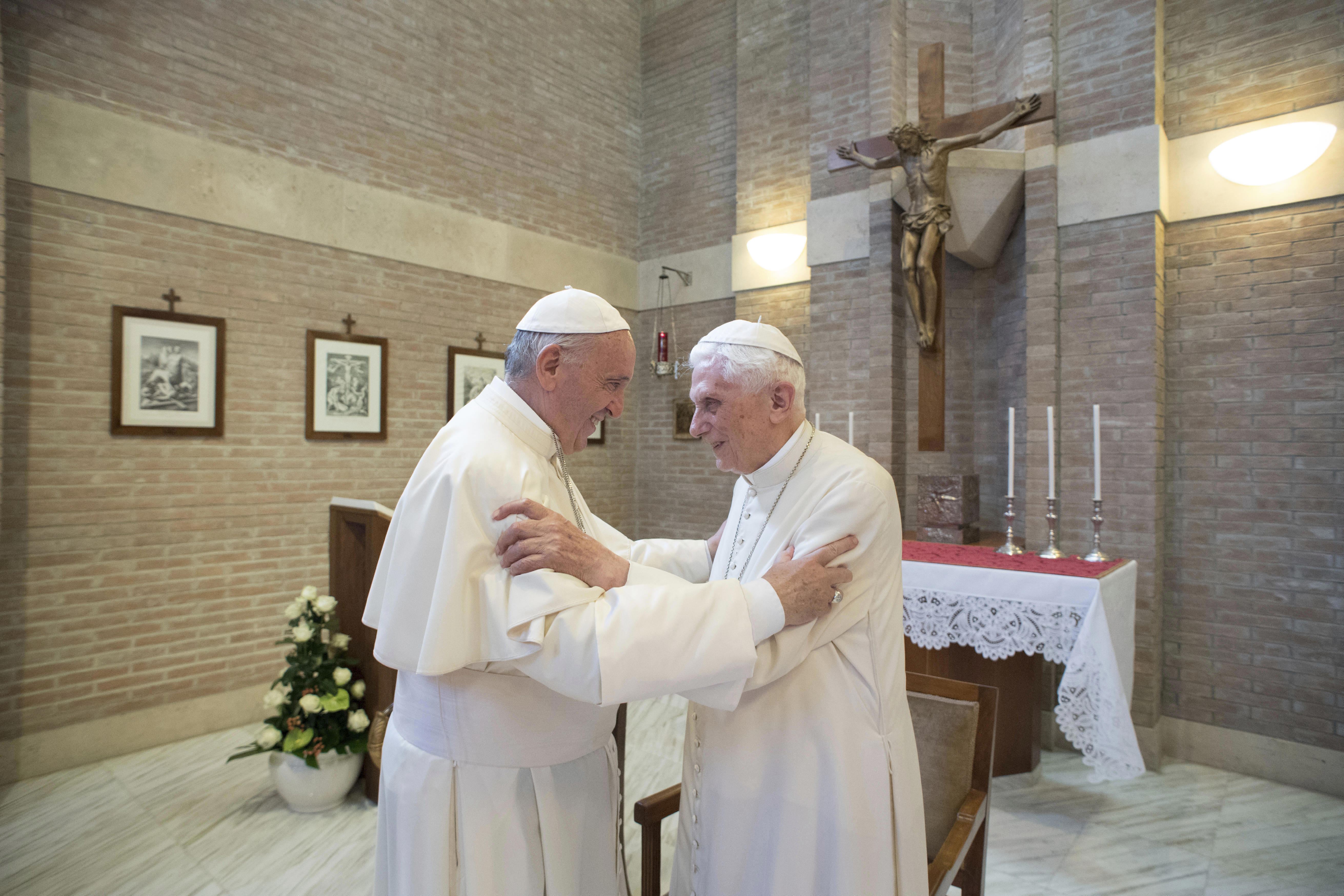
He embraced him as an elder statesman and adviser, coaxing him out of his cloistered retirement to participate in the public life of the church.
"It's like having your grandfather in the house, a wise grandfather," Francis said.
Francis praised Benedict by saying he "opened the door" to others following suit, fuelling speculation that Francis also might retire.
But after Benedict's death on December 31, 2022, he asserted that in principle the papacy is a job for life.
Francis' looser liturgical style and pastoral priorities made clear he and the German-born theologian came from very different religious traditions, and Francis directly overturned several decisions of his predecessor.
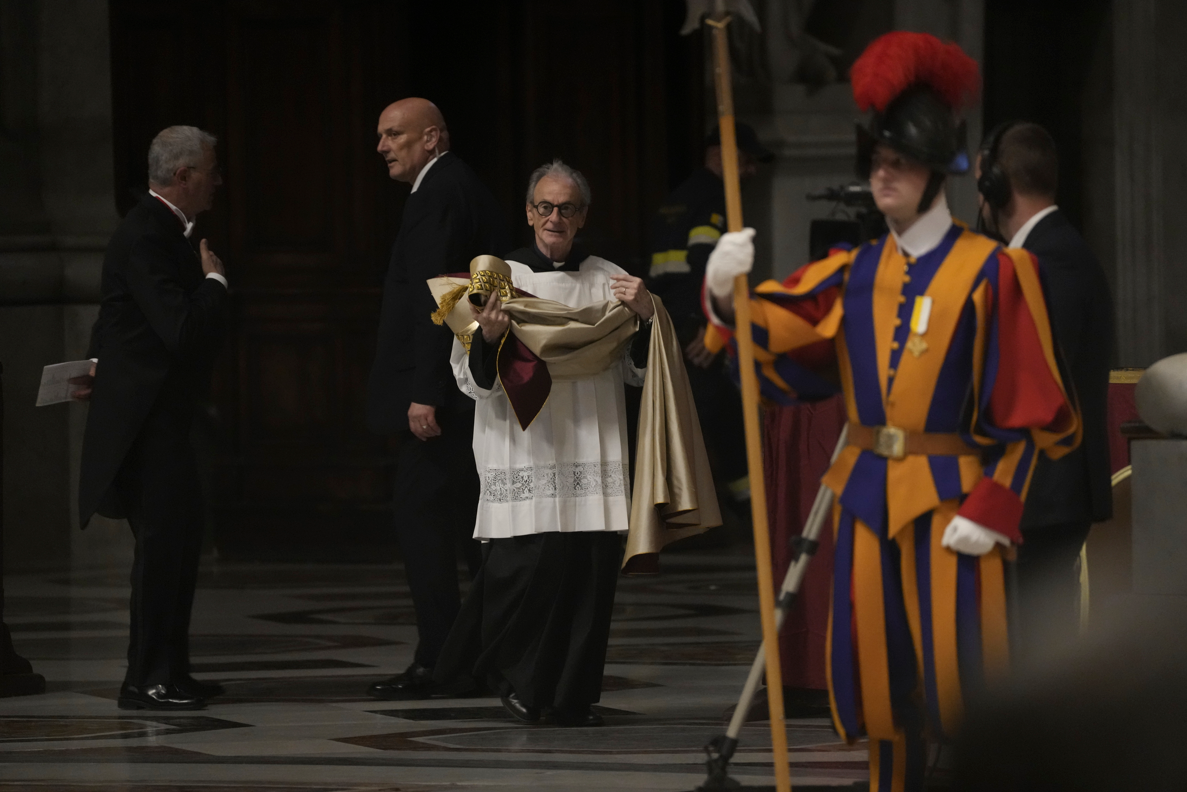
He made sure Salvadoran Archbishop Óscar Romero, a hero to the liberation theology movement in Latin America, was canonised after his case languished under Benedict over concerns about the credo's Marxist bent.
Francis reimposed restrictions on celebrating the old Latin Mass that Benedict had relaxed, arguing the spread of the Tridentine Rite was divisive.
The move riled Francis' traditionalist critics and opened sustained conflict between right-wing Catholics, particularly in the US, and the Argentine pope.
Conservatives oppose Francis
By then, conservatives had already turned away from Francis, betrayed after he opened debate on allowing remarried Catholics to receive the sacraments if they didn't get an annulment — a church ruling that their first marriage was invalid.
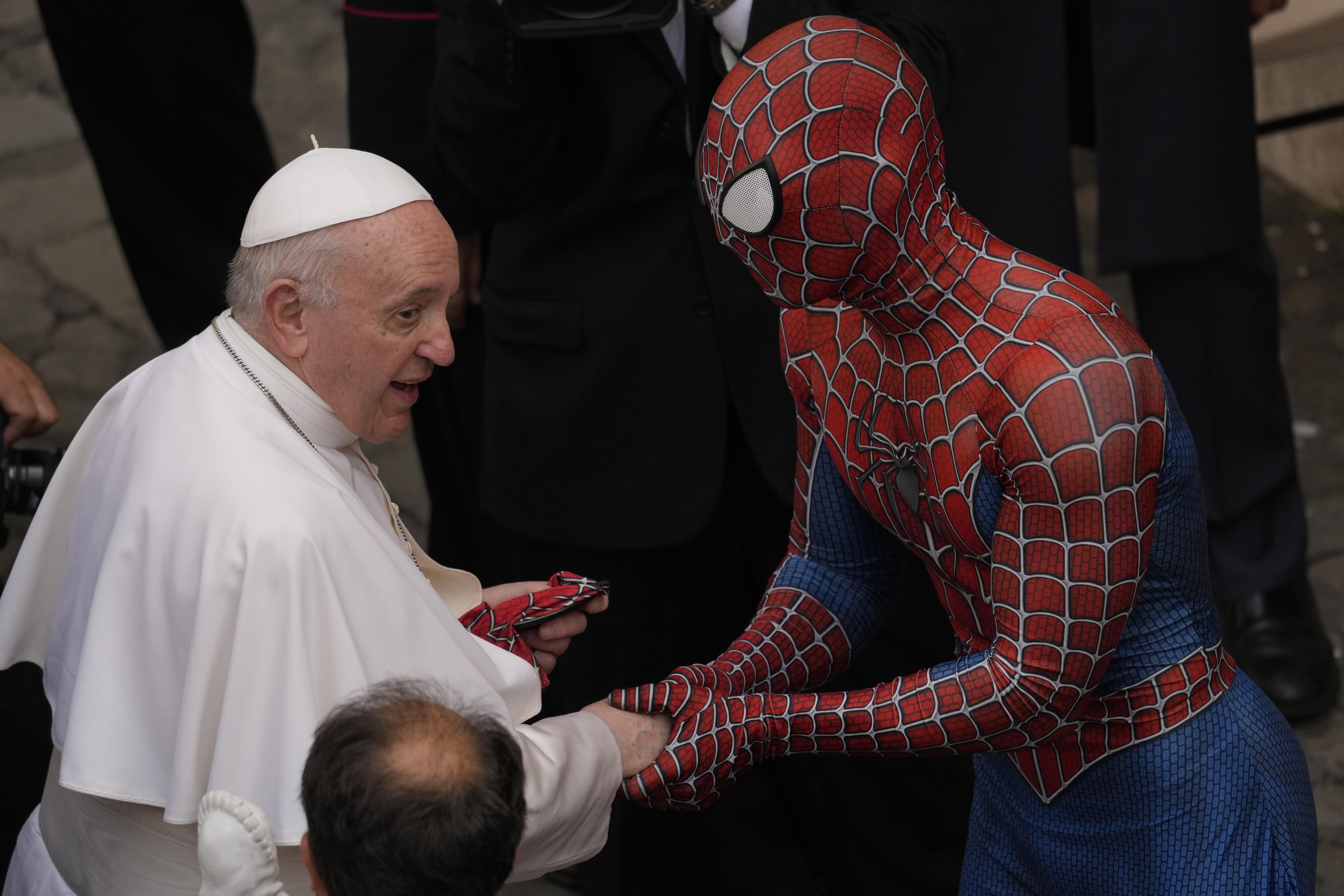
"We don't like this pope," headlined Italy's conservative daily Il Foglio a few months into the papacy, reflecting the unease of the small but vocal traditionalist Catholic movement that was coddled under Benedict.
Those same critics amplified their complaints after Francis' approved church blessings for same-sex couples, and a controversial accord with China over nominating bishops.
Its details were never released, but conservative critics bashed it as a sellout to communist China, while the Vatican defended it as the best deal it could get with Beijing.
US Cardinal Raymond Burke, a figurehead in the anti-Francis opposition, said the church had become "like a ship without a rudder."
Burke waged his opposition campaign for years, starting when Francis fired him as the Vatican's supreme court justice and culminating with his vocal opposition to Francis' 2023 synod on the church's future.
Twice, he joined other conservative cardinals in formally asking Francis to explain himself on doctrine issues reflecting a more progressive bent, including on the possibility of same-sex blessings and his outreach to divorced and civilly remarried Catholics.
Francis eventually sanctioned Burke financially, accusing him of sowing "disunity".
It was one of several personnel moves he made in both the Vatican and around the world to shift the balance of power from doctrinaire leaders to more pastoral ones.
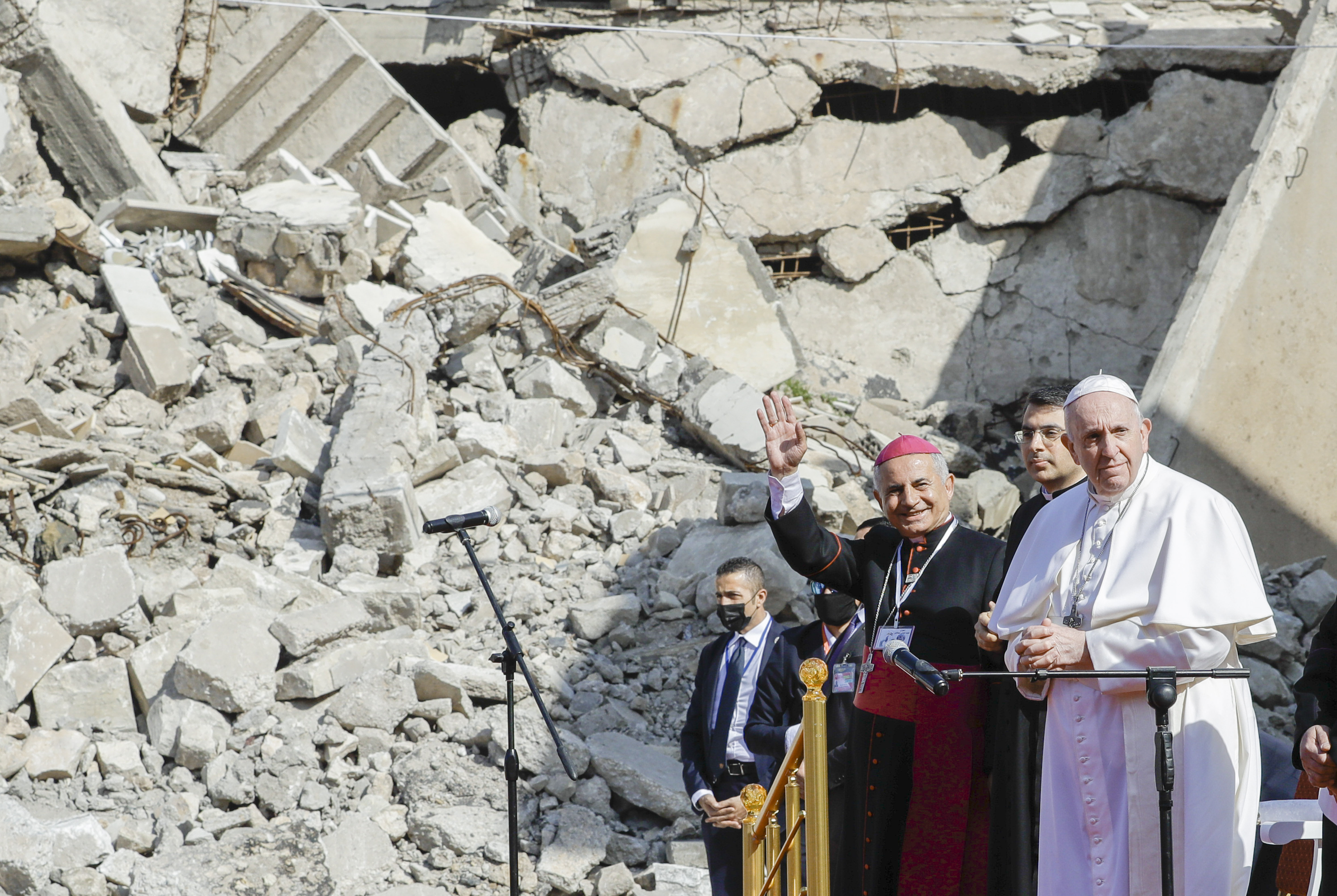
Francis insisted his bishops and cardinals imbue themselves with the "odour of their flock" and minister to the faithful, voicing displeasure when they didn't.
His 2014 Christmas address to the Vatican Curia was one of the greatest public papal reprimands ever: Standing in the marbled Apostolic Palace, Francis ticked off 15 ailments that he said can afflict his closest collaborators, including "spiritual Alzheimer's," lusting for power and the "terrorism of gossip".
Trying to eliminate corruption, Francis oversaw the reform of the scandal-marred Vatican bank and sought to wrestle Vatican bureaucrats into financial line, limiting their compensation and ability to receive gifts or award public contracts.
He authorised Vatican police to raid his own secretariat of state and the Vatican's financial watchdog agency amid suspicions about a 350 million euro investment in a London real estate venture.
After a two and a half year trial, the Vatican tribunal convicted a once-powerful cardinal, Angelo Becciu, of embezzlement and returned mixed verdicts to nine others, acquitting one.
The trial, though, proved to be a reputational boomerang for the Holy See, showing deficiencies in the Vatican's legal system, unseemly turf battles among monsignors, and how the pope had intervened on behalf of prosecutors.
While earning praise for trying to turn the Vatican's finances around, Francis angered US conservatives for his frequent excoriation of the global financial market that favours the rich over the poor.
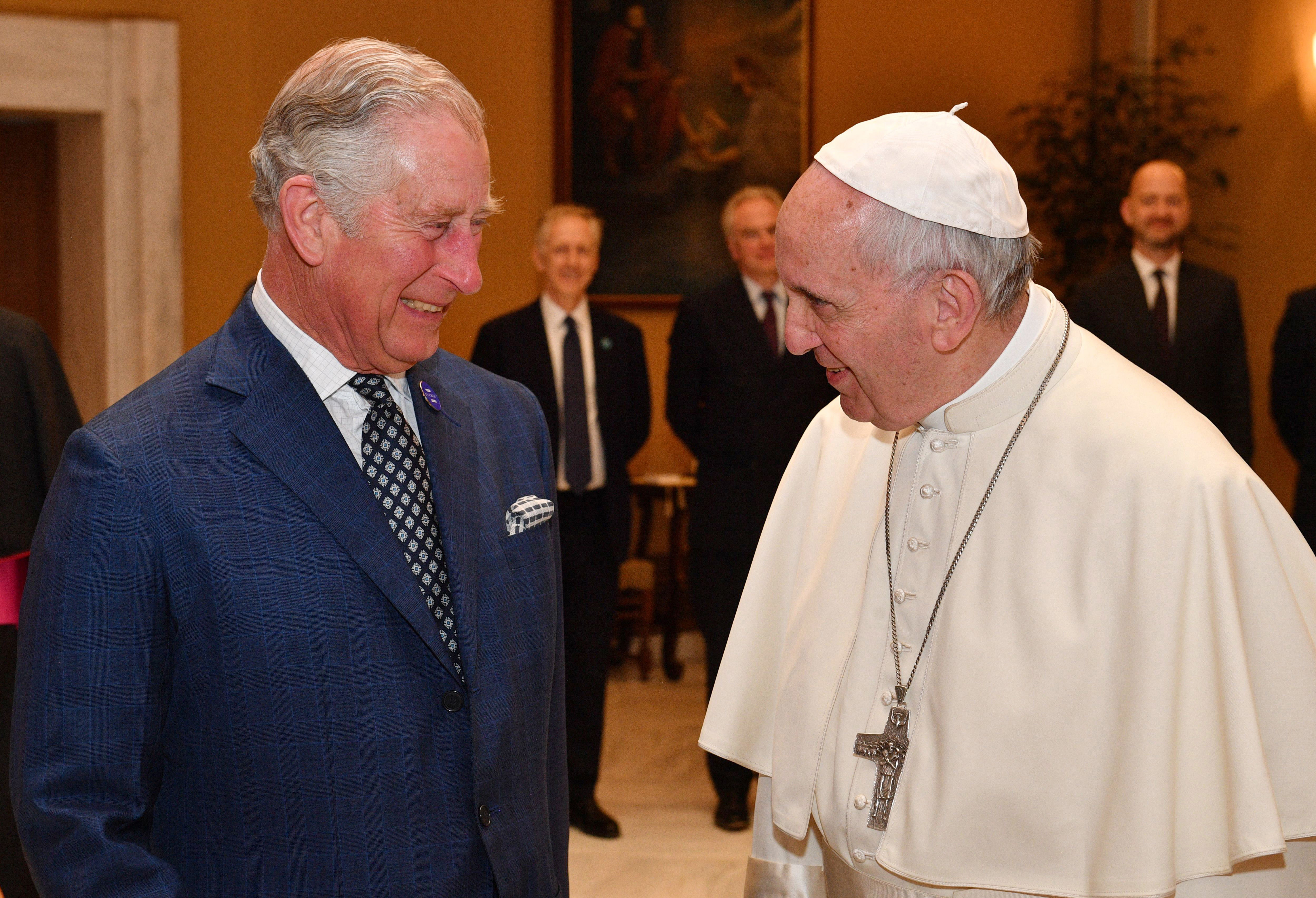
Economic justice was an important themes of his papacy, and he didn't hide it in his first meeting with journalists when he said he wanted a "poor church that is for the poor."
In his first major teaching document, The Joy of the Gospel, Francis denounced trickle-down economic theories as unproven and naive, based on a mentality "where the powerful feed upon the powerless" with no regard for ethics, the environment or even God.
"Money must serve, not rule!" he said in urging political reforms.
He elaborated on that in his major eco-encyclical "Praised Be," denouncing the "structurally perverse" global economic system that he said exploited the poor and risked turning Earth into "an immense pile of filth."
Some US conservatives branded Francis a Marxist.
He jabbed back by saying he had many friends who were Marxists.
Soccer, opera and prayer
Born December 17, 1936, in Buenos Aires, Jorge Mario Bergoglio was the eldest of five children of Italian immigrants.
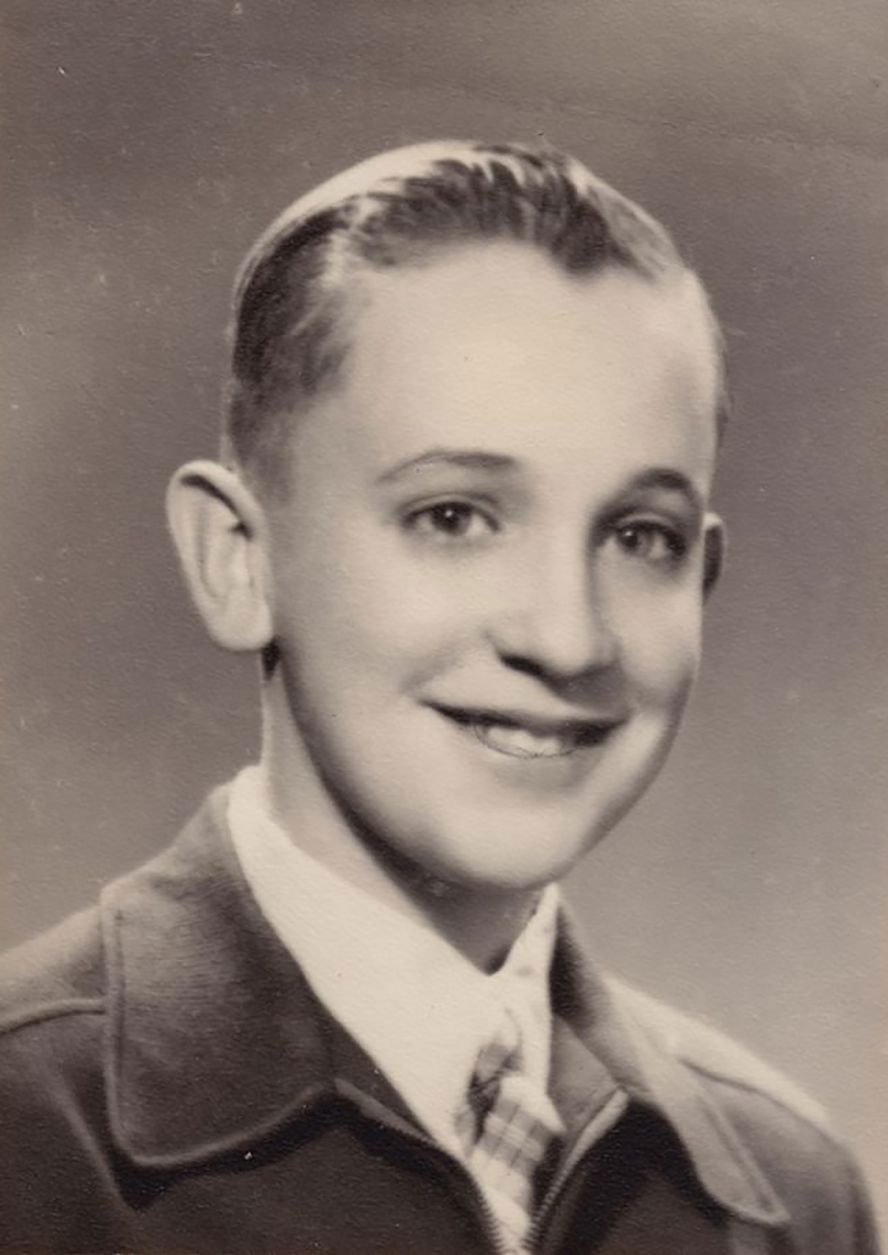
He credited his devout grandmother Rosa with teaching him how to pray. Weekends were spent listening to opera on the radio, going to Mass and attending matches of the family's beloved San Lorenzo soccer club.
As pope, his love of soccer brought him a huge collection of jerseys from visitors.
He said he received his religious calling at 17 while going to confession, recounting in a 2010 biography that, "I don't know what it was, but it changed my life. … I realised that they were waiting for me".
He entered the diocesan seminary but switched to the Jesuit order in 1958, attracted to its missionary tradition and militancy.
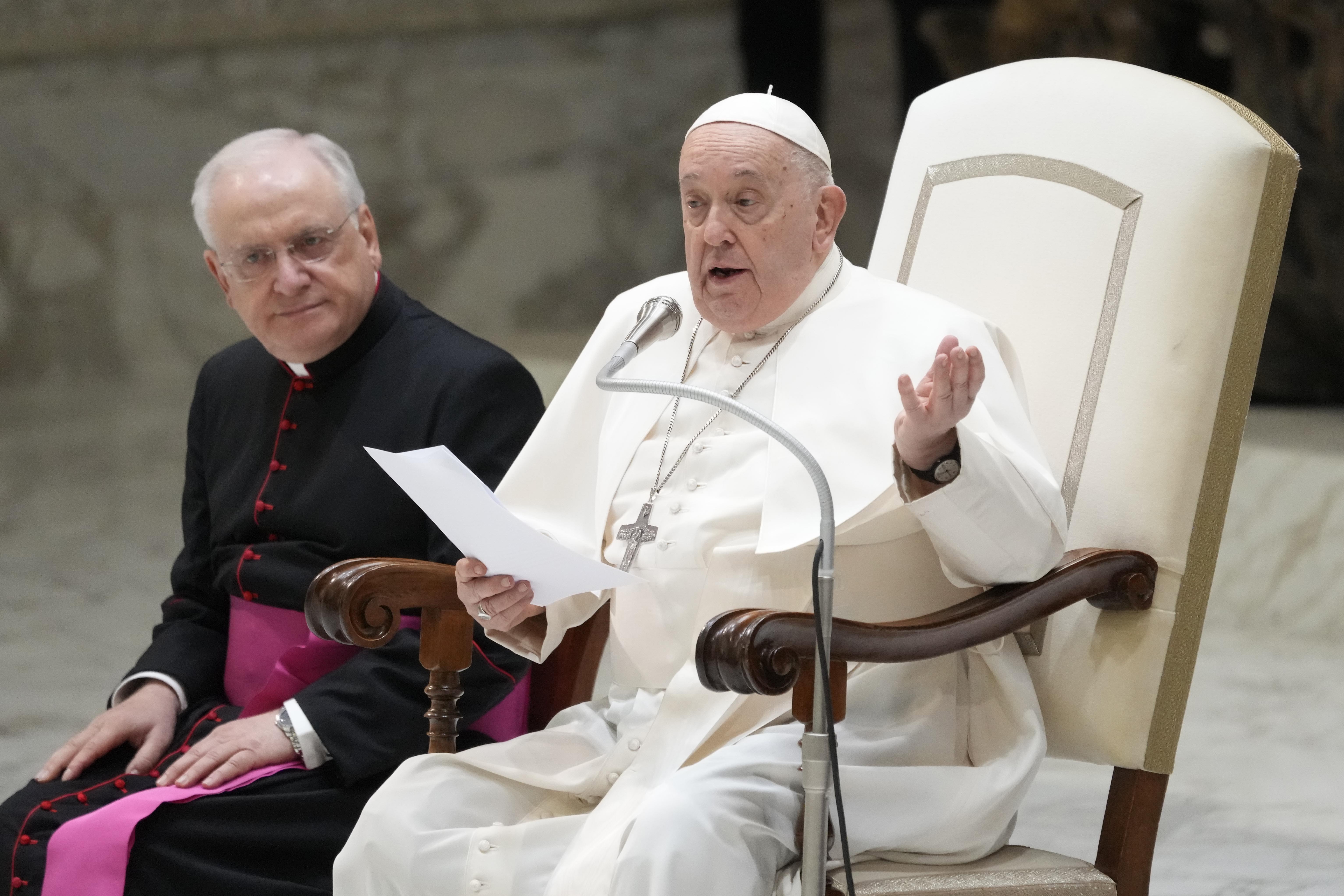
Around this time, he suffered from pneumonia, which led to the removal of the upper part of his right lung.
His frail health prevented him from becoming a missionary, and his less-than-robust lung capacity was perhaps responsible for his whisper of a voice and reluctance to sing at Mass.
On Dec. 13, 1969, he was ordained a priest, and immediately began teaching.
In 1973, he was named head of the Jesuits in Argentina, an appointment he later acknowledged was "crazy" given he was only 36.
"My authoritarian and quick manner of making decisions led me to have serious problems and to be accused of being ultraconservative," he admitted in his Civilta Cattolica interview.
Life under Argentina's dictatorship
His six-year tenure as provincial coincided with Argentina's murderous 1976-83 dictatorship, when the military launched a campaign against left-wing guerrillas and other regime opponents.
Bergoglio didn't publicly confront the junta and was accused of effectively allowing two slum priests to be kidnapped and tortured by not publicly endorsing their work.
He refused for decades to counter that version of events.
Only in a 2010 authorised biography did he finally recount the behind-the-scenes lengths he used to save them, persuading the family priest of feared dictator Jorge Videla to call in sick so he could say Mass instead.
Once in the junta leader's home, Bergoglio privately appealed for mercy.
Both priests were eventually released, among the few to have survived prison.
As pope, accounts began to emerge of the many people — priests, seminarians and political dissidents – whom Bergoglio actually saved during the "dirty war," letting them stay incognito at the seminary or helping them escape the country.
Bergoglio went to Germany in 1986 to research a never-finished thesis.
Returning to Argentina, he was stationed in Cordoba during a period he described as a time of "great interior crisis."
Out of favour with more progressive Jesuit leaders, he was eventually rescued from obscurity in 1992 by St. John Paul II, who named him an auxiliary bishop of Buenos Aires. He became archbishop six years later, and was made a cardinal in 2001.
He came close to becoming pope in 2005 when Benedict was elected, gaining the second-most votes in several rounds of balloting before bowing out.
– Reported with Associated Press and CNN
NZ Prime Minister Christopher Luxon pays tribute to Pope Francis after his death aged 88
Pope’s death comes hours before Luxon is due to meet King Charles in London.
Dunedin cliff rescue: Woman and dog rescued after three-hour ordeal
She and the dog were safe on a ledge but couldn’t climb back up.
Waikato woman stole $7k from employer Early Education Waikato
Police prosecutor: ‘It was deeply cynical and calculated and persistent.’
Repeat offender strikes again at Whangārei fire station
Frustration is growing as a man allegedly smashes fire station window for a fifth time.
Hundreds lose power in Tauranga after car crashes into pole, flees
A car crash knocked out power for nearly 1000 Bellevue homes.
Investigation into 50,000 illegal pamphlets targeting independent MP
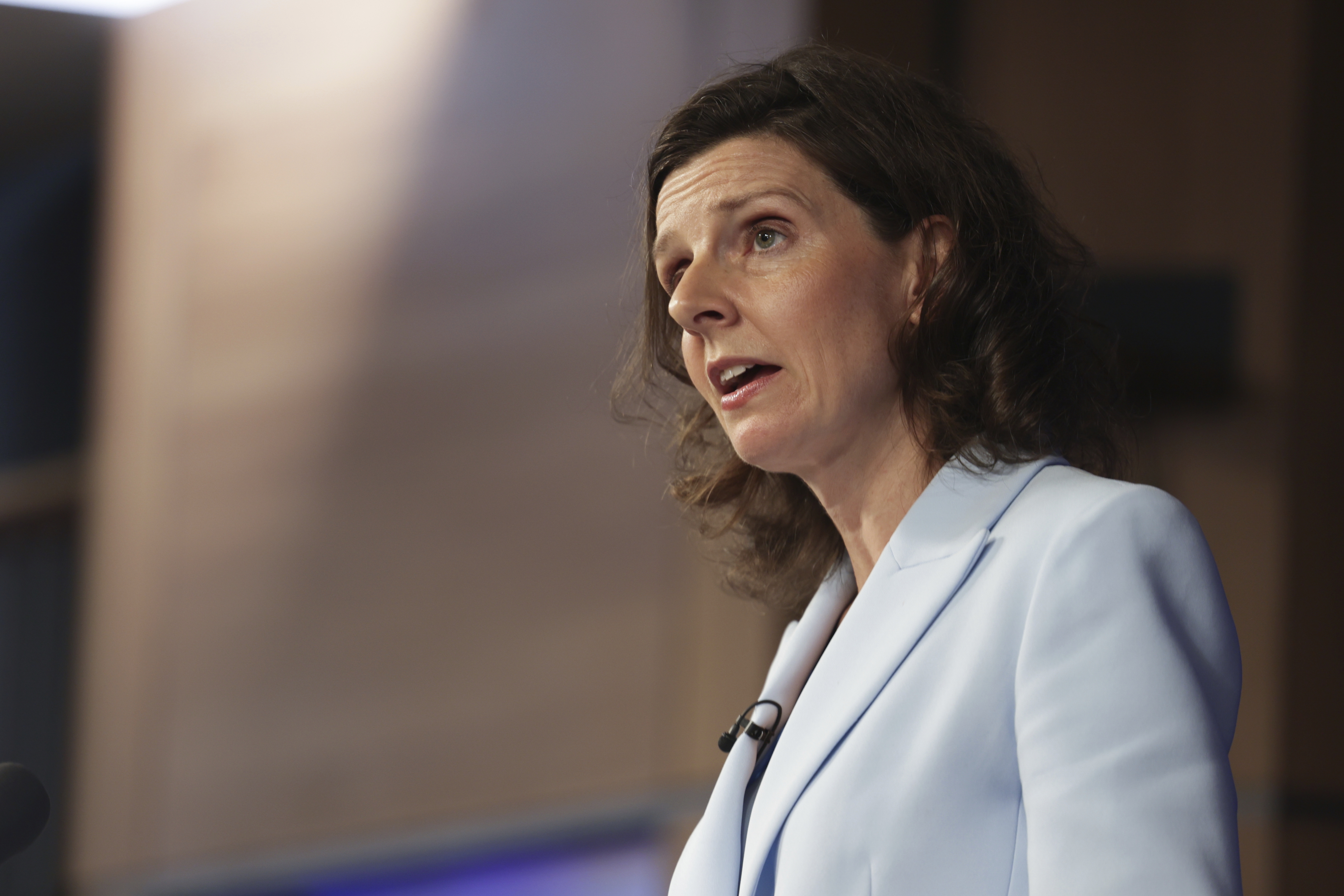
The Australian Electoral Commission (AEC) is investigating after almost 50,000 illegal pamphlets targeting independent MP Allegra Spender were sent out ahead of next week's federal election.
The AEC said more than 47,000 leaflets opposing the Wentworth MP were distributed, even though they didn't contain any authorisation disclosing who created them.
"The Australian Electoral Commission has received complaints regarding the distribution of an unauthorised pamphlet opposing the member for Wentworth," it said in a statement.
LIVE UPDATES: Pope Francis has died aged 88; Catholic Church to enter nine-day period of mourning
"The AEC has determined that over 47,000 pamphlets have been distributed in the Wentworth area.
"These pamphlets lack any form of authorisation, meaning that voters have no way of identifying the source of the communication.
"The AEC takes these matters very seriously and has worked quickly to identify and make contact (with) the entity responsible for these pamphlets."
The AEC said those behind the pamphlets could face court action and civil penalties.
READ MORE: Early voting opens soon. Here's how you can vote before May 3
Spender said she was pleased the matter is being investigated, labelling the pamphlets a "negative and unlawful smear campaign".
"This pamphlet spreads false, misleading and offensive claims about me and does so anonymously," she said.
"This anonymous and misleading campaign is designed to undermine me and to benefit my political opponents… I (call on) all my political opponents to condemn this sort of behaviour."
In a statement, Spender also claimed that "these campaigns are clearly designed to ensure a Liberal MP is elected in Wentworth", although stopped short of blaming Liberal candidate Ro Knox or her party for the pamphlets. 9news.com.au does not suggest Knox or the Liberal Party has any involvement in the pamphlets.
9news.com.au has contacted Knox's office and the Liberal Party for comment.
Spender was one of several teal independents to win traditionally Liberal-held seats at the last election, defeating Dave Sharma to claim the eastern Sydney electorate that was once held by former prime minister Malcolm Turnbull.
The Liberals are seeking to win back the seat this election, but while Wentworth is officially listed as an ultra-marginal seat with just a 0.58 per cent margin, most election analysts have Spender's actual buffer at a far safer 6-9 per cent.
Dozens of the MP's corflutes were cut down overnight late last week, while some of the posters for her Liberal opponent Knox, have been vandalised.
Early voting in the federal election begins tomorrow.
DOWNLOAD THE 9NEWS APP: Stay across all the latest in breaking news, sport, politics and the weather via our news app and get notifications sent straight to your smartphone. Available on the Apple App Store and Google Play.
Uninsured West Auckland family lose everything in Henderson fire
Chirag Shah says he didn’t realise insurance payments had lapsed until after the blaze.
One dead, two seriously injured in crash at Mangakino, Waikato
Emergency services were called to the crash just after 4pm.