The five new Lenco "Bearcats" cost $3.5 million and will be used to respond to the highest-level threats.
Tag Archives: oceania
Peruvian fisherman found alive after 95 days lost at sea
A Peruvian fisherman has been found alive in the Pacific Ocean after spending 95 days lost at sea, Peru's state news agency Andina reported Saturday.
Máximo Napa Castro, 61, set off on his fishing boat on December 7 from Marcona, a coastal town in the south of the country, but bad weather caused him to stray from his course and lose direction, according to Andina.
He was found on March 11 by an Ecuadorian fishing boat in waters off the coast of northern Peru, heavily dehydrated and in critical condition, the agency said.
READ MORE: 'I don't need my life anymore': Nation rocked by worst tragedy in memory
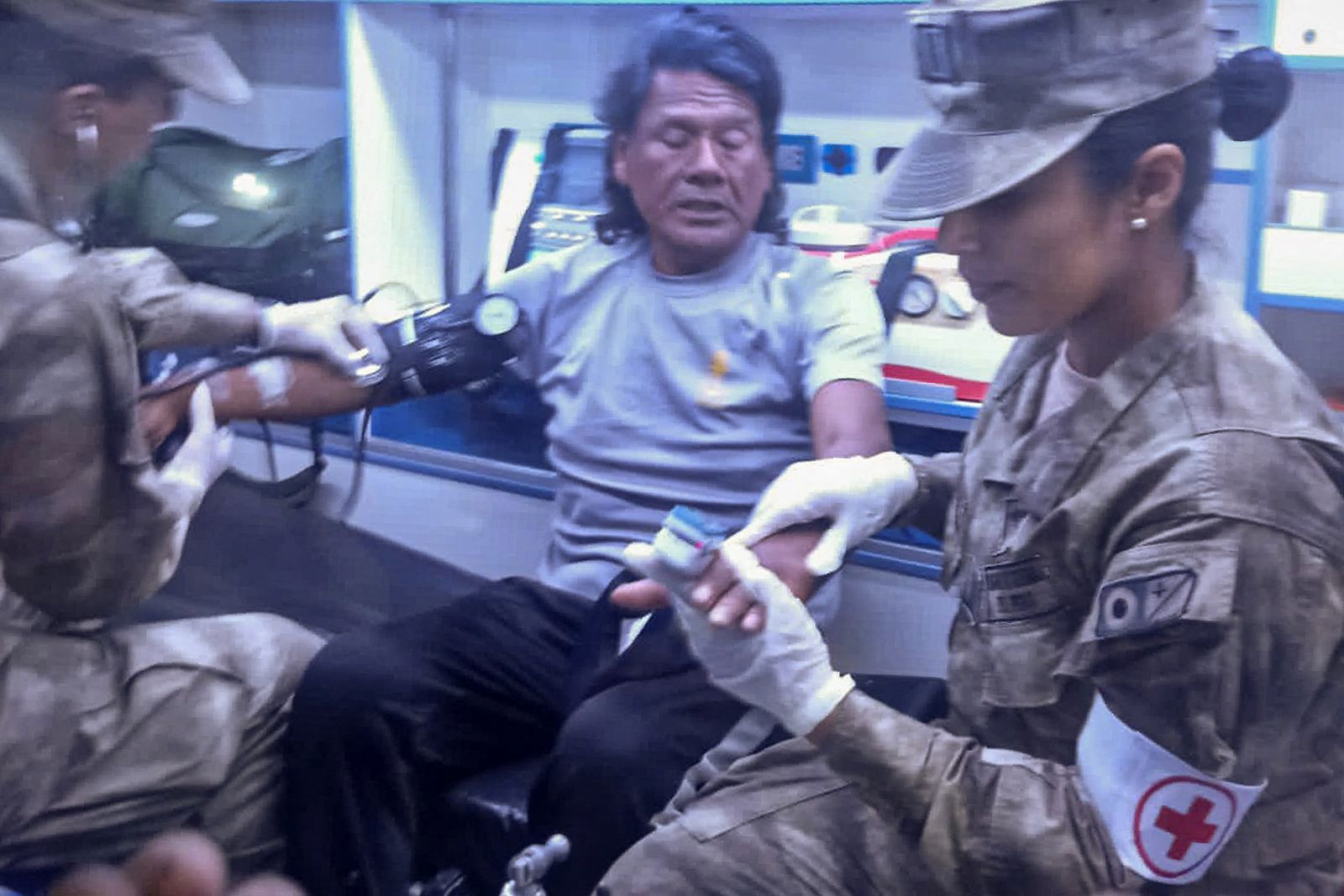
After his rescue, Napa Castro told local media in a tearful interview that he managed to survive by drinking rainwater he collected on the boat and eating insects, birds and a turtle.
He spent the last 15 days without eating, Reuters reported.
Napa Castro told local media he kept thinking about his family to "hold on" to life.
"I said I didn't want to die for my mother. I had a granddaughter who is a few months old, I held on to her. Every day I thought of my mother," he said.
READ MORE: Search for dad who rolled his ute, extracted kids and fled
The fisherman's daughter Inés Napa Torres thanked the Ecuadorian fishermen for saving her dad's life.
"Thank you, Ecuadorian brothers, for rescuing my dad Gatón, God bless you," she said in a Facebook post.
Napa Castro's family and groups of fishermen had been searching for him for three months.
"Every day is anguish for the whole family and I understand my grandmother's pain because as a mother I understand her (…) We never thought we would go through this situation, I wouldn't wish it on anyone, we will not lose hope, Dad, of finding you," his daughter wrote on March 3 on Facebook.
Napa Castro received medical checks at the Hospital Nuestra Señora de las Mercedes in Paita, near Peru's border with Ecuador, and was discharged on Saturday, Ecuavisa, a CNN affiliate, reported.
CNN is trying to contact the fisherman's family.
US deports hundreds of immigrants despite court order
The Trump administration has transferred hundreds of immigrants to El Salvador even as a federal judge issued an order temporarily barring the deportations under an 18th century wartime declaration targeting Venezuelan gang members, officials said Sunday. Flights were in the air at the time of the ruling.
U.S. District Judge James E. Boasberg issued an order blocking the deportations, but lawyers told him there were already two planes with immigrants in the air — one headed for El Salvador, the other for Honduras. Boasberg verbally ordered the planes be turned around, but they apparently were not and he did not include the directive in his written order.
In a court filing the Department of Justice, which has appealed Boasberg's decision, said the immigrants "had already been removed from U.S. territory" when the written order was issued at 7:26 pm.
Trump's allies were gleeful over the results.
"Oopsie…Too late," Salvadoran President Nayib Bukele, who agreed to house about 300 immigrants for a year at a cost of $6 million in his country's prisons, wrote on the social media site X above an article about Boasberg's ruling. That post was recirculated by White House communications director Steven Cheung.
Secretary of State Marco Rubio, who negotiated an earlier deal with Bukele to house immigrants, posted on the site: "We sent over 250 alien enemy members of Tren de Aragua which El Salvador has agreed to hold in their very good jails at a fair price that will also save our taxpayer dollars."
Steve Vladeck, a professor at the Georgetown University Law Center, said that Boasberg's verbal directive to turn around the planes was not technically part of his final order but that the Trump administration clearly violated the "spirit" of it.
"This just incentivises future courts to be hyper specific in their orders and not give the government any wiggle room," Vladeck said.
The immigrants were deported after Trump's declaration of the Alien Enemies Act of 1798, which has been used only three times in U.S. history.
The law, invoked during the War of 1812 and World Wars I and II, requires a president to declare the United States is at war, giving him extraordinary powers to detain or remove foreigners who otherwise would have protections under immigration or criminal laws. It was last used to justify the detention of Japanese-American civilians during World War II.
A Justice Department spokesperson on Sunday referred to an earlier statement from Attorney General Pam Bondi blasting Boasberg's ruling and didn't immediately answer questions about whether the administration ignored the court's order.
Venezuela's government in a statement Sunday rejected the use of Trump's declaration of the law, characterizing it as evocative of "the darkest episodes in human history, from slavery to the horror of the Nazi concentration camps."
Tren de Aragua originated in an infamously lawless prison in the central state of Aragua and accompanied an exodus of millions of Venezuelans, the overwhelming majority of whom were seeking better living conditions after their nation's economy came undone during the past decade. Trump seized on the gang during his campaign to paint misleading pictures of communities that he contended were "taken over" by what were actually a handful of lawbreakers.
The Trump administration has not identified the immigrants deported, provided any evidence they are in fact members of Tren de Aragua or that they committed any crimes in the United States. It also sent two top members of the Salvadoran MS-13 gang to El Salvador who had been arrested in the United States.
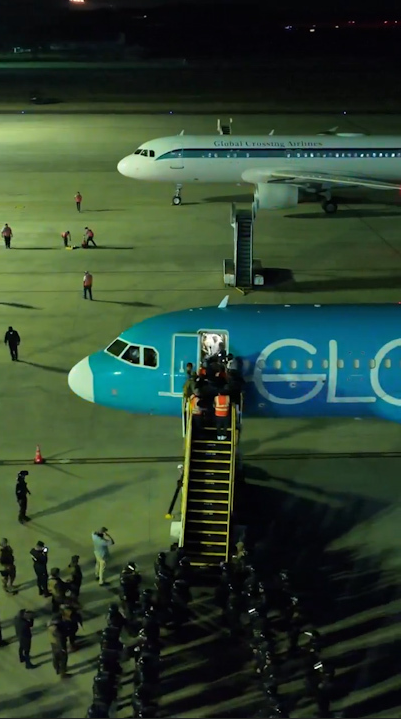
Video released by El Salvador's government showed men exiting airplanes onto an airport tarmac lined by officers in riot gear. The men, who had their hands and ankles shackled, struggled to walk as officers pushed their heads down to have them bend down at the waist.
The video also showed the men being transported to prison in a large convoy of buses guarded by police and military vehicles and at least one helicopter. The men were shown kneeling on the ground as their heads were shaved before they changed into the prison's all-white uniform — knee-length shorts, T-shirt, socks and rubber clogs — and placed in cells.
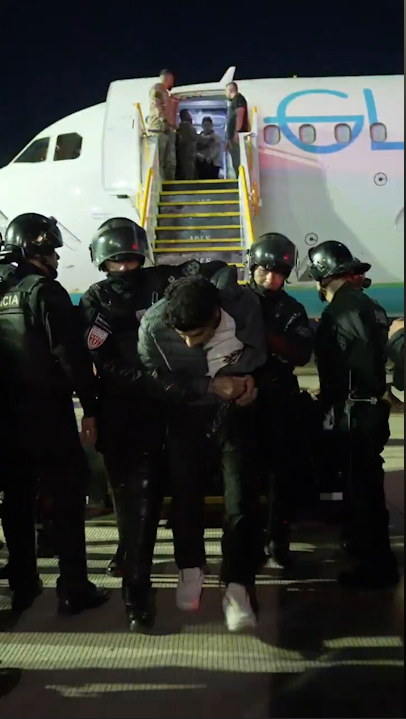
The immigrants were taken to the notorious CECOT facility, the centerpiece of Bukele's push to pacify his once violence-wracked country through tough police measures and limits on basic rights
The Trump administration said the president actually signed the proclamation contending Tren de Aragua was invading the United States on Friday night but didn't announce it until Saturday afternoon. Immigration lawyers said that, late Friday, they noticed Venezuelans who otherwise couldn't be deported under immigration law being moved to Texas for deportation flights. They began to file lawsuits to halt the transfers.
"Basically any Venezuelan citizen in the US may be removed on pretext of belonging to Tren de Aragua, with no chance at defence," Adam Isacson of the Washington Office for Latin America, a human rights group, warned on X.
The litigation that led to the hold on deportations was filed on behalf of five Venezuelans held in Texas who lawyers said were concerned they'd be falsely accused of being members of the gang. Once the act is invoked, they warned, Trump could simply declare anyone a Tren de Aragua member and remove them from the country.
Boasberg barred those Venezuelans' deportations Saturday morning when the suit was filed, but only broadened it to all people in federal custody who could be targeted by the act after his afternoon hearing. He noted that the law has never before been used outside of a congressionally declared war and that plaintiffs may successfully argue Trump exceeded his legal authority in invoking it.
The bar on deportations stands for up to 14 days and the immigrants will remain in federal custody during that time. Boasberg has scheduled a hearing Friday to hear additional arguments in the case.
He said he had to act because the immigrants whose deportations may actually violate the U.S. Constitution deserved a chance to have their pleas heard in court.
"Once they're out of the country," Boasberg said, "there's little I could do."
These ‘woolly mice’ could signal extinction is ‘a thing of the past’
When asked if their latest landmark breakthrough in the quest to restore the woolly mammoth to the world has seen humanity seize control of evolution for the first time, Colossal CEO Ben Lamm has to laugh.
"That's – wow, that's a bold suggestion. I mean we're a bold company, but even for us that might be a bit much," he told 9news.com.au over Zoom.
His colleague, Dr Beth Shapiro, agreed. "Humans have been controlling evolution for thousands of years – turning grey wolves into chihuahuas. We've just taken it a little further."
READ MORE: Voice of America channels fall silent as Trump administration guts agency and cancels contracts

Indeed – just a little. The woolly mammoth team at Colossal recently debuted the Colossal woolly mouse – a mouse that has been genetically engineered to suit colder climates with mammoth-like traits such as colouring and coat length.
Trying to put it in terms the layman on the other end of the call can interpret, Lamm and Shapiro outline the scope of the achievement.
They were able to modify seven genes simultaneously in a "pipeline" approach, drawn from the computational analysis of 59 woolly, Columbian, and steppe mammoth genomes ranging from 3500 to over 1.2 million years old.
The importation of eight modifications across seven genes – an unprecedented achievement – into a regular mouse embryo has, apparently come off without a hitch.
READ MORE: Vatican releases first photograph of the pope in a month

Lamm said the seven modified genes had all "100 per cent" manifested in the live mouse, with no detrimental effects.
"It's a breakthrough in that it validates what we've been doing, but it doesn't accelerate anything. It means we don't have to go back," he said.
But that doesn't mean we will necessarily be waiting decades to welcome woolly mammoths back to the world.
Lamm said they were on target to reach their goal of a viable "woolly mammoth" embryo by the end of 2026. That means a live mammoth calf could be born a couple months before 2029 – after the 22-month elephant pregnancy.
READ MORE: NASA's stuck astronauts welcome their newly arrived replacements

Meanwhile, what happens to the mice?
They have their own habitat and, Shapiro says, there are no plans to sell them.
"Our mice live very, very well, compared to a typical mouse," Lamm said.
Shapiro said the next six to 12 months would also involve behavioural studies and ethical experiments on the furry little specimens, which would all contribute toward the ultimate goal.
What does the future hold?
Colossal's woolly mammoth project, as both Lamm and Shapiro acknowledged, tends to get most of the press.
But they have two other teams working on the resurrection of two other animals – the dodo, and the thylacine. We'll come back to the latter.
"There's bit of competition between the three teams," Shapiro said.
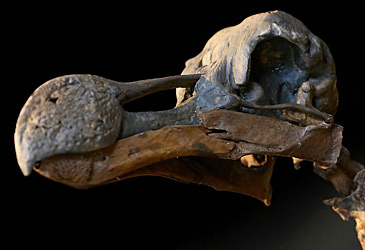
The avian team in particular is thriving, having developed a workaround for the impossibility of cloning a bird.
"Standard" cloning – the way it's been done since the days of Dolly the sheep – can't be replicated with birds due to the differences in egg development.
Instead, what the team is aiming to do is edit the primordial germ cell, which controls the production of eggs or sperm.
Putting it as plainly as possible, they can theoretically make everyday chickens lay dodo eggs.
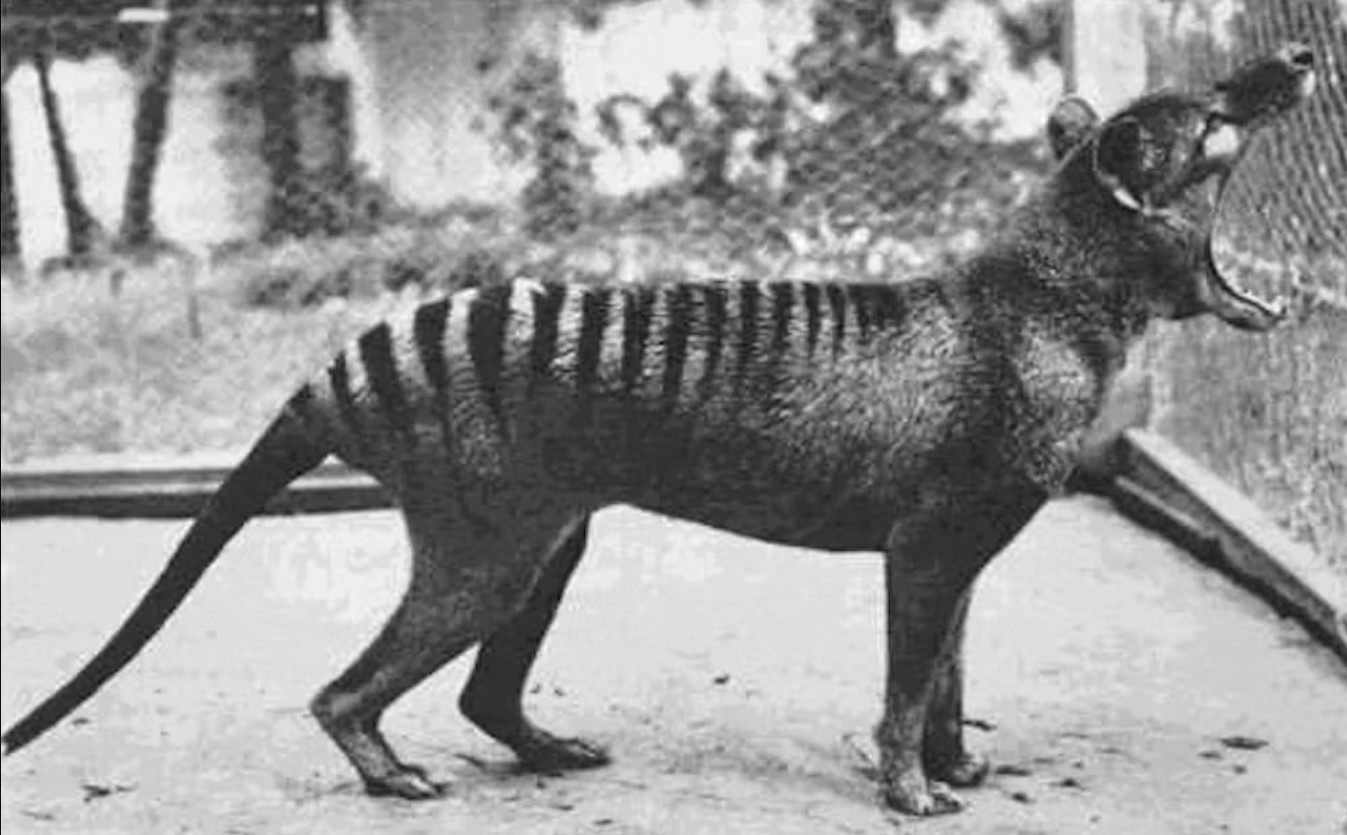
As for the thylacine, the extinct predator is coming back to us through the tiny fat-tailed dunnart.
Like the thylacine, the dunnart is a marsupial with sharp teeth, providing a good genetic base to work with.
Additionally, as Shapiro pointed out, marsupial babies – whether they grow up to be a 1.8-metre tall red kangaroo, or a mouse-sized dunnart – all start out more or less the same size.
"That means we can move the infant to larger and larger pouches as it grows," she said.
What's it all for?
Mountaineer George Leigh Mallory, when asked why he proposed to climb Mount Everest, supposedly replied "Because it's there".
Colossal, confronting the awesome power of nature on another scale, thankfully have more thoughtful answers.
All the techniques outlined above can be used to pump up the numbers of still-extant but dwindling species as well.
And bringing back the woolly mammoth, Shapiro said, could help "stabilise" the now-warming habitats the animal once roamed.
"It's not the goal to bring back a 100 per cent woolly mammoth clone," she said.
But the species the team does bring back will be able to help the environment, by aerating the soil, spreading seeds, and performing in greater symbiosis with the habitat.
"We want to make extinction a thing of the past," Shapiro said.
DOWNLOAD THE 9NEWS APP: Stay across all the latest in breaking news, sport, politics and the weather via our news app and get notifications sent straight to your smartphone. Available on the Apple App Store and Google Play.
Workers dump green dye into a river – but its not a protest
It's part of a six-decade tradition celebrating one of the world's most fun days.
Body found in search for girl missing in NSW
A body has been found in the search for a six-year-old girl missing from southern NSW.
She disappeared from the North Nowra area, near Shoalhaven, this afternoon, sparking inquiries from police and a wide-scale search.
A body was found in bushland in the area about 6pm.
READ MORE: Search for dad who fled crash with kids

"While it is yet to be formally identified, it is believed to be that of the missing girl," police said.
Police inquiries have begun and a report will be prepared for the coroner.
Police said there were no suspicious circumstances.
More to come.
Fifty-one dead, more than 100 hurt in North Macedonia nightclub fire
A massive fire in a nightclub in North Macedonia's southern town of Kocani has killed 51 people and injured more than 100, interior minister Panche Toshkovski has told a press conference.
The blaze began about 2.35am (6.30pm AEDT) on Sunday during a concert by a local pop group, according to Toshkovski.
He said the young clubgoers used pyrotechnics that caused the roof to catch fire.
READ MORE: Trump pledges 'overwhelming lethal force'

Videos showed chaos inside the night club, with young people running through the smoke as the musicians urged people to escape as quickly as possible.
Officials said the injured have been taken to hospitals around the country, including the capital, Skopje, many with severe burns. The effort was being assisted by multiple volunteer organizations.
Health Minister Arben Taravari said 118 people have been hospitalized, adding that he had received offers of assistance from neighboring countries.
"All our capabilities have been put to use, in a maximum effort to save as many lives as possible of the young people involved in this tragedy," Taravari told reporters, at times looking visibly shaken.
This is the worst tragedy in recent memory to befall the landlocked nation, whose population is less than 2 million.

"This is a difficult and very sad day for Macedonia. The loss of so many young lives is irreparable, and the pain of the families, loved ones and friends is immeasurable," Prime Minister Hristijan Mickoski wrote on X, formerly Twitter.
"The people and the government will do everything in their power to at least slightly alleviate their pain and help them in these most difficult moments."
Family members gathered in front of hospitals and Kocani's city offices begging authorities for more information.
The club was in an old building that was previously a carpet warehouse and has been running for several years, according to local media MKD.
The club was in an old building that was previously a carpet warehouse and has been running for several years, according to local media MKD.
Toshkovski said that authorities would investigate the venue's licensing and safety provisions, adding that the government had a "moral responsibility" to help prosecute anyone responsible.
Police have arrested one man already, but he didn't provide details on the person's involvement.
Condolences poured in from politicians across the region, including Albania's Prime Minister Edi Rama, the European Commissioner for Enlargement, Marta Kos, and Ukrainian President Volodymyr Zelenskyy.
"I wish those who were injured a speedy recovery. Ukraine mourns alongside our (North) Macedonian friends on this sad day," Zelenskyy wrote on X.
Police appeal after man on daily walk found dead in city park
A man has died in a park in Adelaide.
The 54-year-old was found collapsed on a path by members of the public while on his morning walk.
What led to his death about 7.30am in the park between the Women's and Children's Hospital and O'Connell Street in North Adelaide isn't yet known.
READ MORE: 'Silent killer': Sydney sizzles under record-breaking heatwave


The Marden man was on a daily walk from Walkerville.
There was a heavy police presence today as volunteers from the SES searched the park, including going through the rubbish bins.
Detective Inspector Fraser Huntley said there was blood at the scene.
"We know that blood is from the victim but we don't know the circumstances of how that blood was found," Huntley said.
The SES conducted a line search over the entire garden.
Police said they were unable to locate anything significant and appealed for help from anyone who may have seen the man.
READ MORE: Search for father with three kids who fled Sydney crash

"We're looking for any potential witnesses or people driving past with dashcam footage to help relay the last few minutes of his life in the parklands)," Huntley said.
"He travelled on O'Connell Street as part of his normal walk, and we are seeking members of the public who were in the vicinity at that time."
Potentially deadly mosquito-borne virus found for first time in city
A potentially deadly mosquito borne virus has been detected in Brisbane for the first time.
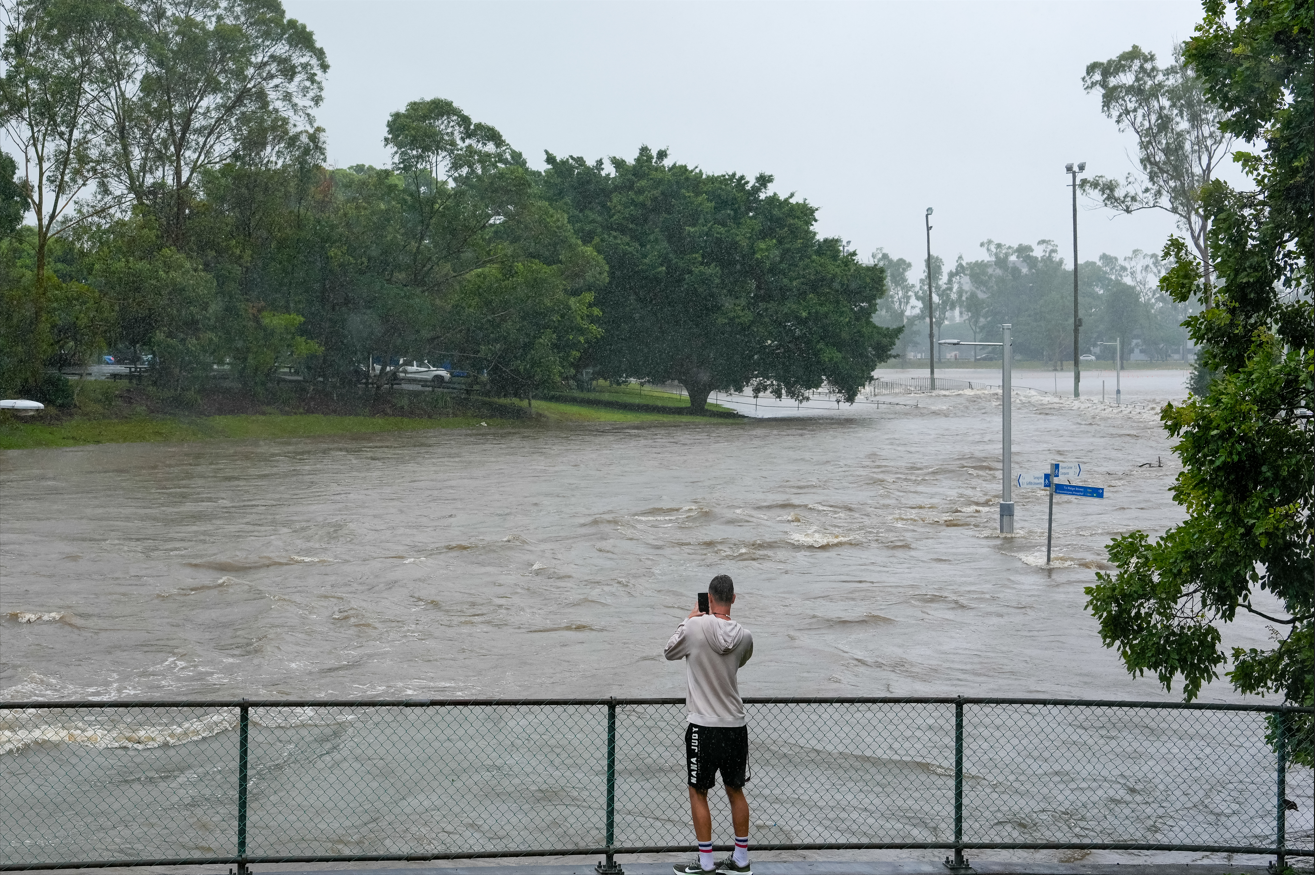
Health experts raised the alarm this weekend as wet weather from ex-tropical Cyclone Alfred threatened to push up infection risk.
Japanese encephalitis is now circulating amongst Brisbane mosquitoes.
READ MORE: At least 32 dead in massive US storm
"It's not something we normally deal with here in south-east Queensland and there has been detection in mosquitoes locally," infectious diseases expert Professor Paul Griffin said.
Queensland Health warned there could be an increased risk to residents right across the region.
Recent wet weather, including from ex-Tropical Cyclone Alfred, is raising concerns the virus could spread as mosquito populations boom.
"It is something that's a bit concerning, given that we now have seen it in SEQ, it means people need to be aware," Griffin said.
The new detection came after Queensland in January recorded its first locally acquired case of the virus since 2022.
READ MORE: 'Silent killer': Dangerous heatwave grips Sydney
Across the border in New South Wales, five cases have been detected in recent months.
The latest is a man in his 20s who travelled to the state's north.
Two men have already died as a result of the virus there this year.
The symptoms to watch out for include fever, headache. nausea, neck stiffness and disorientation, but most cases are mild and some people might not have any symptoms at all.
Griffin said the best way to protect yourself is to wear long sleeves, long pants, use repellent and stay inside at dawn and dusk.
Vaccines are also available for free across the country, for those at higher risk due to their job or where they live.
Trump orders strikes on Iran-backed Houthi rebels in Yemen
US President Donald Trump has said he ordered a series of airstrikes on the Houthi-held areas in Yemen, promising to use “overwhelming lethal force” until Iranian-backed Houthi rebels cease their attacks on shipping along a vital maritime corridor.
The Houthis said at least 31 people were killed.
“Our brave Warfighters are right now carrying out aerial attacks on the terrorists’ bases, leaders, and missile defences to protect American shipping, air, and naval assets, and to restore Navigational Freedom,” Trump said in a social media post on Saturday (Sunday AEDT)
READ MORE: At least 32 dead in massive US storm

“No terrorist force will stop American commercial and naval vessels from freely sailing the Waterways of the World.”
He also warned Iran to stop supporting the rebel group, promising to hold the country “fully accountable” for the actions of its proxy.
It comes two weeks after the US leader sent a letter to Iranian leaders offering a path to restarting bilateral talks between the countries on Iran’s advancing nuclear program. Trump has said he will not allow it to become operational.
The Houthis reported explosions in their territory on Saturday evening, in the capital of Sanaa and the northern province of Saada, the rebels’ stronghold on the border with Saudi Arabia, with more airstrikes reported in those areas early Sunday.
Images online showed plumes of black smoke over the area of the Sanaa airport complex, which includes a sprawling military facility.
The Houthis also reported airstrikes early Sunday on the provinces of Hodeida, Bayda, and Marib.
The Houthi-run Health Ministry said early on Sunday (Sunday evening AEDT) that the death toll had climbed to 31, including women and children. Anees al-Asbahi, a spokesperson for the ministry, said another 101 people were wounded.

A US official said this was the beginning of air strikes on Houthi targets that are expected to continue.
The official spoke on the condition of anonymity because they were not authorised to talk to the press.
READ MORE: Search under way for missing man, 23, who fell into Brisbane River
Nasruddin Amer, deputy head of the Houthi media office, said the airstrikes won’t deter them and they would retaliate against the US.
“Sanaa will remain Gaza’s shield and support and will not abandon it no matter the challenges,” he added on social media.
Another spokesman, Mohamed Abdulsalam, on X, called Trump’s claims that the Houthis threaten international shipping routes “false and misleading.”
The airstrikes come a few days after the Houthis said they would resume attacks on Israeli vessels sailing off Yemen in response to Israel’s latest blockade on Gaza.
They described the warning as affecting the Red Sea, the Gulf of Aden, the Bab el-Mandeb Strait and the Arabian Sea.
There have been no Houthi attacks reported since then.
Earlier this month, Israel halted all aid coming into Gaza and warned of “additional consequences” for Hamas if their fragile ceasefire in the war isn’t extended as negotiations continue over starting a second phase.
The Houthis had targeted over 100 merchant vessels with missiles and drones, sinking two vessels and killing four sailors, during their campaign targeting military and civilian ships between the start of the war between Israel and Hamas in late 2023 and January of this year, when this ceasefire in Gaza took effect.
The attacks raised the Houthis’ profile as they faced economic and other problems at home amid Yemen’s decade-long stalemated war that’s torn apart the Arab world’s poorest nation.
The Houthi media office said the U.S. strikes hit a residential neighbourhood in Sanaa’s northern district of Shouab.
Residents said at least four airstrikes rocked the Eastern Geraf neighborhood there, terrifying women and children.
“The explosions were very strong,” said Abdallah al-Alffi. “It was like an earthquake.”
The Eastern Geraf is home to Houthi-held military facilities and a headquarters for the rebels' political bureau, located in a densely populated area.
The Houthis reported fresh strikes on the southwestern Dhamar province late on Saturday.
They said the strikes hit the outskirts of the provincial capital, also named Dhamar, and the district of Abs.
The United States, Israel and Britain have previously hit Houthi-held areas in Yemen. Israel’s military declined to comment.
However, Saturday's operation was conducted solely by the US, according to a U.S. official.
It was the first strike on the Yemen-based Houthis under the second Trump administration.
Such broad-based missile strikes against the Houthis were carried out multiple times by the Biden administration in response to frequent attacks by the Houthis against commercial and military vessels in the region.
The USS Harry S Truman carrier strike group, which includes the carrier, three Navy destroyers and one cruiser, are in the Red Sea and were part of Saturday's mission.
The USS Georgia cruise missile submarine has also been operating in the region.
Trump announced the strikes as he spent the day at his Trump International Golf Club in West Palm Beach, Florida.
“These relentless assaults have cost the US and World Economy many BILLIONS of Dollars while, at the same time, putting innocent lives at risk,” Trump said.