A business in Wellington offered a space for the 44-year-old patient to die.
Tag Archives: oceania
Waitangi Day 2025: Te Tiriti remains a beacon of hope in the face of adversity – Rawiri Waititi
Only ‘13% of New Zealanders have read the Māori text of Te Tiriti o Waitangi’.
Life-saving lung cancer drug added to PBS, slashing price
Australians diagnosed with a rare form of lung cancer will now have access to a life-saving drug at a fraction of the cost.
Previously Retevmo cost $10,000 a month, now patients will pay just $30 per script.
It's a drug that proved life-changing for Ian Hill after a trip to the GP for a run-of-the-mill cough turned out to be something much worse.
READ MORE: Generous Australians empty pockets for family fighting cluster of cancer diagnoses
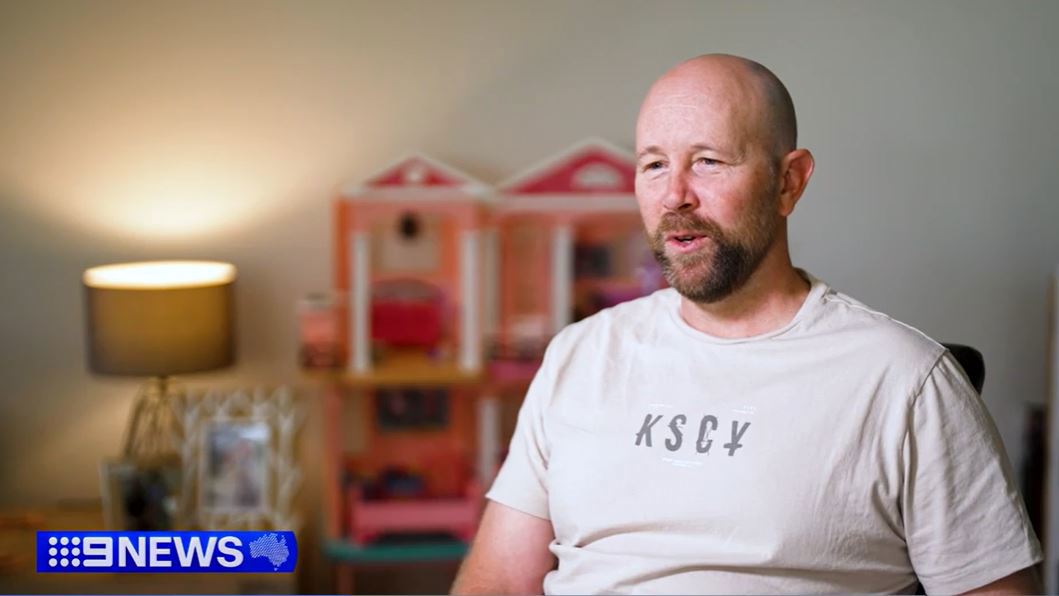
"Cancer wasn't on my radar at all," Hill told 9News.
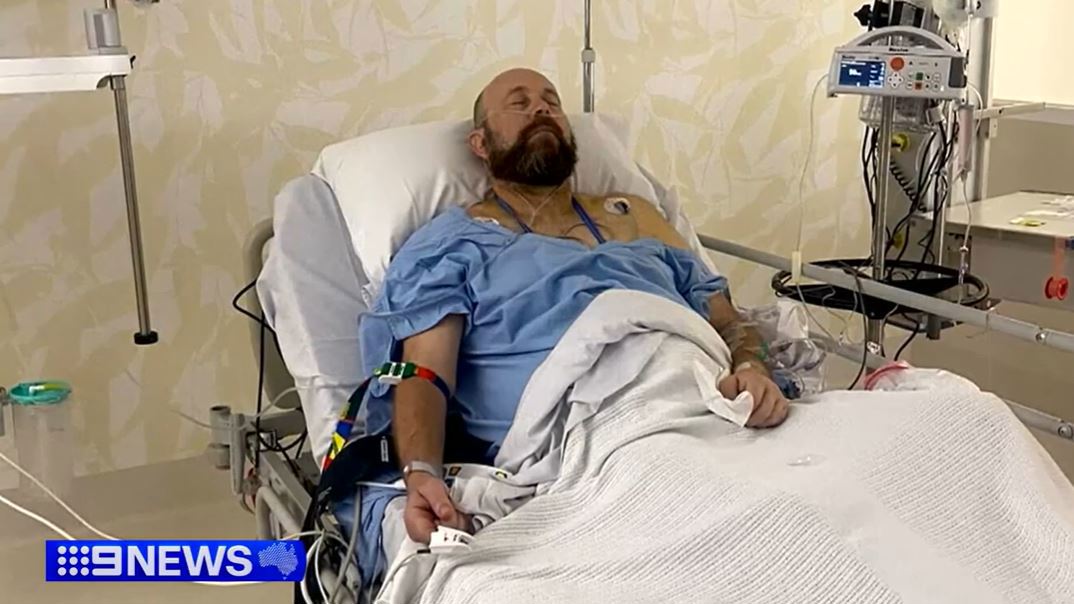
Scans showed it was Stage 4 lung cancer and the 47-year-old was started on chemotherapy.
Treatment left the father-of-two bedridden and unable to play with his kids or live a normal life.
But a breakthrough came when genetic testing showed the Melbourne dad had a rare form of lung cancer.
"That mutation occurs in about one to two per cent of patients with lung cancer," medical oncologist Dr Tom John told 9News.
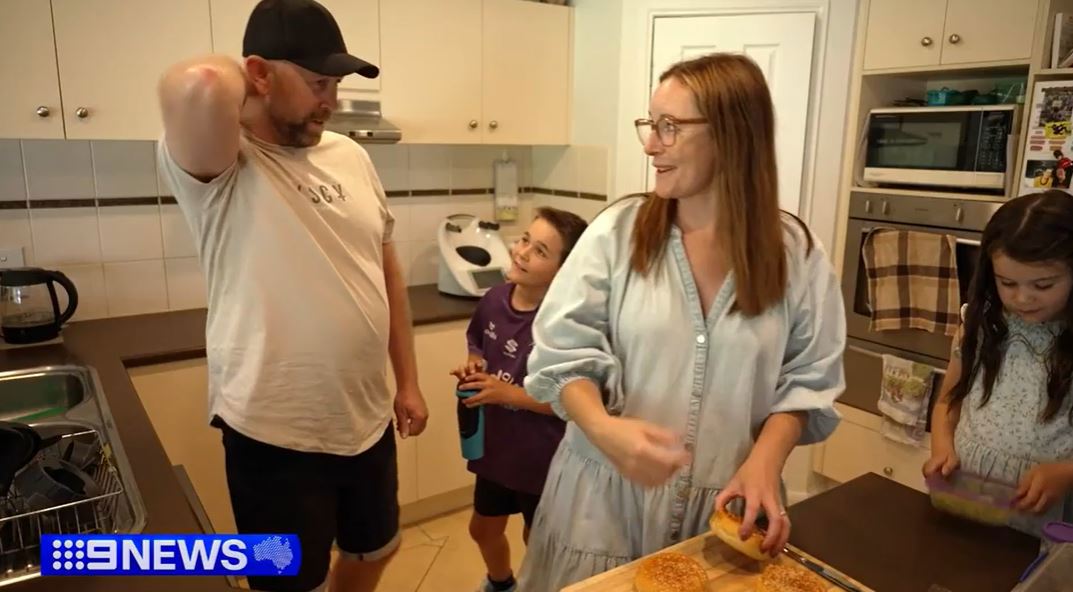
Known as R-E-T or "ret", it meant Ian was eligible for a new drug.
Retevmo "doesn't have much in the way of side effects", says John, but it used to impact the hip pocket.
"It could be out to $100,000 or $200,000 or even more, if people were on this treatment for long periods of time," he said
But as of yesterday, it's been listed on the Pharmaceutical Benefits Scheme (PBS) and will cost a fraction of the price.
"This will provide new hope we think to about 130 patients every single year," Health Minister, Mark Butler, said.

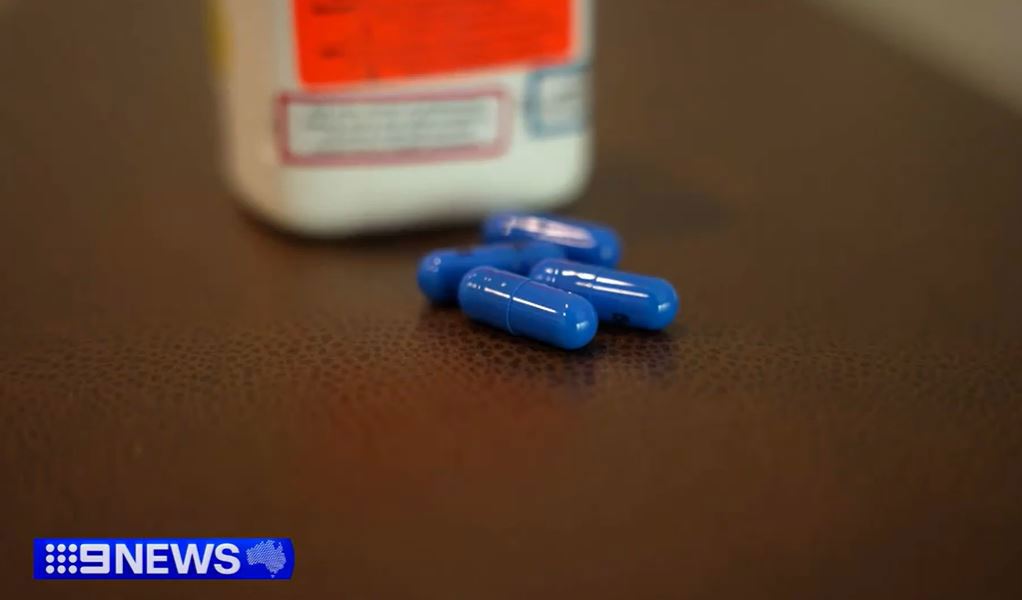
"Having a drug like this available on the PBS for all patients means that you don't have to be rich to get onto this," John said.
And for Ian, it worked.
"It's effectively stopped the cancer within my body," he said of the results.
While this treatment only works on people with this particular form of lung cancer, it's given Ian a second shot at life without the price tag.
"It means that the money that we are not having to spend on this medication can be used to make memories and enjoy the time with my family."
DOWNLOAD THE 9NEWS APP: Stay across all the latest in breaking news, sport, politics and the weather via our news app and get notifications sent straight to your smartphone. Available on the Apple App Store and Google Play.
Young driver’s miraculous escape from explosive car crash
A young driver made a miraculous escape after his car slammed into a tree and burst into flames, south-east of Perth.
WA police are tonight investigating whether the 20-year-old man was also run over by multiple cars, while trying to escape the inferno.
Security cameras captured his cries for help immediately after the crash, as he called out "ambulance", "triple zero".
READ MORE: WA Premier backs police commissioner over Floreat shooting
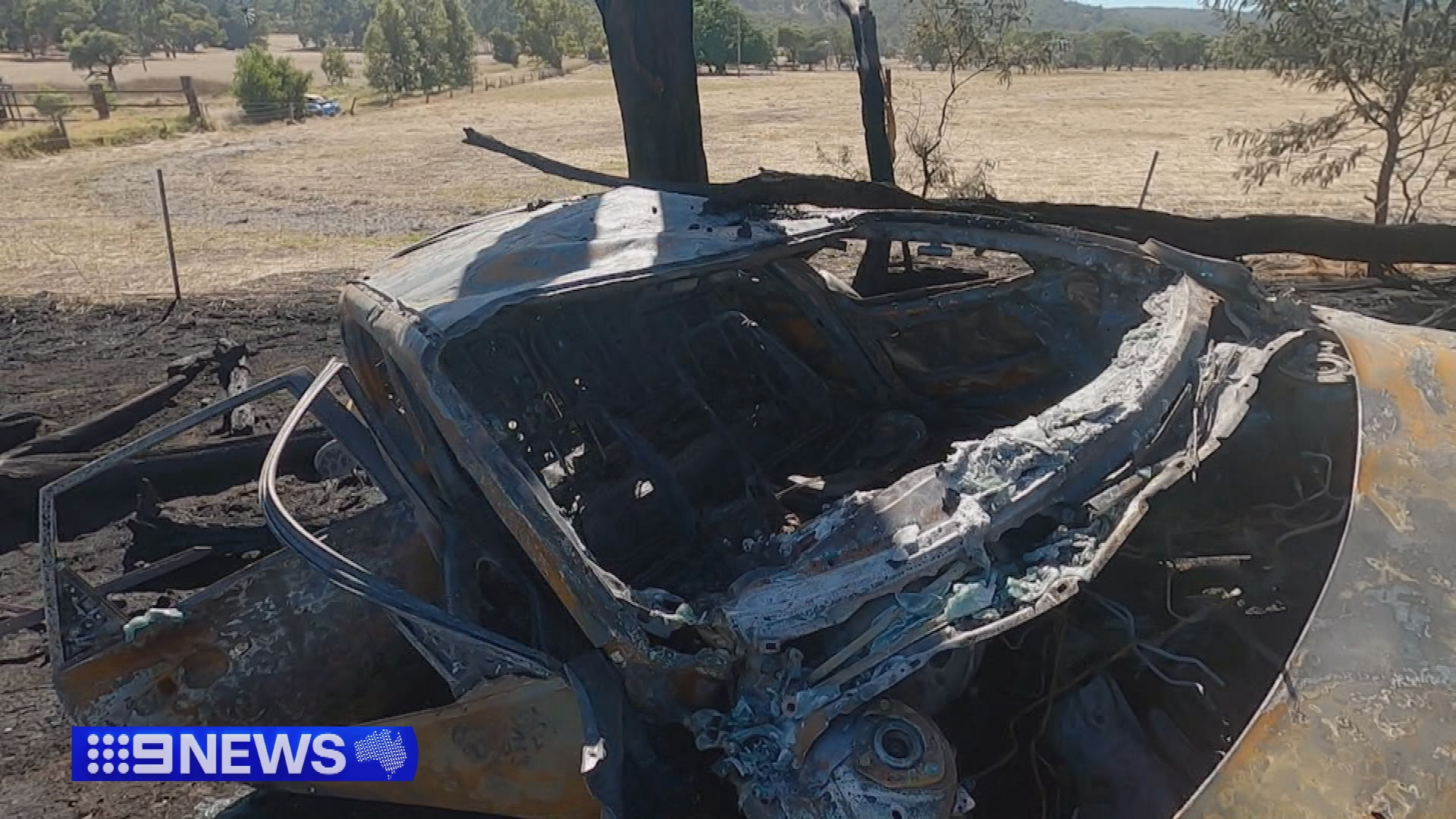
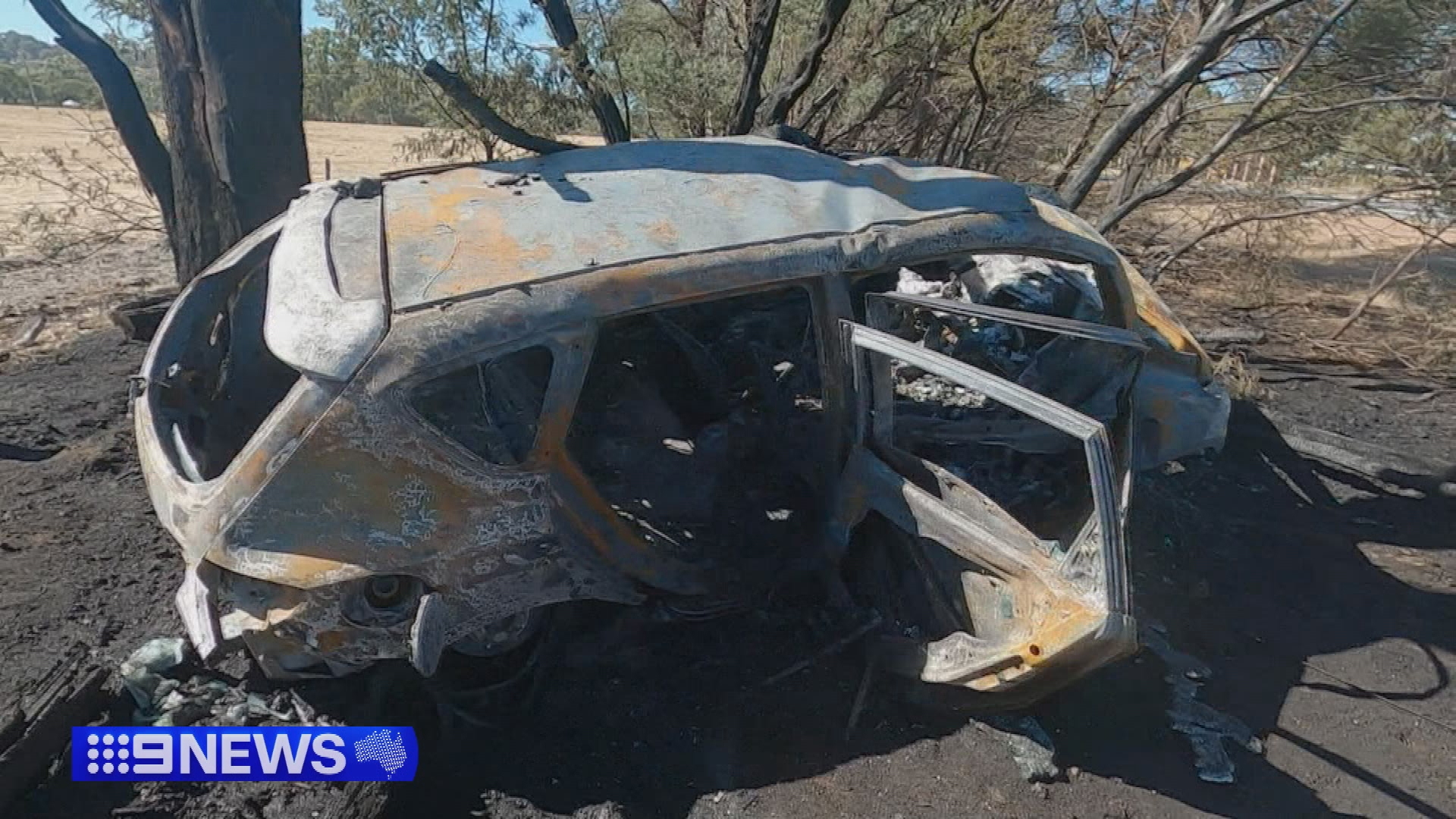
A burnt out shell is all that remains of a once blue Mazda, making it hard to believe anyone survived the wreck.
But the 20-year-old behind the wheel did.
The car crashed into a tree on South Western Highway in Keysbrook about 2am.
There are no skid marks on the road where the car first hit a driveway, then flipped and went flying through branches, before it smashed into the tree and burst into flames.
The driver, and sole occupant, managed to escape before the flames took hold.
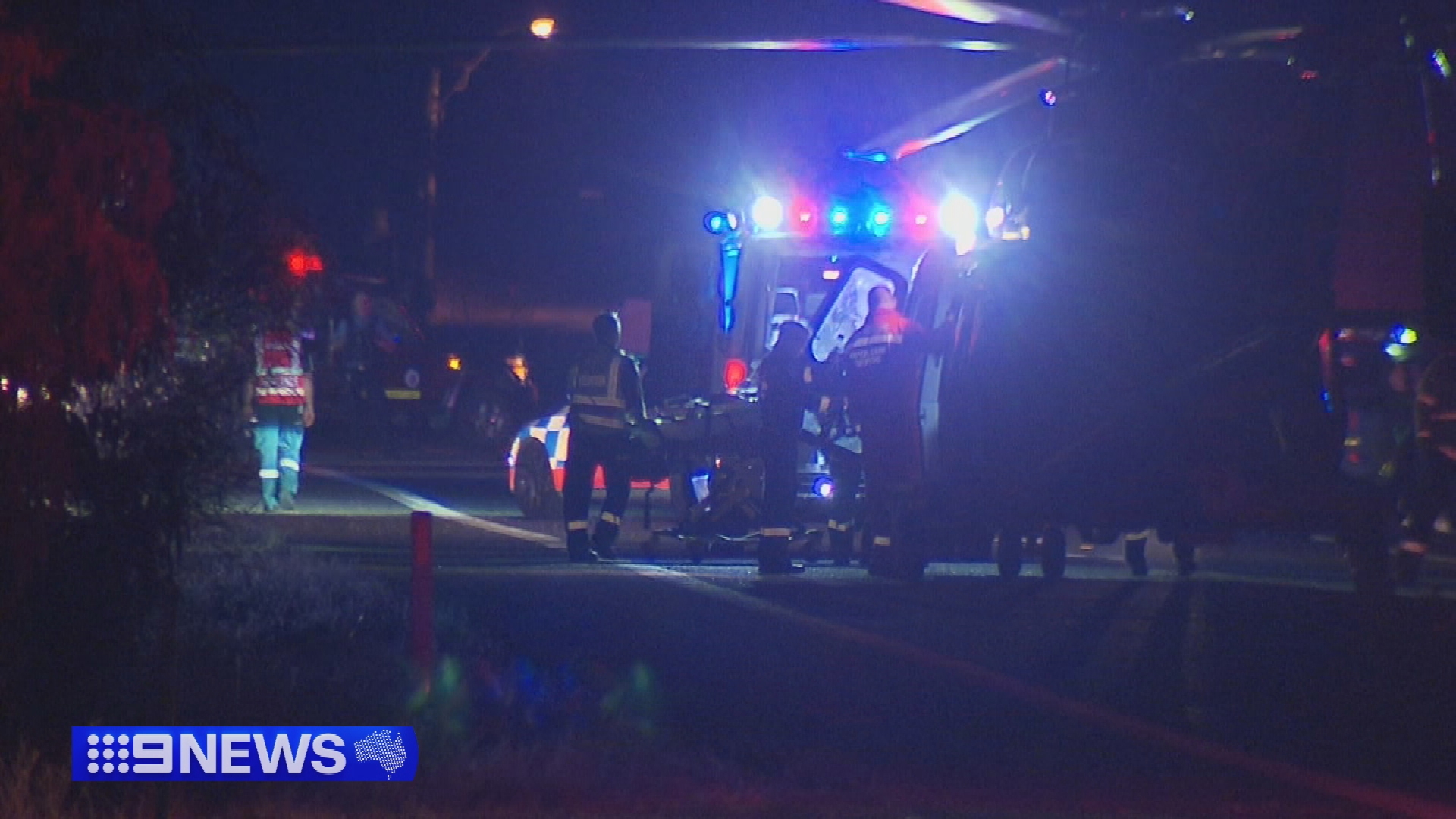
The young man was found laying on the road away from his vehicle with serious injuries to his legs.
First responders say he told them he'd been run over by multiple cars.
Police believe the injuries were caused by the crash itself but are investigating.
The 20-year-old was airlifted to Royal Perth Hospital, where he remains in a stable condition.
DOWNLOAD THE 9NEWS APP: Stay across all the latest in breaking news, sport, politics and the weather via our news app and get notifications sent straight to your smartphone. Available on the Apple App Store and Google Play.
Family of man killed in Gunnedah crash call for youth justice overhaul
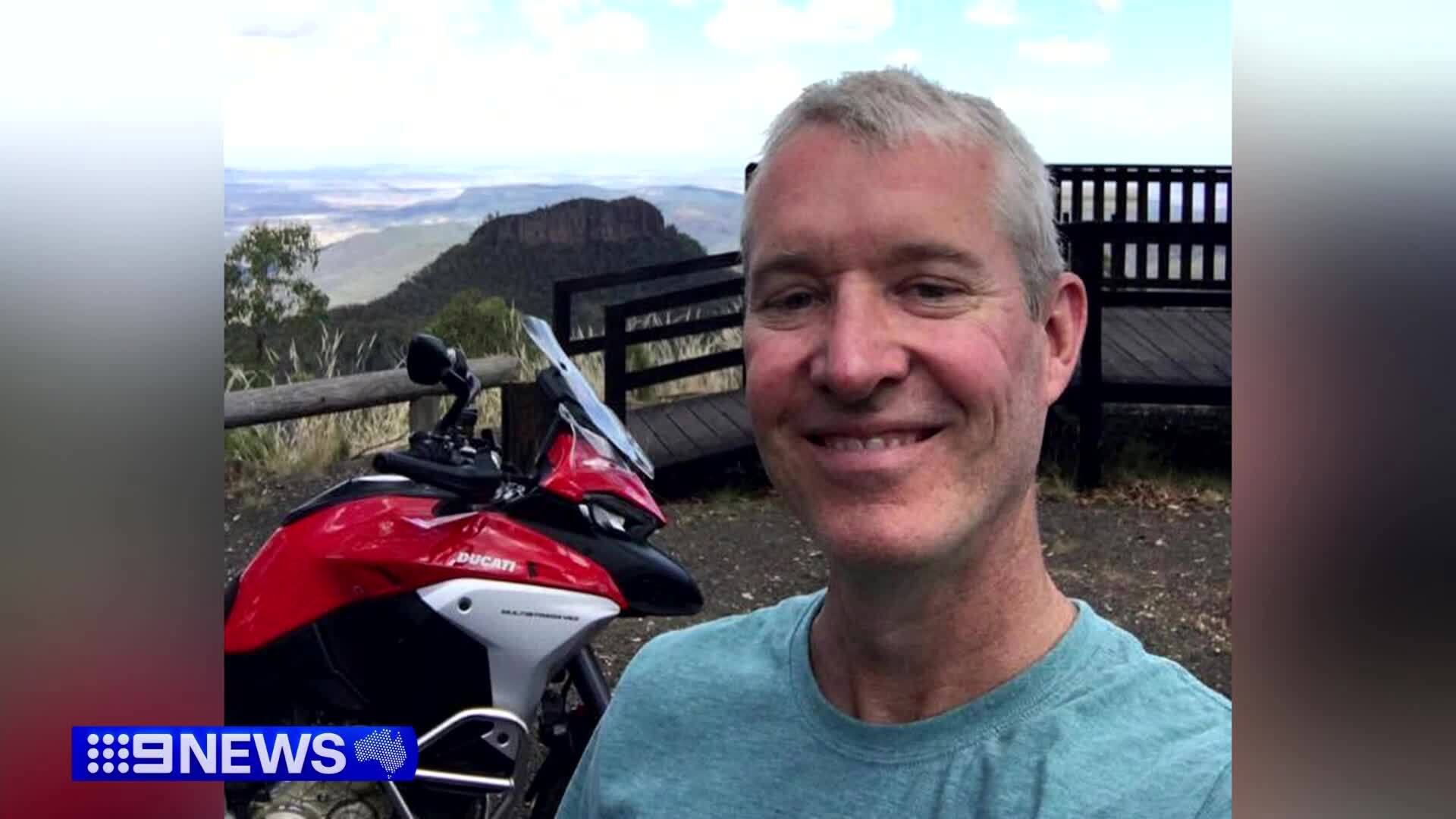
The family of a Narrabri man who was allegedly hit and killed by three teenagers in an allegedly stolen ute have called for an overhaul of the youth justice system.
The father and brothers of Daniel McNamara made the long drive to Gunnedah, NSW to visit his roadside memorial before making a plea to the government.
"Something's gotta happen, to do something constructive, to help the community, to stop these things from happening to innocent, beautiful people," Daniel's father Patrick McNamara said.
READ MORE: Red tape madness puts support dog's future with Queensland woman at risk
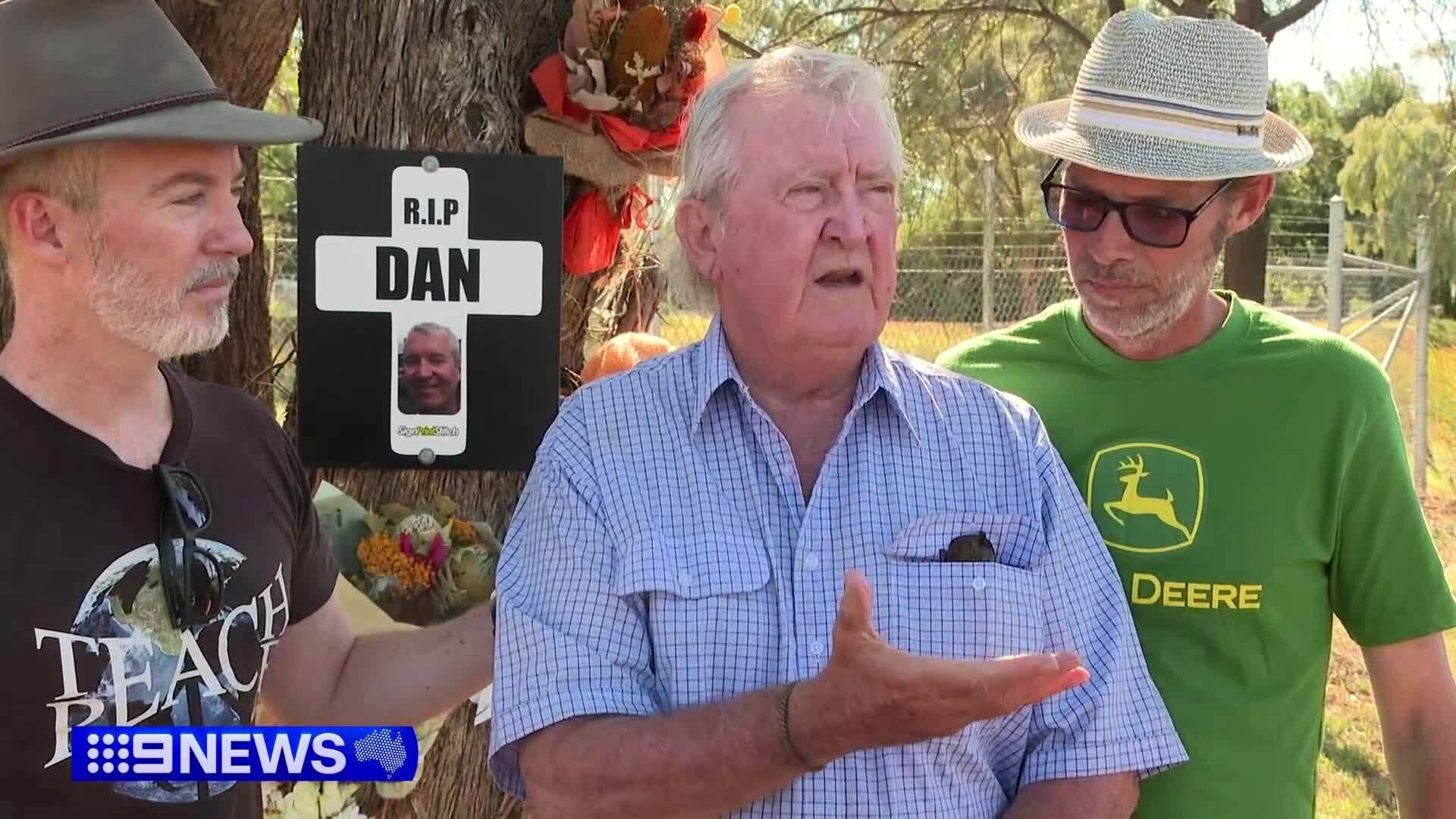

Daniel's death on Tuesday sparked outrage across regional New South Wales.
The 52-year-old was allegedly hit and killed by a stolen ute that was allegedly driven by three 14-year-old boys from Moree.
"The police's hands are tied to take any action because they're free the next day and they get a slap on the wrist," Patrick said.
The alleged driver who killed Daniel had 90 breaches of bail, another who was charged had been recently released from custody on similar offences.
Daniel's family wants the youth justice system overhauled.
"Have a system where it's a boot camp or bring in national service to teach, instruct these people on respect and grow up as beautiful people for Australia," Patrick said.
Pressure is mounting on the NSW government to intervene in the youth crime crisis.
Today Premier Chris Minns made a commitment to review the current legislation when parliament resumes this month.
"I'm going to do everything I can to stop it, and if it doesn't work I'll move on to the next thing," he said.
In the meantime, communities and families like the McNamara's are still hurting.
"Somethings gotta change to help these people, these kids," Patrick said.
DOWNLOAD THE 9NEWS APP: Stay across all the latest in breaking news, sport, politics and the weather via our news app and get notifications sent straight to your smartphone. Available on the Apple App Store and Google Play.
Three states entirely under heatwave, scorching temperatures grip Australia
There is no escaping low to extreme heatwave conditions in three states today as scorching temperatures grip most of Australia.
The Bureau of Meteorology anticipates low to locally extreme conditions in New South Wales, Victoria, South Australia, the Northern Territory, Western Australia and Tasmania from today into next week.
Temperatures across the affected states will sit between the high 30s to low 40s with parts of Western Australia to reach the high 40s.
READ MORE: Two bodies found within hours of each other in Melbourne
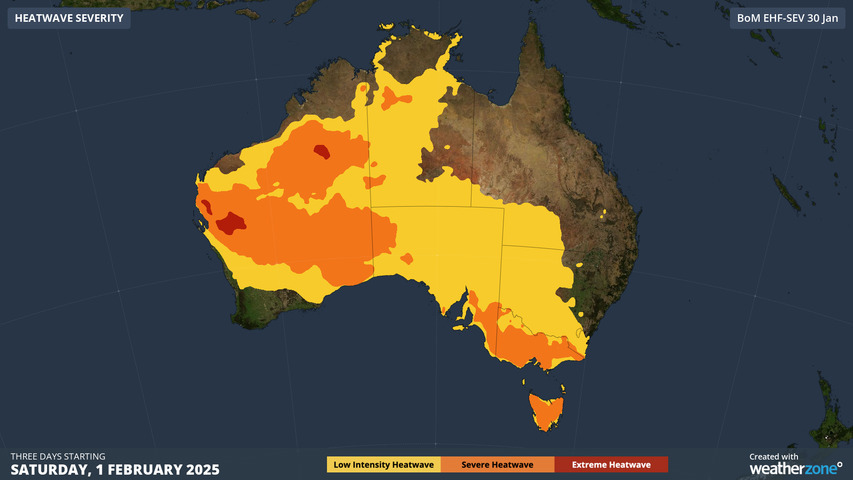
Victoria, South Australia and Tasmania are completely under a heatwave from today into Monday, with conditions ranging from low to extreme.
Melbourne is seeing a maximum of 31 degrees today which will heat up to 38 degrees from tomorrow into Monday.
It is looking to be the city's hottest few days since 2014.
Adelaide's maximum temperature is 36 degrees today, 38 tomorrow and 39 on Monday.
Hobart is avoiding the worst of the heat with a maximum of 26 degrees today and tomorrow before temperatures rise to 33 degrees on Monday.
In New South Wales, far northern, central, western and southern parts of the state are under a low to severe heatwave warning. The east coast is unaffected.
READ MORE: The price of a pint is about to go up around the country
https://twitter.com/BOM_au/status/1885200402515173760?ref_src=twsrc%5Etfw
Sydney is slightly cooler with a maximum of 27 degrees today, 28 degrees tomorrow and 29 on Monday.
Most of Western Australia is under a low to extreme heatwave from today. Northern and southern parts, including Perth, are escaping the scorching temperatures.
Perth is feeling a maximum of 33 degrees today before it dips to 32 degrees tomorrow and back up again to 33 on Monday.
And in the top end, the Northern Territory is seeing a low to severe heatwave across most of the state from today.
Darwin will have a steady maximum temperature of 34 degrees from today into Monday.
Queensland is being spared from the heatwave but is, instead, facing intense flooding after copping more than 200mm of rainfall.
DOWNLOAD THE 9NEWS APP: Stay across all the latest in breaking news, sport, politics and the weather via our news app and get notifications sent straight to your smartphone. Available on the Apple App Store and Google Play.
Family devastated as great-grandfather allegedly killed for ‘necklace and a watch’
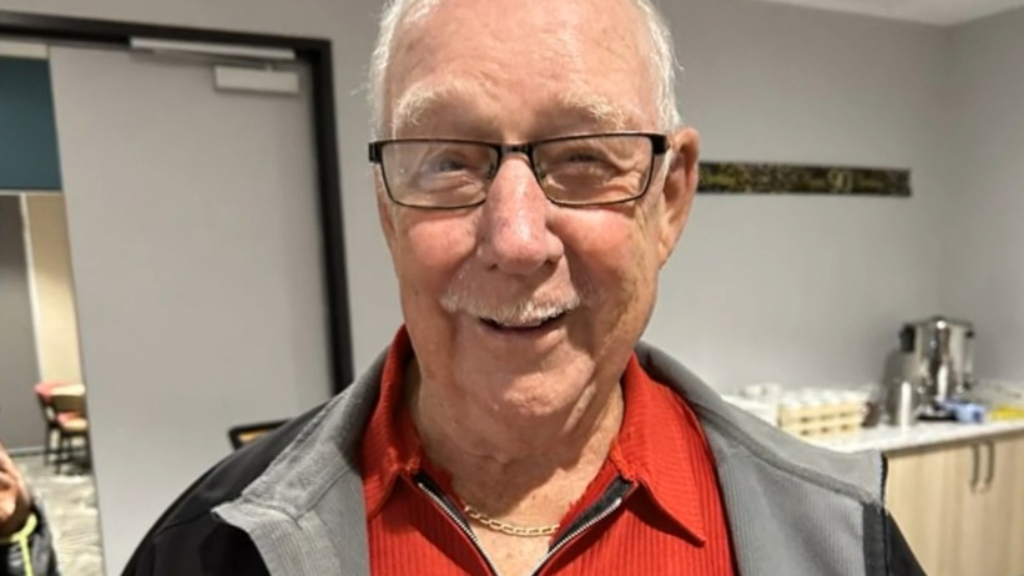
A family has shared their heartbreak over the death of 91-year-old Harry Wright, who was allegedly killed during a robbery at his home in Victoria's Gippsland region.
Police were called to Maryvale Road in Morwell about 9.20pm on Thursday over reports of a robbery and found Wright critically injured.
A 42-year-old man was allegedly found hiding inside the garage.
READ MORE: Near miss at airport less than 24 hours before horror crash
He had allegedly stolen a necklace and some cash and was arrested.
Wright's family, including his daughters, grandchildren and 10 great-grandchildren, have been left devastated by his death, which comes just six months after Wright lost his wife.
"My dad's life's worth more than a fricking necklace and a watch," his daughter Karen Cassar told 9News.
"He would have been so scared, he would have been petrified."
READ MORE: Three states entirely under heatwave, scorching temperatures grip Australia
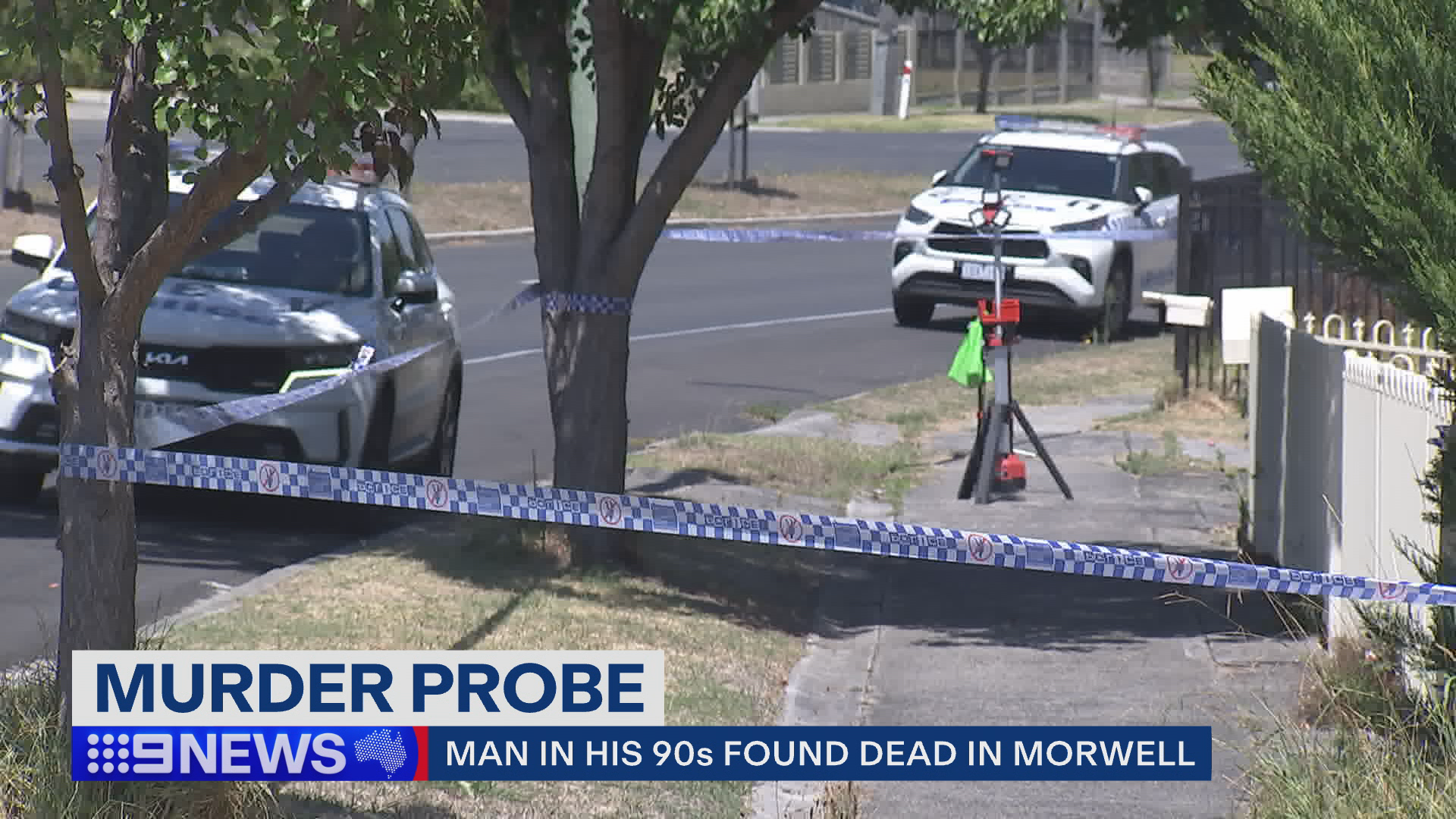
Wright was well-known in the Morwell community and, despite his age, was always at the local bowls club.
He was meant to go on a cruise to New Zealand with his daughter tomorrow.
"He wouldn't hurt a fly. He wouldn't. He loved people," Cassar said.
"People can't go round and do this to people and just leave it for dead."
The alleged intruder, a 42-year-old homeless man, has been charged with aggravated burglary.
READ MORE: Two bodies found within hours of each other in Melbourne
Police are now waiting on the results of an autopsy to determine exactly how Wright died, meaning the man's charges could be upgraded.
The 42-year-old has been held in police custody and will face Latrobe Magistrates Court on Monday.
Investigations are ongoing.
DOWNLOAD THE 9NEWS APP: Stay across all the latest in breaking news, sport, politics and the weather via our news app and get notifications sent straight to your smartphone. Available on the Apple App Store and Google Play.
Car ‘seconds’ from hitting woman in living room after alleged road rage incident
A Sydney family had their Friday evening disturbed when a Holden Barina flew through the front of their Hinchinbrook home.
According to the family's neighbours, the Holden and a ute were involved in an alleged road rage incident 600 metres up the road.
The smaller car was allegedly chased down the road and when it tried to turn, it ploughed into the home while the Ute kept driving.
READ MORE: Medical jet carrying child patient crashes in US
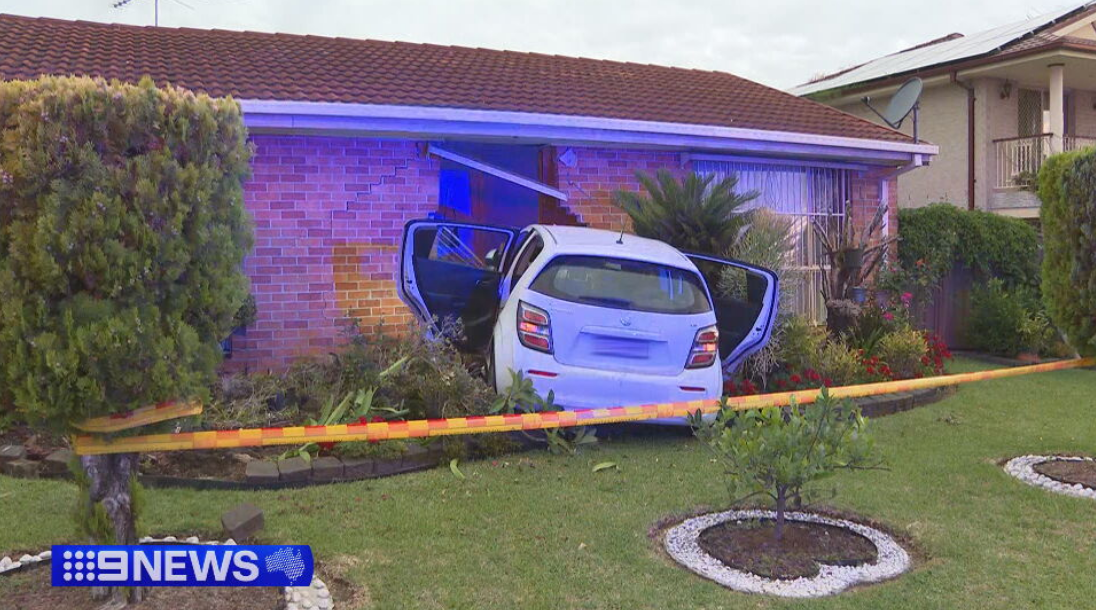
"All of a sudden I heard a big bang, massive bang," one neighbour said.
Inside the home were Lucila Medramo and her husband.
Lucila was in the front room only seconds earlier.
"It was just two seconds," she said.
"Two seconds, I was from the room, just went out to get something."
The family's neighbours rushed to see if they were harmed.
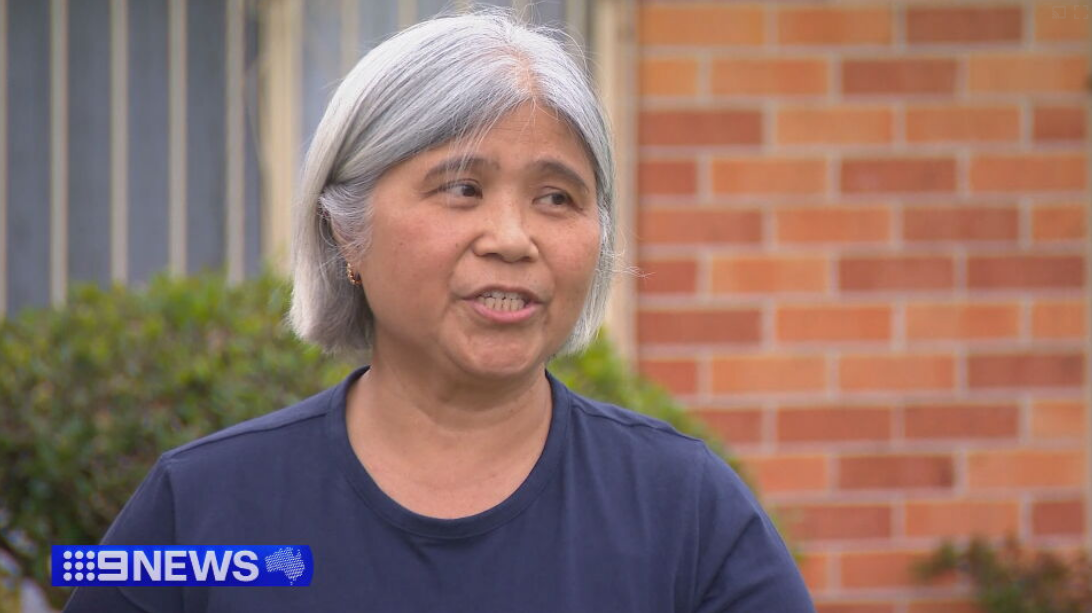
"I was really scared because I wanted them to come out, and thankfully they did within that moment," another neighbour said.
With only a few scratches the driver in his 20s also managed to escape injury.
He was taken to Liverpool Hospital for treatment.
"It was really scary to be quite honest with you", Medramo's daughter said.
The home was deemed unsafe for the couple to stay in last night.
With fears other parts of the brick wall or even the roof could still collapse, they were taken to their daughter's house and it's unclear when they'll return to their home of 35 years.
DOWNLOAD THE 9NEWS APP: Stay across all the latest in breaking news, sport, politics and the weather via our news app and get notifications sent straight to your smartphone. Available on the Apple App Store and Google Play.
Army helicopter’s black box recovered in DC plane crash investigation
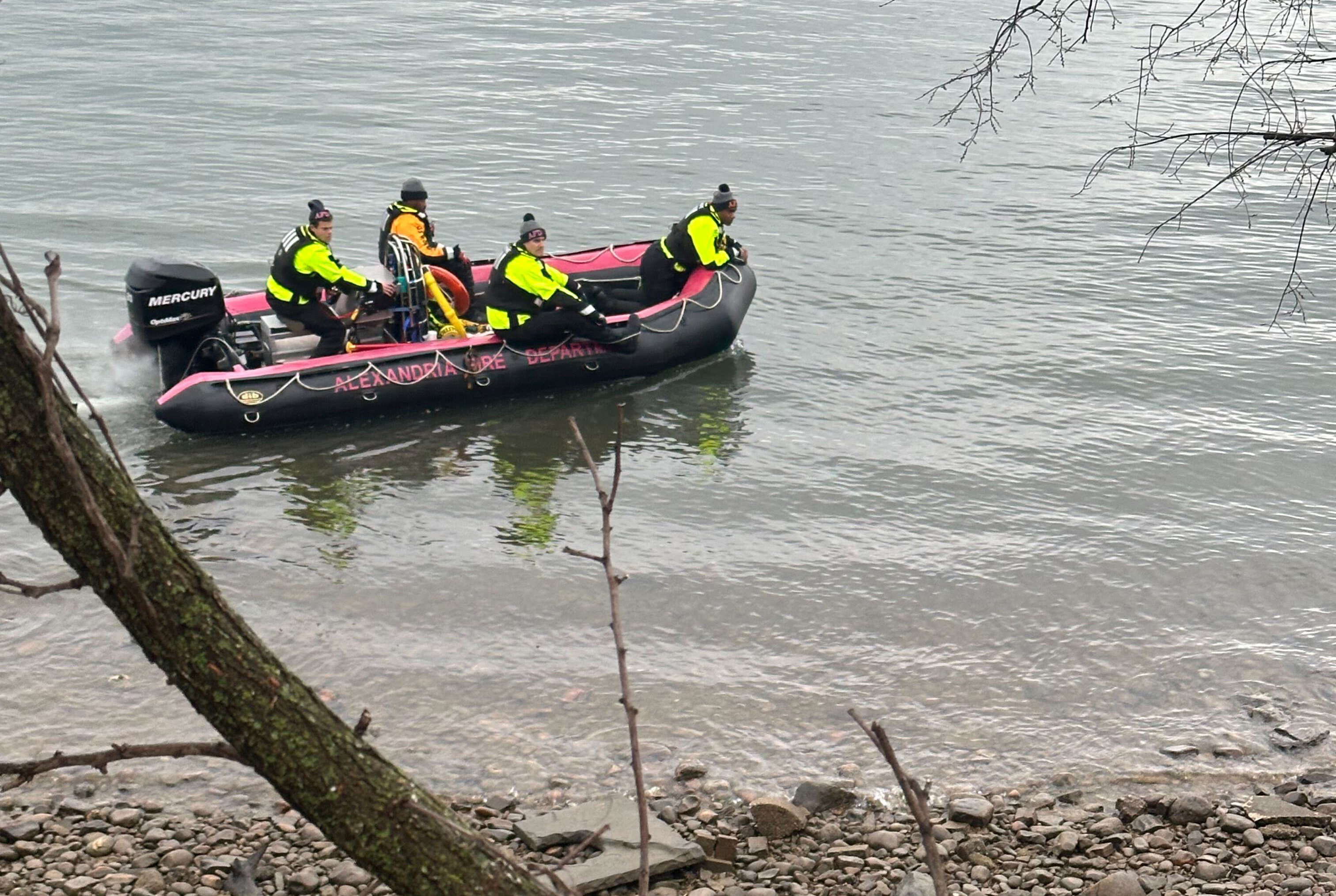
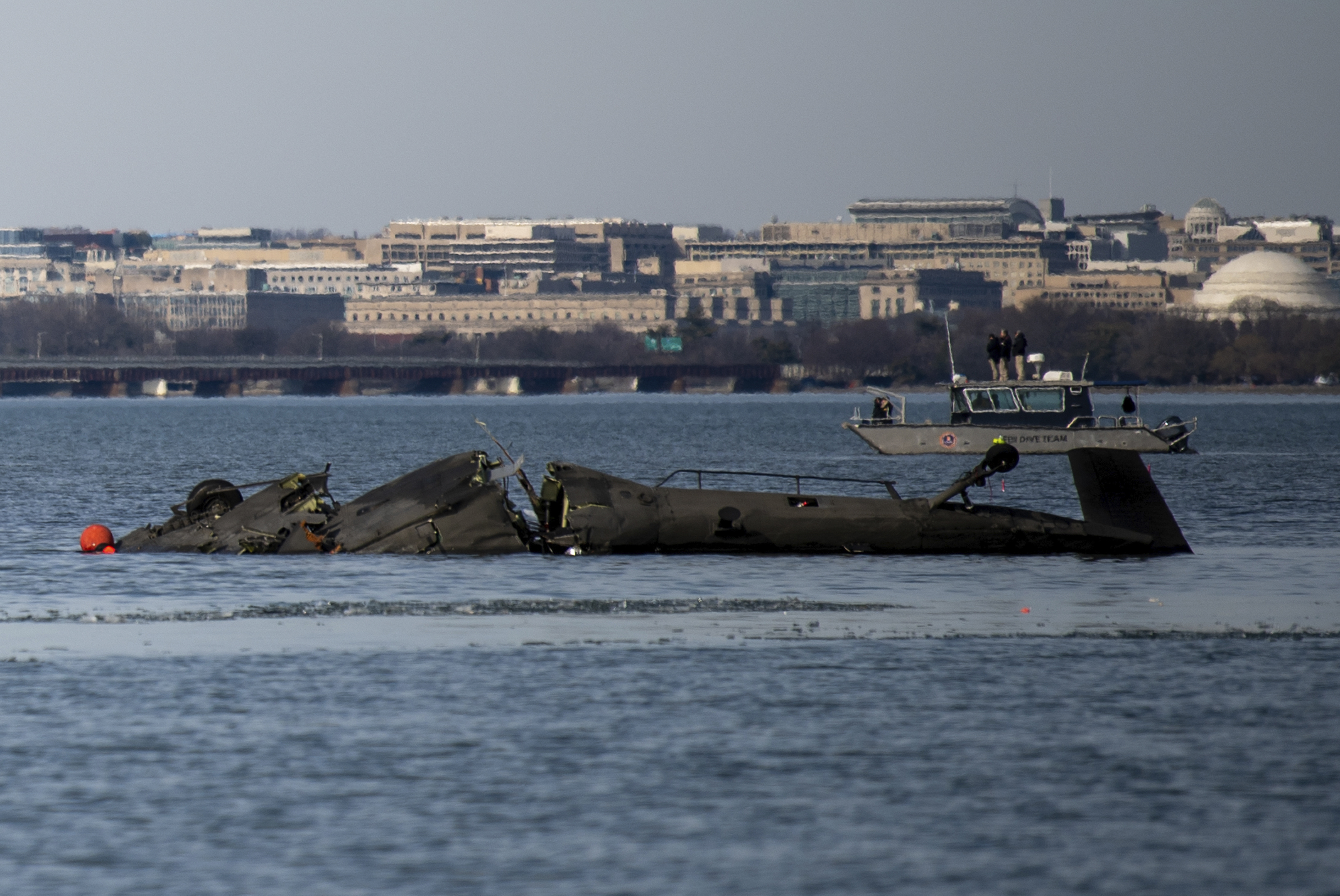
Police boats combed the banks of the Potomac River yesterday, slowly scanning the shoreline in the rain as investigators sought clues into the midair collision that killed 67 people and raised questions about air traffic safety around the nation's capital.
The black box from the Army Black Hawk helicopter that collided with a commercial jetliner and crashed into the Potomac River has been recovered, investigators announced.
They are reviewing that flight data recorder along with two recovered earlier from the jet.
READ MORE: Five years after Britain left the EU, the full impact of Brexit is still emerging
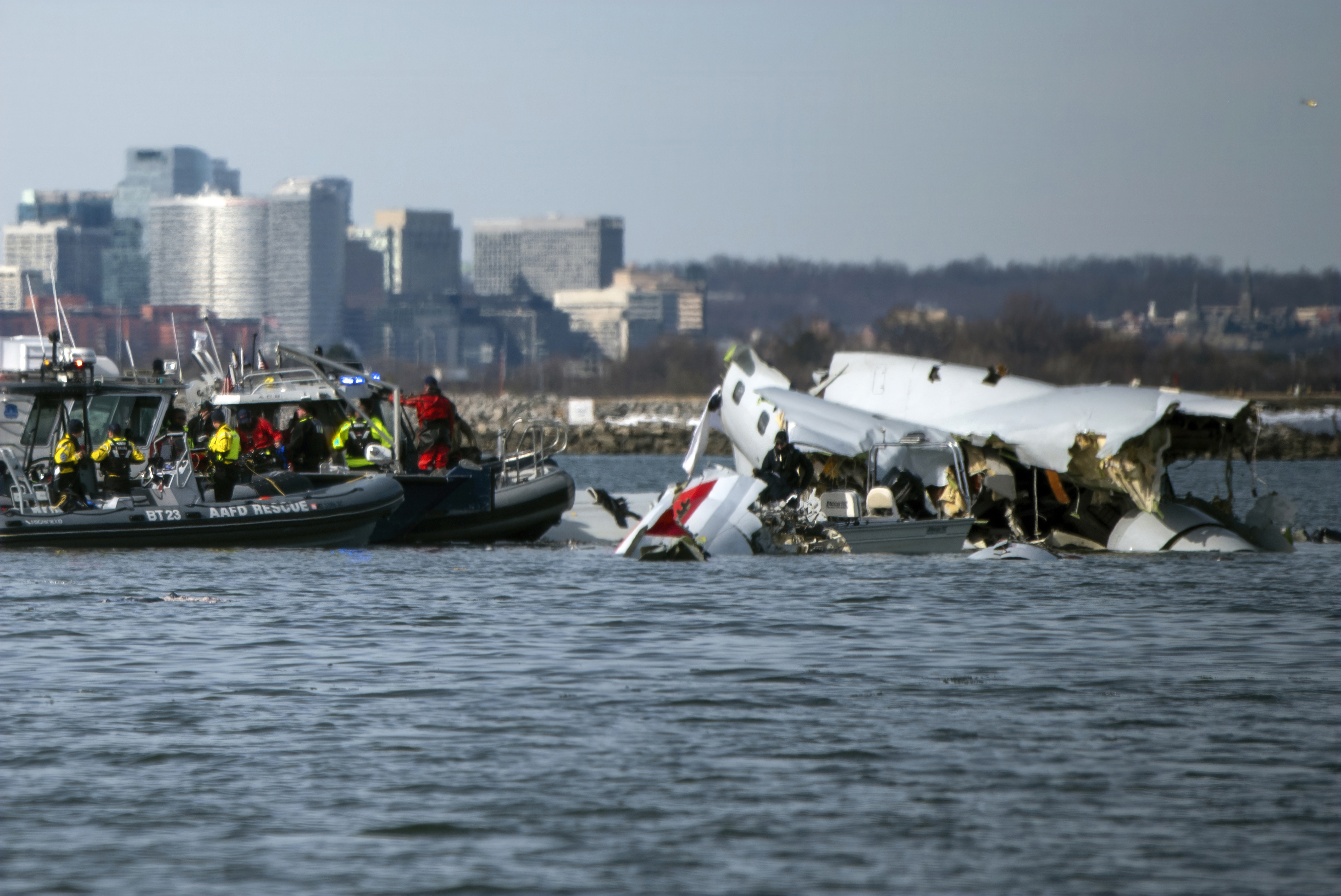
No one survived the Wednesday night collision.
The remains of 41 people had been pulled from the river as of yesterday afternoon, including 28 that had been positively identified, Washington, DC, Fire Chief John Donnelly Senior said at a news conference.
He said next of kin notifications had been made to 18 families, and he expects the remains of all 67 people who died to eventually be recovered.
The wreckage of the plane's fuselage will probably have to be pulled from the water to get all the bodies, he said.
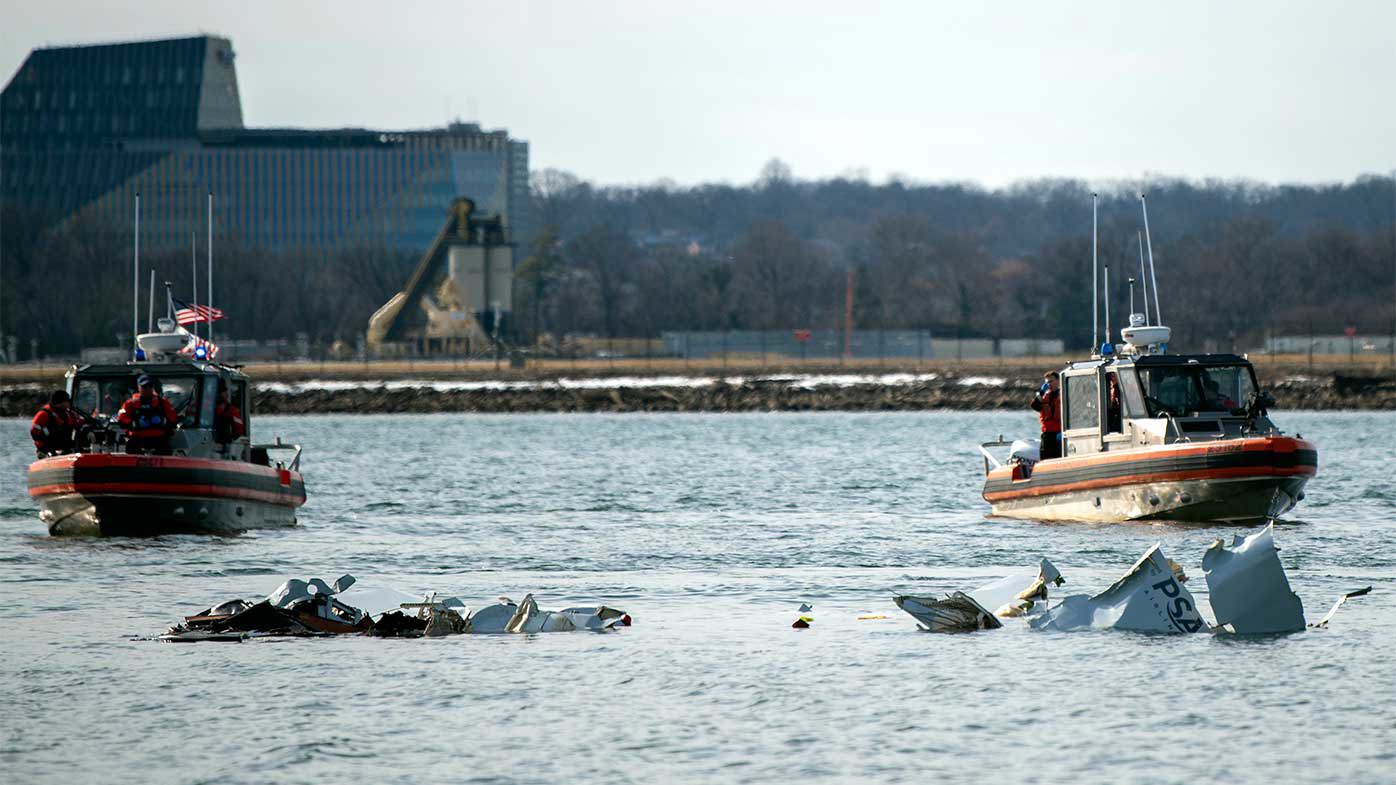
"This is heartbreaking work," Donnelly said, noting that more than 300 responders were taking part in the effort at any one time, including teams of divers and two US Coast Guard cutters, at least one of which carries a crane.
"It's been a tough response for a lot of our people."
It was unclear how long the recovery operation would take.
"We're working as fast as we can," Donnelly said.
"We need your patience."
READ MORE: Changes to the way paracetamol is sold come into effect
Although Ronald Reagan National Airport reopened, two of its three runways remained closed to keep aircraft from flying over the crash scene, said Terry Liercke, the airport's vice president and manager.
Roughly 100 flights were cancelled yesterday.
The Federal Aviation Administration also heavily restricted helicopter traffic around the airport, the Department of Transportation said in a statement, hours after President Donald Trump claimed in a social media post that the Army Black Hawk had been flying higher than its allowed limit.
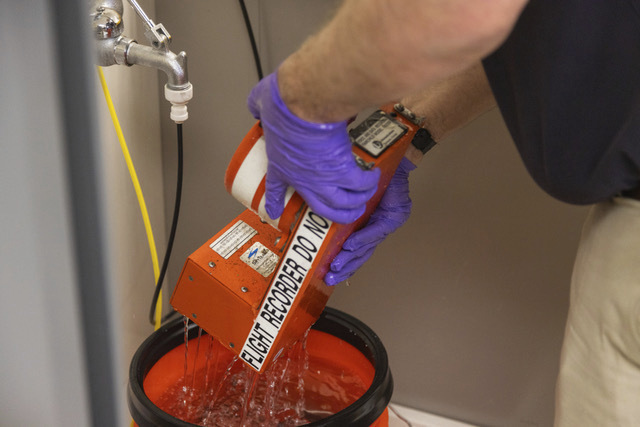
Investigators have recovered the cockpit voice recorder and flight data recorder of the American Airlines jetliner, which collided with the chopper as the plane was coming in for a landing at the airport, which is just across the Potomac from Washington.
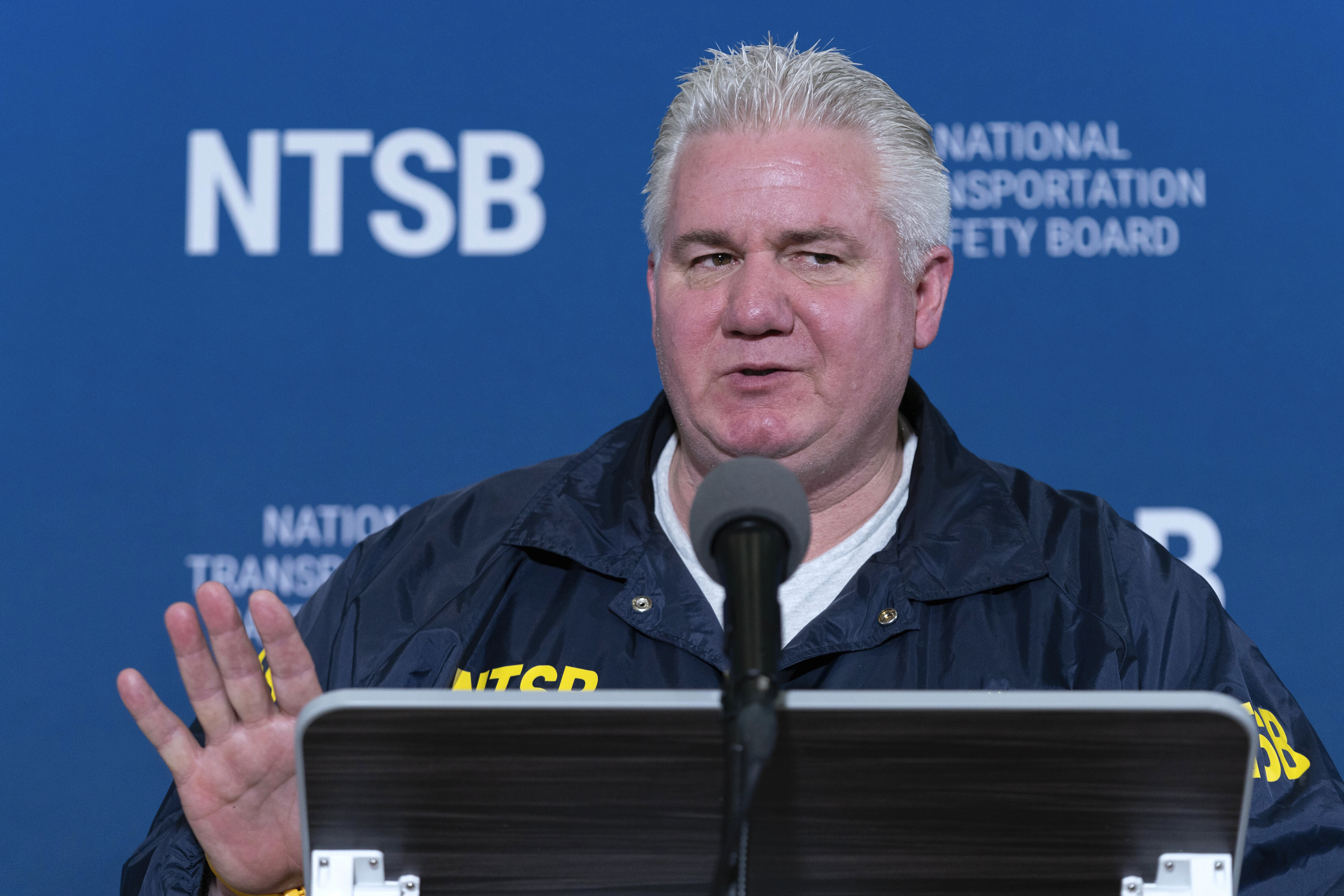
The flight data recorder was in good condition and its information was expected to be downloaded shortly, National Transportation Safety Board member Todd Inman told reporters.
He said water got inside the cockpit voice recorder, and while that's not unusual, it adds to investigators' work.
The helicopter's data, contained in a single black box, was now at the NTSB headquarters, Inman said.
Investigators have not yet attempted to open it, but it appears to be undamaged.
Investigators are examining the actions of the military pilot as well as air traffic control, after the helicopter apparently flew into the jet's path.
Such investigations normally take 12 to 18 months, and investigators have said they will not speculate about the cause of the crash. NTSB officials hope to finish a preliminary report within 30 days.
READ MORE: The price of a pint is about to go up around the country
Other potential factors in the crash, including the helicopter's altitude and whether the crew was using night vision goggles, are still under investigation, Defence Secretary Pete Hegseth said Fox News Channel.
The FAA yesterday barred helicopters from flying over a roughly 10-kilometre stretch of the Potomac and parts of its shoreline, including over the airport, according to the Department of Transportation statement.
The new limits exempt helicopters on emergency medical flights, active law enforcement and air defence missions, and carrying the president.
They are expected to remain in place at least until the NTSB finishes its preliminary report.
Military aircraft frequently conduct such flights in and around the capital to practice routes they would fly if a major catastrophe or attack were to necessitate the quick movement of key government officials.
The American Airlines jet was carrying 60 passengers and four crew members.
The remains of one of the three soldiers who were aboard the helicopter have been recovered.
Officials said flight conditions were clear as the jet arrived from Wichita, Kansas, carrying, among others, nine students and parents from Fairfax County, Virginia schools, a group of elite young figure skaters, their parents and coaches and a group of hunters.
READ MORE: Trump administration in talks to send Venezuelan gang members to El Salvador prisons
Crash debris has drifted kilometres downriver.
Dean Naujoks, who routinely patrols the Potomac for the environmental group Waterkeeper Alliance, found floating debris on Thursday that had been pushed by the wind and current into a pair of shallow coves along the Maryland shore.
The wreckage included pages from a flight manual, part of the plane's cabin wall, a woman's sweater, dozens of sugar packets with the American Airlines logo and what appeared to be the cushion from a pilot's seat.
Naujoks, who had law enforcement permission to take his motorboat to the Woodrow Wilson Memorial Bridge, about three kilometres from the crash site, turned the items over to the FBI.
"Everything is covered in jet fuel," Naujoks said yesterday.
"The sugar packets made me think of the flight attendants. I'm thinking of the people these things belonged to, and it's a punch to the gut. It's just a sad day on the river."
Inman said at least one air traffic controller who was working at the time of the crash has been interviewed by investigators. He said interviews were ongoing, and it was unclear how many controllers were working at the time.
"Air traffic control interviews are critical," Inman said.
"That's the reason why there's a process in place that began immediately after the accident."
READ MORE: Another man charged for alleged Nazi symbol as police bolster patrols in Sydney's east
Investigators will also examine staffing levels, training, hiring and other factors, in addition to looking at controllers' records.
The FAA has long struggled with a shortage of air traffic controllers.
On Thursday, Trump lashed out against diversity hiring, saying — without evidence — that lowered standards were to blame for the crash.
Jonathan Koziol, chief of staff for Army aviation, said the helicopter crew was "very experienced" and familiar with the congested flying that occurs daily around the city.
The helicopter's maximum allowed altitude at the time was about 60 metres, Koziol said.
It was not immediately clear whether it exceeded that limit, but Hegseth said altitude seemed to be a factor in the collision.
A day after he questioned the helicopter pilot's actions and blamed diversity initiatives for undermining air safety, Trump said yesterday that the helicopter was "flying too high".
"It was far above the 200-foot limit. That's not really too complicated to understand, is it???" Trump said in a post on the Truth Social platform.
READ MORE: Two bodies found within hours of each other in Melbourne
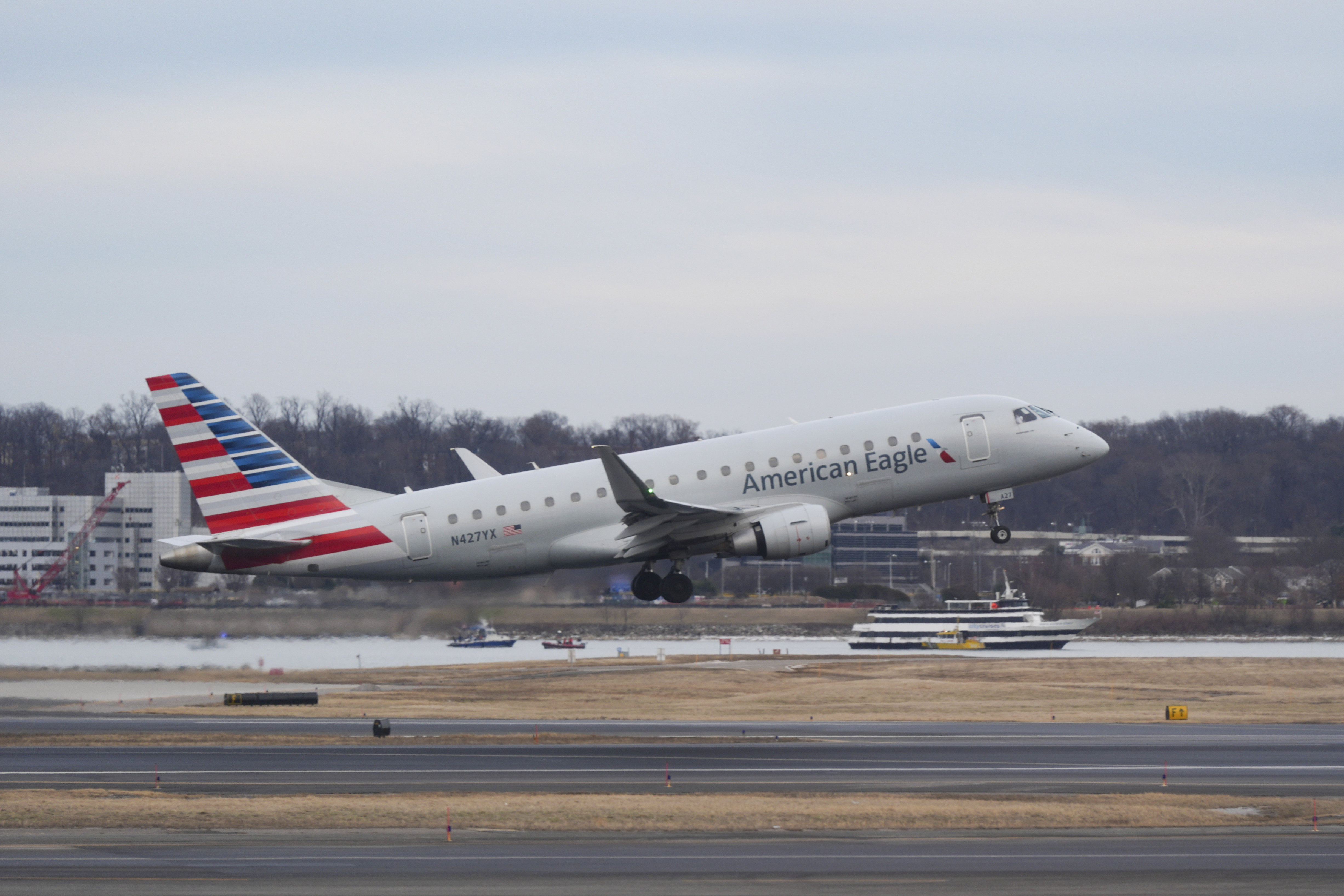
Wednesday's crash was the deadliest in the US since November 12, 2001, when a jet slammed into a residential area of Belle Harbor, New York, just after takeoff from Kennedy Airport, killing all 260 people aboard and five people on the ground.
Experts often highlight that plane travel is overwhelmingly safe, but the airspace around Reagan National can challenge even the most experienced pilots.
They must navigate hundreds of other commercial planes, military aircraft and restricted areas around sensitive sites.
DOWNLOAD THE 9NEWS APP: Stay across all the latest in breaking news, sport, politics and the weather via our news app and get notifications sent straight to your smartphone. Available on the Apple App Store and Google Play.
Identity thief whose deception led to his victim’s incarceration gets a 12-year prison term
An information technology expert who for decades assumed the identity of another man so convincingly that his victim was forcibly medicated and jailed for identity theft himself was sentenced Friday to 12 years in prison.
Matthew David Keirans, 59, of Hartland, Wisconsin, pleaded guilty last April to federal charges of aggravated identify theft and making false statements to a National Credit Union Administration insured institution.
The charges shocked Keirans’ family and friends, who described him in letters to the court as kind, gracious and dependable. His victim, William Woods, said Keirans' guilty plea spelled the end of a yearslong nightmare.
READ MORE: 'You want me to go swimming?': Trump's remark about plane crash
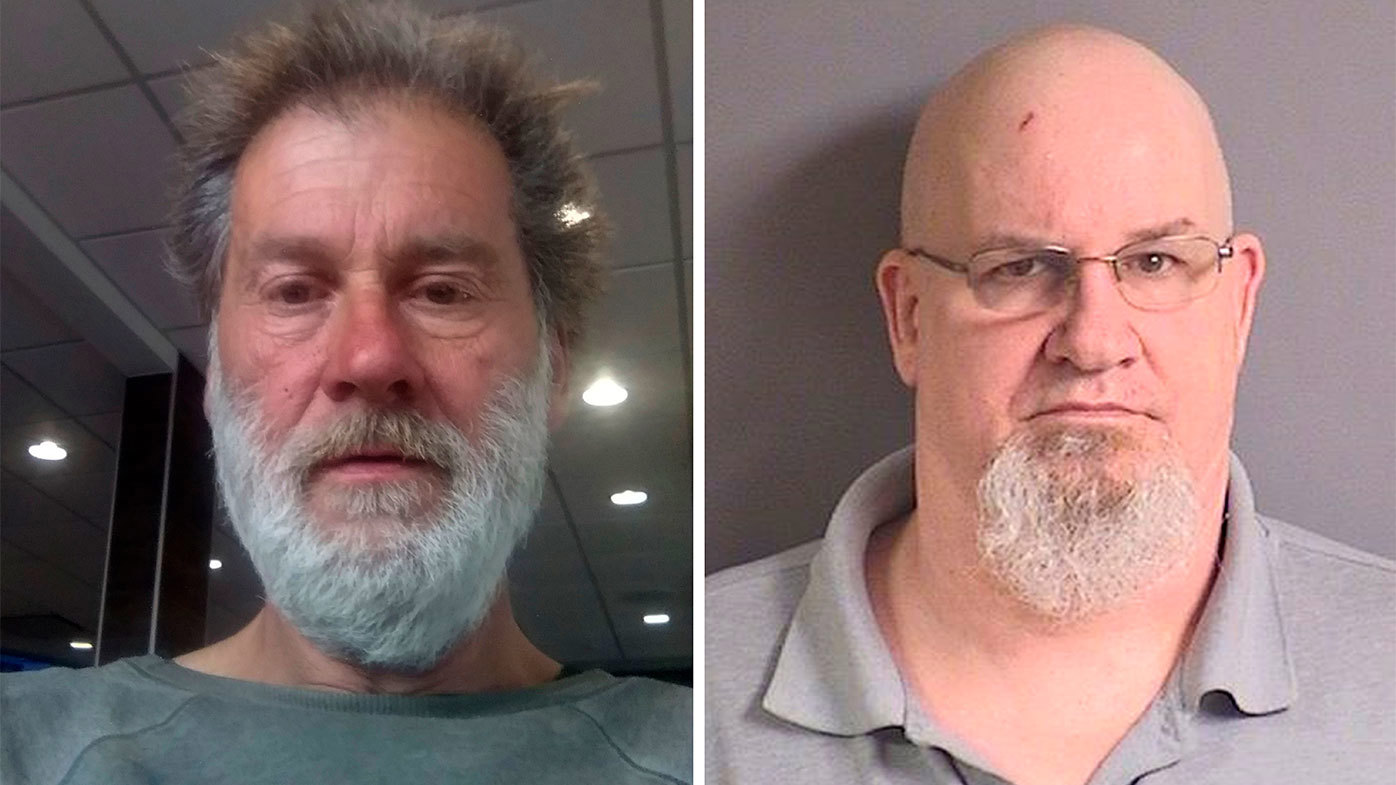
Woods said Keirans tried to make him look like the criminal.
“He deserved to get every bit of what he got from the judge,” Woods said after the sentencing.
Court records indicate Keirans had a rocky childhood, ran away from home at 16, stole a car in San Francisco and was arrested in Oregon but never appeared in court.
The two men met in the late 1980s while working at a hot dog cart in Albuquerque, New Mexico, court records show.
Woods said Keirans stole his wallet in 1988, but returned it after Woods threatened to punch him.
But while Keirans had possession of Woods' wallet, he used the information on Woods' social security card to apply for a driver's licence as William Woods.
At that point, "he’s got my name with his face on an ID card,” Woods told The Associated Press.
There is no record of Keirans using his real name or social security number after 1988. Court documents show he publicly assumed the name William Woods in 1990.
Over the years, Keirans married and had a child, all as Woods. He worked at the University of Iowa Hospital and used Woods’ ID to secure credit union loans in Iowa totaling more than US$200,000 (A$320,000), prosecutors said.
Woods, meanwhile, wasn't earning enough to file taxes — around A$5000 a year at the time, but he wasn't completely under the radar. In 2015, Yousef Saleh Erakat, a YouTuber known as FouseyTube, found Woods living on the street and created a series of videos with more than 1 million views each that document Erakat giving Woods food and paying for him to stay in a motel.
Woods used money Fousey gave him to pay for a credit-monitoring service, and learned that someone was racking up debt and opening accounts under his name. Outraged, Woods marched into a Los Angeles bank in 2019 and demanded an end to it.
“The guy is fraudulent,” Woods recalled saying.
The branch manager asked Woods a series of security questions that he was unable to answer because the answers had been set by Keirans. Then the bank called the police, court records say. Keirans, whom the bank believed was Woods, told police that no one in California had permission to access his accounts.
“Suspect entered bank and attempted to use victim’s personal identification to gain access to victim’s bank account,” the arrest report said.
The real Woods was then charged with identity theft and false impersonation.
Keirans' attorney argued in a court filing that Woods tried to steal thousands of dollars from his client, and described Woods as a “wrongdoer whose own conduct should mitigate any sympathy felt for him.”
Woods is identified in court records from that time as Matthew Kierans, misspelling his tormentor’s name. There's no record of how or why authorities came to identify him as such.
Woods told police the names of his relatives, and even offered to call the owner of the hot dog cart to prove his identity.
“They wouldn’t let me,” Woods said. He said the YouTube videos also proved his identity.
As Woods repeatedly disputed the identity authorities foisted upon him, a California judge found him not mentally competent to stand trial and sent him to a state mental hospital, where he received psychotropic medication, court records show.
Woods spent 428 days in county jail and 147 days in the mental hospital. He was released after agreeing to a no-contest plea — a case that has since been vacated. The Los Angeles County Alternate Public Defender’s Office declined to comment.
Freed, Woods began a crusade to regain his identity, filing a string of reports. When he reached out to the University of Iowa Hospital, where Keirans was earning more than US$100,000 a year (A$160,000), hospital security called the police.
Keirans initially told police that the victim “needed help and should be locked up,” federal prosecutors said. But a detective tracked down the biological father listed on Woods’ birth certificate and tested his DNA to confirm that Woods was his son.
“My life is over," Keirans said, when confronted with the results.
Woods is now back living in Albuquerque where he works as a landscaper. He said he plans to seek compensation for his wrongful incarceration.
“My main goal," he said, “is to rebuild my life.”
READ MORE: Man shares last text he received from his wife before horror plane crash
DOWNLOAD THE 9NEWS APP: Stay across all the latest in breaking news, sport, politics and the weather via our news app and get notifications sent straight to your smartphone. Available on the Apple App Store and Google Play.