When Michael O'Brien was on a road trip recently in Victoria's south Gippsland, he came across an arresting sight.
Tucked away in the bushes and off the beaten track in Port Welshpool was a Telstra public payphone.
"The windows were gone and the fluoro was flickering," O'Brien told 9news.com.au.
"It had a dial tone but I didn't try to call anyone."
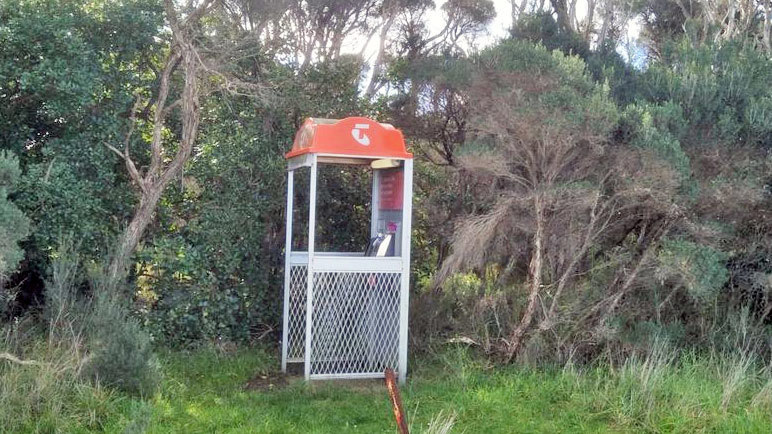
O'Brien couldn't resist, however, snapping a photo of what appeared to be a cultural relic of a bygone era in the unlikeliest of settings.
For many of us who haven't used a public payphone in decades, they've become an item of nostalgia and fascination.
Tapping into the zeitgeist, O'Brien posted his find on a popular Facebook page dedicated to abandoned Australian houses, where it drew an appreciative audience of thousands.
Many of the comments referred to how "spooky" and "creepy" the payphone appeared, standing alone in the bush.
But there's a twist in the tale of the public payphone in Australia, which is this – most of them are far from abandoned.
In fact, new usage figures show the number of calls made from public phones in Australia have increased dramatically over the last few years.
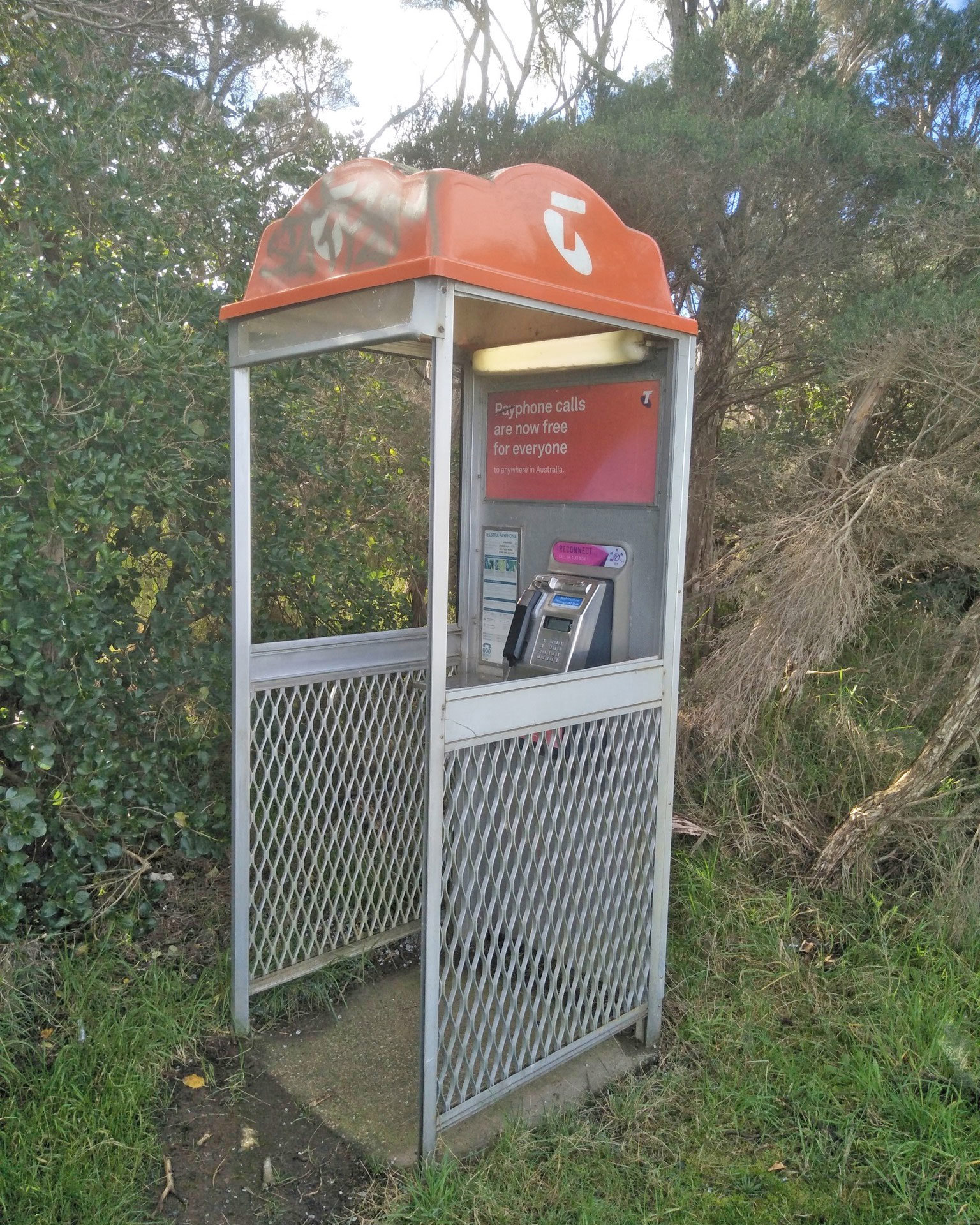
In the past 12 months, around 23 million payphone calls were made from Telstra's network of 14,500 public payphones, according to data provided by the telco to 9news.com.au.
It's an increase of 4 million on the previous year, which had already seen a massive surge after Telstra made all calls from payphones free in 2021.
Telstra is paid to maintain the country's payphones by the government because of the role they play in connecting vulnerable people and communities, especially in regional areas.
In the past year, almost a quarter of a million calls were made from payphones to critical services like triple zero and Lifeline.
The most popular payphone in the country, from which almost 33,000 calls were made in the last year, is near Melbourne's CBD, located on Queens Road near community housing and shelters for people experiencing homelessness.
The second-most popular payphone is at a Northern Territory bus depot in Palmerston, south of Darwin.
Contact reporter Emily McPherson at Sign up here to receive our daily newsletters and breaking news alerts, sent straight to your inbox.