All posts by FreeNews

WHO chief lambasts vaccine profits, demands elderly go first

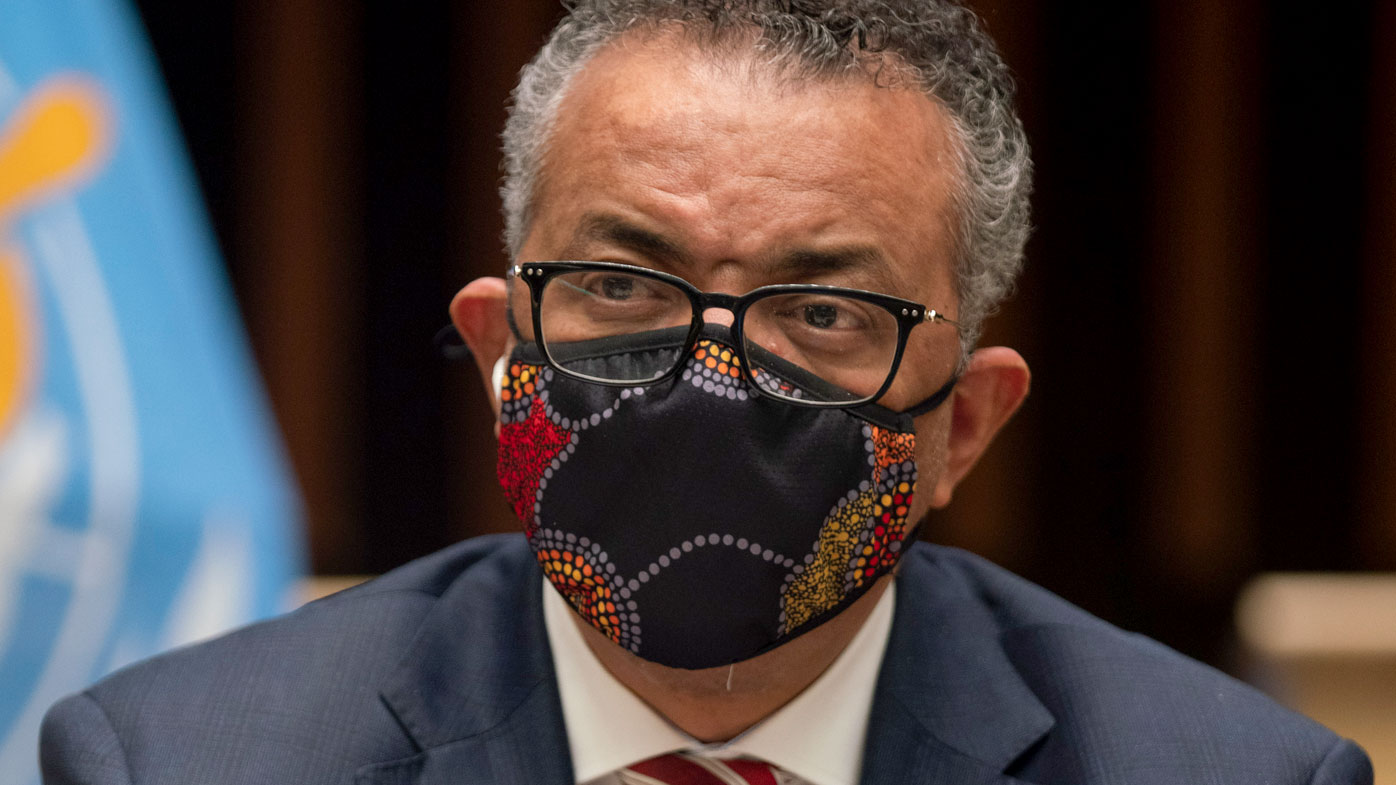
The World Health Organisation chief on Monday lambasted drugmakers' profits and vaccine inequalities, saying it's "not right" that younger, healthier adults in wealthy countries get vaccinated against COVID-19 before older people or health care workers in poorer countries and charging that most vaccine makers have targeted locations where "profits are highest".

Director-General Tedros Adhanom Ghebreyesus kicked off WHO's week-long executive board meeting — virtually from its headquarters in Geneva — by lamenting that one poor country received a mere 25 vaccine doses while over 39 million doses have been administered in nearly 50 richer nations.

"Just 25 doses have been given in one lowest income country — not 25 million, not 25,000 — just 25. I need to be blunt: The world is on the brink of a catastrophic moral failure," Tedros said. He did not specify the country, but a WHO spokeswoman identified it as Guinea.

READ MORE: WHO team arrives in Wuhan to investigate pandemic origins
"It's right that all governments want to prioritise vaccinating their own health workers and older people first," he said. "But it's not right that younger, healthier adults in rich countries are vaccinated before health workers and older people in poorer countries. There will be enough vaccine for everyone."

Tedros, an Ethiopian who goes by his first name, nonetheless hailed the scientific achievement behind rolling out coronavirus vaccines less than a year after the pandemic erupted in China, where a WHO-backed team has now been deployed to look into origins of the coronavirus.

"Vaccines are the shot in the arm we all need, literally and figuratively," Tedros said. "But we now face the real danger that even as vaccines bring hope to some, they become another brick in the wall of inequality between the worlds of the world's haves and have-nots."

He noted the WHO-backed COVAX program, which aims to get vaccines out to all countries, rich or poor, based on need, has so far secured 2 billion vaccine doses from five producers and options on a billion doses more.

"We aim to start deliveries in February," he said. "COVAX is ready to deliver what it was created for."

READ MORE: Three countries account for half of global COVID-19 cases
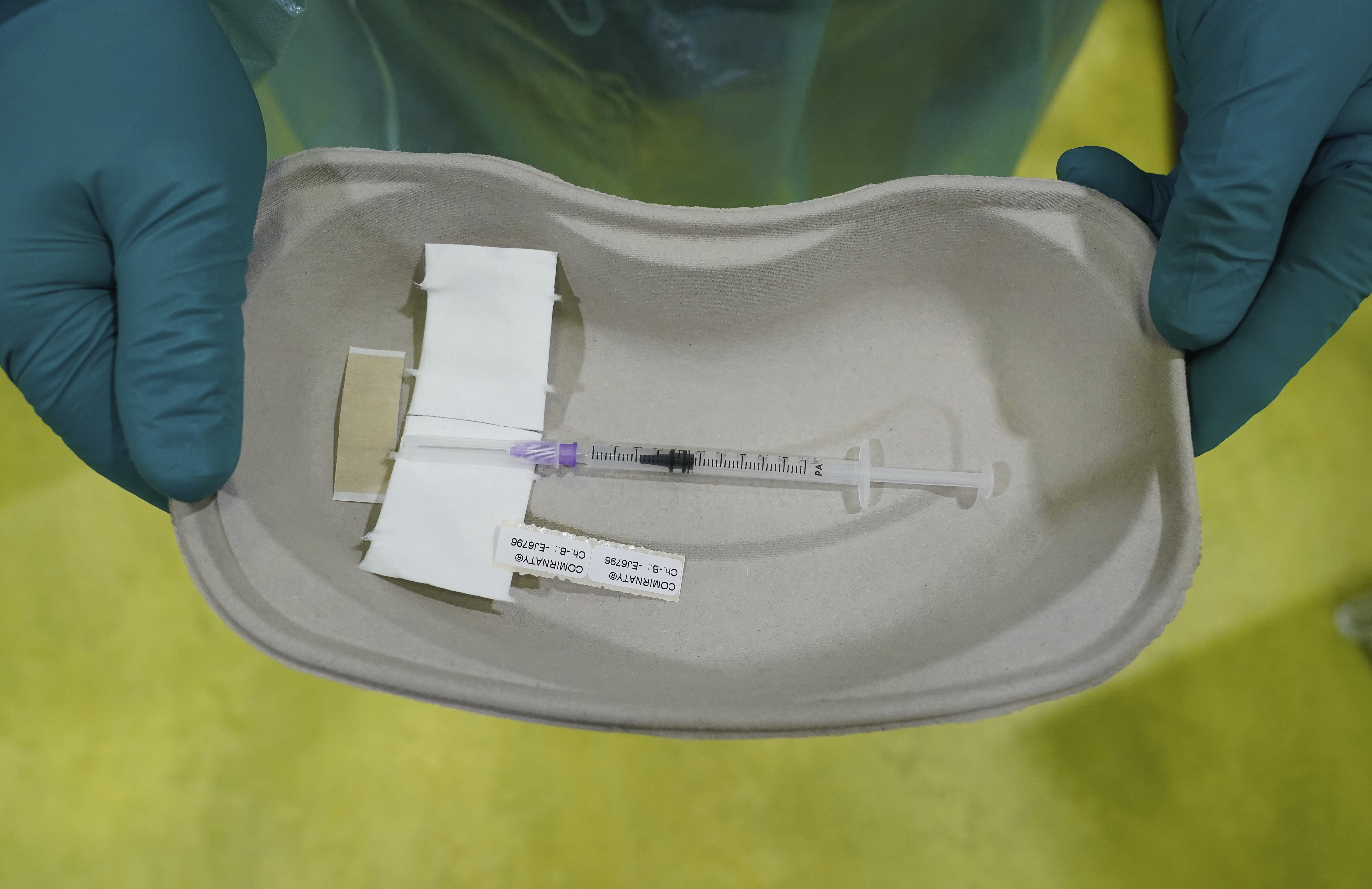
That target date could be a tall order, because a key producer of vaccines for the developing world — the Serum Institute of India — has not confirmed a date and predicted that its rollout might not happen before March or April.

In his opening remarks, Tedros aired some of his toughest public words yet toward vaccine makers, criticising "bilateral deals" between them and countries that WHO says can deplete the effectiveness of the COVAX facility — and went further to raise the issue of profits.

"The situation is compounded by the fact that most manufacturers have prioritised regulatory approval in rich countries, where the profits are highest, rather than submitting full dossiers to WHO," he said.

That appeared to allude to a shortage of data the UN health agency says it has received from vaccine makers so that WHO can approve their shots for wider emergency use.

Dr Clement Martin Auer, a board member from Austria, had sharp words and questions for GAVI, the Vaccine Alliance, that also with the Coalition for Epidemic Preparedness Innovations is leading the effort on COVAX.

While calling its principles of equal access to vaccines a "fantastic idea," Auer faulted COVAX as being "slow" and unable to close "crucial numbers" of contracts. He defended the European Union, which counts among its 27 members many of the world's richest countries, for getting vaccines for its 450 million citizens and being "the single largest donor" in supporting COVAX.

READ MORE: WHO warns of 'very serious situation' in Europe as virus cases spike
"We were, in the European Union, skeptical that GAVI-COVAX had the means and the capabilities to fulfil its tasks and negotiate the necessary contracts and to secure the needs of our citizens," Auer said, adding that COVAX management had "rejected" proposals negotiated by GAVI and the EU.

He said GAVI-COVAX early last year had not included mRNA vaccines like those developed by Pfizer-BioNTech and Moderna in the COVAX portfolio.

"This was a major mistake, taking into account that the mRNAs are the early ones on the market and the gold standards when it comes to COVID vaccines," Auer said.

WHO has approved Pfzier-BioNTech for emergency use against coronavirus and could approve Moderna this week.

WHO officials or other board members did not immediately address Tedros' concerns at the meeting.

In related vaccine news, Israel has struck a deal with Pfizer, promising to share vast troves of medical data with the international drug giant in exchange for the continued flow of its hard-to-get vaccine.

Proponents say the deal could allow Israel to become the first country to vaccinate most of its population, while providing valuable research that could help the rest of the world. But critics say the deal raises major ethical concerns, including possible privacy violations and a deepening of the global divide in access to coronavirus vaccines.

Due to the ultra-cold storage needed for the Pfizer vaccine, it is more expensive and harder to use than some rivals, including the Oxford-AstraZeneca vaccine, but studies show it is very effective. Israeli media have reported that Israel paid at least 50% more than other countries for the Pfizer vaccine.
Returning national quarantined; 35 COVID-19 cases confirmed, 33 fully recovered

BASSETERRE, St. Kitts — The Federation of St. Kitts and Nevis continues to experience a gradual increase in the number of positive cases of COVID-19.

According to the Chief Medical Office, one additional coronavirus case was found on Saturday, January 16.

The returning national landed in the Federation on January 2, 2021 from the United States of America. The patient has been in quarantine at one of the COVID-19 certified hotels since arrival. The patient was duly notified and is now in isolation.

This additional case brings the total number of COVID-19 confirmed cases to 35 with 23 cases for St. Kitts and 12 cases for Nevis. Please note that 33 cases have fully recovered with zero deaths. There are now two active cases. These patients are stable and are being monitored. The risk of further cases occurring in the Federation remains very high.

A report from the Chief Medical Officer’s says: “We continue to adhere to the ‘St. Kitts & Nevis Health & Travel Protocols’ which can be found at website https://www.knatravelform.kn.

All front-line workers continue to adhere to the COVID-19 protocols along the corridor of containment between the ports of entry and hotel/accommodation sites. The Ministry of Health wishes to assure the general public that the following measures are being taken to restrict the spread of coronavirus:
• In-depth contact tracing to effectively assess the front-line workers with whom the recently diagnosed cases would have interacted; and
• quarantine, monitoring and testing of contacts as indicated.

“The Ministry of Health and the Federal Government assure all citizens and residents that every effort is being made to prevent the spread of this virus locally.

“With reports of the SARS -CoV-2 variant in the region and with increase in cases locally, more and more persons are adhering to the COVID-19 prevention and control measures which include:
• Wearing a face mask when in public places;
• maintaining good hand hygiene;
• maintaining physical distance of at least 6 feet from others when in public places; and
• avoiding crowds and events.

“These control measures work, and we are encouraging everyone to continue.

“Let us work together to maintain and protect the health and wellbeing of the people of the Federation,” the report concluded.

The post Returning national quarantined; 35 COVID-19 cases confirmed, 33 fully recovered appeared first on The St Kitts Nevis Observer.

Winter weather hits parts of Europe, from Poland to Turkey

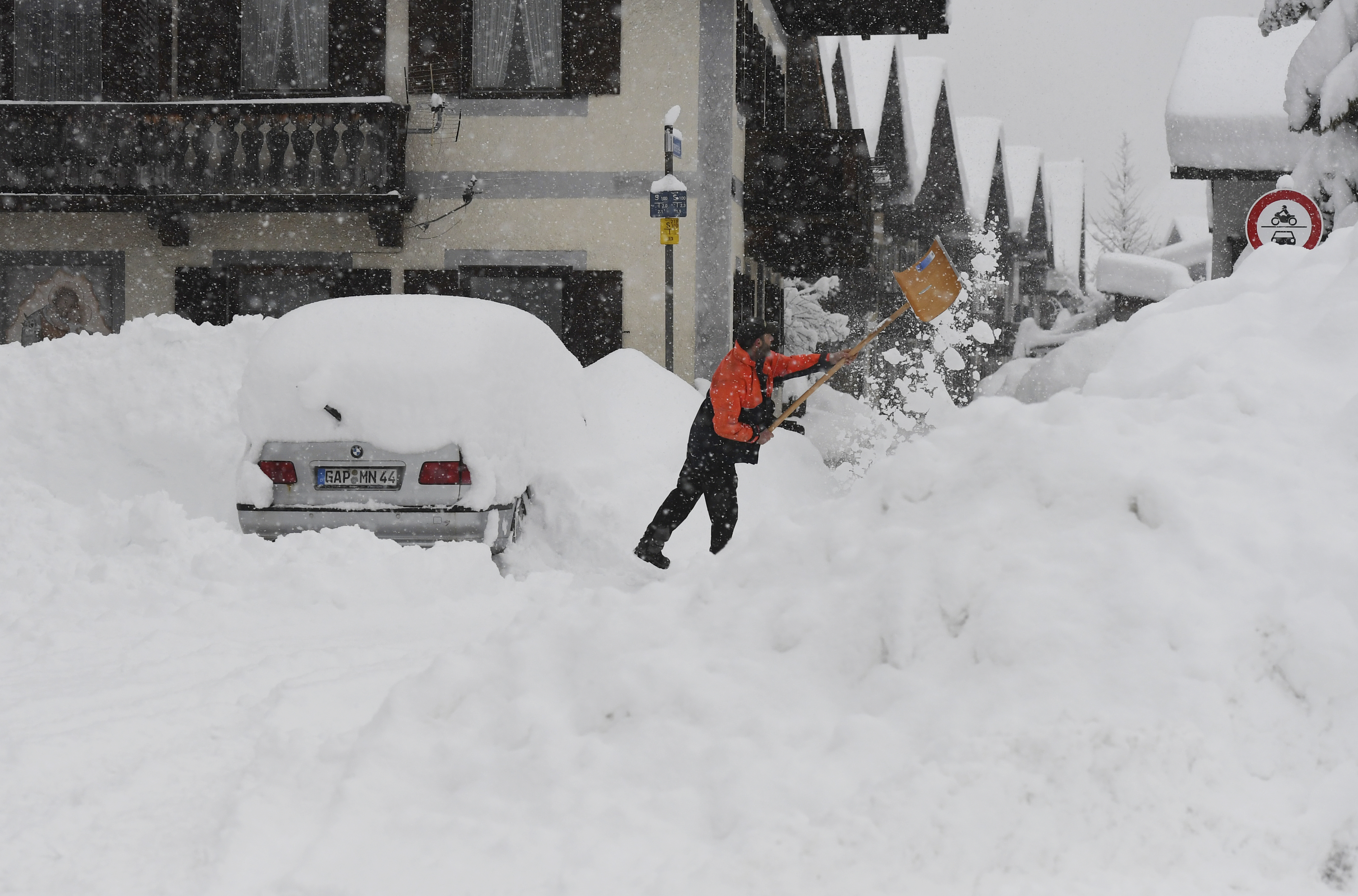
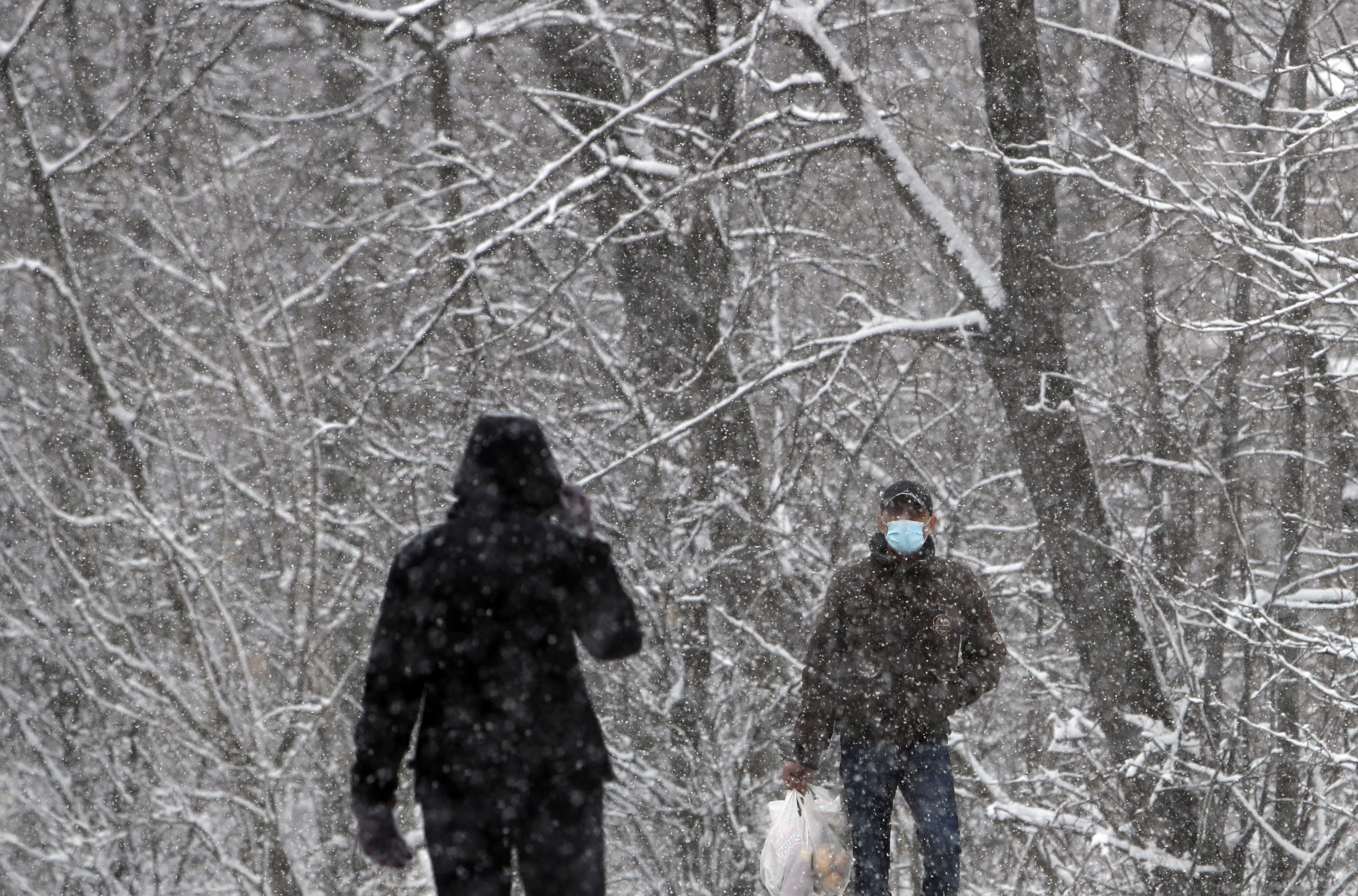
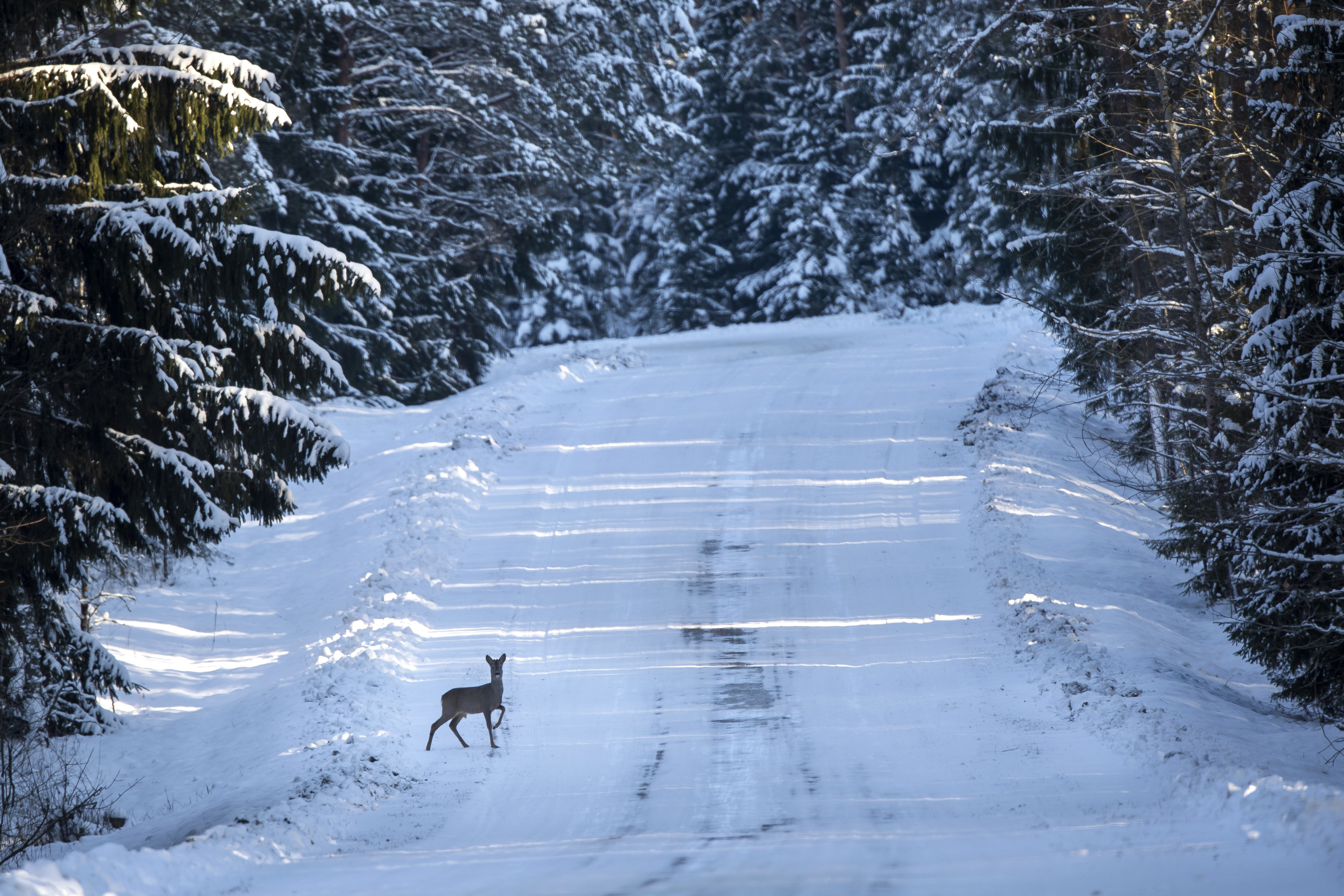
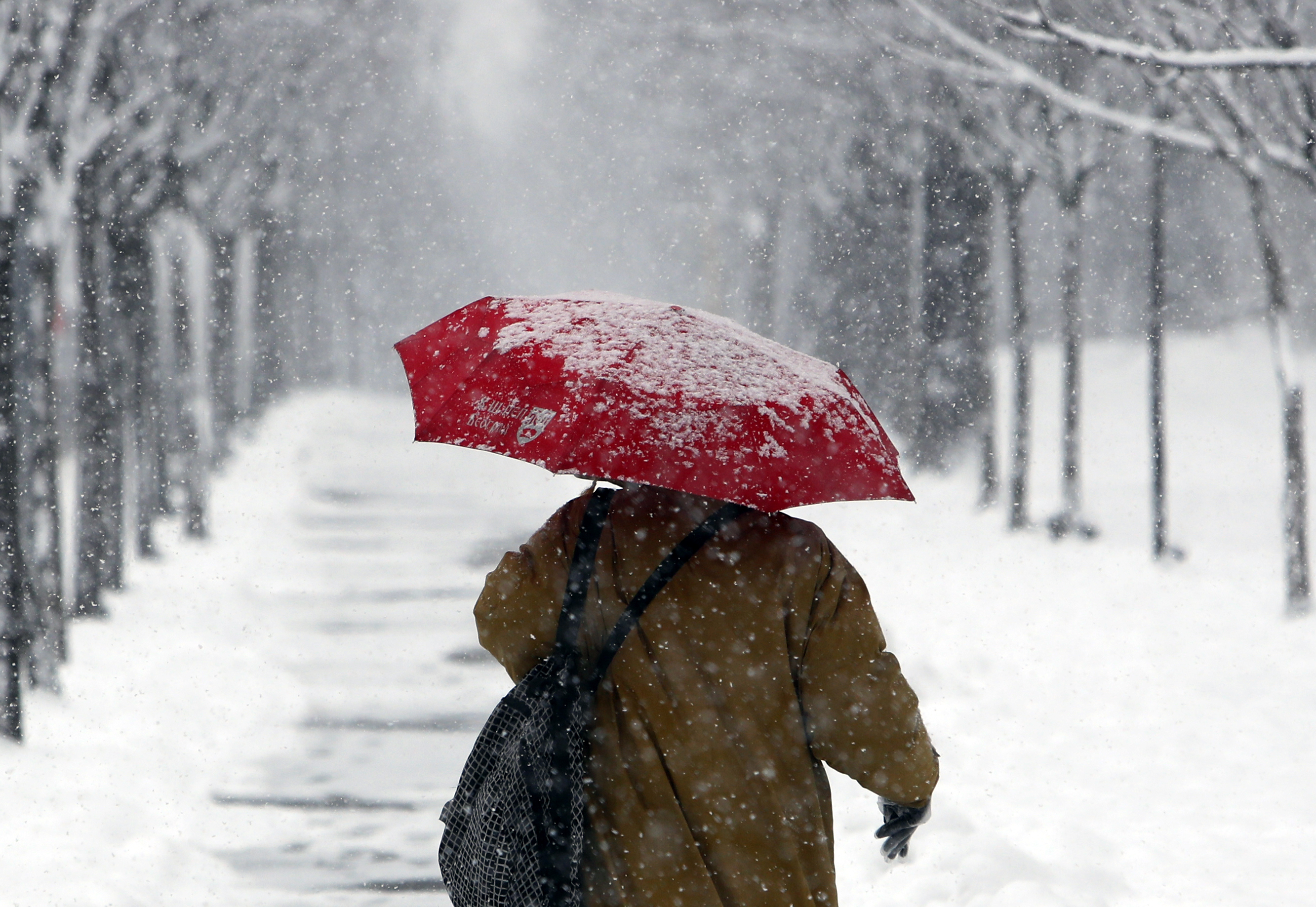
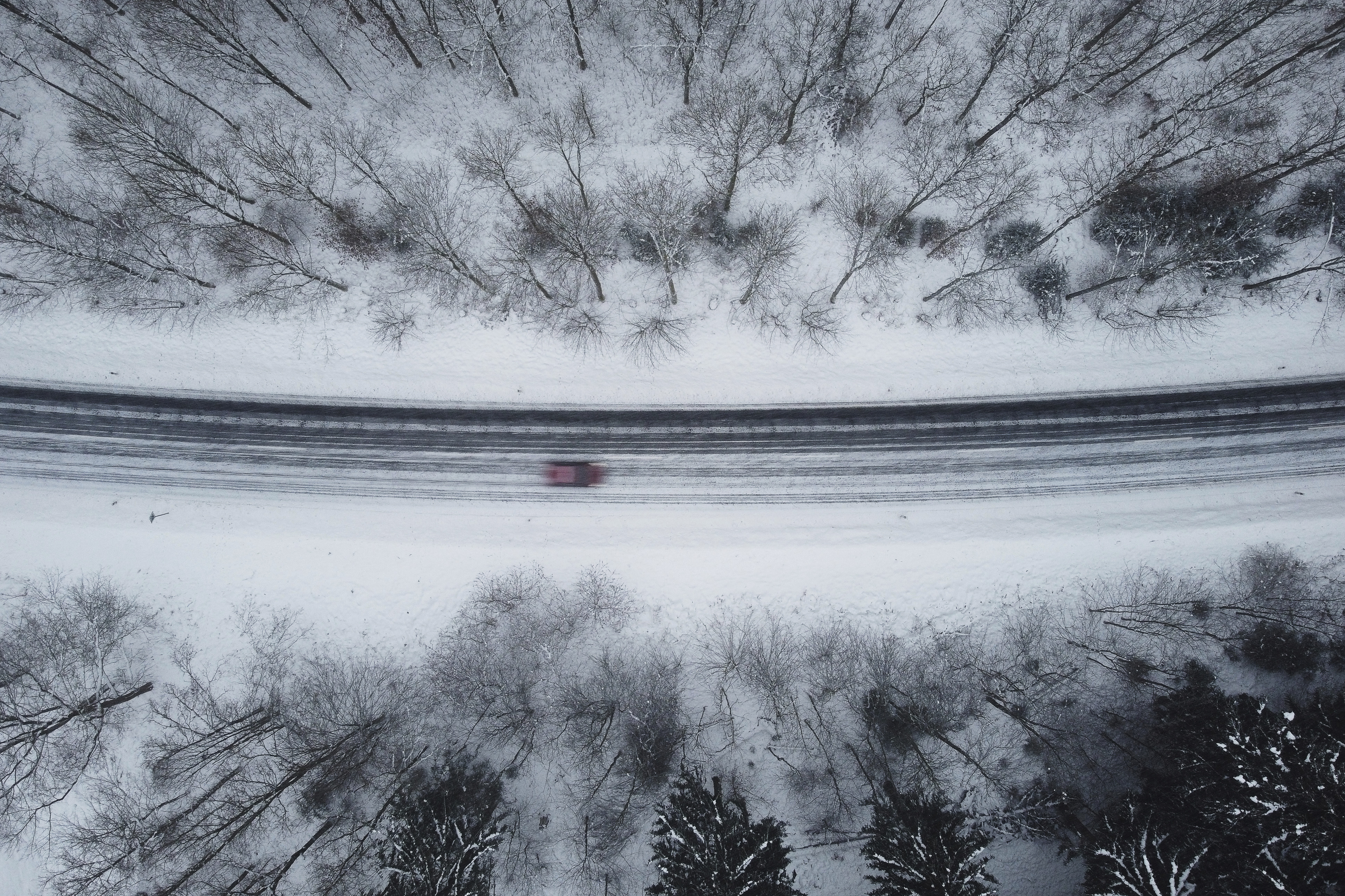
Extreme cold has hit large parts of Europe, with freezing temperatures cracking railroad tracks in Poland, snow blanketing the Turkish city of Istanbul and smog spiking as coal was being burned to generate heat.

Temperatures dropped to minus-28C in some Polish areas overnight, the coldest night in 11 years.

Many trains were delayed on Monday after rail tracks at two Warsaw railway stations cracked.

READ MORE: Archaeologists discover treasure trove of coins on farm in Hungary

Hand-in-hand with the cold came a spike in smog in Warsaw and other parts of Poland, as the cold prompted an increase in burning coal for heat.

The smog levels were so high in Warsaw that city officials urged people to remain indoors.

Just across Poland's southwestern border, the Czech Republic experienced the coldest night this year with temperatures dropping below minus-20C in many places.

The lowest temperature, of minus-27C, was recorded Monday in Orlicke Zahori, a mountainous village 160km east of Prague and near the Polish border, according to the Czech Hydrometeorological Institute.

The freezing weather was expected to ease and be replaced by heavy snowfall in the northeastern Czech Republic, the institute said.

READ MORE: French woman tries to prove she's alive after court rules her dead

In Istanbul, traffic was brought to a halt by the layer of snow covering the city, with cars stalled or skidding on the roads.

The flurries were to continue throughout the day.

In Germany, fresh snow, slippery roads and fallen trees led to several car accidents on Sunday and overnight, the DPA news agency reported.

A driver died in southwestern Germany after his car shot over a mound of snow.

The Nordic region — where winter weather is the norm — also saw snow and subfreezing temperatures, with the coldest temperatures predictably recorded in the Arctic.

Norway's meteorological institute tweeted a tongue-in-cheek message on Monday, saying: "we encourage all knitting lovers to send woollen clothes to their friends in the north."

READ MORE: Cold snap brings Spain's lowest temperatures in 20 years

Reaching land 'now unlikely' as Cyclone Kimi U-turns

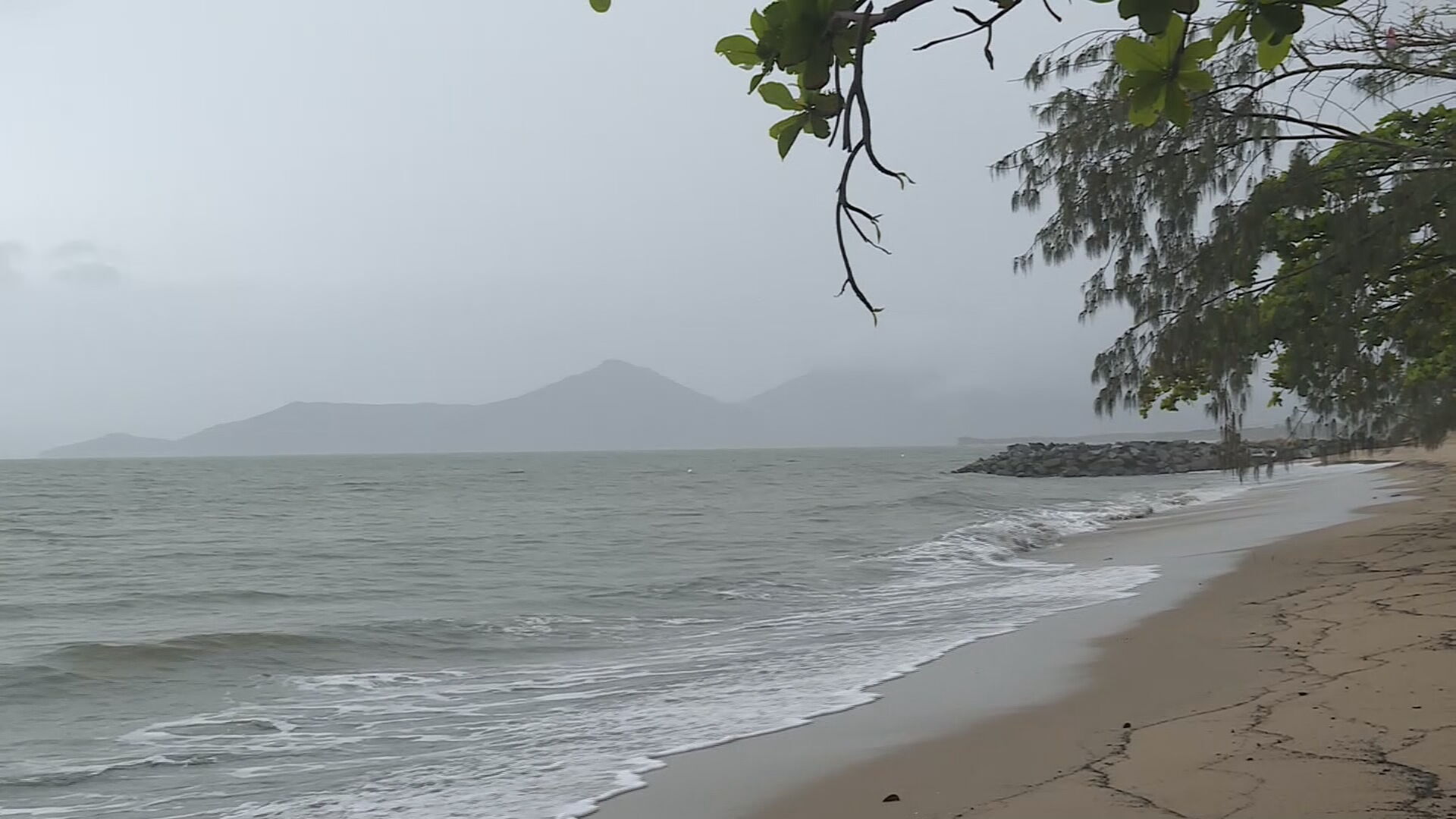
Tropical Cyclone Kimi weakened to a category one storm overnight as the likelihood of it reaching land diminished.

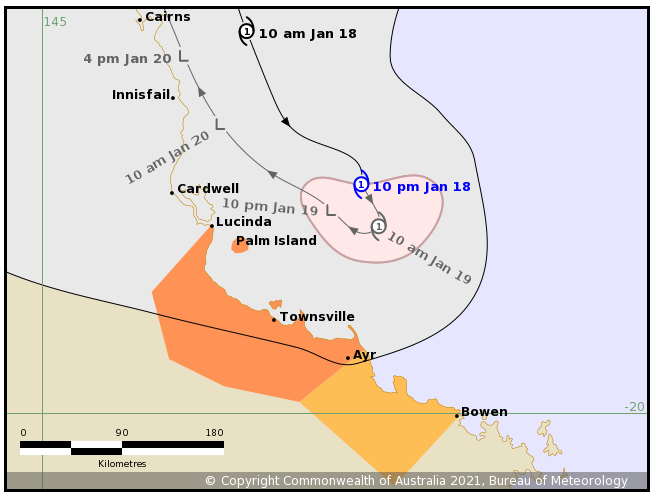
As the cyclone moves southeastward, parallel to the Queensland coast, it is expected to continue to slow before making a U-turn somewhere between Hinchinbrook Island and Townsville about 10am today.

"Further weakening is likely as it stalls off the coast on Tuesday," the Bureau of Meteorology said in a statement last night.

https://twitter.com/BOM_Qld/status/1351161402346639360

"The system's movement has been erratic, however, due to its recent movement towards the south-southeast, a coastal crossing between Hinchinbrook Island and Townsville tonight or early tomorrow is now unlikely."

The BoM says in the coming days Kimi is expected to track back towards the north of the state as a weak tropical low.

While the cyclone is unlikely to cross the coast, hundreds of thousands of people from Innisfail to Bowen remain on high alert, warned to prepare for gale force winds, heavy rainfall and abnormally high tides.

Gusts up to 130km/h are still possible about coastal and island communities between Innisfail and Ayr tonight and Tuesday, the BoM says.

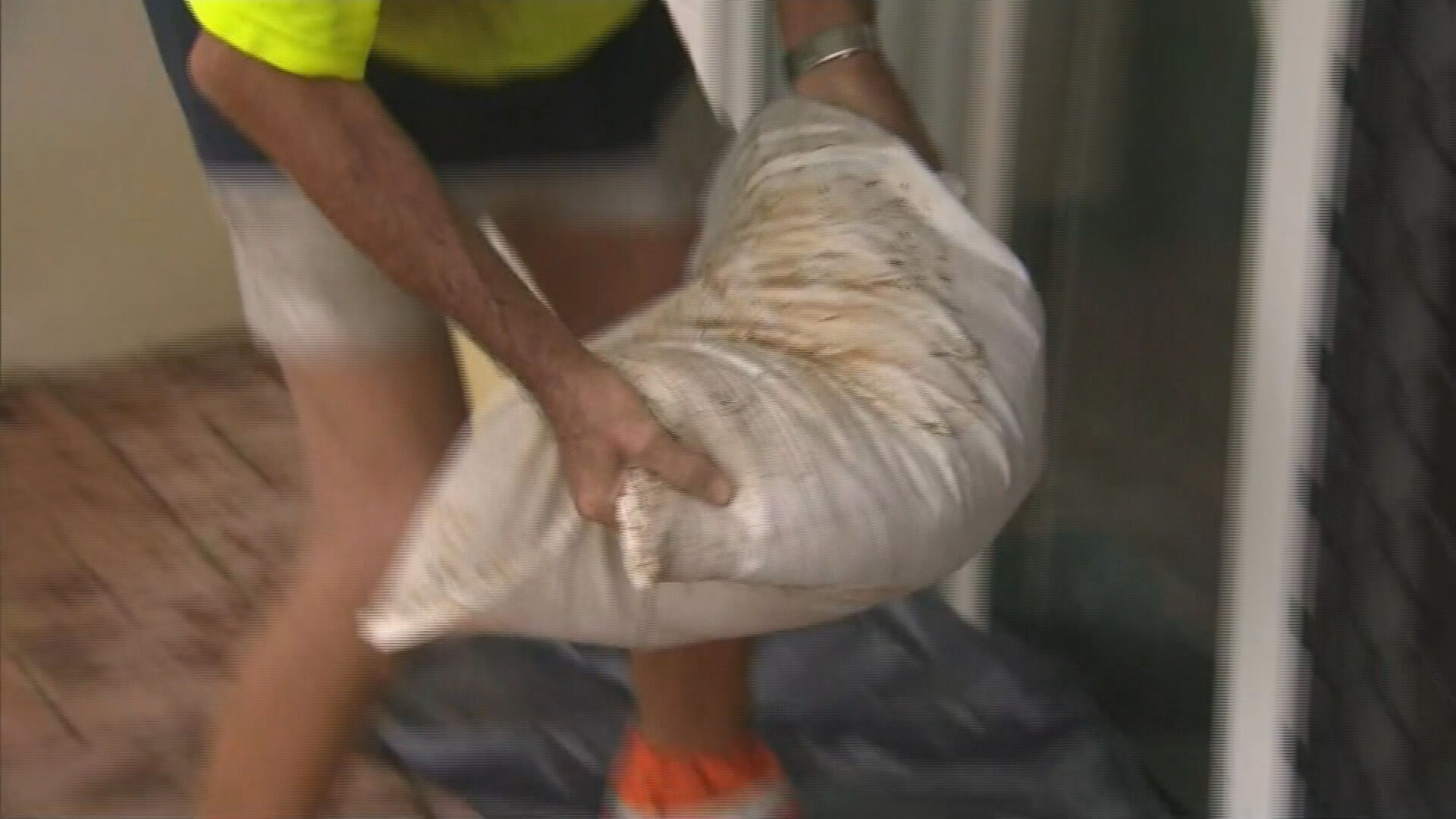
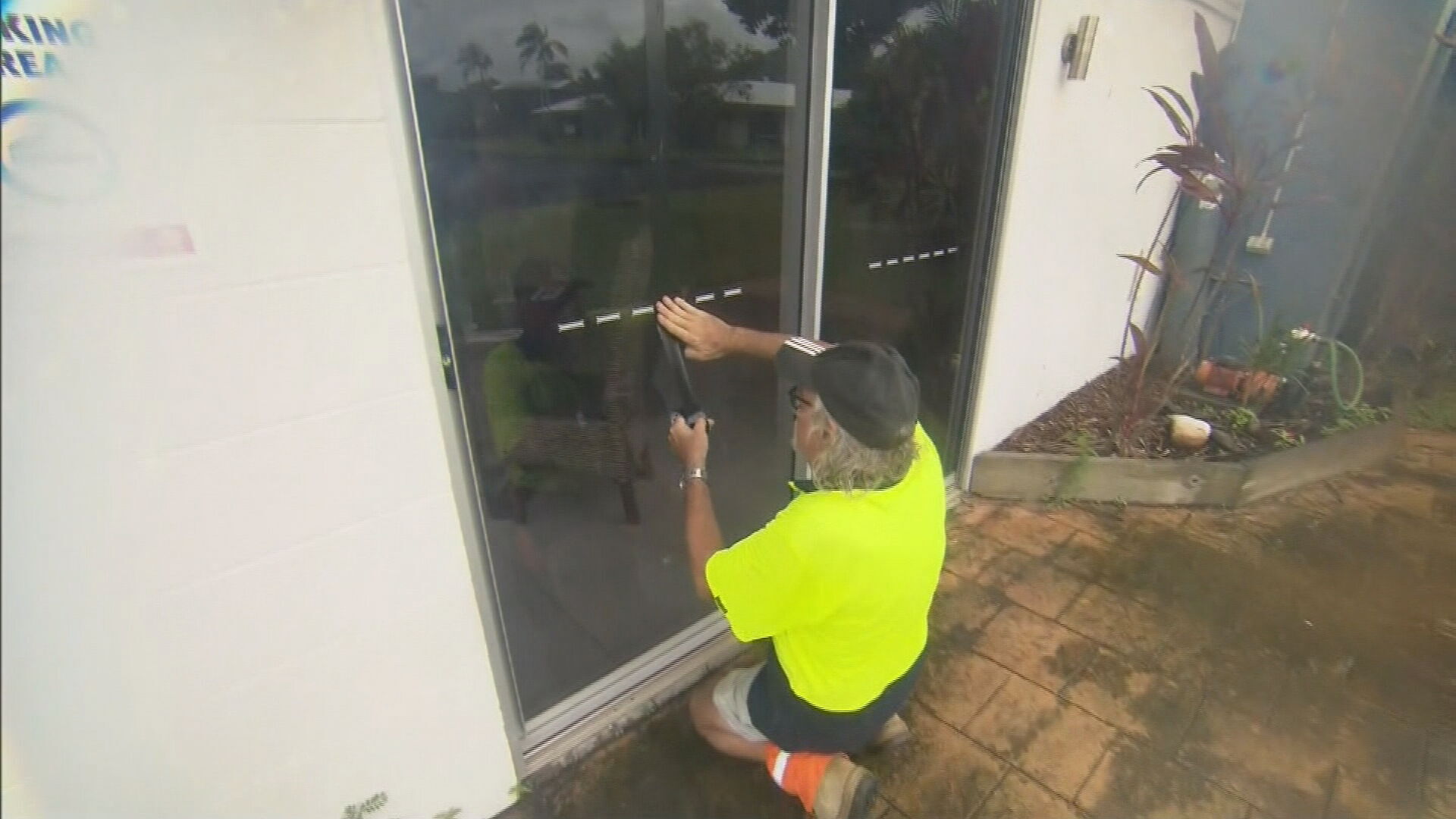
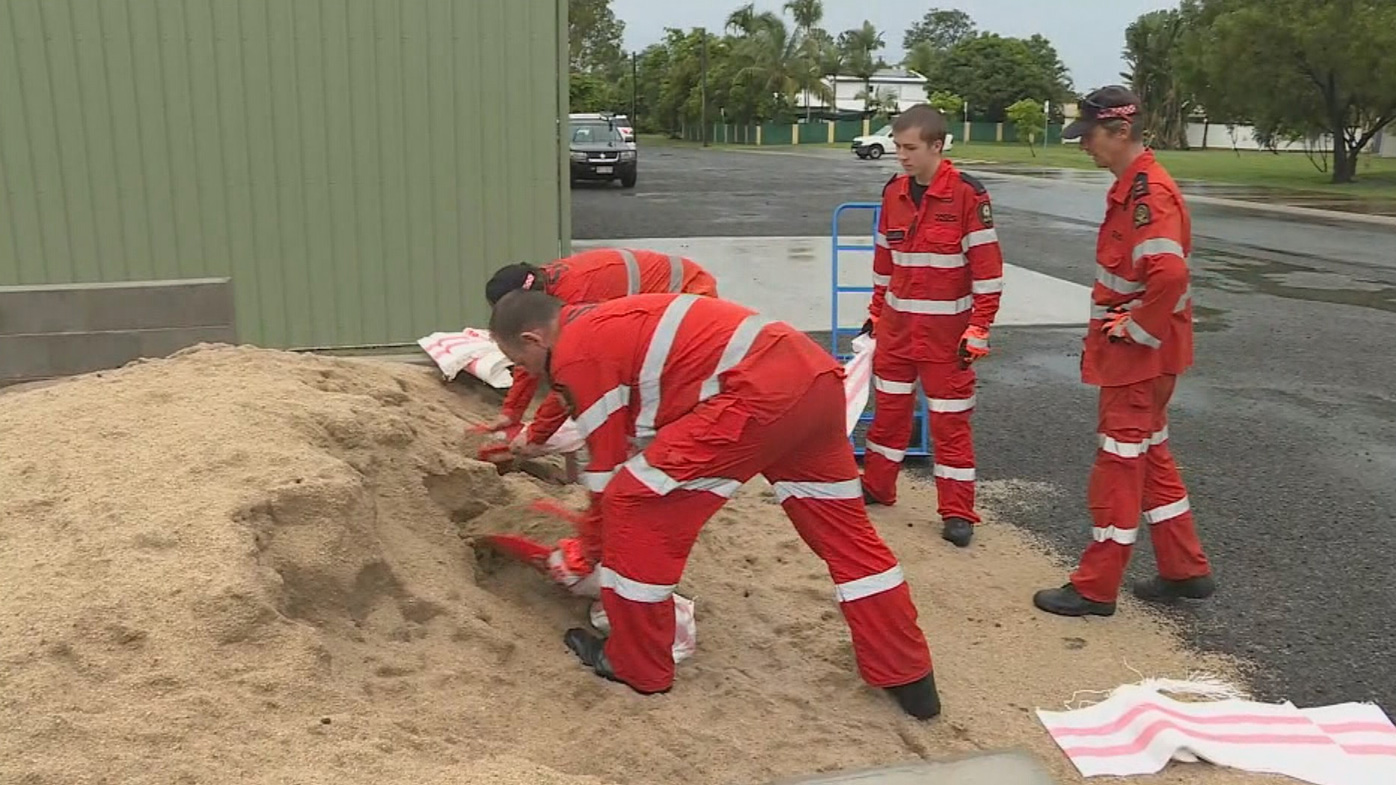
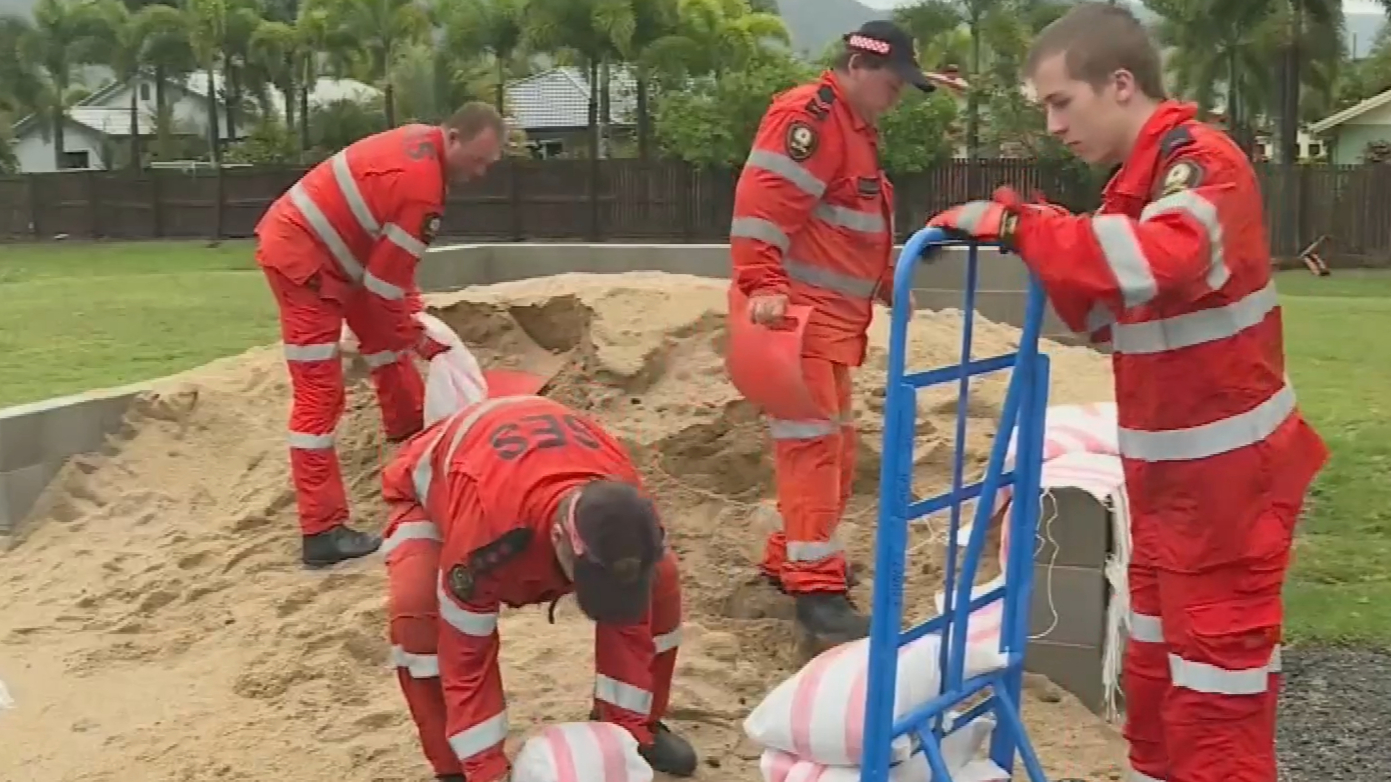
Heavy rainfall with the potential to cause flash flooding has put residents in Kimi's firing line on flood watch, many yesterday laying sand bags in an effort to waterproof their homes.

"There's going to be a lot of rainfall so of course the key message is if it's flooded forget it," Premier Annastacia Palaszczuk said yesterday.

"If you don't need to be on the roads tonight, don't be on the roads tonight."

Kimi keeps trackers on their toes all day Monday

The cyclone intensified to a category two storm on Monday, and throughout the day its projected path changed about a dozen times.

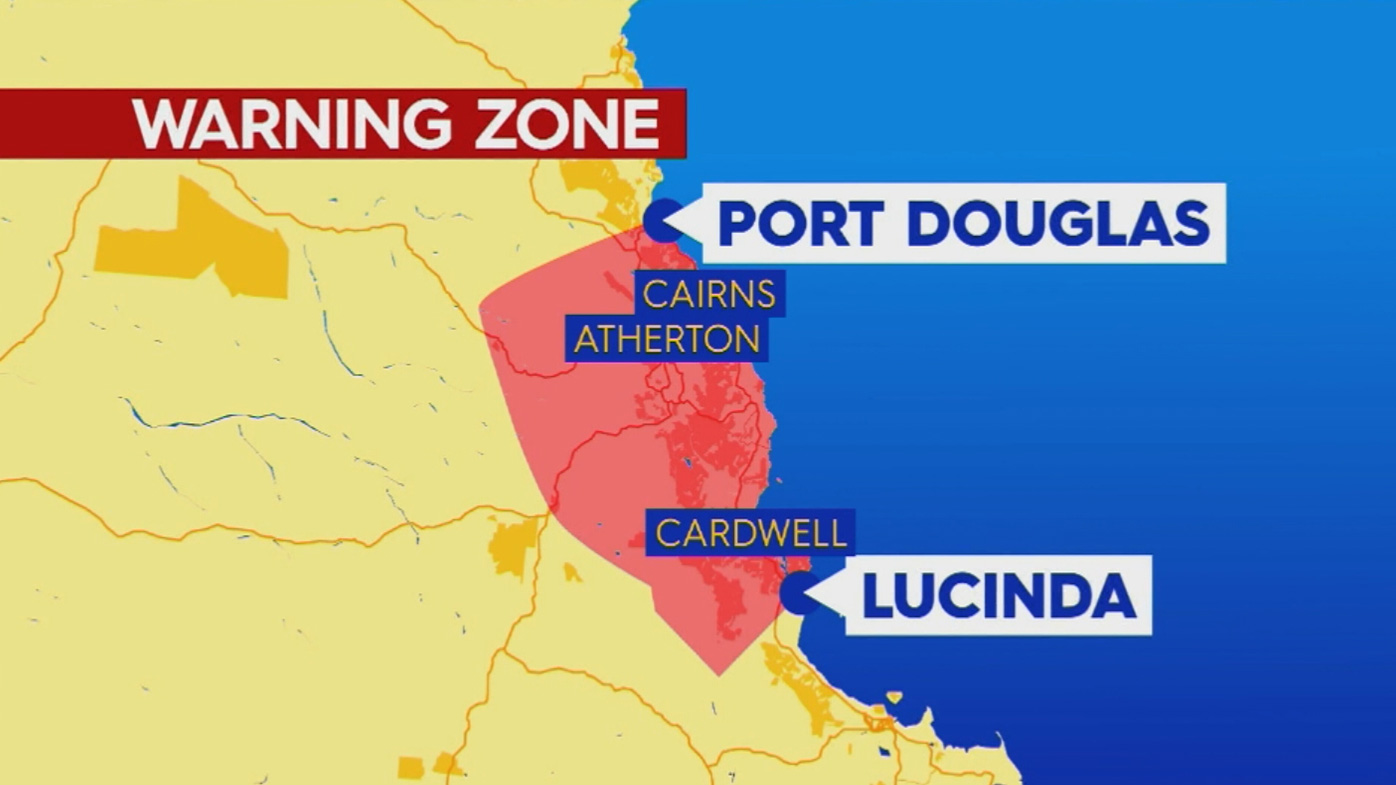
Residents from Innisfail to Ayr — including Lucinda, Palm Island and Townsville — were alerted in the morning that they were in the striking zone as Kimi tracked south-east.

The cyclone was initially due to hit Port Douglas just after breakfast on Monday but turned south, hugging the coastline and threatening towns with strong winds and heavy rain.

Forecasters are expecting Kimi to unleash the worst of its fury between Port Douglas and Lucinda, in Far North Queensland.

Innisfail felt Kimi's presence more than most, forcing preparations into overdrive.

"We're just ensuring that our teams are all ready and available in those southern areas," Eleanor Rosam from the State Emergency Service said.

Further south at Cardwell, locals were not leaving anything to chance.

"You don't know, this could end up intensifying, it could end up and down the coast for another week, but you know, you just have to roll with the punches," local Sharon Cameron said.

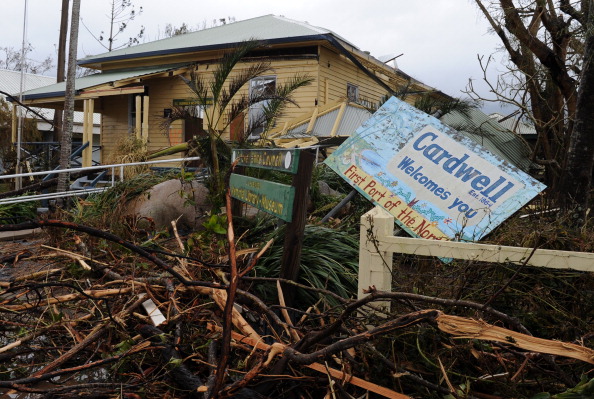
It is 10 years since Cardwell residents were preparing for a category five system — Tropical Cyclone Yasi.

The damage was near unimaginable and absolutely unforgettable.

"The destruction was enormous, as you can imagine. There wasn't a leaf left on any tree," Caldwell local Warren Stahel said.

Ms Palaszczuk urged all Queenslanders living between Innisfail and Ingham "to be listening to their radio" and to make preparations for violent, potentially deadly, weather.

Parts of south-east and central Queensland will also feel the effects of Kimi, with torrential rain and flooding forecast.

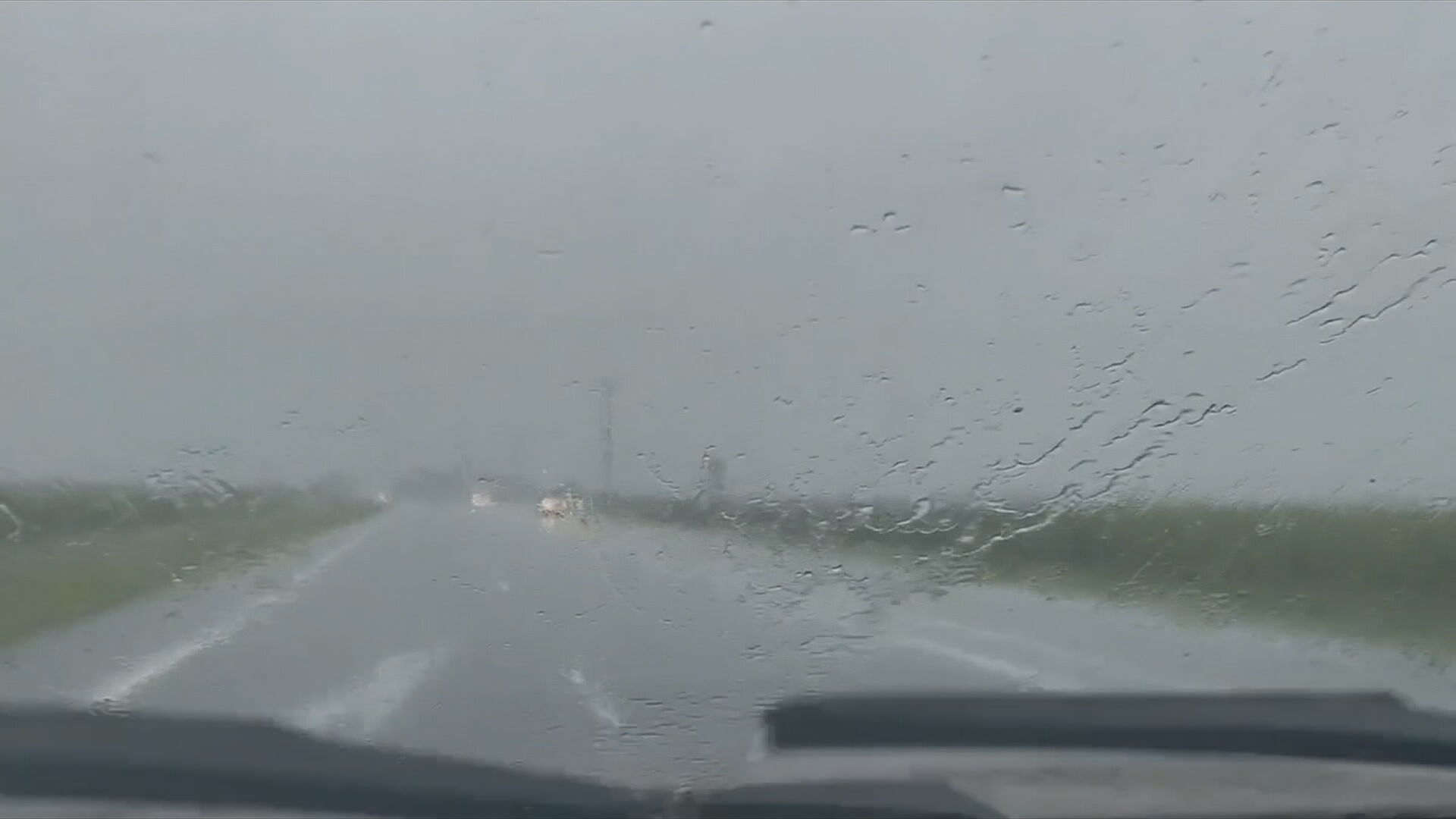
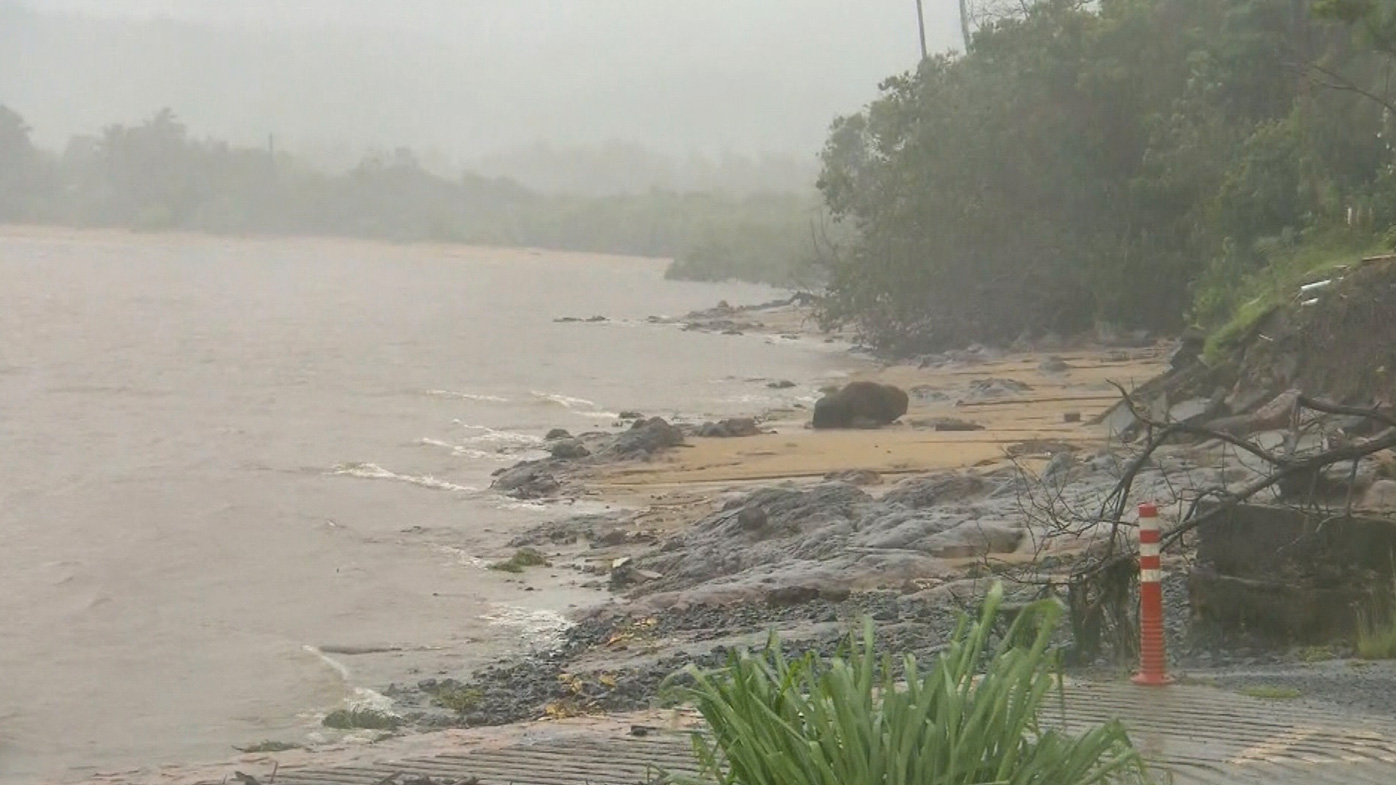
Bad weather is already hitting parts of Queensland as Cyclone Kimi moves towards the coast.

"We do expect there to be a lot of rain coming with this cyclone," Ms Palaszczuk said.

READ MORE: Restrictions set to ease as Brisbane's outbreak appears contained

Potentially dangerous flash flooding will be a risk, and extremely high winds are expected.

"We want everyone in these regions up north to be listening to their radio," Ms Palaszczuk said.

"If it's flooded, forget it," she said, warning of the danger of trying to escape or cross rising waters.

Workers prepare to combat inevitable flooding with sandbags.https://twitter.com/AnnastaciaMP/status/1350916940542349312?ref_src=twsrc%5Etfw

Major river flooding could occur in the Herbert, Murray and Tully River catchment areas, which are already described as "saturated".

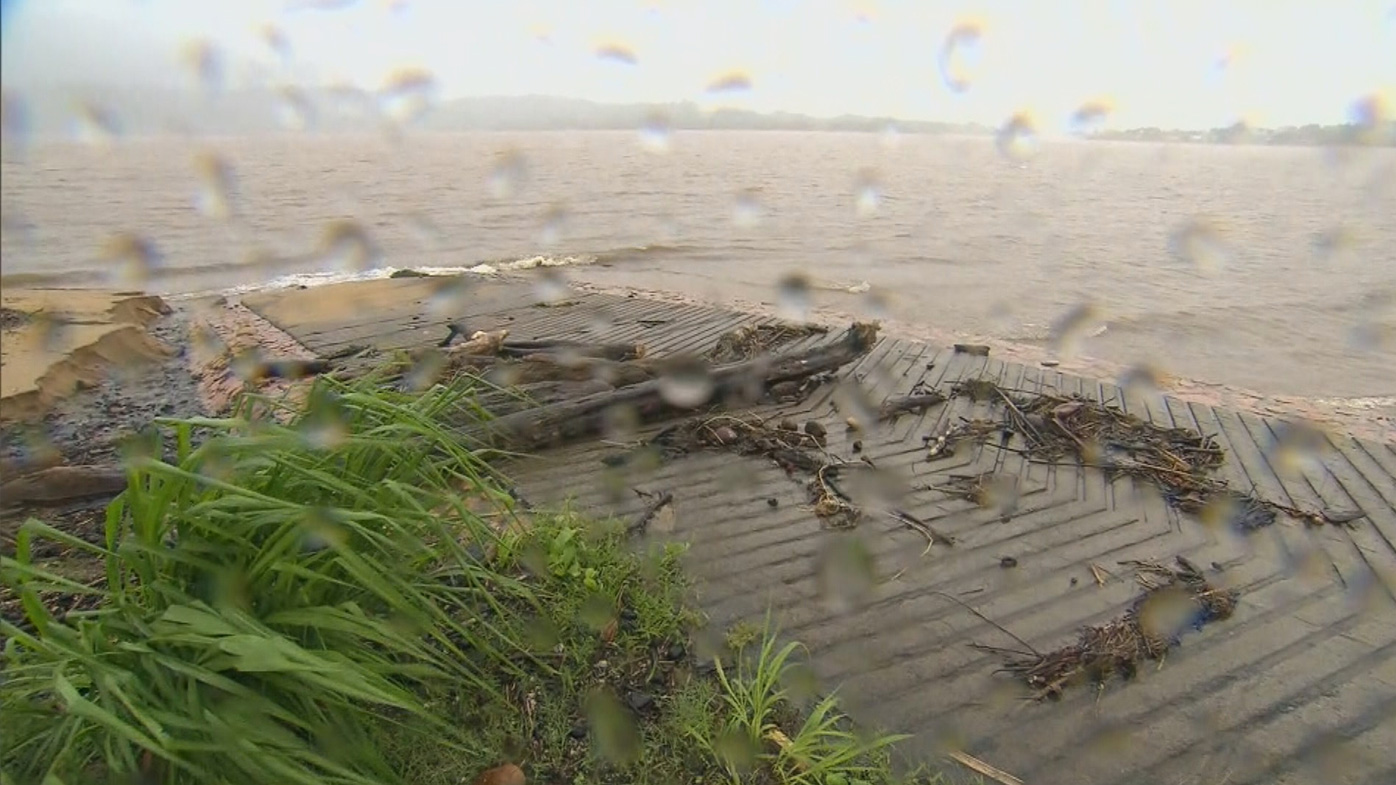
Queensland Police Minister Mark Ryan warned of storm tides predicted between areas of Yarrabah and Cardwell.

"If you're on the coast there, be prepared."

High tides are expected in some parts of Queensland, potentially complicating flood risks from Cyclone Kimi.Category two cyclone near Port Douglas

Mr Ryan said anybody in Kimi's firing line should secure property, trampolines, sheds and outdoor furniture.

"It is very important you have a plan," he said.

"Be very, very careful about the intense rain that could come in south-east Queensland because it could bring that flash flooding."

After 30m COVID-19 inoculations, WHO points out ‘glaring inequalities’

GENEVA – More than 30 million inoculations for COVID-19 have already been administered in the 47 mostly high-income countries according to the World Health Organization (WHO). But, the global vaccine rollout has exposed glaring inequalities in access to this life-saving tool.

More than 2,800 scientists from 130 countries gathered on Jan. 15 in a virtual forum hosted by the WHO, to identify knowledge gaps and set research priorities for vaccines against COVID-19.

Experts discussed the safety and efficacy of existing vaccines and new candidates, ways to optimize limited supply, and the need for additional safety studies.

“The development and approval of several safe and effective vaccines less than a year after this virus was isolated and sequenced is an astounding scientific accomplishment,” Tedros Adhanom Ghebreyesus, WHO Director-General, said in his opening remarks. “The approval of the first few vaccines does not mean the job is done. Far from it. More vaccines are in the pipeline, which must be evaluated to ensure we have enough doses to vaccinate everyone.”

They agreed on the need for critical research on administering vaccines in different target populations, as well as on vaccination delivery strategies and schedules. This includes trials, modelling and observational studies, all of which would help to inform policy.

They discussed the impact of emerging SARS-CoV-2 variants on the efficacy of vaccines, the impact of vaccines on the transmission of infection, and the need to develop the next generation of vaccine platforms.

“The world needs multiple vaccines that work in different populations to meet global demand and end the covid-19 outbreak. Ideally, those will be single-dose vaccines that do not require a cold chain, could be delivered without a needle and syringe and are amenable to large-scale manufacture,” Mike Levine, Director of the Centre for Vaccine Development at the University of Maryland said.

The meeting concluded with an agreement to establish a WHO-hosted platform for global sharing and coordination of emerging vaccine research information on efficacy and safety. The forum would enable scientists to share and discuss unpublished and published data and research protocols to further our collective understanding of SARS-CoV-2 vaccines.

“The WHO will regularly convene experts from around the world, promote collaborative research, provide standard protocols and develop a platform for sharing the latest knowledge in the field,” Soumya Swaminathan, WHO Chief Scientist said.

The post After 30m COVID-19 inoculations, WHO points out ‘glaring inequalities’ appeared first on The St Kitts Nevis Observer.

Jamaican Sculptor: Atlanta’s Martin Luther King Statue “A Dream Come True”

Ahead of Martin Luther King Jr Day 2021, the City of Atlanta has unveiled the new statue of the civil rights activist, created by Jamaican-born artist Basil Watson.

The 12-foot-tall bronze sculpture, titled ‘Hope Moving Forward’, was unveiled on January 14 during a small ceremony attended by Atlanta Mayor Keisha Lance Bottoms, and other city officials.

The statue stands at the intersection of Northside Drive and Martin Luther King, Jr. Drive across from Mercedes-Benz Stadium.

Basil Watson, the renowned Jamaican sculptor who created the statue, said it was a “dream come true” when he was chosen by the City of Atlanta to create a larger-than-life statue.

“You start your career dreaming of possibly doing something significant that impacts the world but you never really think about what it can be or if it can really happen. This is like a dream come true because it not only affects my world. I think this will have an impact on the world in general,” Watson shared.

He was chosen from a pool of 80 talented artists for the project. The statue took two years to complete and features Dr King releasing a dove. Watson said the work is a representation of his concept of MLK.

“It was an evolution in terms of my concept of what Martin Luther King represents and the key message that he wanted to present to the world,” Watson said.

While many Jamaican-Americans in Georgia are being introduced to Watson’s work for the first time, those living on the island know his statues well. He is the hands behind several major statues, including monuments of sprinters Usain Bolt, Shelly-Ann Fraser-Pryce, Merlene Ottey, Herb McKenley, Asafa Powell and Veronica Campbell-Brown, all at the National Stadium.

Last year, his monument of Louise “Miss Lou” Bennett-Coverley was unveiled in Gordon Town, St Andrew. Another statue of Usain Bolt, to be erected his hometown of Falmouth, Trelawny, later this year, was also done by Watson.

A long-time resident of Georgia, Watson plans to return to Jamaica where he will open an art academy to assist young Jamaican artists.

Watson was awarded the Order of Distinction (Commander Class) in 2016 by the Jamaican government for his contributions to Jamaican art and culture.

The post Jamaican Sculptor: Atlanta’s Martin Luther King Statue “A Dream Come True” appeared first on The St Kitts Nevis Observer.

When cruises begin again, after an absence of almost a decade, Royal Caribbean Cruises has put Trinidad and Tobago back on its itinerary.

Royal Caribbean’s Grandeur of the Seas will return to the ports of Port of Spain and Scarborough as part of the Southern Caribbean itinerary for the 2021/2022 cruise season.

The world’s second-largest cruise firm’s decision to add this country’s ports to its itinerary follows discussions between the Minister of Tourism, Culture and the Arts Senator Randall Mitchell; Charles Carvalho, shipping agent; and principals of Royal Caribbean held at the Florida Caribbean Cruise Association’s (FCCA) Conference and Trade Show in November 2018.

“We’re excited our destination is once again on the itinerary of Royal Caribbean International. These itineraries are planned years in advance. Both our islands are beautiful, warm and welcoming with a few undiscovered gems along the way. Now, passengers using Royal Caribbean International will experience them once again, and we will prepare to heavily incorporate our distinct and rich culture in our offerings to distinguish our destination from our Caribbean neighbours,” said Minister Mitchell.

“This development is certainly an encouraging one, and while it remains conditional on the re-opening of our borders and the decision to recommence receiving cruise ships, it shows continued interest in destinations Trinidad and Tobago,” he added.

Globally, cruises have been halted on account of the COVID-19 pandemic and the cruise industry is collectively hopeful and preparing for the restart of cruising, and for the Caribbean-wide re-opening of borders with the concomitant health protocols.

In preparation for the border re-opening, Trinidad and Tobago’s Ministry of Tourism, Culture and the Arts is developing health protocols for the tourism industry, which will be in place when visitors return to the twin-island republic.

Over 91,000 cruise passengers came to Trinidad and Tobago in 2019. That figure reflects an increase over the previous years, except for 2018 during which there was the closure of several regional ports because of the hurricane season.

Prior to COVID-19, the cruise industry was the fastest-growing segment of the worldwide leisure travel market and demand had increased by close to 21 percent in the past five years. According to industry data, cruise passengers are willing to spend more on activities such as beach tours, off-road/scenic tours, or in duty-free shopping on many island nations.

The post appeared first on The St Kitts Nevis Observer.

Huge US Bound Migrant Caravan Stopped in Guatemala

A group of US-bound Central American migrants has been met with truncheons and tear gas in Guatemala, where security forces blocked their path.

Thousands of people were intercepted on a road near the border with Honduras on Sunday. The government said it would not accept “illegal mass movements”.

An estimated 7,000 migrants, mostly from Honduras, have entered in recent days, fleeing poverty and violence.

They hope to travel on to Mexico, and then the US border.

Every year, tens of thousands of Central American migrants attempt this perilous journey to try and reach the US, often on foot, in groups known as “caravans”.

President-elect Joe Biden, a Democrat, has vowed to end the strict immigration policies of his predecessor, Donald Trump, a Republican.

But the Biden administration, which will take office on Wednesday, has warned migrants not to make the journey, as immigration policies will not change overnight.

What happened when the group entered Guatemala?

As the migrants trekked across Guatemala towards its border with Mexico, they were slowed down by security forces near the south-eastern village of Vado Hondo.

A group of soldiers and police officers blockaded a road, stopping many of them from advancing. Some people still attempted to force their way through, prompting security forces to push them back. Several people were injured.

Several Guatemalan soldiers clash with Honduran migrants at a police control in the city of Chiquimula, Guatemala


About 7,000 migrants, mostly from Honduras, are estimated to have arrived in Guatemala since Friday.

Many migrants retreated, with some waiting nearby to make a new attempt later. Others fled into nearby mountains.

“Fortunately the security forces established a contingency plan… and contained this battle,” said Guillermo Díaz, head of Guatemala’s migration agency.

A statement from the Guatemalan president’s office said: “Guatemala’s message is loud and clear: These types of illegal mass movements will not be accepted, that’s why we are working together with the neighbouring nations to address this as a regional issue.”

The government later said 21 migrants who had sought medical assistance tested positive for Covid-19.

Why are so many people coming now?

The migrants say persecution, violence and poverty are a daily reality in their home countries. Conditions have been made worse by the devastation wrought by two huge hurricanes that battered Central America last November.

“There is still mud everywhere there, everything got knocked down, we lost everything,” Ismael Eliazar told the Associated Press news agency.

Hondurans taking part in a new caravan of migrants set to head to the United States, take a break in Vado Hondo, Guatemalaimage copyrightReuters
image captionThe migrants are fleeing poverty and violence in their home countries

So, in search of a better life, they want to reach the US in the hope of finding work and safety.

Dania Hinestrosa, a 23-year-old travelling with her daughter, told the AFP news agency: “We have no work, nor food, so I decided to go to the United States.”

The promise of new immigration policies under Mr Biden’s administration is also thought to have spurred some migrants to make an attempt to reach the US border.

What is the incoming US administration saying?

Members of Mr Biden’s team have warned Central American migrants not to make dangerous journeys to the border.

Speaking to NBC News, an unnamed senior Biden administration official said migrants attempting to claim asylum in the US “need to understand they’re not going to be able to come into the United States immediately”.

The Biden administration will prioritise undocumented immigrants already living in the US, not those heading to the country now, the official said.

“Processing capacity at the border is not like a light that you can just switch on and off,” Susan Rice, one of Mr Biden’s policy advisers, told the Spanish language news agency Efe in December.

“Migrants and asylum seekers should absolutely not believe those in the region selling the idea that the border will suddenly be fully open to process everyone on day one. It will not.”

Mark Morgan, acting commissioner of US Customs and Border Protection, last week urged would-be migrants at the southern border not to “waste your time and money”.

The US commitment to the “rule of law and public health” is not affected by the change in administration, he said in a statement.

More than a dozen of similar groups, some with thousands of migrants, have set off from Central America in recent years. One of the largest came from Honduras in October 2018, provoking President Trump to brand it “an invasion”.

But all have run up against resistance under Mr Trump, who put pressure on Mexico, Guatemala, Honduras and El Salvador to crack down on illegal north-bound migration.

The post Huge US Bound Migrant Caravan Stopped in Guatemala appeared first on The St Kitts Nevis Observer.

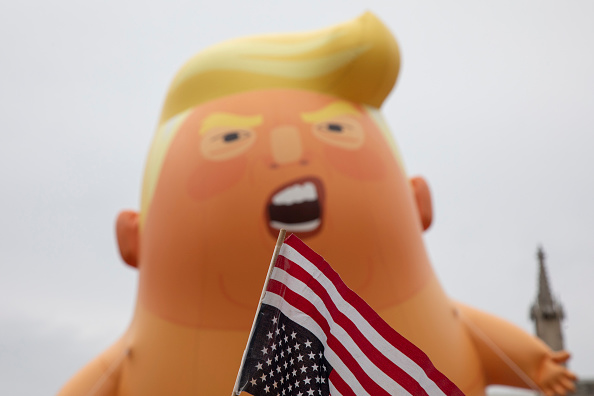
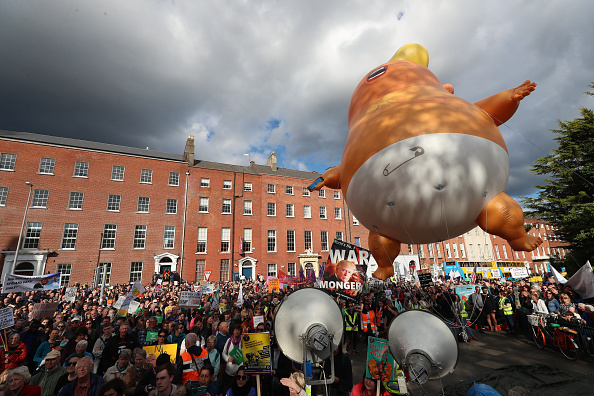
Giant 'Trump Baby' to live on in museum

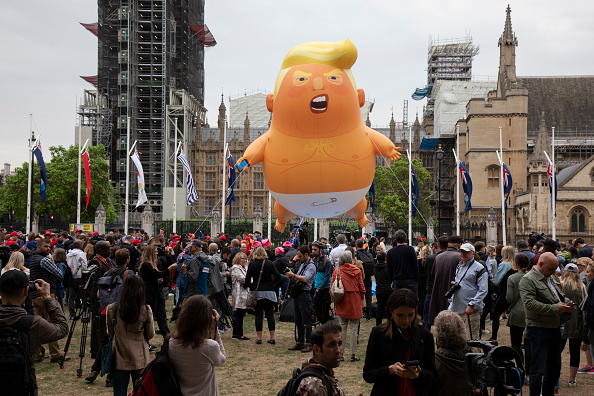
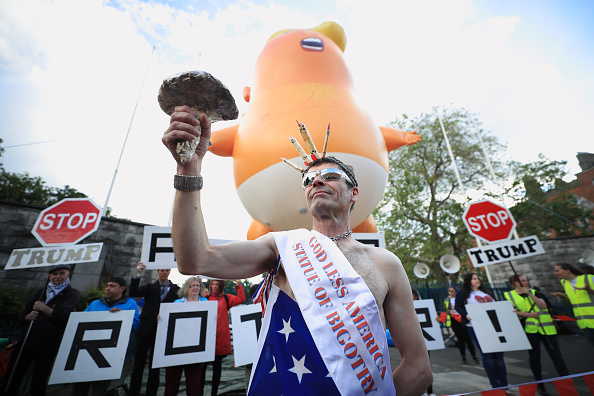
A giant blimp depicting Donald Trump as a diaper-clad baby, which followed the outgoing US President on his visits to London and symbolised international opposition to his administration, has secured its place in history after being acquired by a British museum.

The 6m-tall "Trump Baby" blimp was created ahead of the President's first visit to the UK, when hundreds of thousands of Britons poured onto the country's streets to protest his presence in the country.

READ MORE: Fears of insider attack at Biden inauguration

It will now be displayed in the Museum of London alongside other remnants of public protests in the British capital, the institution announced on the eve of Trump's departure from the Oval Office.

"We hope the baby's place in the museum will stand as a reminder of when London stood against Trump – but will prompt those who see it to examine how they can continue the fight against the politics of hate," the team behind the blimp said in a statement.

The balloon became famous around the world when London's mayor, Sadiq Khan, who Trump has frequently denigrated, gave permission for it to fly above the city during his initial visit.

Since then, it has followed the President on his trips around the world, appearing in Washington DC and at several of Trump's rallies and international tours.

"This large inflatable was just a tiny part of a global movement – a movement that was led by the marginalised people whose Trump's politics most endangered," the blimp's creator said.

"London has always been an open, ever-evolving polyglot city. A haven for knowledge, tradition and controversy and over thousands of years we have played host to many a historic protest," Museum of London Director Sharon Ament said.

"By collecting the baby blimp we can mark the wave of feeling that washed over the city that day and capture a particular moment of resistance – a feeling still relevant today as we live through these exceptionally challenging times – that ultimately shows Londoners banding together in the face of extreme adversity."

Trump is overwhelmingly unpopular in the UK and in several other major countries, and studies have shown that the global image of the US has tumbled under his leadership.

Fewer than 1 in 5 people in Canada and Western Europe trusted Trump to do the right thing in international affairs, a Pew study found in September.

Deadline USA: Fears for Violence at Unique Inauguration

Donald Trump leaves office Wednesday (Jan. 20) and Joe Biden moves into the White House in an inauguration like no other in history. Trump won’t attend the event and, thanks to the pandemic, neither will the throngs of people normally on hand to celebrate a new president taking office.
What authorities are concerned about is a massive crowd of anti-Biden protesters clashing with police and national guard troops assembled to guard the capitol to prevent another riot and invasion of the capitol building.

The National Guard is playing a leading role as the country confronts a domestic terrorism threat following the deadly insurrection at the U.S. Capitol.

The Capitol is now crawling with more troops than in the United States’s main theaters of war in Afghanistan, Iraq and Syria combined as the National Guard fortifies key areas around Washington, D.C., for President-elect Joe Biden’s inauguration.

The Secret Service is even referring to the new perimeter around the Capitol as the “Green Zone” — the same name used for secure zones in Iraq and Afghanistan’s capital cities.

And it’s not just D.C. Amid FBI warnings of the potential for violence at all 50 state Capitols, governors in roughly a dozen states have called up their National Guards to bolster law enforcement.

But there are also worries the military is part of the problem, as several veterans have been arrested in connection with the Capitol riots. And at least one person arrested is a current member of the National Guard in Virginia.

Following heavy criticism of the Guard’s response to last summer’s racial justice protests in the city, D.C. and Pentagon officials had originally sought to minimize its role in security surrounding the inauguration.

In June, hundreds of guardsmen from around the country poured into the nation’s capital at President Trump’s request, despite objections from local authorities. A National Guard helicopter also hovered over protesters in the way the military does to insurgents overseas as a show of force, a move that drew widespread scrutiny and rebuke.

After that, as officials anticipated protests when Congress met to certify Biden’s electoral victory, D.C. officials requested and the Pentagon approved just 340 unarmed guardsmen to help the city with traffic control. Defense officials have said Capitol Police turned down offers of Guard help before the riots.

That all changed after the Capitol siege

As of Friday, more than 7,000 guardsmen from across the country were in Washington, D.C., with up to 25,000 from all 50 states, three territories and D.C. expected to be in the city by Inauguration Day.

Troops have erected 7-foot “non-scalable” fences around the Capitol and other nearby government buildings and set up checkpoints with military vehicles and concrete barriers on streets throughout the area.

With Army Secretary Ryan McCarthy’s approval, guardsmen at the Capitol are armed, with scores of troops seen inside and outside the building with M4 semi-automatic rifles.

The Pentagon, D.C. officials and Capitol Police have traded accusations about who is to blame for the Guard’s slow response after rioters stormed the Capitol on Jan. 6. But the Pentagon is projecting confidence now that it is well prepared for any threats to come.

“At this point, there’s a machine that’s cranking on that,” acting Defense Secretary Christopher Miller said Thursday of preparations for inauguration security. Miller was speaking to reporters traveling with him after a visit to U.S. Northern Command in Colorado, where he and commander Gen. Glen VanHerck discussed the preparations.

Troops deployed to the Capitol are reportedly preparing for threats as extreme as improvised explosive devices, suicide aircraft, remote controlled drones and shootings at dignitaries.

Outside D.C., more than 2,125 guardsmen are protecting state Capitols and key infrastructure around the country, according to the National Guard.

In Washington state, Gov. Jay Inslee (D) called up his state’s National Guard after the perimeter of the governor’s mansion was breached by pro-Trump protesters the same day as the U.S. Capitol assault.

As of Friday, governors in Ohio, Minnesota, Oregon, Massachusetts, North Carolina, California, Virginia, Maryland, Georgia, Pennsylvania, Michigan and Delaware have also activated their National Guards or put them on standby in case of violence in their states.

“I will not allow what happened at our nation’s capital to happen here,” Pennsylvania Gov. Tom Wolf (D) said in a statement Thursday. “That is why I am taking the necessary measures to ensure everyone’s safety and security across our great commonwealth.”

The National Guard was already stretched thin over the last year, as it was called upon to help respond to the COVID-19 crisis; support local law enforcement during racial justice protests; respond to hurricanes, wildfires and other natural disasters; and bolster cyber defenses and local poll workers during the elections.

Even as it steps up deployments for domestic terrorism threats, the National Guard still has 21,650 troops helping states with COVID-19, including administering vaccines and tests.

And for many states responding to extremist threats, guardsmen are splitting their help between their own states and D.C.

“I am pleased to be able to offer the services of our National Guard, but I regret that we have over 2,000 of them in Washington, D.C., right now protecting our nation’s capital from Americans,” Virginia Gov. Ralph Northam (D) said at a news conference Thursday. “That should bother everybody. It should bother everybody when you walk out of this building and see boards across the windows of our state Capitol.”

Neither the guardsmen staying in their states nor those being sent to D.C. have been federalized, meaning they remain under the command of the governors, or in D.C.’s case, the Army secretary. They are also not barred from conducting law enforcement activities like federalized guardsmen or active-duty troops would be.

Still, pictures of armed service members policing the Capitol, a symbol of democracy, have jarred the country and evoked images of troops quartering in the federal building during the Civil War.

“The National Guard has long played a role in restoring calm after major disruptions, whether caused by nature or by human action,” said Peter Feaver, a civil-military relations expert at Duke University who was a White House adviser to former President George W. Bush. “Of course, it is striking to see these images in the Capitol, and the proximate cause of them — an insurrection attempt by supporters of the outgoing president who sought to prevent the incoming president from assuming his constitutional powers — is without precedent in modern times.”

Further adding to the unease is concern about any threat coming from within military ranks.

In a nod to that concern, every member of the Joint Chiefs of Staff released a statement this past week denouncing the Capitol attack and reminding troops that “any act to disrupt the constitutional process is not only against our traditions, values and oath; it is against the law.”

The Virginia National Guard confirmed Thursday one of the men arrested in connection with the riot is a guardsman. The man, Jacob Fracker, was not among those deployed to D.C. for the inauguration, the Guard stressed.

Fracker, who is also a Marine veteran and an officer with the Rocky Mount Police Department, was arrested along with another Rocky Mount officer after they were photographed inside the Capitol making an obscene gesture in front of the John Stark statute. The two men were each charged with one count of knowingly entering or remaining in any restricted building or grounds without lawful authority and one count of violent entry and disorderly conduct on Capitol grounds.

In addition to Fracker, several other veterans have been arrested or connected to the insurrection. A retired Air Force lieutenant colonel was arrested after being photographed on the Senate floor wearing tactical gear and carrying plastic zip ties used by law enforcement as handcuffs, and the self-proclaimed “QAnon Shaman” who was arrested is a Navy veteran.

The woman who was fatally shot by Capitol Police while trying to breach the door to the Speaker’s Lobby was an Air Force veteran.

And at least one active-duty service member, an Army psychological operations officer, is under investigation by the Army for her involvement in the rally that preceded the riot, though she insists she did not enter the Capitol. She also was already in the process of separating from the Army because of an earlier incident.

After Rep. Jason Crow (D-Colo.) requested a “review of troops deployed for the inauguration to ensure that deployed members are not sympathetic to domestic terrorists,” the Army said it was working with the Secret Service to determine which members being deployed needed additional background screening.

The Pentagon this week also acknowledged a “resurgence” of white supremacy in recent years, though it declined to say how many troops it is monitoring for extremist activity or provide information on troops or veterans involved in the Capitol attack.

“We clearly recognize the threat from domestic extremists, particularly those who espouse white supremacy or white nationalist ideologies,” a senior defense official told reporters Thursday. “We are actively involved in always trying to improve our understanding of where the threat is coming from as a means of understanding and taking action.”

The post Deadline USA: Fears for Violence at Unique Inauguration appeared first on The St Kitts Nevis Observer.