Test your brains with the Herald’s afternoon quiz. Be sure to check back on nzherald.co.nz for the morning quiz tomorrow. To challenge yourself with more quizzes, CLICK HERE.
Category Archives: headline
Rapist Mark Chisnall, who lives inside prison gates despite no longer serving sentence, seeks release
Lawyers for a serial sexual offender who has spent years at a lockdown residential facility on the grounds of Christchurch Men’s Prison – despite having completed his sentence in 2016 – have argued again to the Court of Appeal that…
SFO closes investigation into Auckland mayor Phil Goff's election donations
The Serious Fraud Office (SFO) has closed its investigation into Auckland mayoral election donations. The investigation focused on fundraising donations made in 2016 and 2019 after the SFO said it received a referral from Police…
Sydneysiders share horror stories as downpours bring out leeches
The torrential rain in Sydney is continuing to provide the perfect conditions for blood-sucking leeches to infiltrate backyards and homes.
Sydneysiders have taken to social media to share their bloody horror stories of encounters with leeches this week.
Chloe Gale, from leafy Lane Cove, on Sydney's lower north shore, said there have been "a crazy amount" of leeches in her home lately.
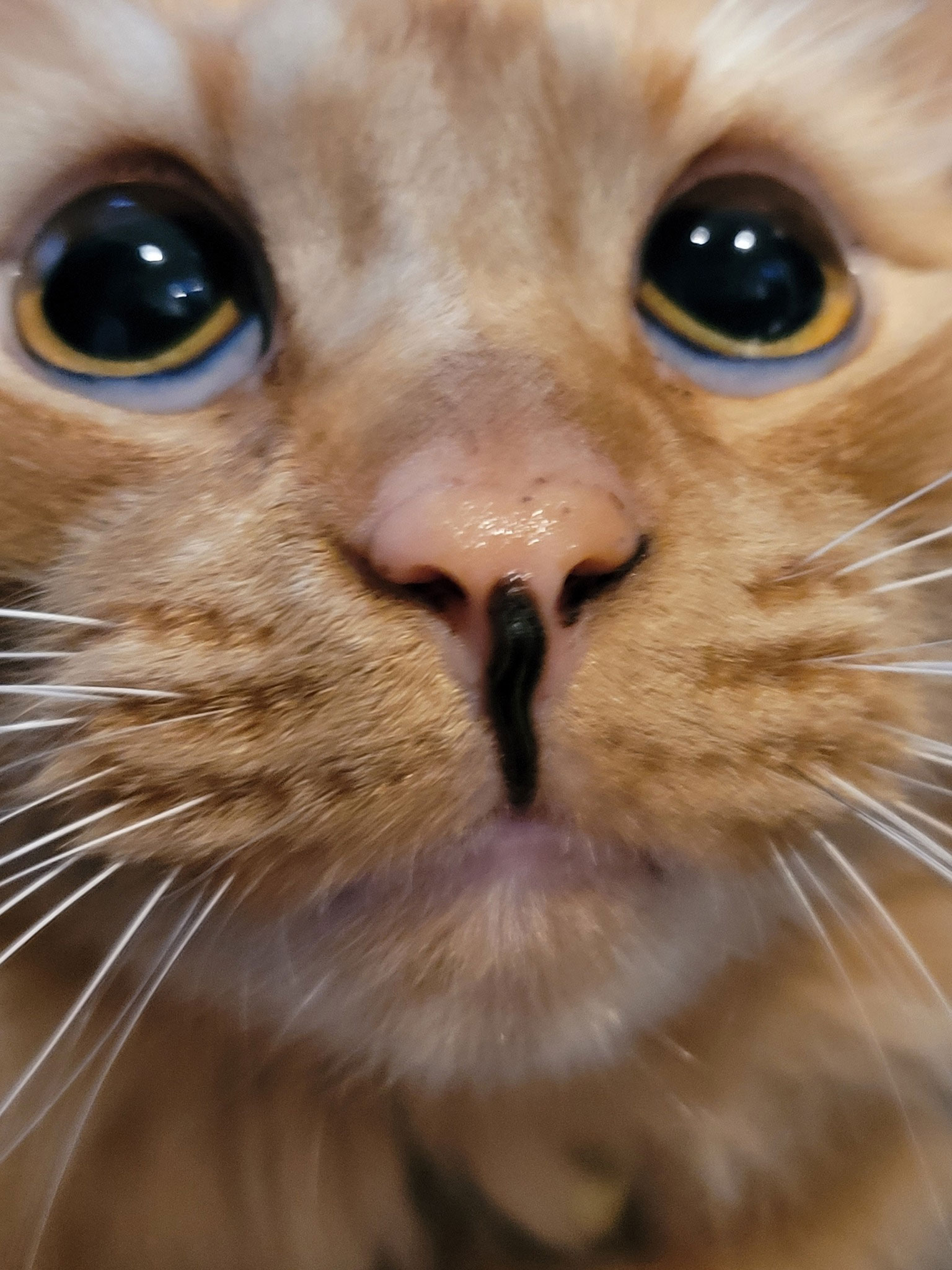
But it was during the downpours in February that a leech provided one moment she would never forget.
She found her pet cat Bluey with a leech curled through its nose and down to its mouth.
A quick dab of salt and the leech dropped off, Ms Gale said.
"We literally have a container of salt in our living room ready, we've had so many leeches lately. The cat was fine."
READ MORE: Baffling 'lawn prawns' show up in Sydney pool
No-one, it seems, is safe from the parasitic worms – even residents in high-rise apartments.
Another Lane Cove resident, Jit Gill, was stunned to see a leech climbing up the outside of his window – on the 20th floor.
"You know there is a major problem with all this rain in Sydney when the leeches are running for higher ground," Mr Gill quipped in a post on Facebook.
READ MORE: A month's worth of rain in Sydney in just 24 hours
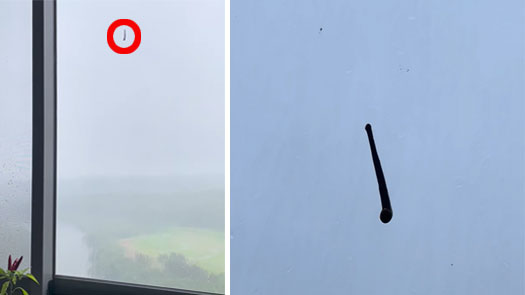
Professor Dieter Hochuli, from Sydney University's School of Life and Environmental Science, said leeches were "perfectly set up for climbing".
"They've got suckers each end and essentially what they do is they inch their way up in that very simple inchworm kind of movement.
"You would hope that you would be a bit isolated if you're up on the 20th storey, but no."
'They're having a great time'
This year's deluge of rain had been the leeches' gain, Prof Hochuli said.
"They talk about it being good weather for ducks but it's been brilliant weather for leeches, snails and slugs," he said.
"They're having a great time and thriving in the current climate.
"Leeches are a type of modified worm so one of their biggest dangers is drying out.
"This high humidity and rainfall has been great for them."
READ MORE: Wet weather increases snake, spider sightings, experts warn
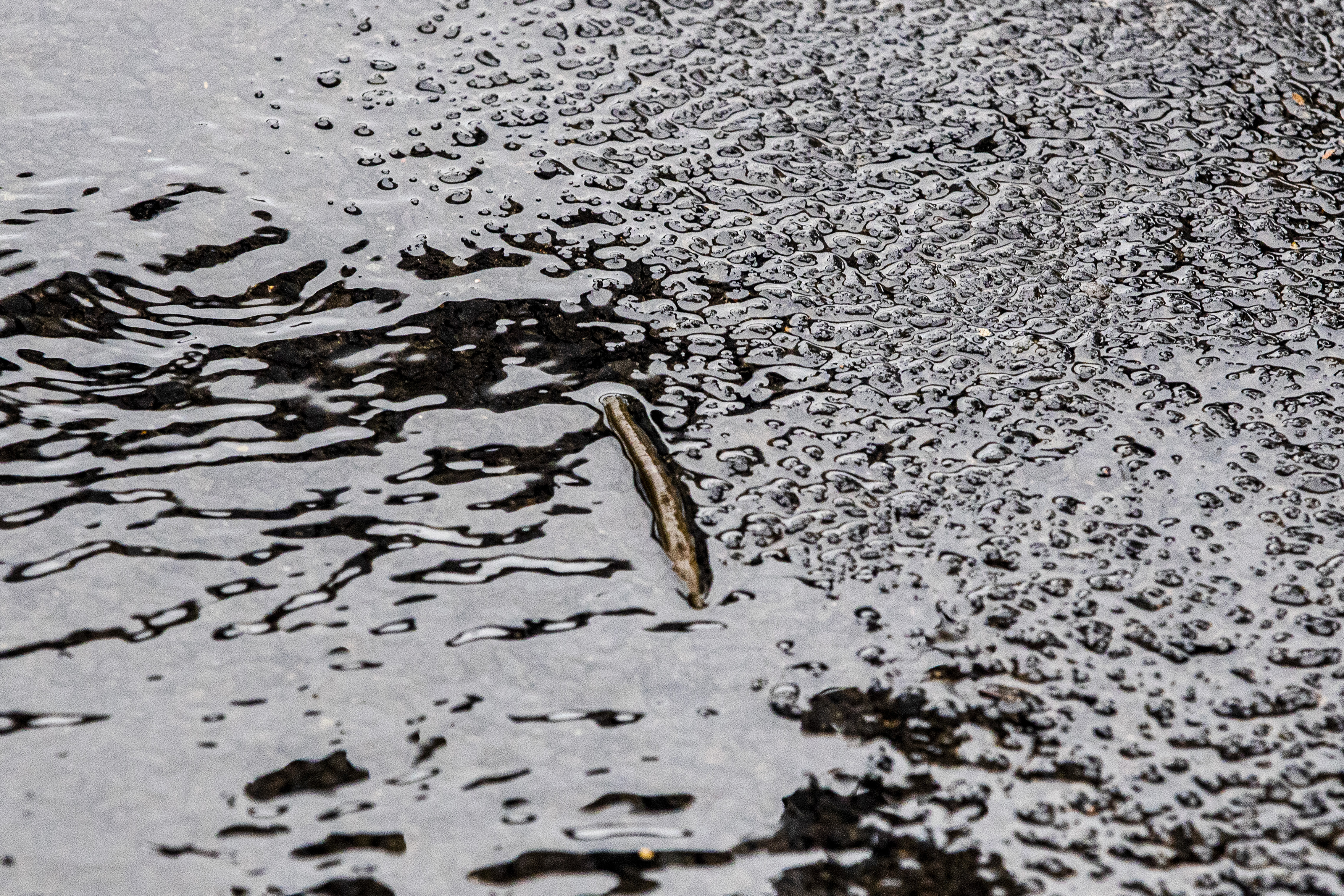
Leeches were opportunistic creatures, and could often be seen hanging around waiting for an animal or human just to pass by and provide them with the opportunity to latch on, Prof Hochuli said.
Once they have latched on, leeches release an anticoagulant to promote the flow of blood.
They also produce a naturally-occurring anaesthetic, which explains why many people don't immediately notice if a leech is sucking on their blood, Prof Hochuli said.
"It is just a very clever way of ensuring that you don't notice it until it's had a decent feed," he said.
There was some evidence to suggest leeches were able to track potential victims by sensing heat and carbon dioxide, he added.
"They have this capacity to hone in on body heat and carbon dioxide, it seems," Prof Hochuli said.
"So you'll be sitting on the couch and you'll see the leech actually inching its way towards you."
EXPLAINED: When is it going to stop raining?
Can leeches harm you?
While getting a leech bite is not pleasant, all the evidence suggests the parasites are generally harmless to humans, Prof Hochuli said.
"There's been some work looking inside them and trying to work out if they're carrying pathogens, but they're not like mosquitoes or ticks where the bites are really tightly linked to health issues.
"The most common issue you might see from a leech bite is if it gets infected, then it can become a nasty kind of sore."
How do you remove a leech?
While some people prefer to use salt or vinegar to make a leech break contact with skin, Prof Hochuli said leeches could in most cases be simply flicked off without harm.
"If you've got decent fingernails you can just flick them off," he said.
"Even a credit card can work. If you sort of slide it just slightly underneath and then basically just you can just flick them away quite easily."
Contact reporter Emily McPherson at em********@******om.au
NT man Paddy Moriarty 'likely died in context of neighbour feud'
The Northern Territory coroner has referred the suspected death of Patrick Moriarty to the Director of Public Prosecutions, saying "he likely died in the context of the ongoing feud with his nearest neighbours".
It took coroner Greg Cavanagh just a couple of hours to hand down his findings in a case that has intrigued Australia.
Mr Moriarty, known as "Paddy", was a larrikin from the tiny outback town of Larrimah, 400 kilometres south of Darwin.
READ MORE: PM confronted, mocked in harrowing visit to Newcastle pub
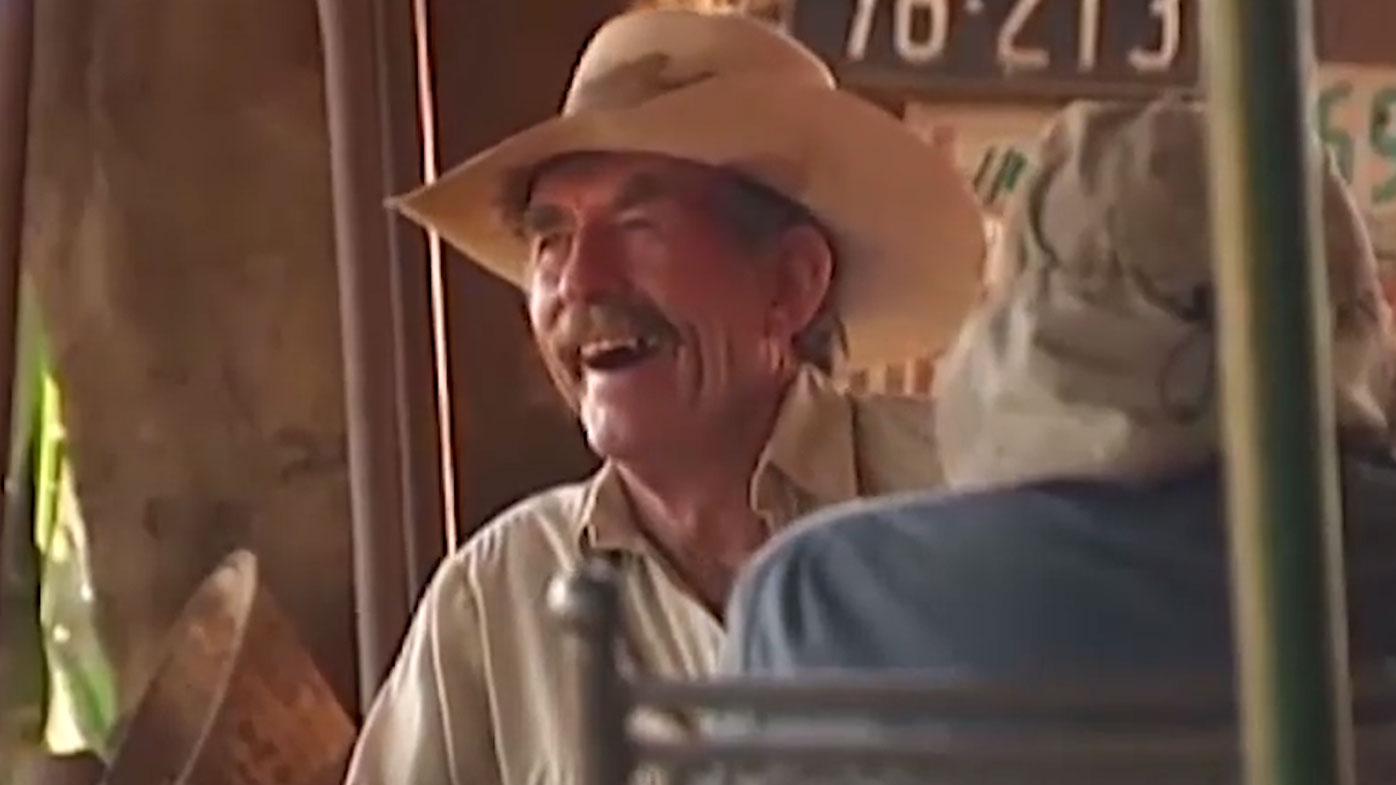
The 70-year-old and his dog Kellie were last seen leaving the Pink Panther pub on December 16, 2017.
The town is small, with a population of about a dozen, but two locals who caught the eye of investigators were his neighbour Fran Hodgetts and her gardener Owen Laurie.
Ms Hodgetts and Mr Moriarty had a long-running dispute.
He told visitors to the town her pies were so bad his dog wouldn't eat them.
She told police he had poisoned her plants.
READ MORE: Biden targets Putin's daughters in 'war crimes' sanctions
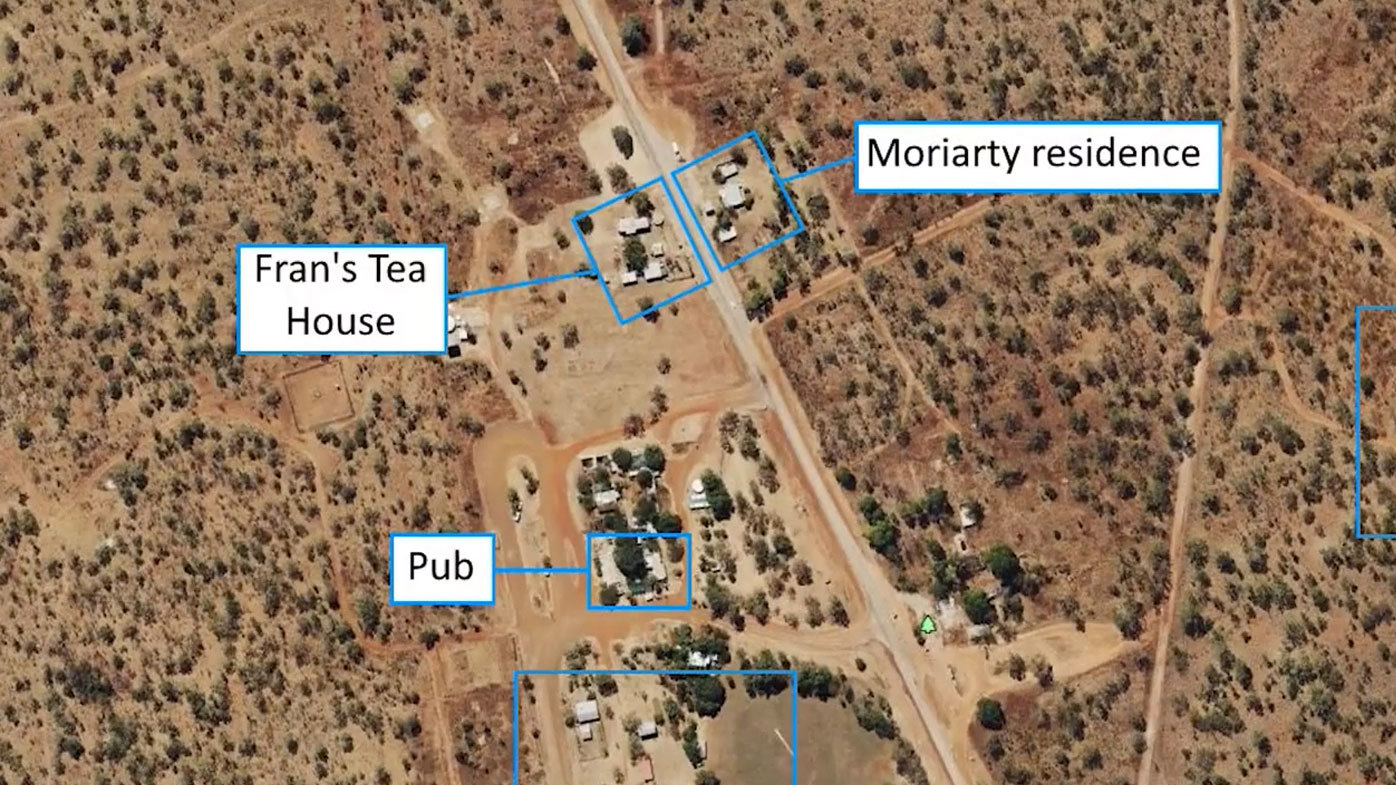
Both Ms Hodgetts and Mr Laurie have denied any involvement in Mr Moriarty's disappearance.
In a sensational development yesterday, the inquest was played secret police recordings taken inside Mr Laurie's house.
"I killerated old Paddy … f—— killerated him," it is alleged Mr Laurie can be heard saying.
"I struck him on the f—— head and killerated him.
"Smacked him on the f—— nostrils with a claw hammer."
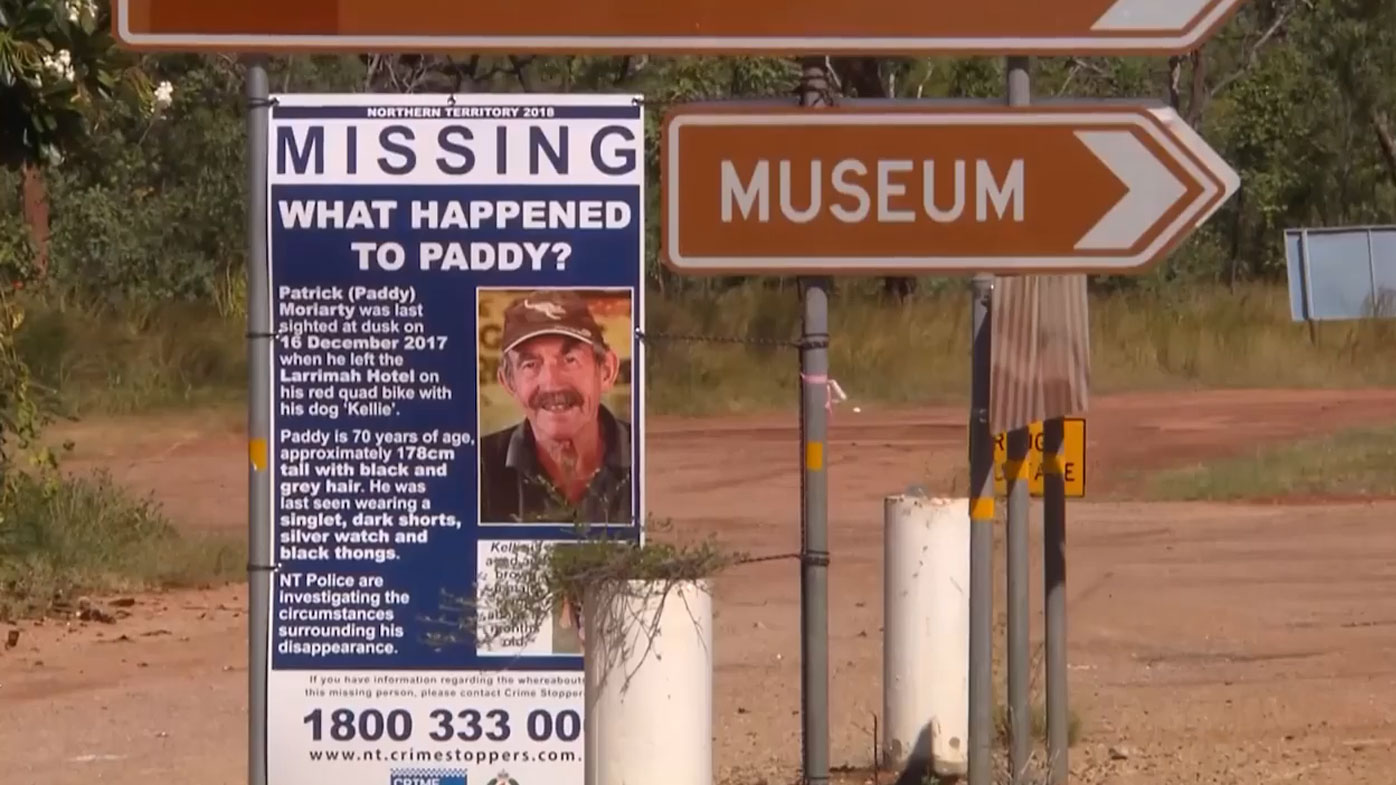
After the inquest findings were handed down, Northern Territory Police said it will keep the case into Mr Moriarty's disappearance open.
"This is a once-in-a-generation case. Paddy and his dog Kellie literally disappeared," a statement said.
Satellite pollution is threatening to alter our view of the night sky
The night sky has been a source of information and wonder since the dawn of humankind – and it looks almost the same now as it did then.
But the night sky as we know it is on the precipice of changing dramatically due to the proliferation of satellites just a few hundred miles above Earth.
"For the first time in human history, we're not going to have access to the night sky in the way that we've seen it," Samantha Lawler, an assistant professor of astronomy at the University of Regina in Canada, said.
READ MORE: What the world's tallest mountain looks like from space
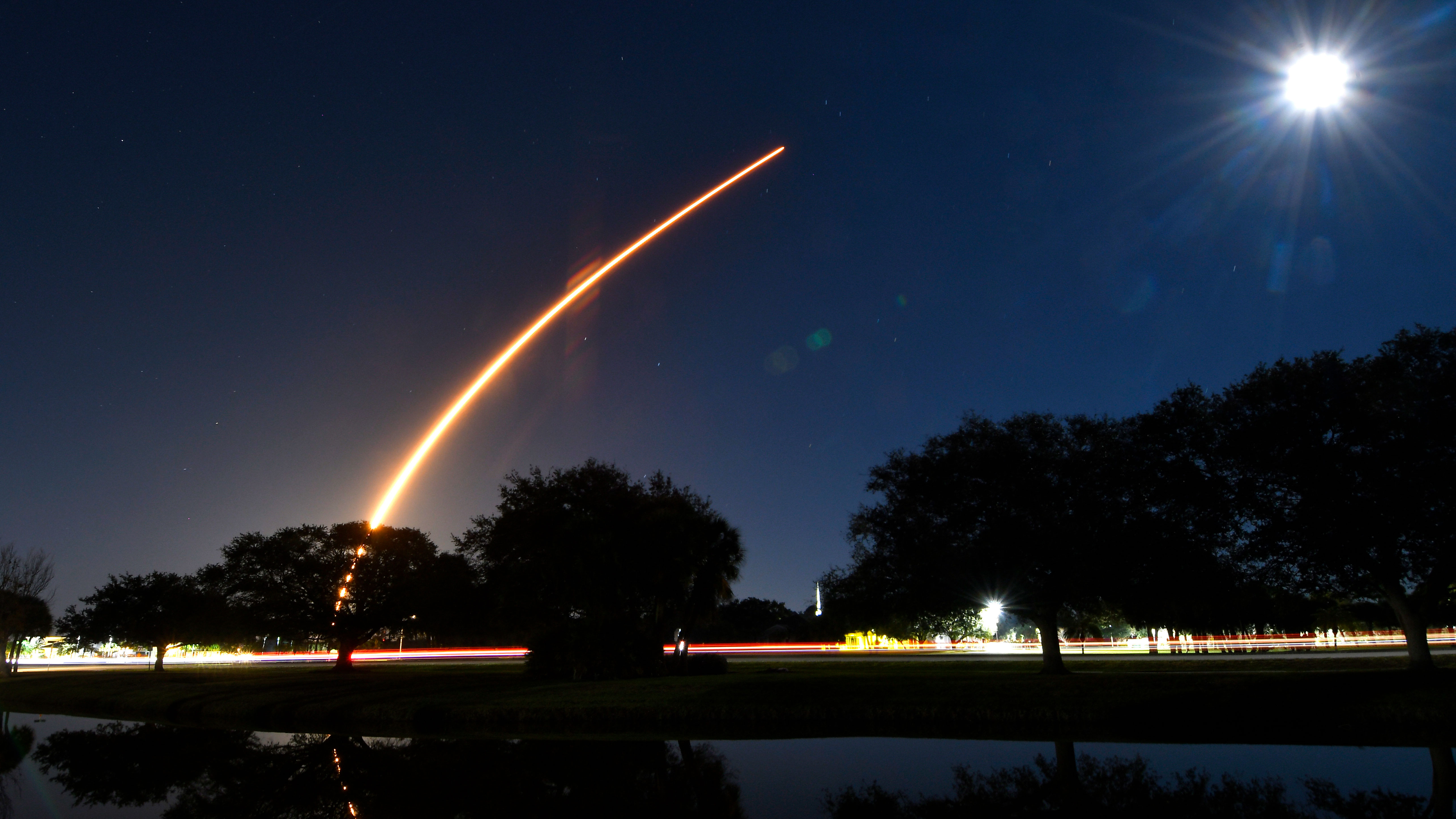
Professor Lawler has been watching from her farm in Saskatchewan, Canada, as the number of active satellites has multiplied from about a thousand in 2017 to more than 5000 today.
When CNN visited on a clear evening in March, it only took a few minutes of looking up with the naked eye to see the first of many satellites streaking across the sky.
"This is a lot worse than I expected," Professor Lawler told CNN.
"It's changing fast."
And it's about to get much worse.
Professor Lawler and two other Canadian astronomers published a paper in December in The Astronomical Journal which predicted that, in less than a decade, 1 out of every 15 points of light in the night sky will actually be a moving satellite.
"Think about that," Professor Lawler said.
"There's only about 4000 stars that you can see with your naked eye and if 200 of those are moving, that is very different than the sky that we're used to now."
The satellites are even more disruptive when viewed through a telescope, and they're already contaminating images of the cosmos captured by observatories all over the world.
Unless something changes dramatically in terms of international regulation of satellite numbers, reflectivity and broadcasting, experts like Professor Lawler believe that impact on astronomical research will intensify.
"It's kind of like we're going through this transition (similar to) when the first cars were on the roads. A Model T would drive up the road and you'd run out to go look at it," Professor Lawler said.
"But now you live next to a giant freeway, full of cars.
"So that's kind of the transition that we're going through with satellites in the night sky right now."

Mega-constellations' silver lining
It's the dawn of mega-constellations, tens of thousands of small satellites only about 483 kilometres above Earth, launched by private companies to provide global high-speed internet access.
Elon Musk's SpaceX is responsible for roughly a third of all active satellites in orbit, more than any other company or country, including the US government.
SpaceX has already launched more than 2000 satellites with plans to launch at least 42,000 more for its mega-constellation called Starlink.
Other distant competitors include Amazon's Project Kuiper and London-based satellite company OneWeb.
While thousands of small Starlink satellites are problematic for astronomers, they're also providing much-needed internet access to people in rural or war-torn parts of the world.
Oleg Kutkov is a Ukrainian engineer and amateur astronomer who bought a Starlink terminal on Ebay in December to take apart for fun, never thinking he'd actually be able to use it in his apartment in Kiev.
But when Russia invaded in February, Mr Musk activated Starlink service over Ukraine, and Mr Kutkov has been using it as his backup internet service ever since.
"We are getting all the information from the internet about airstrikes, about enemy force movements. Should we hide, should we not hide? Can we go outside or not?" Mr Kutkov said.
Mr Kutkov said he used to side with astronomers like Lawler in thinking that the concerns about Starlink impeding observations of the cosmos outweighed its benefits, but Russia's invasion is changing his mind.
"I was 100% with astronomers," Mr Kutkov said.
"But in the current situation, when we really need internet connectivity, that's starting to be more important."
A wrench in asteroid detection
For Mr Kutkov and other Ukrainians, Starlink is a lifesaver.
But NASA is worried that second-generation Starlink, which could begin launching as soon as this month, could someday contribute to ending life on Earth as we know it.
NASA uses ground-based telescopes to hunt for potentially killer asteroids. In a letter to the FCC in February, NASA stated it "estimates that there would be a Starlink in every single asteroid survey image," which could have "a detrimental effect on our planet's ability to detect and possibly redirect a potentially catastrophic impact."
"Finding these asteroids well in advance of when they could hit the Earth is vitally important to our species' survival," Professor Lawler said.
SpaceX did not respond to requests for a comment for this story, but the company addressed astronomers' concerns about satellites impacting observations in a statement in April 2020.
"We firmly believe in the importance of a natural night sky for all of us to enjoy, which is why we have been working with leading astronomers around the world," the statement reads, and SpaceX has made changes by "adding a deployable visor to the satellite to block sunlight from hitting the brightest parts of the spacecraft."
But astronomers such as Professor Lawler say those changes are not enough.
As of now, there are no binding international rules monitoring mega-constellations, and SpaceX isn't waiting for regulators to catch up.
It's launching, on average, about 50 new Starlink satellites every week.
"We're already seeing so many satellites now," Professor Lawler said.
"And there's about to be 10 times as many."
Serious health concerns revealed in wide-ranging study on vaping
An alarming and wide-ranging report has revealed serious health concerns associated with the use of e-cigarettes, or vapes.
The study conducted by researchers at Australian National University said there was conclusive evidence linking vaping to respiratory disease and seizures.
The study found there was "no available evidence" linking vaping to invasive cancers.
LIVE UPDATES: Residents in parts of Sydney told to evacuate
But problematically, vaping is so new that it is impossible to tell the long-term harm.
"The evidence is there for some of the risks but for most major health outcomes, like cancer, cardiovascular disease and mental illness, we don't know what the impacts of e-cigarettes are," lead author Emily Banks said.
"Their safety for these outcomes hasn't been established."
Professor Banks said the nicotine in vapes was causing addiction in a new generation.
READ MORE: Pubgoer who abused PM 'very upset about a complicated case'
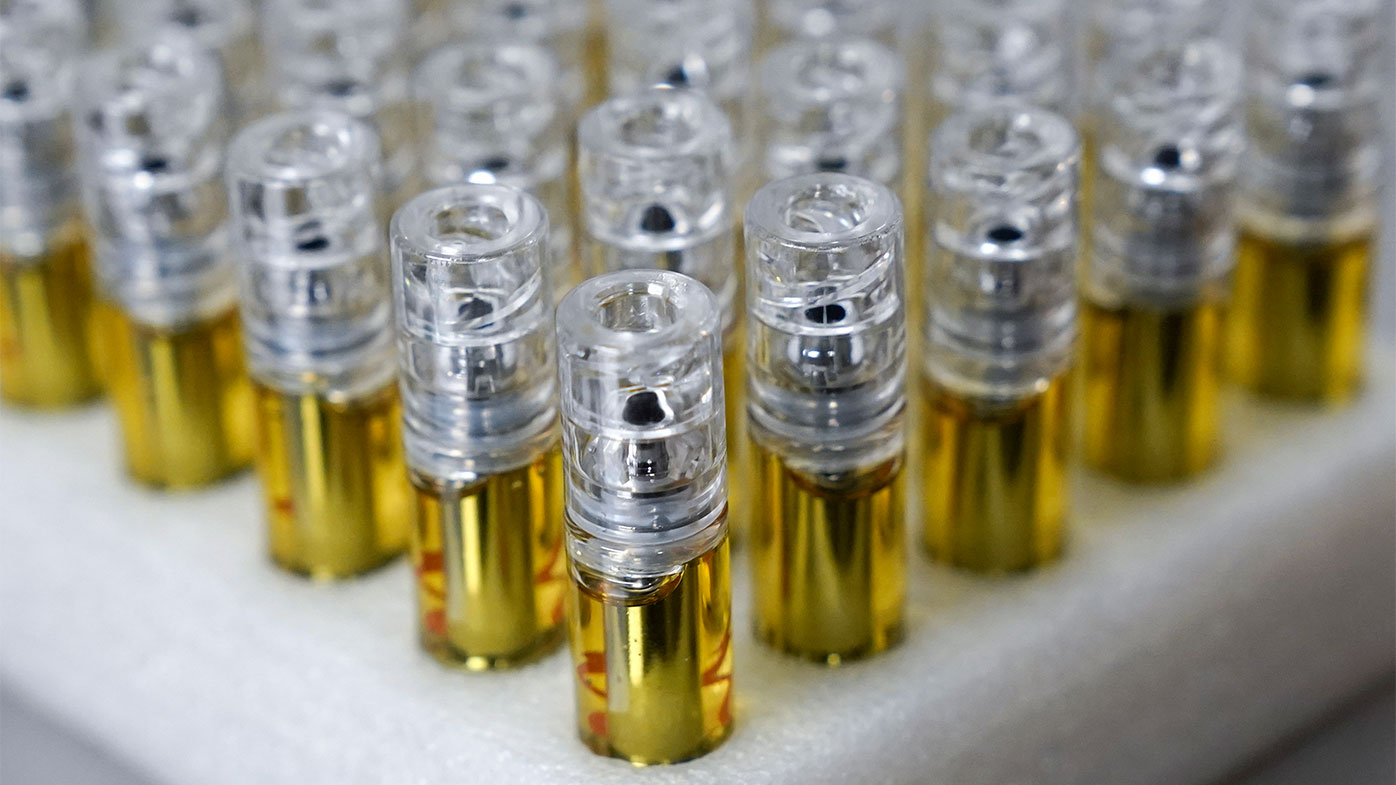
"Young non-smokers who vape are around three times as likely to take up smoking than non-vapers," Professor Banks said.
"Nicotine use in children and adolescents can lead to lifelong addiction issues as well as difficulties in concentration and learning."
The study also found there was some evidence that ex-smokers who had taken up vaping were twice as likely to start smoking again than those who did not vape.
Over two million Australians have used e-cigarettes, mostly young men.
READ MORE: Moment Perth woman ploughs through fence of home into pool
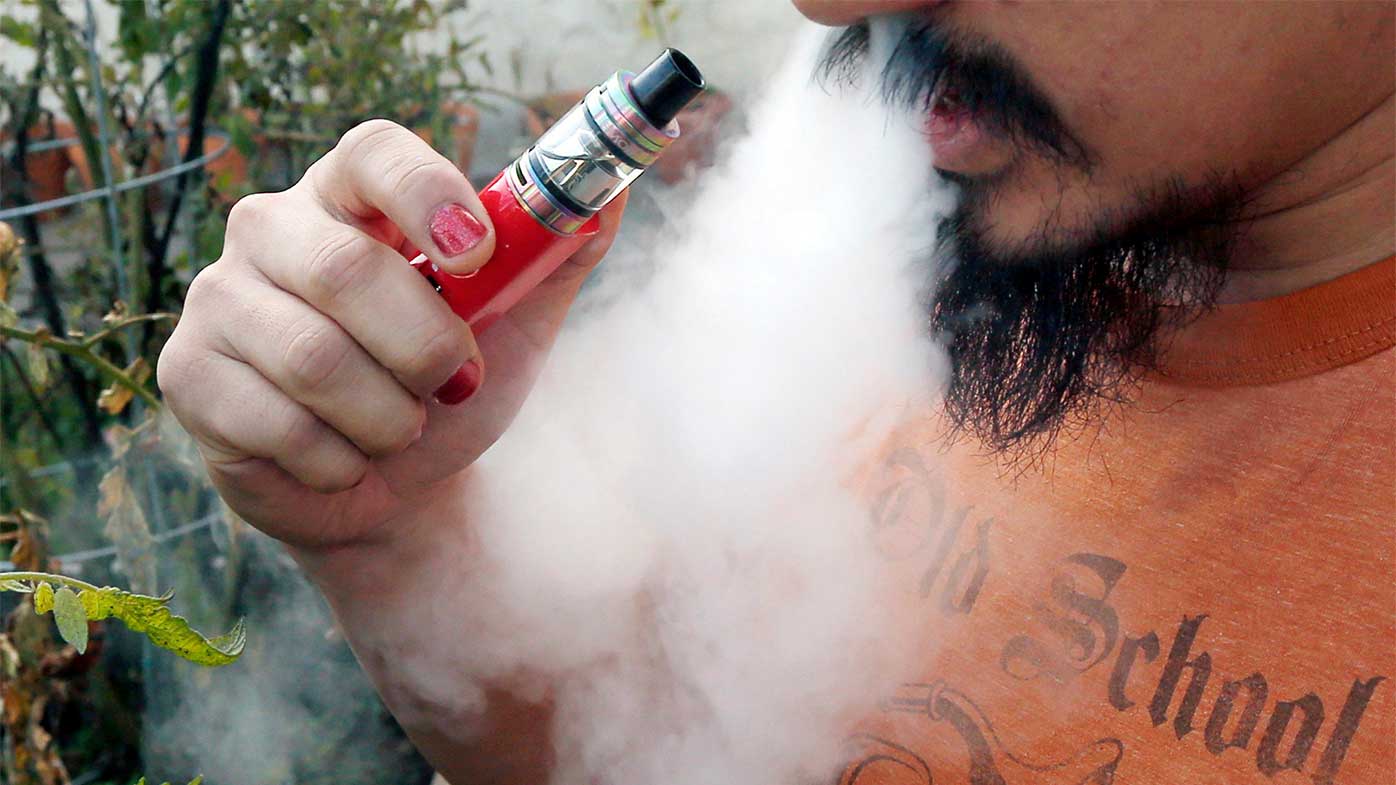
"There are myths targeting young people; the false ideas that vapes wouldn't be widely available if they were dangerous and 'it's just water vapour'," Professor Brooks said.
"Vapes deliver hundreds of chemicals – some of them known to be toxic and many others with unknown effects."
The report noted vapers are breathing in nicotine, solvent carriers, volatile organic compounds, phenolic compounds and many other chemicals.
READ MORE: Call for ban on flavoured vapes popular with young Australians
Who are the daughters of Vladimir Putin sanctioned by US
US President Joe Biden has made his administration's latest sanctions against Russia a personal matter by targeting the daughters of his counterpart Vladimir Putin.
By imposing sanctions against Mr Putin's two adult daughters over the Ukraine invasion, the US hopes to freeze any assets the Russian President may be hiding with them, a senior Biden administration official said.
Without detailing which of Mr Putin's assets could be hiding with Mariya Vorontsova, 36, and Katerina Tikhonova, 35, the official said the practice was common among the Russian elite.
LIVE UPDATES: More heavy rain, flooding for Sydney
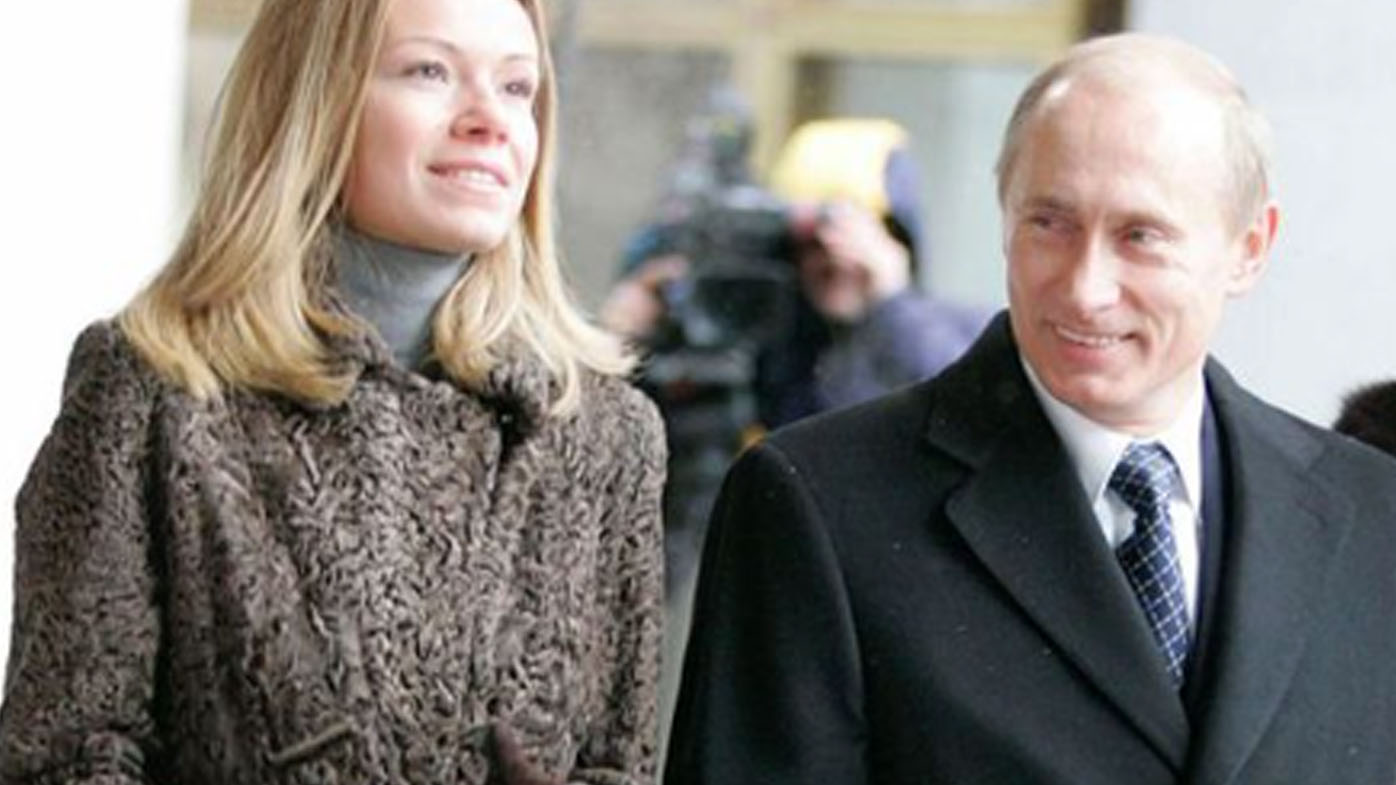
Since his first term as Russian President in 2000, Mr Putin has given few details about his daughters.
READ MORE: Activists claim 'Butcher of Bucha' behind civilian executions
Mariya Vorontsova,and Katerina Tikhonova are the daughters of Mr Putin and his former-wife Lyudmila. The pair married in 1983 when hew was a KGB officer and she worked as a flight attendant. Their marriage lasted 30 years, during which Mr Putin rose to the top of the Russian political elite.
During a 2015 media conference, he gave only a few hints about his daughters' identities.
"My daughters live in Russia and studied only in Russia, I am proud of them," he said. "They speak three foreign languages fluently. I never discuss my family with anyone."
So who are the daughters of Vladimir Putin.
Mariya Vorontsova
Mr Putin's elder daughter studied biology at St. Petersburg University and medicine at Moscow State University, Reuters reported.
She is involved in genetic research, which Mr Putin has in the past described as a field that will "determine the future of the whole world."
Mrs Vorontsova is also a businesswoman. The BBC identified her as co-owner of a company planning to build a medical centre.
READ MORE: Biden targets Putin's daughters in 'war crimes' sanctions
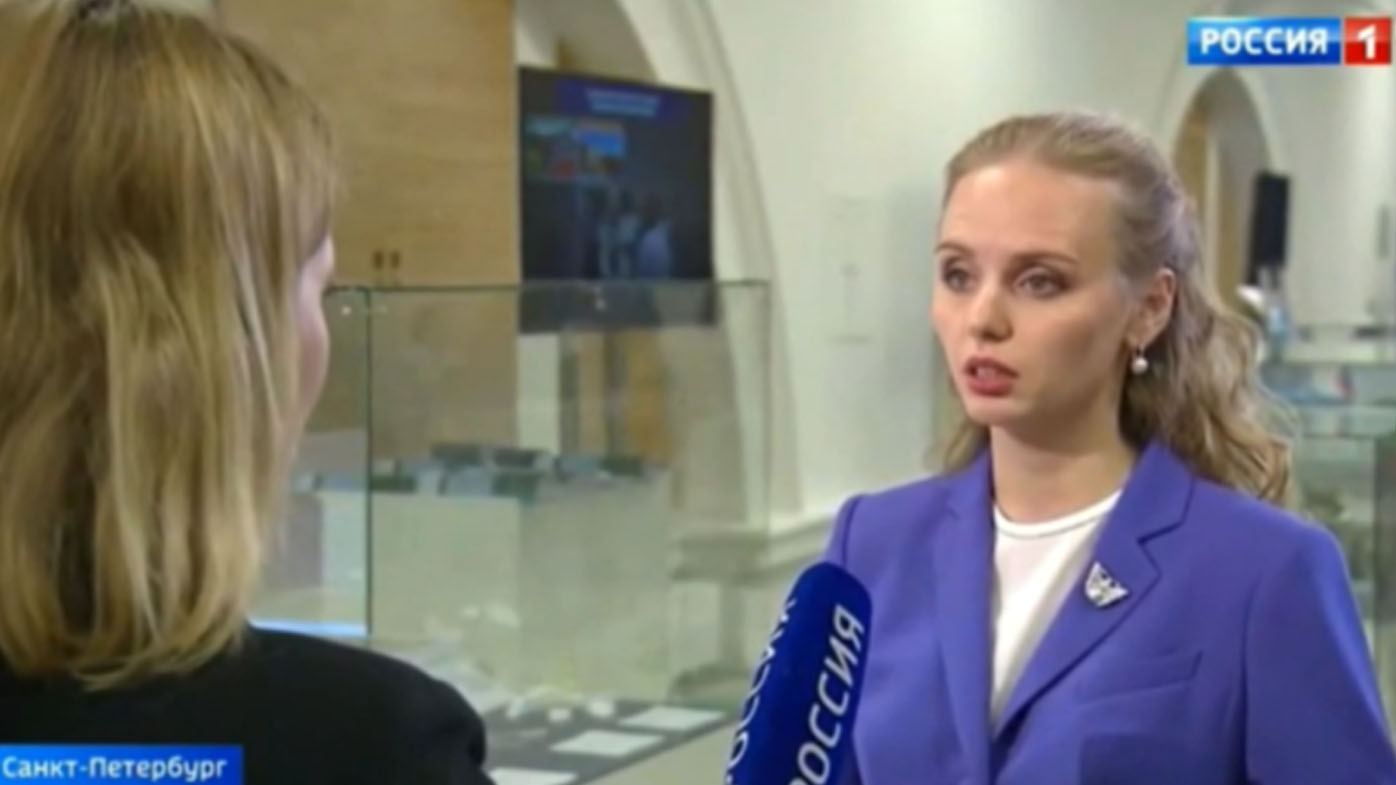
She is married to Dutch businessman Jorrit Joost Faassen, a former executive at Russian state energy giant Gazprom, although they have reportedly separated.
People who have spoken with her since the Ukraine invasion said she supports her father, and has been critical of world media reporting of the war.
Katerina Tikhonova
Ms Tikhonova has enjoyed a higher profile than her older sister, largely due to being a talented rock n' roll dancer. She and her partner came fifth at an world event in 2013.
That year she married Russia's youngest billionaire, Kirill Shamalov, who was once an adviser to the Russian government in the area of economics. But five years later, in 2018, they decided to divorce.
The pair have since split.
READ MORE: PM confronted, mocked in harrowing visit to Newcastle pub
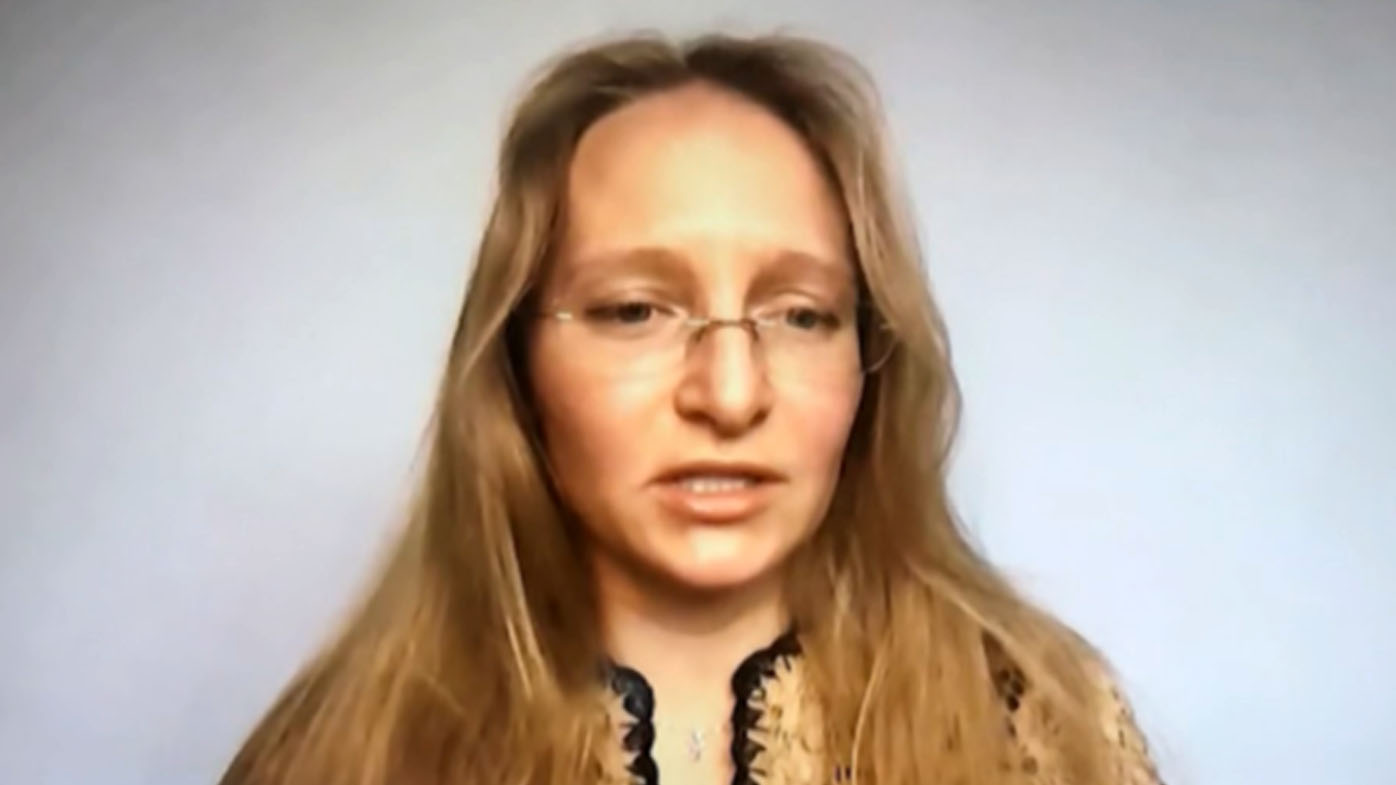
Today she is deputy director of the Institute for Mathematical Research of Complex Systems at Moscow State University, which is under the tutelage of the Russian Ministry of Science. And she accumulates another position at the University of Moscow.
The last time he appeared in public, via videoconference, was last year, in June, at the International Economic Forum in St. Petersburg.
READ MORE: The fight for Sloviansk may be 'the next pivotal battle' of Russia's war in Ukraine
– Reported with CNN
Obscure iPhone function saves life of snowboarder trapped in crevice
A New Zealand snowboarder has described his incredible rescue after falling through a five-metre crevasse, using a little-known iPhone technique to signal for help.
Tim Blakey was snowboarding in Switzerland by himself when he fell down a hole in the ice, with nobody witnessing his disappearance.
He wrote on Instagram he would never snowboard solo again.
LIVE UPDATES: Stay-at-home warning for some NSW areas
"No matter how experienced you think you are, it is no joke," he wrote.
"I was lured into a false sense of security which also led me to be very blasé about researching the areas I snowboard."
Mr Blakey had three percent battery on his iPhone and very little reception.
But he was able to signal for help using the side button five-click method.
On recent iPhones, an emergency SOS can be sent when a user clicks the side-button five times.
READ MORE: PM confronted, mocked in harrowing visit to Newcastle pub
When activated, the iPhone makes an emergency call, then alerts your emergency contacts and sends the user's location.
"It very likely saved my life," Mr Blakey said.
"Eight out of ten people I tell this story to aren't aware it exists."
The emergency alert led to Swiss Rescue tracking him down and bringing him to safety.
"The alternative to this has been keeping me up at night to say the least." Mr Blakey said.
"To walk /hobble away from this relatively unharmed & make my flight back to London that evening is quite the headf—."
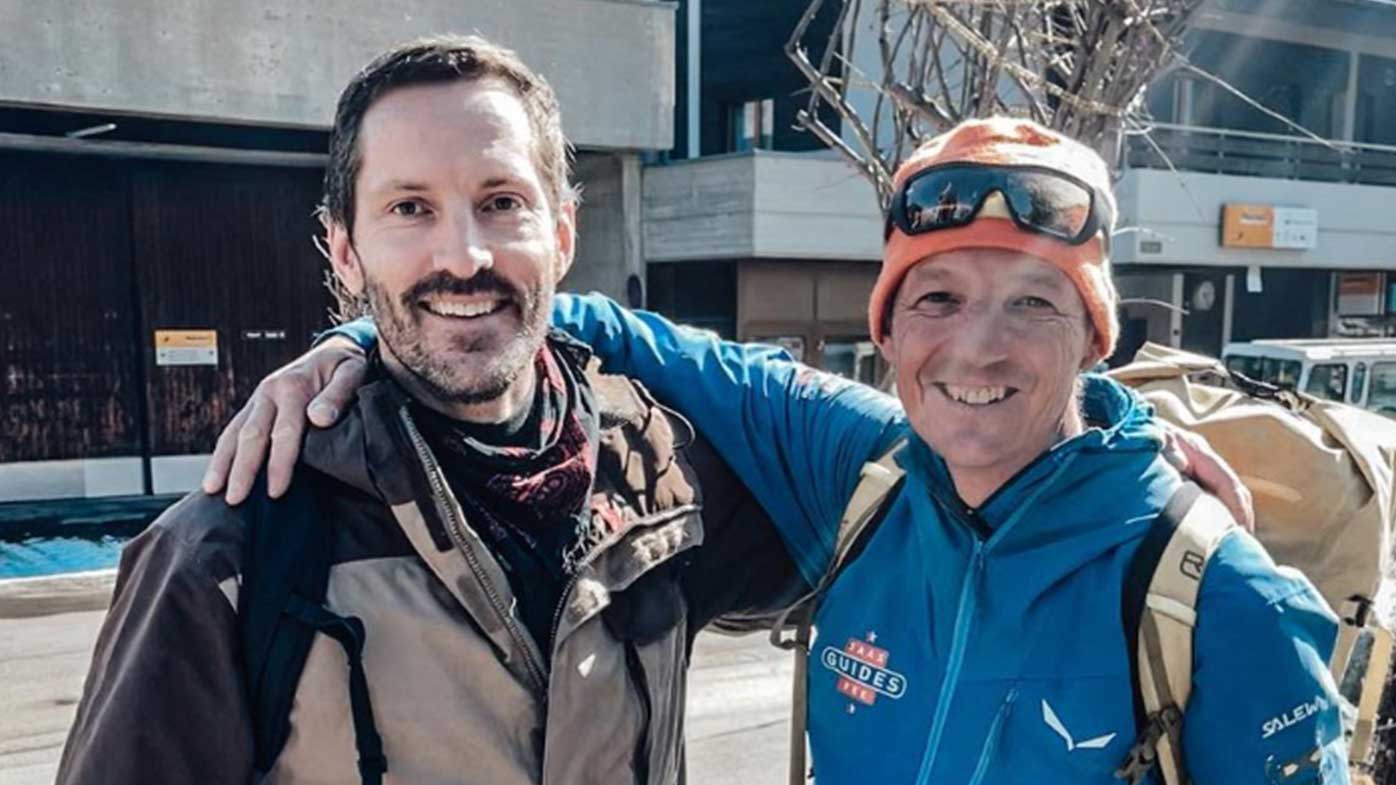
Mr Blakey posted a picture of himself with one of the men who saved his life.
"Michael, and his team quite literally saved my life. I am still clueless as to how I will ever repay him and Swiss Rescue services," he said.
"But I assure you I am working on it. Perhaps the first step is bringing awareness to the amazing job these guys do on the mountain and awareness to others to not be as careless as I was."
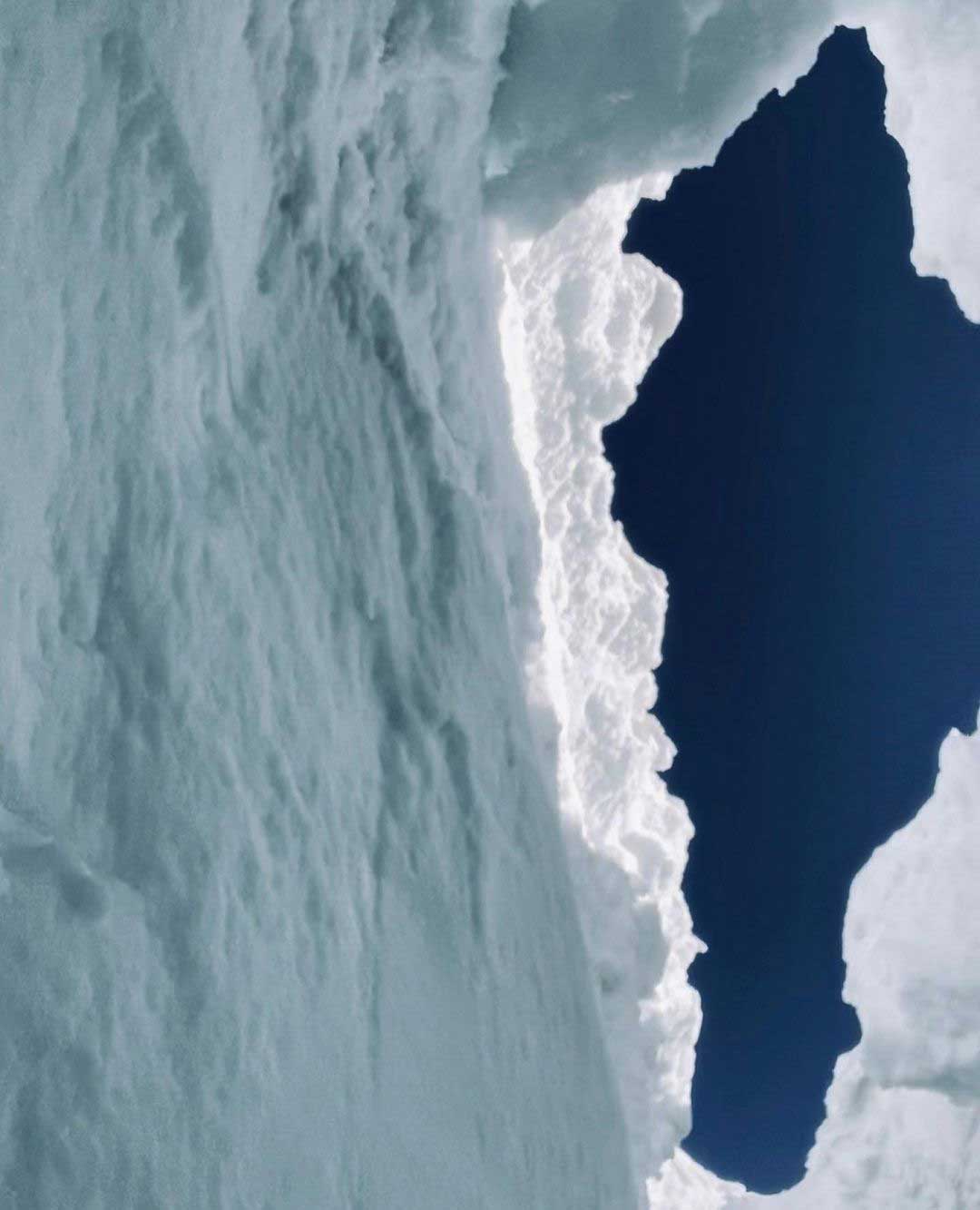
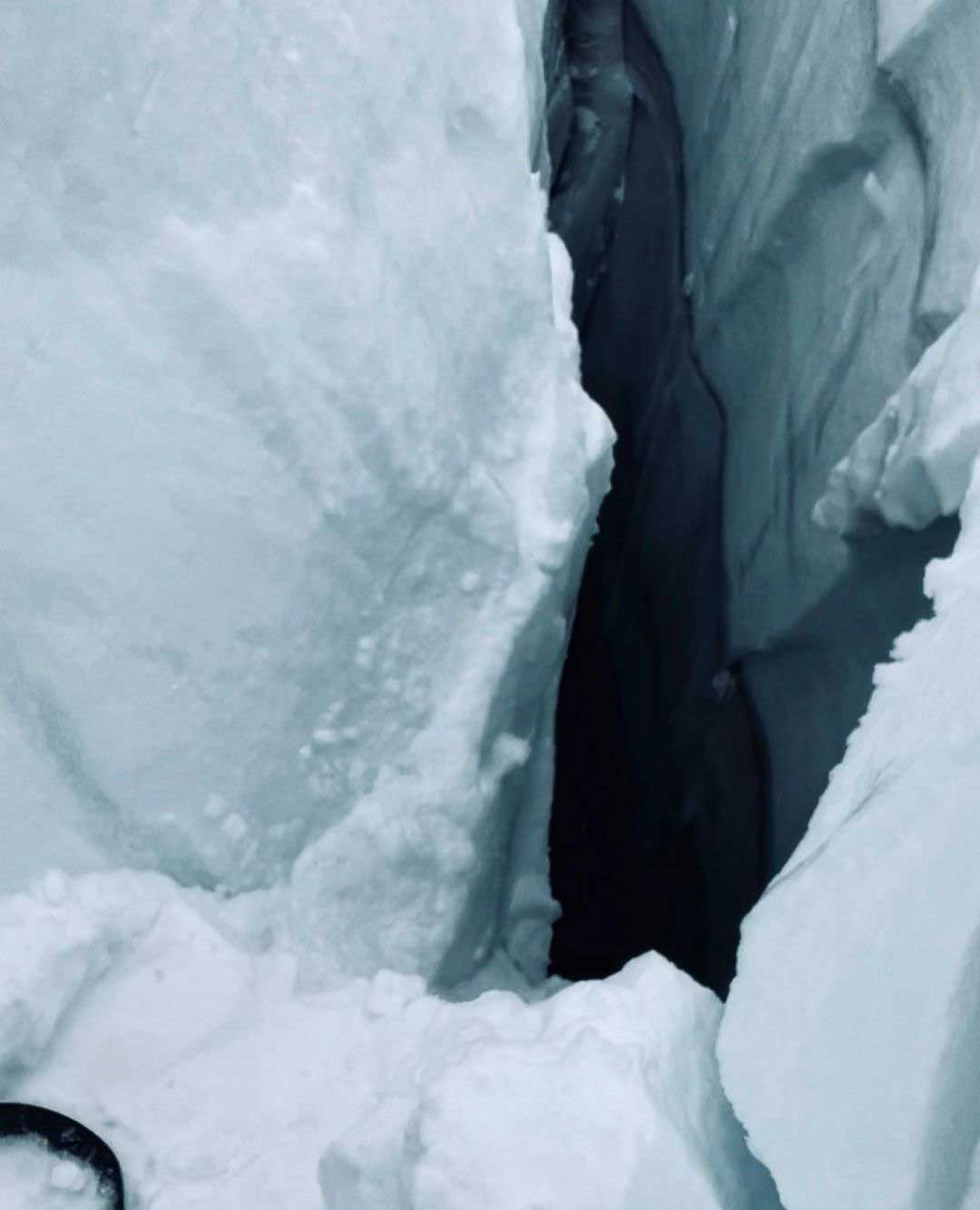
He also posted photos taken of the crevice he was trapped in.
READ MORE: Thousands facing evacuation as major rain event sweeps NSW
Pubgoer who abused PM 'very upset about a complicated case'
Scott Morrison has said a man who abused him at a pub in Newcastle last night was "very upset about a complicated case".
Mr Morrison was given a roasting from the disability pensioner at the Edgeworth Tavern in Newcastle last night in front of a large media contingent.
The man raised issues over immigration and his pension, as well as the need for a federal integrity commission in the feisty exchange at the Lake Macquarie venue.
READ MORE: Moment Perth woman ploughs through fence of home into pool
https://twitter.com/9NewsAUS/status/1511687036658405380
He grew angry at some attempts by others to intervene, intent on getting things off his chest with Mr Morrison.
"You'd better f—ing do something," the punter was heard to say.
"I'm sick of your bulls—."
"This is what you said when you got elected last time: 'We're going help all those people that worked all their lives, paid their taxes and those that have a go, get a go'.
"Well I've had a go."
Mr Morrison appeared to remain calm throughout the run-in, before eventually directing the man to speak to one of his aides.
READ MORE: How to vote in this year's election
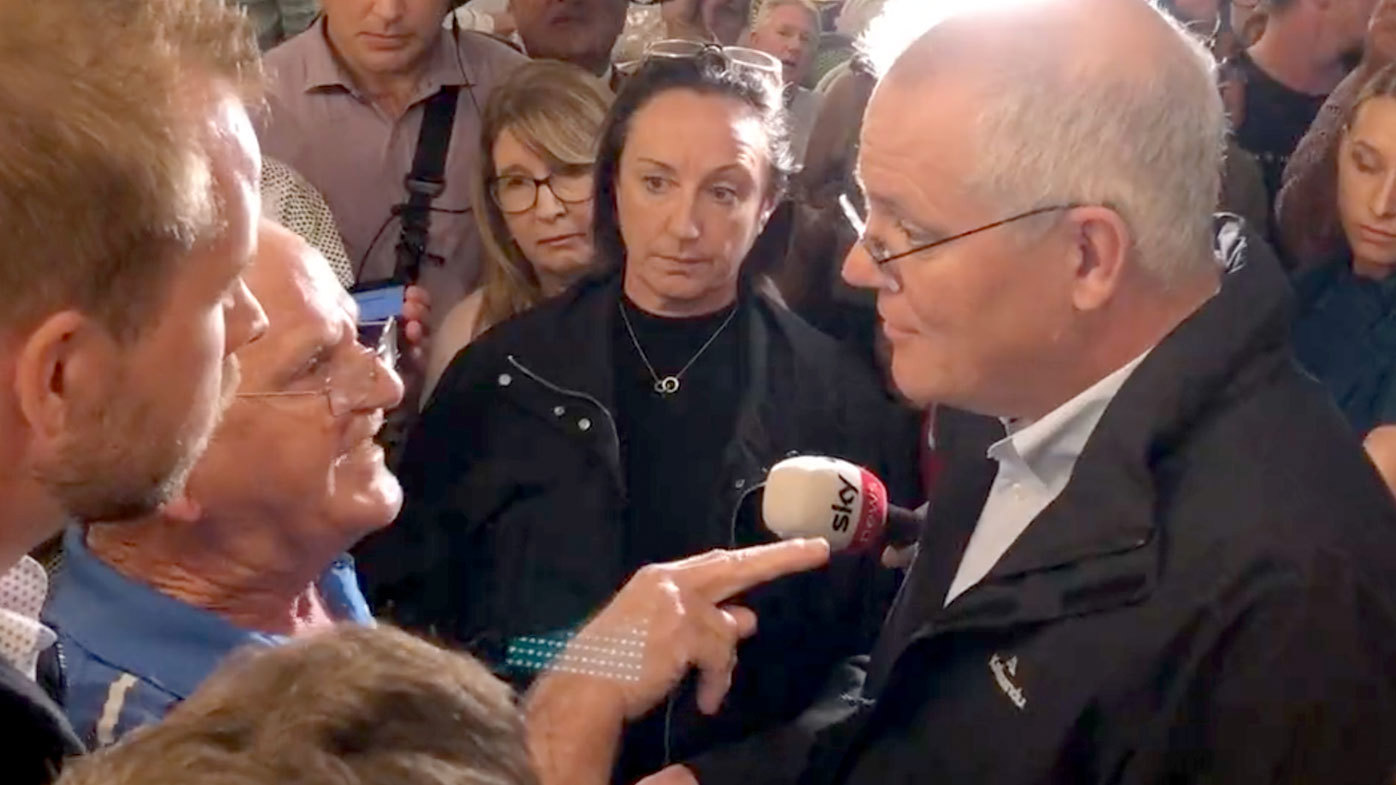
"I was keen to understand what he was saying to me and I believe we have," he said on Thursday.
"It is a complicated case but we will see how we might be able to assist and progress that."
He said he otherwise received a "very welcome reception" at the Edgeworth Tavern.
"As you move around, I like hearing from people," he said.
"I hear from people all the time."
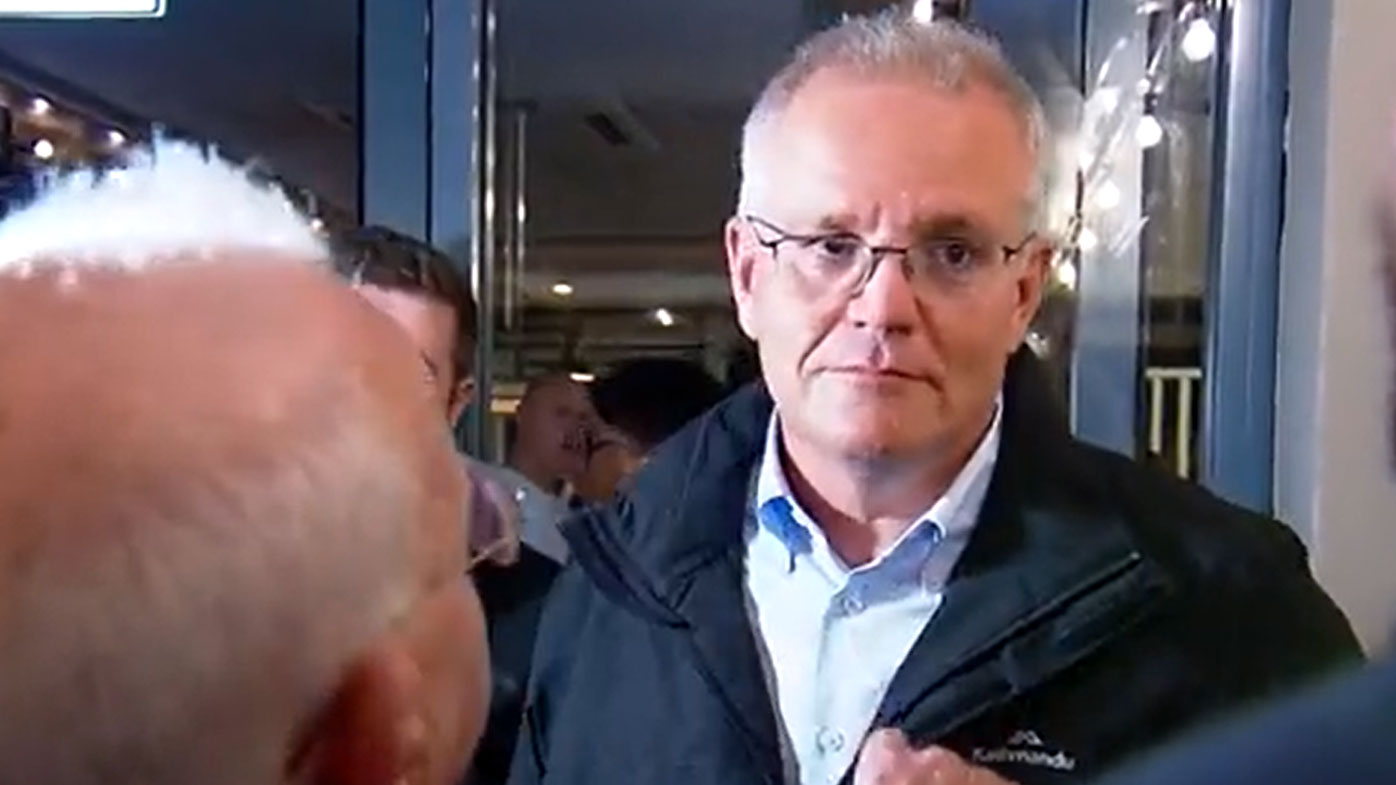
Speaking to Today this morning, independent senator Jacqui Lambie urged the Prime Minister to "get out of his office more" if he wanted to avoid voter backlash.
Senator Lambie said the rising cost of living was causing frustration among Australians and politicians are facing a backlash in the run-up to the May election.
"Maybe the PM should get out of his office more often and not just election time. That's what the rest of us have to do. Maybe he won't be heckled as much," she said.
"People are doing it really tough … So there is going to be a problem. So there is going to be abuse … going on through the election."
The man was not the only person in the pub ready to lambast the prime minister.
Mr Morrison agreed to pose for a selfie with a woman but instead she took a video of the pair, with a mocking insult.
READ MORE: When will the federal election take place this year?
https://twitter.com/hunting4wolves/status/1511644127985020929
"Congratulations on being the worst prime minister we've ever had," she said in the three second video.
The video ends before Mr Morrison's reaction could be seen.
It was an unhappy reception for Mr Morrison, who was hoping to pick up votes in Edgeworth for the marginal Labor seat of Hunter.
Hunter has been held by Labor since 1910, but the Liberals are hoping the retirement of Joel Fitzgibbon will give the party an opening.
The incident came in the lead-up to Mr Morrison's expected announcement of a federal election later this week.