Miami officials have imposed an emergency 8pm-6am curfew for Miami Beach, effective immediately, after hard-partying spring break crowds trashed restaurants, brawled in the streets and gathered in thousands without masks or social distancing, according to authorities.
At a news conference, officials blamed overwhelming and out-of-control spring break crowds for the curfew, which took effect on Saturday night in South Beach, one of the nation’s top party spots. Tourists and hotel guests were being told to stay indoors during curfew hours.
It was unclear how long the curfew would remain in effect, but interim city manager Raul Aguila told the Miami Herald he recommends keeping the rules in place through at least 12 April. A countywide midnight curfew was already in place due to the Covid-19 pandemic.
“These crowds are in the thousands,” Aguila said. “We’re at capacity.”
No pedestrians or vehicles will be allowed to enter the restricted area after 8pm and all businesses in the vicinity must close, Aguila said, reading from a statement released by the city.
The curfew came as a prominent bar, the Clevelander South Beach, announced it was temporarily suspending all food and beverage operations until at least 24 March after crowds crammed Ocean Drive, breaking out into street fights. At another restaurant next door, tables and chairs were smashed during a fight, news outlets reported.
MOSCOW (Reuters) – The Kremlin said that Moscow always hoped for the best but prepared for the worst when it was asked about the possibility of a new Cold War between the United States and Russia.
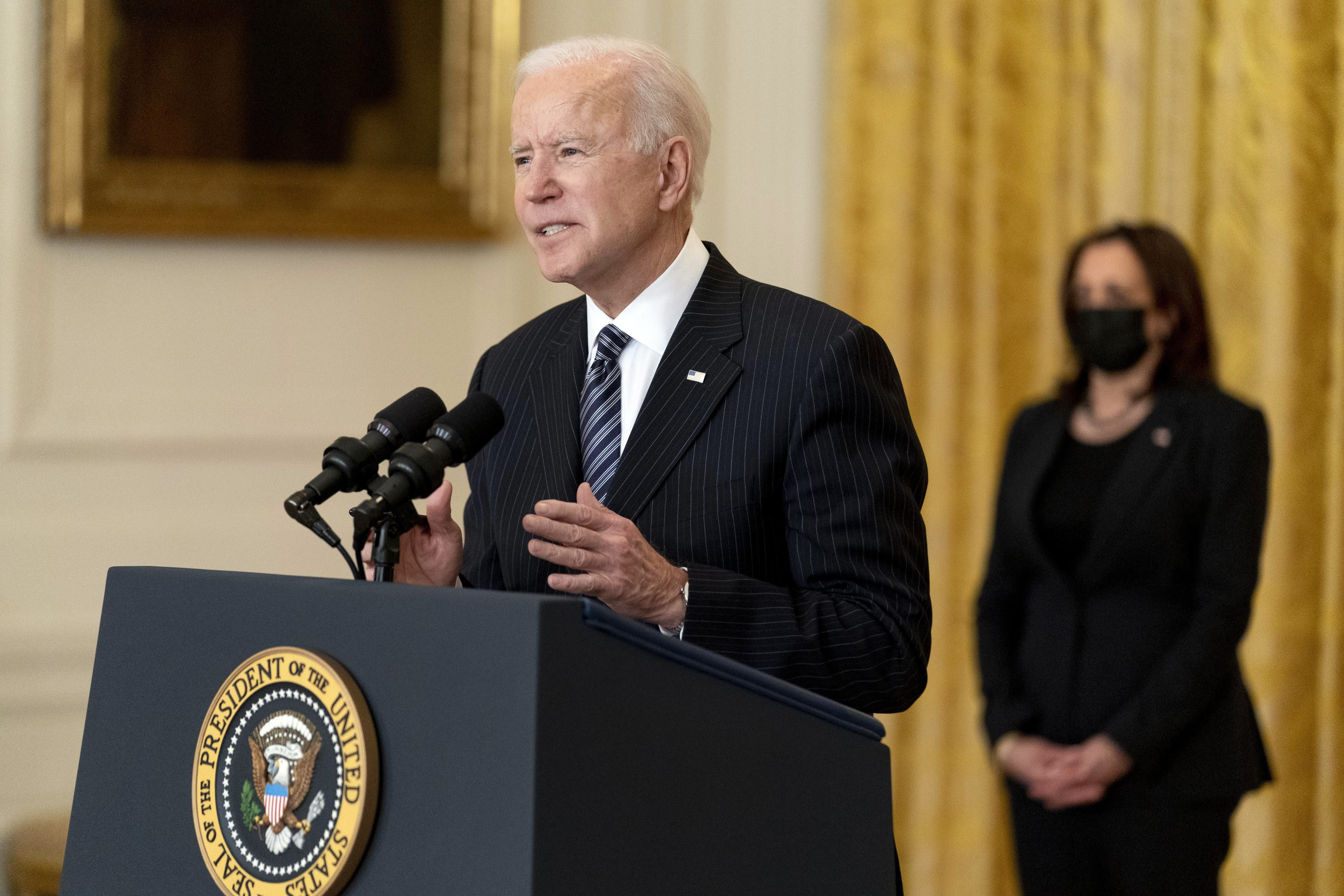
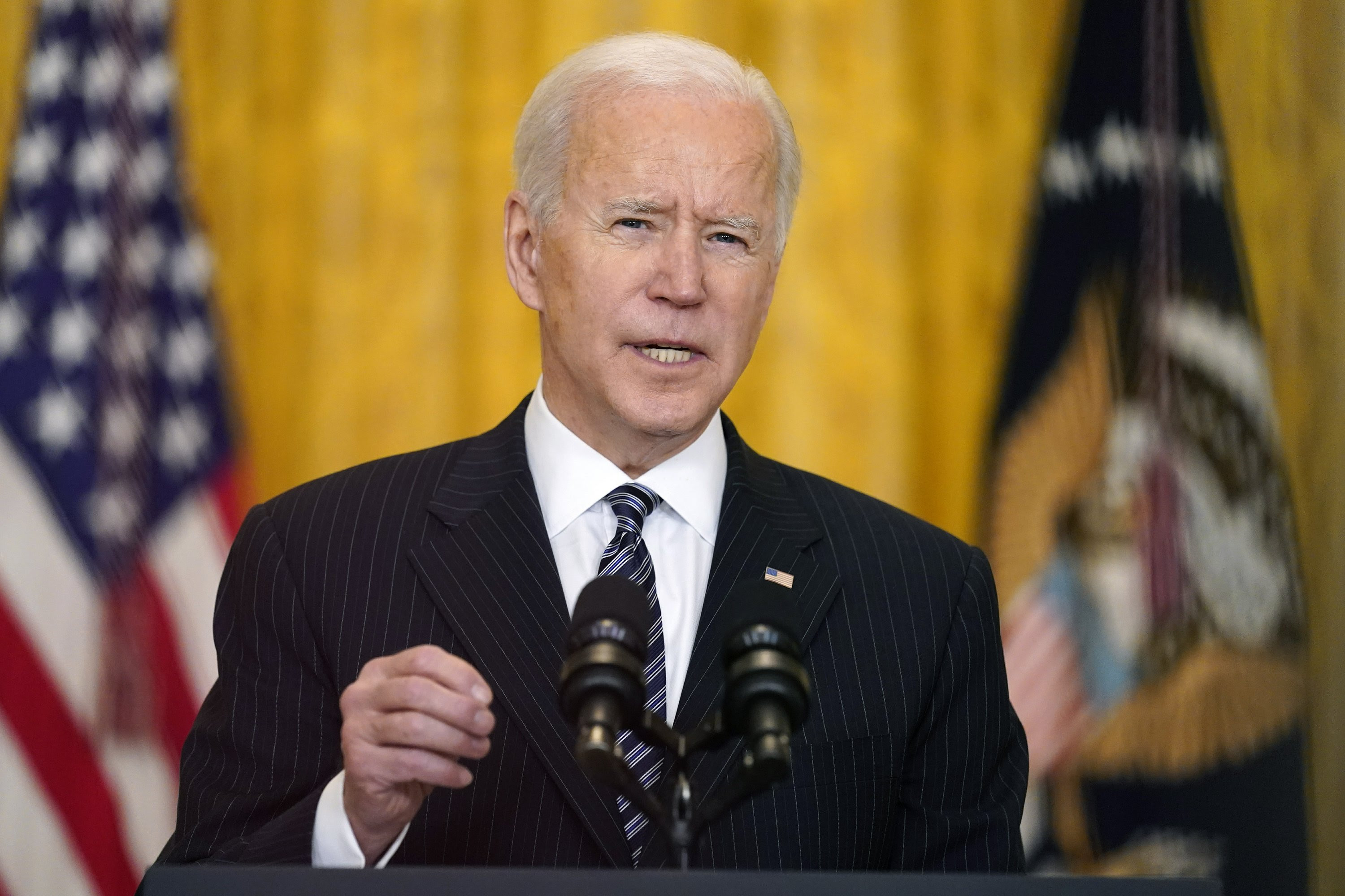
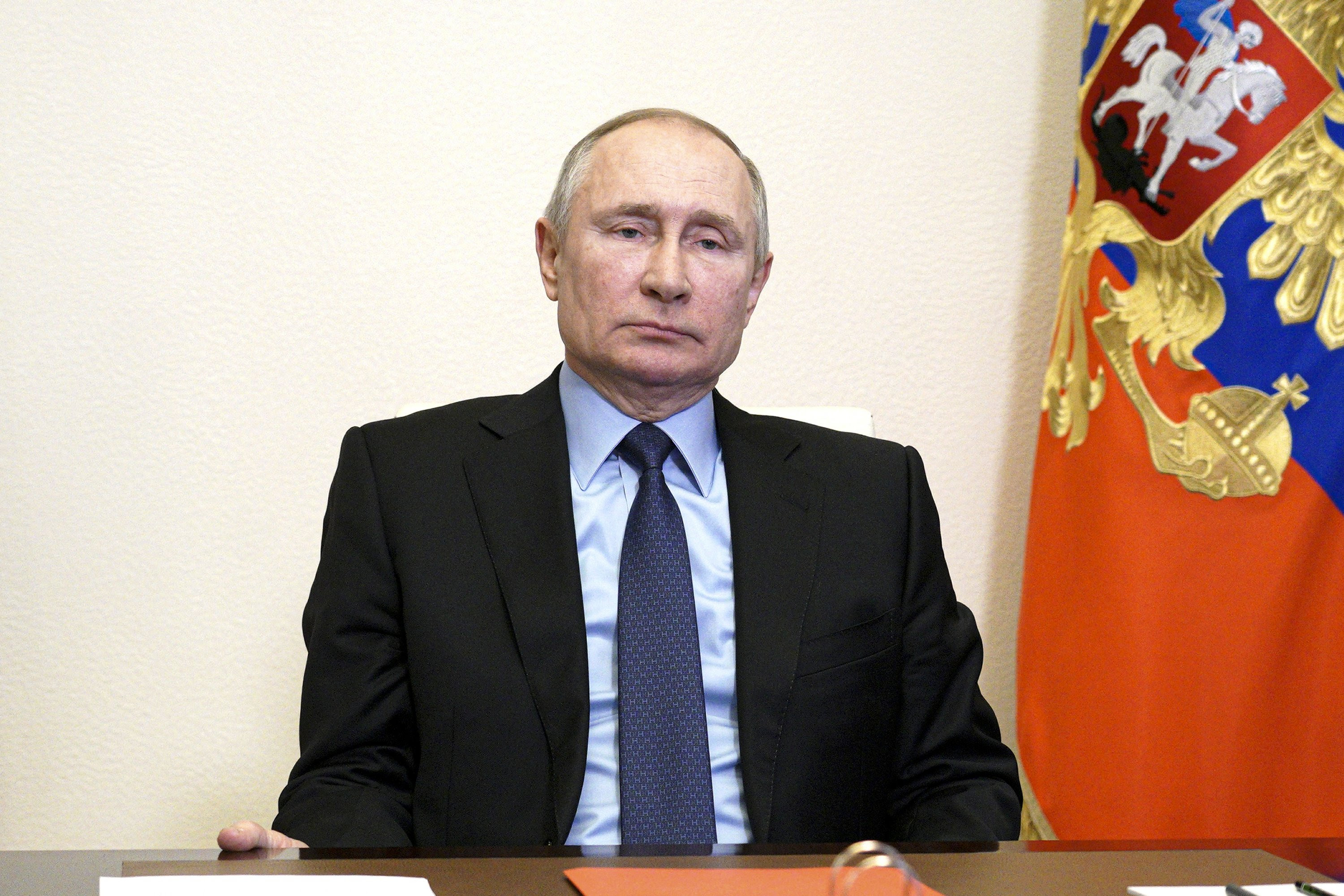
Diplomatic ties sank to a new low this week after U.S. President Joe Biden said he thought President Vladimir Putin was “a killer” in an interview that prompted Russia to recall its ambassador to the United States. Putin later offered Biden live online talks in the coming days.
On Friday, the Kremlin’s spokesman, Dmitry Peskov, said Putin’s offer of talks remained open and that Putin could do any time that was convenient for Biden, though the offer would not stay on the table indefinitely.
“Putin said that despite everything there’s no point in playing at megaphone diplomacy and trading barbs. There is a point in continuing relations,” Peskov told reporters on a conference call.
He was asked about a new Cold War between the two countries.
“We, of course, always hope for the best, but are always ready for the worst. As far as Russia is concerned, President Putin has clearly stated his desire to continue ties…,” he said.
“But of course, we can’t not take into account Biden’s comments,” he said, in a reference to Biden’s interview with ABC News broadcast on Wednesday.
In it, Biden said “I do” when asked if he believed Putin was a killer, prompting Putin to cite a Russian children’s playground chant in response saying “he who said it, did it”.
Biden also described Putin as having no soul in the interview, and said the Russian leader would pay a price for alleged meddling in the November 2020 U.S. presidential election, something the Kremlin denies.
(Reporting by Dmitry Antonov; Writing by Tom Balmforth; Editing by Alison Williams and Gareth Jones)
Atlantic- Substantial surges in new coronavirus cases and hospitalizations in Europe and Brazil offer a worrying preview of what the United States faces in the coming weeks and months as the plummeting number of cases here begins to level off.
The United States has reported an average of 54,740 cases per day over the past week, a steady decline from the apex of the outbreak in January, when the daily case count was about five times higher. Daily case counts stand about where they were in mid-October, and close to the apex of the summer surge that hit Sun Belt states particularly hard.
But the precipitous drop that occurred through February is now nearing a plateau, one that could presage yet another spike in cases just as optimism about the course of the pandemic begins to take hold.
Public health experts are nervously watching European nations, where a surge in cases is once again straining health care systems. European nations have reported 242 cases per million residents, a rate about 50 percent higher than the United States and one that has climbed by about a third since mid-February.
The increase appears to be driven by spread among younger people, and by the emergence of the B.1.1.7 variant that studies show is substantially more infectious, even among children. That raises the specter that the variant will continue spreading widely even as older and more vulnerable people receive doses of vaccine.
“Even if we are able to reduce the number of cases in the older age population of serious disease, we will pick up more in younger populations, which is exactly what we’ve seen in Europe,” said Michael Osterholm, director of the Center for Infectious Disease Research and Prevention at the University of Minnesota.
The situation in Brazil is even more frightening. Hospitals in all but two of Brazil’s 27 states are north of 80 percent capacity, and more than 2,000 people are dying on a daily basis from COVID-19. Brazil’s seven-day average of new cases stands at 71,800, higher than at any point during the pandemic.
President Jair Bolsonaro has continuously downplayed the threat of the virus. In remarks last week, he told Brazilians to “stop whining” about the virus that has killed more than 280,000 of his constituents.
“What’s happening in Brazil is a tragedy,” Osterholm said.
That level of crisis is not likely to return to the United States in the coming weeks, as more than 2 million people every day receive doses of one of the three vaccines approved by the Food and Drug Administration. But some models project more spread in the coming weeks, concentrated in the Upper Midwest, the Northeast and the mid-Atlantic.
Hospital visits are rising in Detroit, Flint and Macomb County, Mich. Midwestern cities such as Minneapolis and Chicago are likely to see spikes in the coming weeks, as are the Washington metro area and New York City, according to the PolicyLab at the Children’s Hospital of Philadelphia. Positivity rates are rising in Phoenix, San Diego, Los Angeles and Las Vegas, a worrying sign of a potential spike.
“Our country remains very much in a period of sustained COVID-19 transmission. Although increases in transmission are somewhat expected as communities begin to reopen, these trends are concerning and a reminder that this pandemic is far from over,” the PolicyLab researchers wrote. “The regions of most concern right now are metropolitan areas. This is likely because they are more densely populated, facilitating easier viral transmission and making it more difficult to achieve higher population-level vaccination rates.”
The race to vaccinate as many Americans as quickly as possible represents the first time in the entire pandemic that the United States has been on the leading edge of the battle against the coronavirus. Americans are being vaccinated at a faster pace than any nation other than Chile, Israel, the United Arab Emirates and Bahrain.
Americans are being vaccinated twice as fast on a per capita basis than are Canadians, and three times faster than the best-performing European nations.
The Biden administration has said it will send millions of doses of a vaccine developed by AstraZeneca and Oxford University, one that has not been approved by the Food and Drug Administration, to Canada and Mexico.
In testimony to the House Foreign Affairs Committee on Thursday, health experts told Congress the United States needs to step up its multilateral efforts to end the pandemic overseas as fast as possible.
“We live in a deeply interconnected, interdependent world, and an outbreak anywhere can quickly become an outbreak everywhere,” said Ashish Jha, dean of the Brown University School of Public Health. “We need a vigorous, multipronged, multilateral approach to bring this pandemic to an end by vaccinating a large majority of the world.”
Dozens of low- and middle-income nations have not even received their first doses of vaccine, raising the frightening prospect that unchecked spread could lead to new variants that might evolve a more successful means of evading vaccine effectiveness.
“If you have billions of people in low-income countries that are getting infected with this, that is where you’re going to spit out variant after variant that could very well challenge the integrity of our vaccines,” Osterholm warned. “These variants are going to just keep spinning out. This is why we’re not done yet.”
If certain corners of the French internet are anything to go by, COVID-19 vaccines are unsafe, those who refuse them risk becoming “second-class citizens,” and the country has turned into a “health dictatorship.” That such claims have gained currency in France—home to Louis Pasteur, a robust welfare state, and a universal-health-care system—would have been far-fetched 25 years ago. But the country that helped develop the rabies and anthrax vaccines is now one of the most vaccine-hesitant nations on the planet.
A December survey by the pollster Ipsos MORI and the World Economic Forum estimated that as little as 40 percent of the French public intends to receive a COVID-19 vaccine—the lowest percentage of any of the 15 countries surveyed, including Brazil (78 percent), Japan (60 percent), and Russia (43 percent). Another study concluded that nearly a third of France’s working-age population might refuse a vaccine.
This puts France in the peculiar position of being among the wealthy countries with an ample supply of vaccines yet with a large swath of its population unwilling to get them. Recent history offers clues about how the country came to be this way. What’s less clear, and more urgent, is what the government wants.
Decades ago, the French public was overwhelmingly supportive of vaccination. But a series of health controversies in the 1990s began to chip away at its trust in vaccines and the health officials who promote them. The first consumed the public’s attention for years. The government, a journalist revealed, had knowingly distributed transfusions of blood contaminated with HIV, which resulted in hundreds of deaths; several ministers were charged with manslaughter (only one, the health minister, was convicted).
The second concerned a rise in multiple-sclerosis cases, which some in the population feared was linked to the government’s hepatitis B vaccination program. Although no evidence supported this claim, the government sent opposing messages—one minister approved the program, another suspended it—that undermined public confidence.
But the government’s 2009 response to the swine-flu outbreak made vaccine safety a matter of national debate. France embarked on a mass-vaccination campaign to stem the virus’s spread, purchasing more than enough doses to cover its population of 65 million. The problem was that barely anyone was willing to take them. “The French didn’t want to be vaccinated against an illness that didn’t really affect France,” said Laurent-Henri Vignaud, a co-author of a recent history of anti-vaccine sentiment in France. With fewer than 325 swine-flu-related deaths in the country, many resented the government for spending funds on expensive and unnecessary vaccines; pharmaceutical companies, critics pointed out, were the campaign’s prime beneficiaries. “Doubts about the government’s vaccine policy turned into doubts about vaccination itself,” Vignaud told me. In the end, less than 10 percent of the population got a jab.
By the following year, a national survey found that 38.2 percent of the public held an unfavorable view of vaccination in general, up from 8.5 percent in 2000. It was a significant shift, but one that could be misread: Of those who held an unfavorable view of vaccines, just 5 percent said they opposed getting any. The rest cited specific vaccines, including those for hepatitis B (12 percent) and swine flu (50 percent).
Researchers say this distinction is important because not every person who expresses hesitancy about vaccines is necessarily an anti-vaxxer. “Hesitation, by definition, is kind of an undecided state,” Heidi Larson, the director of the Vaccine Confidence Project at the London School of Hygiene and Tropical Medicine, told me. In France, vaccine hesitancy is highest among women, young people, those who are less educated, and those who vote on the political extremes. Common reasons include concerns about vaccine safety and effectiveness, but the biggest predictor of vaccine hesitancy is a lack of confidence in the state. “Trust in government is such a strong variable,” said Larson, “and that’s wobbly in France.
A survey published last month by the French university Sciences Po showed that confidence in the government hasn’t exceeded 35 percent in more than a decade. This antipathy was on full display in 2017, when the French repudiated the country’s mainstream parties and narrowed the presidential race to the far-right candidate Marine Le Pen and the self-avowed outsider Emmanuel Macron. That dissatisfaction returned in force a year later with the rise of the gilets jaunes, or “yellow vests,” the grassroots movement born out of anger at the Macron government’s proposed fuel tax, which quickly evolved into a wider protest over economic inequality and the self-dealing of the political class.
Opposition to vaccines doesn’t feature in the rhetoric of the yellow vests. But researchers and disinformation experts I spoke with noted a strong correlation between those who identify with the yellow vests and those who espouse anti-vaccine sentiments online. Both groups have lost faith in the French state: The former tends to regard Macron as a technocrat whose loyalties lie with the metropolitan elite; the latter is more likely to disapprove of his handling of COVID-19. Yellow-vest protesters “already had a lot of grievances against this government,” Cooper Gatewood, a senior digital-research manager at the Institute for Strategic Dialogue, a London-based think tank, told me.
“If they’re hearing from whatever conspiracy or unreliable source that COVID is exaggerated, that it’s not really that big of a deal, that it’s a hoax, then it’s easy to use that as justification for opposition to further action taken by the government. So the narrative aligns quite well.”
The French government hasn’t done itself many favors. Its shambolic handling of the AstraZeneca vaccine has seen the country reverse course twice. In January, Macron erroneously declared that the jab was “quasi-ineffective” for people over the age of 65. After studies debunked the claim, the government announced the elderly could receive the vaccine.
This week, France changed its policy again, when it joined more than a dozen European countries in suspending its AstraZeneca rollout. The reason for the halt was that 37 out of more than 17 million AstraZeneca recipients had developed blood clots. But now that the European Medicines Agency has concluded its investigation determining that the vaccine is “safe and effective,” the French government is likely to reverse itself once again.
The damage done to AstraZeneca’s vaccine, though, might prove irreversible: A recent poll found that more than half of the French public no longer trusts the AstraZeneca vaccine, up from just 22 percent earlier this month. “We absolutely need this vaccine to get our non-at-risk population vaccinated,” Mélanie Heard, a member of the committee advising the government on its vaccine communication strategy, told me, prior to the blood-clot investigation. “We can’t do it without AstraZeneca.
The government’s immediate focus is on vaccinating its most at-risk populations, including the elderly and health-care workers (many of whom have refused to get a jab, citing among their concerns a lack of confidence in vaccine safety).
As a result, vaccination has been promoted not as a social benefit but rather as a way for the country’s most vulnerable to protect themselves. “This choice, I think, also explains why younger people at the moment aren’t fully convinced with the vaccine,” Heard said. As more evidence supports vaccination’s ability to reduce transmission, she added, “that should change.”
France’s prime minister announced this month that the country would open more centers, with the aim of vaccinating 30 million people, or roughly two-thirds of the adult population, by the summer. That’s an ambitious jump from the country’s current pace, which has seen 5 million people vaccinated since January.
But ramping up France’s rollout won’t solve its hesitancy problem. To do that, the government has begun to enlist primary-care doctors and pharmacists, who tend to be more trusted than the state, to help distribute vaccines. It has also begun promoting a series of advertisements aimed at encouraging the public to get a jab. The first, which was shared by the country’s health minister, focuses on the elderly. Heard said future ads will feature the country’s younger populations.
The question is whether relying on family physicians and nostalgic ads will be enough. When I asked public-health experts, none was convinced. “We won’t get to herd immunity with vaccination,” Michaël Schwarzinger, a researcher at Bordeaux University Hospital and the lead author of a recent study on vaccine hesitancy in France, told me. “There’s only one alternative—and if it’s not with a vaccine, it’s y infection.”
Yasmeen Serhan is a London-based staff writer at The Atlantic.
================================================
Finland has been crowned the happiest country in the world for the fourth year running, the annual World Happiness Report 2021 has found.
Despite a year faced with unprecedented challenges, the Scandinavian country helped to protect the lives and livelihoods of its residents, with Iceland, Denmark, Switzerland, and the Netherlands all following close behind.
As well as looking at the usual factors supporting happiness, this year’s report also analysed how countries and their inhabitants have dealt with the coronavirus pandemic, comparing death rates across the world. While nations in East Asia, Australasia, and Africa had fairly low numbers, they were much higher in the Americas and Europe.
“We need urgently to learn from Covid-19,’ says Jeffrey Sachs, co-editor of the report. ‘The pandemic reminds us of our global environmental threats, the urgent need to cooperate, and the difficulties of achieving cooperation in each country and globally.
‘The World Happiness Report 2021 reminds us that we must aim for wellbeing rather than mere wealth, which will be fleeting indeed if we don’t do a much better job of addressing the challenges of sustainable development.’
Other Nordic countries dominating the list include Denmark, Norway and Sweden, thanks to their excellent quality of life. Elsewhere, the United Kingdom came 18th place, while China and France came 19th and 20th, respectively.
Iceland also made the list
Xavier ArnauGetty Images
Their research also found that, due to global lockdowns and social distancing measures, the pandemic had a significant effect on workforce wellbeing. In fact, the falling unemployment rate led to a 12 per cent drop in life satisfaction.
‘Strikingly, we find that among people who stopped work due to furlough or redundancy, the impact on life satisfaction was 40 per cent more severe for individuals that felt lonely to begin with,’ says Jan-Emmanuel De Neve, an author from the study.
‘Our report also points towards a “hybrid” future of work, that strikes a balance between office life and working from home to maintain social connections while ensuring flexibility for workers, both of which turn out to be key drivers of workplace well-being.’
TIJUANA, Mexico (AP) — It took less than a month for 200 tents to fill every spot in a Mexican plaza at the busiest border crossing with the United States.
At the camp in Tijuana, across the border from San Diego, some 1,500 migrants line up for hot meals under a canopy-covered kitchen, children play soccer and volunteers in orange jackets rotate on security patrol. People pay to use the bathroom at a pharmacy or travel agency across the street and to shower at a hotel on the corner.
Badly misinformed, the migrants harbor false hope that President Joe Biden will open entry to the United States briefly and without notice. Or they think he may announce a plan that will put them first in line to claim asylum, though he hasn’t said anything to support that theory.
Biden ended some hardline border policies of his predecessor, Donald Trump, proposed a pathway to citizenship for people in the U.S. illegally and promised in an executive order to “create a humane asylum system.” But neither he nor his aides have outlined the new approach to asylum or said when it will be unveiled, creating an information void and giving rise to rumors that migrants would be allowed in. Amid sharply higher migration flows, confusion and skepticism surround Biden’s insistence that it’s not the time to come to the border.
“The camp is a center for disinformation,” said Edgar Benjamin Paz, a Honduran man whose family’s tent is one of the first in an unsanctioned line to seek asylum. “No one knows what’s going on.”
The camp was established after the Biden administration announced on Feb. 12 that asylum-seekers waiting in Mexico for court dates could be released in the United States while their cases wind through the system. It extends only to an estimated 26,000 asylum-seekers with active cases under Trump’s “Remain in Mexico” policy, which Biden halted. As of Monday, 2,114 people in the program had been admitted to the U.S. at crossings in San Diego and in the Texas cities of El Paso and Brownsville.
Paz, who fled Honduras with his wife and two children after a gang demanded their accounting business follow its orders, said migrants wrongly interpreted the February announcement to mean that the border was “open.
U.S. authorities encountered migrants at the border more than 100,000 times in February, the first six-figure total since a four-month streak in 2019. There’s been a surge of families and children traveling alone, who enjoy more legal protections.
Almost everyone at the Tijuana camp has been in Mexico for months or years. They include Haitians who started arriving in Tijuana in 2016 as well as Mexican and Central American families fleeing violence, poverty and natural disasters.
Cristina, a Mexican woman who declined to provide her last name because of fears for her safety, passes days at her tent with her 13- and 4-year-old daughters while her husband sells shaved ice. The family sleeps in a rented room at night.
“We want to see if they open up, see if they give us some news, see if they respond to our pleas,” said Cristina, 39, whose family fled violence in Mexico’s Guerrero state and arrived in Tijuana in June. “Nothing is clear.”
Biden, in interview this week with ABC News, said his message to migrants was: “Don’t leave your town or city or community.” Aides repeatedly note that most people encountered by the Border Patrol are quickly expelled from the U.S. under pandemic-related powers that deny an opportunity to seek asylum.
“We are working to repair what has been an unprepared and dismantled system,” White House press secretary Jen Psaki said Wednesday when asked about new migrant camps. “It’s going to take some time. Our policy is that we’re obviously going to continue to make sure we’re working through our laws and the border is not open.”
Biden is contending with smugglers whose business relies on convincing people that now is a good time to cross, Republican adversaries promoting a narrative of a border in crisis, and exemptions from pandemic-related expulsions for unaccompanied children and people deemed vulnerable by U.S. authorities.
The rise in children arriving alone has sent authorities scrambling for temporary housing and processing space, including at the Dallas Convention Center.
In Tijuana, Erika Pinheiro, litigation and policy director of Al Otro Lado, a group that provides legal services to migrants, has spoken to crowds at the camp and struggled to dispel disinformation because the Biden administration doesn’t yet have an asylum plan.
“All I can say is they’re coming up with a plan, and they’re working on it, and it’s going to take time,” Pinheiro said.
She wants to say that waiting at the camp won’t help but, expecting pushback, has held off.
“If you’re telling people what they don’t want to hear and others are telling people what they do want to hear, telling them the truth is of limited utility,” Pinheiro said.
People driving by offer clothes and diapers from their car windows. A tiny number of migrants wear donated T-shirts that say, “Biden. Please let us in!” It’s not clear who distributed them. There is a large “Biden for President” flag outside one tent.
Casa de Luz, a support group for LGBTQ migrants in Tijuana, serves two free hot meals a day, down from three when crowds were smaller.
So far, Mexican authorities have given no indication they plan to close the camp. It’s at the entrance to a pedestrian bridge leading to San Diego that has been closed since the pandemic struck.
Ramon Diaz, a 49-year-old Cuban who paid a smuggler $20,000 to guide him from French Guiana to Tijuana, says the camp is the closest he can get to the United States for now. He’s staying put.
“We don’t know what’s going to happen,” he said. “(Biden) said he was going to help migrants. We have lots of faith in God and in him.”
More than two months after the Capitol riot, the nation is grappling anew with extremism.
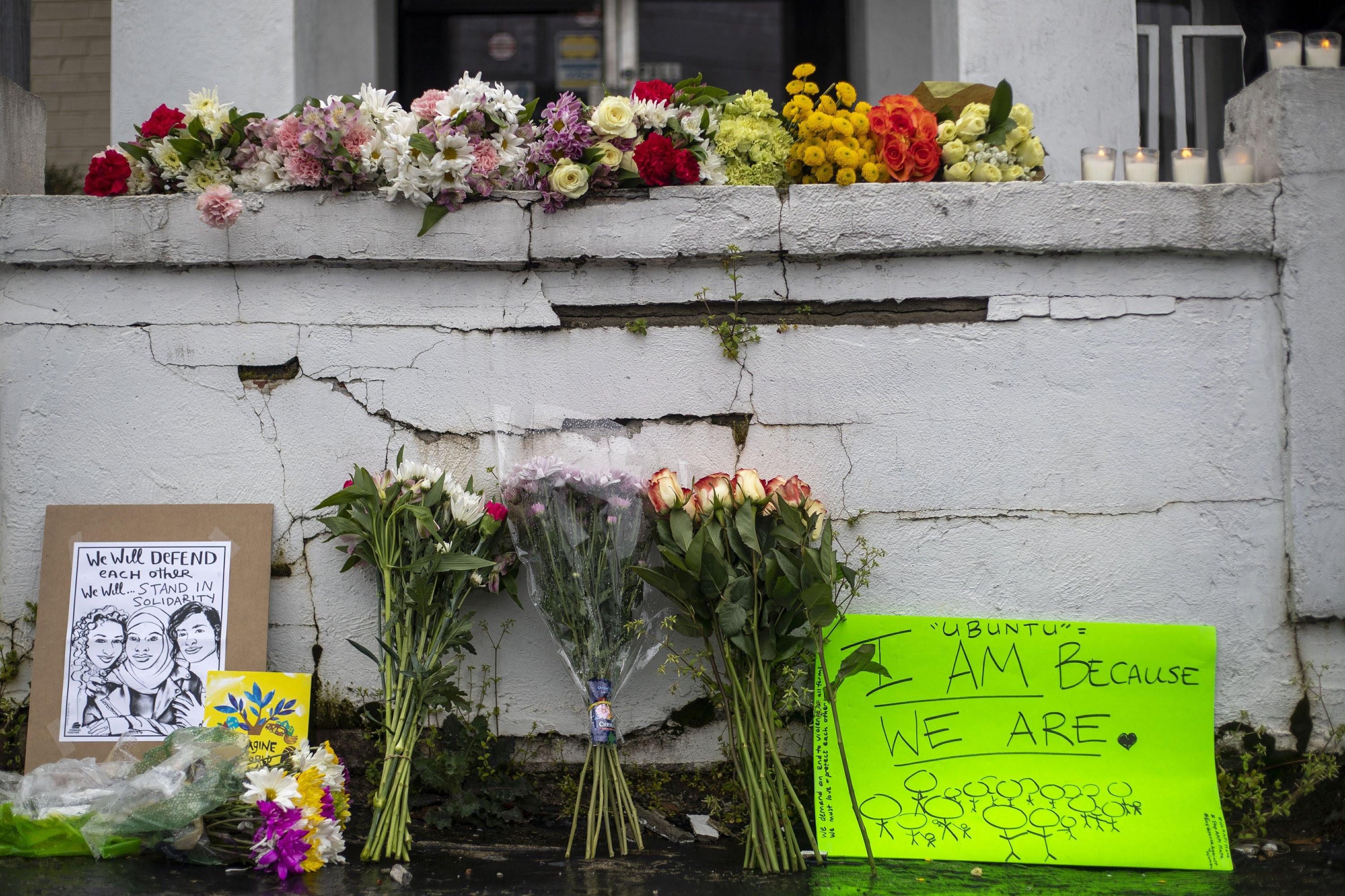
The motives of the alleged shooter in Tuesday’s mass killing in the Atlanta area are still being investigated. But six of his eight fatal victims were Asian American women, and he had solely targeted Asian spas.
The following day, an armed man was arrested near Washington’s Naval Observatory, the official residence of Vice President Harris. Paul Murray, 31, of San Antonio, is alleged to have been in possession of an AR-15 semi-automatic rifle and more than 100 rounds of unregistered ammunition.
Police in Washington said the process that led to Murray’s arrest began with “an intelligence bulletin that originated from Texas.” He has reportedly been charged with several gun-related crimes.
Meanwhile, a newly declassified report from the director of national intelligence, commissioned by President Biden, warns of the threat from domestic terrorists with motivations rooted in “biases against minority populations.”
“Newer sociopolitical developments” — including former President Trump’s claim that November’s election was stolen from him — “will almost certainly spur” right-wing extremists to attempt acts of violence this year, the report stated.
If anyone thought the Capitol insurrection of Jan 6. — and the widespread revulsion in its wake — would lance the boil of extremism, they were clearly wrong.
The toxins that fueled that event are still present in the American political bloodstream.
“I think we need to be really careful. There is a lot of potential for violence,” said Paul Becker, an associate professor at the University of Dayton and an expert on hate crimes and extremism. “These groups are becoming more and more confrontational.”
He also noted that although January’s insurrectionists failed in their aim of keeping Trump in power, this did not necessarily mean they had been permanently vanquished.
“They were not successful in achieving their ultimate goal, but on the other hand they were able to enter the U.S. Capitol. They didn’t achieve what they wanted, but they did something that hasn’t been done before,” Becker said.
It can be too easy to throw all acts of extremist violence into one basket.
The Capitol insurrectionists included the members of organized, far-right groups, whereas the alleged Atlanta shooter, 21-year-old Robert Aaron Long, apparently acted alone.
There has been much debate over Long’s motivations. Some argue that his targeting of Asian spas is prima facie evidence of racial animus, while others contend that his actions may have been fueled by sexual addiction.
One acquaintance of Long’s on Thursday told The New York Times that the alleged shooter had spoken about being seemingly unable to stop going to massage parlors for sex. The acquaintance characterized Long as being in the grip of “religious mania.”
Whatever the exact dynamics in Long’s case, however, there is no question that prejudicial attacks on Asian Americans have been on the increase.
NBC News has reported that there were 3,800 incidents of reported anti-Asian bias reported over the past year. In New York City alone, the number of hate crimes against Asian Americans reported to the police department rose to 28 in 2020 from just three the year before, according to the Times.
President Trump’s rhetoric about the coronavirus — which he often terms the “China virus” — seems likely to have played a role. Trump used the phrase as recently as March 10, when he released a statement seeking credit for COVID-19 vaccinations.
White House press secretary Jen Psaki on Thursday said that there was “no question” that Trump’s rhetoric had contributed to “elevated threats against Asian Americans.”
The atmosphere was even more tense on Capitol Hill, especially during an exchange between Rep. Chip Roy (R-Texas), who is white, and Rep. Grace Meng (D-N.Y.), who is Asian American.
During a hearing on anti-Asian American discrimination — one that had been scheduled before the Atlanta-area mass killing — Roy began criticizing China for its conduct during the pandemic.
Roy contended that the hearing was veering into an unacceptable “policing of rhetoric.” He also used language associated with lynching, though his exact point in that regard was opaque.
Meng responded: “Your president, and your party, and your colleagues, can talk about issues with any other country that you want, but you don’t have to do it by putting a bull’s-eye on the back of Asian Americans across this country, on our grandparents, on our kids.”
However culpable Trump may be judged for stoking the fires of racial tension throughout his tenure, the broader polarization of American society far predates him.
It’s not hard to see how hardcore political partisanship can drift into actual extremism when, as early as 2014, the Pew Research Center found that the proportion of Democrats who said they held a “very unfavorable” view of the Republican Party, and vice versa, had more than doubled over the preceding two decades.
At that time, half of people with “consistently conservative” views and more than one-third of those with “consistently liberal” views said it was important for them to live in a place where “most people share my political views.”
The interlinked issues of polarization and violent extremism — exacerbated in turn by a tide of misinformation — will not easily be untangled.
The gun laws could perhaps be tightened, but that has long been an uphill battle in Congress. Even if it did happen, it addresses the problem at its branch rather than its root.
Becker, the University of Dayton professor, said he couldn’t “think of anything short-term” that would ameliorate the challenges, though he said “being aware of the problem” would be a first step.
Biden and Harris will travel to Georgia Friday, where they have canceled a political event in order to instead meet with local representatives of the Asian American community.
Psaki said Thursday that the president would “talk about his commitment to combating xenophobia, intolerance and hate.”
Two months into his tenure, those forces seem as depressingly strong as ever.
“We stand, and our country stands as a responsible and principled entity with the rest of the world in its effort to free the landscape of all manner of crimes, but in the context of the specifics of the Bill [crimes relating to] money laundering, financing of terrorist activities, and the proliferation of weapons of mass destruction.”
This was the assertion of Prime Minister and Minister of Finance, Dr. the Honourable Timothy Harris, with the passage of theMiscellaneous (Financial Services) (Amendment) Bill, 2021 in the National Assembly yesterday, opening the door for the use of a number of key elements to address issues that have been problematic for many territories globally.
Dr. Harris was keen to emphasize that under a Team Unity Government, St. Kitts and Nevis, stands firm on the side of law and order.
“We have to ensure that as the global financial space evolves, that our legislative response – the legal basis on which we will act – that that also evolves, so that those who commit crimes will have no shelter in terms of being able to point to deficiencies in the law which will render efforts to contain them and to disrupt their illicit activities. They should find no safe haven in any quarter in St. Kitts and Nevis.”
The legislation provides for various amendments to facilitate the comprehensive implementation of measures to boost national security, strengthen investigative techniques, and foster greater coherence within the financial services sector, in keeping with the requirements of the Financial Action Task Force (FATF) 40 Recommendations to prevent and combat money laundering, anti-terrorism, and proliferation of weapons of mass destruction and for related matters.
“TheFATF recommendations are now recognized as the global anti-money laundering and counter terrorism financing standard,” the Prime Minister said.
Dr. Harris, who moved the Bill through all stages, noted that “Compliance with these recommendations is determined at periodic intervals and countries are expected to pass what is considered the issue or the standard of technical compliance, and then the effectiveness test or operational compliance. This method of evaluation is a Peer Review mechanism by which members of the global alliance, which forms the FATF and some nine other regional affiliates, are bound by. This Bill in particular is intended to ensure that we are updated and are in sync with current thinking with respect to the fundamental recommendations.”
Beforeits passage, the Bill received strong support from Attorney General and Minister of Justice and Legal Affairs, the Honourable Vincent Byron.
At a meeting of the Permanent Council of the Organization of American States (OAS) on March 17, I said that “no resolution is perfect, and no resolution satisfies every country, but we cannot sacrifice achieving good on the altar of desiring perfection”.
The resolution concerned the current constitutional, political and humanitarian situation in Haiti which is very grave and shows every sign of worsening. The delegation of Antigua and Barbuda was the architect of the original resolution which sought to cause the member states of the OAS to express concern about Haiti and to offer to facilitate a meaningful dialogue between President Jovenel Moïse and all other stakeholders.
It was a matter of regret that, despite the strong statement of CARICOM Heads of Government, concerning Haiti, on February 11, CARICOM delegations at the OAS were again divided. CARICOM Heads were clear that they wanted “all parties in Haiti to engage in meaningful dialogue in the interest of peace and stability”. The Heads also said that they looked forward “to the conduct of free and fair Presidential elections in accordance with the Constitution of Haiti”. Eight CARICOM countries – Barbados, Belize, Grenada, Guyana, St Kitts-Nevis, St Lucia, Suriname and Trinidad and Tobago backed Antigua and Barbuda’s draft resolution.
In the end, through a process of two weeks of negotiations, countries with important concerns about Haiti – Brazil, Canada, Chile, the Dominican Republic, and the United States joined the nine Caribbean countries in settling a draft resolution that was then negotiated with the Haitian delegation.
By the nature of negotiations, concessions had to be made. Hence, it was not a perfect resolution and not every paragraph of it satisfied everyone. But it was enough to allow the Permanent Council of the OAS to adopt it by consensus.
Essentially, it offered “good offices of the OAS, under the authority of the Permanent Council, to facilitate a dialogue that would lead to free and fair elections” and asked the President of Haiti “to consider inviting the Permanent Council to do so”.
This was done against a background that since January 2020, there has been no legislature and no government in Haiti, and President Moïse has been ruling by decree. Further, marauding gangs have been raping women, including young girls, kidnapping people (rich and poor) and demanding huge ransoms. Violence has exploded in the country, particularly as hundreds of thousands of people have been protesting against President Moïse and deadly force has been used against them by a police force that is allegedly highly politicised.
The UN High Commission for Human Rights has stated its “concerns about judicial independence” which it says “has further eroded the separation of powers” in Haiti.
Time is fast running out to avoid further worsening of the situation in Haiti. The OAS resolution, offering to facilitate dialogue, has come only after deep polarization and distrust in the country. The OAS should have acted much earlier. If President Moïse does not respond positively and swiftly to the offer by the OAS, no dialogue between the stakeholders might be possible. A stand-off between them will occur with further confrontations. Many Haitians have already stated publicly that “no dialogue is possible with Moïse”, and he has not sought a meaningful dialogue either.
Instead, he is persisting with plans to hold a referendum in June on altering the Constitution. But there has been no consultation with major Haitian players who say he has no authority to hold such a referendum. What is clear is that, in 2015, Haiti had more than 6.5 million people registered to vote. Moïse has now issued new identity cards which his OAS Ambassador says has been distributed to 4 million people. Human rights groups in Haiti dispute that figure, putting it closer to 2 million. Either way more than 2.5 million persons are currently disenfranchised. No referendum or election held in these conditions would be credible or acceptable.
Still worse, the current Provisional Electoral Council, to manage a referendum and elections, comprises persons appointed solely by Moïse. They are known to have close links to him. Similarly, the draft Constitution has been written by persons he has hand-picked. None of this is “in accordance with the Constitution of Haiti”, and, for the opposition parties, are red rags to a bull.
On March 29, Haiti will mark the anniversary of its 1987 Constitution the very thing that the President is seeking to alter. Stakeholders are pledging to put more than 2 million people on the streets in its defence on March 28 and 29.
The Charter of the OAS strictly forbids interference in the internal affairs of States. And, while there have been various artifices by some OAS member states to circumvent that prohibition, the majority of countries adhere to that principle generally. Consequently, the OAS cannot insist that President Moïse accepts its offer to play a good offices role. It must await an invitation from him to do so.
In this context, member states of the Organization should work behind the scenes with Moïse and other stakeholders to urge them to talk and, in so doing, to take the idea of a referendum on the Constitution off anyone’s agenda; to ensure that independent election machinery is established by agreement of all parties and that Presidential, legislative and local elections are held at the earliest possible date, and until then Presidential decrees should be suspended on anything except that on which major players decide.
While this diplomatic work takes place – and CARICOM should be a part of it – the OAS should continue to be vigilant about developments in Haiti and ready to speak out against any further deterioration in the constitutional, political and humanitarian situation.
The people of Haiti need and deserve objective and constructive support in their collective interest, and not for the benefit of any political elite.
President Joe Biden and Vice President Kamala Harris visit Atlanta to offer solace to Asian Americans after the mass killing at metro-area massage businesses.
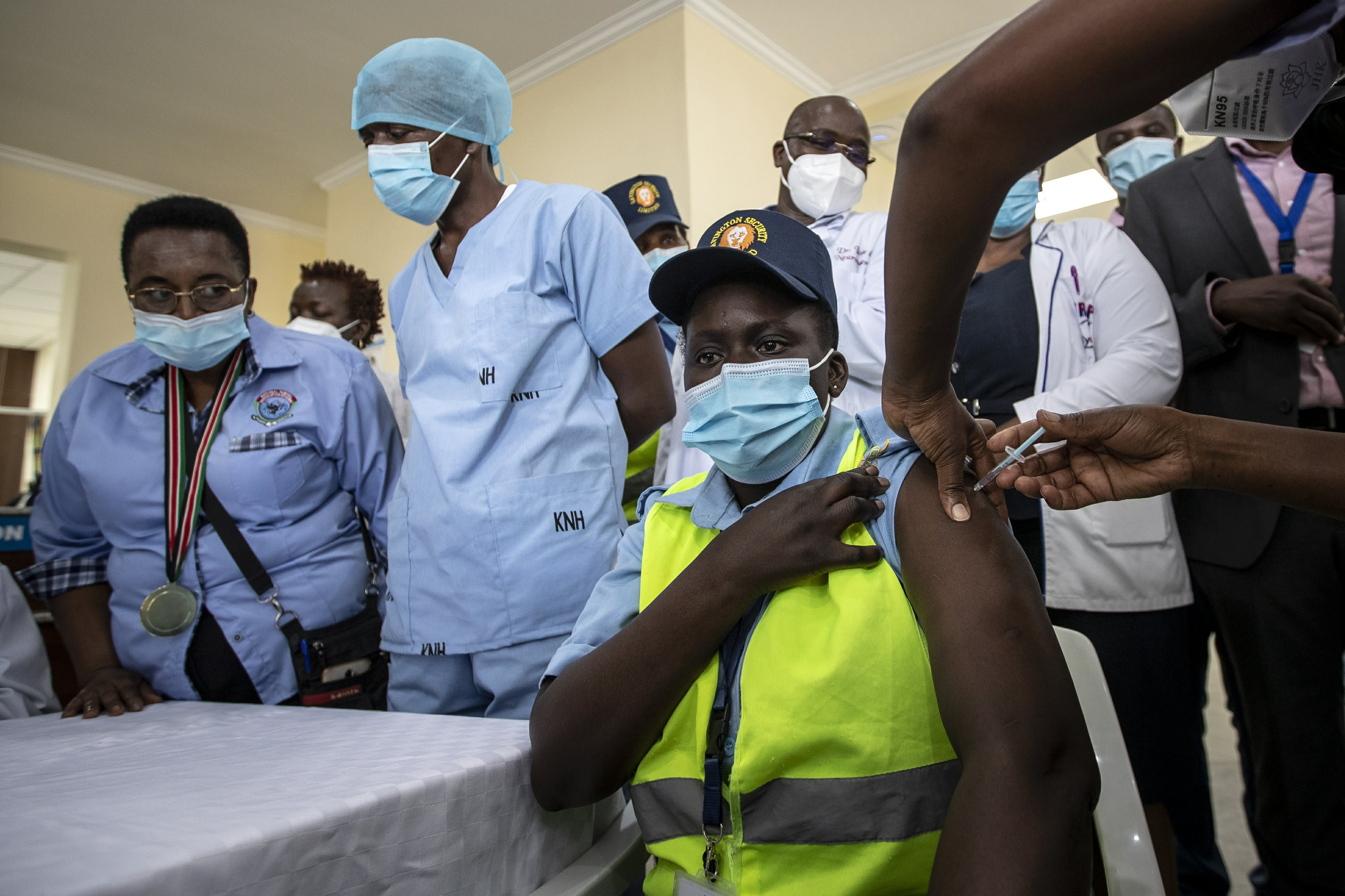
The president says the U.S. is hitting his 100 million coronavirus vaccines goal ahead of schedule and is now able to help supply Canada and Mexico with shots.
Fraught U.S.-Russia ties hit another low in a tit-for-tat between Biden and Russian President Vladimir Putin.
After Europe’s drug regulator says AstraZeneca’s COVID-19 vaccine is safe, Germany resumes vaccinations with the shot. Yet the recent pause in using AstraZeneca shots by Germany and other European nations sends ripples of doubt around the world.
Also this morning:
A new mom and an Army vet are among the eight people killed in the Georgia spa shootings
In Pope’s homeland of Argentina, an ex-priest leaves the church over the Vatican’s gay unions ruling
Some zoos administer coronavirus vaccines to gorillas and other animals
ATLANTA (AP) — For Asian Americans, 2020 was a year of political success and newfound influence. But it was also a time of vulnerability to racist assaults. That painful dichotomy will be……Read More
WASHINGTON (AP) — With the U.S. closing in on President Joe Biden’s goal of injecting 100 million coronavirus vaccinations weeks ahead of his target date, the White House said the nation is n…Read More
One was new mother taking a rare break from caring for her baby girl. Another was an Army veteran who installed security systems in the Atlanta area. They were among eight people killed… …Read More
MOSCOW (AP) — President Vladimir Putin responded Thursday to U.S. President Joe Biden’s description of the Russian leader as a killer by citing America’s past and present troubles, from slave…Read More
KAMPALA, Uganda (AP) — The suspension of the AstraZeneca vaccine in several European countries over the past week could fuel skepticism about the shot far beyond their shores, potentially… …Read More
BERLIN (AP) — Germany is resuming vaccinations with the coronavirus vaccine made by AstraZeneca, following a recommendation by European regulators that the benefits of th…Read More
BUENOS AIRES, Argentina (AP) — A former priest and LGBTQ activist who has blessed same-sex unions in Pope Francis’ home country, Argentina, is leaving the Roman Catholic …Read More
SAN DIEGO (AP) — The coughing among the western lowland gorillas at the San Diego Zoo Safari Park in January was the first warning sign. Soon the fears were confirmed: A …Read More
Who are we kidding? “First Four” still sounds more like an educational toy than the prelude to three of the best weeks in sport. But because of the pandemic, it’s been 7…Read More



 *****@
 *****@
 *****@
 *****@
 *****@
 *****@
 *****@
 *****@
 *****@
 *****@
 *****@