Tag Archives: caribbean

More than Half the US Pop. Worried About Homelessness, Hunger

A new Gallup poll shows that more than half of Americans are worried about hunger and homelessness, the highest percentage on the issue in the last 20 years.

The poll showed that 55 percent of Americans are concerned about homelessness and hunger, up 8 percent from 2020.

Homelessness and hunger have become major concerns since the coronavirus pandemic hit, causing many to lose jobs and struggle to keep up with bills.

When federal coronavirus protections against evictions and foreclosures expire, more than 11 million Americans could face homelessness from being unable to pay rent.

The concern about homelessness and hunger seems to be along partisan lines, with 62 percent of Democrats being concerned about the issue while only 45 percent of Republicans say they worry “a great deal” about it.

Along with homelessness and hunger, concerns about the economy rose 16 percentage points over the past year.

Those who worry a great deal about the economy hit 49 percent, up from 33 percent in 2020.

Similarly, concerns about the economy were also across partisan lines with 58 percent of Republicans and only 40 percent of Democrats greatly concerned about the issue.

Many are hopeful that the economy will begin to fully recover as more people are getting vaccinated from the coronavirus and states are loosen their restrictions on businesses.

Gallup surveyed 1,010 U.S. adults from March 1 to 15. The margin of error is plus or minus 4 percentage points.

The post More than Half the US Pop. Worried About Homelessness, Hunger appeared first on The St Kitts Nevis Observer.

Mia Mottley Wants Excess Vaccines Sent to Developing Nations

Barbados Prime Minister Mia Mottley, in her capacity as chair of the Joint World Bank-International Monetary Fund (IMF) Development Committee, has highlighted reaching a clearing arrangement for excess orders of COVID-19 vaccines as one of the steps that can be taken to ensure developing countries receive their share of the vaccines.

While delivering the keynote address online on Monday, at the opening of the 53rd Session of the Conference of African Ministers of Finance, Planning and Economic Development, Mia Mottley said the vaccine arrangement was needed as countries battled to obtain vaccines for their citizens.

“Some long-term solutions have been suggested that are worth serious consideration. One step we can also take is to reach a clearing arrangement for excess orders of vaccines. We should require written “clearing” agreements from those who have ordered more than they need.

“Once those vaccinated exceed the herd immunity threshold, they would agree to retain some more modest surplus and ask the producers to produce and deliver the excess at cost to developing countries. Even then, we are at the back of the queue. Those excess vaccines should be above the amounts agreed to under COVAX, which only deals with 20 percent of our populations. There must be early intervention,” she insisted.

Mottley said vaccinating only a part of the world’s population would not work, as this provides fertile ground for vaccine-resistant variances.

“Some large countries have purchased five times or more vaccines than they need using complex, opaque option arrangements that make it hard for vaccine producers to plan and to sell further production. So much for debt transparency. Small buyers do not even get a look-in.”

The prime minister stated that to scale up the resource transfer needed to address COVID and climate change, rich countries were being called on to pledge half of their new and unused Special Drawing Rights (SDRs) to recapitalize development banks like the African Development Bank, the Inter-American Development Bank, and the World Bank.

“They must use this capital to leverage more long-term lending to those heavily impacted by COVID and the climate crisis to support green, resilient and inclusive development…

“But it’s not just the level of lending that matters, it is also the speed of lending. Our needs are immediate. The development banks have been well-meaning, yes they have been. But they have been slow…They must commit to the timing of their disbursements,” she indicated.

CMC


The post Mia Mottley Wants Excess Vaccines Sent to Developing Nations appeared first on The St Kitts Nevis Observer.

SKN: New Gaming Bill to Establish Governing Commission

The Government of St. Kitts and Nevis has moved to strengthen the Federation’s gaming industry and protect the nation’s international reputation as a responsible member of the global community, with the passing of the Gaming (Control) Bill, 2021 on Thursday.

The legislation provides for the effective and comprehensive regulation of the Gaming Industry and for other incidental matters. It calls for the establishment of a Gaming Commission which will replace the existing Gaming Board.

“Beyond compliance with our international obligations, the Bill seeks to regularize the gaming sector to capture and enhance operating principles for persons involved in the sector and to streamline existing provisions. The Bill, for example, seeks to provide greater certainty as it relates to the scope of the clientele,” said Prime Minister and Minister of Finance, Dr Timothy Harris in moving the second reading of the Bill in the National Assembly.

“In that regard, the Bill aims to clarify those residents who can legally participate in gaming activities,” he added, noting that the revamping of the legislation must be balanced against the promotion of responsible gaming.

According to the Prime Minister, the moving of Gaming (Control) Bill, 2021 formed part of his Team Unity administration’s mandate of promoting good governance.

“The present legislative framework for the gaming sector, Mr Speaker, provides for the establishment and operation of a Gaming Board and a Racing Commission. However, for several years both bodies have met with limited success in fulfilling their mandate of providing adequate regulation, licencing and supervision of the gaming sector.

“As a result Mr Speaker, the sector needs reform to enable St. Kitts and Nevis to ensure compliance with international standards set by the FATF [Financial Action Task Force] and to safeguard the Federation from any possible financial crime which may emanate from the gaming sector,” he said.

The Gaming (Control) Bill, 2021 had its first reading on March 18, 2021.

The post SKN: New Gaming Bill to Establish Governing Commission appeared first on The St Kitts Nevis Observer.

EPIC VOYAGES: THREE TREES, EACH OF WHICH BROUGHT ITS UNIQUE HISTORY TO NEVIS

TRAVEL: by Eric Mackenzie Lamb

A few years before moving permanently to Nevis, I worked as a pilot in Kenya. Using a classic DC-3 aircraft, our crews would fly tourists from Nairobi to Masai Mara and other nature reserves, where they would stay in safari lodges and go on guided tours to see east Africa’s amazing wildlife.


Our landing areas in the game parks were open fields known as savannas, which meant that, before touching down, we had to overfly them to ensure that there were no elephants, giraffes, zebras, or other animals which would present a danger to both them and ourselves.


For me, gazing down through the cockpit window, one of the most memorable sights was the Baobab tree. With massive trunks and branches spreading to the sky, they were truly majestic, unlike anything else I’d ever seen. In my mind, they would always remind me of the beauty of Africa.


So imagine my amazement when, a few years later,  I was driving along a secondary road in Nevis and saw this:


Image by the author.


Could it be? I asked myself.


And so the story begins.


The Baobab tree (Adansonia digitata) is a prehistoric species which predates mankind and the splitting of the continents over 200 million years ago. They grow in 32 African countries and can live up to 5000 years, reach up to almost a hundred feet in height, and up to 164 feet in circumference. During the rainy season, it absorbs and stores water in its enormous trunk, which also enables it to produce a nutrient-rich fruit. Baobab trees can provide shelter, food, and water for both animals and humans, which is why many African savanna communities have made their homes near these trees. In addition, its bark can be turned into rope and clothing. Even its leaves are edible and its seeds can be used to make cosmetic oils. No wonder it’s known as the Tree of Life.


Although never scientifically proven, its origins are believed to be the island of Madagascar (which I also visited, and where I saw hundreds of Baobab trees). In fact, miniature hand carved replicas of the same trees are some of the most popular souvenirs sold to tourists.


Image by the author.


But how did they get to the Caribbean?


According to historical records, Baobab seeds were most likely brought to the West Indies by African slaves who considered them sacred and probably planted them to connect themselves spiritually with their ancestral homeland. The first trees mentioned in historical archives were in Barbados around the beginning of the 18th century, which seems logical as the island later became England’s main distribution point for slaves to all of its other Caribbean islands. Today, one of the major landmarks of that sad era is the oldest Baobab tree in the West Indies, located at Queen’s Park in Bridgetown, Barbados.


And there’s really no need to introduce the breadfruit tree. Just about everyone in Nevis has seen it, especially in the island’s higher altitude areas like Gingerland.


Image by the author.


Not always known is the fact that the tree was first discovered by Europeans when Captain James Cook arrived in French Polynesia. After he’d brought back samples of some of the plants and their fruit to England, it didn’t take long for the government to decide that breadfruit would be a much cheaper way to feed slaves in its colonies. The mission to transport this new amenity was assigned  to Captain William Bligh of Mutiny on the Bounty fame. Needless to say, it never succeeded. At least, not the first time. Eventually, on Bligh’s second attempt, the breadfruit finally arrived in St Vincent. As in Barbados, St Vincent became the distribution point for the breadfruit tree to all other English possessions in the West Indies.


Finally, there’s the Norfolk Pine.


Image by the author.


Norfolk Island, a remote uninhabited Pacific island off the Australian coast, was first settled by English sailors to preempt French occupation. It was hoped that the  discovery of the Norfolk Pine, with its unusually straight trunk and resistance to strong winds, could be used as masts for sailing ships. (It turned out to be unsuitable and the effort was abandoned). However, the Island was soon destined to serve another purpose. It became one of the world’s harshest penal colonies after the British government decided to bring in convicts. According to historic archives, conditions were so brutal that many prisoners chose to commit suicide rather than be sent to a place which was commonly referred to as the Island of No Return. Perhaps ironically, Norfolk Island, after its prison system was closed, was later settled by descendants of the original Bounty mutineers after  the British government decided to relocate them from another of its most isolated possessions in the Pacific Ocean, Pitcairn Island.


Sometimes, just like roots, there are hidden stories just below the surface. This is one of them.


The post EPIC VOYAGES: THREE TREES, EACH OF WHICH BROUGHT ITS UNIQUE HISTORY TO NEVIS appeared first on The St Kitts Nevis Observer.

With 300,000 Dead, Brazil Finally Forms a Pandemic Committee

(CNN) More than year into the global pandemic, Brazil’s government has decided to form a new Covid-19 crisis committee that will now include state officials.

Brazilian President Jair Bolsonaro made the announcement on Wednesday, a day after he promised the nation that 2021 would be “the year of vaccination” for Brazilians.

Brazil is currently gripped by a devastating new surge in cases, with a record-breaking 3,251 new deaths from Covid-19 on Tuesday — the most deaths the country has ever seen in a single day. Hospitals’ intensive care units across the country are overstretched, and some states have warned they’re running out of medicines necessary to intubate severe cases.

Bolsonaro, who was fiercely criticized for downplaying the gravity of the panemic, has hinted at a potential shift in attitude. On Tuesday, hours after his newly appointed health minister Marcelo Queiroga was sworn in, Bolsonaro emphasized in a public address that “mass vaccination” would be a priority — after previously dismissing the urgency of inoculation and even attacking some vaccines.

Following a year of often acrimonious relations and blame between federal and local governments, the new committee will include members of the legislative branch, the Supreme Court, ministers, and six state governors. The federal government did not respond to questions about whether the new committee would replace a similar group composed only of federal-level officials.

 Still, not everyone gets a say. State governors who’ve been political opponents of Bolsonaro, like Sao Paulo governor Joao Doria, have been left out of the committee. On Thursday, Brazil’s national association of mayors also wrote a letter to President Jair Bolsonaro asking to be included.

The new committee will meet every week to decide the next steps in dealing with the Covid-19 pandemic, the President said on Wednesday.

States are running low on supplies

Bolsonaro, an outspoken opponent of restrictions on economic activity, has repeatedly clashed with state authorities on how to manage Covid-19 outbreaks.

This week, the country’s Supreme Court struck down the President’s request to block three state governors from imposing restrictive lockdown measures in their states.

Supreme Court Justice, Marco Aurélio Mello underlined the autonomy governors and mayors have to manage the health crises in their jurisdictions, saying Tuesday that a “totalitarian vision” is not appropriate in a democracy like Brazil and that the president is responsible for “the larger leadership, the coordination of efforts aimed at the well-being of Brazilians.”

Meanwhile, public and private health systems in states across the country are straining to accommodate rising Covid-19 case numbers.

On Thursday, the Brazilian Association of Private Hospitals in Brazil warned that stocks of anesthetics used in Covid-19 treatment would only last for “three to four days” in private hospitals. Earlier in the week, a statement posted on the Brazilian Attorney General’s website said that six states in Brazil were running critically low on medical oxygen.

General Ridauto Fernandes, logistics director of the Ministry of Health, has said that negotiations are underway to increase the production of oxygen supplies and to install oxygen concentrators — equipment that draws and concetrates oxygen from the air — in different parts of the country.

Brazilian variant becomes growing problem

Many recent cases have been attributed to the P.1 variant of the coronavirus, first identified in Brazil’s own Amazonas state. A March 4 study from Brazil’s Oswaldo Cruz Foundation — also known as the Fiocruz institute — estimated that coronavirus variants make up more than half of all cases in six out of eight states it studied.

According to the Pan American Health Organization (PAHO), the same variant has now been identified in 15 countries and territories in South America, North America and the Caribbean.

In a press conference Tuesday, PAHO Director Carissa Etienne highlighted the dangerous potential spread of the virus from Brazil. “Unfortunately, the dire situation in Brazil is also effecting neighboring countries. Cases have risen in Venezuela, particularly in the states of Bolivar and Amazonas which border Brazil,” she said.

Venezuelan President Nicolas Maduro on Sunday called Brazil a “global threat,” citing the P.1 variant.

In Uruguay, where cases are also spiking, health officials said this week that they also had detected the P.1 variant.

Marcia Reverdosa in Sao Paulo, Natalie Gallon and Karol Suarez in Mexico City, Caitlin Hu in New York City, Claudia Rebaza in London, Dario Klein in Montevideo and Abel Alvarado in Atlanta contributed to this report.

The post With 300,000 Dead, Brazil Finally Forms a Pandemic Committee appeared first on The St Kitts Nevis Observer.

Mexico: First Spanish Defeat Celebrated

MEXICO CITY (AP) — Mexico marked the anniversary of the first serious defeat suffered by Spanish conquistadores on Mexican soil Thursday, amid the 500th anniversary commemorations of the 1519-1521 Conquest.

The March 25, 1517 battle of Champotón actually pre-dated the arrival of conquistador Hernán Cortés two years later.

The 1517 expedition led by Francisco Hernandez de Córdoba sailed around the Yucatán peninsula and landed at Champotón, on Mexico’s Gulf coast, looking for fresh water. They were met by Chontal Maya Indigenous warriors who attacked the Europeans, inflicting wounds that eventually killed about 50 Spaniards, including Hernández de Córdoba.

Known by the Spaniards as “the Bad Battle,” Mexico now wants to call it “The Good Battle,” similar to the approach the government has taken in renaming famous Conquest sites originally named by Spaniards.

For example, the tree that marked a famous defeat of Cortés in 1520 was known as the Tree of the Sad Night, but Mexico City officials now call it the Tree of the Victorious Night.

President Andrés Manuel López Obrador presided over a ceremony and a re-enactment marking the 504th anniversary of the battle, accompanied by Bolivian President Luís Arce.

“Honor to all our Indigenous brothers who gave their lives for the sovereignty of our territory,” Arce said.

López Obrador said “this ceremony is an homage to the anonymous heroes of the Indigenous resistance who resisted as long as they could the three centuries of oppression under the colonial regime.”

The post Mexico: First Spanish Defeat Celebrated appeared first on The St Kitts Nevis Observer.
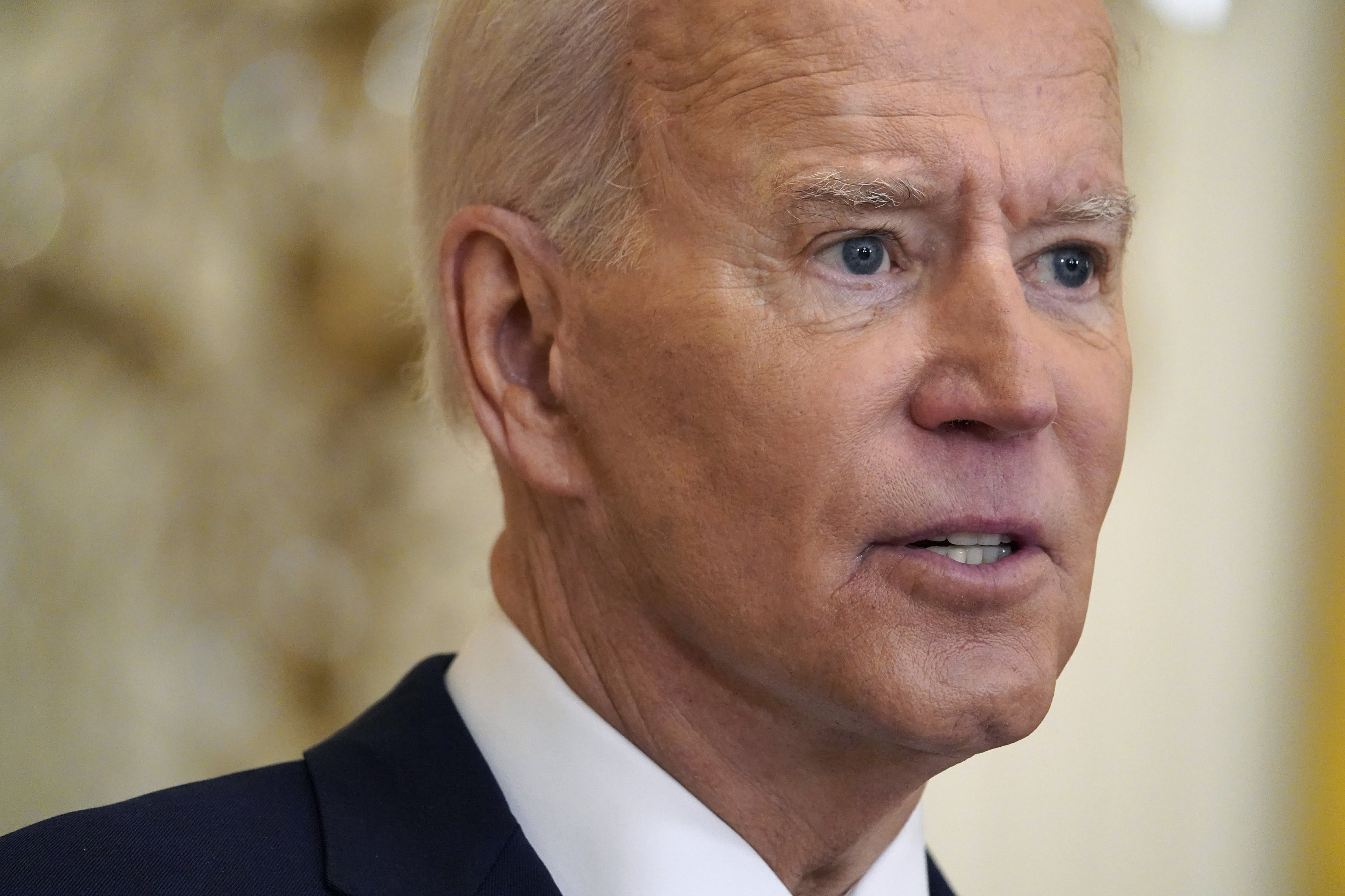
China’s Experts 4 Possible Corona Routes to Pandemic, World Stats

Chinese officials said experts voted on four possible ways that the coronavirus got to Wuhan.

They are: a bat carrying the virus infected a human, a bat infected an intermediate mammal that spread it to a human, shipments of cold or frozen food, and a laboratory that researches viruses in Wuhan. The experts concluded one of the two animal routes or the cold chain was most likely how it was transmitted.

A lab leak was viewed as extremely unlikely, Feng Zijian, a Chinese team member and the deputy director of China’s Center for Disease Control and Prevention, said.

AP reports: Chinese officials briefed diplomats Friday on the ongoing research into the origin of COVID-19, ahead of the expected release of a long-awaited report from the World Health Organization.

The briefing appeared to be an attempt by China to get out its view on the report, which has become enmeshed in a diplomatic spat. The U.S. and others have raised questions about Chinese influence and the independence of the findings, and China has accused critics of politicizing a scientific study.

“Our purpose is to show our openness and transparency,” said Yang Tao, a Foreign Ministry official. “China fought the epidemic in a transparent manner and has nothing to hide.”

The report, which has been delayed repeatedly, is based on a visit earlier this year by a WHO team of international experts to Wuhan.

The experts worked with Chinese counterparts, and both sides have to agree on the final report. It’s unclear when it will come out.

======================================================

Germany could see up to 100,000 new cases a day, warns expert

It expects 4.2 million more doses soon, said Health Ministry scientific committee member Said Afif, keeping it on track to reach its target of herd immunity before the summer.
These include 2 million more Sinopharm doses, 1 million of Russia’s Sputnik V shot and another 1.2 million AstraZeneca doses made in South Korea and bought through the Covax vaccine-sharing scheme, Afif said.

The health ministry has approved use of the Sputnik and South Korean-made AstraZeneca vaccines.

“Morocco is adopting a strategy of anticipation to ensure the vaccination campaign continues steadily regardless of the delays announced by AstraZeneca manufacturer in India,” Afif said.

The post China’s Experts 4 Possible Corona Routes to Pandemic, World Stats appeared first on The St Kitts Nevis Observer.

Associated Press World View: Biden 1st Presser, Tornado Deaths, Georgia Voter Law, Italian Care Homes, More

March 26, 2021

Alternate text
  • President Joe Biden in his first news conference leaves the door open to backing fundamental changes in Senate procedure to advance his agenda.
  • Georgia’s governor draws protests with a Republican-sponsored law that includes new restrictions on voting.
  • Italy’s badly hit nursing homes finally emerge from their COVID-19 tunnel thanks to vaccines.
  • And from Germany, we bring you the story of a mother of 11 children who has been homeschooling seven of them through the pandemic lockdowns.

Also:

  • New York doubles down on coronavirus contact tracing.
  • Egypt races to dislodge giant vessel blocking Suez Canal.
  • Georgia man gets final paycheck in grease-covered pennies.

VANESSA GERA

The Associated Press

Warsaw, Poland

The Rundown

I'm an image

WASHINGTON (AP) — President Joe Biden at his first news conference left the door open to backing fundamental changes in Senate procedure to muscle key parts of his agenda like immigration and……Read More

I'm an image

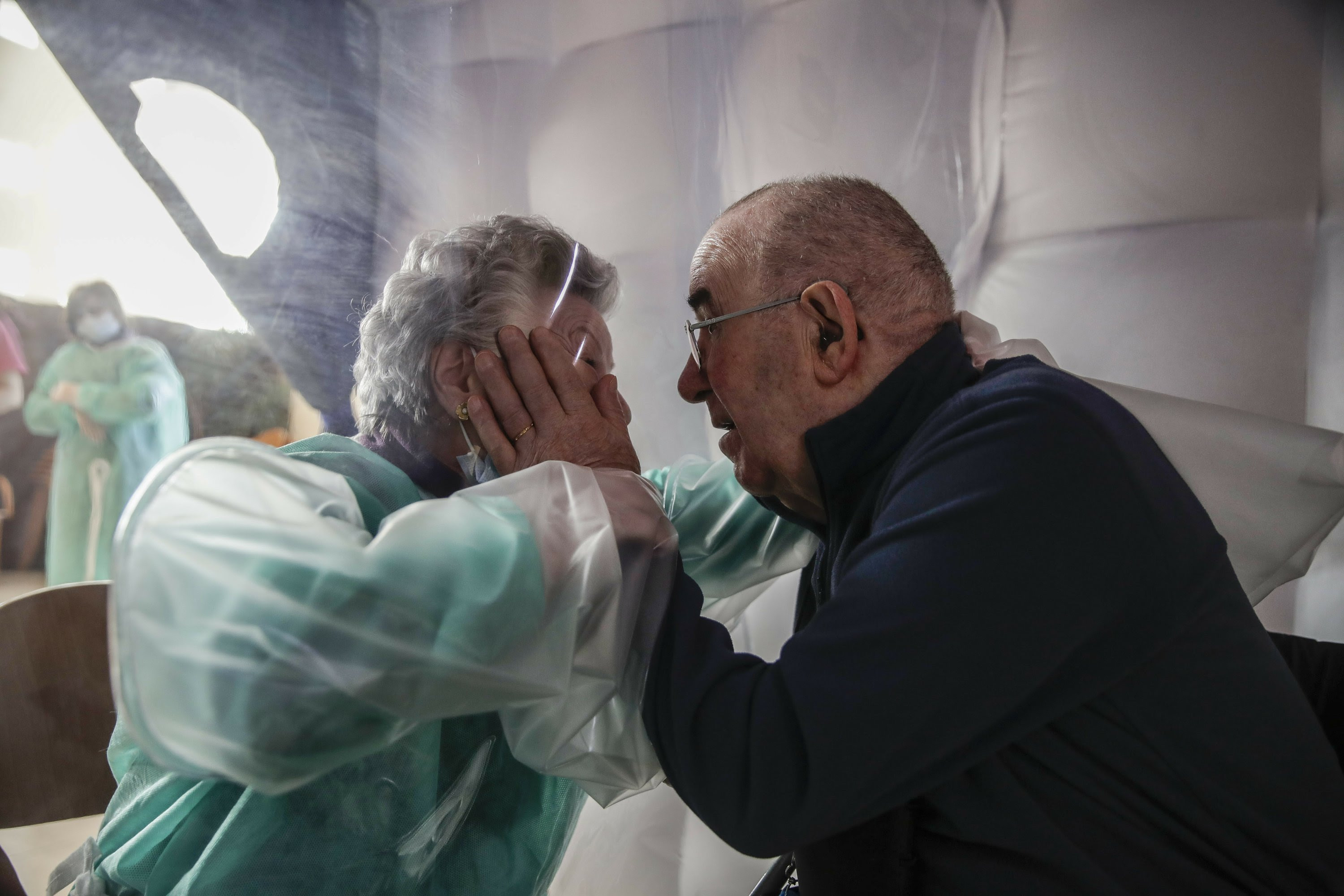
ALZANO LOMBARDO, Italy (AP) — Their last hug was through plastic. Palmiro “Mario” Tami knew this was the day he was getting his second coronavirus vaccine shot. But with the northern… …Read More

I'm an image

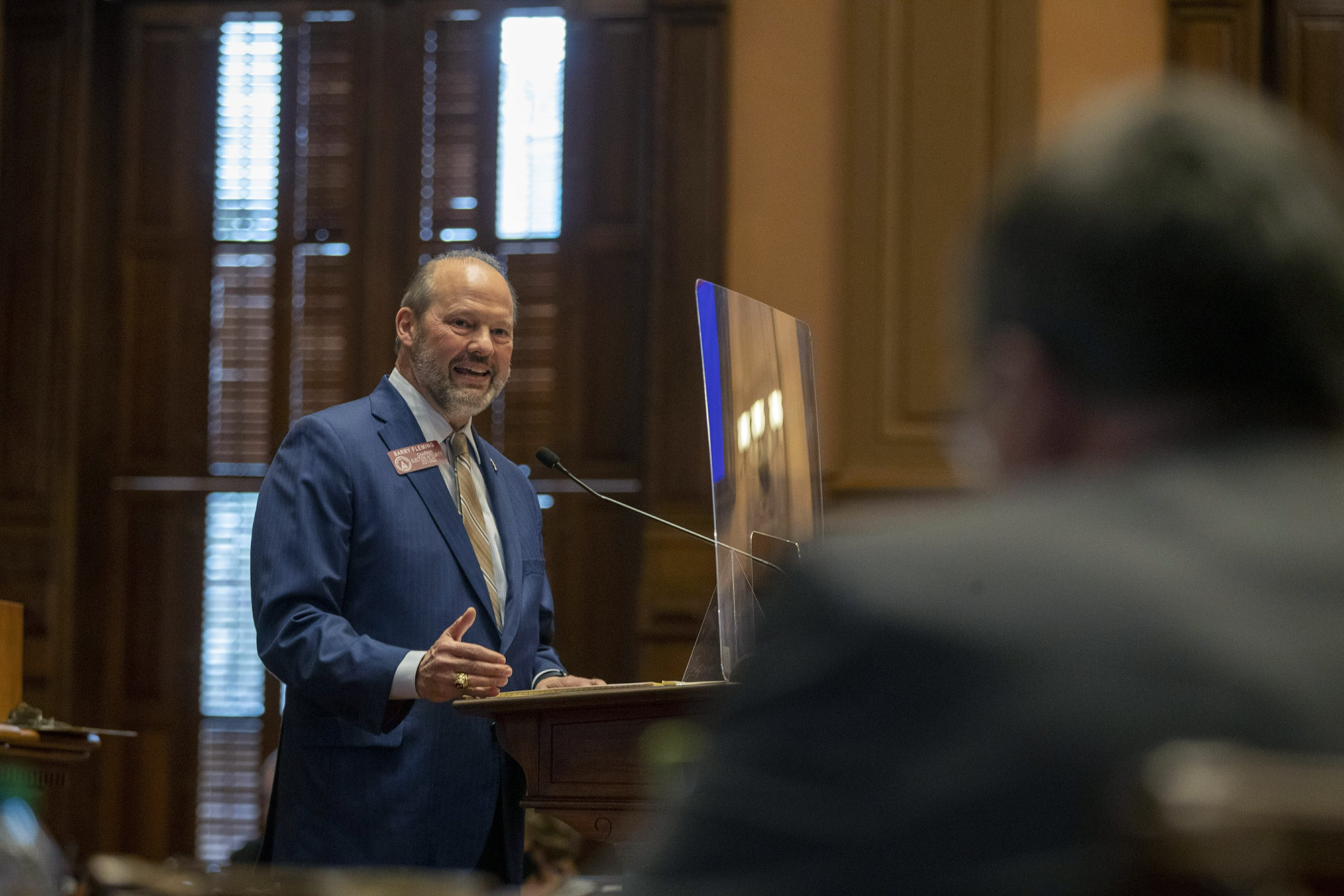
ATLANTA (AP) — The Georgia state House on Thursday passed legislation brought by Republicans that could lead to a sweeping overhaul of state election law, including provisions adding new… …Read More

I'm an image

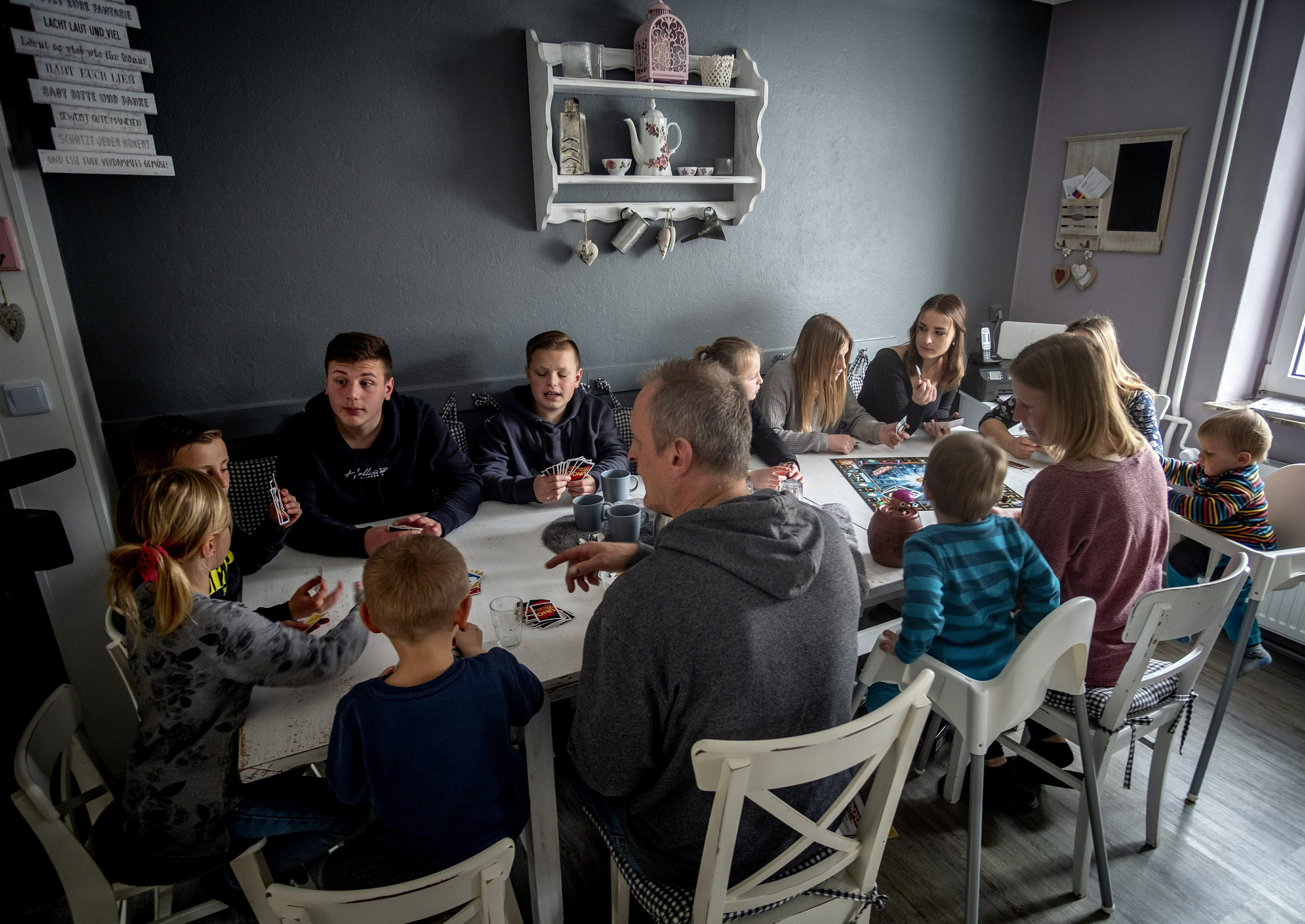
EISEMROTH, Germany (AP) — One year into the coronavirus pandemic, Katja Heimann, a mother of 11, is still trying to keep her spirits up — despite several lockdowns and months of homeschooling……Read More

I'm an image

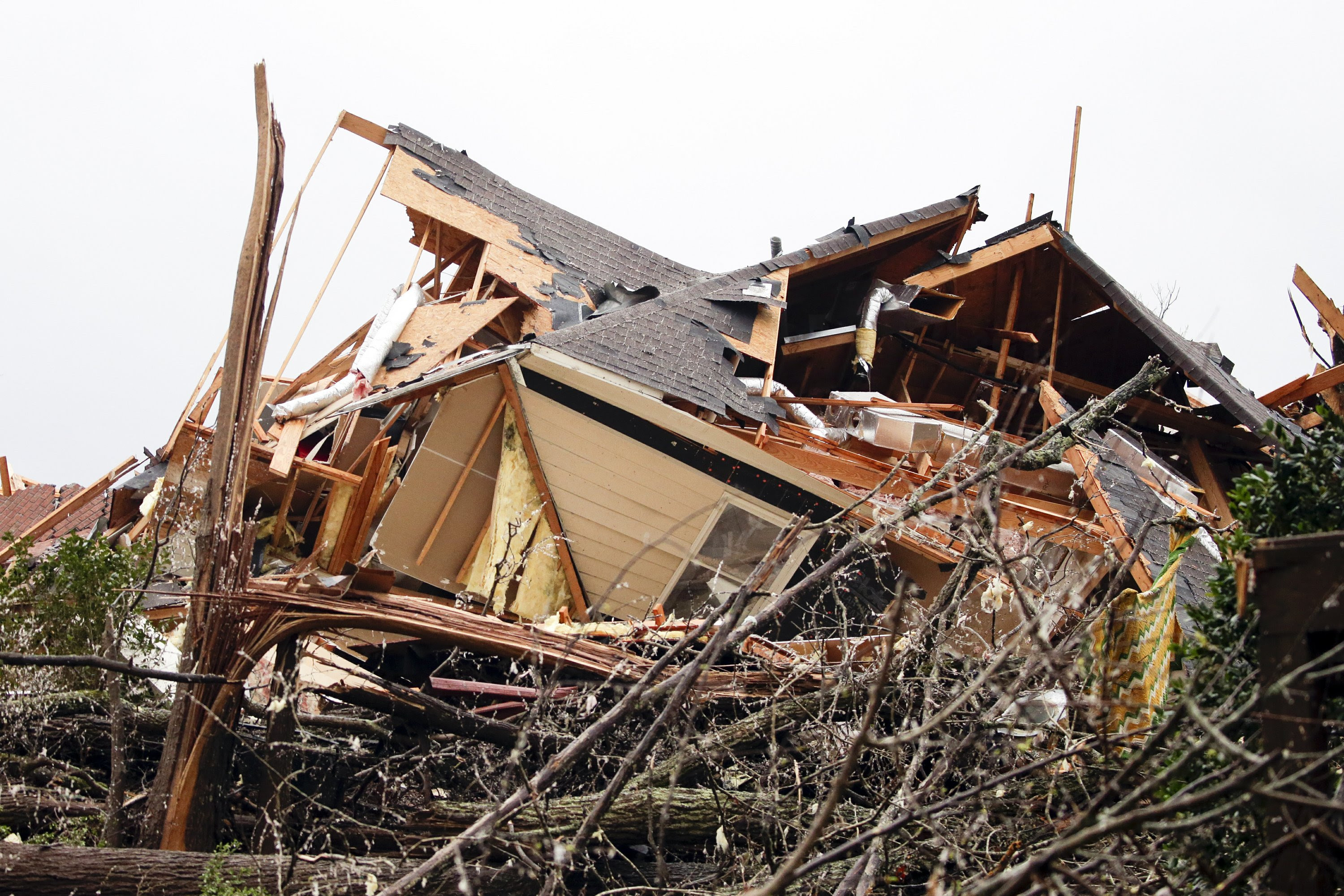
A series of tornadoes hatched by early spring “super cell” storms tore across Alabama and moved into Georgia early Friday, leaving at least five people dead amid ruins of wrecked homes, splinter…Read More

OTHER TOP STORIES

NEW YORK (AP) — Coronavirus contact tracing programs across the U.S. scaled back their ambitions as cases surged in winter, but New York City has leaned into its $600 million …Read More

BOULDER, Colo. (AP) — About 2,000 people gathered for a vigil honoring the 10 people killed in the Colorado supermarket shooting Thursday night, just hours after attorneys for…Read More

ISMAILIA, Egypt (AP) — A giant container ship remained stuck sideways Friday in Egypt’s Suez Canal, as authorities race to free the vessel and reopen traffic in a crucial East…Read More

ATLANTA (AP) — A Georgia man said his former employer owed him a pretty penny, $915 to be exact, after leaving his job in November. But Andreas Flaten said he was shocked to s…Read More

The post Associated Press World View: Biden 1st Presser, Tornado Deaths, Georgia Voter Law, Italian Care Homes, More appeared first on The St Kitts Nevis Observer.

World Water Day Address by Deputy PM The Hon. Shawn Richards

World Water Day 2021Theme: Valuing Water Why World Water Day?

World Water Day is held annually on March 22nd as a means of focusing attention on the importance of freshwater and advocating for the sustainable management of freshwater resources.  The first World Water Day was commemorated on March 22nd, 1993 as a result of a declaration by the United Nations General Assembly.  The theme for this year is “Valuing Water”.  Which simply means each of us asking ourselves: “What does WATER mean to me?”

Yes, we all are aware of what water means to us; how important and essential it is for our daily survival.  In fact, at the St. Kitts Water Services Department, our motto is: “Water is Life-Every Drop Counts.”

Week of Activities:

Every year the WSD organizes a Week of Activities to coincide with World Water Day.  This year, mindful that we are still in the midst of the Covid-19 Pandemic, we have scaled down our activities.  However, given the importance of keeping us all aware of our Water situation, we have decided to still have a few activities to celebrate World Water Day.  Hence, tomorrow Sunday, March 21st, the staff of the Water Services Dept and the Ministry will be worshipping at the Emmanuel Methodist Church in Sandy Point.

On Monday and Tuesday, we invite you to visit us at our Main Office at Needsmust where we would have a display showcasing some of our behind-the-scenes operations.
On Wednesday we will be at Independence Square where we will again be displaying the talent of our staff and providing useful information on how you can conserve water.  We will also be re-launching our Updated Website (www.water.gov.kn) and Facebook Page (St. Kitts Water Services Department) while giving you the opportunity to update your information in our customer database so that you can receive your bills electronically.  We expect to also provide you within a few weeks with the option of online bill payment via our website.

Friday is our Customer Appreciation Day; we will have tokens of appreciation for persons who visit us to settle their bills.

The Theme – Valuing water:

Back to the theme for this year: “Valuing Water.”  What does water mean to me? The value of water is about much more than its price – water has enormous and complex value for our households, food, culture, health, education, economics, and the integrity of our natural environment. If we overlook any of these values, we risk mismanaging this finite, irreplaceable resource. Sustainable Development Goal #6 (SDG 6) is to ensure water and sanitation for all by 2030. Without a comprehensive understanding of water’s true, multidimensional value, we will be unable to safeguard this critical resource for the benefit of everyone.

Valuing Water, therefore, means cooperation between the various segments of our society and stakeholders.  Let us look at some of the ways in which we use water with the understanding that because it is a finite resource, there will always be competition sometimes even conflict.  Water is used in the manufacturing sector for example by concrete making companies, beverage bottling companies, and water bottling companies to name a few.

The Tourism sector is also a major user of our water, whether it is the hotels, cruise ships, or eco-tourism.  Business institutions such as colleges, schools, hospitals, etc. all are very dependent on water for mainly sanitation and hygiene.  In our households of course in St. Kitts, we take it for granted that anyone can get a connection to the water distribution system and have a 24-7 supply of water.

This is not the case in many parts of the world.  Another key segment of our society that has a stake in the use of our water resources is of course Agriculture.  As a small island developing state, the government of St. Kitts and Nevis understands the importance of reducing our dependence on imported food.  We a cognizant of the need to make water available for agriculture so that our farmers are able to increase their output.  In this regard, over the past ten (10) years we have seen more farmers being able to obtain a water supply from our distribution network.

Water might mean different things to these various users, but one thing is common; they will all agree that it is invaluable.  So, whether you are a farmer, a household user, a business, or a commercial user, on the occasion of World Water Day 2021 and indeed every day, I implore you to take this year’s theme to heart and let us start “valuing water.”

Local Situation:

In St. Kitts-Nevis, it is very important for us to always remember that the ultimate source of our potable water is from rainfall.  As the rain falls onto the land, some of it is evaporated or used by plants, some of it runs off the land into the sea and some of it infiltrates into the ground and is stored in groundwater aquifers.

The growing threat of climate change means that rainfall patterns are changing and that sea levels are rising.  This is a serious threat.  We must invest in adaptation to ensure that our water system is resilient enough to cope with the threat.  In St. Kitts, we are blessed with a precious resource that must be cared for to ensure its sustainability for future generations.  Please be aware that this resource is not infinite, it requires careful and integrated management to ensure it is available for all now and into the future.

It is likewise very important for every water user to recognize that we are all interconnected by water; the responsibility for its care is shared by all members of society.  The government’s responsibility is to ensure accessibility, equity, and the productive use of water for development and progress.

The manifestation of such responsibility is the development of infrastructure to distribute water to various consumers and sectors.  Water infrastructure is fundamental to the development of our nation.  As such, the government has taken strides over the past years to move us from a small system that relied solely on gravity-fed surface water to a more complex system that relies on a combination of groundwater and surface water; a network of pumps and storage tanks linked by hundreds of kilometers of pipeline.

Although we take for granted the availability of water at our taps 24 hours per day, this is a privilege that we have earned by investing in infrastructure and human capital to ensure the proper management of the water resources over the years.  These kinds of investments cannot be short-term in nature but must be sustained in order to serve as a foundation for other sectors of the economy to grow on.

The government only in December last year signed a contract for over six (6) million dollars with BEAD LLC to undertake Well Drilling/Remediation in the Cayon and Basseterre Areas.  We are confident that a permanent solution to the water shortage which the good people of Cayon have endured over the years would soon be a thing of the past.

A Shared Responsibility:

The government through the Water Services Department will continue to ensure that all reasonable needs of water customers are met in a timely and efficient manner through the effective management of our water resources.  However, as was previously mentioned, the responsibility for the effective management of our water resources does not end with the Water Department – water is unique in that all persons in society participate in its management.

We all have a role to play in water management as private citizens of this Federation.  Personal responsibility is part of our “shared” responsibility; I urge you to become actively involved.  Do not use water wastefully; implement water conservation practices in your household, repair leaky taps and toilets, report incidents of abuse or misuse of water, report any visible leaks from pipelines or standpipes, catch rainwater to irrigate your gardens or wash your cars, pay attention to your waste disposal practices, and respect signage and rules established by the Water Services Department.

Earlier I noted that valuing water is not just about the price we pay for water; but ultimately, one of the simplest ways we demonstrate that we value something is by the price we are willing to pay for it.  The last time water rates were increased in St. Kitts was 2001, some twenty years ago.  Our water rates are amongst the lowest anywhere.  The United Nations recommends that a water bill should not be more than 3% of household income.  If a low-income family has an income of $1,600.00, 3% of income is $48.00/month.  A family of five (5) using water efficiently should not be using more than $48.00/month.

There are far too many persons and businesses in St. Kitts who are not demonstrating that they value water by paying their water bills monthly.  I take this opportunity to remind you that if you are not tracking your water usage and paying your bills then you could be responsible for wasting one of our most precious resources and thus putting the future sustainability of our water resources at risk.

In closing, when you open your tap this evening, think about where the water came from and the work it took to get it to you and your family. Many people worldwide are not as fortunate as we are here in this Federation.  Reflect on the theme for this year’s World Water Day: “Valuing Water.”  Ask yourself, what does water mean to me?  What would it mean to me if tomorrow I do not have water? What can I do to help ensure that I have water tomorrow?  Join hands and heart with us at the Ministry of Public Infrastructure and the Water Services Department in particular during this week as we partner in ensuring that we all value water for its future sustainability.

Happy World Water Day.  I thank you for your kind attention.  Good evening.

The post World Water Day Address by Deputy PM The Hon. Shawn Richards appeared first on The St Kitts Nevis Observer.