Far North Mayor Moko Tepania, who lives nearby, describes incident as “incredibly tragic”.
Tag Archives: oceania
Offenders on the run after armed liquor store robbery in Papatoetoe, South Auckland
A firearm was presented during the confrontation but it was not discharged.
Groomer Sean Smale jailed for exploiting boys in Rotorua and Tauranga for sexual gratification
A man guilty of six sexual offences against young boys has been jailed.
Sea World helicopter crash sparks airspace review on Gold Coast
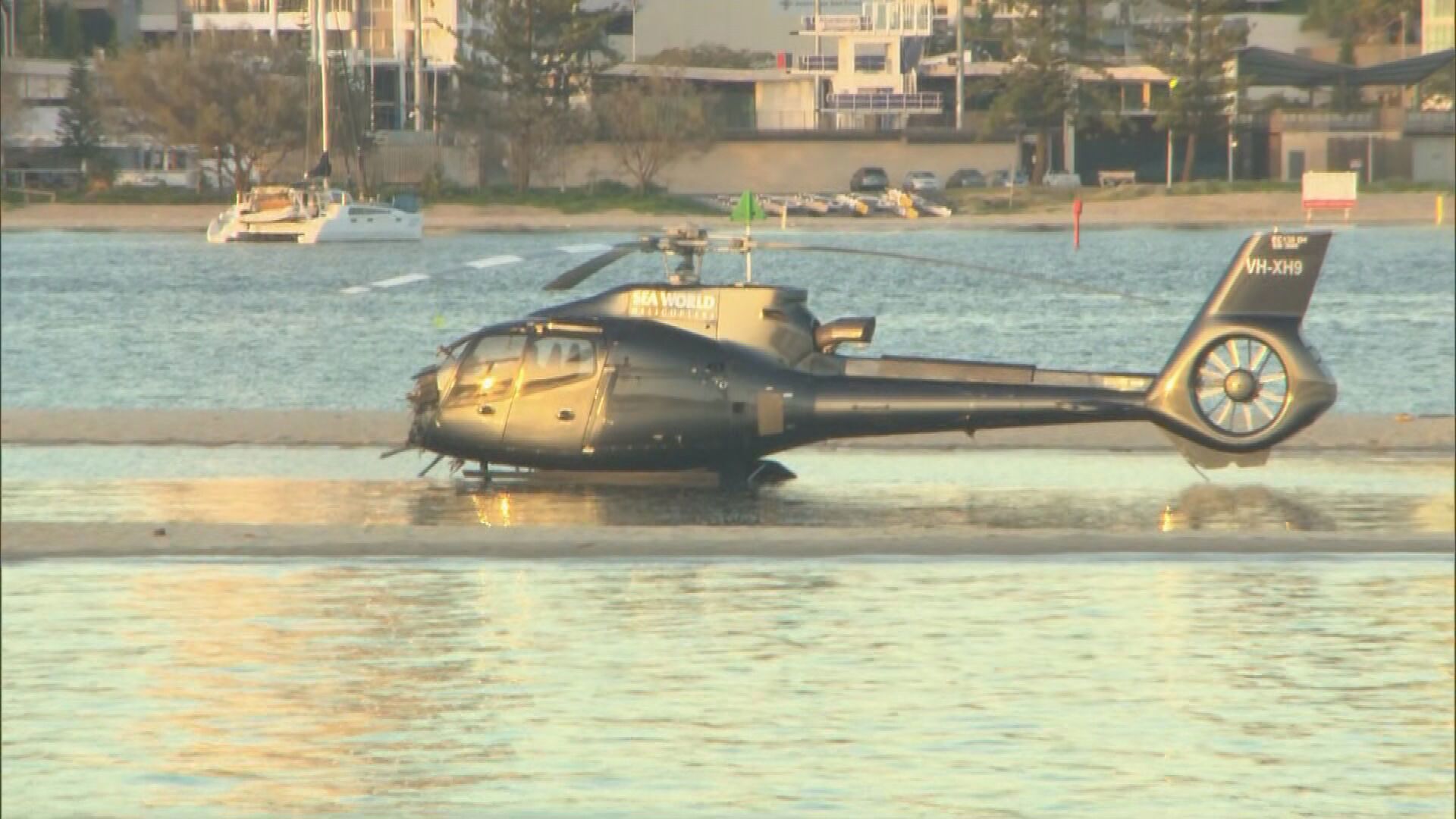
The airspace near the Sea World theme park on the Gold Coast will be reviewed by the safety regulator following the helicopter collision earlier this year which killed four people.
The Civil Aviation Safety Authority (CASA) said it is seeking feedback on possible changes to the airspace – which is currently uncontrolled – from pilots and operators.
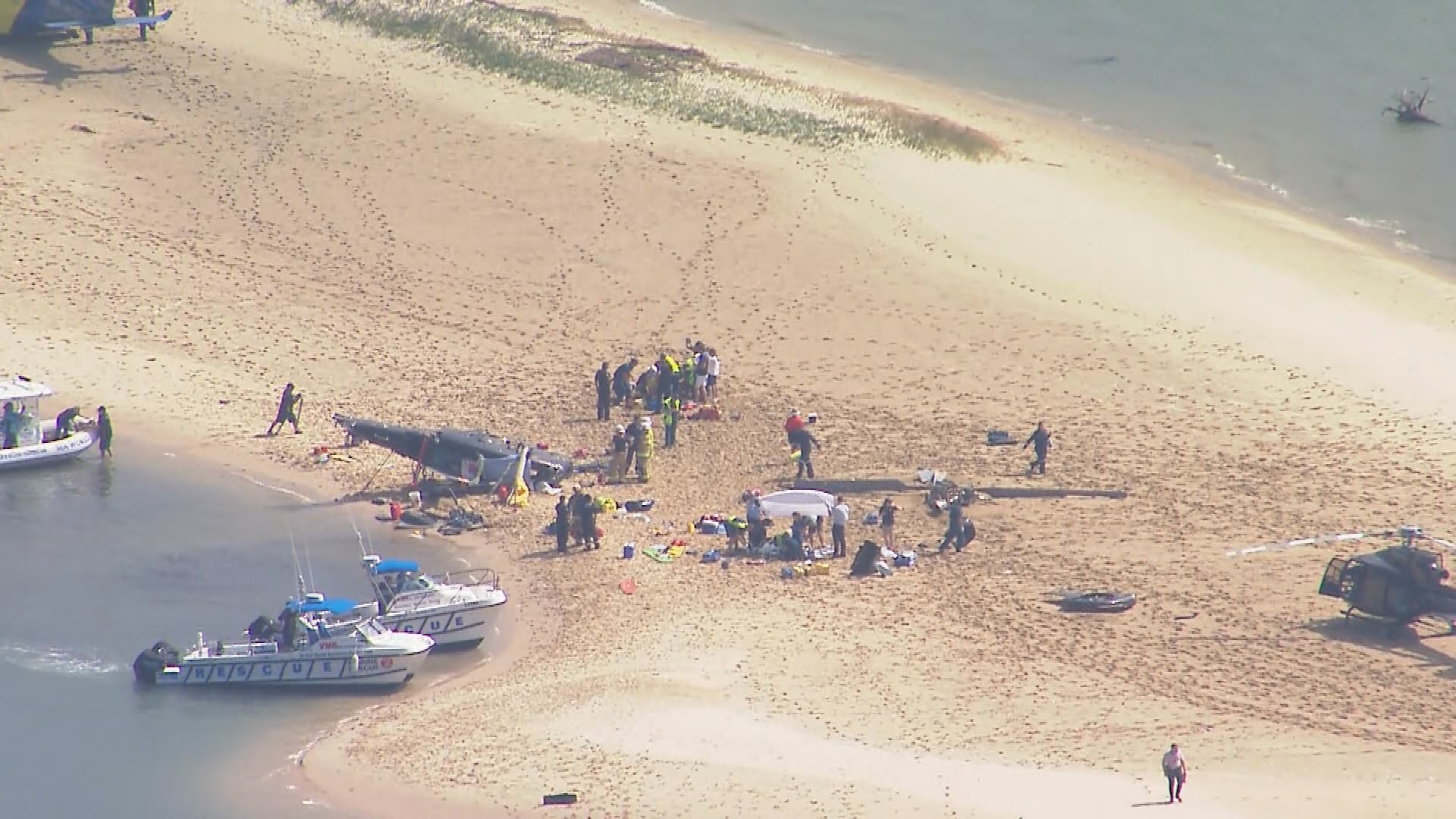
The horror crash unfolded on January 2 when two helicopters collided, killing pilot Ash Jenkinson, British newlyweds Diane and Ron Hughes, and Sydney woman Vanessa Tadros.
READ MORE: US President trips and falls at event
Multiple people were also injured, including Melbourne mother Winnie De Silva, her nine-year-old son Leon, and Tadros' 10-year-old son Nicholas.
The pilot of a helicopter coming into land did not see a second helicopter or hear a radio call before the tragic mid-air collision, a preliminary report found.
CASA said an initial review of the airspace has not indicated there are any safety issues.
"While there's no indication at this stage that airspace design played a part in this devastating accident, we want to make sure we've given all pilots and airspace users the opportunity to provide their views on airspace arrangements," CASA branch manager air navigation, airspace and aerodromes, Adrian Slootjes, said.
"The first stage of this work involves collecting data to inform a formal airspace review.
READ MORE: Sea World helicopter flights resume three months after deadly crash
"We've had people on the ground last week observing operations and talking to operators. This will be used alongside information we receive through our broader consultation activities.
"We want all pilots and operators that fly in this area to let us know about their experiences."
The move comes after Sea World Helicopters officially resumed joy flights in April.
The accident is subject to an Australian Transport Safety Bureau (ATSB) investigation that expected to be completed later this year.
CASA said it will be cooperating with the ATSB as it continues its investigation.
Sign up here to receive our daily newsletters and breaking news alerts, sent straight to your inbox.
Victoria Police ask public for help in finding missing serial rapist
Police are calling on the public in Victoria to help them find a serial rapist who has been eluding them for several weeks.
Under his conditions as a registered sex offender, Wayne Ferguson, 57, is obliged to give his police his address and phone number.
But for several weeks police have been unable to track him down.
READ MORE: Disease affecting four million Aussies costs Sydney mum her leg
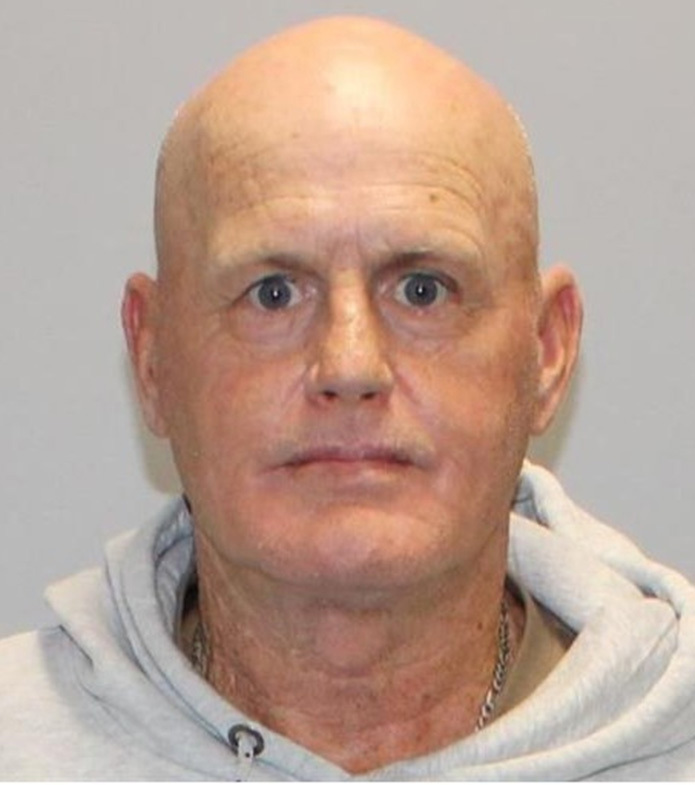
A warrant was issued for him on May 17, but he hasn't been seen since May 4.
Assistant Police Commissioner Chris Gilbert said if anyone sees him, they should call 000.
"We have reason to believe that he knows he is being looked for and is actively avoiding us," Gilbert said.
"If he's watching this, we certainly say hand yourself in, it's much simpler."
It is believed Ferguson was in the Ivanhoe area on May 4.
Gilbert said Ferguson was 180cm tall, medium build, with blue eyes, pale skin, and bald.
He said Ferguson had distinctive tattoos, including on his knuckles.
On his right knuckles reads the word DOPE, and the word TONY is on his left.
He also has the words MUM and DAD in a heart on his upper right arm, a dragon head on the inside of his lower left arm, a wizard on his left hand, a snake and two roses on his right hand, a scroll and hearts on his lower left leg, a peacock and starts on his lower right leg and a dragon on each side of his chest.
READ MORE: Pay rise coming for millions of workers
The assistant commissioner said Gilbert's attempts to avoid them were a "futile exercise".
"It is inevitable that he will be caught," Gilbert said.
"It's no life to be constantly looking over your shoulder."
Because of Ferguson's violent history, Gilberts said people should call police rather than confront him.
Ferguson was given a five-year sentence in 2015 over a rape he committed in 1987.
Sign up here to receive our daily newsletters and breaking news alerts, sent straight to your inbox.
Hawke’s Bay roofing salesman sacked after claiming commission on unconfirmed sales, taking fuel
The salesman had earlier been reprimanded for using a fuel card to fill his own vehicle.
Ben Roberts-Smith resigns from Seven after landmark defamation ruling
Ben Roberts-Smith has resigned from his role at Channel Seven, the day after his defamation case was thrown out of court in a landmark ruling.
The company's managing director and chief executive officer James Warburton made the announcement in an email to staff on Friday.
"As you're all aware, the judgement in the defamation case was handed down yesterday," it said.
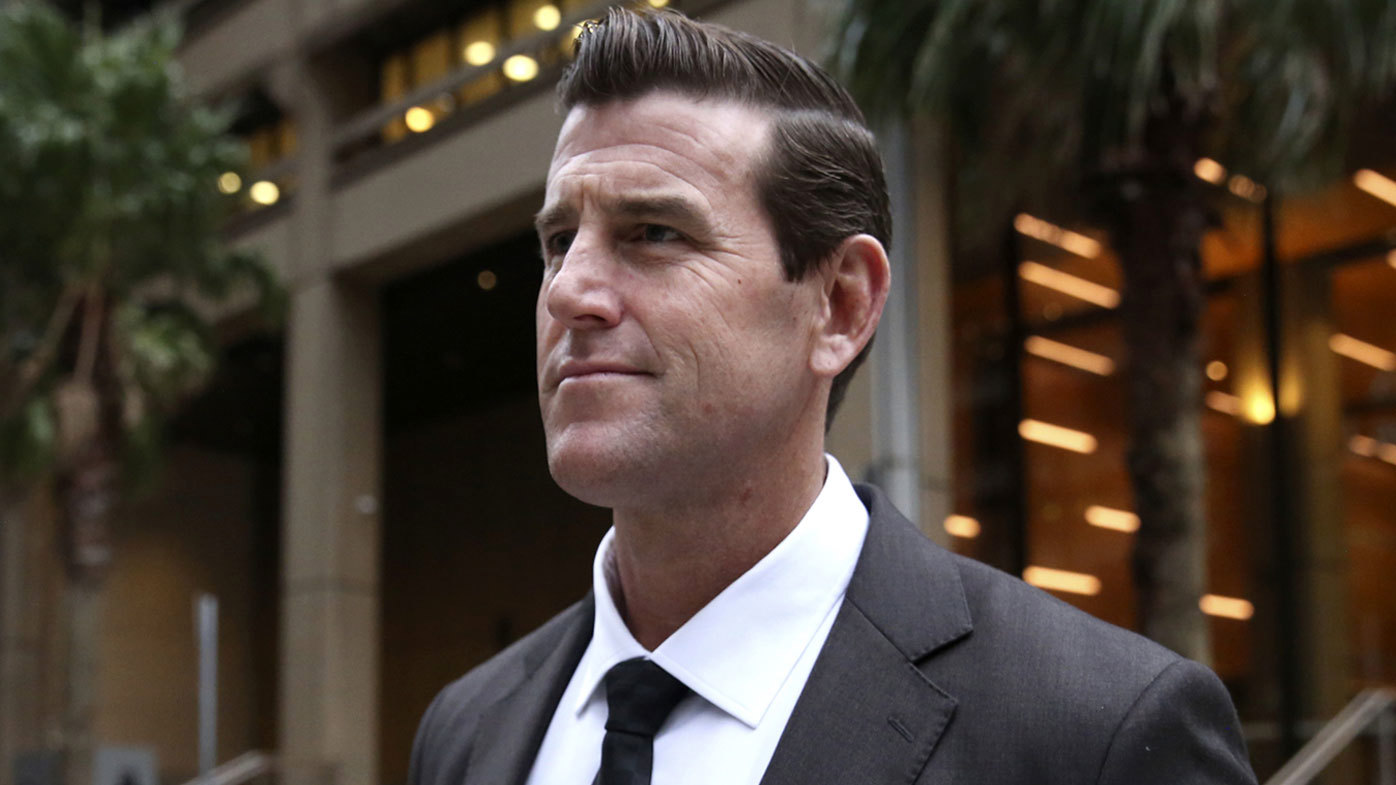
"Ben has been on leave whilst the case was running, and today has offered his resignation, which we have accepted.
"We thank Ben for his commitment to Seven and wish him all the best."
Roberts-Smith was the general manager of Seven Queensland since 2015.
Yesterday, Federal Court judge Justice Anthony Besanko found allegations Roberts-Smith murdered or was complicit in the killing of four unarmed Afghans while deployed overseas were "substantially true" in a landmark defamation ruling.
Roberts-Smith had sued the newspapers around allegations of five unlawful killings of Afghans the newspapers claim he either committed or was complicit in.
Kerry Stokes – Roberts-Smith's former boss, financial backer, and the chairperson of Seven West Media – released a statement following the ruling yesterday saying he was "disappointed" with the outcome.
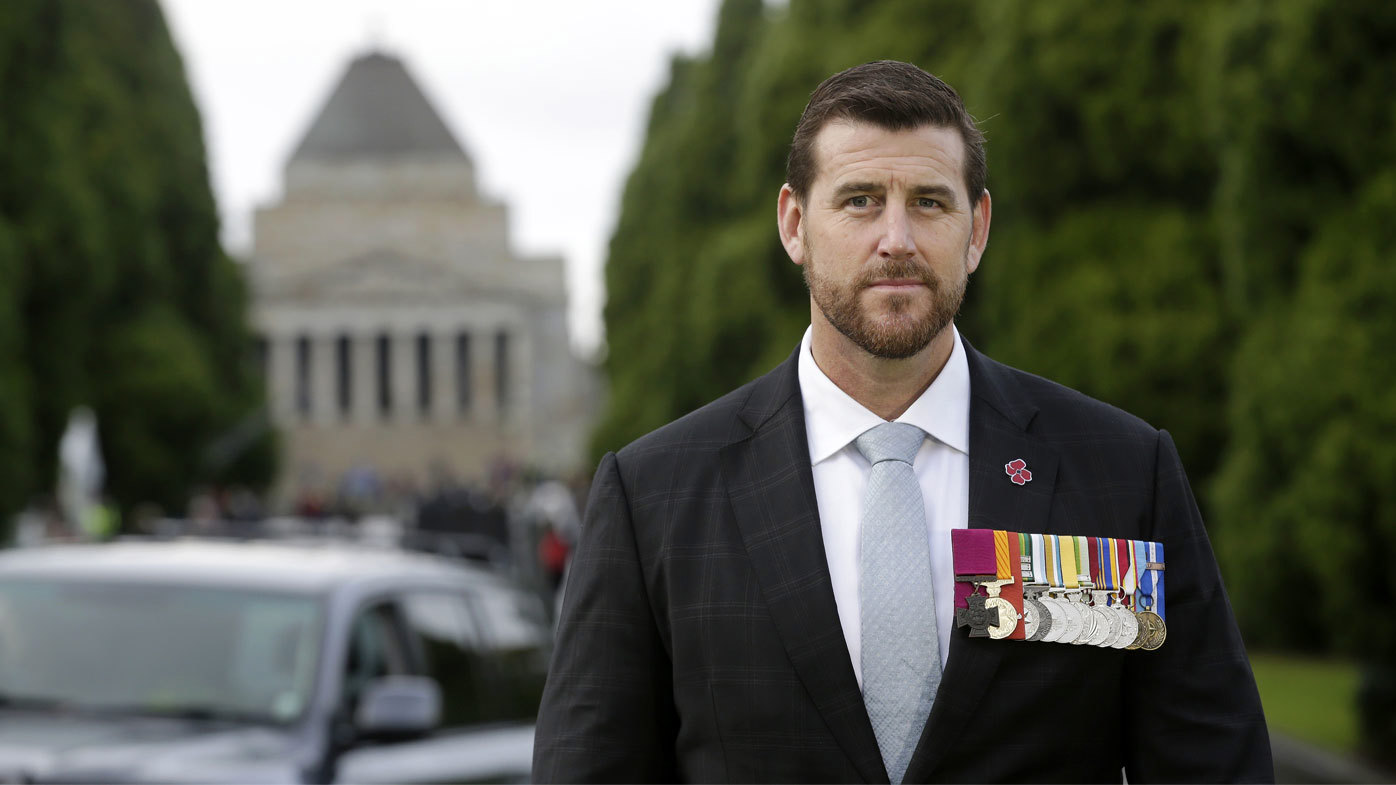
"The judgement does not accord with the man I know. I know this will be particularly hard for Ben, who has always maintained his innocence.
"That his fellow soldiers have disagreed with each other, this outcome will be the source of additional grief.
"I haven't had a chance to have a discussion with Ben as yet but I will when he has had a chance to fully absorb the judgement."
The marathon defamation trial was described as a proxy-war crime trial. It raised uncomfortable questions about the Australian defence force, and tested the limits of press freedom.
It began in June 2021 and sat for 110 days over 13 months, and heard from 41 witnesses including three who gave evidence from Afghanistan.
If you are a current or former ADF member, or a relative, and need counselling or support, you can contact the Defence All-Hours Support Line on 1800 628 036 or Open Arms on 1800 011 046.
Three charged after 800kg of cocaine found on ship off WA coast
Three men have been charged after 800kg of cocaine was found on a cargo ship off Western Australia.
Australian Federal Police and Border Force officers discovered the 29 packages of cocaine after receiving an SOS call from a smaller cabin cruiser off Rottnest Island.
If the drugs successfully made it to the streets, police say, they could've been sold as up to four million individual deals, with an estimated street value of $320 million.
READ MORE: Ben Roberts-Smith's defamation claims thrown out
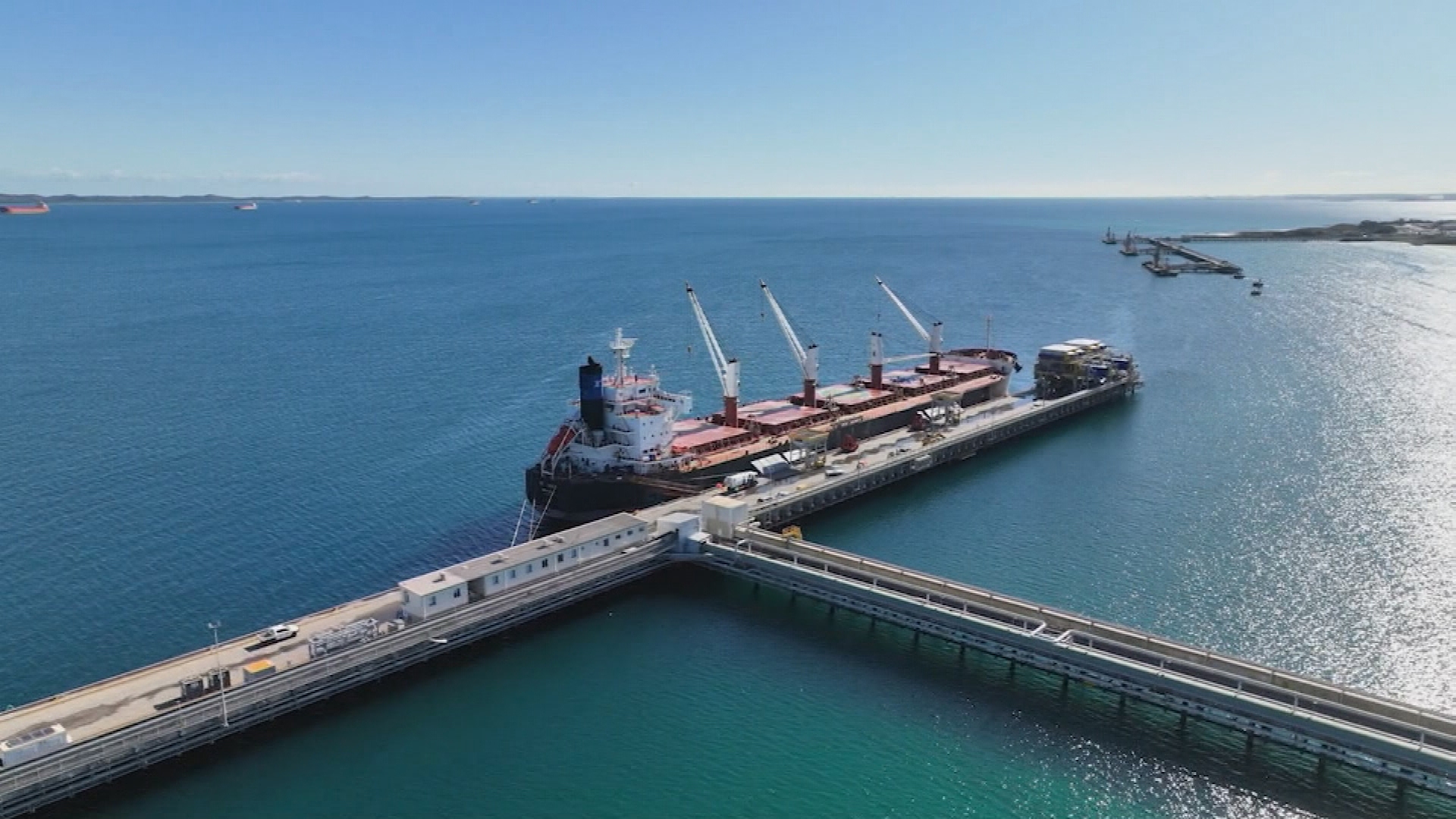
Three men onboard the cabin cruiser said they were having engine trouble once they were rescued, but authorities told 9News that their story didn't add up.
The drugs were discovered in a cargo ship called the St Pinot after Border Force and the AFP launched a combined search for any boats in the water at the same time as the men.
Police searched the ship at sea before taking it to Fremantle, and then to Kwinana where it remains.
It came from Argentina, stopping at two ports in the South American country before coming to Western Australia, according to police.
The three men on board the cabin cruiser – aged 21, 25 and 29 – were arrested and charged yesterday with importation.
READ MORE: Another Aussie building company collapses

AFP Assistant Commissioner Pryce Scanlan said that had the haul not been intercepted, it could've resulted in a huge spike in violence and addiction rates in the community.
"The seizure demonstrates the importance of collaboration between law enforcement – the AFP is working tirelessly with partners to disrupt attempts by organised crime to import large quantities of illicit drugs into Australia and profit at the expense of the community," Scanlan said.
"The illicit drug supply chain is littered with violence and had this amount of cocaine made its way to Australian streets, it would have spread through our suburbs fuelling more violence, crime and drug addiction.
"We must continue to tackle drug supplies directly before they reach our streets, and the AFP's well-established presence internationally puts us in a prime position to disrupt the importation of drugs before they can damage our communities.
"The community needs to be aware that their illicit drug use bankrolls violent transnational serious organised crime groups, who may also be involved in other abhorrent crimes."
Two of the men have been remanded in custody after facing court in Perth on June 1.
The third was found in Sydney, allegedly trying to flee the country.
Police expect he will be extradited to Western Australia to face the charges.
Each faces a life prison sentence if convicted.
Sign up here to receive our daily newsletters and breaking news alerts, sent straight to your inbox.
America 'breaths sigh of relief' as US Senate approves debt ceiling deal
Fending off a default, the US Senate has given final approval to a debt ceiling and budget cuts package, grinding into the night to wrap up work on the bipartisan deal and send it to President Joe Biden's desk to become law before the fast-approaching deadline.
The compromise package negotiated between Biden and House Speaker Kevin McCarthy leaves neither Republicans nor Democrats fully pleased with the outcome. But the result, after weeks of hard-fought budget negotiations, shelves the volatile debt ceiling issue that risked upending the US and global economy until 2025 after the next presidential election.
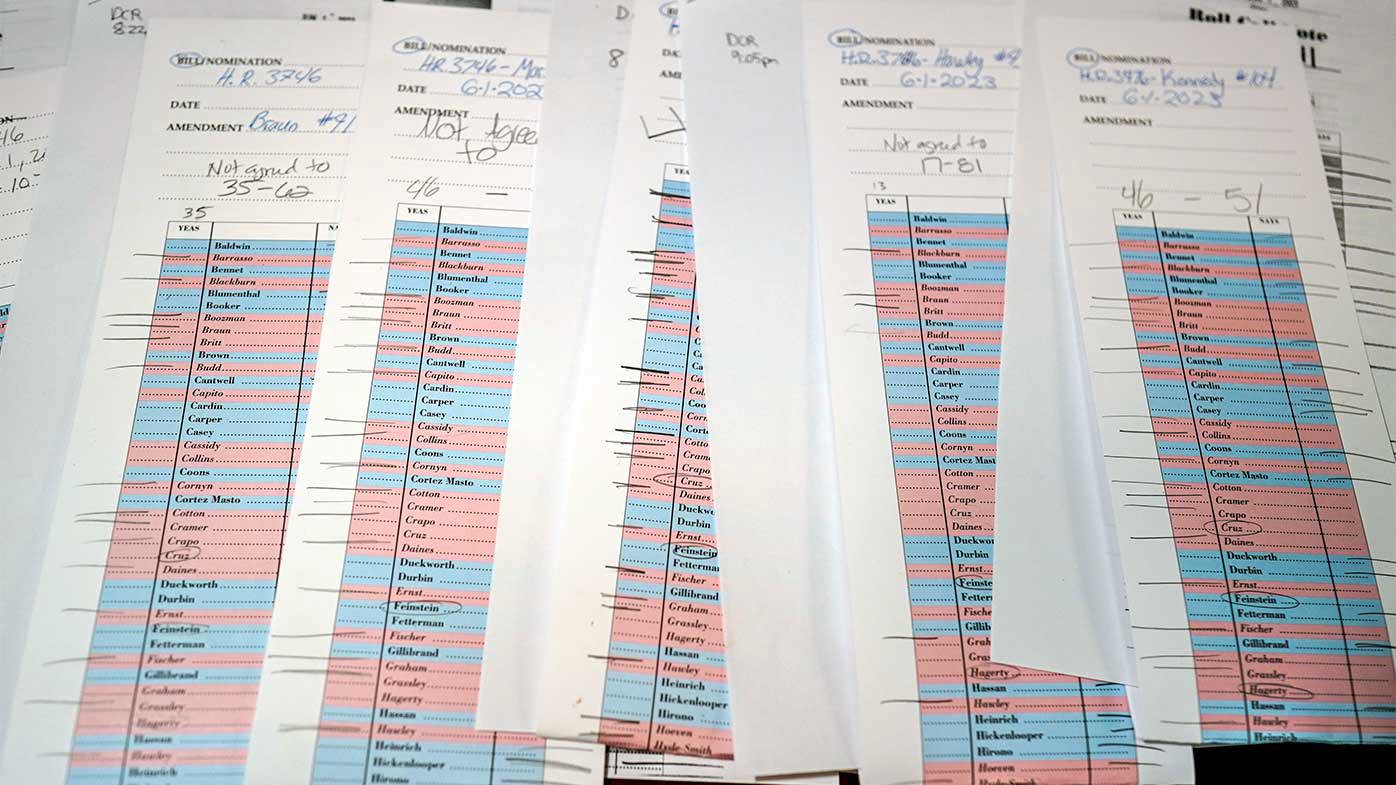
Approval in the Senate on a bipartisan vote, 63-36, somewhat reflected the overwhelming House tally the day before, relying on centrists in both parties to pull the Biden-McCarthy package to passage – though Democrats led the tally in both chambers.
READ MORE: Biden 'fine' after tripping and falling at event
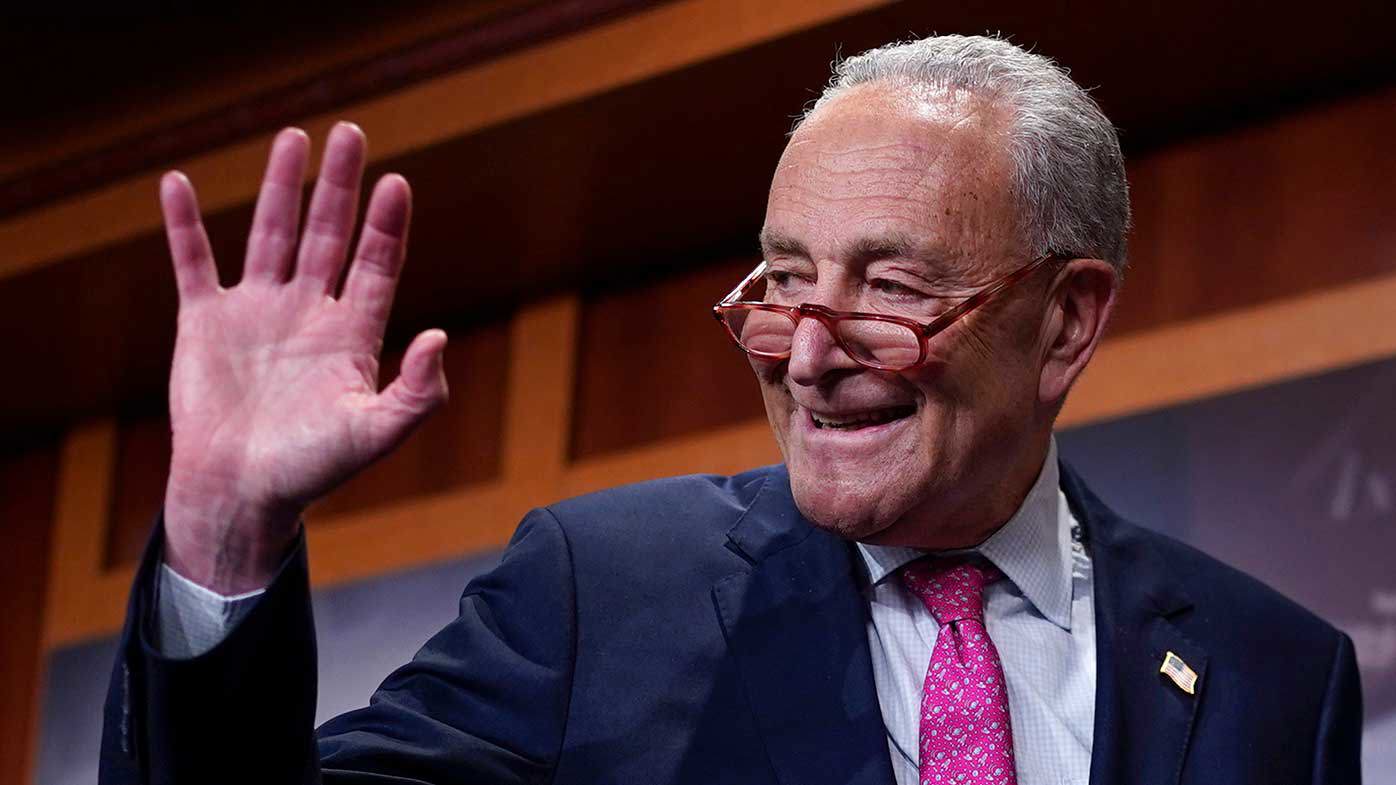
Senate Majority Leader Chuck Schumer said ahead of voting that the bill's passage means “America can breathe a sigh of relief.”
Afterward he said, “We’ve saved the country from the scourge that is default.”
Biden said in a statement following passage that senators from both parties “demonstrated once more that America is a nation that pays its bills and meets its obligations – and always will be.”
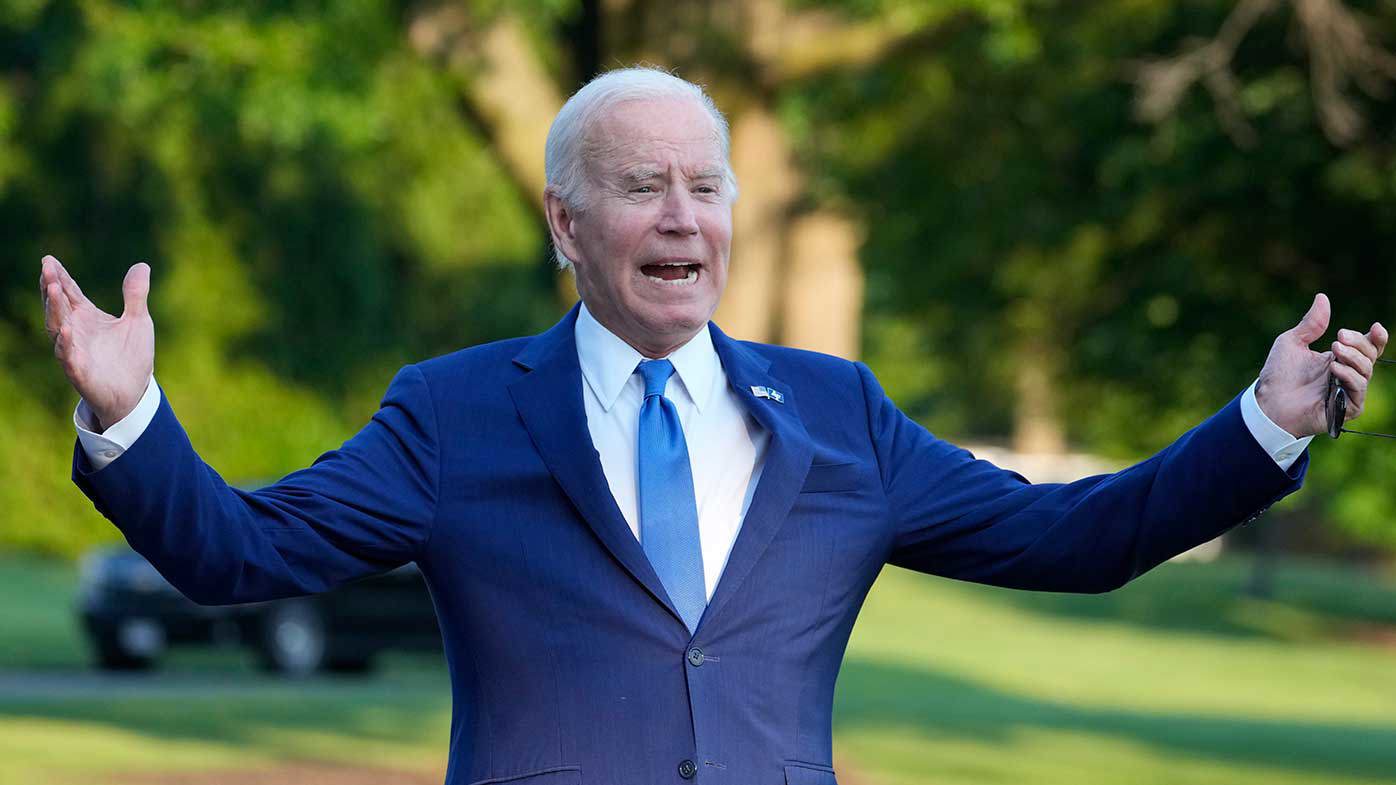
He said he would sign the bill into law as soon as possible. “No one gets everything they want in a negotiation, but make no mistake: this bipartisan agreement is a big win for our economy and the American people,” the president said. The White House said he would address the nation about the matter today.
Fast action was vital if Washington hoped to meet next Monday's deadline, when Treasury has said the US will start running short of cash to pay its bills, risking a devastating default. Raising the nation’s debt limit, now $47 trillion, would ensure Treasury could borrow to pay already incurred US debts.
READ MORE: Joe Biden betting record will top age worries in re-election bid
In the end, the debt ceiling showdown was a familiar high-stakes battle in Congress, a fight taken on by McCarthy and powered by a hard-right House Republican majority confronting the Democratic president with a new era of divided government in Washington.
Refusing a once routine vote to allow a the nation's debt limit to be lifted without concessions, McCarthy brought Biden's White House to the negotiating table to strike an agreement that forces spending cutbacks aimed at curbing the nation's deficits.
Overall, the 99-page bill restricts spending for the next two years, suspends the debt ceiling into January 2025 and changes some policies, including imposing new work requirements for older Americans receiving food aid and greenlighting an Appalachian natural gas line that many Democrats oppose.
It bolsters funds for defense and veterans, cuts back new money for Internal Revenue Service agents and rejects Biden’s call to roll back Trump-era tax breaks on corporations and the wealthy to help cover the nation’s deficits. It imposes automatic 1 per cent cuts if Congress fails approve its annual spending bills.
After the House overwhelmingly approved the package late Wednesday, Senate Republican leader Mitch McConnell signaled he too wanted to waste no time ensuring it became law.
READ MORE: US President Joe Biden endorses F-16 training for Ukrainians
Touting its budget cuts, McConnell said Thursday, “The Senate has a chance to make that important progress a reality.”
Having remained largely on the sidelines during much of the Biden-McCarthy negotiations, several senators insisted on debate over their ideas to reshape the package. But making any changes at this stage would almost certainly derail the compromise and none were approved.
Instead, senators dragged through rounds of voting late into the night rejecting the various amendments, but making their preferences clear. Conservative Republican senators wanted to include further cut spending, while Democratic Sen. Tim Kaine of Virginia sought to remove the Mountain Valley Pipeline approval.
The energy pipeline is important to Sen. Joe Manchin, D-W.Va., and he defended the development running through his state, saying the country cannot run without the power of gas, coal, wind and all available energy sources.
But, offering an amendment to strip the pipeline from the package, Kaine argued it would not be fair for Congress to step into a controversial project that he said would also course through his state and scoop up lands in Appalachia that have been in families for generations.

Defence hawks led by Senator Lindsey Graham of South Carolina complained strongly that military spending, though boosted in the deal, was not enough to keep pace with inflation — particularly as they eye supplemental spending that will be needed this summer to support Ukraine against the war waged by Russian President Vladimir Putin.
“Putin’s invasion is a defining moment of the 21st century,” Graham argued from the Senate floor. “What the House did is wrong.”
They secured an agreement from Schumer, which he read on the floor, stating that the debt ceiling deal “does nothing” to limit the Senate's ability to approve other emergency supplemental funds for national security, including for Ukraine, or for disaster relief and other issues of national importance.
All told, 46 Democratic senators and 17 Republicans voted for the package; 31 Republicans, four Democrats and one independent who caucuses with the Democrats opposed it.
For weeks negotiators labored late into the night to strike the deal with the White House, and for days McCarthy had worked to build support among skeptics.
Tensions had run high in the House the night before as hard-right Republicans refused the deal. Ominously, the conservatives warned of possibly trying to oust McCarthy over the issue.
But Biden and McCarthy assembled a bipartisan coalition, with Democrats ensuring passage on a robust 314-117 vote. All told, 71 House Republicans broke with McCarthy to reject the deal.
“We did pretty dang good,” McCarthy, R-Calif., said afterward.
As for discontent from Republicans who said the spending restrictions did not go far enough, McCarthy said it was only a “first step."
The White House immediately turned its attention to the Senate, its top staff phoning individual senators.
Democrats also had complaints, decrying the new work requirements for older Americans, those 50-54, in the food aid program, the changes to the landmark National Environmental Policy Act and approval of the controversial Mountain Valley Pipeline natural gas project they argue is unhelpful in fighting climate change.
The nonpartisan Congressional Budget Office said the spending restrictions in the package would reduce deficits by $2 trillion over the decade, a top goal for the Republicans trying to curb the debt load.
In a surprise that complicated Republicans' support, however, the CBO said their drive to impose work requirements on older Americans receiving food stamps would end up boosting spending by $3.1 billion over the time period. That's because the final deal exempts veterans and homeless people, expanding the food stamp rolls by 78,000 people monthly, the CBO said.
Sign up here to receive our daily newsletters and breaking news alerts, sent straight to your inbox.
Teachers at tipping point as almost half consider leaving within a year
"I have just experienced the most profound burn out of my life and I blame the job for a fair chunk of that."
After 13 years in the classroom, Melbourne-based teacher David* has told 9news.com.au, he was coming to a crossroads in his career.
"It's been a tough couple of years," said David, who works as a maths teacher in the city's eastern suburbs.
Do you have a story about the teacher shortage crisis? Contact the reporter at Sign up here to receive our daily newsletters and breaking news alerts, sent straight to your inbox.