A police officer has been stood down after a fatal crash in South Auckland this morning.A cyclist died at the scene of the incident involving a moving vehicle and several parked cars on Stancombe Rd in Flat Bush.Police did not…
Tag Archives: oceania
How much NSW residents have been refunded through their trash
New South Wales residents have returned more than eight billion containers through the "return and earn" program over the past five years.
Not only have bottles, cans and drink cartons been returned and recycled but residents have gotten money back in their pockets.
NSW environment minister James Griffin said more than $800 million in refunds has been put back in people's wallets.
READ MORE: Man arrested after rushing at Queen's coffin as wait times reach 24 hours

"Return and Earn has fundamentally shifted people's behaviour, turning what was once seen as waste into a now-valuable resource for the recycling industry, and delivering huge refunds to the community," Griffin said.
"This is a huge win for our environment, with all plastic containers and glass bottles returned being given a new life and turned back into new food and drink containers to go back on our supermarket shelves within weeks.
"Heading down to the local Return and Earn point has become a routine part of life, and I'd like to thank the almost 80 per cent of adults in NSW who have got involved."
READ MORE: Mass burial site contains torture victims, Ukrainian president says

Twelve-year-old Cooper Birtles is a keen return and earn contributor and is using the program to save for his first car.
"I love seeing the cans and bottles being recycled instead of being chucked away in the rubbish. It's a great feeling to know that I am doing something good," Birtles said.
Birtles is also using the money he gets back to donate to NSW flood-affected victims.
EXPLAINED: What we know about Queen Elizabeth II's funeral

The program has also contributed more than $35 million in donations to charities, like St Vincent de Paul Society, over the past five years.
"Vinnies has seven Return and Earn depots across NSW where we currently employ over 30 people and last financial year our sites processed 95 million containers," Acting CEO Yolanda Saiz said.
"This helped raise critical funds for the Society that help us provide services to people experiencing poverty and disadvantage."
In Hong Kong, mourning the Queen has another purpose: defying China
Thousands of people in Hong Kong have turned out to pay their respects to Queen Elizabeth II, in one of the largest public gatherings since China clamped down on shows of political dissent in the former British colony more than two years ago.
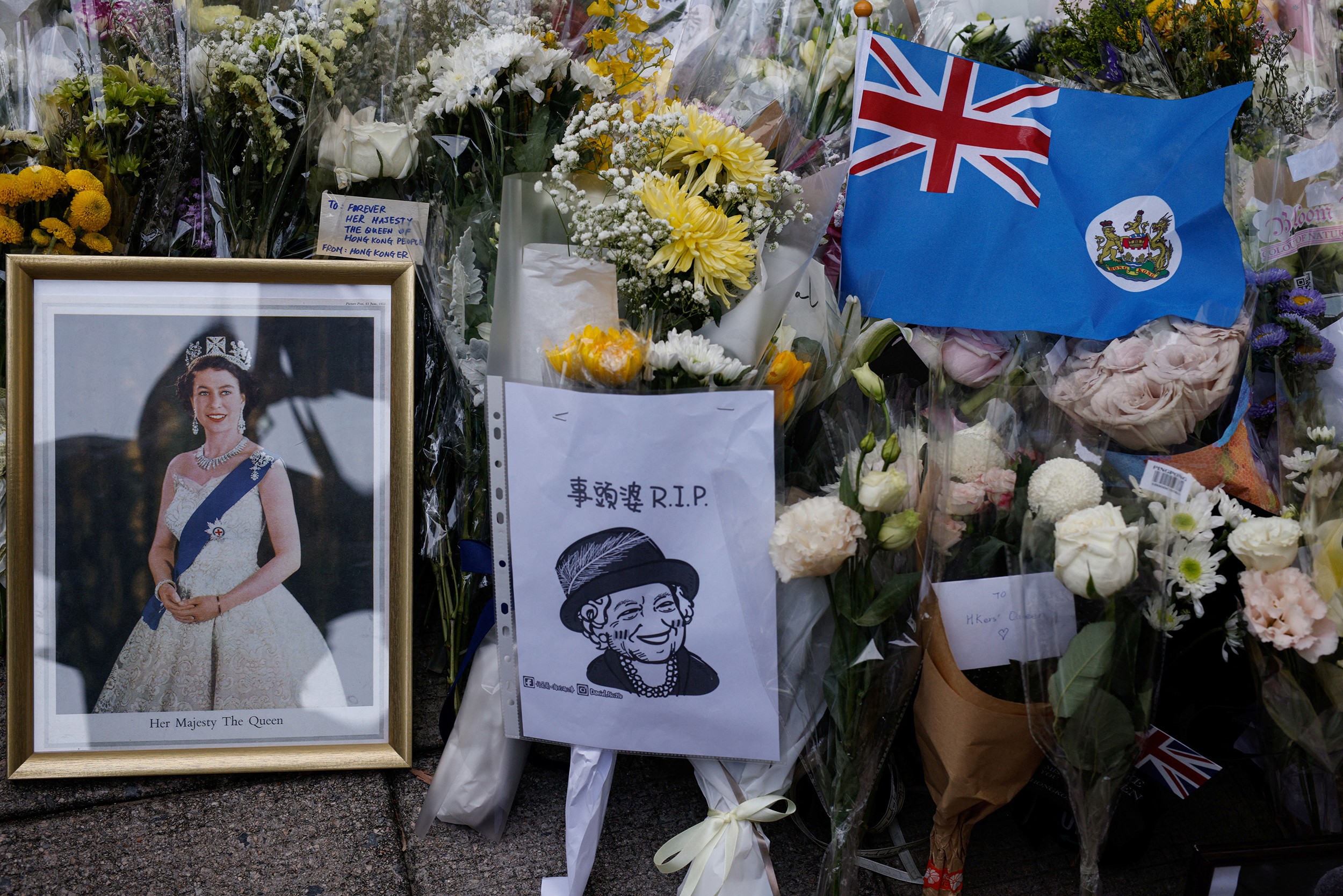
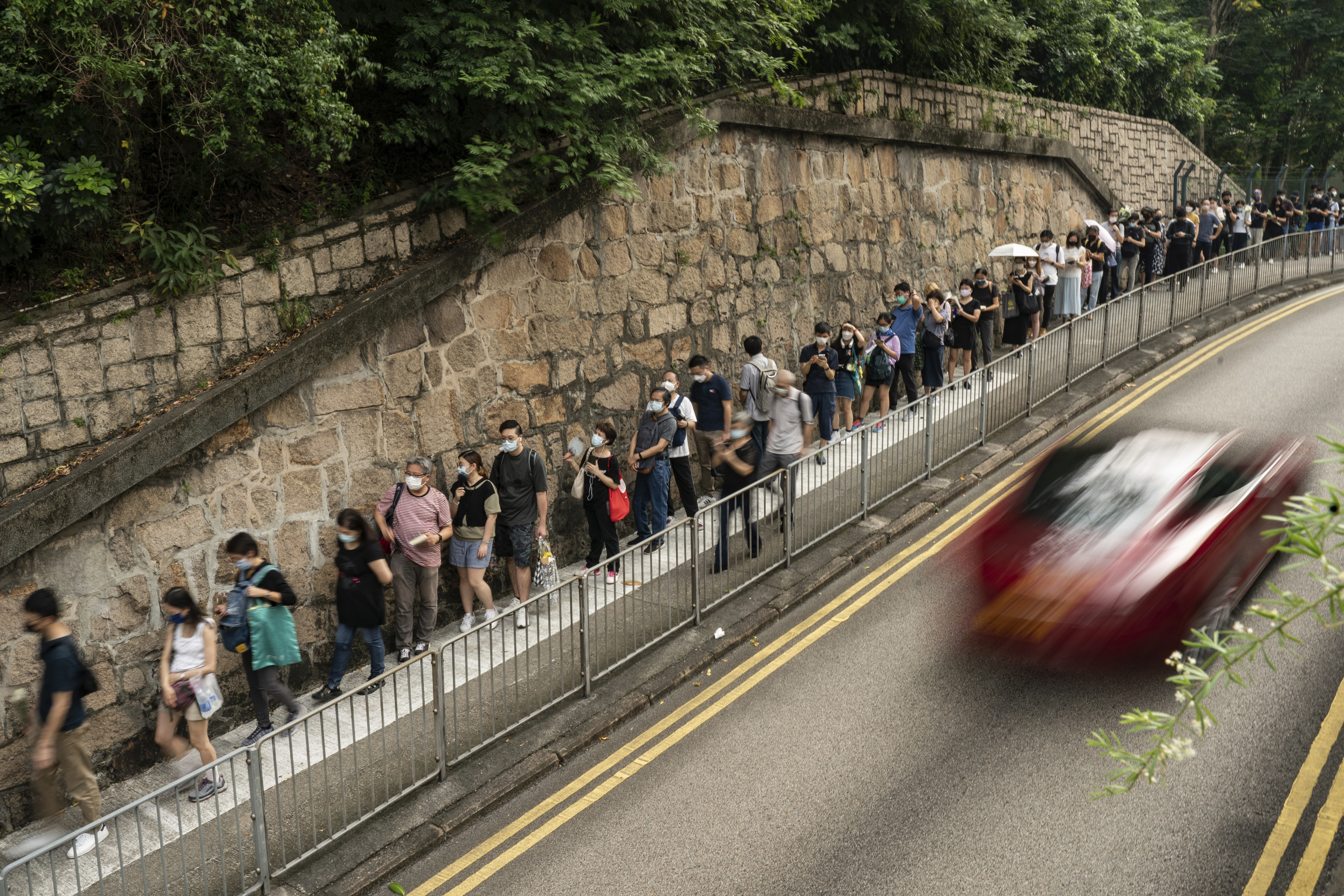
Crowds of more than 2500 people of varying ages lined up for hours outside the British consulate Monday, enduring sweltering temperatures of 33C, to leave flowers, framed photographs and messages thanking the "boss lady" or "lady in charge" – as she was often known in Cantonese during the colonial years.
For some of them, this was not only a matter of mourning a monarch who had ruled over the city for 45 years but a subtle form of protest at how China has tightened its grip on a once free-wheeling and boisterous city that critics contest has seen its civil liberties steadily eroded since the British handed sovereignty to Beijing 25 years ago.
EXPLAINED: What we know about Queen Elizabeth II's funeral
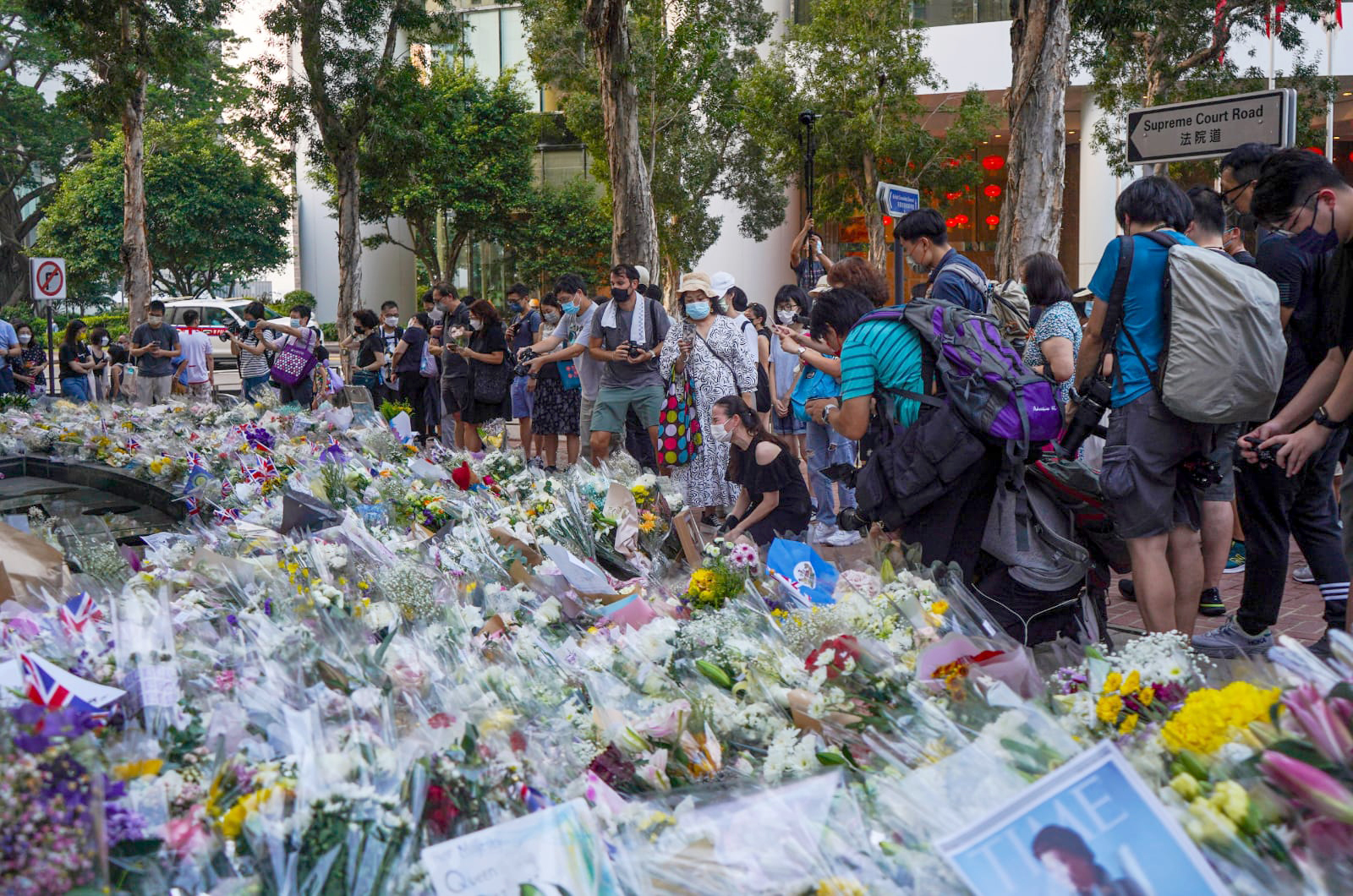
Public gatherings have been rare since China imposed a national security law in June 2020 in an attempt to extinguish the increasingly forceful pro-democracy protests that had been rocking the city since 2019.
That clampdown, together with coronavirus restrictions that critics claim are sometimes co-opted for political purposes have effectively silenced most overt forms of mass gathering or public dissent.
But in celebrating the monarchy and its symbols, some Hong Kongers see an opportunity for a veiled dig at both the Chinese Communist Party, which has made no secret of its eagerness for Hong Kongers to forget the era, and local authorities who recently introduced school books that claim the city was never even a colony to begin with. The books instead refer to the period of British rule as a "forcible occupation."
A retiree named Wing, who spoke to CNN outside the consulate on Monday but declined to give his full name, said it was "incredible" to be part of a mass gathering again.
"I feel angry that the Hong Kong government is not showing any respect properly (to the Queen). They're scared of the Chinese government telling them off, but we were part of the colony," said Wing, who was born in the 1960s.
Another, Sylvia Lee said she was saddened to hear of the Queen's death, saying that she was a symbol of stability across the world.
"No one lives forever and we knew this day would come someday. She was a respected figure, and the government during the colonial period made many contributions to Hong Kong's development, especially in the 70s and 80s," Lee told CNN, referring to a period when governors appointed to the city built up its public housing and transport infrastructure.
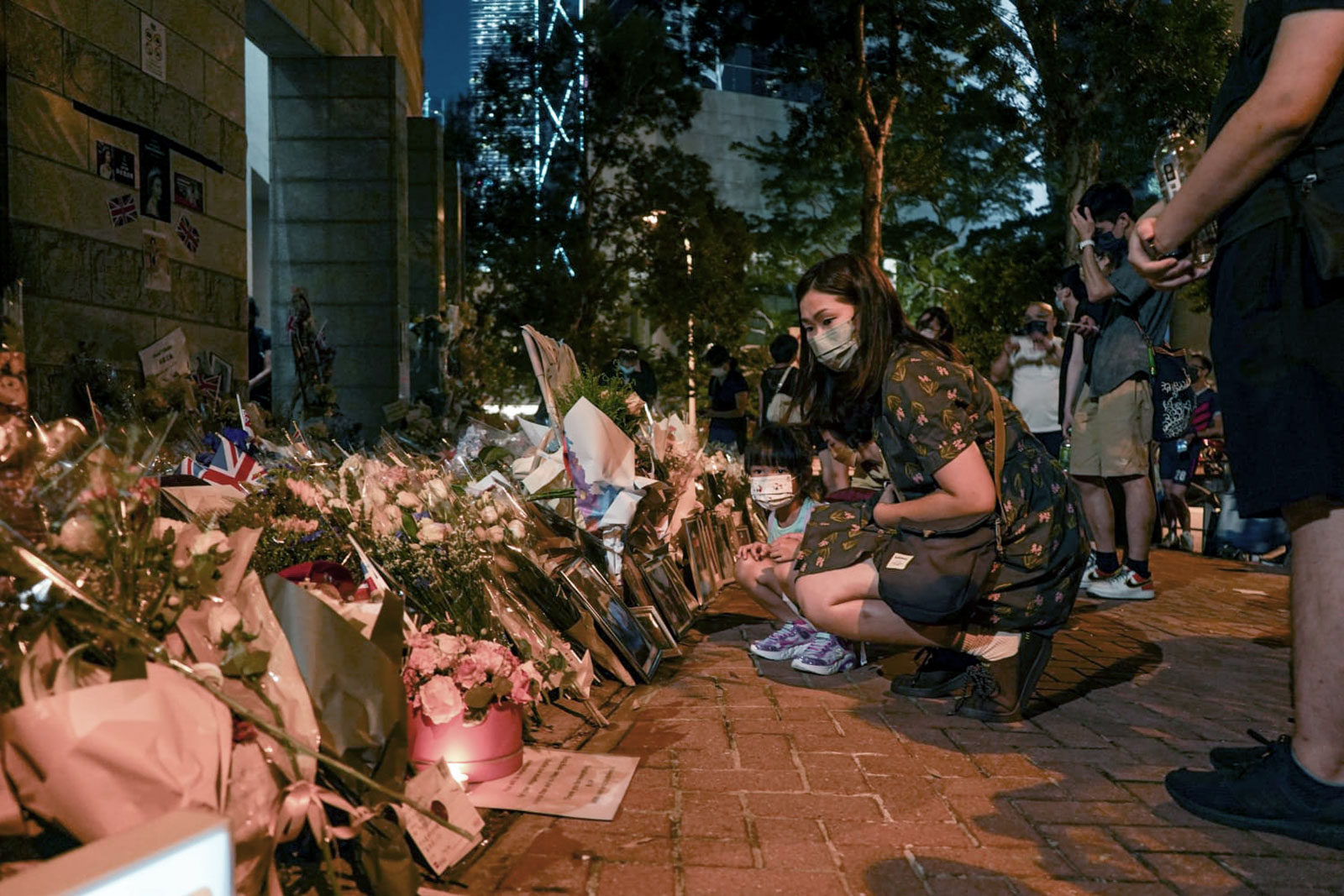
A symbol of protest – and a complicated past
On the surface, mourning the Queen might not seem confrontational – especially given both Chinese leader Xi Jinping and Hong Kong's Chief Executive John Lee (a former police officer who started his career with the Royal Hong Kong Police Force in 1977) have sent their condolences" to the United Kingdom.
But the displays of affection are also a reminder of the city's pro-democracy protests, during which demonstrators adopted the colonial flag as a sign of resistance to Chinese one-party rule.
READ MORE: Day-by-day guide from now until the Queen's funeral
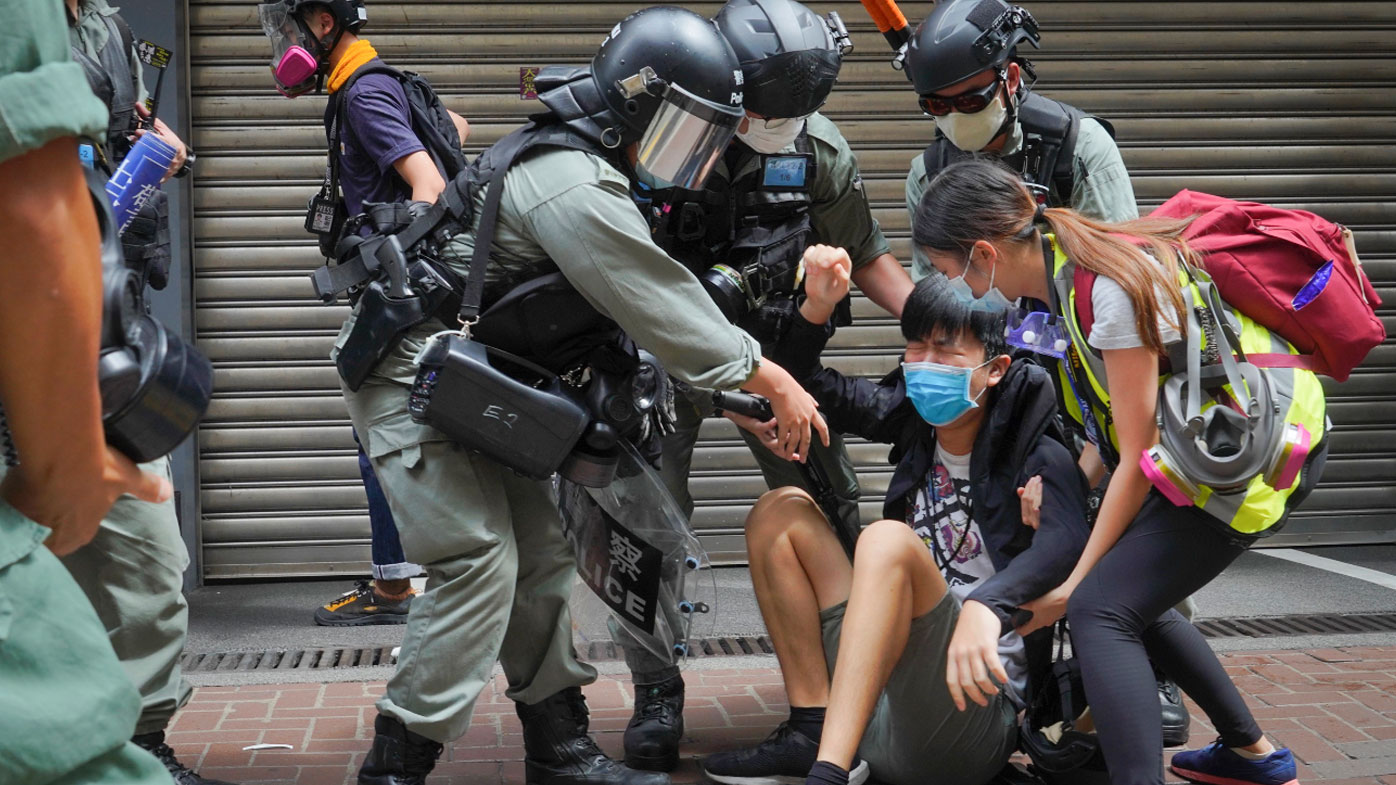
At the height of the 2019 protests, anti-government demonstrators broke into the city's legislative chamber, defacing it with graffiti calling for universal suffrage while hanging the colonial flag on the council president's seat.
The sensitivities surrounding the city's colonial era were highlighted on Thursday, when the Cantonese opera star Law Kar-ying apologised for leaving flowers outside the consulate, retracting a post on his Instagram page that had said he wanted to pay respects to the Queen because Hong Kong was a "blessed land" under her reign. Law said his words were "ill-thought" and asked people not to "over-interpret" them.
"I am a long-time holder of a Chinese passport, which speaks for itself. I am Chinese and I will always love my motherland. I am sorry," he said on the Chinese Twitter-like platform Weibo.
It was not clear what prompted Law to issue the apology.
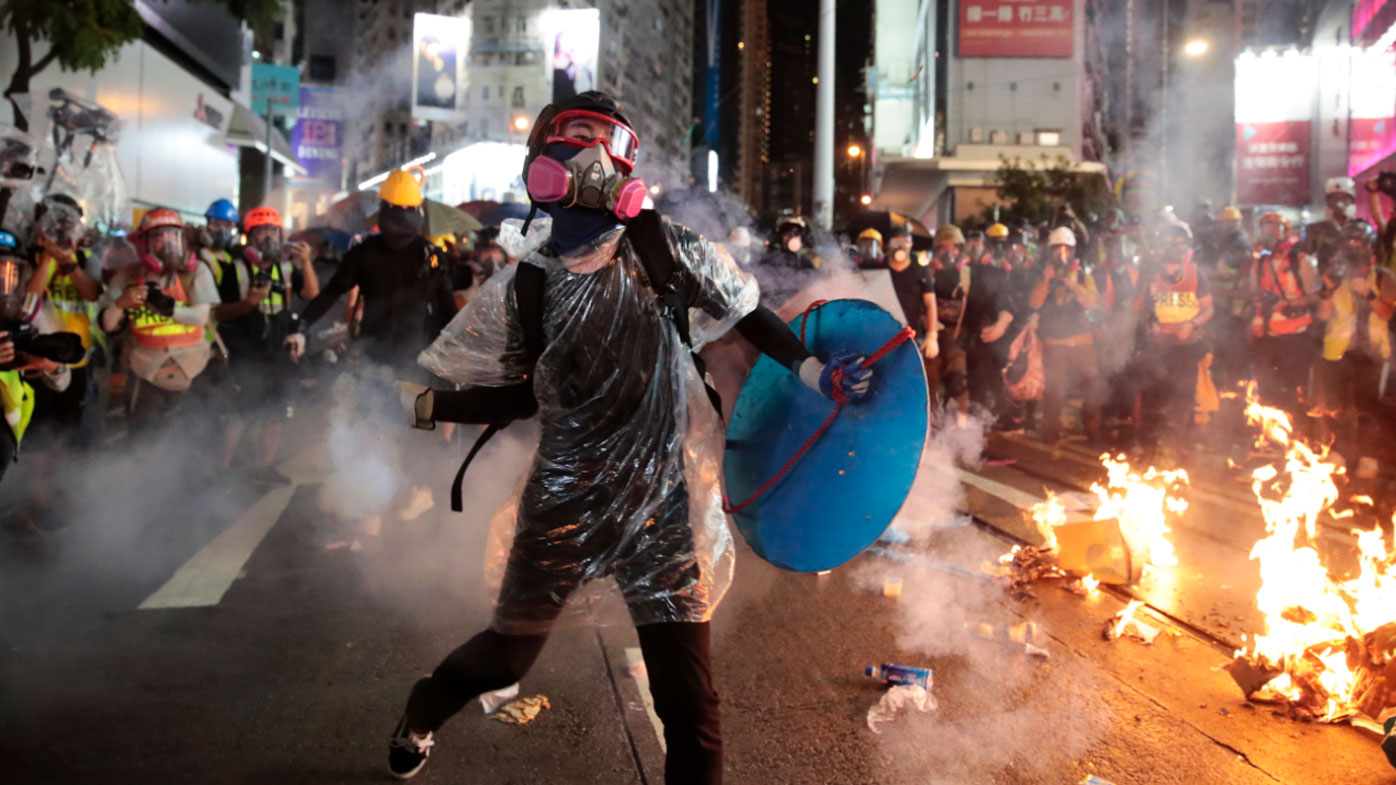
Britain's ties to Hong Kong stretch back to the 19th century when the empire's desire to force opium on China – both in trade and through its population's addiction to the illicit drug – resulted in two wars that forced China to cede land to the British.
Britain ruled Hong Kong for 156 years until it was handed back to China in 1997 as part of a longstanding agreement, but signs of British influence remain in the city's English street names and use of the common law system.
Queen Elizabeth herself visited Hong Kong twice while the city was a British territory, while her son, now King Charles III, attended the handover ceremony.
Still, the city's colonial past was far from peaceful nor was it without its critics. Riots broke out in the 1960s, when what started as protests against increases in ferry fares and demands for better labour rights spiralled into rampant strikes and bomb attacks that at times brought the city to a standstill.
READ MORE: David Beckham waits more than 10 hours in queue to view Queen's coffin
In the wake of the protests, the British colonial government introduced a series of welfare reforms, including public housing programs and compulsory free education.
But critics of the colonial era point out that even under British rule Hong Kongers did not have universal suffrage. And many felt London neglected its duty by failing to grant British citizenship to Hong Kongers at the time of the handover, instead offering most a limited passport that did not give them the right to live and work in Britain. Since the introduction of the national security law, Britain has created what it calls a path to citizenship via a new type of visa.
"It was (the Queen's) empire that, in 1997, handed us over to China against our wishes," said Jeffrey Ngo, a Washington-based activist who was born during the last few years of colonial Hong Kong.
Ngo said he was too young to remember life under British rule but said older generations of Hong Kongers look back on Queen Elizabeth II's reign – especially her 1975 and 1986 visits – with tremendous fondness "because they associate that with a freer, simpler, happier bygone era."
"The feeling is understandable, given that the intuitive point of comparison is Hong Kong under Chinese rule. I respect their lived experience, albeit it's not something I share. For me, the monarchy's wealth and prestige are impossible to disentangle from the empire's violence and expansionism," he said.
Ngo said the draconian laws being used by Beijing to prosecute pro-democracy activists today – such as colonial-era legislation on sedition – were reminders that there was a darker side to Britain's legacy too.
School shooter's lawyers demand judge remove herself from trial
Attorneys for Florida school shooter Nikolas Cruz asked for the judge in his murder case to remove herself on Friday, two days after she scolded them when they abruptly rested their case after calling only a fraction of their expected witnesses.
The Broward Public Defender’s Office said in a motion that Circuit Judge Elizabeth Scherer held a longstanding animosity toward lead defence lawyer Melisa McNeill.
The motion cited Florida's Judicial Code of Conduct that states a judge shall disqualify himself or herself if the judge’s impartiality might reasonably be questioned, including but not limited to instances where the judge has a personal bias or prejudice concerning a party or a party’s lawyer.
READ MORE: Shooter's drawings, blood-scrawled Satanic symbols revealed
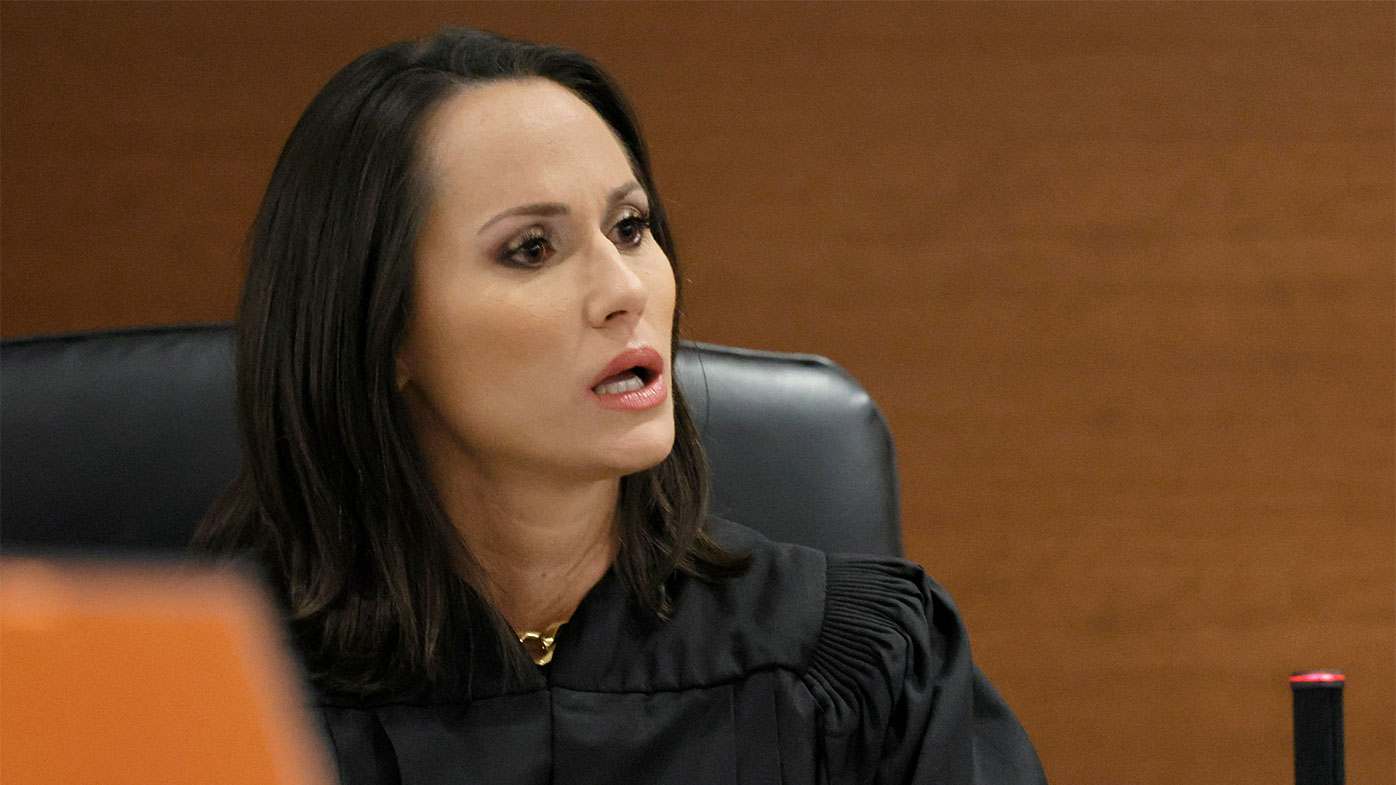
Defence attorneys said Scherer's repeated improper and unjustified attacks on the defence counsel undermine the public’s confidence in the judicial system and have also caused Cruz to fear that he will not receive a fair trial.
Prosecutors said in a response that Scherer has been respectful to both sides.
Cruz's attorneys had told the judge and prosecutors they would be calling 80 witnesses but surprisingly rested at the start of Wednesday's court session after calling only about 25 of them.
There were 11 days of defence testimony overall, the last two spotlighting experts about how his birth mother's heavy use of alcohol during pregnancy might have affected his brain's development and led to his murdering 17 people at Parkland's Marjory Stoneman Douglas High School four years ago.
The sudden announcement by lead attorney McNeill led to a heated exchange between her and Scherer, who called the decision without warning to her or the prosecution “the most uncalled for, unprofessional way to try a case.”
READ MORE: Video shows Florida massacre gunman attacking jail guard
READ MORE: Parkland cop arrested after doing nothing during massacre
The 12-member jury and 10 alternates were not present but were lining up outside the courtroom to enter. The sudden announcement also meant prosecutors weren't ready to start their rebuttal case.
Scherer then accused Cruz's attorneys of being inconsiderate to all involved, but especially the jurors for wasting their trip to court.
Cruz, 23, pleaded guilty last October to murdering 14 Stoneman Douglas students and three staff members on February 14, 2018. His trial, now ending its second month, is only to determine whether he is to be sentenced to death or life without parole. For a death sentence, the jury must be unanimous.
After his attorneys rested, Cruz told Scherer he agreed with the decision.
Prosecutors said they will need more than a week to prepare their rebuttal case. The trial is now tentatively scheduled to resume September 27 and conclude the week of October 10.
READ MORE: US couple regret sheltering Nikolas Cruz, letting him keep guns

Body in torched car: Teen homicide victim's journey to 'final resting place'
The grieving family of slain Hawke’s Bay teen Ariki Rigby have begun their heart-breaking journey to take her to her “final resting place”.Hundreds of people farewelled the 18-year-old during a “celebration of life” ceremony in…
Crews battling fire at Auckland Film Studio proving 'difficult to put out'
A fire has broken out at Auckland Film Studio with several crews and trucks fighting the blaze on an exterior wall. Fire and Emergency New Zealand (FENZ) confirmed crews were at the site of Auckland Film Studio in the West Auckland…
Mass burial site contains torture victims, Ukrainian president says
Investigators searching through a mass burial site in Ukraine have found evidence that some of the dead were tortured, including bodies with broken limbs and ropes around their necks, Ukrainian President Volodymyr Zelenskyy said Friday.
The site near the northeastern city of Izium, recently recaptured from Russian forces, appears to be one of the largest discovered in Ukraine.
Zelenskyy spoke in a video he rushed out just hours after the exhumations began, apparently to underscore the gravity of the discovery. He said more than 440 graves have been found at the site but that the number of victims was not yet known.
READ MORE: Man arrested after rushing at Queen's coffin as wait times reach 24 hours
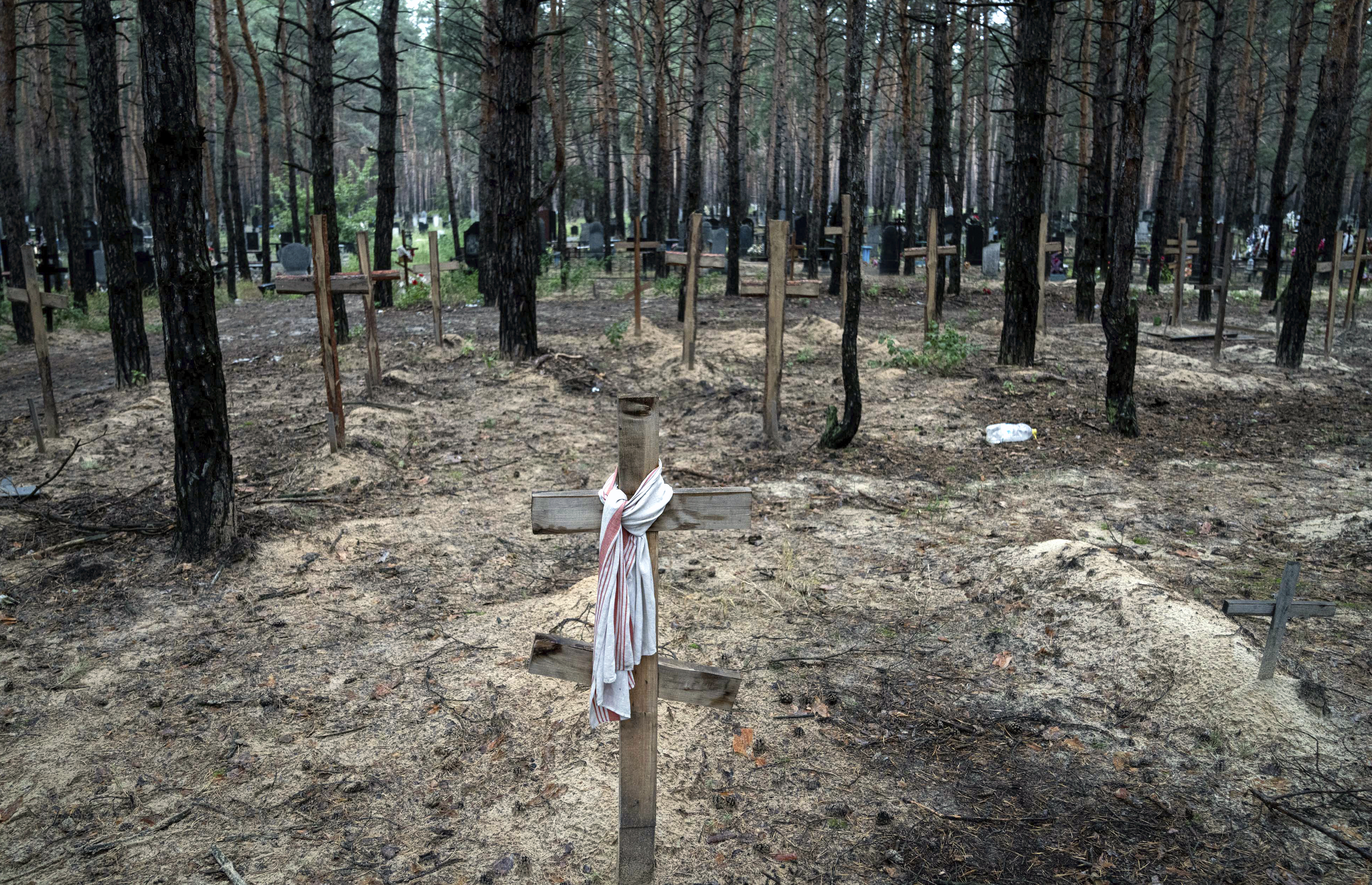
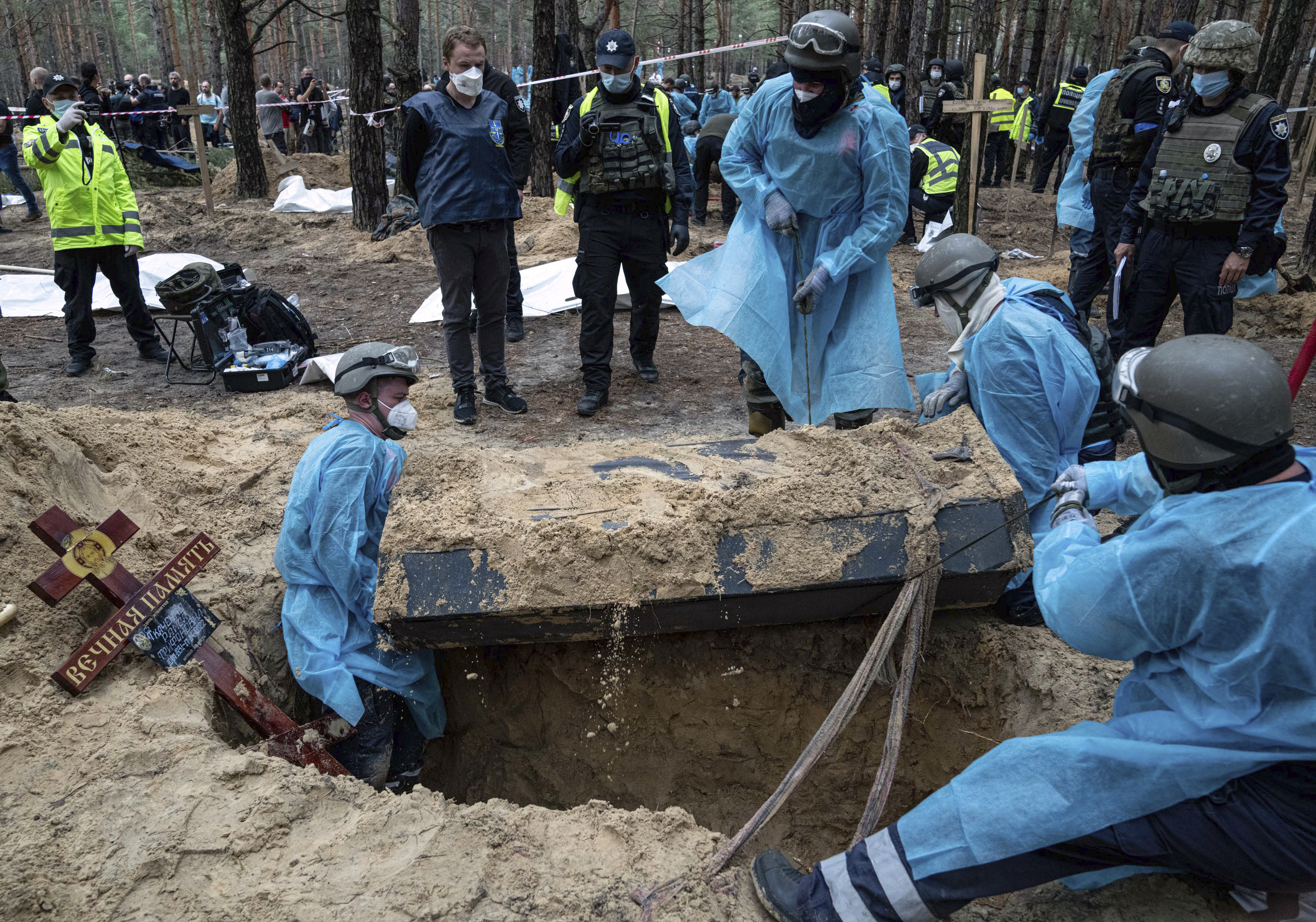
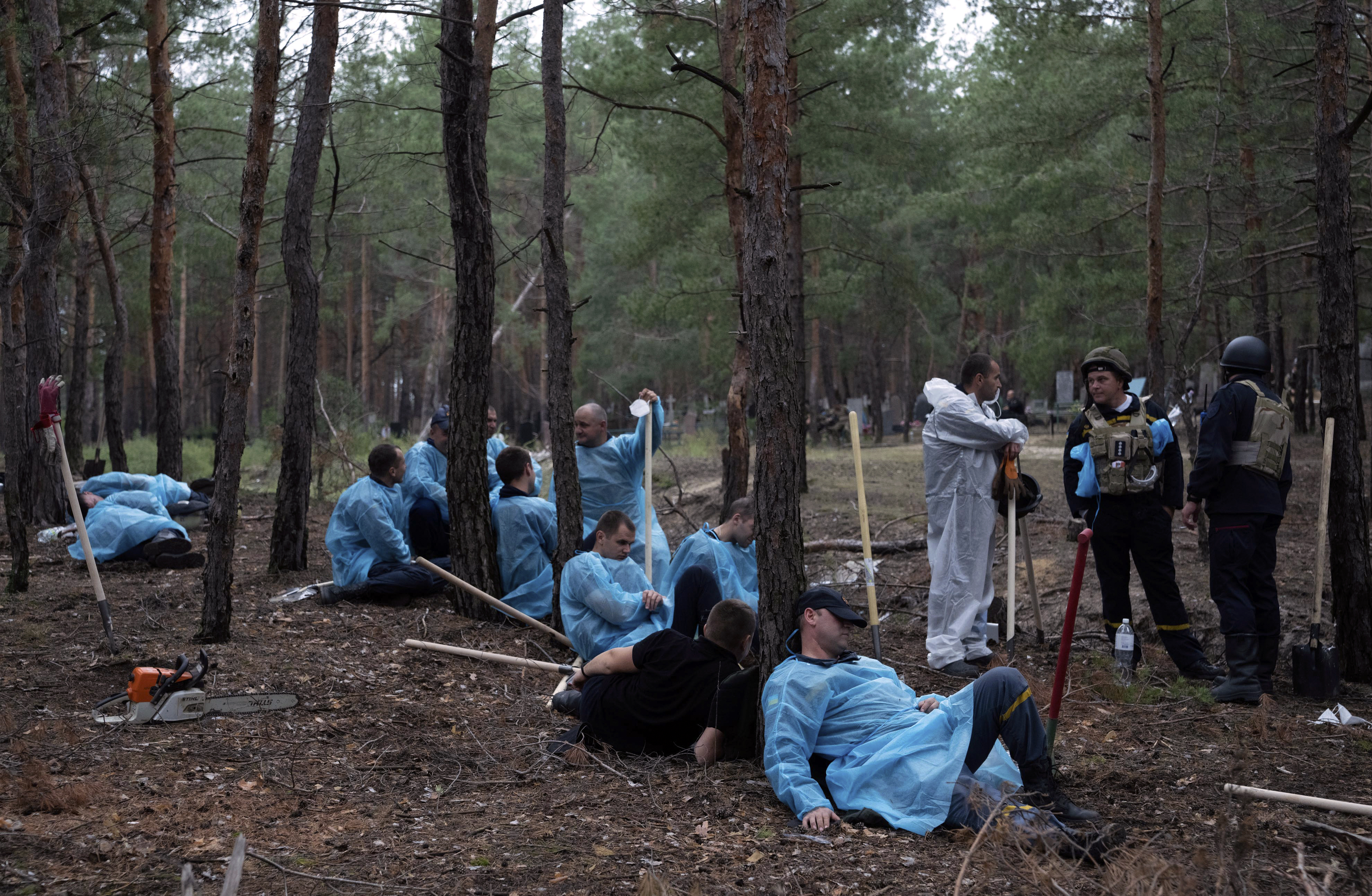
Digging in the rain, workers hauled body after body out of the sandy soil in a misty pine forest near Izium. Protected by head-to-toe suits and rubber gloves, they gently felt through the decomposing remains of the victims’ clothing, seemingly looking for identifying items.
Associated Press journalists who visited the site saw graves marked with simple wooden crosses. Some of the markers bore people’s names and had flowers hanging from them.
Before digging, investigators with metal detectors scanned the site for explosives, and soldiers strung red and white plastic tape between the trees.
Zelenskyy said hundreds of civilian adults and children, as well as soldiers, had been found near Izium’s Pishchanske cemetery after being tortured, shot or killed by artillery shelling.
He cited evidence of atrocities, such as a body with a rope around its neck and broken arms. In another sign of possible torture, one man was found with his hands tied, according to Serhiy Bohdan, the head of Kharkiv police investigations, and Ukraine’s commissioner for human rights, Dmytro Lubinets.
Ukrainian authorities warned that their investigation was just beginning, and the scale of the killings could rise dramatically.
“The harsh reality indicates that the number of dead in Izium may be many times higher than the Bucha tragedy,” Oleg Kotenko, an official with the Ukrainian ministry tasked with reintegrating occupied territories, said on Telegram.
READ MORE: David Beckham waits more than 10 hours in queue to view Queen's coffin
Bucha is a Kyiv suburb where authorities have said 458 bodies were found after a 33-day Russian occupation. Authorities say they have uncovered the bodies of more than 1300 people elsewhere, many in mass graves in the Kyiv-area forest.
Zelenskyy, who visited the Izium area Wednesday, said the discoveries showed again the need for world leaders to declare Russia a state sponsor of terrorism.
Meanwhile, in his first public comments on Ukraine's recent battlefield gains, Russian President Vladimir Putin vowed to press on with the war and warned that Moscow could ramp up its strikes on the country’s vital infrastructure if Ukrainian forces target facilities in Russia.
“If the situation develops this way, our response will be more serious,” Putin told reporters Friday after attending a summit of the Shanghai Cooperation Organisation in Uzbekistan.
Russia has reported numerous explosions and fires at civilian infrastructure sites near Ukraine, as well as munitions depots and other facilities. Ukraine has claimed responsibility for some of the attacks and refrained from commenting on others.
The “liberation” of Ukraine’s entire eastern Donbas region remained Russia’s main military goal, Putin said.
“We aren’t in a rush,” he said, adding that Russia has only deployed volunteer soldiers to fight in Ukraine.
Some hard-line Russian politicians and military bloggers have lamented manpower shortages and urged the Kremlin to follow Ukraine’s example and order broad mobilisation to beef up the ranks.
Ukrainian forces gained access to the site near Izium after recapturing the city and much of the wider Kharkiv region in a lighting advance that suddenly shifted the momentum in the nearly seven-month war. Ukrainian officials also found evidence of torture elsewhere in the region.
READ MORE: Fire engulfs 42-storey building in China
The UN human rights office said it would investigate, and the human rights group Amnesty International said the discovery of the mass burial site confirmed “our darkest fears.”
“For every unlawful killing or other war crime, there must be justice and reparation for victims and their families and a fair trial and accountability for suspected perpetrators,” said Marie Struthers, the group's director for Eastern Europe and Central Asia.
Most of the people buried at the site were believed to be civilians, but a marker on one mass grave said it contained the bodies of 17 Ukrainian soldiers.
Russian officials distanced themselves from responsibility for the site.
The Kharkiv region's Russian-installed governor, Vitaly Ganchev, told Russia's state-run Tass news agency that Ukrainian, not Russian, forces were responsible for civilian casualties in Izium. Tass also quoted a member of Russia's parliament, Alexander Malkevich, claiming that Ukrainian troops had abandoned their dead, so Russian forces buried them.
Elsewhere in Ukraine, the war continued to claim lives and wreak destruction.
Five Eyes intelligence network meeting hosted in Queenstown
Top American Federal Bureau of Investigation (FBI) officials have touched down in Queenstown for a meeting of the global Five Eyes intelligence network.A small US Air Force jet arrived and unloaded a fresh team of top officials…
Fears Jayden Meyer's home detention sentence could deter victims from seeking justice
Warning: This story discusses sexual abuse The home detention sentence imposed on a teenager who sexually abused five girls could deter other victims from coming forward, a psychotherapist fears.Bay of Plenty child and adolescent…
Protesters in Auckland accuse media outlets of lying
A group of protesters has gathered outside media offices in Auckland to protest against what they call “media lies”.The protesters are part of a “Worldwide Rally for Freedom” that also has marches in Wellington and Christchurch…