Margaret Mahy’s former home in Christchurch’s Governors Bay was the most viewed property on TradeMe last year.The listing had a total of 94,408 views. The property, which had an RV of $640,000, sold for $930,000 in November.It…
Tag Archives: oceania
Massive kilometre-long asteroid to zip by Earth
An asteroid nearly three times the size of the Empire State Building is set to fly-by Earth at a speed of 19.56km/second in a little over a week.
Known as asteroid (7482) 1994 PC1, the colossal space rock has an estimated length of about one kilometre.
The celestial body is classed as a Potentially Hazardous Asteroid (PHO), but an impact is unlikely.
Rather, the stony space rock will serve as a spectacle for stargazers.
READ MORE: NSW records 34,994 new COVID-19 cases as hospitalisations rise

NASA has calculated the rock will pass our little blue planet at a distance of around 1.98 million kilometres away on January 18.
For reference, Earth's distance to the moon is over five times less than that.
READ MORE: Deadly brown snake leaves behind 'rare' gift for snake catcher
The asteroid was first discovered in 1994 by Robert McNaught, an astronomer, at the Siding Spring Observatory in Australia.
Its last close approach was 89 years ago on 17 January 1933.
READ MORE: Defence tactics to stop hazardous asteroids hitting Earth
If an asteroid over 140 metres in diameter impacted Earth, it would release an amount of energy at least a thousand times greater than the first atomic bomb, research from the Davidson Institute of Science found.
But to wipe out civilisation, one would have to be much bigger.
Planetary scientist at the University of Queensland Trevor Ireland previously told 9news.com.au civilisation-ending asteroids would have to measure more than a kilometre in diameter, at least, to cause an "extinction-level" event.
The asteroid that wiped out the dinosaurs and formed the Chicxulub crater in Mexico is estimated to have been around 9.6 kilometres in diameter.
"There's about a million one kilometre asteroids in the asteroid belt," Professor Ireland said.
"The likelihood of one of those suddenly meandering down to Earth is very remote."
NASA has previously stated Earth will not be at risk from a PHO for more than 100 year, when Asteroid Bennu completes a fly-by.
The space rock is about 492 metres in diameter.
Should it hit though, studies show it would create a crater between 10 to 20 times its size – and cause an area of devastation that could reach 100 times the size of the crater.
Covid-19 Delta outbreak: Busy start for booster shots in South Island
Southerners have queued to roll up their sleeves for a third dose of the Covid-19 vaccine, as the threat of Omicron looms.Pharmacies and vaccination clinics reported they were flat out yesterday, after hundreds of thousands of people…
Mongrel Mob member killed in New Year crash – police on alert as gang members travel for tangi
A man who died in a crash near in Nelson Lakes National Park on Tuesday was a patched Mongrel Mob member – and police are now on alert as other gang members and associates travel to Nelson for his tangi. Martin Henry Reuben was…
Covid-19 coronavirus Delta outbreak: Auckland link to Napier infection found
Ministry of Health investigations have found the likely infection source for two active Covid cases in Napier.A Napier case was announced by the Hawke’s Bay District Health Board via a statement on December 30 and a second case,…
'We were trapped': Trauma of January 6 lingers for lawmakers
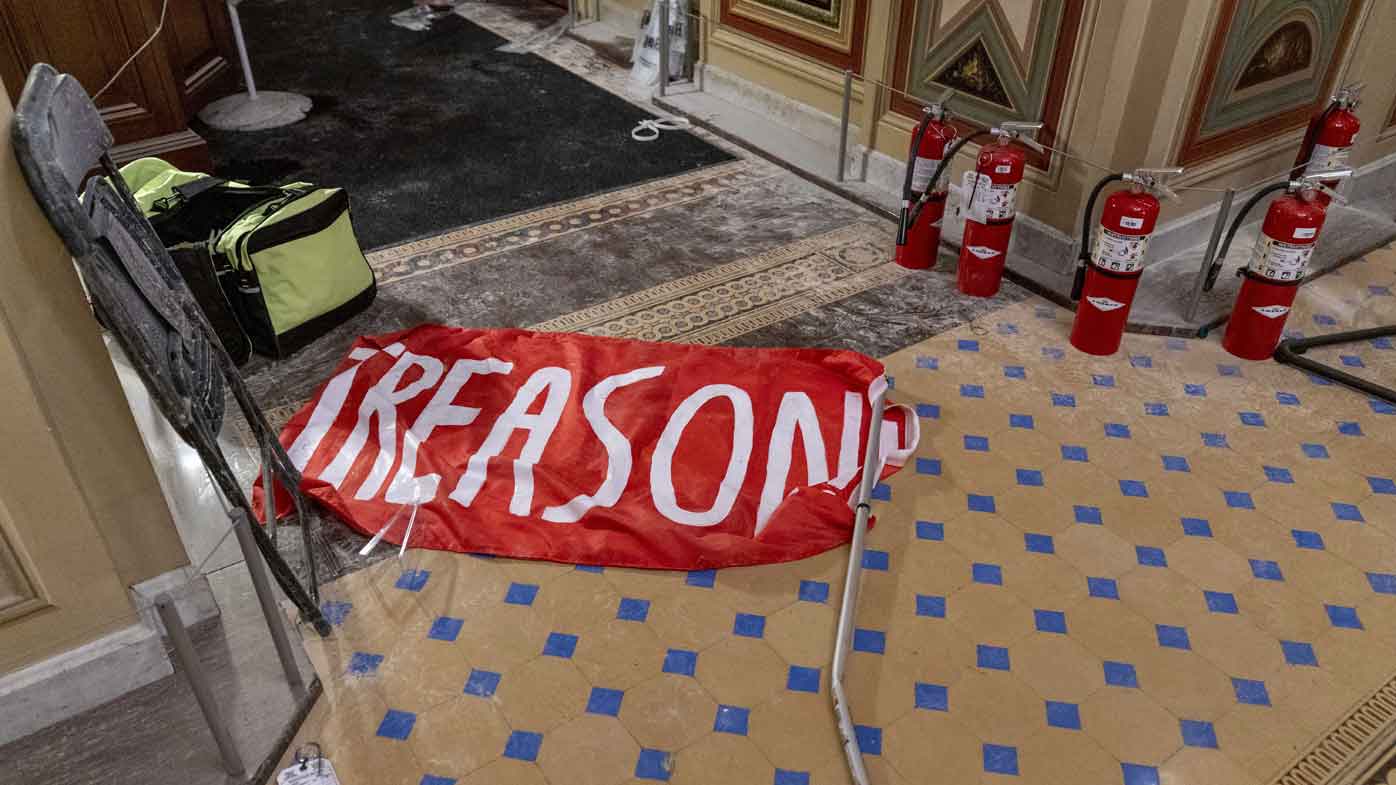
Long after most other lawmakers had been rushed to safety, they were on the hard marble floor, ducking for cover.
Trapped in the gallery of the House, occupying balcony seats off-limits to the public because of COVID-19, roughly three dozen House Democrats were the last ones to leave the chamber on January 6, bearing witness as the certification of a presidential election gave way to a violent insurrection.
As danger neared, and as the rioters were trying to break down the doors, they called their families. They scrambled for makeshift weapons and mentally prepared themselves to fight. Many thought they might die.
READ MORE: January 6: The day that rattled American democracy
“When I looked up, I had this realisation that we were trapped,” said Rep. Jason Crow, a former Army Ranger who served three tours of duty in Iraq and Afghanistan. “They had evacuated the House floor first. And they forgot about us.”
Bound together by circumstance, sharing a trauma uniquely their own, the lawmakers were both the witnesses and the victims of an unprecedented assault on American democracy. Along with a small number of staffers and members of the media, they remained in the chamber as Capitol Police strained to hold back the surging, shouting mob of supporters of then-President Donald Trump.
The lawmakers were finally taken to safety roughly an hour after the siege began.
Interviewed by The Associated Press before this week’s anniversary of the attack, 10 of the House members who were in the gallery talked of being deeply shaken by their experience, recalling viscerally the sights and sounds amid the chaos.
READ MORE: Trump booed after admitting to getting COVID-19 booster
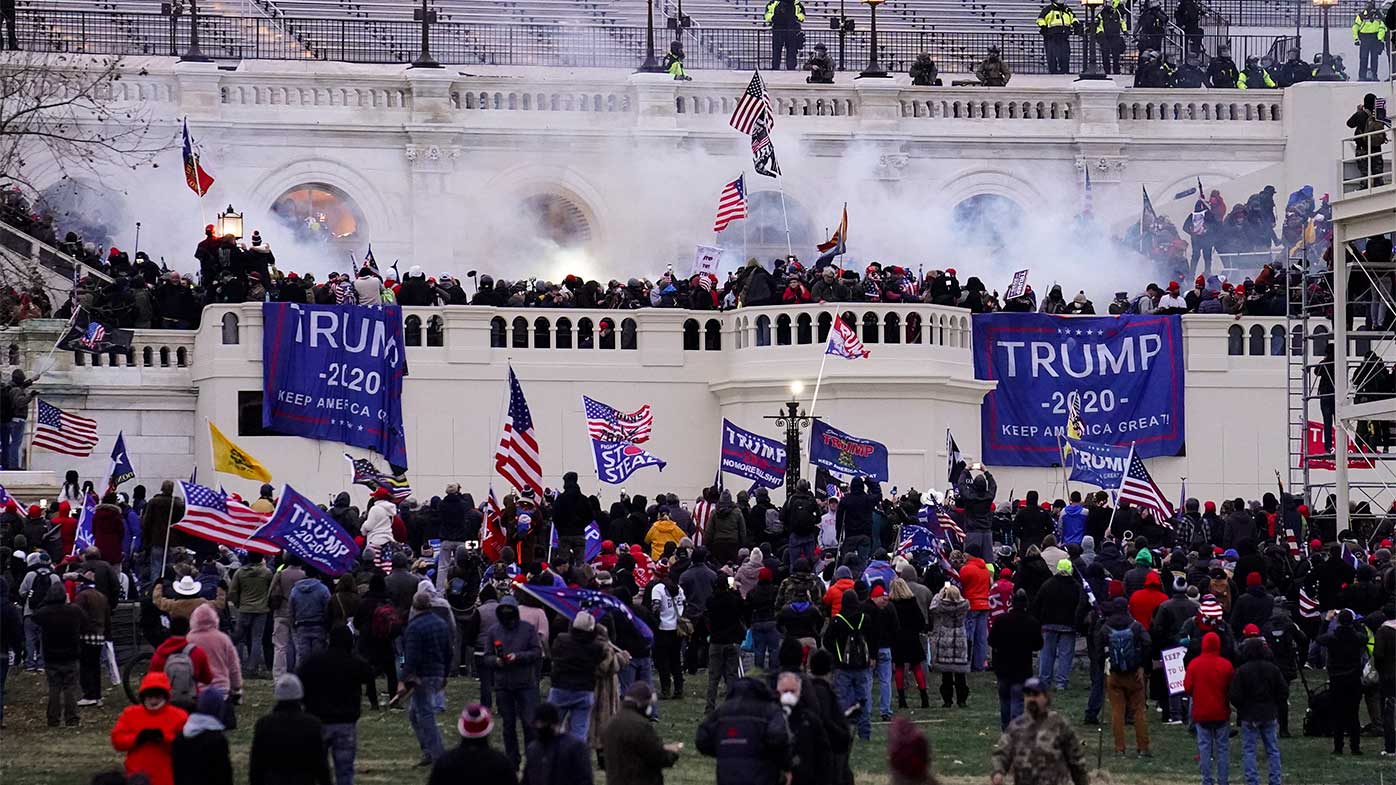
Vividly they remember the loud, hornetlike buzz of their gas masks. The explosive crack of tear gas in the hallways outside. The screams of officers telling them to stay down. The thunderous beating on the doors below. Glass shattering as the rioters punched through a window pane. The knobs rattling ominously on the locked doors just a few feet behind them.
And most indelibly, the loud clap of a gunshot, reverberating across the cavernous chamber.
“I’ve heard a lot of gunshots in my time, and it was very clear what that was,” Mr Crow said. “I knew that things had severely escalated.”
The shot was fired by Officer Michael Byrd and killed Ashli Babbitt, a Trump supporter from California who was trying to crawl through the broken window of a door that leads to the House chamber. Both the Justice Department and Capitol Police investigated the shooting and declined to file charges.
LIVE UPDATES: PM's rapid antigen test plan not good enough: top doctor
While the gunshot dispersed some of the violent mob, the lawmakers ducking in the gallery believed the worst was just beginning.
“I think all of us, myself included, had images of a mass-shooting event,” said Rep. Peter Welch who posted video updates on Twitter as the chaos unfolded. “It was terrifying in the moment.”
Rep. Mike Quigley said he could tell the gunshot had come from the back of the chamber, in the Speaker's Lobby just outside, and not from the main doors on the opposite side where they could see rioters trying to break through. In that moment he realised why they couldn’t leave — they were surrounded. “It was in stages that you realised the severity,” he said.
Their terror was compounded by knowledge of what the mob was after: stopping Congress from certifying the Electoral College votes that would make Joe Biden the 46th president of the United States. Mike Pence, as is customary for the vice president, had been presiding over the ceremony in the House chamber where lawmakers were gathered to hear the certified results from all 50 U.S. states and the territories.
Trump had other ideas.
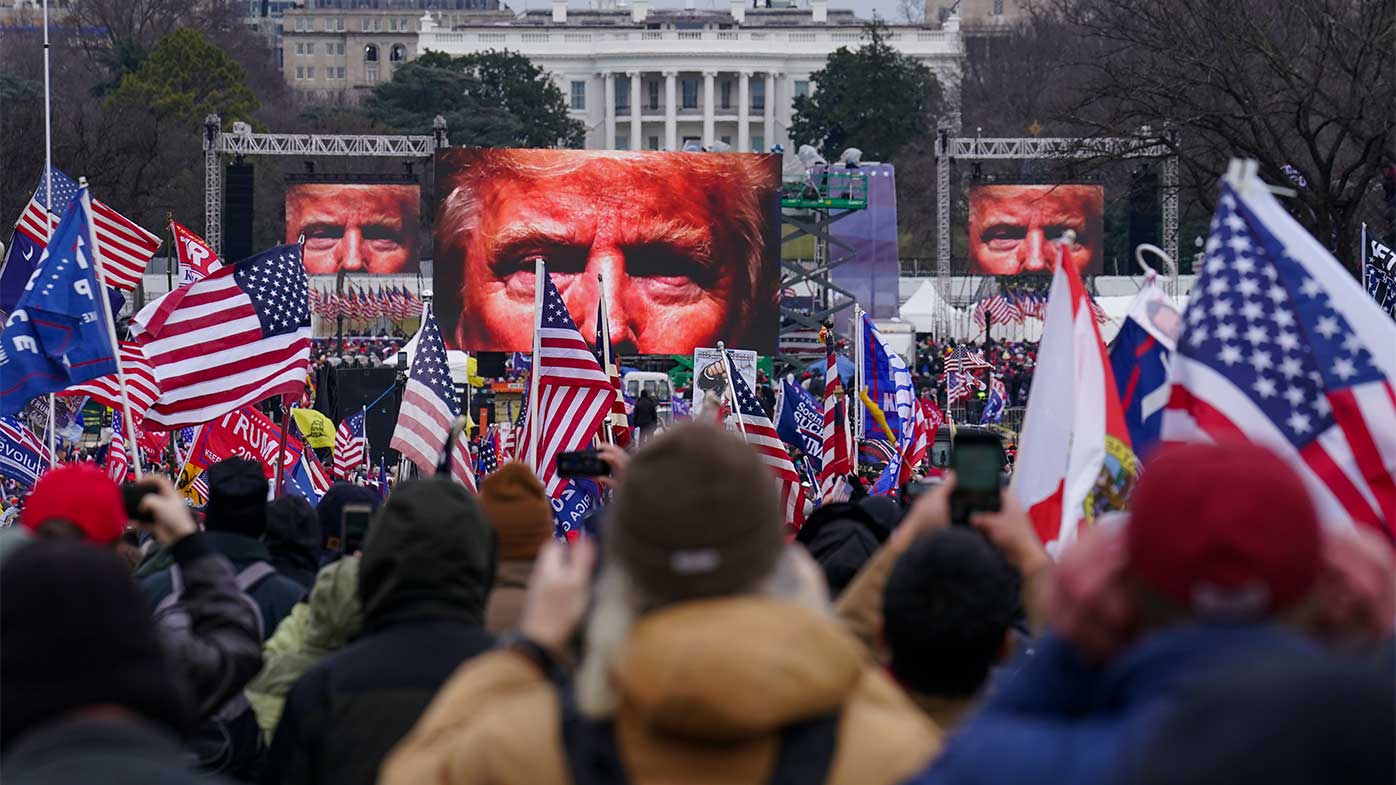
Spouting lies about election fraud that were refuted by his own Justice Department, Trump pressured Pence to reject the electors — a move that would have bucked the Constitution and thrown the House, and potentially the country, into chaos. Pence refused to do so, but Trump held a rally in Washington before the vote-counting began, telling hundreds of supporters at the Ellipse to “fight like hell.”
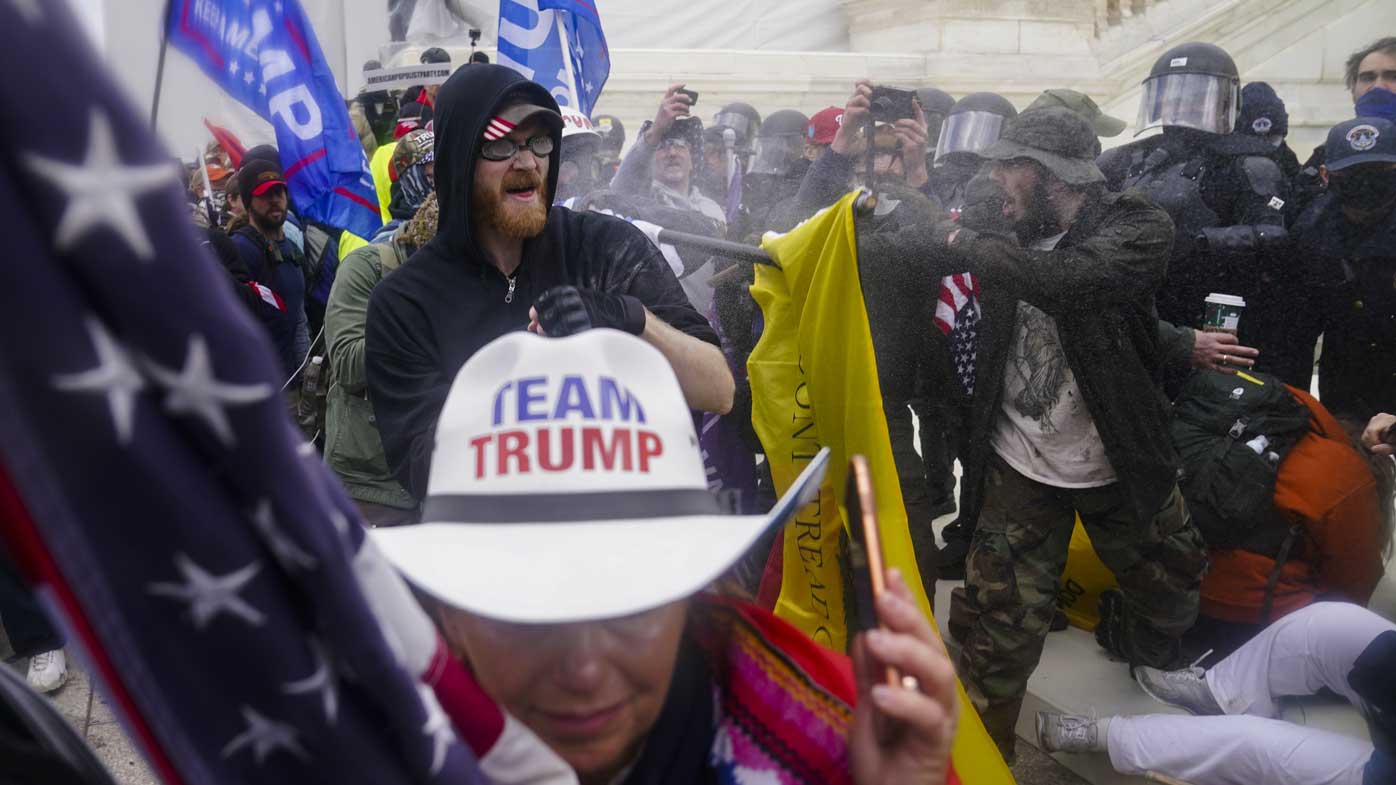
Members of the mob chanted “Hang Mike Pence” as they forced their way into the Capitol, brutally overpowering police who stood in their way. Dozens were injured, some seriously, and four officers who were there that day later took their own lives.
Rep. Val Demings was among those sheltering in the gallery. She tried to remain calm, drawing on what she learned as chief of the Orlando police. But she also felt powerless, lacking a gun or any of the other weapons she always had on the beat.
She shuddered when police said there had been a “breach” of the building.
“That is probably the word that I will remember about that day for the rest of my life more than any other,” Ms Demings said. “I knew that meant that the police had somehow lost the line. And I also know, having been a former police officer, that they would have done everything in their power to hold that line to protect us.”
She says she told a colleague sheltering with her in the gallery: “Just remember, we’re on the right side of history. If we all die today, another group will come in and certify those ballots.”
Congress reconvened that night, certifying Mr Biden’s election victory before sunrise.
In the days after the attack, many of the lawmakers who were in the gallery started connecting on a text message chain. It quickly evolved into therapeutic group sessions and even potluck gatherings where they tried to make sense of it all.
They dubbed themselves “the gallery group,” and the name stuck.
The Democrats were social distancing in the balcony as they waited to speak on the floor at the invitation of House Speaker Nancy Pelosi and those interviewed said they don’t recall any Republicans sheltering alongside them. GOP Rep. Kelly Armstrong of North Dakota was in the gallery at the beginning of the insurrection and recounted the ordeal to a local news outlet that evening. But he declined to be interviewed. A handful of other Republicans, including Reps. Markwayne Mullin of Oklahoma and Troy Nehls of Texas, helped police barricade the door below.
Some of the Democrats who sheltered in the gallery are planning to spend time together at the Capitol this week, not only to remember their own experiences and honor those who protected them but also to reflect on the country’s narrow escape from a coup.
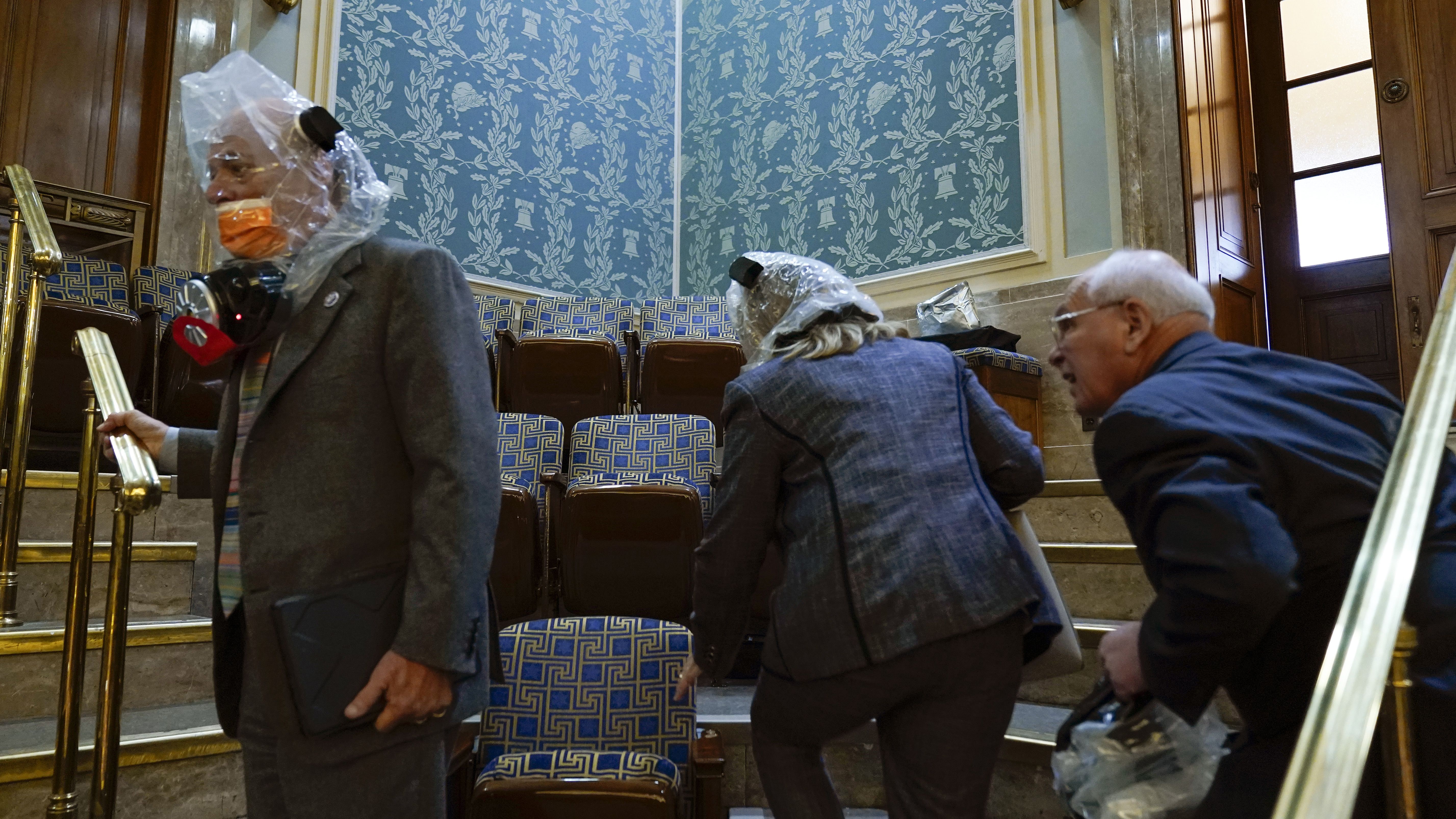
“We were the last people in the chamber,” said Rep. Mikie Sherrill of New Jersey, a former Navy helicopter pilot. “I think we saw the whole thing play out in a way that is very different from anybody else on the Hill.”
Rep. Pramila Jayapal of Washington state helped organise the first virtual session the Sunday after the insurrection. She received multiple texts from colleagues after she spoke up on a Democratic caucus call about what the group went through and how they felt forgotten.
“It ended up being a three-hour Zoom,” Ms Jayapal says. “It was deeply personal. People shared a lot of things about what they were going through. There were a lot of tears. There was a lot of anger. There was a lot of, you know, just how could this be? How could we be in America and have this happen in our Capitol?”
Many of the members went on to seek therapy. Some were diagnosed with post-traumatic stress, their struggles exacerbated by the raw tensions on Capitol Hill and an increasing number of death threats. Others said they have been more traumatised by the growing tendency among Republican lawmakers, and some in the public, to downplay or ignore the violence than they were by the attack itself.
Lawmakers said the gallery group has been a refuge through it all.
“I think it really saved my mental health,” says Rep. Norma Torres. “It just seemed like every time somebody posted something, we were all awake, no matter what time of day or night, and we were all responding to each other. So that was really powerful.”
READ MORE: Unlike Trump, Gore took defeat like 'a man', says US judge
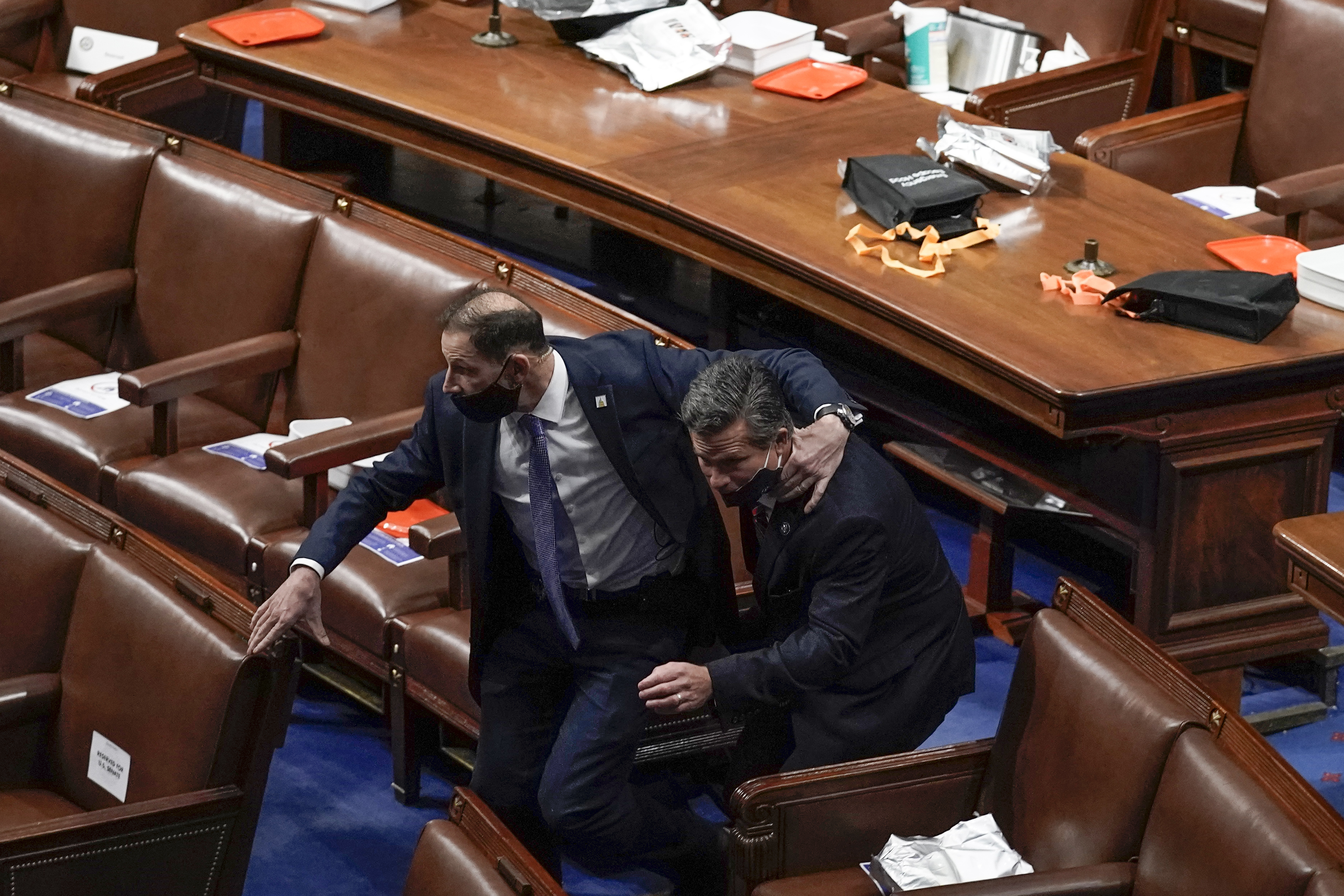
Rep. Annie Kuster, who sought treatment for post-traumatic stress, says the gallery group connects almost daily on the text message chain, which moved to an encrypted app after some members raised security concerns. “Sometimes it’s to get a ride to a vote. Sometimes it’s, ‘Who’s cooking, and can you bring a bottle of wine to a dinner together?’ And sometimes it’s talking about our treatment for trauma and how we can preserve our democracy.”
Ms Kuster was one of the first to be let out of the gallery on January 6, escaping through the doors along with three other members just before the remaining lawmakers were locked inside. When Ms Kuster’s group reached the hallway, a group of rioters was rushing toward them.
“We ducked into the elevator,” Ms Kuster said. “And I said to this incredible policeman — I said, oh, my God, what if the elevator doors open, and they kill us? And I will never forget this moment … he said, ‘Ma’am, I am here to protect you.’ And he was there to protect our democracy.”
For those still in the gallery, fear was escalating. Mr Crow was tending to Rep. Susan Wild, who was in distress after talking to a family member, while also communicating with Mullin on the floor below as he helped barricade the door. Rep. Lisa Blunt Rochester was shouting a prayer for peace and healing. Ms Jayapal, who had knee replacement surgery just a few weeks earlier and was using a cane, was trying to figure out how she would escape if she had to run. She held hands with some of her female colleagues crouching beside her.
READ MORE: Trump defends threats to Pence on January 6 in new audio
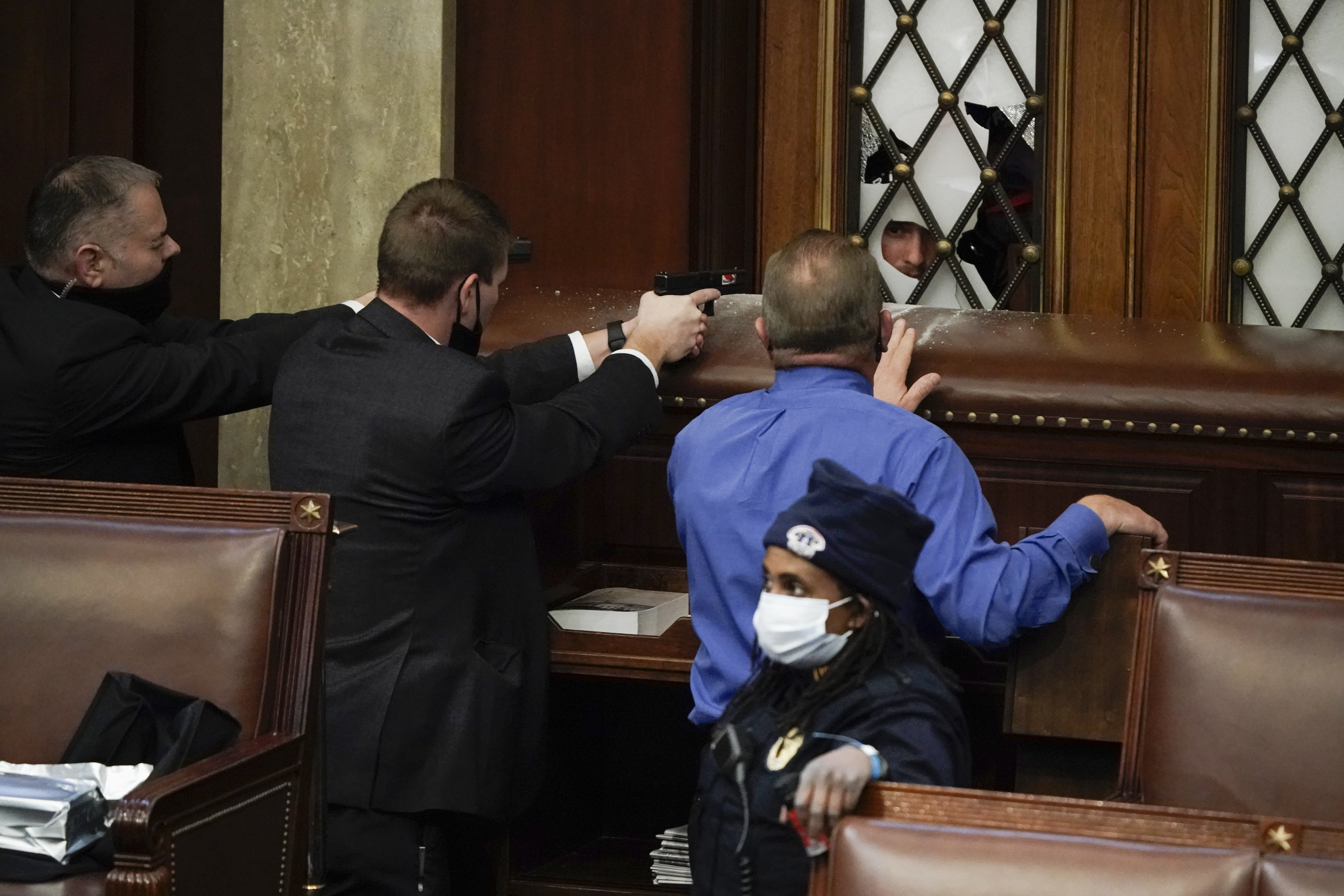
Eventually, Capitol Police determined the upstairs area was clear, even as insurrectionists kept trying to break through the doors below. The lawmakers and others were rushed out of the chamber and down a warren of staircases and hallways. When they left, they could see police officers holding five or six rioters flat on the ground, guns pointed at their heads.
The rioters were just inches from the doors of the gallery.
Rep. Jim Himes says he has tried not to dwell on what happened. But he still has searing images in his mind, including watching police drag heavy furniture in front of the main doors to the House floor as the rioters tried to beat them down.
As a member of the House Intelligence Committee, Mr Himes says he spends a lot of time in high-security spaces — and before January 6, he had assumed the Capitol was one of them.
READ MORE: US Capitol rioter who bragged she wouldn't go to prison jailed
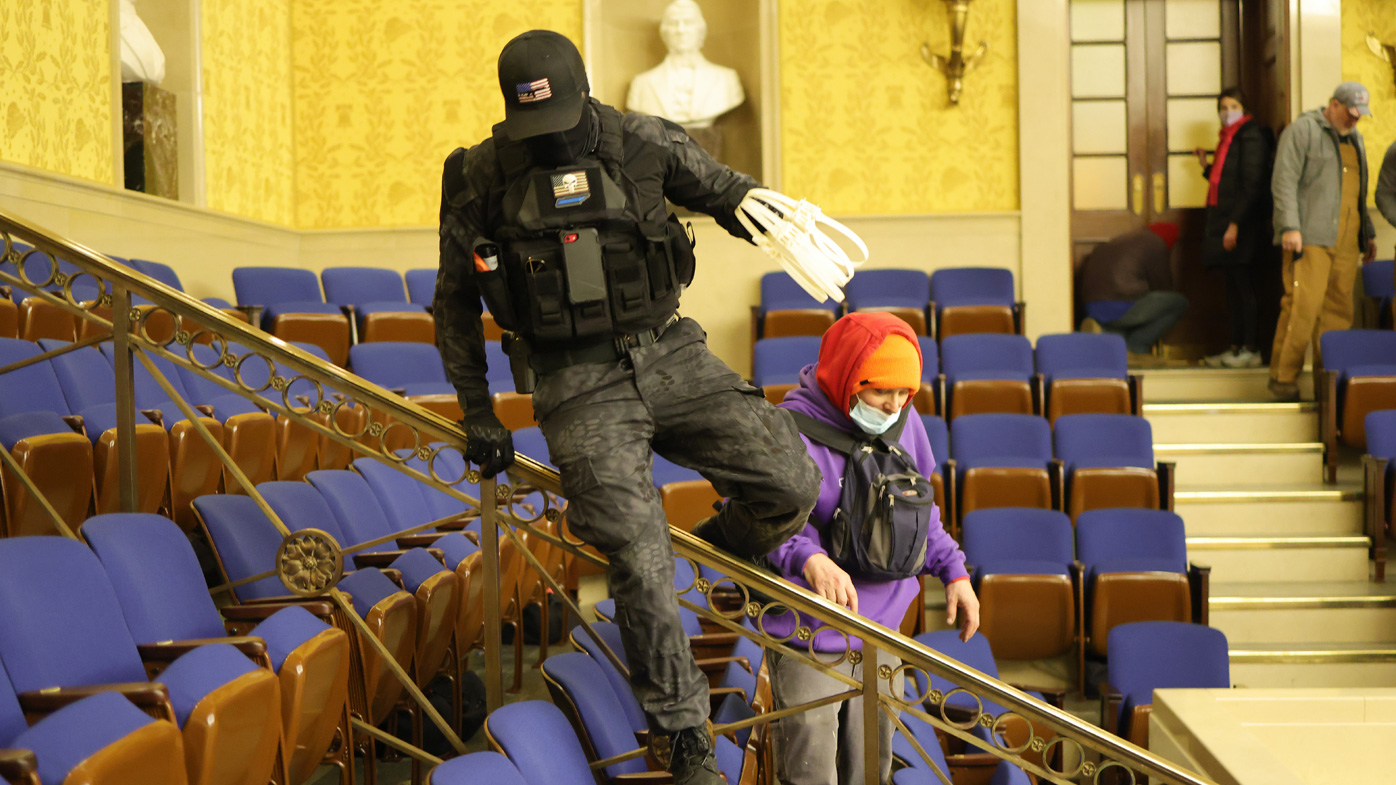
“It was as though you were watching water flow uphill,” Mr Himes said. “Something that you imagined was impossible is happening right in front of your eyes.”
Ms Kuster says that one of the most traumatic things for her was not being able to see what was happening outside the chamber. They could only hear “the noises of the threat — the pounding on the door, the shouting in the hallways.”
When she made it home two days later, she watched hours of video from the insurrection, including harrowing footage from the police battles outside the building. It only compounded the trauma.
“I remember my husband coming in, and I was just sobbing,” Ms Kuster said. “And he was holding me, saying, ‘I don’t know if this is the best thing for you to see.’”
“But we have to — we have to acknowledge the reality of what happened that day. And what’s challenging for us is that we are both victims and witnesses to the crime on our country.”
Missing Wellington teenager found 'safe and well'
A teenager who went missing from his Wellington home this afternoon has been found safe and well. Sky, aged 14, was located around four hours after he went missing from his Southgate home. Police asked for public sightings as…
NZ's horror summer continues: A child dies after incident at Mangamate Waterfall beauty spot
A child has died following an incident at a North Island waterfall this afternoon – the third water-related death confirmed today. Emergency services were called to the Mangamate Waterfall, on the Whirinaki River – inland from Minginui…
NSW Ambulance release commercial to deter trivial Triple Zero calls
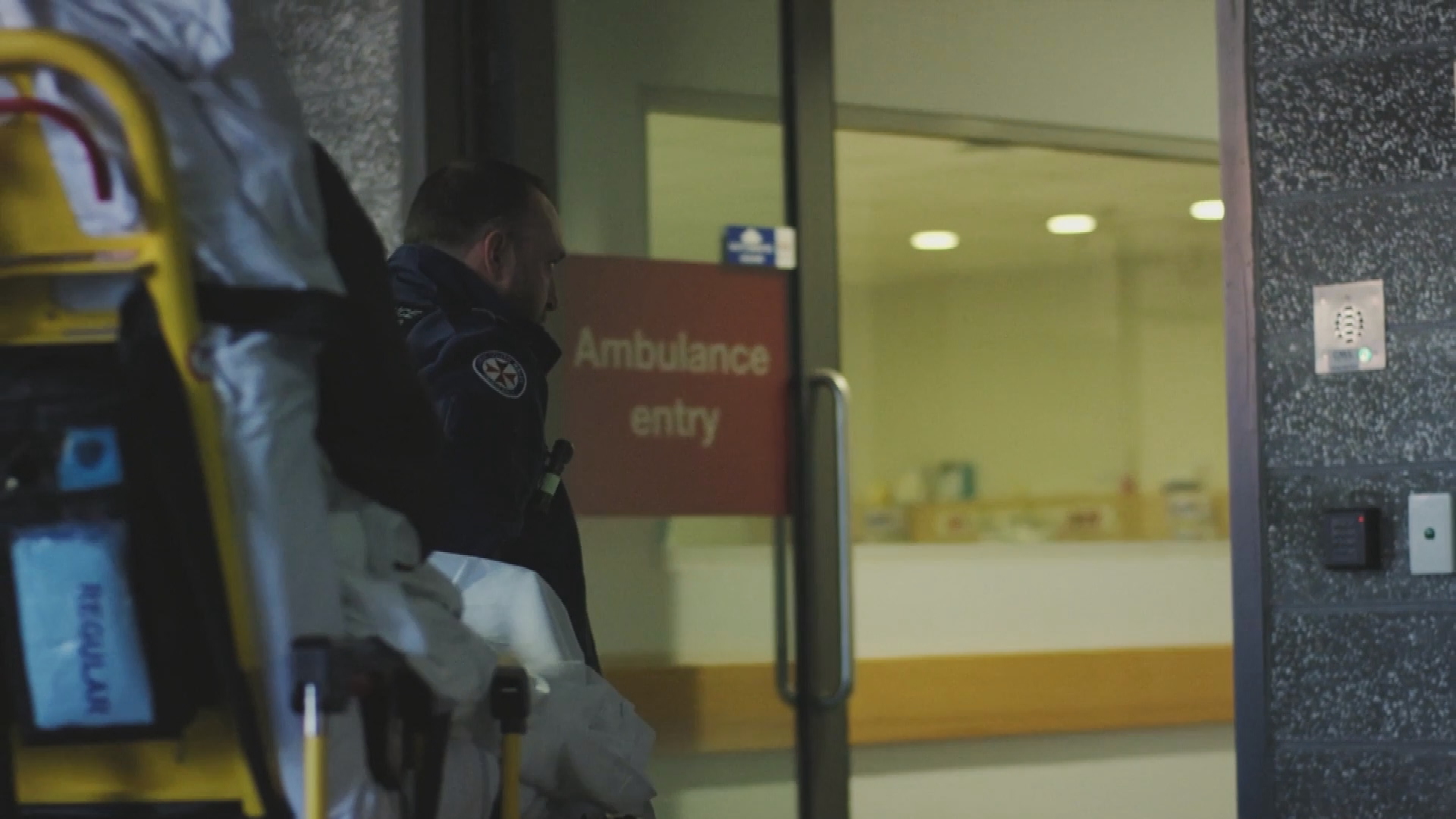
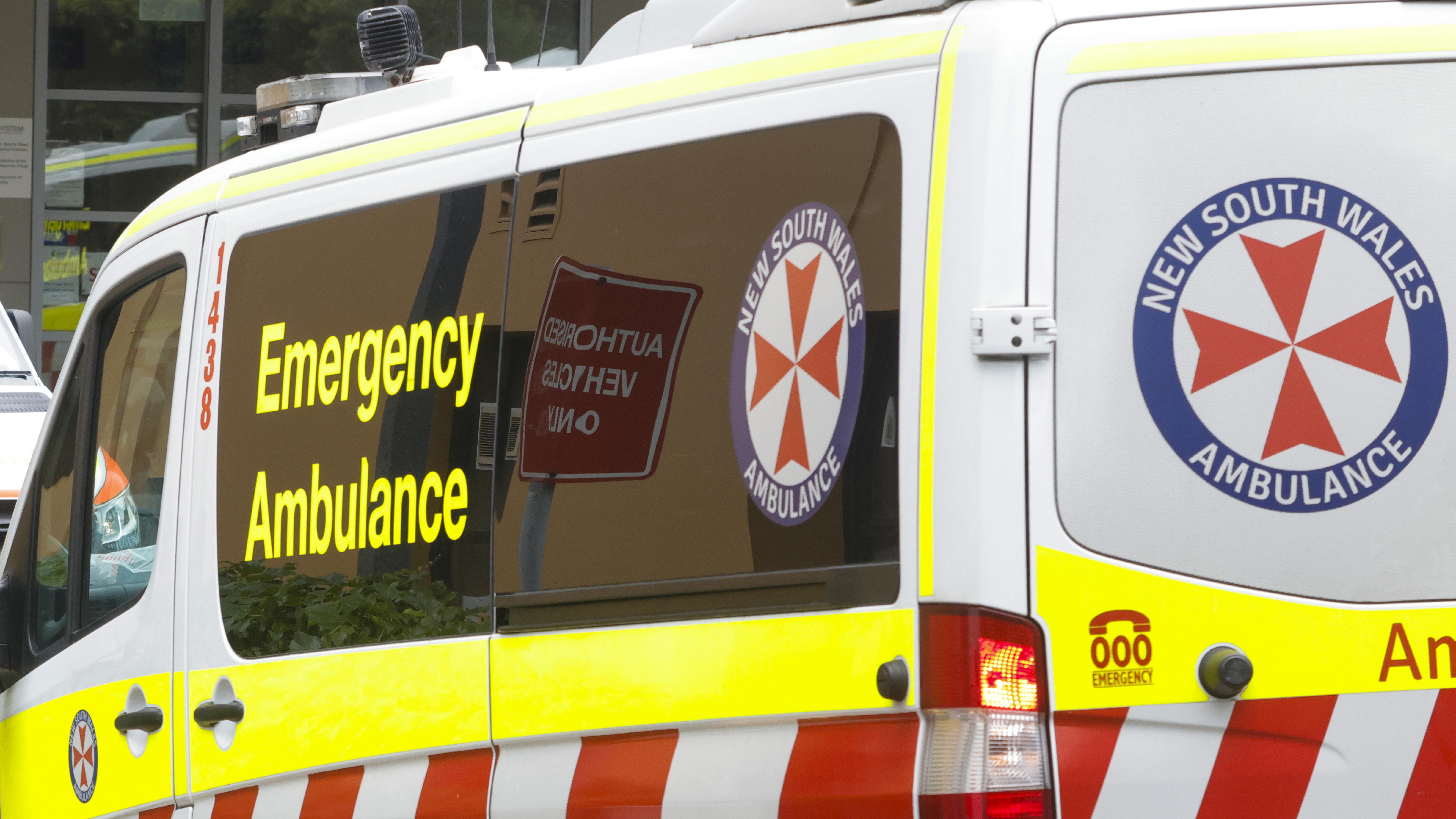
NSW Ambulance has released a confronting new commercial in a bid to deter "trivial" Triple Zero calls.
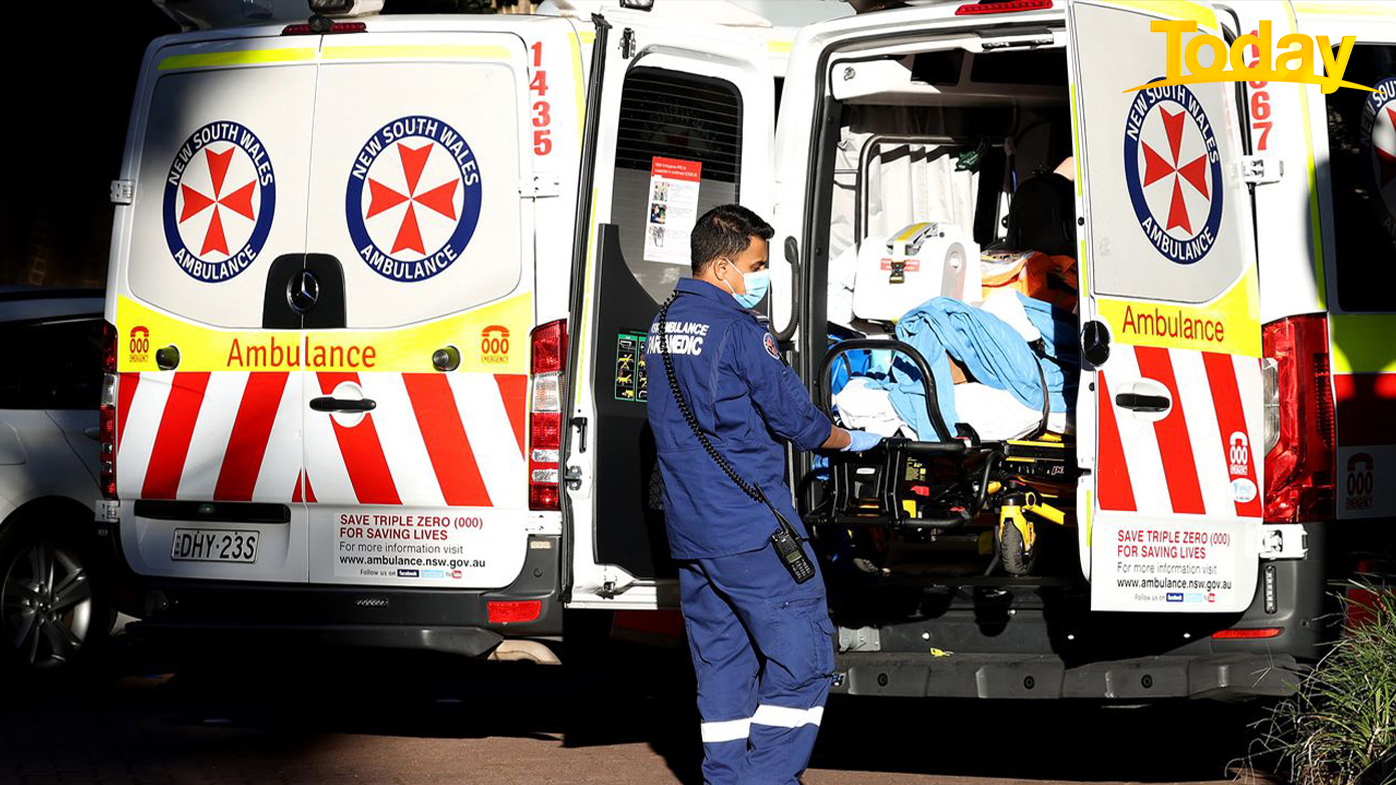
Paramedics have faced a challenging three weeks due to a spike in non-emergency calls and the surge of COVID-19 cases.
It has prompted the call from NSW Health to remind people to only call Triple Zero if it is an emergency.
EXPLAINED: Who is eligible for free rapid antigen tests and when do you need a PCR test
"We all need to play our part in not placing any unnecessary burden on the health system," the department said on Twitter.
"You should not call Triple Zero (000) or attend a hospital emergency department if you want to get a COVID-19 PCR test."
The new commercial depicts multiple Triple Zero phone calls that aren't emergencies and a plea for people to consider what they are calling about.
READ MORE: When will Australia reach the peak of Omicron cases?
"I have a really bad jaw pain from brushing my teeth too hard," one of callers says.
"Every day, Triple Zero receives more and more trivial calls," the commercial said.
"It stops them getting to real emergencies."
READ MORE: Food shortage in China's locked-down city of 13m
NSW Health Deputy Secretary Susan Pearce urged people to not place undue pressure on the state's health system.
"Our plea to people is please do not call Triple Zero unless you have an emergency," she said.
"The system is under pressure at the moment and our staff are our absolutely most precious resource."
Watch the full commercial above.
Who is eligible for free rapid antigen tests
Rapid antigen tests will now be free for eligible Australians and positive rapid antigens will no longer need a confirmation PCR test, National Cabinet has agreed.
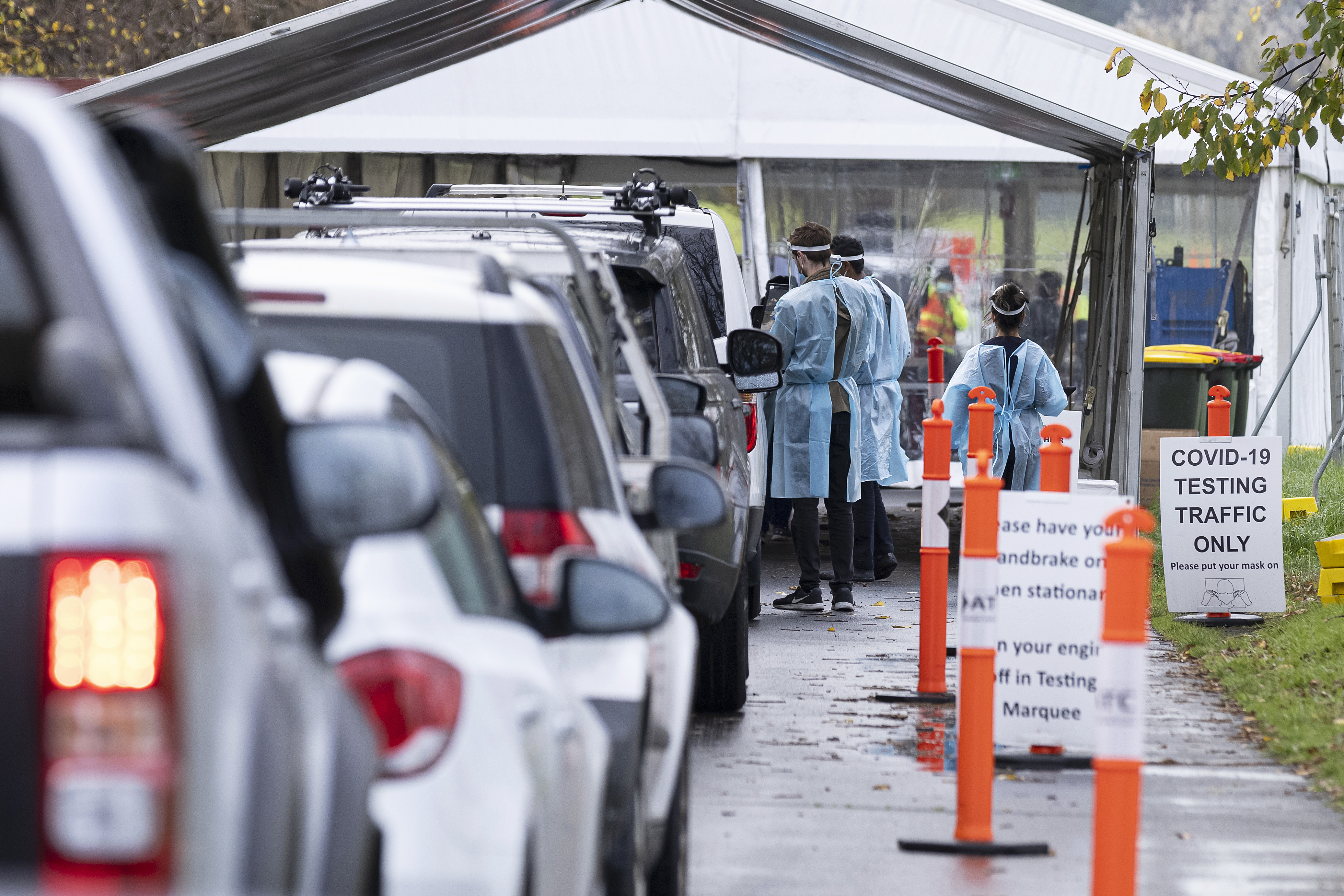
State and territory leaders agreed to the new announcements as COVID-19 case soar across the country, testing queues are banked up for hours and people are waiting days for their PCR results to come back.
READ MORE: Changes to PCR testing announced following National Cabinet
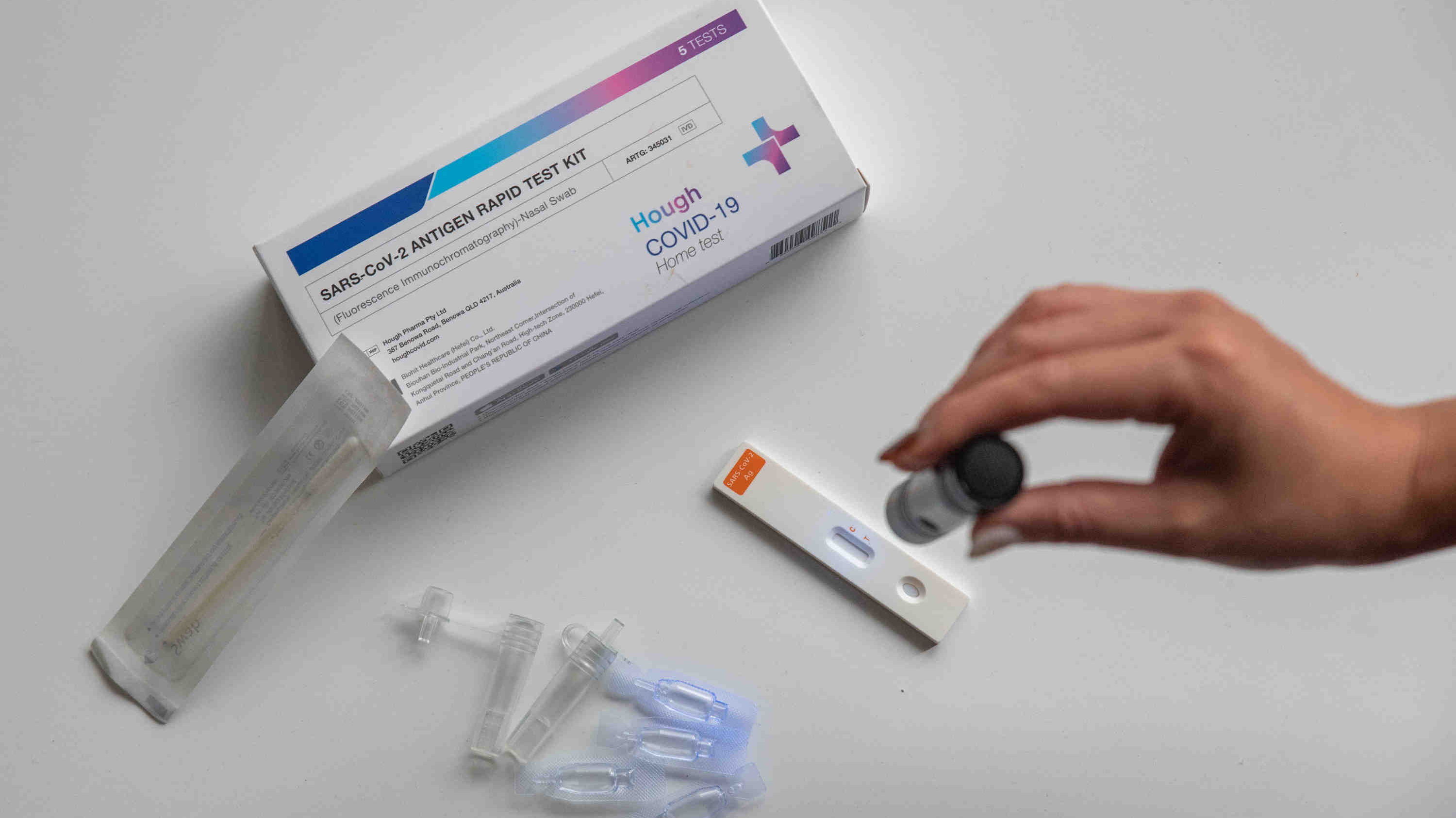
Here is what we know about who can get a free rapid antigen test and when you will need to get a PCR test.
Who is eligible for a free rapid antigen test?
Scott Morrison announced today rapid antigen tests would not be "universally free" however some Australians will be able to access them for free.
You can get one for free if you are one of the following cardholders:
- Commonwealth seniors health card,
- A healthcare card,
- A low-income card,
- A pension concession card,
- DVA Gold card
- DVA white card
Mr Morrison said more than 6.6 million people fall into these categories.
READ MORE: When will Australia reach the peak of Omicron cases?
Where can I get them?
For these eligible cardholders, you will be available to get the free tests in pharmacies and there will be caps on how many you can purchase.
"They will be able to get up to 10 tests over a course of three months, no more than five per month," Mr Morrison said.
"They should only be getting those test their if they are not symptomatic and they are not close contacts."
When do I need to get a PCR test?
It was also announced today that if you take a rapid antigen test and it comes back positive, you won't need to get a follow up PCR test to confirm the result.
So you will only need to take the rapid antigen test and if it comes back positive, you will begin the seven day isolation period.
National Cabinet also announced last week the day six testing requirement for confirmed COVID-19 cases was removed.
However, if you are still symptomatic on day six of your isolation you should seek either another rapid antigen test or PCR test.
Close contacts still need to undergo a day six rapid antigen test to leave isolation.
READ MORE: Food shortage in China's locked-down city of 13m
What happens if you do get a positive rapid antigen test?
Mr Morrison advised if you have a positive rapid antigen test, you should let your health provider know that you have COVID-19.
This is because the PCR testing system was originally used by health authorities to know how many positive COVID-19 cases there are nationwide.
The federal government is also working on a reporting system so that you can report your positive test result.
"We are working on a system through our GPs and other processes for people to report that they have got a positive test," he said.
When do the changes start?
The Prime Minister's Office (PMO) confirmed that the free rapid antigen tests will be available "within the fortnight".
The PCR testing changes when receiving a positive rapid antigen test will "essentially start now".
However, due to states needing to change public health orders, the PMO said this may take effect from midnight tonight.
What else has changed?
Truck drivers will no longer be required to have seven-day rolling tests.
If you are going to the hospital as a patient for treatment and going to work in the private hospital sector you will also not be required to get a COVID-19 test.
The requirement for a second test post-arrival in Australia from overseas will also be removed.