Tag Archives: oceania

Coles introduces new purchasing limits

Coles has introduced new temporary purchasing limits on certain grocery items across all its supermarkets and online stores, except WA, as COVID-19 wreaks havoc on Australia's critical food supply chain.

Shoppers have been warned to expect shortages at supermarkets throughout January.

In all states and territories, excluding Western Australia, a two pack limit is being applied to mince, chicken breasts, chicken thighs, and sausages.

READ MORE: NSW COVID-19 cases jump again with 35,054 new infections
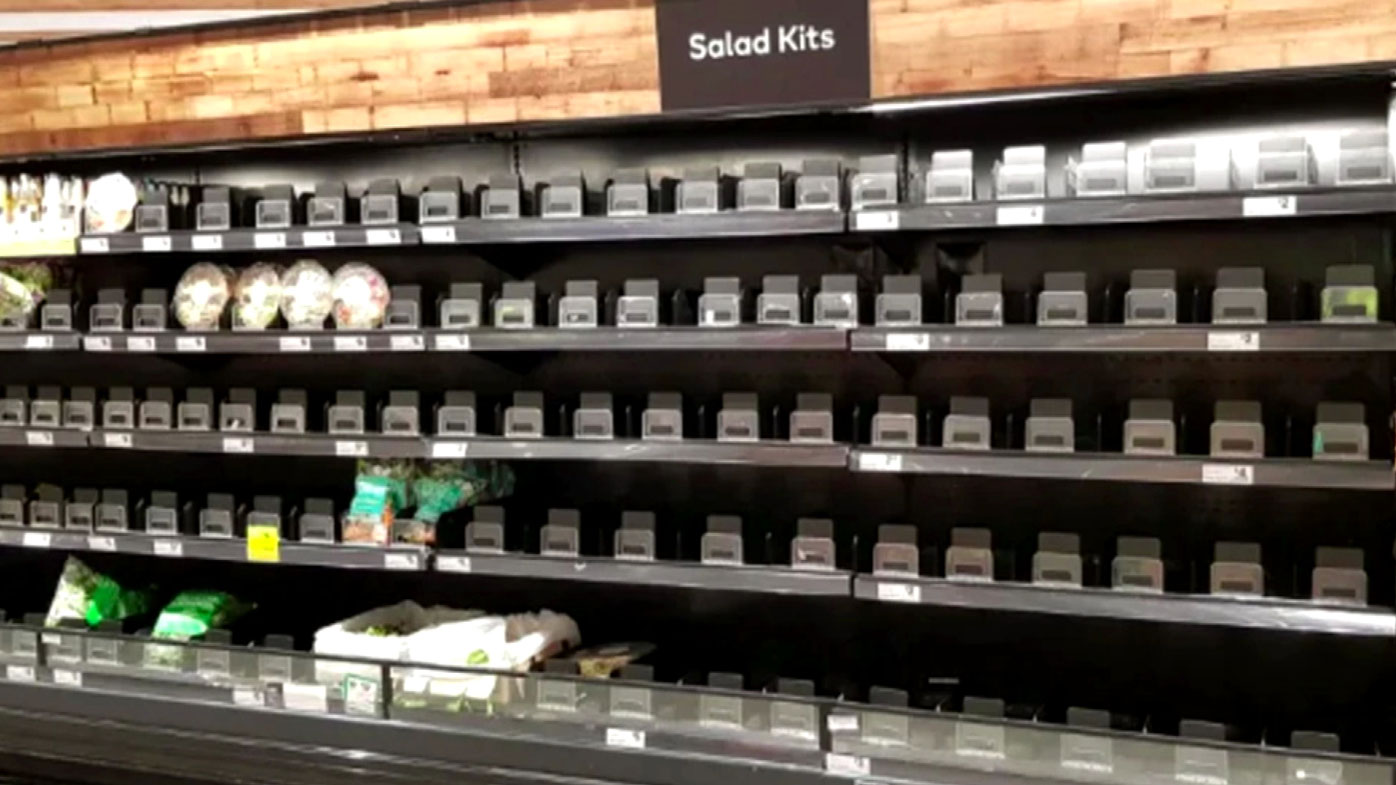
The rapidly escalating COVID crisis is having an impact on our supermarket shelves.

There is a one pack limit remains on rapid antigen tests.

Coles said it will continue monitoring product availability and urges customers to buy only what is necessary.

Stores on the east coast will be most heavily affected, Coles chief operations officer Matthew Swindells said, particularly New South Wales and Greater Sydney.

Mr Swindells expected current food shortages at Coles to last "another couple of difficult weeks", as more and more workers catch coronavirus and are sidelined by the sharp rise in COVID-19 cases.

Woolworths said it will not be introducing product limits.

"Our customers have been shopping in reasonable quantities and are only buying what they need, so we don't believe product limits are needed at this stage," a Woolworths spokesperson said.

READ MORE: ACCC to investigate complaints of price gouging on rapid antigen tests
"We will continue to closely monitor product availability across our stores," they said.

Woolworths did add that they were experiencing some delays with their delivery stocks, which could mean stores may have reduced availability of certain products.

NSW hit a new pandemic high of 35,054 cases today, up almost 12,000 from yesterday.

9News understands the empty shelves which are now starting to greet shoppers are related to Delta and Omicron enforced absenteeism, not product shortages or panic buying.

Across the supply line, workers at supermarkets, distribution centres and truck drivers have been unable to shift product and stock shelves, because of sickness and mandated isolation.

"You might not find every product you're used to," Mr Swindells said of the new year shortages.

"You might have to change brand or buy a different pack size but you can certainly still get a good food shop so you won't run out of food."

Woolworths said it was facing a similar supply line crunch.

"We're currently experiencing delays with some of our stock deliveries to stores due to COVID-related impacts on our supply chain operations," a company spokesperson said.

"We have stock available within our network and our teams and suppliers are doing all they can to replenish stores as quickly as possible."

READ MORE: When will Australia reach the peak of Omicron cases?
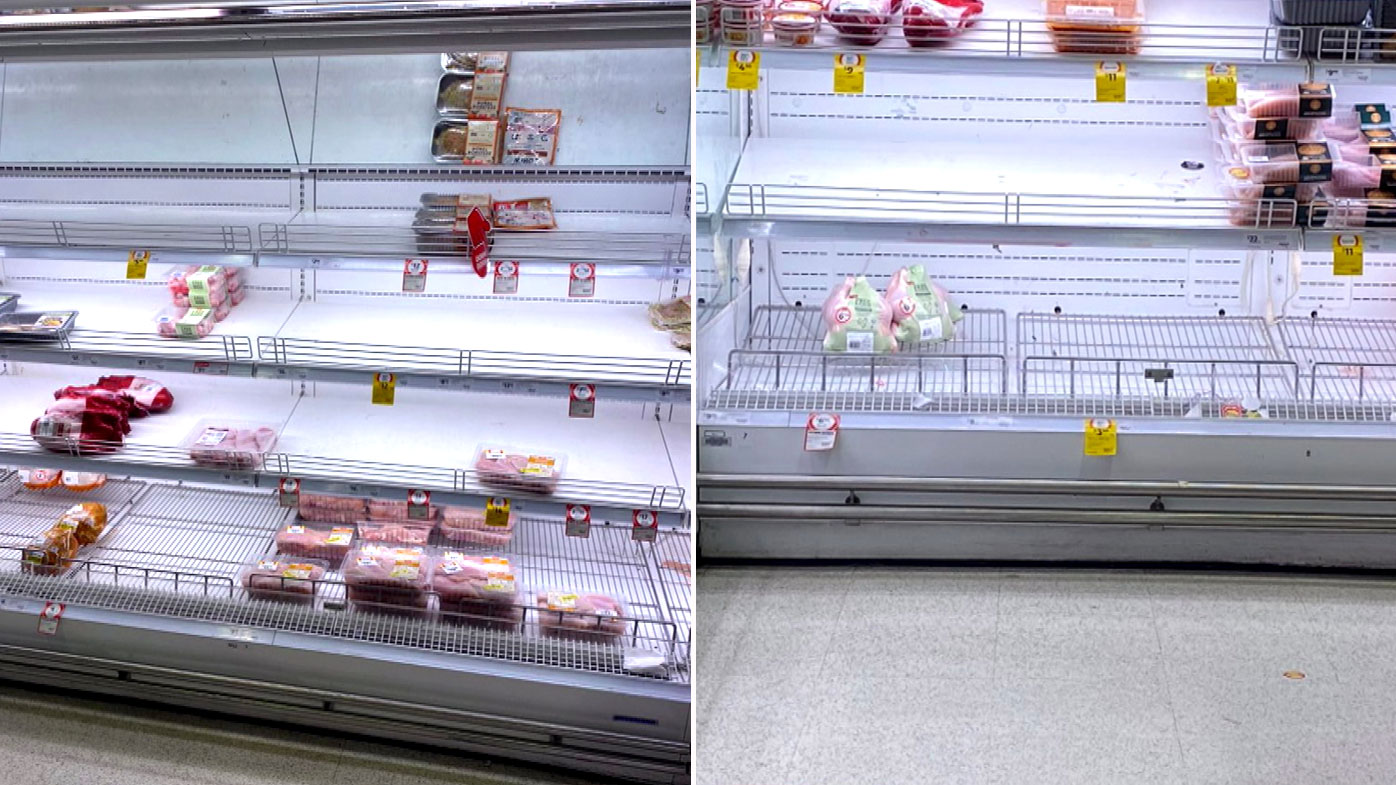
Distribution centres are experiencing higher than usual absenteeism due to the high number of COVID-19 cases in the Greater Sydney community.

A spokesperson from Aldi said that although the ongoing COVID-19 situation has meant "additional pressure to our operations", the company was doing its best "to minimise any disruption to our customers".

The Transport Workers Union (TWU) claimed up to 50 per cent of truck drivers were now off work sick because of COVID.

Michael Kaine, national secretary of the TWU, said Australia's supply chain is under significant pressure.
Man rams woman's car amid COVID-19 testing chaos

Hundreds of Queenslanders have been left frustrated by dire COVID-19 testing queues, with many turned away after several hours of waiting, often for days in a row.

Early this morning, residents queuing up at a testing clinic in Murarrie, Brisbane were turned away before the facility had opened, told to come back in two or four hours.

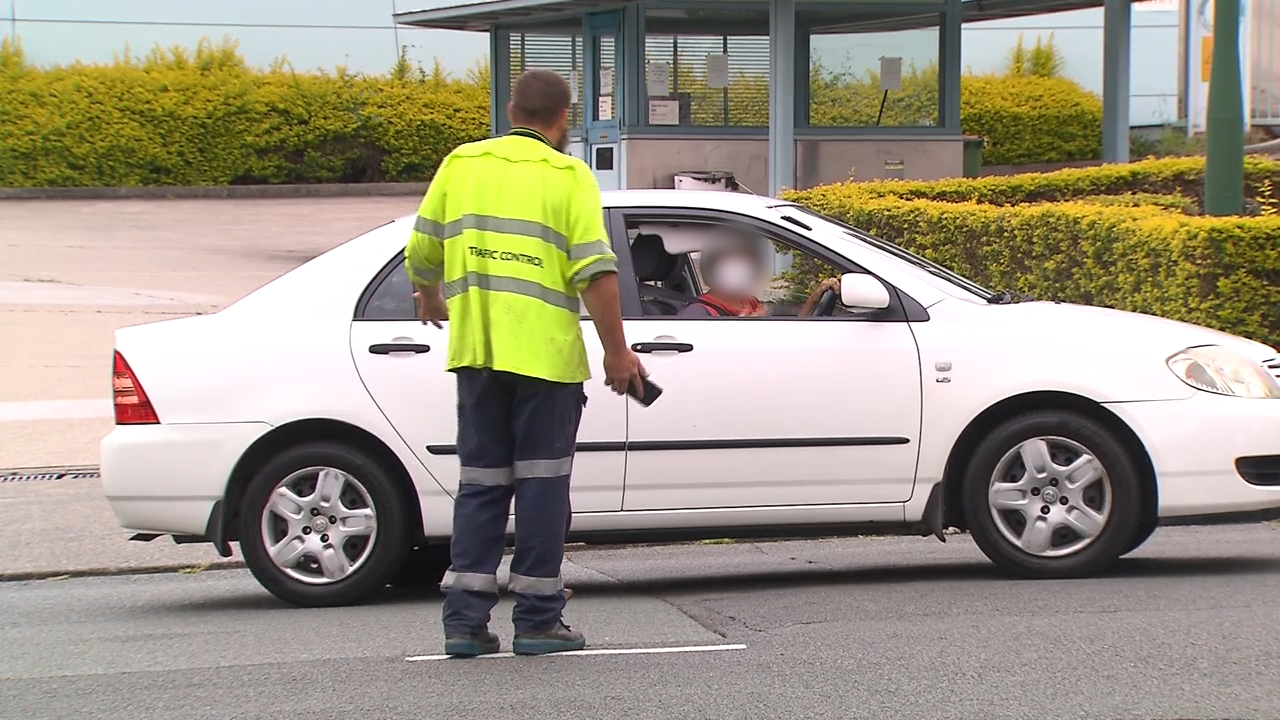
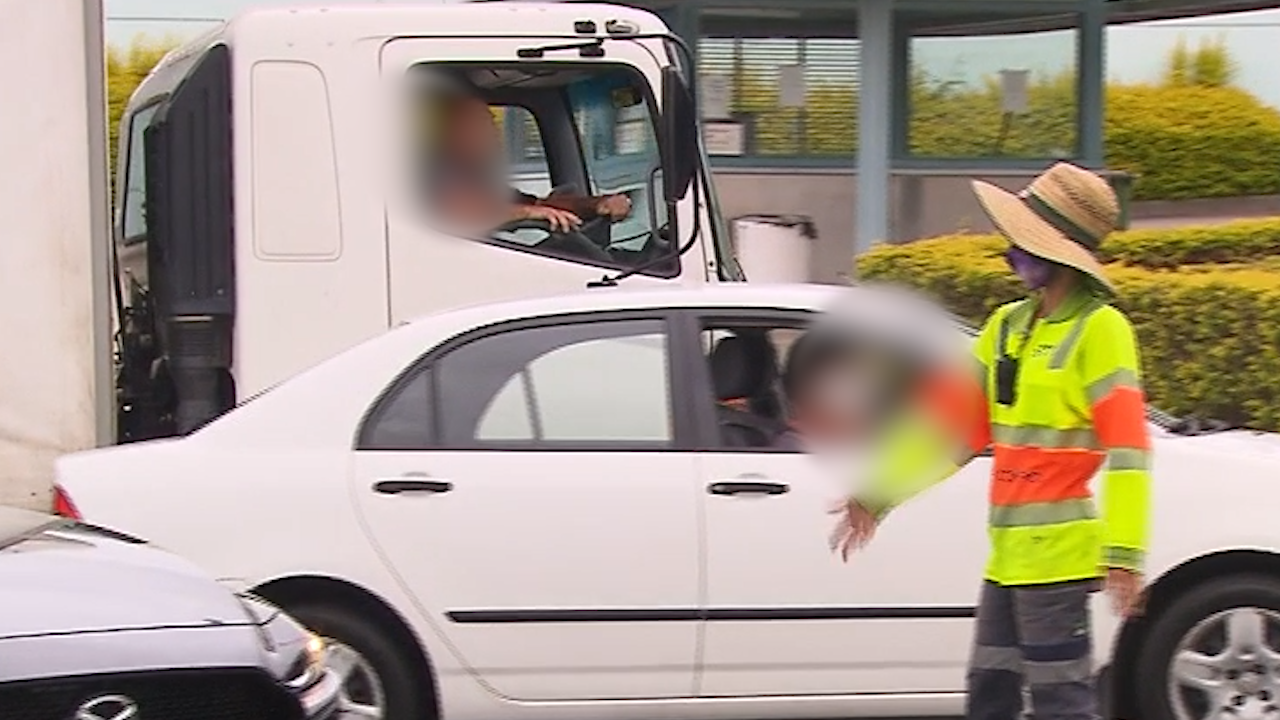
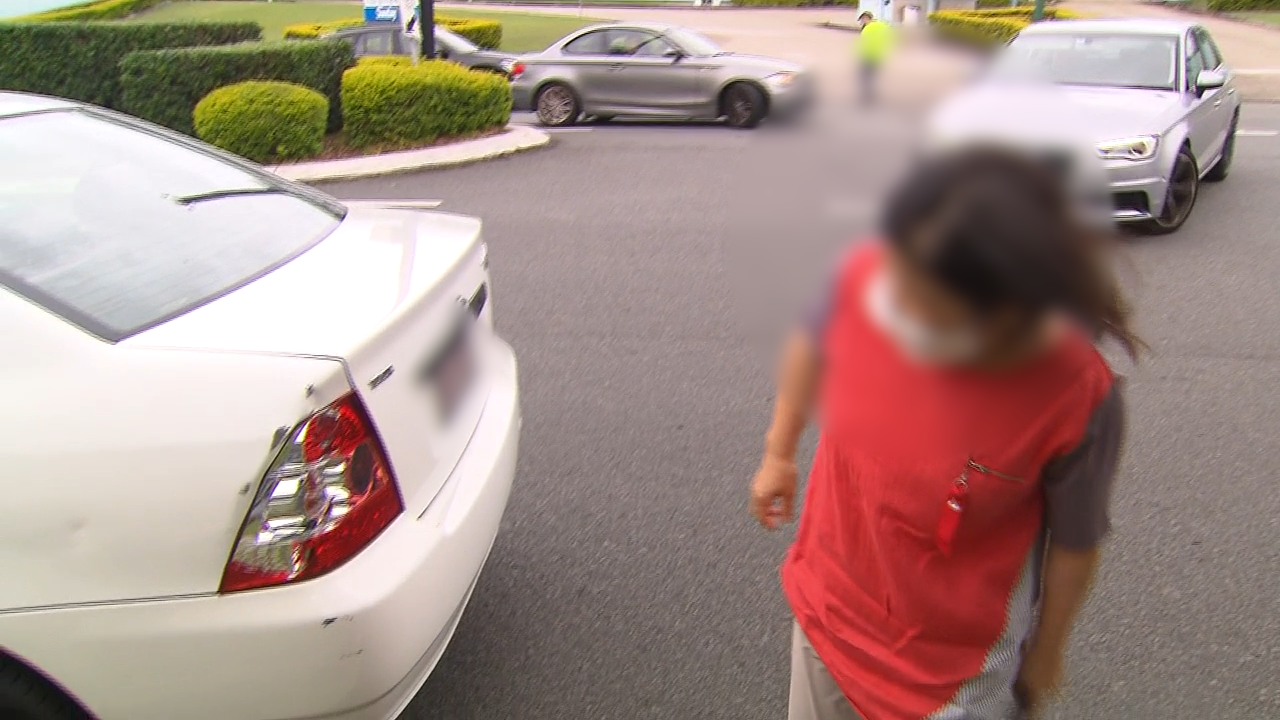
One woman refused to leave the queue, despite directions from traffic controllers, prompting anger from fellow line goers.

A man hurled abuse at the woman, before ramming his truck into the back of her car.

LIVE UPDATES: Alarming spike as calls grow for free RAT tests

"Yesterday somebody ask me to come back. It's the third time I've come back it's not fair," the woman is heard saying.

Traffic controllers apologised to the man, before allowing him to drive away from the damaged vehicle.

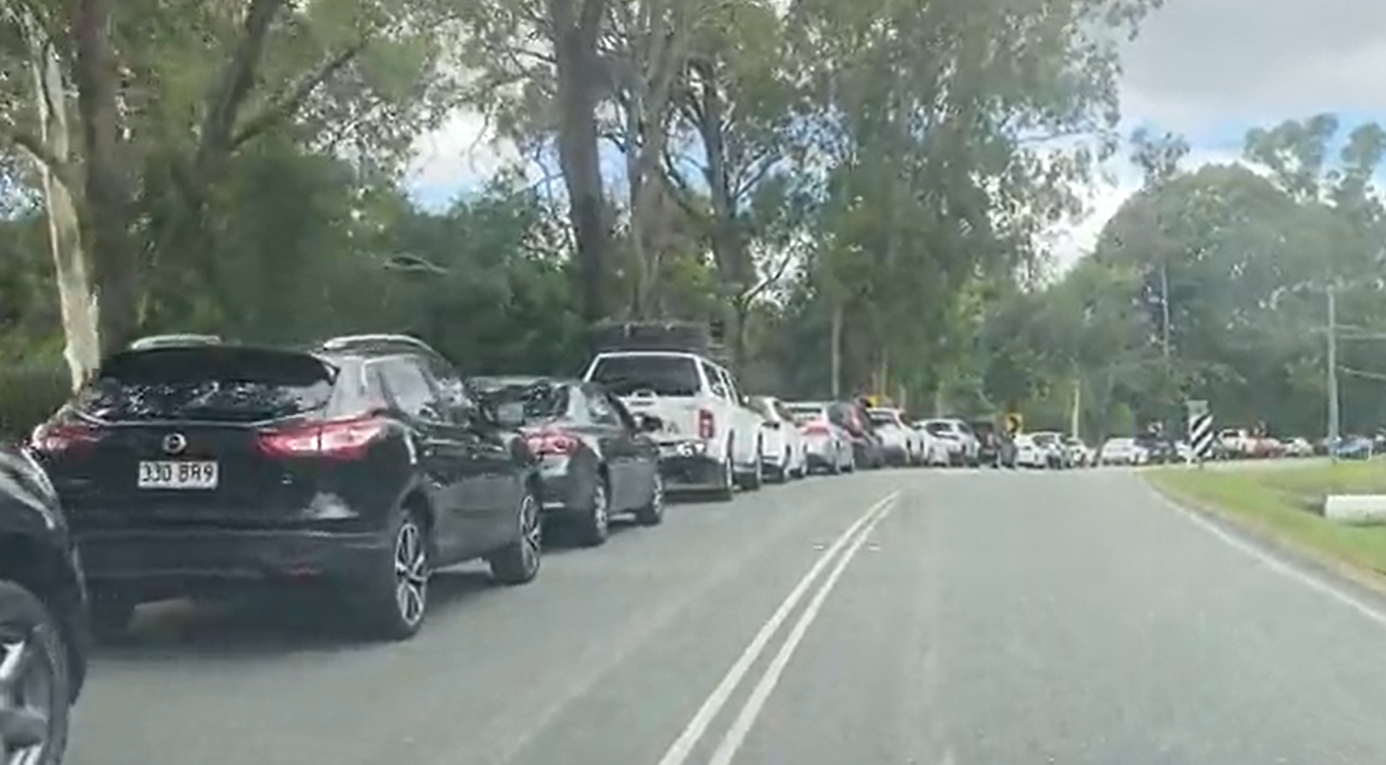
Across Queensland testing sites, lines of cars go on for kilometres, with some waiting up to five hours for a test.

At the Royal Brisbane Hospital, many have come prepared with deck chairs, umbrellas and books, preparing for a long wait.

"I've got my book, I've got a chair and I'm relatively comfortable," one woman said.

READ MORE: When will Australia reach the peak of Omicron cases?

Six new private testing clinics have been made available this week to handle increased testing demand, however lines are still facing extensive delays.

Health Minister Yvette D'Ath said the state was working to ease testing queues.

"We continue to work with the private pathologists and the Commonwealth to get them open for longer hours," she said.

Those who are not showing symptoms of COVID-19 have been advised to stay home, and 18 million new rapid antigen tests are on the way to Queensland, in efforts to ease testing congestion.

"If you've been a close contact and are asymptomatic don't bother to come for for a PCR test," Ms D'Ath said.

READ MORE: Food shortage in China's locked-down city of 13m

'No special treatment' for tennis stars, minister says

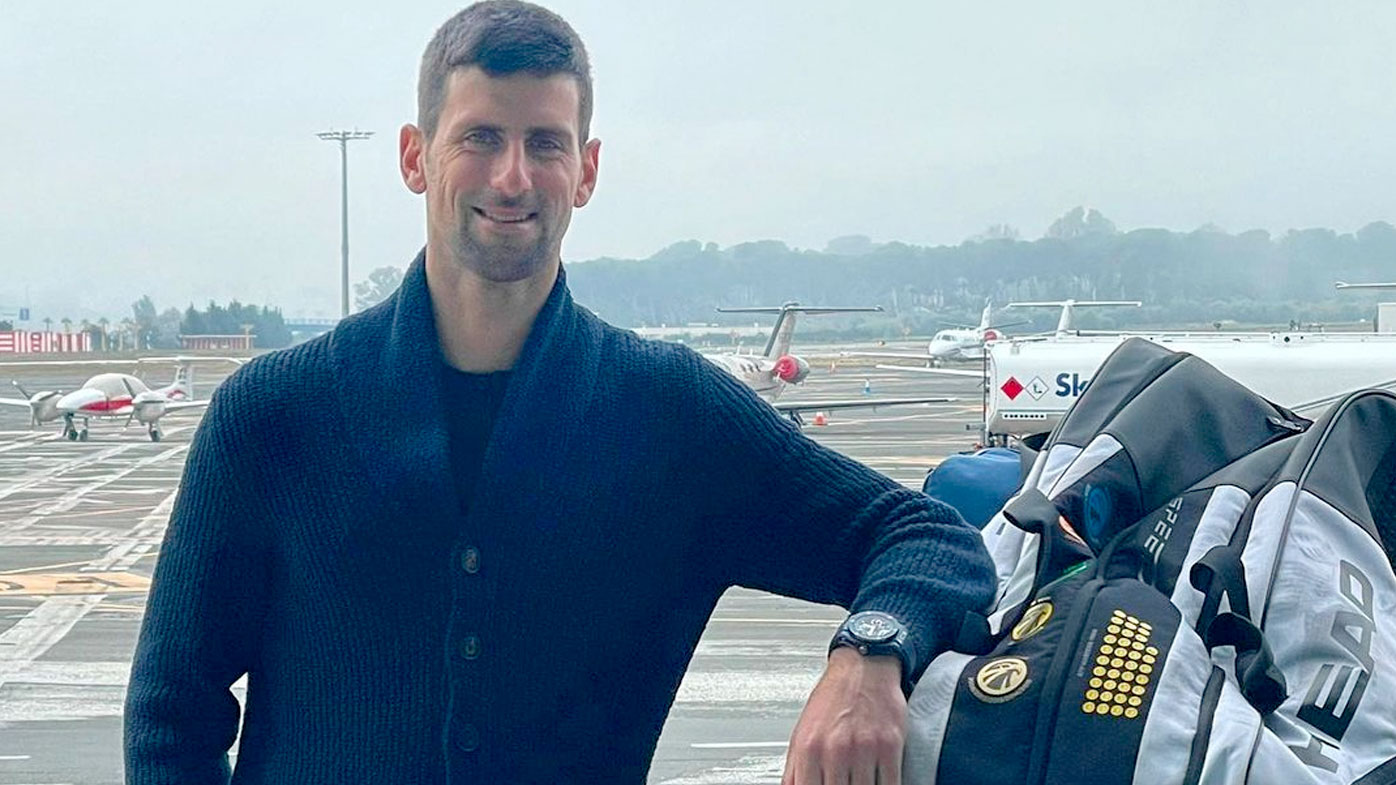
The Home Affairs Minister says no one is exempt from the country's "strict" border rules hours after tennis star Novak Djokovic confirmed he was travelling to Melbourne for the Australian Open.

Djokovic said last night he had been granted a medical exemption to compete in the competition, which begins on January 17. He has previously refused to reveal his COVID-19 vaccination status.

However, this afternoon the federal Minister for Home Affairs Karen Andrews issued a strongly-worded statement, saying the Commonwealth enforces the border, not the state government.

LIVE UPDATES: Alarming spike as calls grow for free RAT tests

"Any individual seeking to enter Australia must comply with our strict border requirements," Ms Andrews said.

"While the Victorian Government and Tennis Australia may permit a non-vaccinated player to compete in the Australian Open, it is the Commonwealth Government that will enforce our requirements at the Australian border.

"If an arriving individual is not vaccinated, they must provide acceptable proof that they cannot be vaccinated for medical reasons to be able to access the same travel arrangement as fully vaccinated travellers.

"Australian Border Force will continue to ensure that those who arrive at our border comply with our strict border requirements.

"No individual competing at the Australian Open will be afforded any special treatment."

She said any quarantine arrangements are a matter for the Victorian Government.

Prime Minister Scott Morrison also said Djokovic would be treated no differently to anyone else.

"There should be no special rules for Novak Djokovic at all. None whatsoever," Mr Morrison saod.

"If medical exemptions have been provided by medical professionals and that has been furnished to him as a proviso for him to get on that plane, well, that will have to stack up when he arrives in Australia."

Earlier, Tennis Australia and the Victorian Government attempted to calm public anger and confusion, insisting Djokovic had not been afforded any special treatment.

READ MORE: Djokovic medical exemption sparks online fury

Australian Open tournament director Craig Tiley said at a press conference this morning Djokovic was one of 26 applicants who applied for a medical exemption and one of a handful granted.

Although Tennis Australia could not legally reveal why Djokovic had been given the exemption, Australian Technical Advisory Group On Immunisation (ATAGI) guidelines were clear on which possible circumstances it would be approved under, Mr Tiley said.

These narrow circumstances included having a previous anaphylactic reaction to a vaccine, having just had major surgery and having had COVID-9 during the past six months, he added.

Mr Tiley said names were redacted during the exemption process ensuring no officials knew they were assessing Djokovic's application.

"The process has been very clear and we completely understand and empathise with first of all some people being upset about the fact that Novak has come in because of his statements in the past around vaccination," he said.

"However, it's ultimately up to him to discuss with the public his condition if he chooses to do that and the reason why he received his exemption."

The decision has provoked a heated reaction from Australians online, especially since Melbourne endured months of strict lockdowns and harsh travel restrictions at the height of the pandemic.

https://twitter.com/Globalgallop/status/1478322231847620610?ref_src=twsrc%5Etfw

Tennis Australia's Chief Medical Officer Dr Carolyn Broderick said she understood what a challenging time the last couple of years had been for Melburnians and that some people would find the exemption granted to Djokovic "frustrating and upsetting".

However, Dr Broderick said the tennis star did not receive special treatment.

"I want to make absolutely clear that as has been the case the whole time no-one is or will be receiving special treatment because of who they are or what they have achieved professionally," she said.

READ MORE: When will Australia reach the peak of Omicron cases?

Victoria's Acting minister for Tourism, Sport and Major Events, Jaala Pulford, said while the news of Djokovic's medical exemption would be "maddening" to some people, the process was robust and the same system applied to everyone.

Mr Tiley said while Tennis Australia was not able to detail the reason Djokovic was given the exemption, he would be urging the tennis star to speak be openly about it.

"It's ultimately up to him," Mr Tiley said.

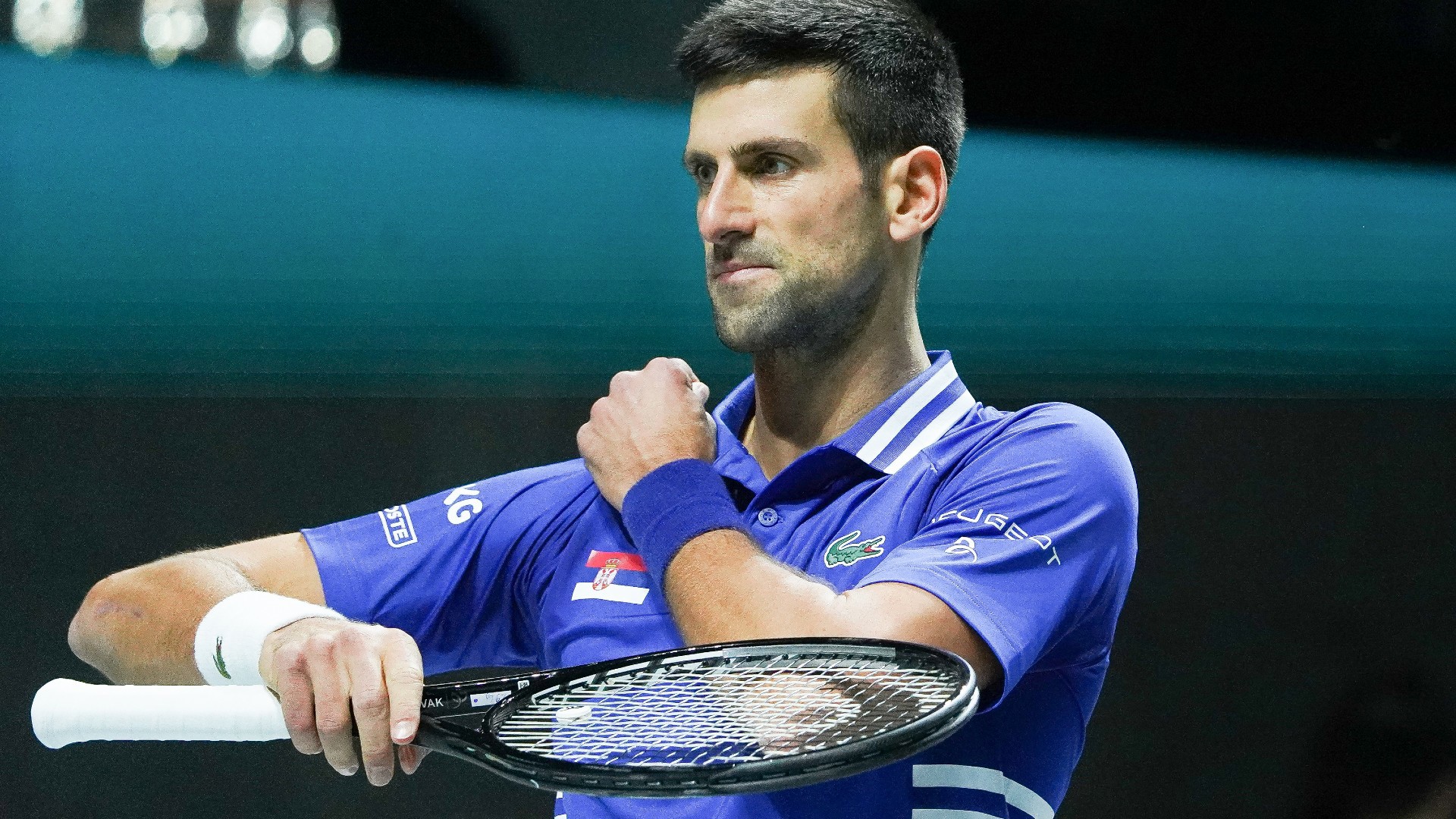
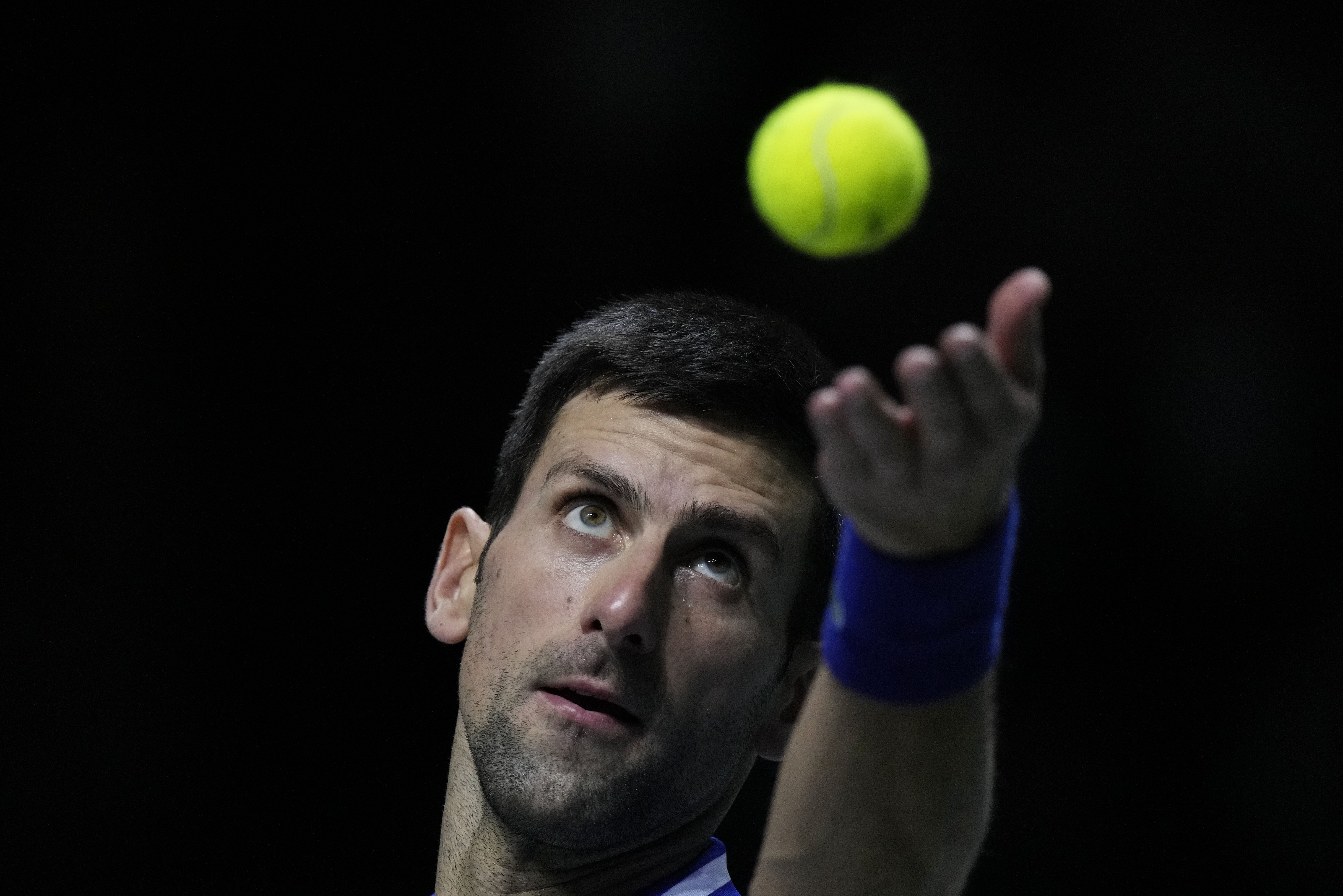
Serbia's Novak Djokovic serves  during their Davis Cup semi-final match.

"I will encourage him to talk to the community about it because we have been through a very tough period over the last past two years and we would appreciate some answers to that."

When asked about controversy, opposition leader Anthony Albanese called for a "full and transparent explanation" given spectators, officials and other players needed to be vaccinated.

READ MORE: Food shortage in China's locked-down city of 13m

"This exemption needs to be explained, it makes absolutely no sense to me," Mr Albanese said.

"I think there needs to be a proper explanation and I haven't heard one yet."

Acting Victorian Premier Jacinta Allan said she was reluctant to comment on "a particular tennis individual", but wanted to make it clear the decision to allow Novak Djokovic to play in the Australian Open was made nationally, and that doctors had reviewed the decision.

"It was through the Commonwealth ATAGI process that cleared Novak Djokovic to enter the country," she said.

Ms Allan said it was "up to Novak Djokovic to explain to the Victorian community… the motivations behind his actions" in coming to Australia

She said the State Government would expect Djokovic to give a public explanation to the community once he arrived.

PCR tests no longer needed after positive rapid test result

National Cabinet has agreed to remove the requirement for a PCR test to confirm a positive rapid antigen test result, Prime Minister Scott Morrison said.

Mr Morrison said rapid antigen tests would start being used at COVID-19 testing sites to speed up results after the country experienced massive testing backlogs over the past few weeks.

"This will take the pressure off the pathology labs which are out there, which will speed up the test results for PCR tests that are needed for those who are essential to get PCRs," he said.

EXPLAINED: Who is eligible for free rapid antigen tests and when do you need a PCR?

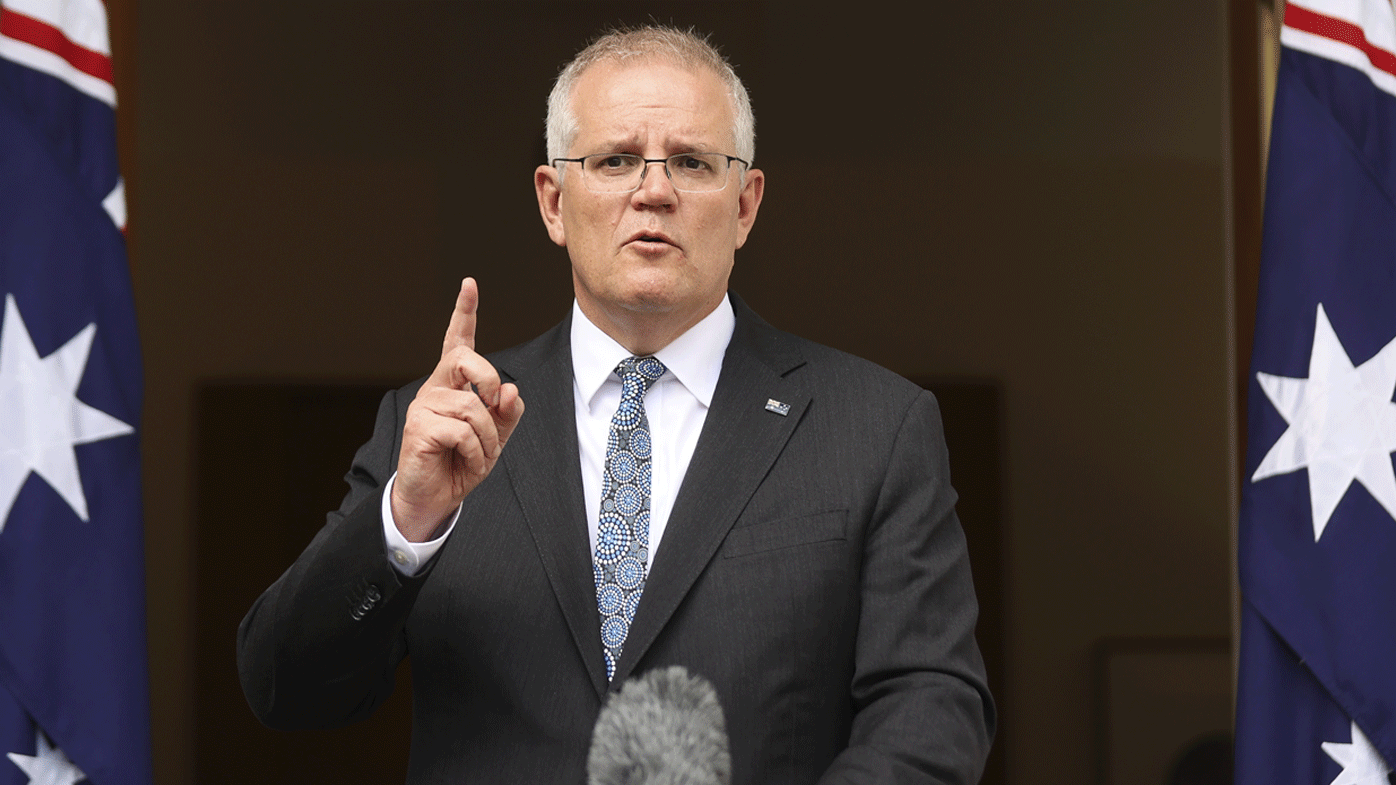
Prime Minister Scott Morrison

Mr Morrison said the push to provide free access to rapid antigen tests to all was not going to eventuate.

"Universal free access to tests was not agreed by any of the states and territories today, or the Commonwealth. I make that very clear," he said.

Mr Morrison said concessional free tests would be available at pharmacies to those who have a Commonwealth seniors health card, a healthcare card, a low-income card, a pension concession card, DVA Gold card or a DVA white card.

"There are over 6.6 million Australians who fall into those categories. They will be able to get up to 10 tests over a course of three months, no more than five per month, and they should only be getting those tests there if they are not symptomatic and they are not close contacts," he said.

READ MORE: When will Australia reach the peak of Omicron cases?

He confirmed tests for close contacts and those who are symptomatic were free, as agreed by National Cabinet last week.

"They have always been free. They are the essential tests that are required for public health management," he said.

"If you are not a close contact, if you are not symptomatic, you do not need to get a test."

The requirement for a second test post-arrival in Australia from overseas will also be removed.

"They will have, as we said last week, a rapid antigen test on arrival. If that is negative, then they will not be required to have a further test," Mr Morrison said.

Mr Morrison said Western Australia did not participate in today's meeting.

READ MORE: Labor calls for free rapid tests as PM stands firm

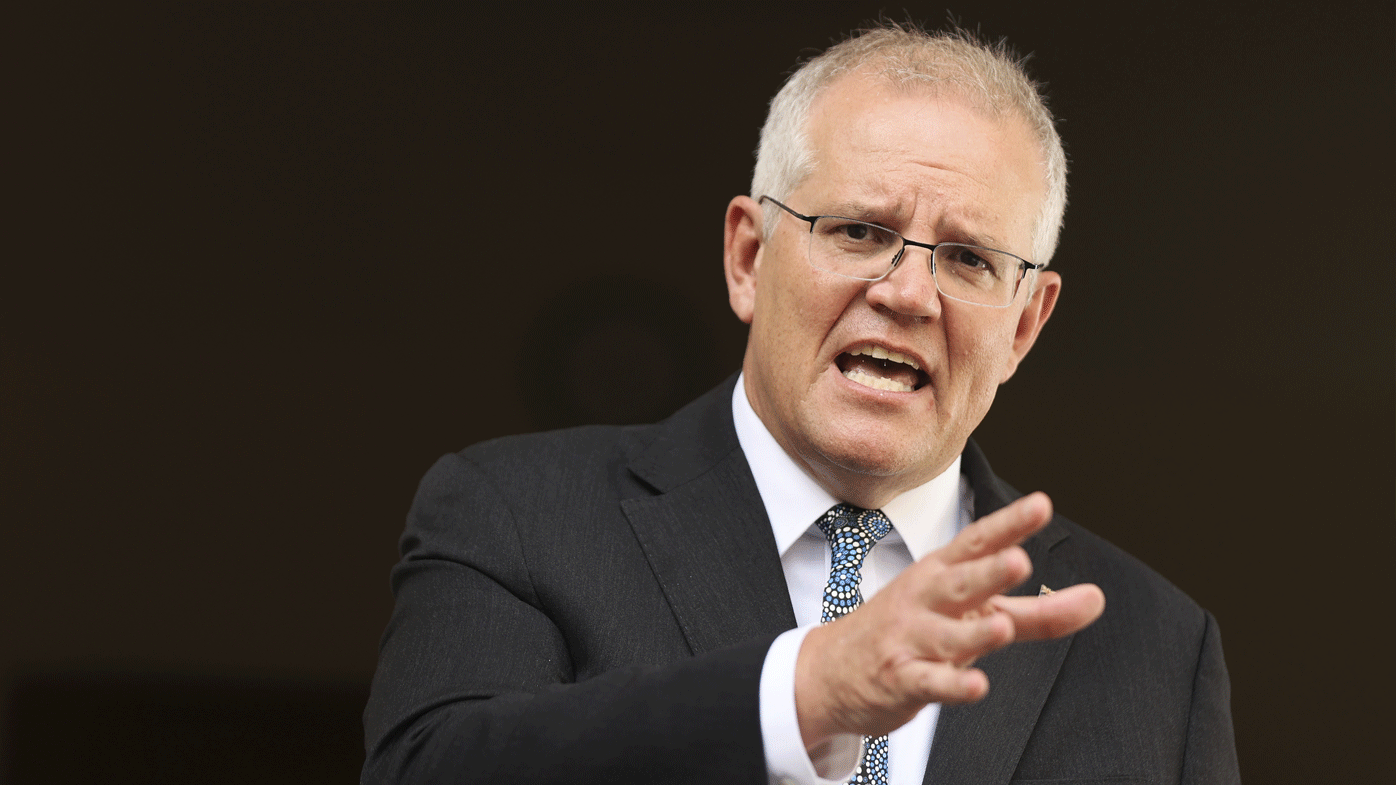
Prime Minister Scott Morrison

The prime minister also announced anyone selling rapid antigen tests at more than a 20 per cent mark up would be in breach of a biosecurity regulation declared by the Health Minister.

"And that carries a penalty of $66,000 and up to five years in jail," he said.

"We will include rapid antigen test as those products covered by the export controls that we put in place."

Mr Morrison said a purchasing restriction of one box of rapid antigen tests per person would be put in place.

He further said all participants in the National Cabinet meeting were clear in sharing the view that "schools go back and stay back on day one of term one".

Mr Morrison said recommendations for the framework for the return to schools would be established over the coming fortnight.

Chief Medical Officer Professor Paul Kelly said the rate of people being hospitalised with COVID-10 had fallen from 2.7 per cent to one per cent since December 20.

"The proportion that are seriously sick is much less than we have seen in previous waves (of COVID-19)," he said.

Professor Kelly said a "risk-based approach" had been developed for the aged care sector to deal with the issue of too many staff having to furlough, compared to the previous "no tolerance to risk" approach.

Hundreds of childcare centres closed in NSW due to COVID-19

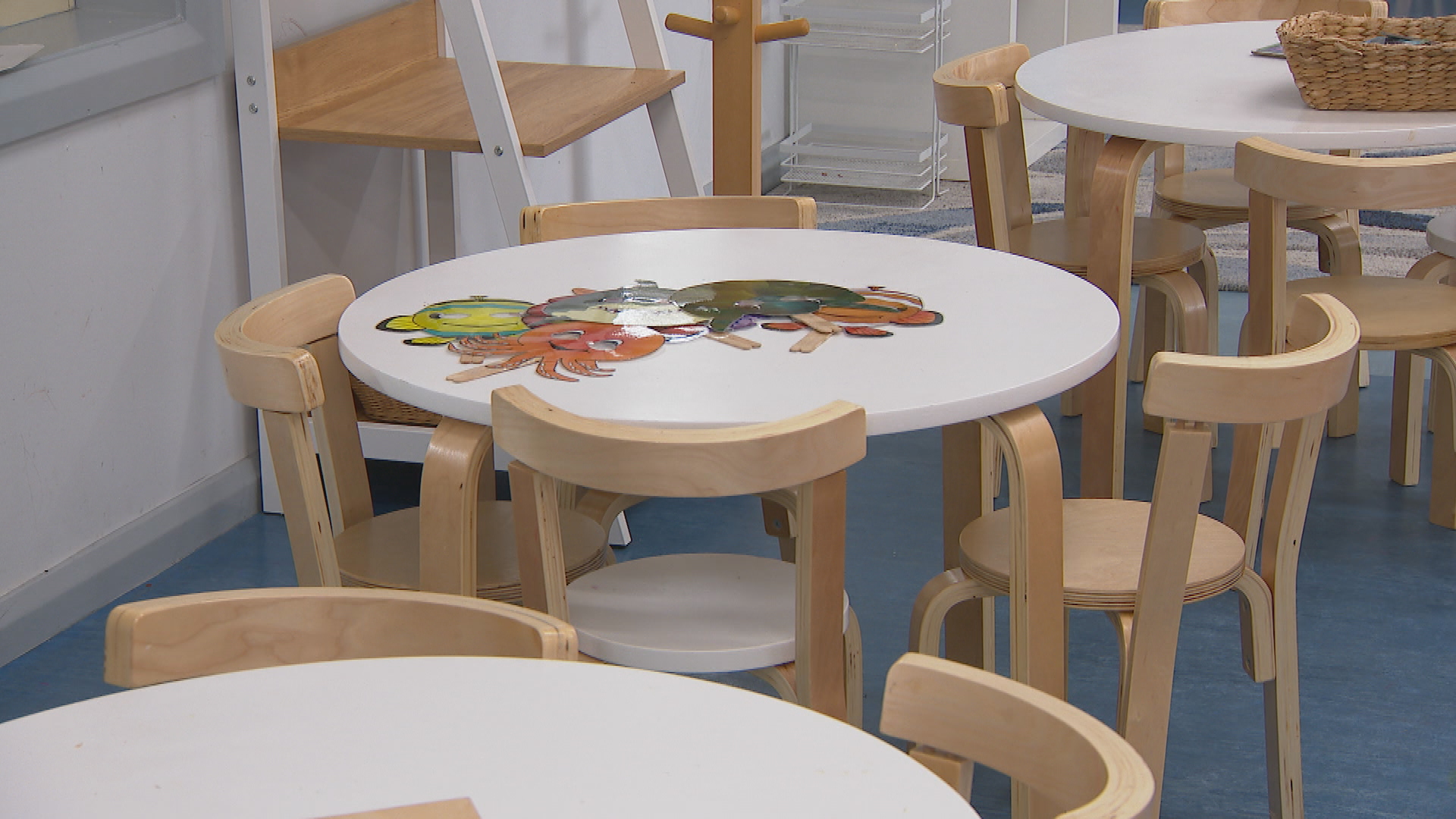
Hundreds of childcare centres are closed across New South Wales due to COVID-19 exposure and isolation sparking staff shortages.

At least 320 centres have been forced to shut their doors across the state after staff either contracted the virus or were deemed close contacts over the holiday period.

Centres have been unable to meet staff to children ratios with so many employees in isolation.

LIVE UPDATES: Alarming spike as calls grow for free RAT tests

childcare stock image

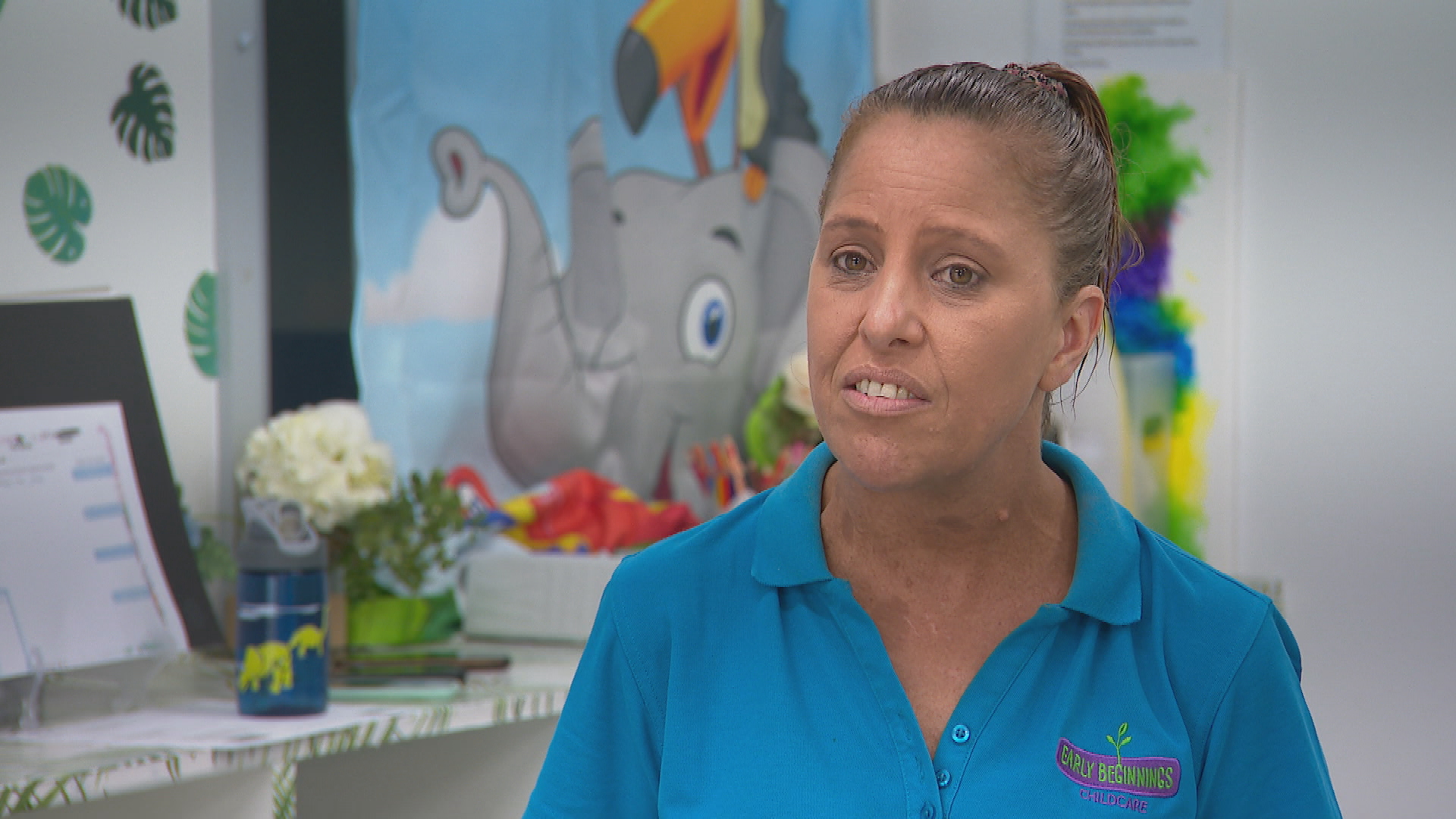
Early Beginnings Childcare in Toongabbie usually looks after 40 children but had to shut due to five staff members catching COVID-19.

Director Angela Bonnici had to ask families to keep their children at home.

"All up, I have had five educators who had informed me that they all had COVID-19," Ms Bonnici said.

Childcare centres in NSW have been forced to close due to staff shortages.

Elizabeth Death from the Early Learning and Care Council said modelling had predicted these closures as the state reopened.

"Our modelling at the end of last year was actually predicting that every service would close at least once or twice in the six months following opening up, and I believe we're going to be seeing that very soon," she said.

The childcare closures are impacting essential workers who need to send their children to daycare while they work.

READ MORE: When will Australia reach the peak of Omicron cases?

Childcare centres in NSW have been forced to close due to staff shortages.

Vanessa Carrett is an essential worker and will be forced to keep her three-year-old at home this week due to the closures.

"Can we send her safely? Is everything all right there? And how will it come back to us, if she can't go, can we work and can we pay our bills?" she asked.

Childcare centres are also struggling to access rapid antigen tests for their staff during the current kit shortage.

"I've just had a phone call today that we can get two kits but two for eight educators is impossible," Ms Bonnici said.

Childcare centres in NSW have been forced to close due to staff shortages.

From January 10, children aged between five and 11 will be able to get vaccinated.

The Pfizer kids' vaccine is a third the size of an adult dose, and children will receive two doses, eight weeks apart

NSW Chief Paediatrician Dr Matthew O'Meara has urged parents to book their children in.

"We know it's effective in preventing kids from developing COVID-19, preventing severe disease and preventing transmission from a child to another person," he said.

READ MORE: Food shortage in China's locked-down city of 13m

Child arm vaccine band-aid

Dr O'Meara said side effects had been minor, with children mostly finding themselves with a sore arm for a day or two.

But more serious reactions such headaches, muscle aches, fever, chills and nausea were "really pretty uncommon".

Potentially fatal myocarditis had not been seen in young children.

Dr O'Meara said COVID-19, while mostly mild in children, could still be a potentially serious illness.

Businesses forced to close as Victoria's COVID-19 cases soar

Businesses are being forced to shut their doors or reduce their service hours during peak holiday season as Omicron sweeps across Victoria.

Restaurants, bars, cafes and services in beach towns are being heavily hit by the state's rapidly growing number of COVID-19 cases and exposures during their busiest time of year as thousands of tourists flock to the coast.

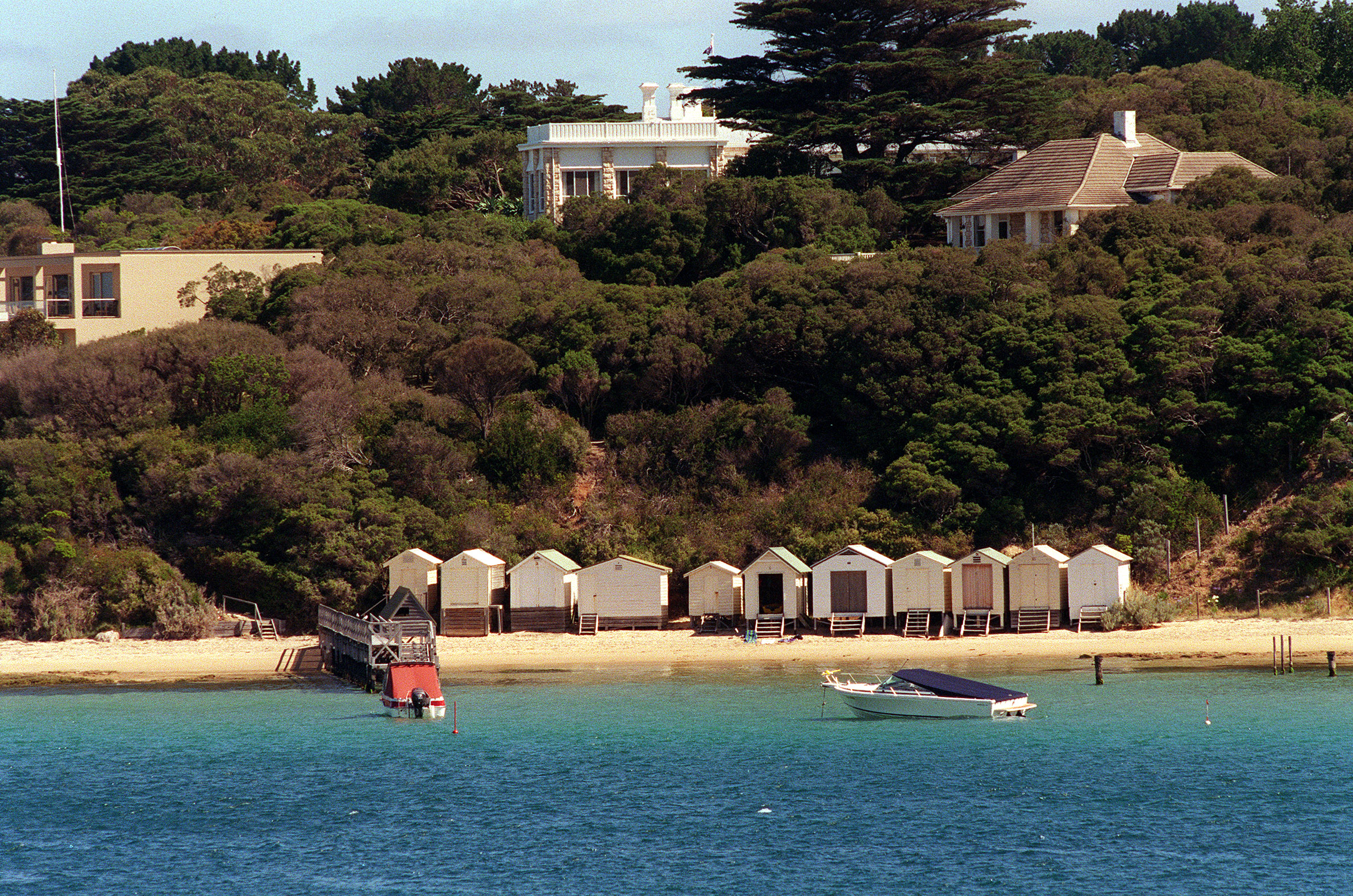
Hotel Sorrento on the Mornington Peninsula closed its restaurant and bar on New Year's Eve "due to health and safety reasons" and has announced it will not reopen until Friday, January 7.

READ MORE: Bookings for young children's vaccines open as Victoria records 17,636 new COVID-19 cases

https://www.facebook.com/plugins/post.php?href=https%3A%2F%2Fwww.facebook.com%2FHotelSorrentoVIC%2Fposts%2F5004431489591237&show_text=true&width=500

The hotel, which normally hosts a large New Year's Eve event, has explained the closure is due to a positive COVID-19 case on Thursday, December 30.

Nearby, the Sorrento Sailing Couta Boat Club has also been heavily hit by COVID-19, announcing that nine of its staff have caught the virus, as has a number of its members.

The club has had to stop its sailing lessons and reduce its restaurant's operation.

Across Port Phillip Bay on the Bellarine Peninsula, the popular Barwon Heads Hotel has also resorted to closing due to COVID-19, explaining it has "staff shortages because of COVID in the area".

READ MORE: Traffic controller's foot runover at Melbourne COVID-19 testing centre

"Another tough time for small businesses in our communities," the hotel shared on Facebook.

"Like every other service based business in the region, we have had a number of staff that have tested positive to COVID or are household contacts since December 1."

The closure comes after people with the virus attended an event at the hotel on Boxing Day.

Melbourne businesses have also been widely hit.

Management behind the popular Prahran restaurant Entrecote has said it has had "no option" but to close the restaurant after being hit with staff shortages.

https://www.facebook.com/plugins/post.php?href=https%3A%2F%2Fwww.facebook.com%2Fentrecotemelbourne%2Fposts%2F4994238487306958&show_text=true&width=500

Hawthorn bar Nevermind has had to close today and tomorrow due to staff shortages, with owner Jed Burgess estimating the business will lose more than $20,000 in revenue.

"It's pretty difficult with no government support… or rent support," he said.

Supermarkets across the state are also being heavily affected by the new wave of COVID-19.

A number of Coles workers are off sick or isolating, causing supply issues.

"We are facing a number of supply chain issues," Coles Chief Operations Officer Matt Swindells said.

"It'll take us a few weeks to fully recover from this."

Ritchies IGA's 50 Victorians stores are also facing shortages.