Motorists are being urged to take care on State Highway 1 north of Kaitaia due to a breakout of the Kaimaumau fire.As of 4.45pm today strong winds and high temperatures caused the fire to flare up near the highway about 2km north…
Tag Archives: oceania
NSW ocean temperatures soaring to levels not seen in decades
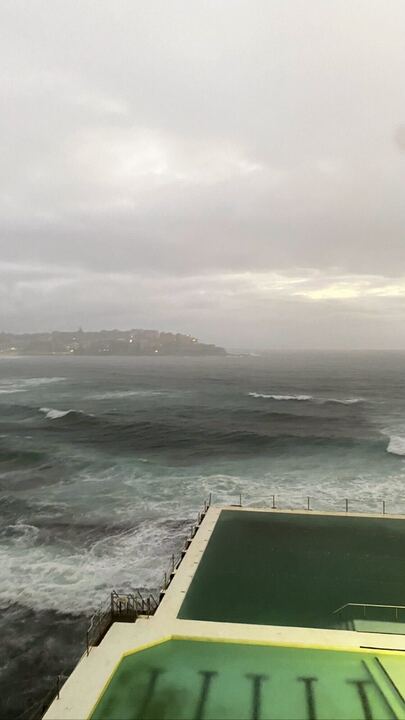
A marine heatwave is lifting ocean temperatures off the coast of New South Wales to levels not seen in decades as the state is pummelled by severe storms.
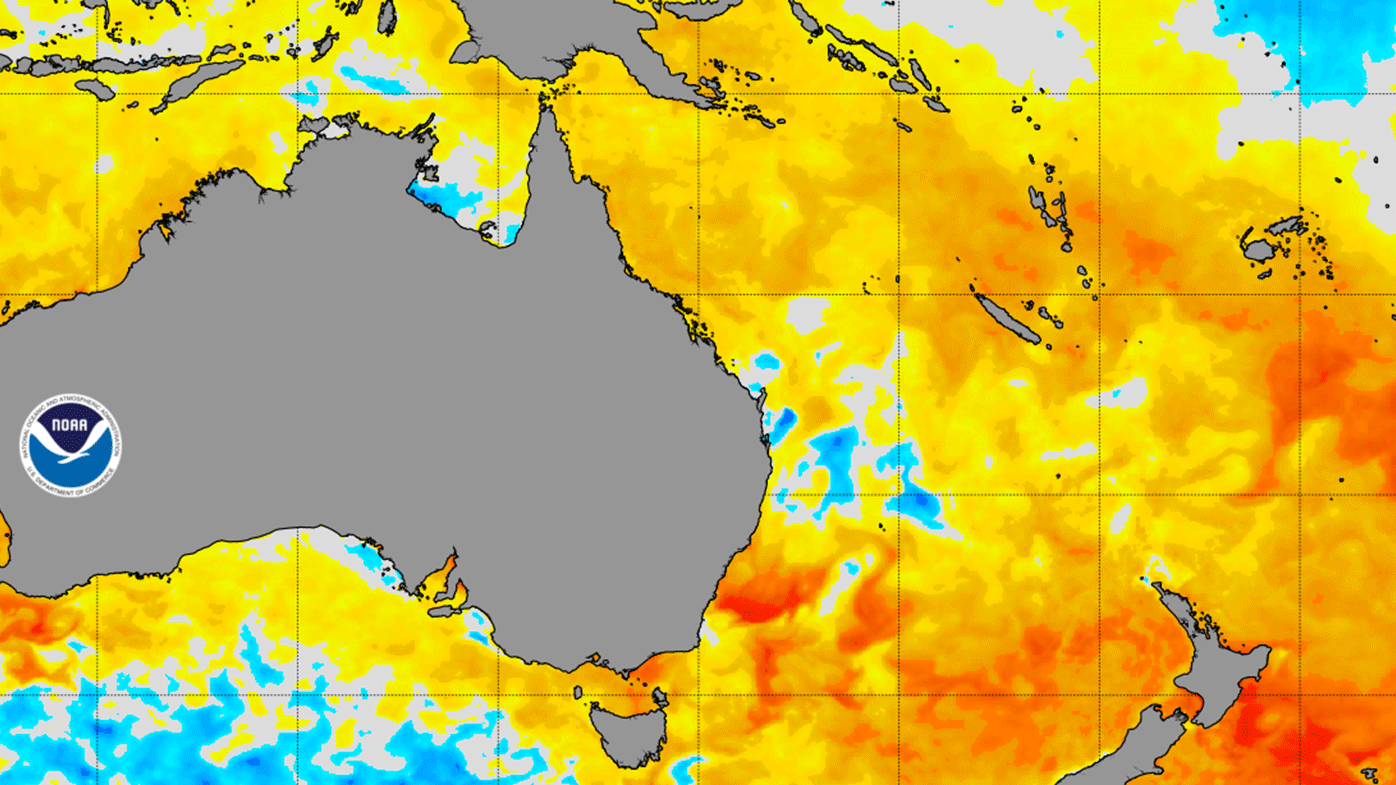
The marine temperatures appear to be reaching levels not seen in nearly 80 years, with satellite data showing ocean surfaces three degrees Celcius above normal.
Professor Moninya Roughan said ocean temperatures at a site five kilometres from Port Hacking, Sydney, are approaching an all-time high for January.
LIVE UPDATES: Alarming spike as calls grow for free RAT tests
"The data shows a January maximum temperature of 23.9 degrees Celsius on 23 January, 1979," she said.
"We are waiting on recent data later this month to confirm the measured temperatures, however, satellite data shows temperatures are approaching their all-time January high.
"We are expecting ocean temperature records to continue to be broken in coming years with widespread ecological consequences."
These water temperatures are likely to be some of the warmest on record near Sydney in January.
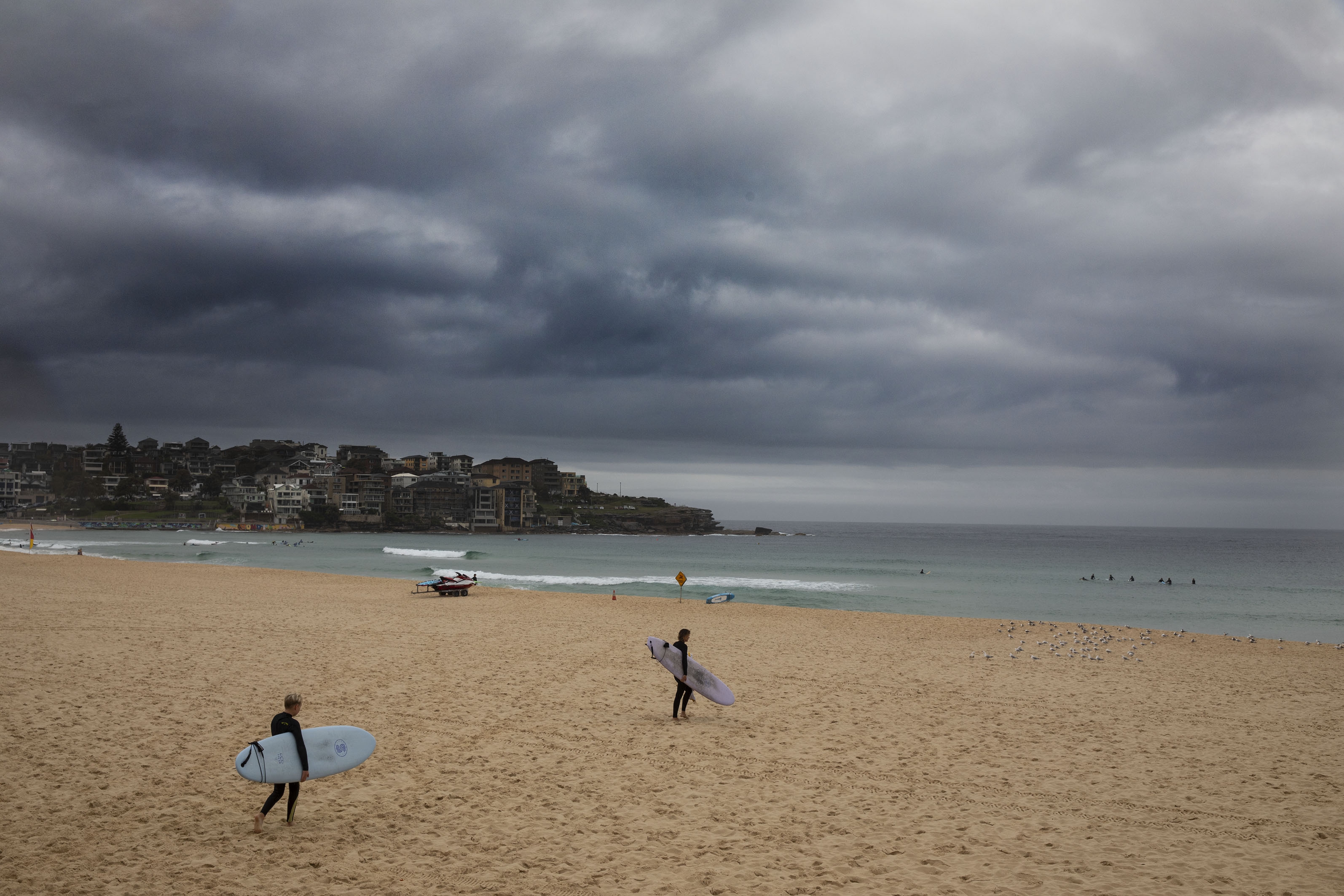
Weatherzone said the warmest water usually occurs near the NSW coastline in February or March despite land temperatures being the hottest in January.
"This month, however, has seen an injection of unusually warm water venturing down the state's coastline," Ben Domensino from Weatherzone said.
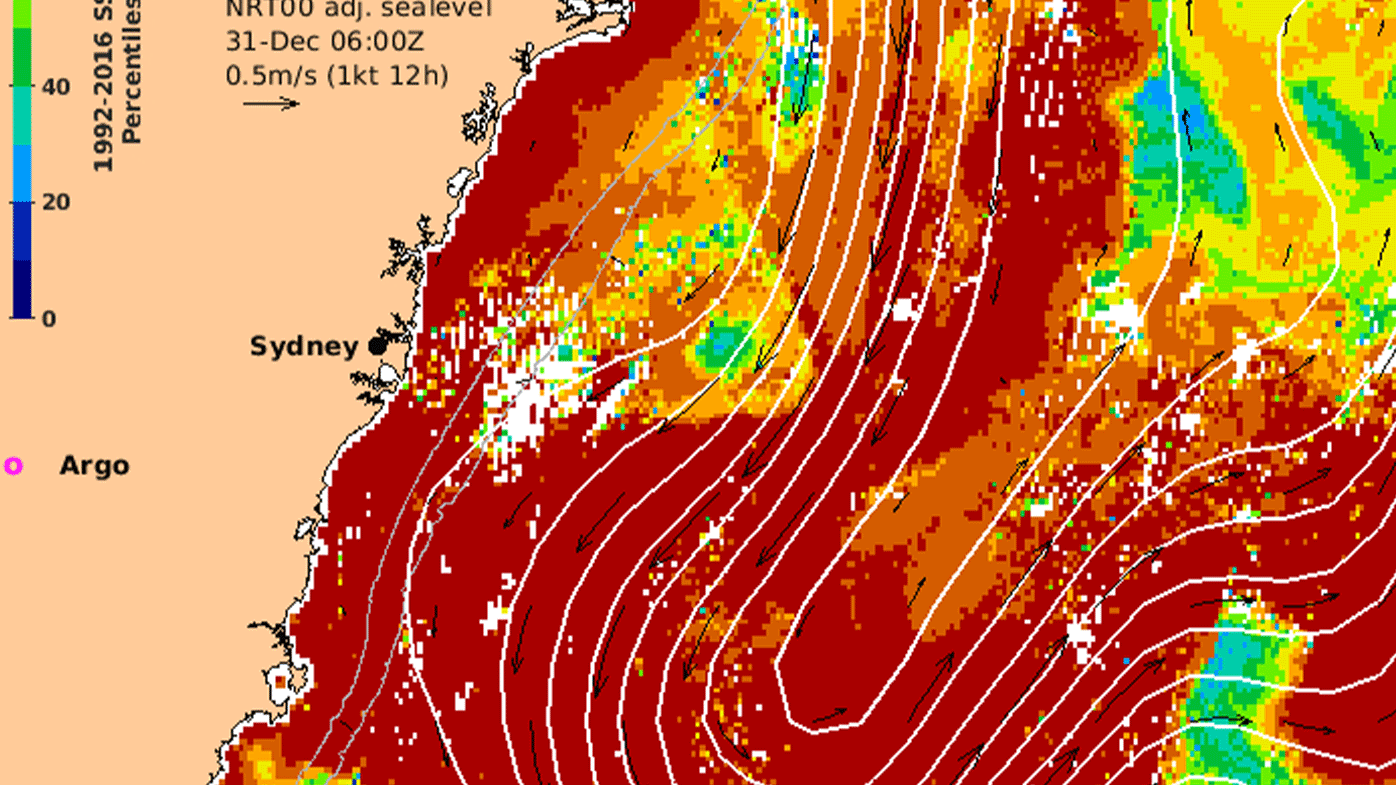
"This unusually warm water has been sitting off the central coast of NSW for about a month, following a rapid increase in water temperature near Sydney in early December.
"Data on the Australian Integrated Marine Observing System's website reveals water temperatures off the central NSW coast are currently ranking in the top 10 per cent of historical records for this time of year."
READ MORE: When will Australia reach the peak of Omicron cases?
Dr Andrea Taschetto said "marine heatwaves" have been increasing in intensity and frequency due to "long-term greenhouse warming".
"As global temperatures continue to rise, we expect to see more intense and persistent marine heatwaves occurring more often than in the past," she said.
"Persistent high-pressure systems can increase incoming radiation to the ocean and reduce wind speed, weakening evaporation from the surface, thus keeping ocean temperatures higher than normal."
The water is unusually warm due to climate change and the La Niña phenomenon impacting Australia this summer.
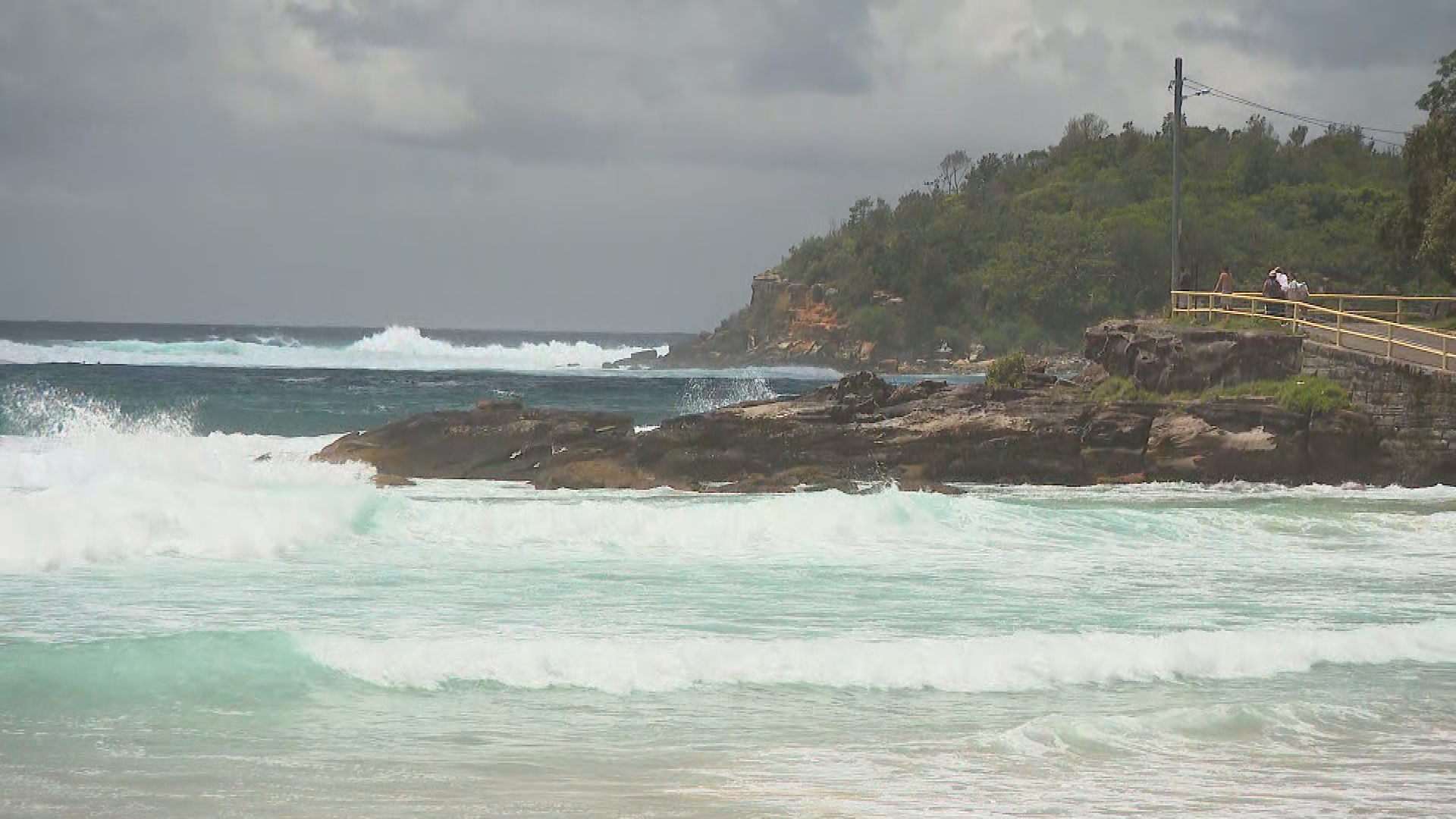
The ocean heatwave could last months, according to Weatherzone.
"While heatwaves over land usually last for days, it takes longer for heatwaves to abate in the ocean," Mr Domensino said.
"Water in the Tasman Sea may stay significantly warmer than average for the next few months."
The last extreme marine heatwave occurred in the Tasman sea in 2015.
It lasted about 250 days and reached temperatures three degrees warmer than normal.
It comes as the state has been hit by unpredictable weather, with severe storms and possible hail to parts of south-east Australia.
READ MORE: Food shortage in China's locked-down city of 13m
The Bureau of Meteorology (BoM) said New South Wales, Victoria, the Australian Capital Territory and Tasmania are in the firing line for rain and storms.
"Showers and storms likely in Vic and NSW, which may be severe," the BoM said.
"Heavy rain leading to flooding and damaging wind gusts are the main risks and hail is possible. Tasmania to see rain and storms from Thursday."
Covid-19 Delta outbreak: Tauranga retirement village worker tests positive
Almost 40 residents at a Tauranga retirement village are isolating in their rooms after an employee returned a positive rapid antigen test. A team member who works in the care centre at Bob Owens Village in Bethlehem is self-isolating…
Boat flips at Tairua bar near Pauanui, Coromandel – rescue helicopters, Coastguard on scene
Four people, including two children, have been flown by rescue helicopter to hospital after a boat flipped on Tairua bar near Pauanui.A boy and a girl are in critical condition after the 2.37pm incident. They were flown by rescue…
Australia's biggest retailers can't keep up with RAT demand
First it was toilet paper.
Now it's rapid antigen tests.
Demand for RATs is so high that even Australia's largest supermarkets who wield formidable market buying power cannot stay ahead of the game.
READ MORE: Food shortages expected during COVID-19 chaos
READ MORE: CHO believes Omicron wave creates immunity as Queensland cases surge
"We've seen the demand for (RATs) in the last seven days just explode," Coles chief operations officer Matthew Swindells said.
Speaking on Today, he described the RAT situation in the face of a spiking Omicron wave as "tight".
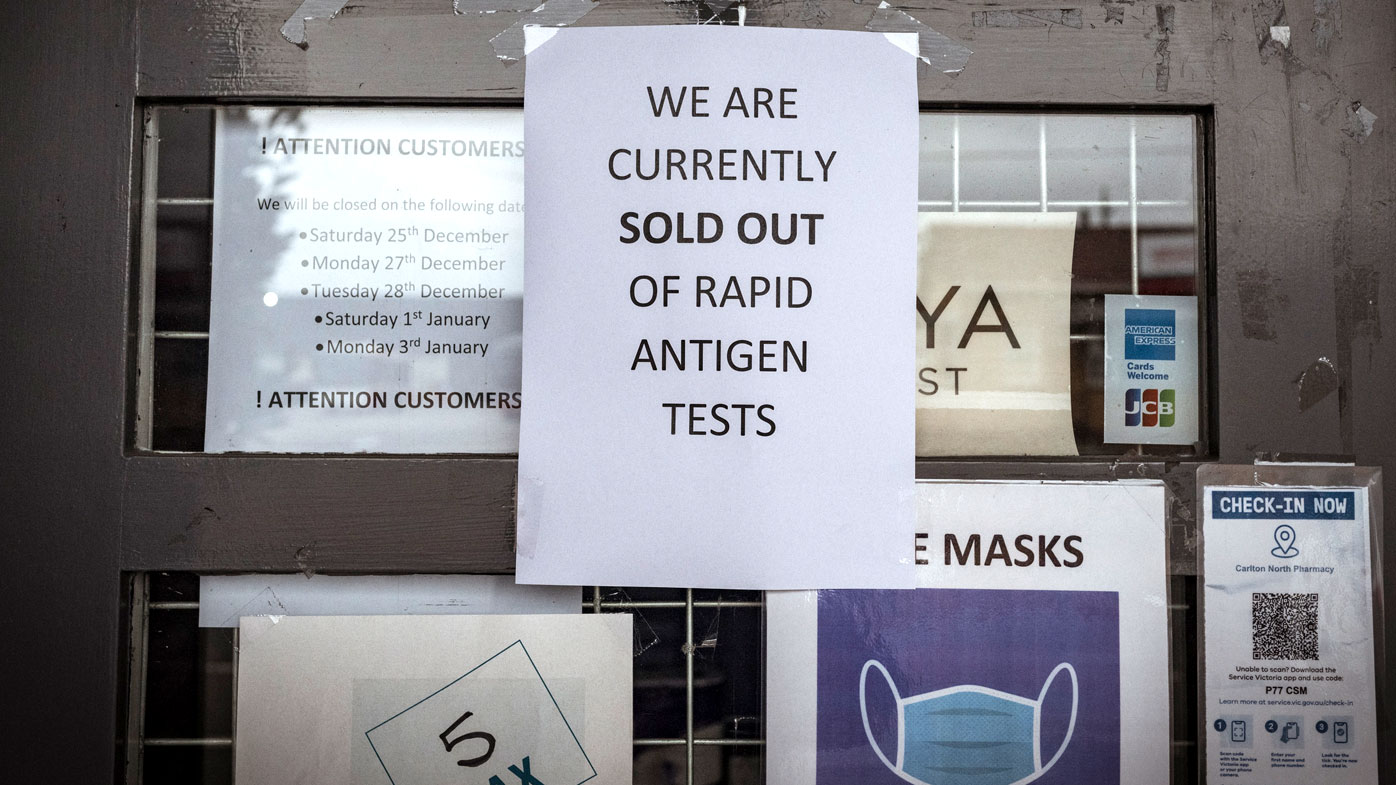
Shelves where boxes of rapid antigen tests would usually sit have been stripped bare.
As quickly as the test kits come in, they go flying out.
Acutely aware of ongoing demand, even home and furnishings giant Harvey Norman have begun to sell RATs, though they too appear sold out.
"The lead time for manufacture and distribution is in the weeks, not the days," Mr Swindells said.
"We've got a good pipeline of stock coming through," the Coles boss said, "but the demand is extremely high."
He urged shoppers to not panic buy and hoard RATs, alluding to miserable scenes of shoppers arguing and even brawling in the aisles over rolls of sought-after loo paper.
"We need to exit this COVID phase better than we entered it with the toilet paper panic buying."
He said shoppers should be "courteous" and "kind" to each other.
READ MORE: Why are so many vaccinated people getting COVID-19 lately?
A Woolworths spokesperson said tens of thousands of RATs were being sent from distribution centres to its stores each day.
"But they're selling through very quickly with the recent surge in demand," the spokesperson said.
"We have a much larger order of stock on the way from our suppliers and expect the availability of kits to improve for our customers later this week."
The spokesperson said customer frustration was obvious, but the supermarket was doing all it could to try and meet demand.
READ MORE: Rapid antigen tests have been free in many other countries for months

READ MORE: Food shortage in China's locked-down city of 13m
Meanwhile, the Transport Workers Union hit out at Scott Morrison's government for not making RATs free, and claimed they had alerted the prime minister to a looming issue which has now gripped the country some months ago.
The Commonwealth's unwillingness to make RATs free was making it even harder to put kits on shelves at supermarkets and pharmacies, Michael Kaine, national secretary of the TWU, said.
Mr Kaine claimed up to 50 per cent of truck drivers at some large logistics companies were currently absent because of rising COVID-19 cases and their inability to access RATs, two factors which were now clogging up supermarket supply chains.
"The TWU wrote to the Prime Minister in October urging the government to provide rapid tests to road transport workers to avoid unnecessary delays and keep drivers on the road," Mr Kaine said.
"Instead, we have a completely predictable scenario where drivers are delivering rapid tests to be sold on the shelves of supermarkets and pharmacies – but they, like most Australians, can't access them themselves."
The Queensland government today revealed it had placed an order for 18 million RATs, adding that other states and territories were doing similar.
With demand so high, and showing no sign of abating, the Australian Competition and Consumer Commission is investigating claims of RAT price gouging at some outlets.
Assets of former Indian restaurant owners frozen in employment dispute
Assets belonging to owners of a former Indian restaurant business in Hamilton has been frozen by the Employment Court.Jayant Kaushal and his wife Deepti Kaushal, who are directors of JDfoods Limited, were named as respondents in…
As Omicron surges, here's the best way to treat COVID-19 at home
By now, just about everyone in Australia will have known someone who has either contracted or been affected by COVID-19 and the Omicron variant.
The super transmissible strain shows no signs of slowing down, with tens of thousands of new infections being recorded across the country every day.
The likelihood of contracting the virus during Australia's current wave is high, according to our health experts, but how do we go about caring for ourselves when do?
LIVE UPDATES: Alarming spike as calls grow for free RAT tests
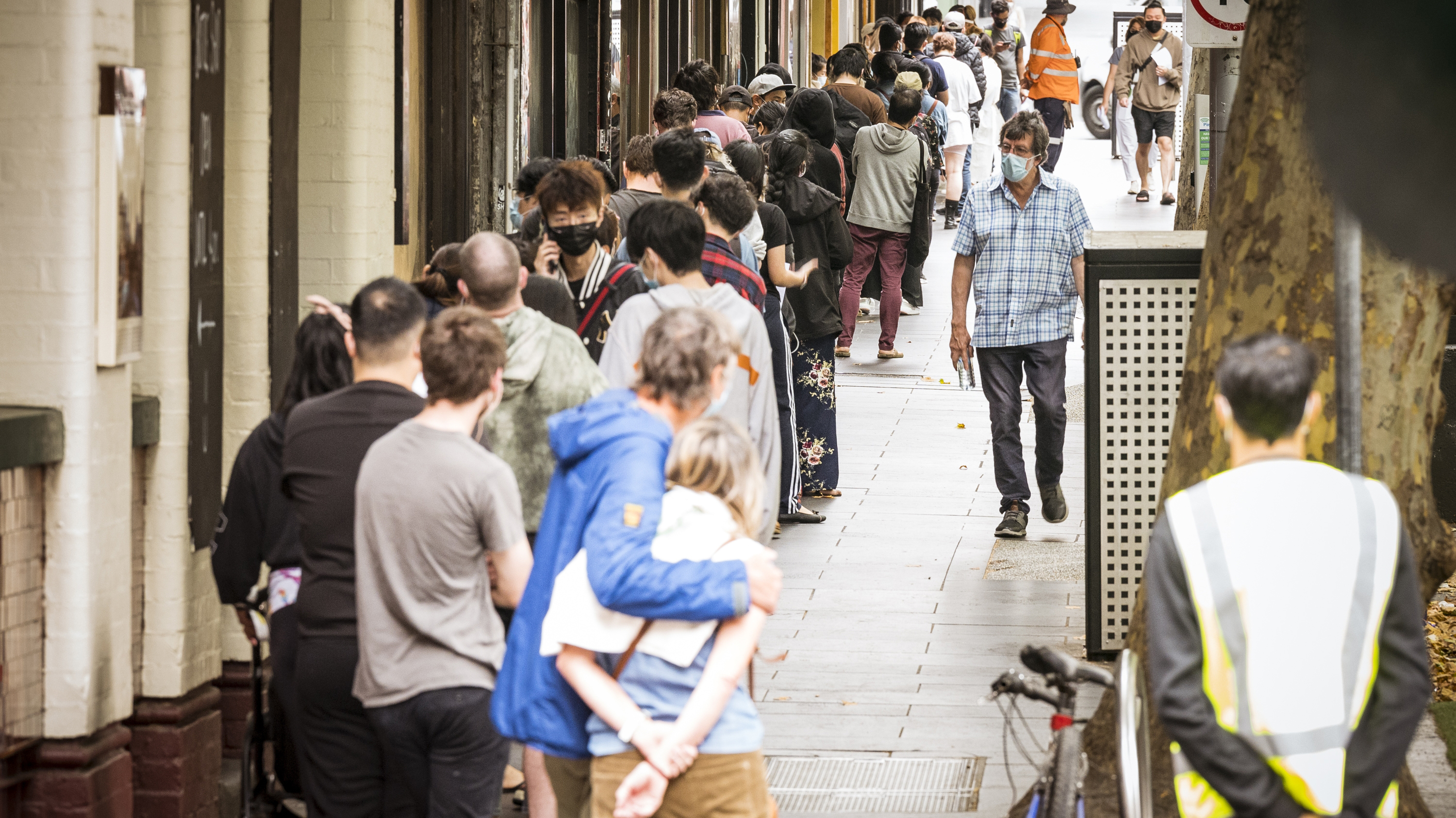
As we know, symptoms can range from barely detectable, to similar to a bad flu or in worst can scenarios, they might require hospitalisation and even ventilation.
If you're treating your illness at home, we've put together a list of answers to some commonly asked questions.
What should I do right away if I suspect I have contracted COVID-19?
To start, you should determine why you think you may have contracted the disease. If you're a close contact – somebody who has shared more than four hours in a home or homelike environment – of a confirmed positive case and you do have symptoms, you should immediately seek a PCR test and isolate for seven days.
READ MORE: When will Australia reach the peak of Omicron cases?
If you're a close contact but are showing no symptoms, then seek a rapid antigen test (RAT). If that returns a positive result, seek a PCR test and isolate.
If your RAT is negative, you do not need a PCR test, but you must still isolate for seven days from the date of exposure, as symptoms may show later. On day six, you can take another RAT, and leave isolation if that one negative.
A full explainer on close contact information can be found here.
When should I seek medical assistance?
According to the Australian Department of Health, certain people are more susceptible to severe illness after contracting COVID-19.
If you are obese, suffer from severe, chronic or complex medical conditions, have diabetes, are immunocompromised or live with a severe mental illness, you are advised to reach out to a health physician for personal advice on how to manage your symptoms.
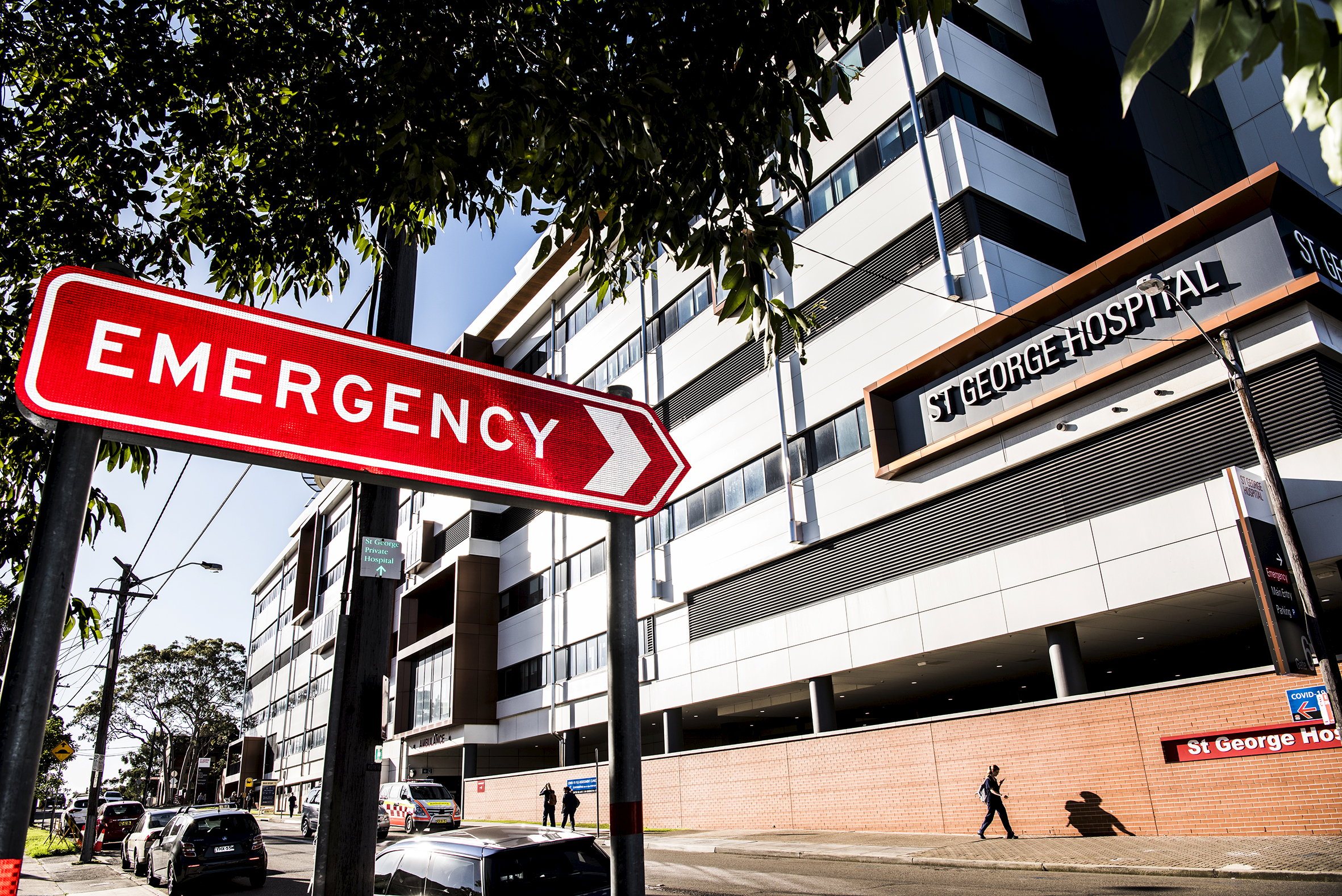
If you are over the age of 65, you are advised to have your COVID-19 diagnosis treated from hospital.
READ MORE: Food shortage in China's locked-down city of 13m
If you experience shortness of breath, loss of appetite, dizziness, confusion, persistent pain or pressure in the chest, extreme high temperature, reduced consciousness or cold or pale skin while managing your diagnosis from home, you must immediately seek medical assistance.
How long are my symptoms likely to last?
COVID-19 symptoms can appear anywhere from between one to 14 days after the infection date. According to most reports out of Australia, people are most likely to experience symptoms from between three to five days after the initial infection.
There is no specific end date for when symptoms will stop showing, however for the majority of heathy people who have contracted the virus, in two weeks they will have returned to normal.
Long COVID – where symptoms persist beyond four weeks – may require additional treatment. The Department of Health has provided additional information on long COVID here.

What are some remedies for treating the virus at home?
Much like treating the common cold of flu, mild symptoms of COVID-19 can be managed in a similar way at home.
Regular doses of paracetamol or ibuprofen can be used to relieve pain and lower fevers. Lozenges can be used to sooth symptoms of a sore throat, as well as products containing electrolytes, and regular intake of fluids to keep the body hydrated.
READ MORE: 'No silver bullet': PM stands firm on rapid tests as Labor calls for them to be free
Other methods such as breathing in steam using a vaporiser and applying a damp cloth to the forehead may also relieve some discomfort.
More details on how to manage specific symptoms and pain can be found here.
What should I avoid while sick?
While recovering from COVID-19, it's important that you let your body rest. While vaccinations will reduce the severity of the disease, your body needs time to combat the infection and lots of sleep and recuperation is essential.
Specific things to avoid include: strenuous activities, exercise, alcohol and drinks with high levels of caffeine.
How about treating children?
Children are less likely to become severely unwell with COVID-19, however it's still important that symptoms are monitored closely for irregularities and medical advice is sought should the sickness worsen.
If your child is immunocompromised or suffers from any existing health conditions, seek advice from a practitioner immediately for personal information on how to manage your child's illness.
The Australian Government has released a fact sheet on how to care for a child with COVID-19, which can be found here.
When am I able to leave isolation and return to normal life?
A confirmed positive COVID-19 case will have to isolate for seven days starting from the date they tested positive to the PCR test.
If you don't have symptoms at the end of your isolation, then there is no need to return a second negative test and you are free to leave.
However, if you do show symptoms at the end of your isolation period, you will need to have a PCR test to confirm the virus has left your system.
These rules apply to Victoria, NSW, SA, ACT and Queensland.
'Muggy, unstable' conditions to bring storms and potentially hail
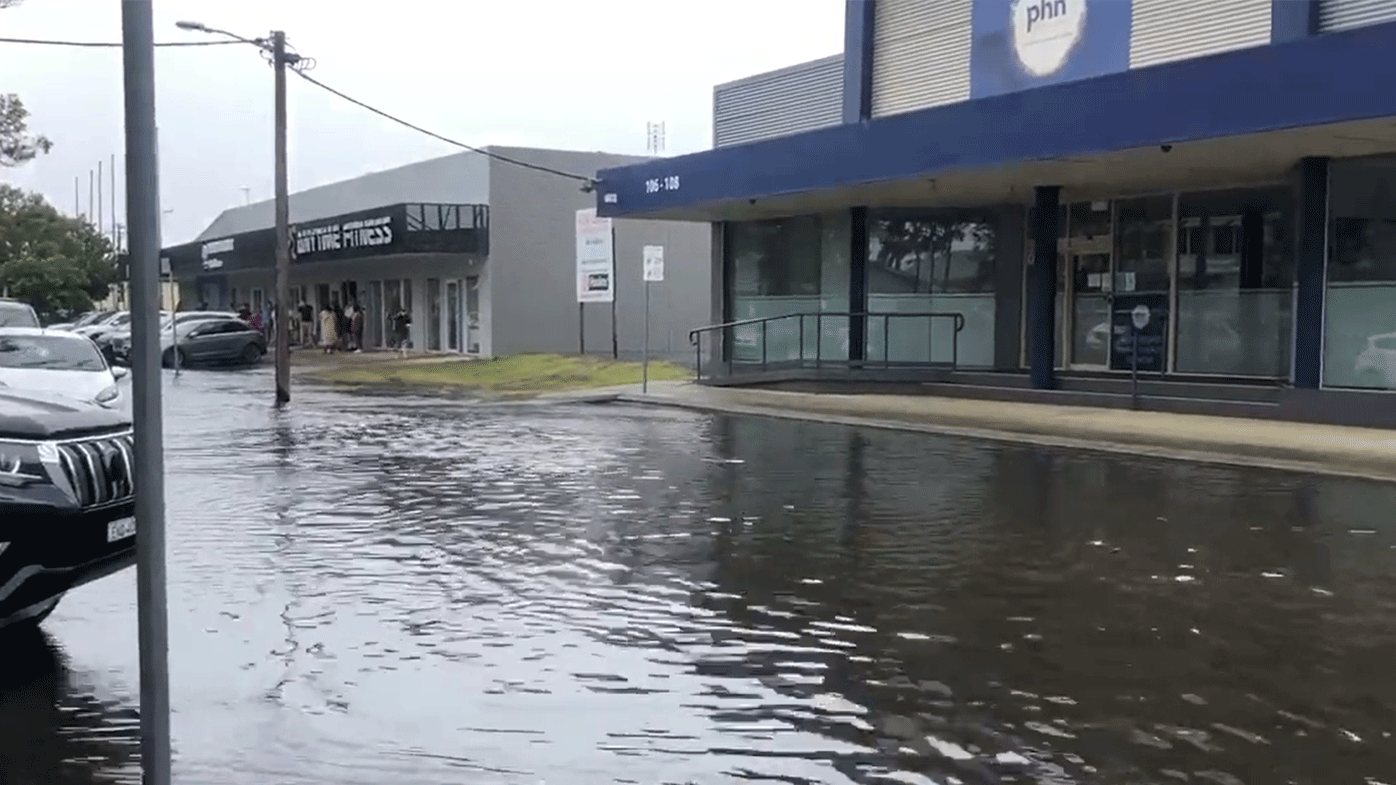
A car park in Ballina has been flooded as a king tide in northern NSW peaks once again.
The lot on Tamar Street is covered in water which has stranded cars and crept up to the entrance of a medical centre and a gym.
The unpredictable weather could also bring severe storms and hail to much of south-east Australia today, while the north sweats through a heatwave.
READ MORE: When will Australia reach the peak of Omicron cases?
The Bureau of Meteorology (BoM) said New South Wales, Victoria, Australian Capital Territory and Tasmania are in the firing line for rain and storms.
"Showers and storms likely in Vic and NSW, which may be severe," it said.
"Heavy rain leading to flooding and damaging wind gusts are the main risks and hail is possible. Tasmania to see rain and storms from Thursday."
https://twitter.com/BOM_au/status/1478216244126007304
The Australian Capital Territory State Emergency Service is urging residents to prepare now.
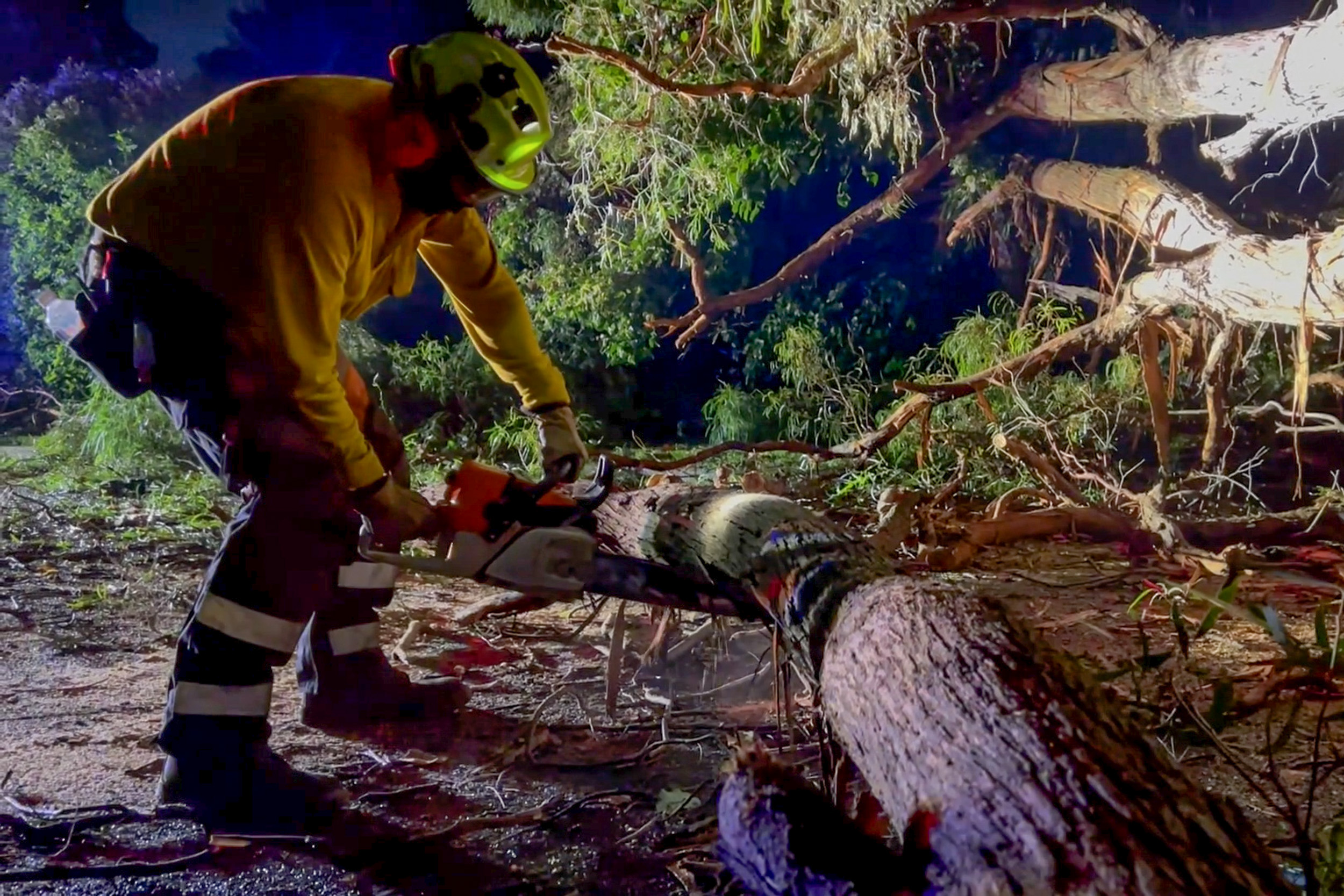
Responders continue to clean-up after a furious storm swept through the territory on Monday afternoon.
"It's been a wild couple of days with the ACTSES receiving nearly 800 calls for help since Monday afternoon's storm," it wrote.
"More unsettled weather is predicted at the end of the week. Prepare your home and family by completing or updating your Survival Plan."
READ MORE: Warning to patients as Ambulance Victoria suffers 'code red'

Days of wild weather have also been felt across south-east Queensland and northern NSW as ex-cyclone Seth lugged its way towards the coast.
The tropical low collided with a king tide generating powerful swell, high tides and damaging winds.
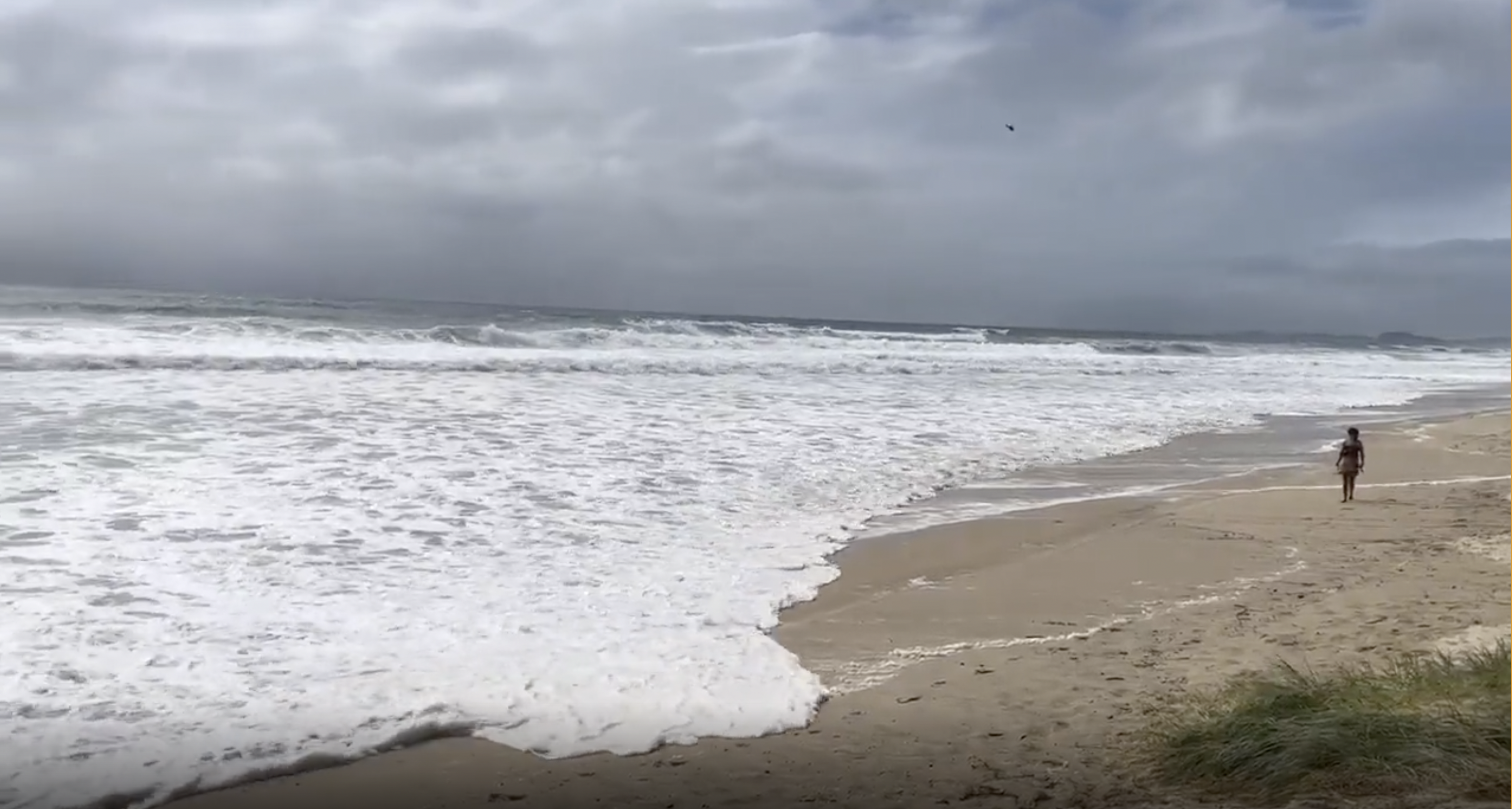
A lucky ute owner narrowly avoided losing his vehicle to the tides, after it was swept off a Queensland beach.
READ MORE: Father-of-two drowned in lake south of Sydney trying to get son's ball
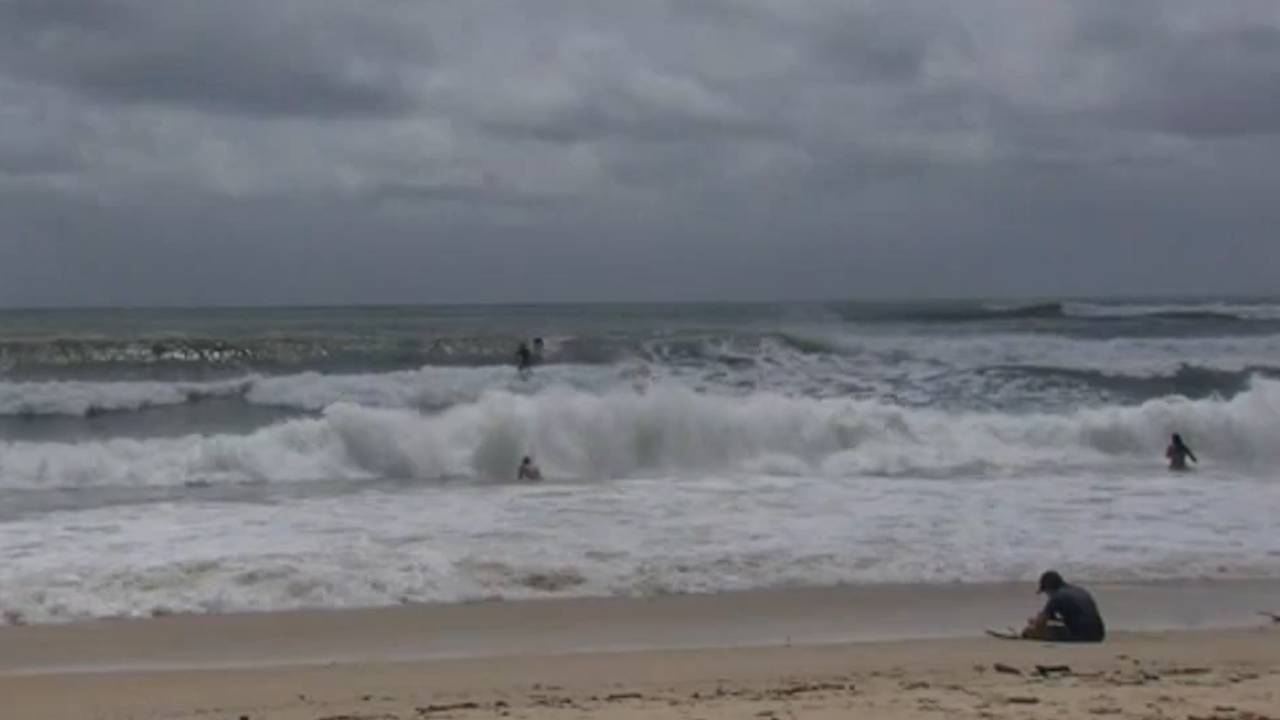
The BoM said the coastline from the NSW Central Coast to Queensland's Sunshine Coast has been hit by "abnormally high tides".
"Places like Byron Bay have seen average waves of five metres," meteorologist Agata Imielska said.
"The highest wave we saw in Byron Bay was 10 metres."
Here's what's happening across the nation's capitals.
Brisbane
It will be a rainy and cloudy day in Brisbane with a medium chance of showers forecast. Rain is most likely from late this morning, with the chance of a thunderstorm.
A high of 30C is forecast.
Winds will tend southerly at 15 to 25 km/h, before strengthening and moving southeasterly to 20 to 30 km/h in the morning.
Sydney
Showers are also on the cards for Sydney, with the chance of a thunderstorm during this afternoon and evening.
A low of 21C will be experienced before temperatures climb to 28C.
Melbourne
Melbourne should brace for a "possibly severe" thunderstorm today, with the BoM also forecasting a "very high chance" of showers and heavy rain.
Temperatures will reach a maximum of 26C.
Canberra
Canberra has a medium chance of showers, most likely during this afternoon and evening.
There is also a chance of a thunderstorm during this afternoon and evening. Winds will tend easterly at 25 to 35 km/h.
Perth
Perth will again have the distinction of being Australia's hottest capital, with a high of 37C forecast.
It will be a clear sunny day.
Temperatures in Western Australia could reach 49C later this week as a three-day heatwave moves across WA, Northern Territory and far-north Queensland.
https://twitter.com/BOM_au/status/1478185047878418441
Darwin
Residents in Darwin will sweat through a 32C day, which will bring showers and the chance of a thunderstorm.
Gusty winds will blow through the city during this afternoon and evening.
Adelaide
Adelaide is in for a cold start with temperatures hitting 14C before climbing to a high of 23C.
There's a high chance of showers about the hills and southern suburbs, and a medium chance elsewhere.
Winds will tend southerly at 25 to 40 km/h.
Hobart
It will be a cloudy day in Hobart, which will reach a maximum temperature of 19C. There's a high chance of light showers.
Canterbury businesses see immigration restrictions as biggest challenge for 2022
The ongoing restrictions on immigration into New Zealand will be one of the biggest challenges for the Canterbury region this year, says the head of the local chamber of commerce.Canterbury Employers’ Chamber of Commerce chief executive…
Welcome home: Concert and festivals arrive in music-starved Hawke's Bay
After months of mahi, concert-starved Hawke’s Bay is finally getting the treats.The outlook for Sunday is good as Sir Dave Dobbyn’s twice-cancelled Hawke’s Bay show finally goes ahead at Black Barn Vineyard’s outdoor amphitheatre.And…