Frustrated Kiwis stuck overseas are still coming to terms with the fact they will have to wait even longer to return home or be reunited with loved ones after the Government reneged on its plans to start reopening the border from…
Tag Archives: oceania
Herald afternoon quiz: December 22
Test your brains with the Herald’s afternoon quiz. Be sure to check back on nzherald.co.nz for the morning quiz tomorrow. To challenge yourself with more quizzes, CLICK HERE.
Child dies in suspected drowning at Christchurch swimming pool
A distraught woman was heard yelling “that’s my baby” as a child was pulled unresponsive from a Christchurch pool.The youngster died in a suspected drowning at Waltham Swimming Pool in Sydenham this afternoon , while a search is…
Local Focus: For the next generation
Fearing that Tikanga Māori was going to be lost with so many deaths during the war and from the Spanish flu, Sir Āpirana Ngata initiated the Dominion Museum Ethnological Expeditions in 1919. The expeditions spanned the…
Holiday traffic: Major delays heading into Tauranga
Several crashes combined with holiday traffic in Tauranga are causing delays around the city.Waka Kotahi New Zealand Transport Agency alerted the public to heavy traffic on State Highway 2 from Paeroa to Tauranga.Southbound traffic…
Queensland travellers '10 per cent' of testing queues, Premier says
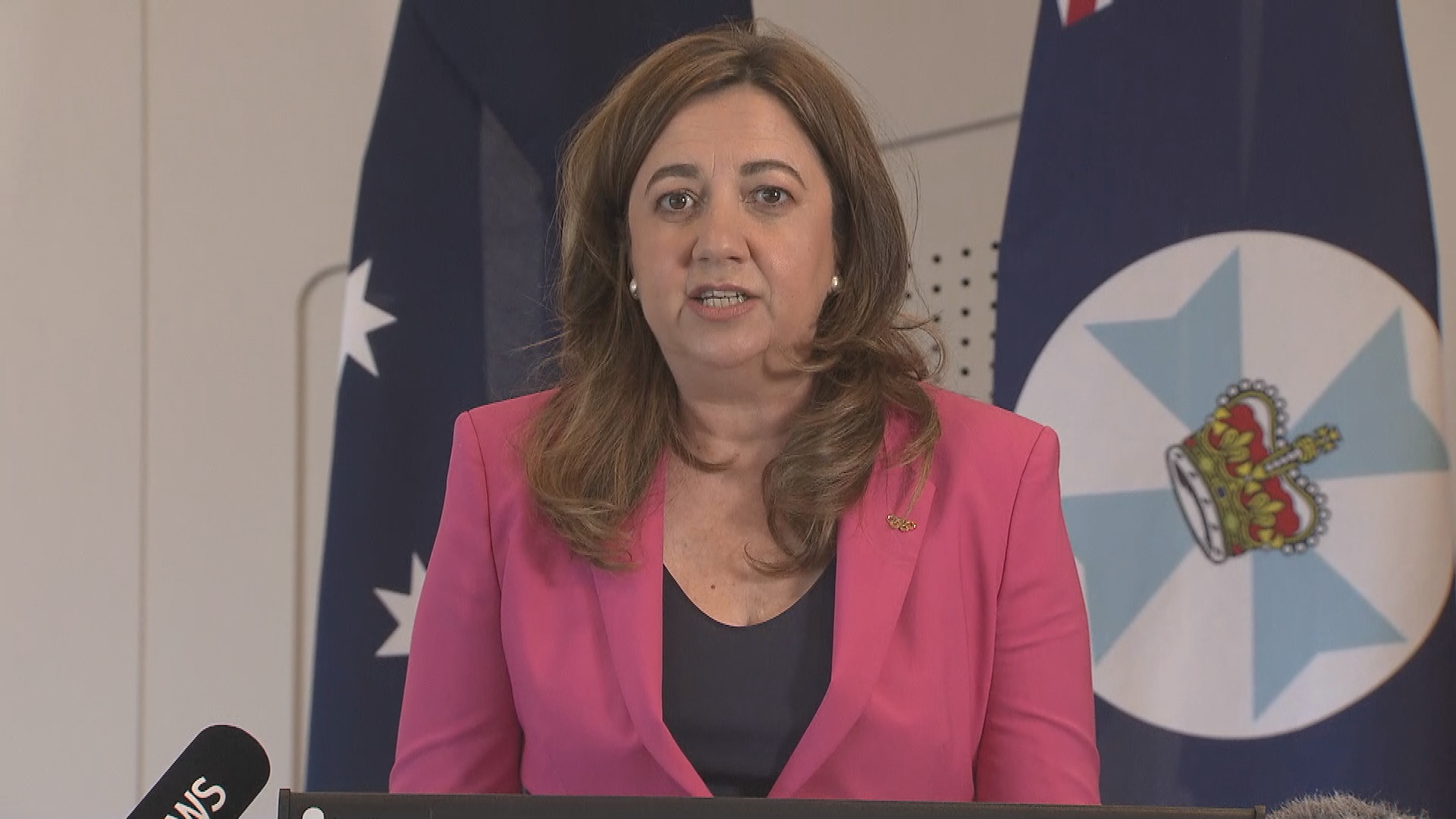
Queensland Premier Annastacia Palaszczuk has dismissed suggestions that travellers bound for the Sunshine State are behind the huge queues overwhelming COVID-19 testing interstate.
Ms Palaszczuk said travellers heading to Queensland comprised just 10 per cent of the queues in New South Wales.
"That's our information. We do have the data," she said.
LIVE UPDATES: Mass vaccination hubs to ramp back up for boosters
She said the massive queues – which are leading to hours-long wait times and delays in results – were more likely due to the large spread of the Omicron variant in southern states.
Currently, fully-vaccinated people seeking to enter Queensland from a domestic hotspot must receive a negative COVID-19 PCR test in the 72 hours preceding their border crossing.
They must also be tested again on the fifth day of their arrival in Queensland.
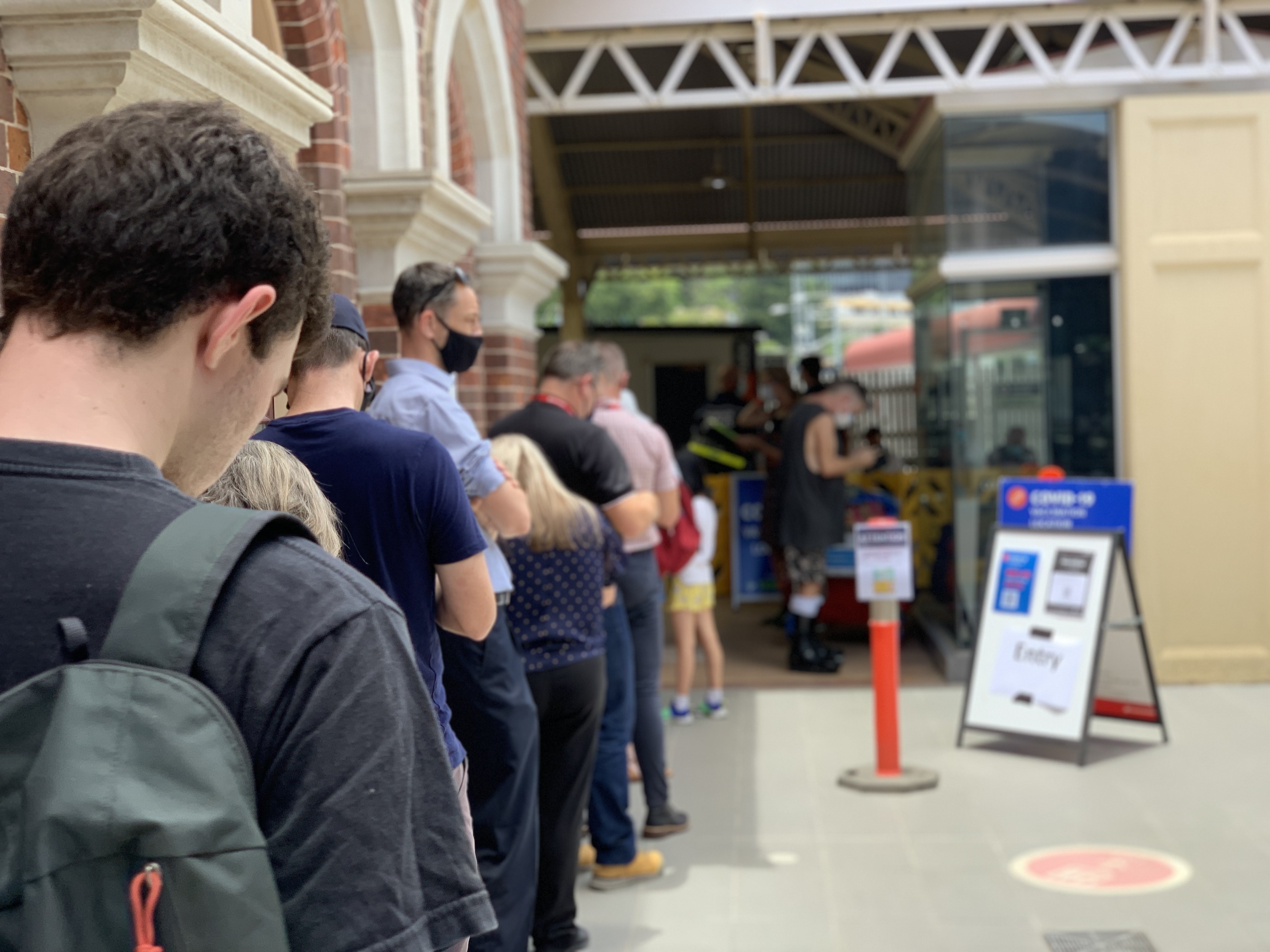
However, the testing-related delays are seeing some people are arriving at the Queensland border without their result.
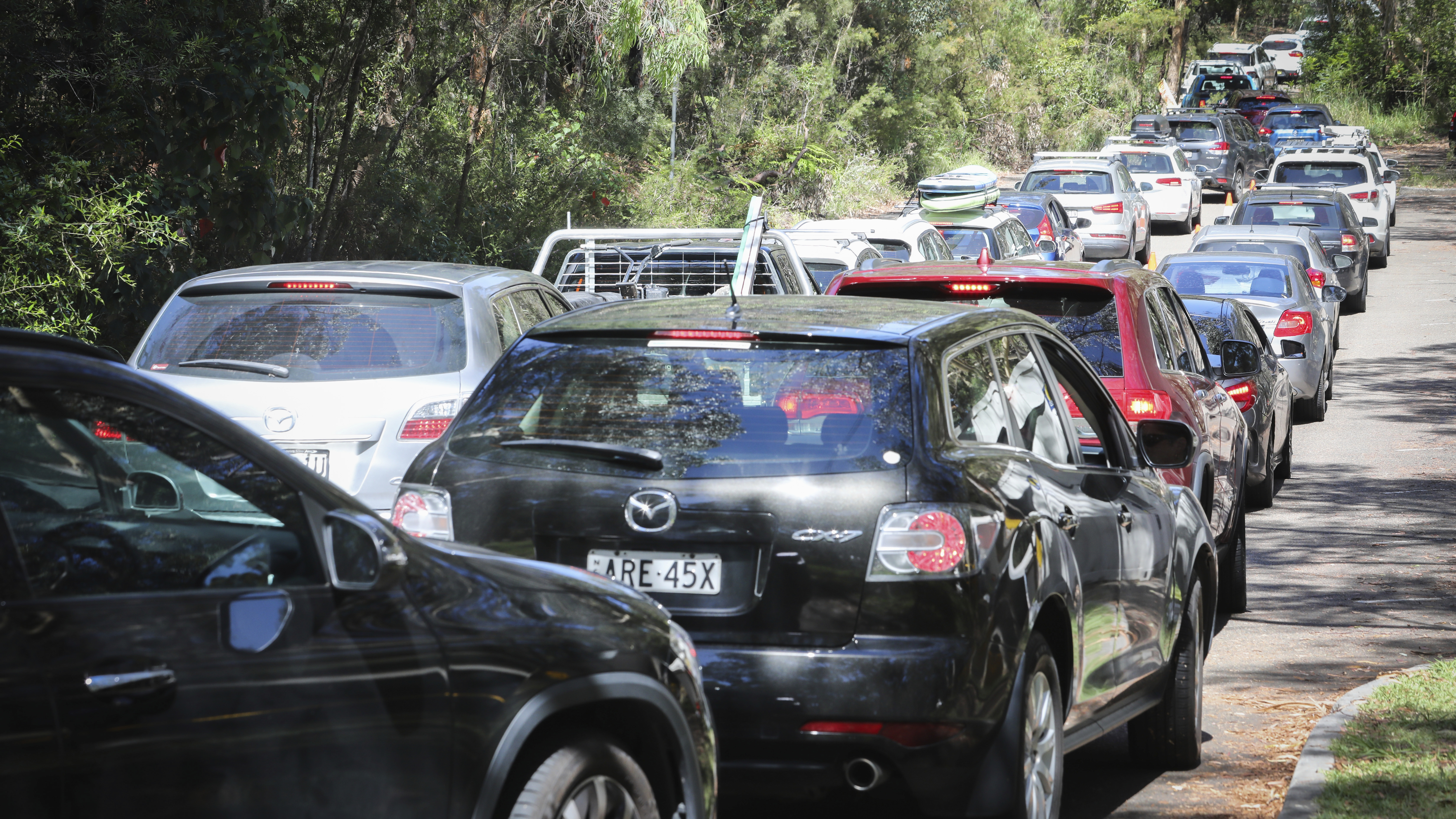
About 200 cars are being turned away every day, and other people are being forced to cancel their trips.
But Ms Palaszczuk said the current requirements would remain in place until at least the new year.
READ MORE: CMO says 200,000 Omicron cases a day very unlikely
She said she had spoken to NSW Premier Dominic Perrottet, who is pressing for a change to the entry rules.
"We had a very good conversation," she said.
One suggestion has been to allow travellers to have a rapid antigen test rather than a PCR test.
"We are happy to get further advice from AHPPC about rapid antigen testing," Ms Palaszczuk said.
For the remainder of the year, however, PCR testing will still be needed to cross the border.
READ MORE: Twenty leeches used to help save 12-year-old's finger
About 230,000 have entered Queensland from interstate since the border re-opened earlier this month.
A new rule has also come into effect overnight which marks a significant change for people designated as close contacts in Queensland.
From today, fully-vaccinated close contacts will only have to isolate for seven days, as opposed to 14.
Queensland recorded 186 new COVID-19 cases today, up from 79 yesterday.
Great white sharks swarming New Zealand region
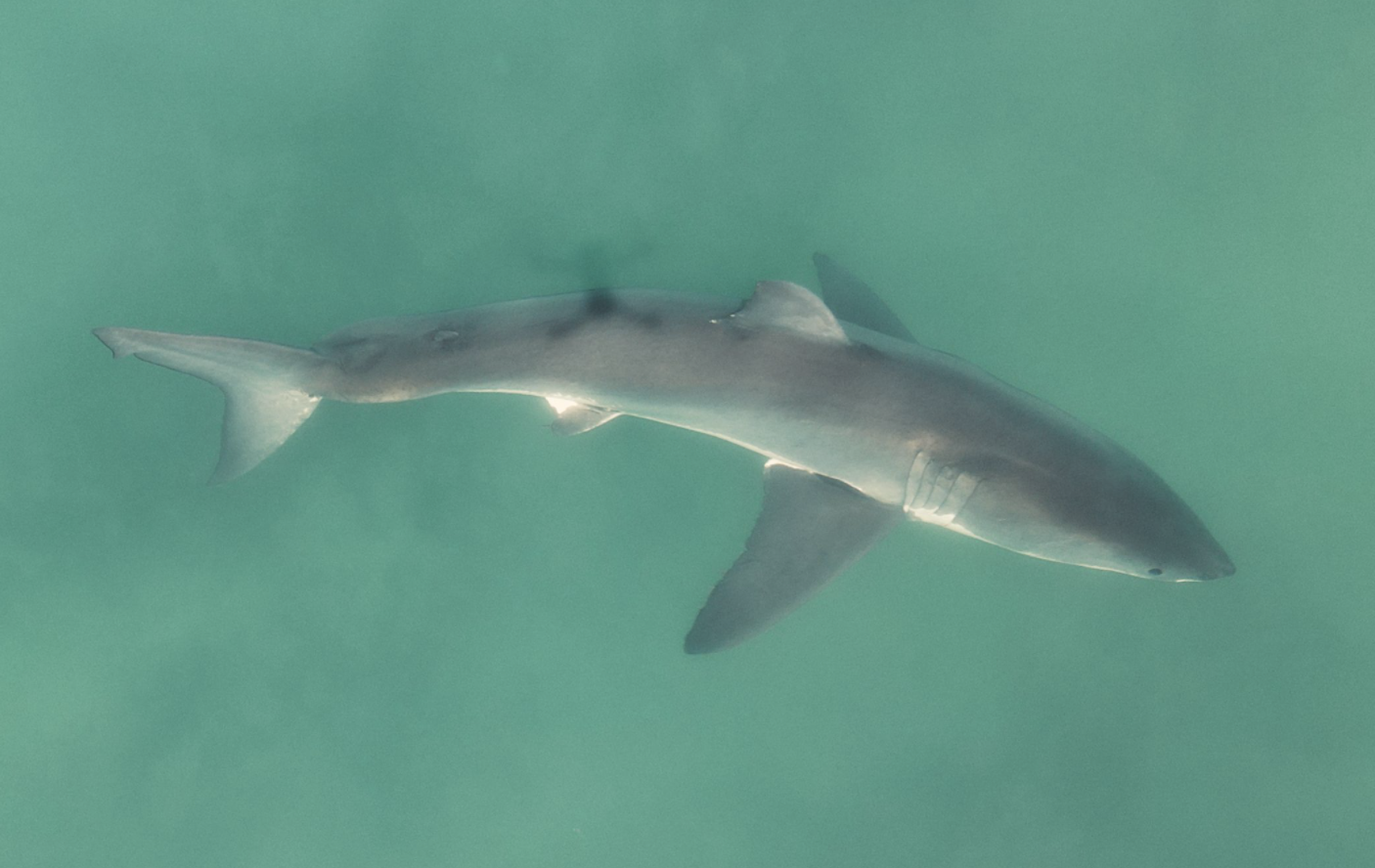
At least six great white sharks have been spotted in Tauranga on New Zealand's North Island, prompting a warning from the Department of Conservation to remain vigilant.
DOC said reports of great whites have increased since May 2020 and although an estimate of the number of sharks in the area cannot be confirmed, photographs so far have identified six individual great whites.
Photos and video footage will continue to be monitored to determine if sightings are of the six identified or if the area is seeing a steady increase of new marine visitors.
LIVE UPDATES: Mass vaccination hubs to ramp back up for boosters
Marine biologist Melissa Kellett has been studying sharks in Tauranga for five years and says the large number of sightings are not only in the Bowentown area of the Tauranga Harbour but also along the coastline.
"Since May 2020 we have continued to receive reports of great white sharks in the area year-round and spread out through the Tauranga district. The size estimates of these sharks have been between 1.5m-3.5m in length indicating they are primarily juveniles and sub-adults," Ms Kellett said.
DOC marine expert Clinton Duffy said sighting great white sharks in shallower coastal areas and harbours is not unusual and smaller individuals appear to remain in New Zealand coastal waters year-round, making regular excursions up and down the coast and out to the edge of the continental shelf.
"Both the west and east coasts of the top half of the North Island are considered a nursery area for great white sharks in New Zealand," he said.
READ MORE: Half a heart girl's family have special Christmas wish
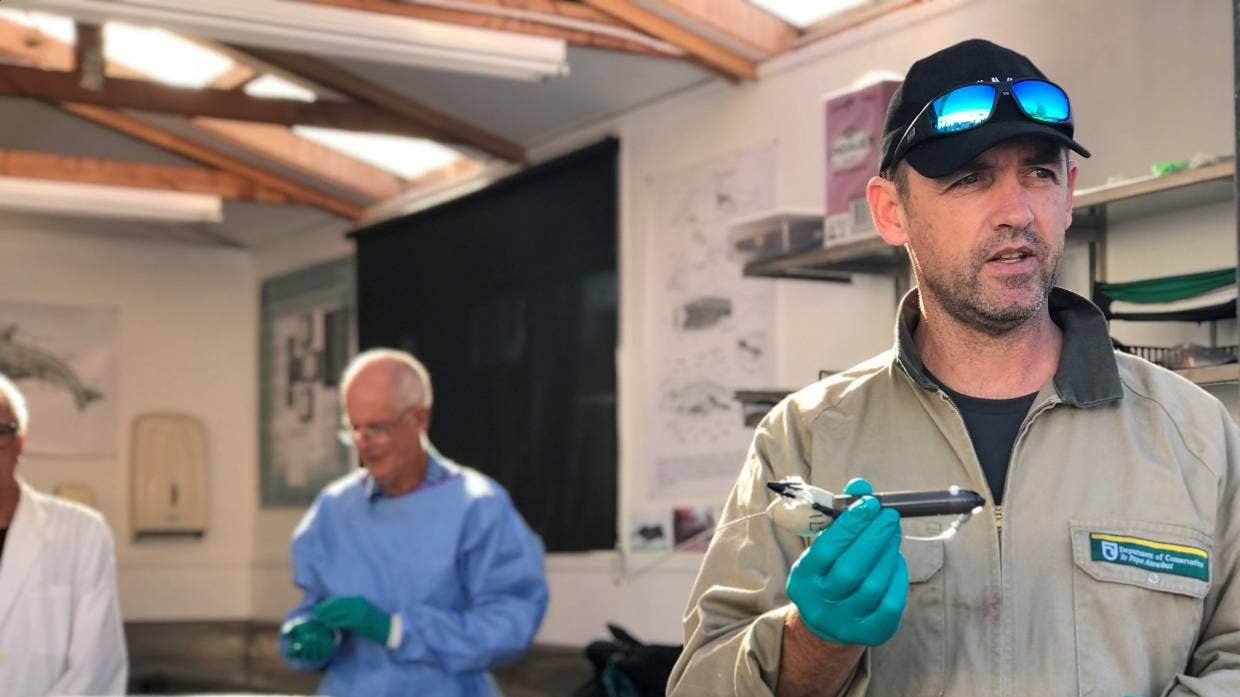
"Adult and sub-adult sharks also inhabit shelf waters, but these larger individuals also make large scale oceanic migrations.
"Tagging of sharks at Stewart Island and the Chatham Islands has revealed movements to tropical and sub-tropical regions such as the eastern coast of Australia, Coral Sea, New Caledonia, Vanuatu and Tonga during late summer – early winter for around six months before returning the following year.
"It is now recognised that we have a shared population of great white sharks with eastern Australia, and we are working on an updated population estimate."
READ MORE: Fears skins cancers have been missed during pandemic testing drop-off
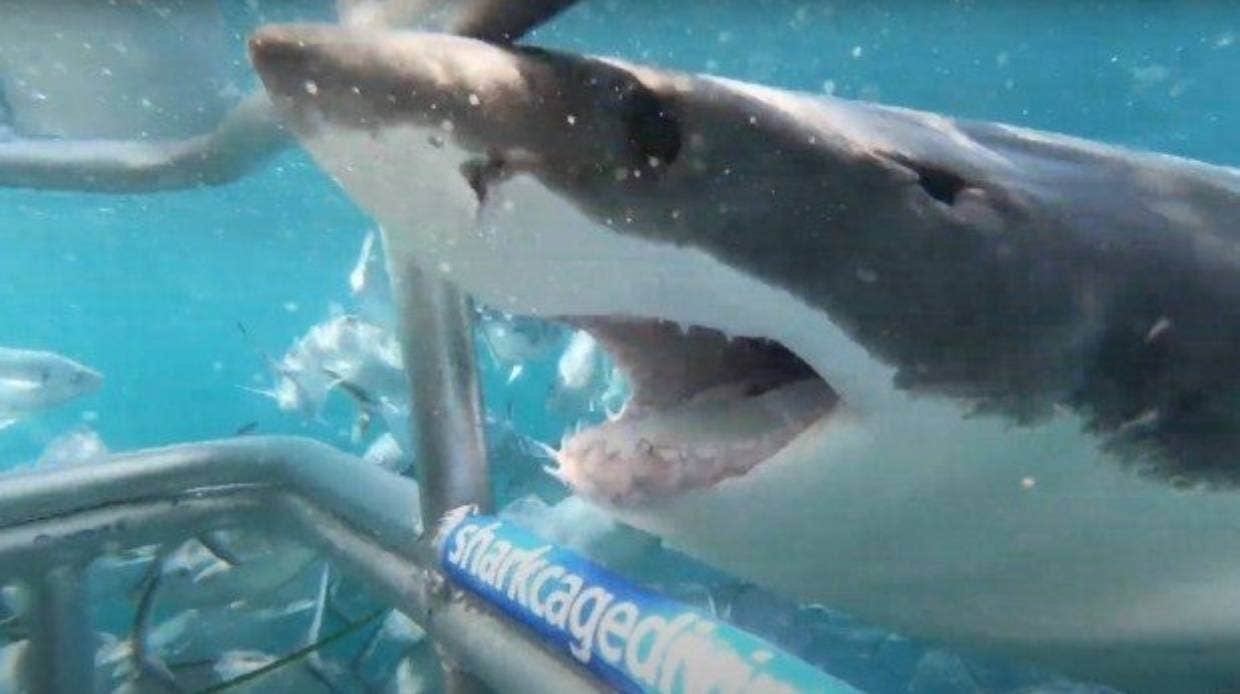
There are about 66 types of sharks found in New Zealand waters, most of them are rarely-seen deep water species, and many are threatened or endangered internationally.
Great white sharks are present around the New Zealand coastline all year round, but most encounters are between December and May as more people head to the beach and white sharks return to New Zealand to feed in coastal waters.
It is common for great whites to develop preferences for certain sites and return regularly and Mr Duffy said if you spot a great white exit the water quickly and calmly and report the sighting to DOC.
"Sharks are predatory animals but do not normally perceive humans as prey and most encounters with white sharks do not result in the shark biting the human," he said.
"If you are visiting the ocean you need to be a little bit vigilant and aware of what's happening around you and swim where there are surf lifesaving patrols, and don't swim or dive alone.
"If you are heading out on the water exercise caution and avoid swimming in the main channels where there are a lot of birds diving, or berleying from kayaks and jet skis when fishing."
Great white sharks are protected under the Wildlife Act 1953 in New Zealand. This means it is illegal to hunt, kill or otherwise harm them.
Other species of shark protected in New Zealand include the basking shark, the oceanic whitetip, the small tooth sandtiger (deepwater nurse shark) and the whale shark.
It's not illegal to accidentally catch a white shark but it must be released without causing it further harm, and it is a legal requirement to report the capture.
This story first appeared on Stuff, and is republished here with permission.
Aussies plan to ask family to get COVID-19 tested this Christmas
With Christmas just days away, Aussies are being faced with the dilemma of whether to require family and friends to get tested for COVID-19 before attending gatherings.
According to a survey by Rapid Test & Trace Australia, which surveyed 1000 people, 42.6 per cent of Australians plan to ask family and friends to get a COVID-19 test to ensure they can stay safe over the festive period.
The survey found 6.6 per cent Aussies say 'they could never ask them to get a COVID test' and 9.3 per cent say 'they'd like to ask them, but can't.'
LIVE UPDATES: Mass vaccination hubs to ramp back up for boosters

However, majority of Aussies are happy with COVID-19 testing requests, with 66.4 per cent saying they would take a COVID-19 test before visiting family if asked, with only 17.9 per cent refusing to get tested and 15.7 per cent unsure.
Women (52.6 per cent) were more willing to get COVID tests before holiday visits than men (47.4 per cent).
A total of 53.5 per cent of Aussies plan to keep holiday visits close to home, with 31.8 per cent planning 'local' visits and 21.7 per cent planning visits within their own state.
READ MORE: How to have a COVID-safe Christmas
Health experts have encouraged those who are asymptomatic to get a full PCR test or take rapid tests across several days ahead of Christmas plans as an extra precaution.
"What we don't want is for Christmas to be a series of superspreading events that happen in everyone's household," Epidemiologist Professor Nancy Baxter told 9News this week.
READ MORE: Pleas for border rule changes as travellers clog testing queues
Victoria's COVID-19 Commander Jeroen Weimar said he would take a rapid antigen test as he "wouldn't want to put others at risk".
A series of COVIDSafe guidelines have been published by the Department of Health, advising people to open windows and doors, wear a mask when speaking to people, keep events short and outdoors, and stay away if they have symptoms.
"Avoid crowded indoor venues as much as you can, decrease the time you go there," Infectious diseases physician and microbiologist Professor Peter Collignon told 9News this week.
"Open the windows, keep the doors open. All of those make a difference and if you want to do extra, you can wear a mask."
Giant fossil reveals 'the biggest bug that ever lived'
A fossil of a giant millipede found on a beach in northern England has revealed the "biggest bug that ever lived," palaeontologists say.
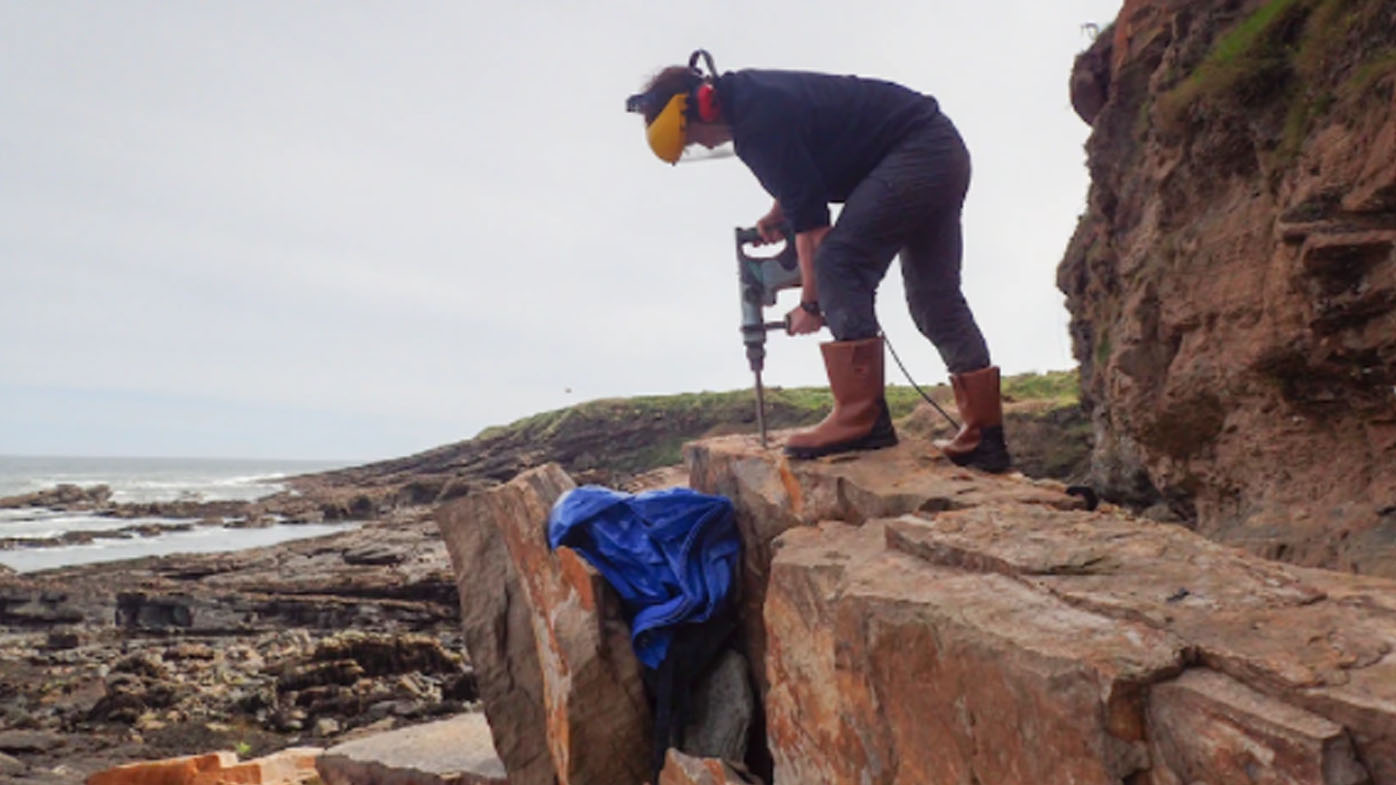
The fossil was discovered in January 2018 in a chunk of sandstone that had fallen from a cliff onto the beach at Howick Bay in Northumberland.
The rock had cracked open, revealing the fossil.
READ MORE: Omicron cases could hit 200,000 a day across Australia
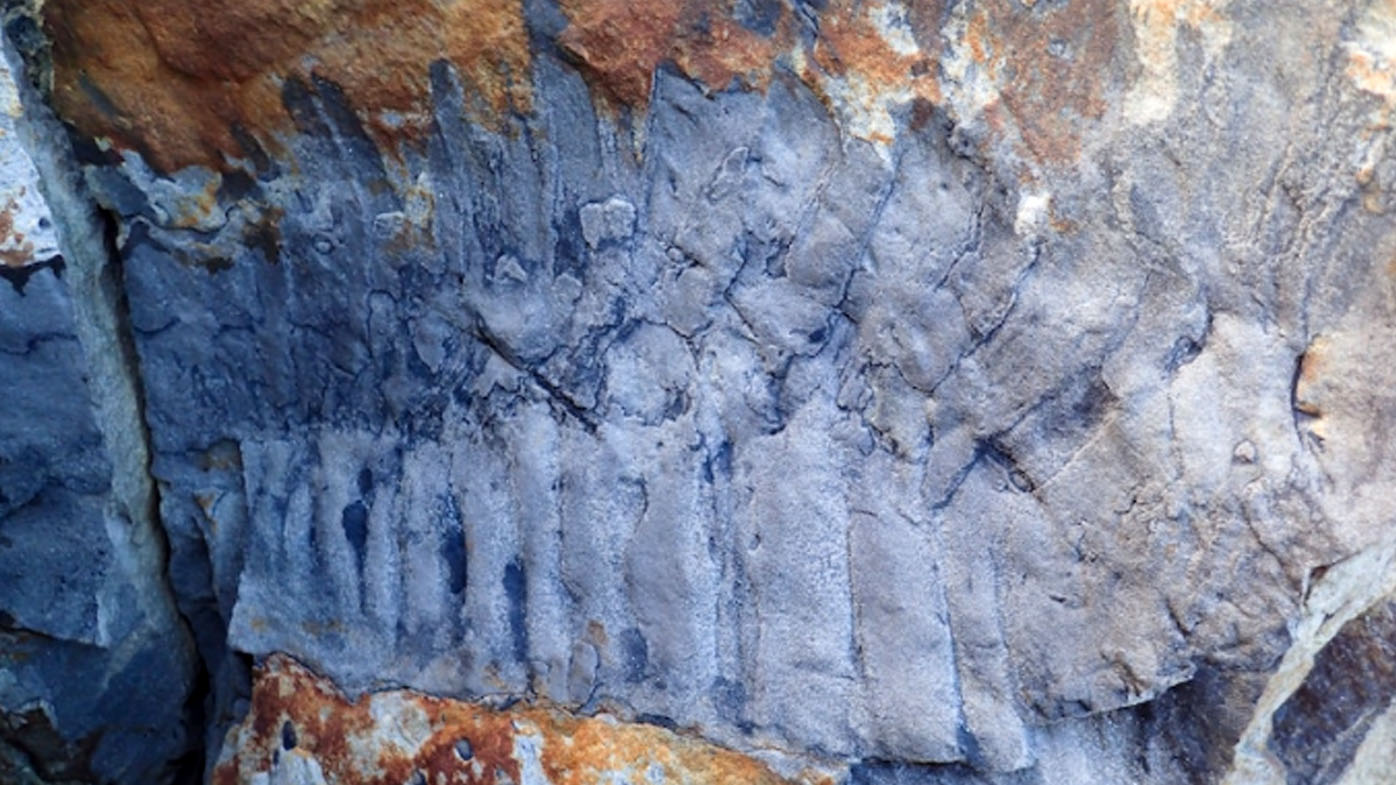
"It was a complete fluke of a discovery," said Neil Davies, a lecturer in sedimentary geology at the University of Cambridge's department of earth sciences, who said the fossil was spotted by a former doctoral student.
"It was an incredibly exciting find, but the fossil is so large it took four of us to carry it up the cliff face," said Dr Davies in a news statement.
The fossilised remains of the creature, named Arthropleura, dated from the Carboniferous Period about 326 million years ago. That's more than 100 million years before the rise of the dinosaurs.
When alive, the creature was estimated to have been 55 centimetres wide and up to 2.63 metres in length, weighing 50 kilograms.
That would make it the largest-known invertebrate of all time – larger than ancient sea scorpions that previously held this title, the statement said.
Invertebrates are animals with no backbone.
READ MORE: Omicron is now the dominant version of COVID-19 in the US
"This is definitely the biggest bug that ever lived," Dr Davies confirmed via email.
It's only the third Arthropleura fossil to have been discovered. The other two were found in Germany and were much smaller than the new specimen.
To get to such a size, they must have eaten a nutritious diet. At that time, Britain lay on the equator, and invertebrates and early amphibians likely lived off the vegetation growing in a series of creeks and rivers.
READ MORE: Perfectly preserved baby dinosaur discovered curled up inside its egg
The researchers think the fossilised skeleton was likely a moulted segment of exoskeleton that filled with sand, preserving it.
"Finding these giant millipede fossils is rare, because once they died, their bodies tend to disarticulate (separate at the joints), so it's likely that the fossil is a moulted carapace that the animal shed as it grew," said Dr Davies in the statement.
"We have not yet found a fossilised head, so it's difficult to know everything about them," he added.
The research was published in the Journal of the Geological Society.
Half a heart girl's family have special Christmas wish
There was a point last year, Melissa Robinson admits, when she started thinking about planning her little daughter's funeral.
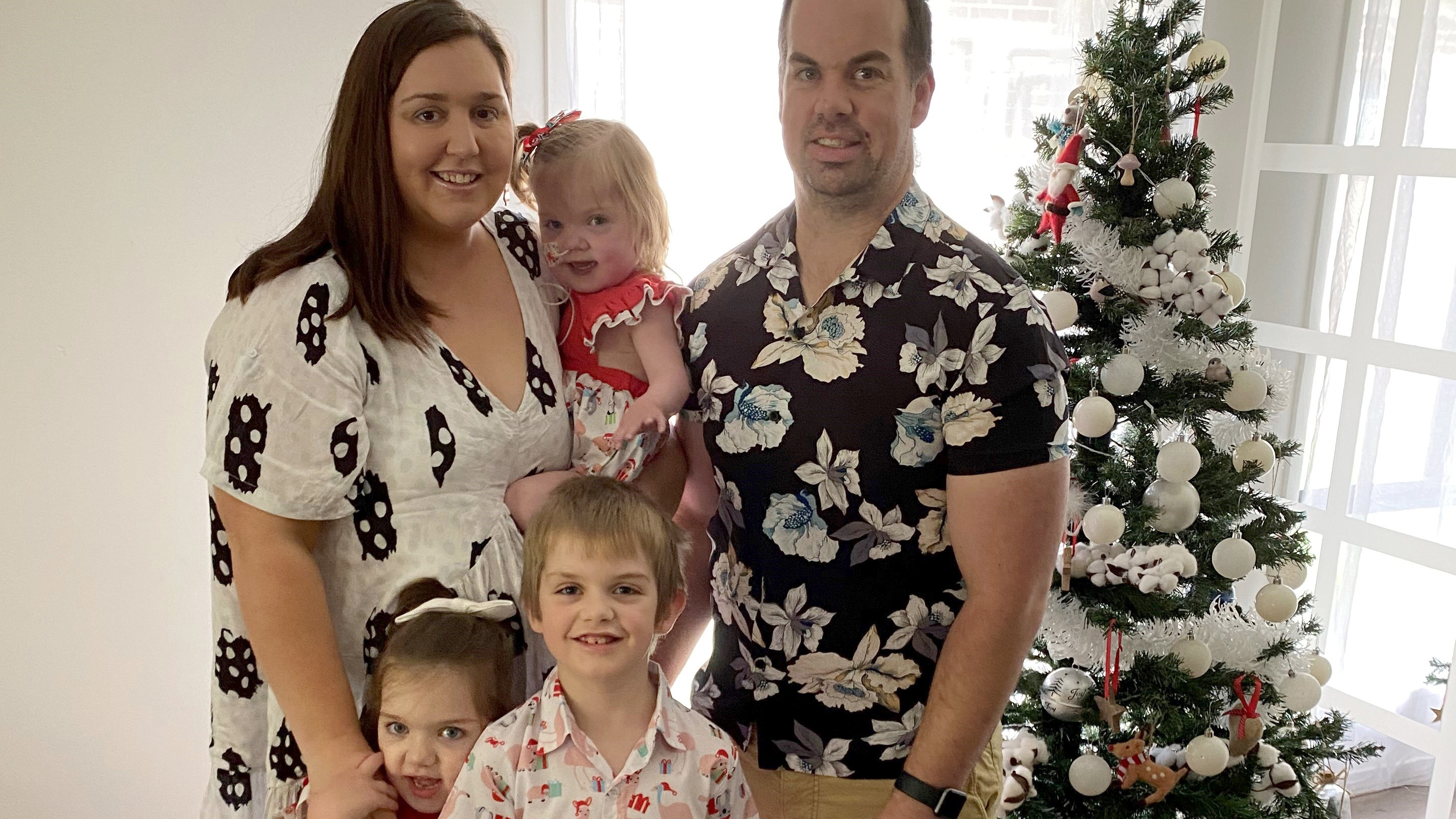
Millie Robinson, two, was born with a series of serious heart conditions, which means she has "half a heart".
When her heart stopped and she didn't breathe for six minutes last January at Monash Children's Hospital in Melbourne, the family was told to prepare their goodbyes.
LIVE UPDATES: Premiers to meet for emergency National Cabinet
She entertained her other children at Melbourne Zoo while surgeons operated for eight hours to try and save Millie's life.
This is when Mrs Robinson said she considered the worst outcome.
"I walked around the zoo planning my daughter's funeral," she told nine.com.au.
"Things were not looking great at all."
READ MORE Baby born with organs outside body could finally leave hospital
Encouraged to terminate baby
Doctors had suggested Mrs Robinson and husband Mark, from Albury, New South Wales, terminate what was her third pregnancy, after doctors found the baby had complex congenital heart disease during the 20 week scan.
Their other two children, Evelyn, four, and Tennyson, six, had already been born with heart conditions, and both have pacemakers.
The conditions have been passed down Mark's side of the family.
"She (the nurse) kind of went quiet for a bit," Mrs Robinson said.
"She said 'the baby doesn't look like it has one side of its heart. You maybe need to consider termination."
But the couple refused, deciding instead to give birth to their little girl, and care for her until she died if need be.
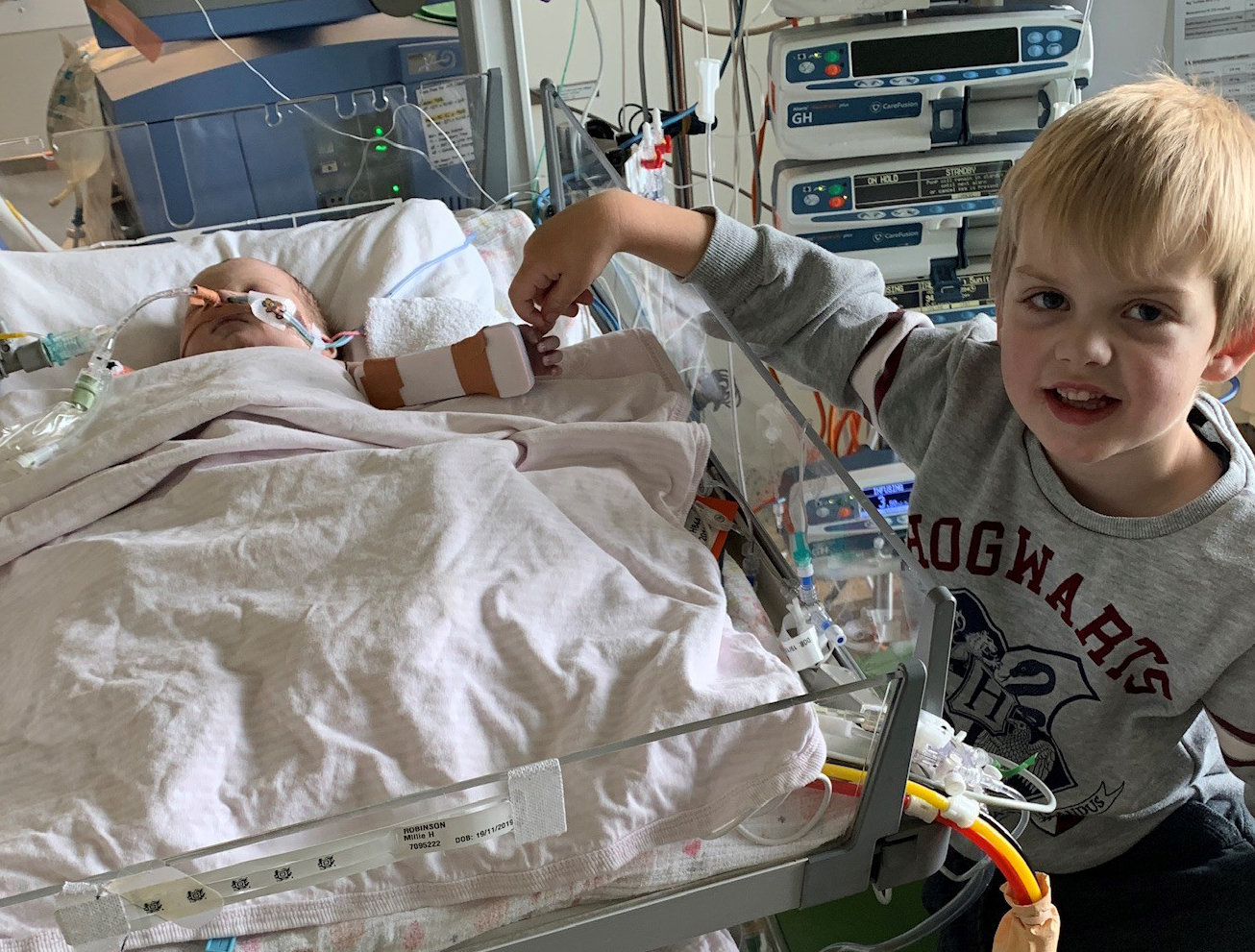
And a few days after she was born in November 2019, Millie Hope had her first of seven major lifesaving surgeries.
Her many heart conditions include double outlet right ventricle known as DORV, which means the heart is not connected properly.
"She'll only ever have one half of her heart functioning," Mrs Robinson said.
Millie came through the operations, and spent her first eight months in hospital – including the time she almost lost her fight for life.

'Little character' pulled through
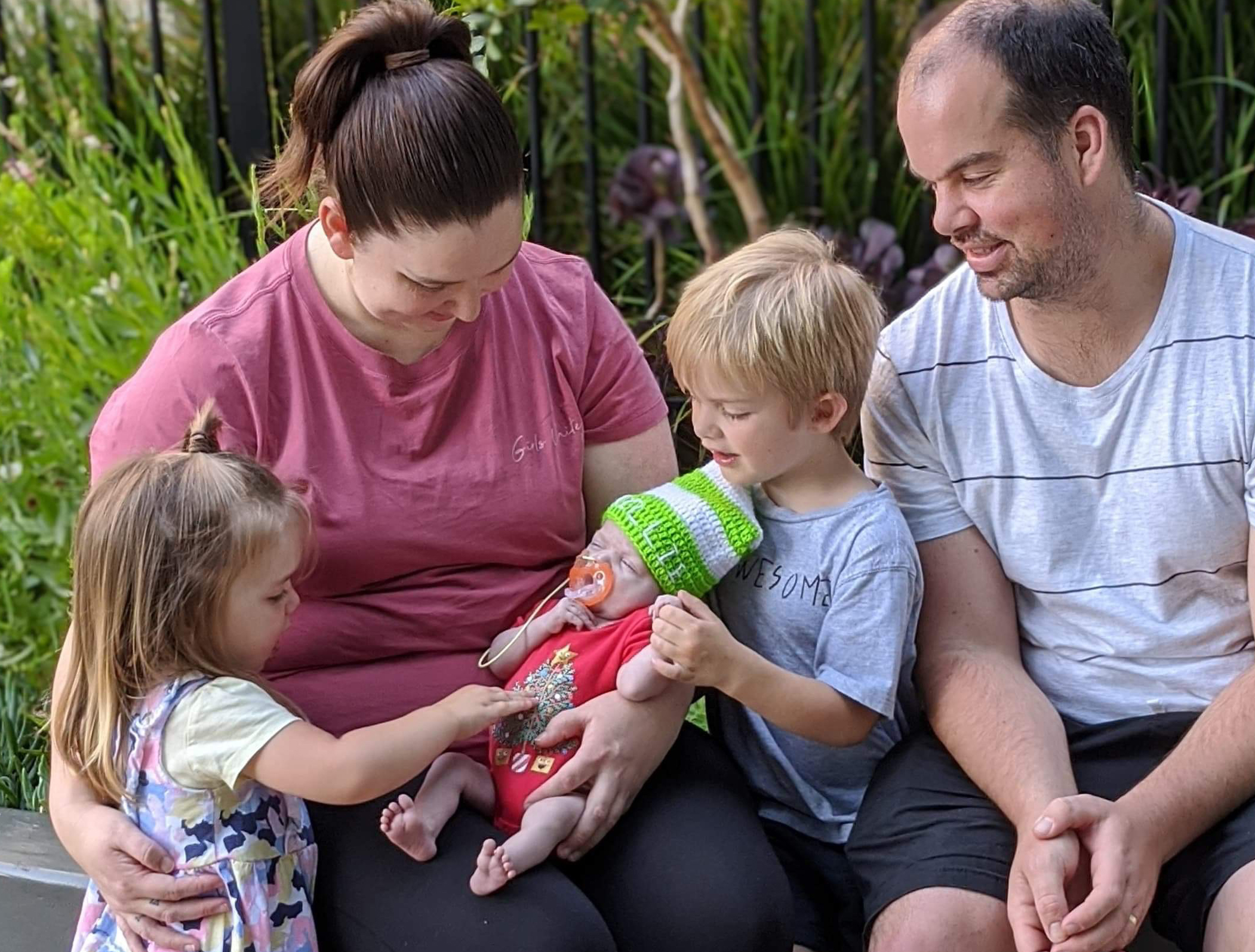
Little Millie pulled through her latest life-saving surgery and has just turned two.
She hasn't been in hospital for five months, the longest spell in her life.
Her mum said she's developing into a "little character".
"She's very cheeky," Mrs Robinson said.
The family has been told children born with her condition are now living in their 30s thanks to surgeries which allow their hearts to function.
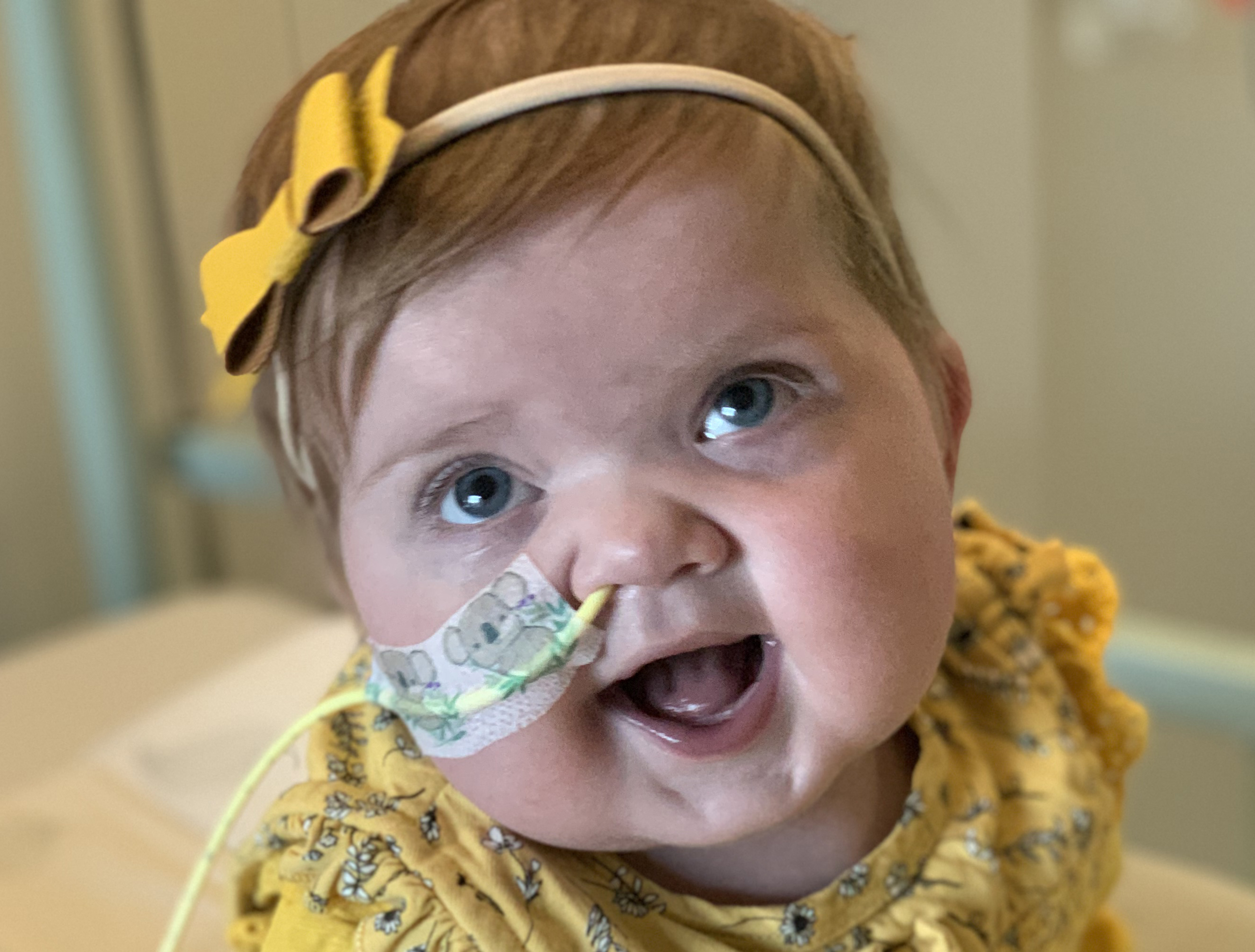
And while Millie will face more operations, the family said they don't let themselves think of the future.
"I just want her to know she's loved," she said.
READ MORE: How the pandemic has impacted cancer diagnosis and treatment
Christmas wish
The Robinson family knows what it's like to face Christmas with a sick child in hospital – Millie was there over the festive season in 2019.
Charity Ronald McDonald House puts up families with sick kids who don't live close enough to a hospital to go home at night.
The Robinson family – including Tenison and Evalyn – have spent an incredible 260 nights at Ronald McDonald House Parkville in Melbourne – including that Christmas.
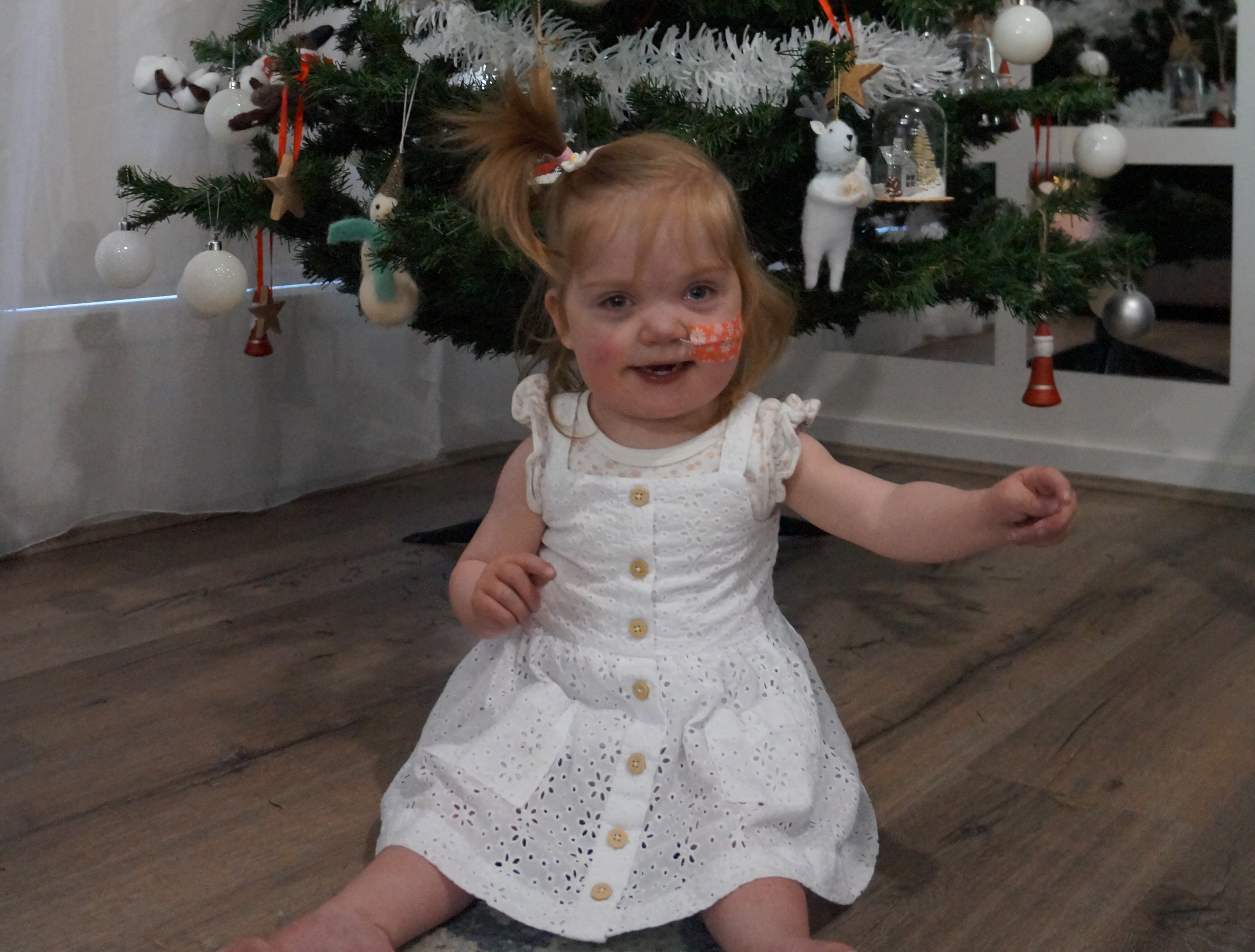
Mrs Robinson said it is a special place to be.
"There's lots of people come in and out – the Victorian police came with their motorbikes and cars, they have a little Santa's workshop," Mrs Robinson said.
READ MORE: COVID-19 testing clinics swamped amid growing frustration over tourism rules
"They have their volunteers come in and do a big Christmas lunch."
This year though, if Millie's health remains stable, the family hopes to be at home, where they are planning a quiet celebration.
Millie is getting a Cubbi Buddi play couch, and a lunch box, as the family hopes she'll be well enough to start day care next year.
They also have a special festive wish – that people back the Ronald McDonald House Charities Santa for Sick Kids appeal.
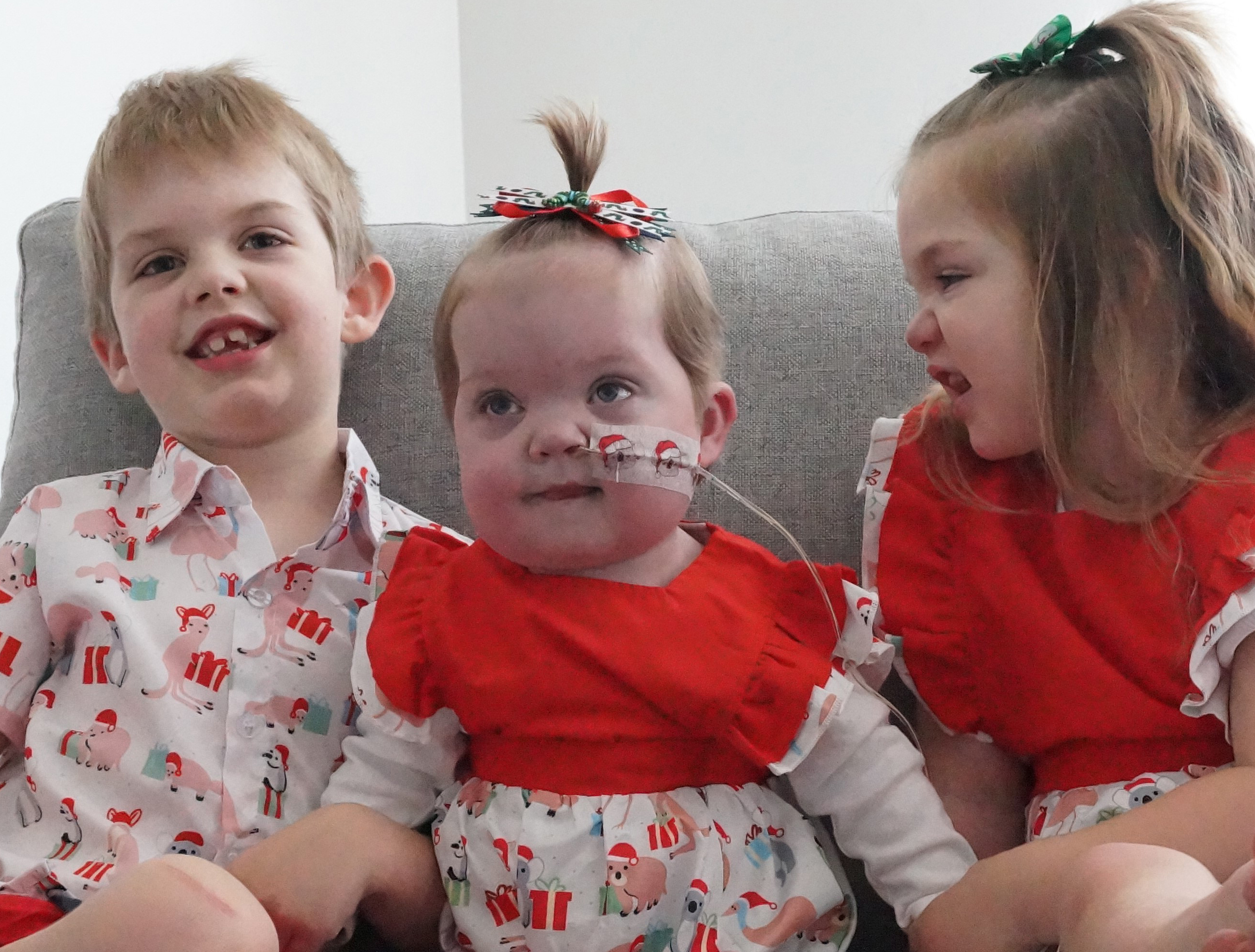
It costs $160 to put a family up for a night.
"It was our lifeline," Mrs Robinson, said.
Ronald McDonald House Charities Sydney CEO, Simone Daher said: "When a family has a child that requires long term hospital treatment, not only does it impact them emotionally, but also financially.
READ MORE: PM urges 'common sense' approach to dealing with Omicron
"When they are staying with us, we like to make sure that Christmas is a special time for the whole family.
"By supporting our Christmas appeal, you are helping relieve the burden and stress and supporting the creation of special memories for these families."
Contact journalist Sarah Swain: Ss****@******om.au