Tag Archives: oceania

Former NAB employee jailed for eight years over $5.5million fraud

A bank employee who stole money to fund a high-flying lifestyle filled with private jets and luxury holidays has been jailed.

While working as the chief of staff at the National Australia Bank, Rosemary Rogers pocketed $5.5 million in bribes.

The bribes included a month-long holiday to the US worth $500,000, a luxury BMW, two boats, a holiday home, a trip to a private Fijian island and multiple stays at expensive resorts.

Former chief of staff at NAB Rosemary Rogers has been jailed for a maximum of eight years.

Rogers stayed at the six-star Emirates resort at Wolgan Valley in NSW, which costs $3000 a night, multiple times.

Her alleged accomplice, Helen Rosemond, is the head of a luxury travel company and is accused of paying Rogers the bribes in exchange for her signing off on inflated invoices sent to NAB.

Rosemond is awaiting trial.

But Rogers' lifestyle began to unravel in December 2017 after an anonymous whistleblower notified the board of NAB.

Today, Rogers' barrister Mark Tedschi QC said her actions were driven by stress.

She was sentenced to a maximum of eight years in jail after being found guilty of more than 30 bribery, corruption and fraud charges.

"NAB has zero tolerance for any criminal activity. Where criminal conduct is identified, we will refer it to the police," NAB Chief Legal Counsel Sharon Cook said in a statement.

"Since becoming aware of the issue, we have made changes to strengthen controls in our organisation, including changing delegations and introducing additional checks on expenses.

"As there is a second party involved who is still before the Court, NAB is unable to comment further on this matter. We are taking court action to recover the proceeds of the alleged fraud."

More cases in New Zealand with 'situation evolving rapidly'

Australia is yet to decide if it will lift its travel suspension with New Zealand after the country recorded two more cases of a highly-infectious variant of COVID-19.

Acting Chief Medical Officer Professor Michael Kidd said a decision over lifting the green zone suspension will be made tomorrow.

Australia suspended flights to New Zealand for 72 hours on Tuesday after a returned traveller tested positive for the South African variant of COVID-19, which is known to be far more contagious.

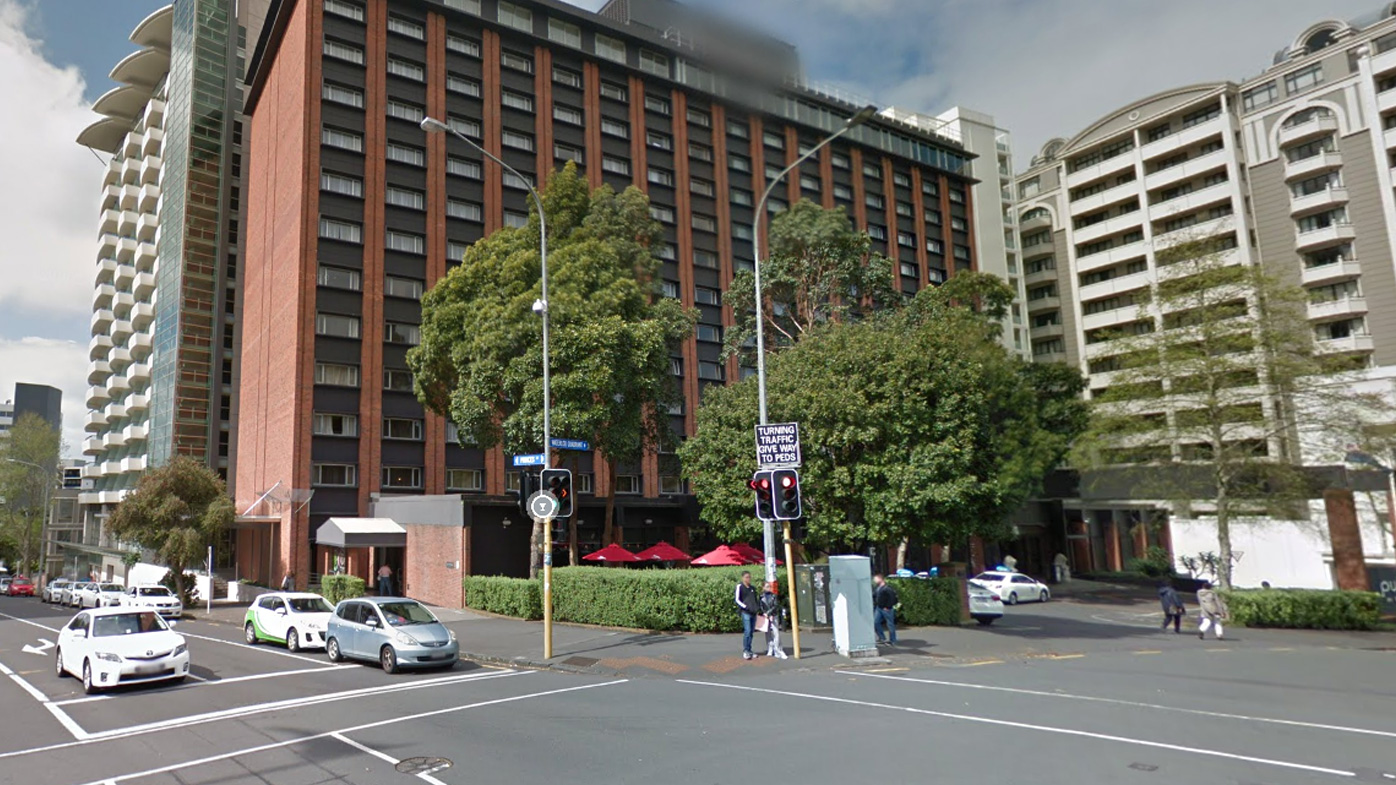
The traveller, a 56-year-old woman, returned a positive last week after staying in managed isolation at the Pullman Hotel in Auckland. She tested negative twice.

Professor Kidd said the two new virus cases in New Zealand were staying at the Pullman Hotel in Auckland.

"The situation is evolving rapidly," he told media.

"We will be following up the details of both of these cases with the New Zealand authorities once further details, including the results of additional testing, are known.

"The Australian Government has not made a decision about whether to lift the pause on green zone flights at this time."

All close contacts of the woman who tested positive for coronavirus in New Zealand last week have returned negative tests.

Health officials in New Zealand reported four new cases of coronavirus in the past 24 hours, but all were returned travellers in hotel quarantine.

Director General of Health Dr Ashley Bloomfield said of the 16 close contacts tested, only 11 were considered "true close contacts" and all remained in isolation.

READ MORE: Theory South African strain moved through NZ hotel's AC system

The Pullman hotel in Auckland, New Zealand, where the woman completed 14-days of quarantine and tested negative twice before going out into the community.

Mr Bloomfield said there were "encouraging signs" in Northland, where the woman travelled to after leaving Auckland, but the situation was still unfolding.

"We're not breathing out just yet," he said.

Mr Bloomfield said 353 guests left the Pullman Hotel during a period of potential risk, but 255 have so far returned negative tests.

All test results from the staff of the hotel have come back negative so far, he said.

The woman is known to have visited 30 venues between leaving the Pullman and finding out she was COVID-19 positive.

Officials have established 327 people visited at least one location the Northland woman had been.

Test results were still being confirmed, Mr Bloomfield said, but 127 had so far come back negative.

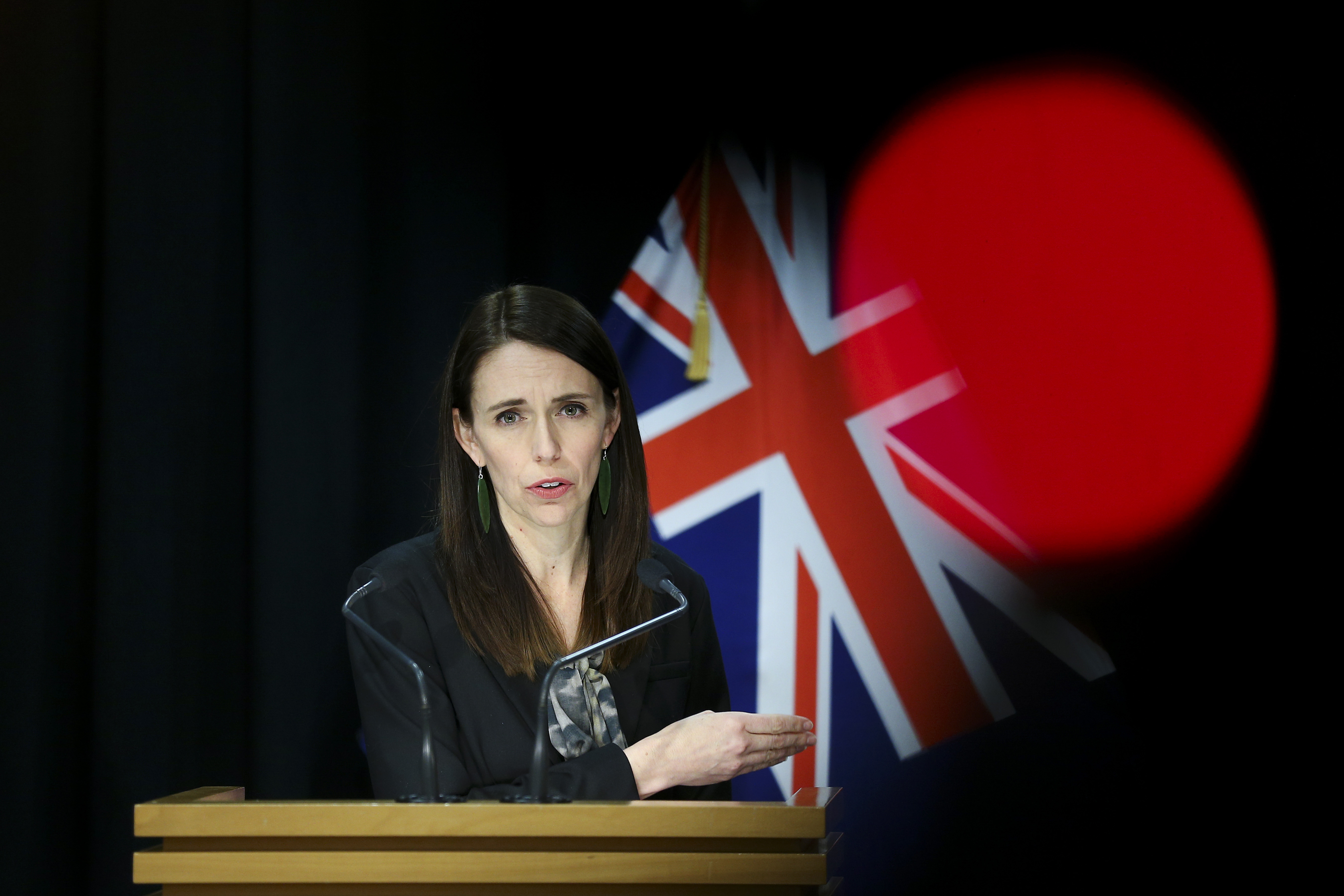
Prime Minister Jacinda Ardern announces COVID-19 restrictions have been reintroduced across New Zealand after four new COVID-19 cases were diagnosed in Auckland

Officials are still to confirm how the woman caught the virus.

Analysis showed she contracted it somehow from a fellow returnee quarantining in a room next door.

That prompted unproven speculation the virus could have moved through the hotel's air conditioning system.

Health authorities are still investigating.

New Zealand has not started a vaccination program and it does not have a date when they could potential deploy one of the successful vaccines.

Aussies fear becoming victims to cyber criminals

Exclusive: Two-thirds of Australians say they are worried about becoming the victim of a cyber attack after spending vastly more time online since the beginning of the COVID-19 pandemic.

New findings from McAfee's 2021 Consumer Security Mindset Report found most Australians fear their financial data could be stolen while 65 per cent were concerned their social media accounts could be hacked.

The report, which profiled the views of 1000 Australian adults, found older citizens were the most worried about having their banking details hacked, but were also the most disciplined in online hygiene compared to younger Australians.

READ MORE: Australia's financial watchdog ASIC hit by cyber attack

During the worst of the pandemic – when traditional face-to-face services such as banking were muted – almost half of 55- to 74-year-olds surveyed said they started using digital tools for the first time.

Concerningly, an overwhelming majority of respondents said they had "never" considered how much their online data would be worth to a cyber criminal.

Terry Hicks, EVP of McAfee's Consumer Business, told 9news.com.au avoiding criminals online was about creating habits that made clicking dodgy links or shopping on suspicious sites less likely.

READ MORE: Aussies targeted with COVID-19 scams in 2020

"The first step in protecting ourselves is realising that there's a lot we can do to stay safe online and to preserve our digital wellness," Mr Hicks said.

"It's better to prevent a problem then be in a position of having to fix it. We can always work on our own safe online habits – from the apps we install, to the websites we click on, to the emails we open.

"Making this shift in our mindset and behaviours is a necessity in protecting what we value most- our privacy and identity- giving us all much needed peace of mind."

READ MORE: Data leak exposes information from more than 214 million accounts

Data from Scamwatch, Australia's regulator-run cybercrime tracker, shows that in 2020 alone Australians lost more than $176 million to online scams.

Even more frightening is that these are only the reported losses, with many victims unlikely to come forward due to embarrassment or lack of knowledge that they were swindled.

According to Scamwatch, if you think you've sent money or shared confidential details with a scammer, it's best to call your bank as soon as possible.

READ MORE: New anti-troll bill a 'world first' in Australia

Police have warned of increased scam activity over the holidays.

"If you've sent money or shared your banking details with a scammer, contact your financial institution immediately," Scamwatch advises.

"They may be able to stop a transaction, or close your account if the scammer has your account details.

"Your credit card provider may be able to perform a 'charge back' (reverse the transaction) if your credit card was billed fraudulently."

The information provided on this website is general in nature only and does not constitute personal financial advice. The information has been prepared without taking into account your personal objectives, financial situation or needs. Before acting on any information on this website you should consider the appropriateness of the information having regard to your objectives, financial situation and needs.

America's billionaires have grown $1.1 trillion richer during the pandemic

Billionaires are minting money during the pandemic, even as millions of Americans join the ranks of the poor.

US billionaires have collectively become $1.1 trillion – nearly 40 per cent – richer since mid-March, according to a report published Tuesday by progressive groups Institute for Policy Studies and Americans for Tax Fairness.

LIVE UPDATES: NSW to ease COVID-19 restrictions on Friday

In other words, not only have the uber-wealthy recovered their losses from the spring, many are faring much better than before.

That's in large part because of the sizzling stock market.

Elon Musk alone is about $155 billion (about $200.1 billion AUD) richer, boosted by Tesla's skyrocketing market valuation.

Forty-six people joined the ranks of billionaires since March 18, 2020, the week after the World Health Organisation declared a global pandemic, according to the report.

READ ALSO: Australia's financial watchdog ASIC hit by cyber attack

Clearly, the pandemic is worsening America's already troubling inequality crisis.

The staggering gains at the top contrast sharply with the financial struggles of those at the bottom, many of whom are on the front lines of the pandemic and have lost their jobs or had wages cut.

America's 660 billionaires now hold $4.1 trillion (about $5.2 trillion AUD) in wealth – two thirds more than the amount held by the bottom 50 per cent of the US population, the report found.

Poverty rate climbs sharply

More than eight million Americans fell into poverty during the final six months of 2020, according to real-time estimates published by economists at the University of Chicago, University of Notre Dame and the Lab for Economic Opportunities.

The US poverty rate declined during the first few months of the pandemic, in large part because of the federal government's stimulus checks.

However, the poverty rate climbed 2.4 percentage points during the second half of the year – nearly double the largest annual increase in poverty since the 1960s, the economists found. Some groups have suffered more than others.

READ ALSO: Woman wins $60 million lottery using numbers from her husband's dream
The poverty rate for Black Americans is 5.4 percentage points higher today than in June 2020, translating to 2.4 million people who have fallen into poverty, the economists found.

For those with a high school education or less, the poverty rate has surged to 22.5 per cent, compared to 17 per cent in June.

Florida, Mississippi, Arizona and North Carolina were among the states that suffered the largest increases in poverty rates.

The state-level findings "suggest that poverty rose more in states with less effective unemployment insurance systems," the economists said in the report.

How Biden wants to fight inequality

The wealth and poverty statistics provide further proof of America's K-shaped economic recovery.

The stock market is at record highs, the housing market is booming and Big Tech is thriving.

However, other industries including airlines, restaurants, hotels and movie theaters are still in disarray.

Janet Yellen, President Joe Biden's newly confirmed Treasury secretary, has acknowledged this problem and suggested it's nothing new.

"Well before Covid-19 infected a single American, we were living in a K-shaped economy, one where wealth built on wealth while working families fell further and further behind," Ms Yellen told lawmakers during her confirmation hearing last week.
READ ALSO: Australians 'extremely concerned' about superannuation future after COVID withdrawals

Biden and Yellen are calling for bold action from Congress to ease inequality.

Biden's $1.9 trillion (about $2.4 trillion AUD) American Rescue Plan includes $1400 (about $1800 AUD) stimulus checks, $350 billion (about $452.1 billion AUD) in state and local aid and enhanced unemployment benefits.

The White House is also expected to push for a multi-trillion infrastructure package that would be aimed at further boosting the economy – and could be financed in part by raising taxes on corporations and the wealthy.

Surging housing, stock markets

The pandemic has been a boon to the housing market, with existing home sales hitting a 14-year high in 2020.

Home prices, a major source of wealth, hit a record high.

The stock market has played a significant role in the divide between rich and poor.

Even though the US economy has not fully recovered from the pandemic, the S&P 500 is up by 72 per cent from its low point in March.

That V-shaped recovery reflects optimism about vaccines, trillions in relief provided by Washington and unprecedented steps from the Federal Reserve that have essentially forced investors to bet on stocks.

Not surprisingly, surging stock prices are especially helpful to the wealthy because they have more skin in the game.

As of early 2020, the wealthiest 10 per cent of US households owned 87 per cent of all stocks and mutual funds, according to the Federal Reserve.

READ ALSO: Biden restarts push to put Harriet Tubman on $20 note

By contrast, millions of less affluent Americans can't feel the stock market boom.

Tesla's skyrocketing share price has lifted Musk's wealth by more than 600 per cent, according to the wealth report.

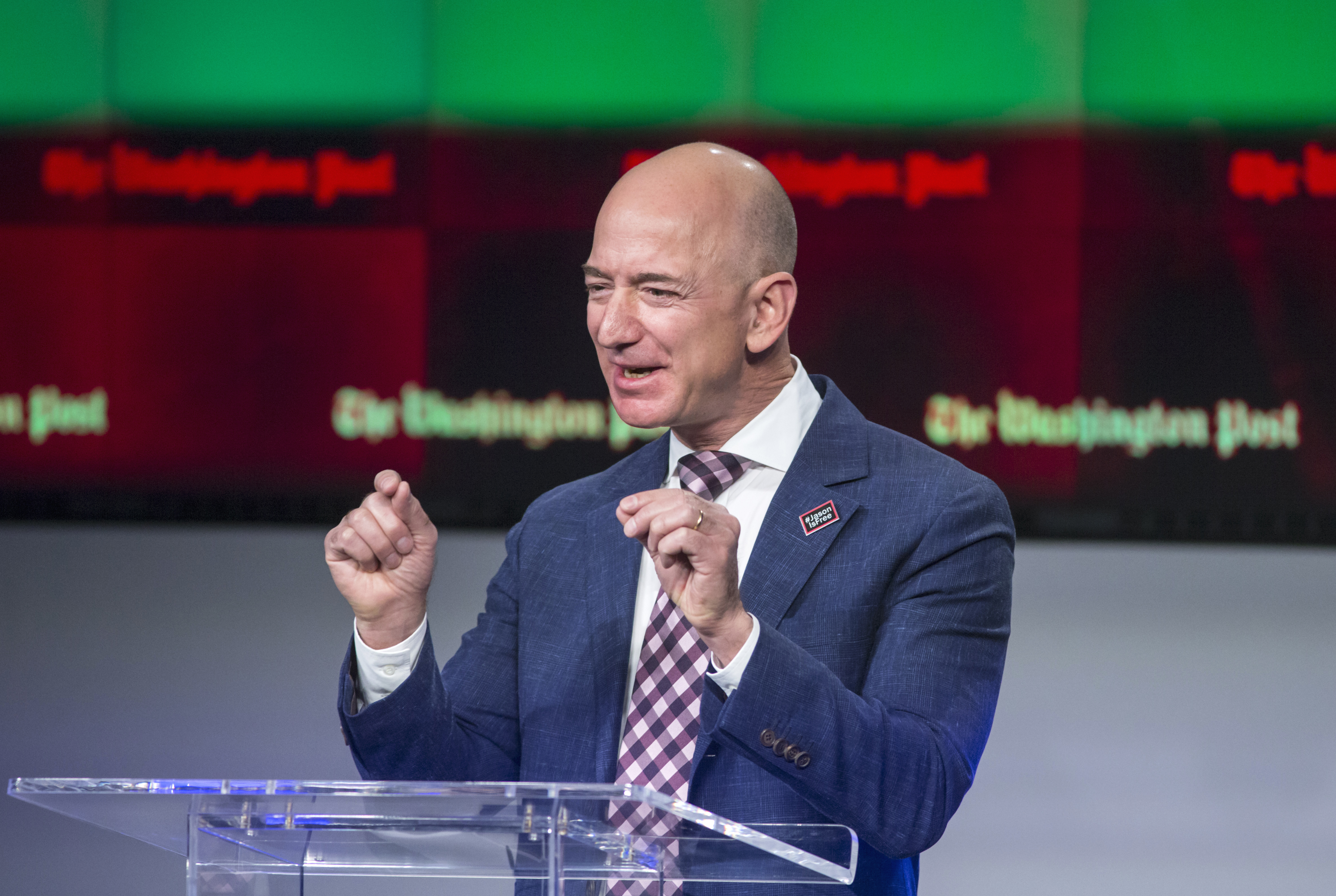
Other big gainers include Amazon founder and CEO Jeff Bezos, whose wealth has climbed by more than $68 billion (about $87.8 billion AUD) during the pandemic.

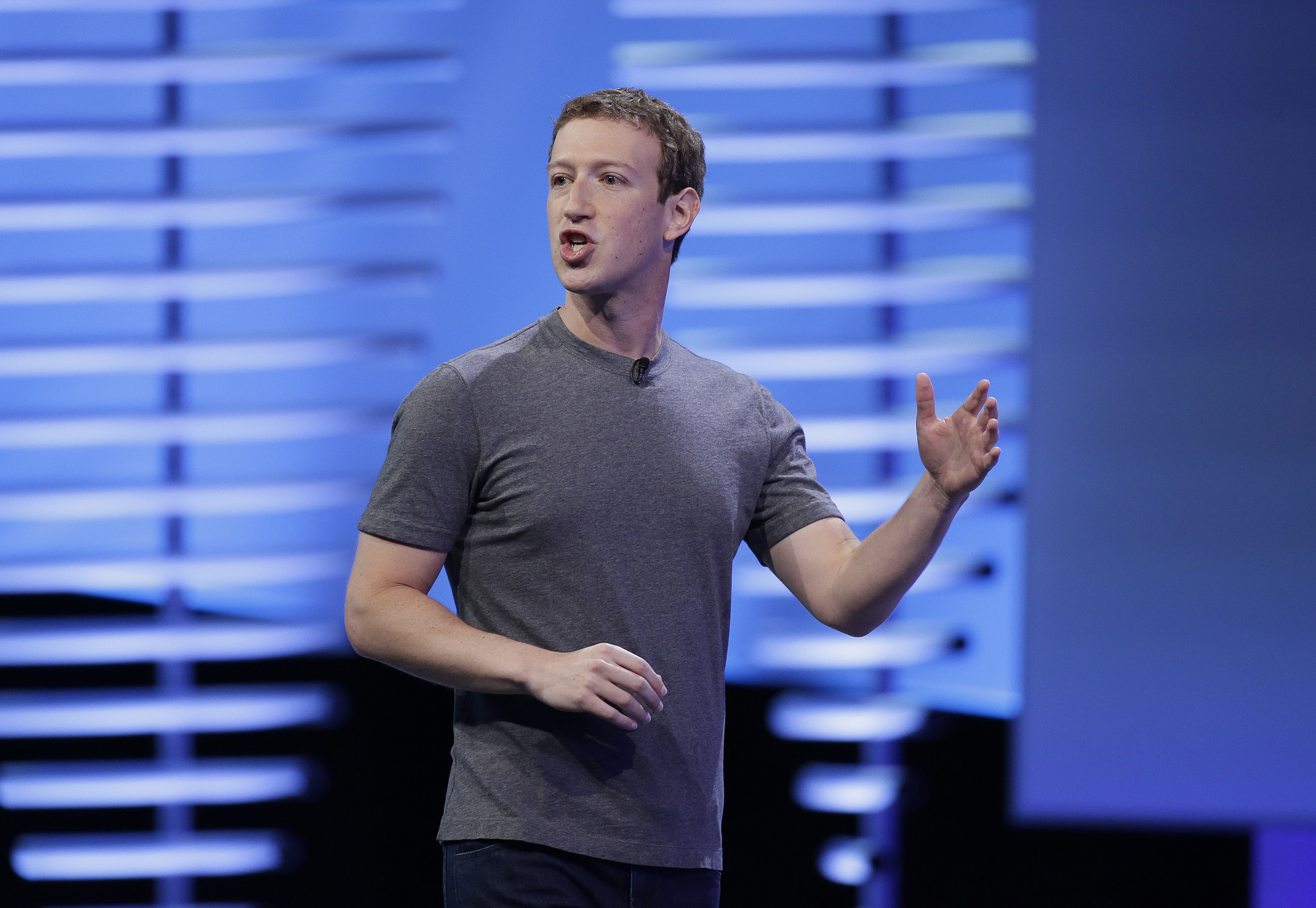
Facebook co-founder and CEO Mark Zuckerberg is about $37 billion (about $47.7 billion AUD) more wealthy than in mid-March.

Inequality isn't just an American problem.

It will take more than a decade for the world's poorest to recoup their losses from the pandemic, according to Oxfam International's annual inequality report released Sunday.

By contrast, it took just nine months for the world's top 1,000 billionaires to recover.
Australia deadliest country in world for shark attacks in 2020

With eight fatalities last year, Australia was the deadliest location for shark attacks in the world.

In 2020, shark attacks decreased for the third consecutive year, falling to 57 unprovoked bites worldwide, compared with 64 bites in 2019 and 66 in 2018, according to the annual summary issued by the University of Florida's International Shark Attack File (ISAF).

But 2020 proved to be the deadliest year since 2013, with 12 bites resulting in fatalities, up from the average of four per year.

READ MORE: Pod of over 100 dolphins herded into Japan's notorious 'Red Cove'

Eight of those fatal bites were in Australia, three in the US and one in the waters of St Martin in the Caribbean.

Three people were killed in Western Australia, and two each in New South Wales and Queensland.

The total of eight came close to Australia's 90-year-old record of nine shark attack deaths in a single year.

There were 11 non-fatal bites recorded in Australia last year.

Local Australian figures from Taronga Zoo's shark file reported higher total attacks than the ISAF data across the decade in Australia (see below), but it too showed a spike in fatal attacks in 2020 compared with previous years.

Gavin Naylor, director of the Florida Museum of Natural History's shark research program, said the high number of deaths globally in 2020 is likely an anomaly.

"It's a dramatic spike, but it's not yet cause for alarm," he said.

"We expect some year-to-year variability in bite numbers and fatalities. One year does not make a trend."

Mr Naylor said 2020's total bite count was "extremely low" and that long-term data showed the number of fatal bites is decreasing over time.

READ MORE: Survivor tells of near-death experience after shark attack

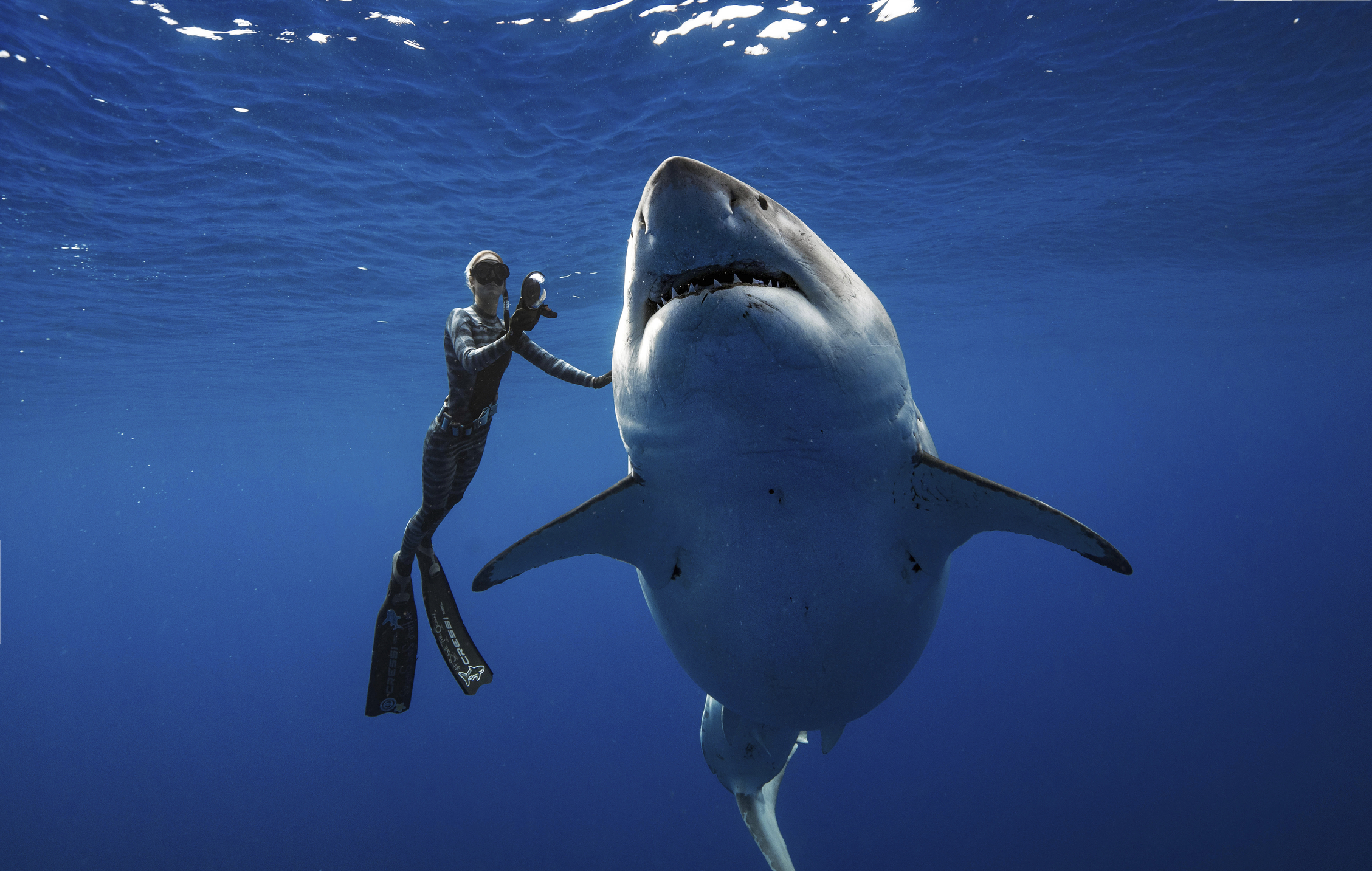
ISAF experts confirmed great white sharks were involved in at least 16 unprovoked bites in 2020, including six of the year's 10 fatalities: four in Australia, one in California and one in Maine.

Of the remaining deaths, two were the result of tiger shark bites, including the fatality in Hawaii, and two could not be identified to species.

Surfers and other board sport athletes experienced 61 per cent of bites worldwide in 2020, compared with 53 per cent in 2019 and 2018.

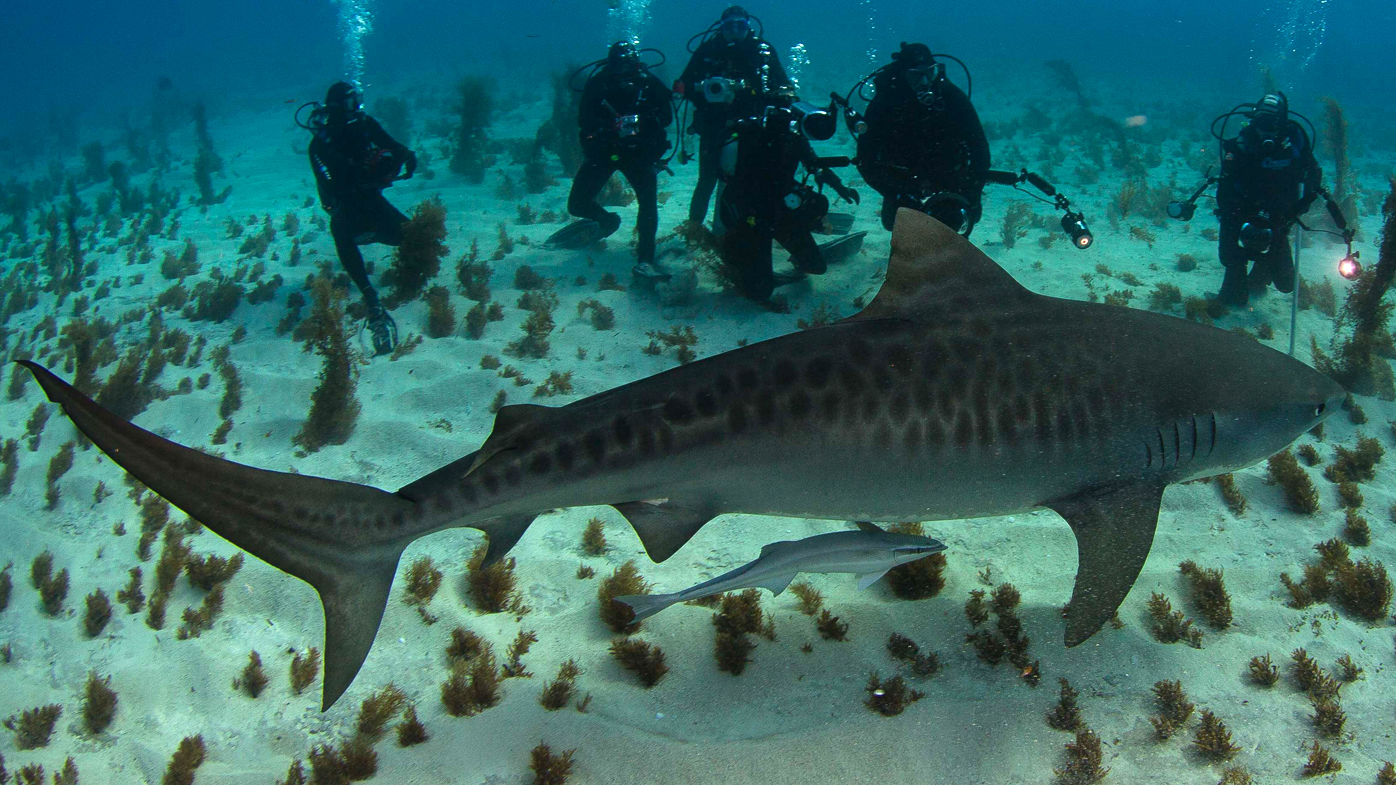
A tiger shark with a group of divers at Tiger Beach in the Bahamas.

While some scientists have suggested various reasons for the high number of bites caused by white sharks in 2020 – global warming, changing fish populations and migrations or even "rogue" sharks – Mr Naylor cautioned against jumping to conclusions.

"We need to focus on long-term trends and rigorous scientific study, rather than speculation," he said.

"I think the frequency of white sharks swimming in the same places as humans may be on the rise, but if so, we don't yet know the cause."

Encounters with white sharks can result in more serious wounds, because of the species' size and power, Mr Naylor added.

"A blacktip can give you four stitches while a nibble from a white shark can remove your leg," he said.

But Mr Naylor said there is no evidence sharks are actively hunting humans and that most bites occur when sharks mistake people for fish, seals or other animals.

He cited examples of drone footage showing sharks, including white sharks, approaching and circling surfers and swimmers before jetting in the opposite direction.

Words: Mark Saunokonoko

Infographics: Tara Blancato