Tag Archives: oceania

Australia's surprise best state economy revealed

Tasmania has been named Australia's best-performing state economy for the fourth quarter in a row, boosting numbers across the board despite the threat of a global pandemic.

CommSec's quarterly State of the States report found Tasmania led the country on four of eight indicators used to assess the health and growth prospects of each region.

In population growth, equipment investment, dwelling starts and retail trade, no other state can hold a candle to Tasmania.

READ MORE: Sydney travellers to Tasmania will have to quarantine after new order
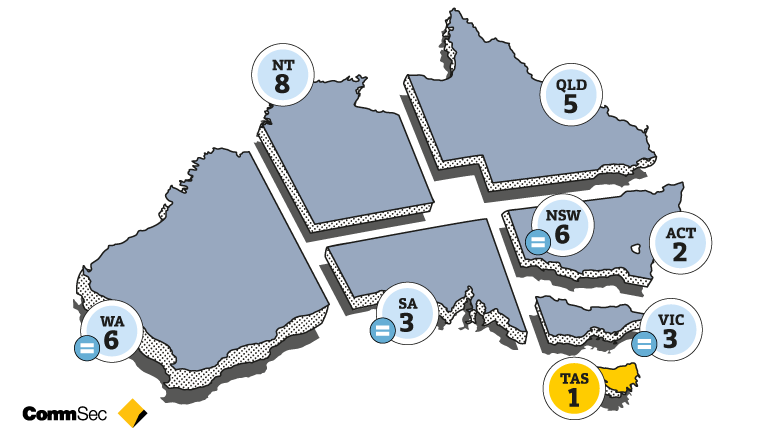
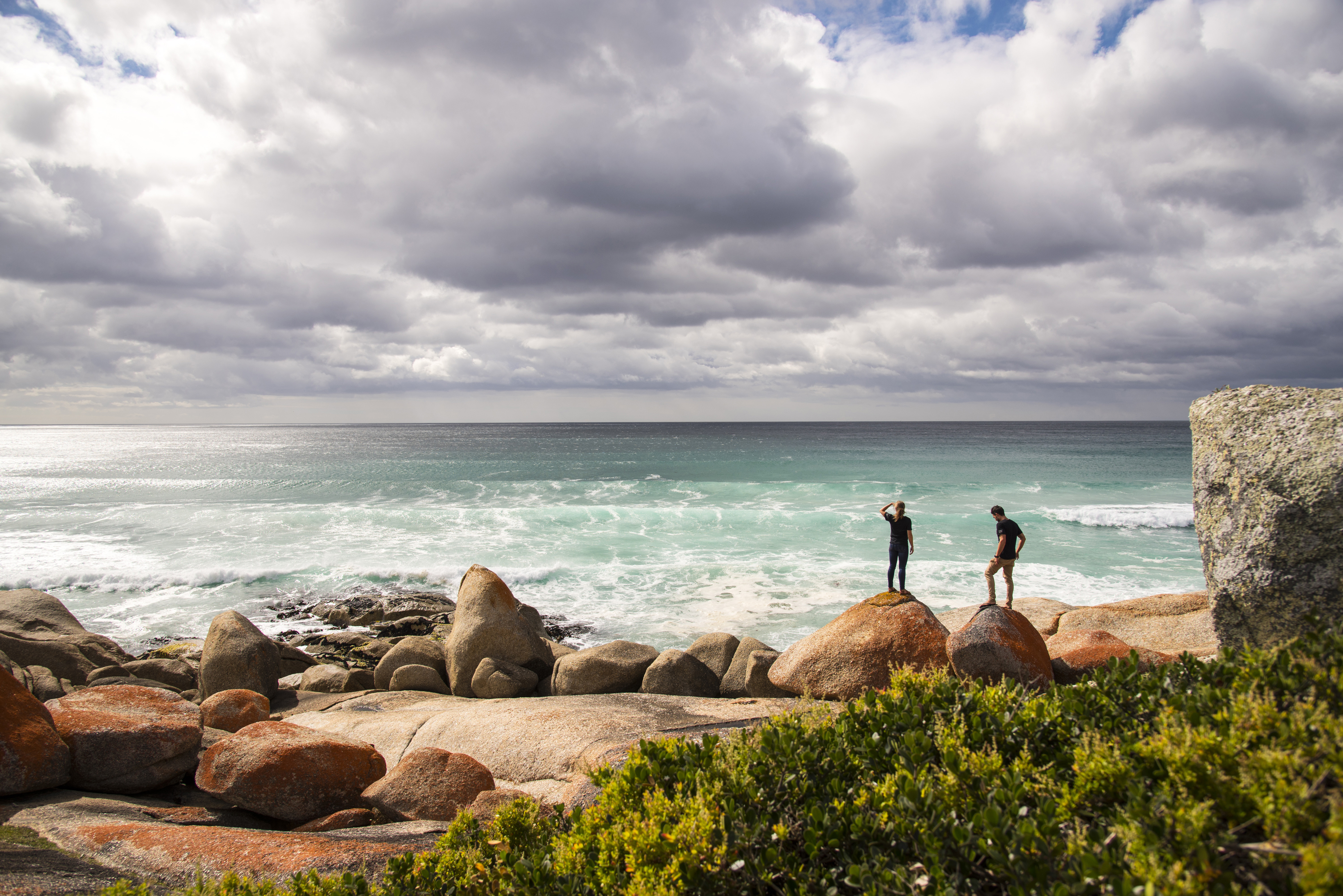
It's also home to the most profitable property market in the entire country.

The news for other states and territories was not as pretty.

The ACT remains in second position, followed by South Australia and Victoria sharing an equal third. Queensland came in fifth, while NSW and Western Australia were both awarded a joint sixth place.

The sixth ranking for NSW is its lowest spot in eight years.

READ MORE: Tasmania to add NSW to list of open borders
Rounding out the top eight (which is slightly muddled due to multiple joint placings) was the Northern Territory.

CommSec's report uses eight categories – economic growth, retail spending, equipment investment, unemployment, construction work done, population growth, housing finance, and dwelling commencements – to compare the relative performance of each state and territory.

CommSec Chief Economist Craig James said the gaps between states and territories have been shortened as different strategies to the COVID-19 virus play out economically.

"We began to see compression in the economic rankings in the last quarter, and this has continued in the latest report," Mr James said.

"Queensland, South Australia and Western Australia were the biggest improvers over the past quarter with their success in suppressing the COVID-19 virus appearing to have supported these states' economic performance.

"Victoria and ACT suffered more in their rankings due to the uncertainty and change brought by the pandemic."

READ MORE: Tassie devils return to mainland Australia after 3000 years
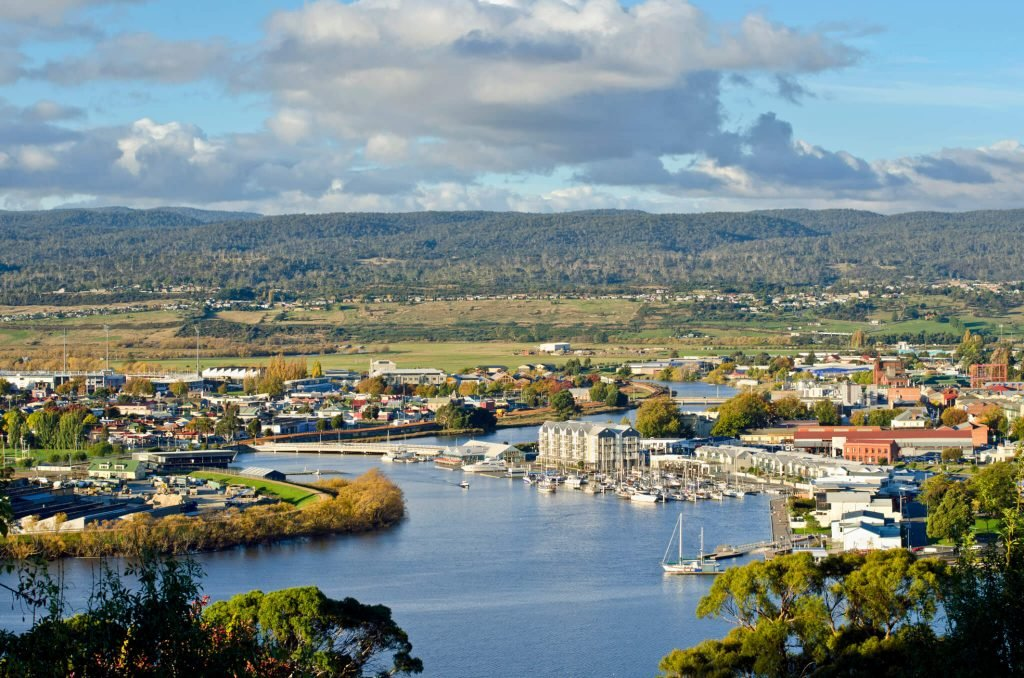
Launceston, Tasmania

Mr James said federal economic supports like JobKeeper levelled the playing field between states, meaning the next two quarters are likely to see similar rankings.

"Regardless, the compression in the rankings shows that the pandemic, and likely the government's economic stimulus, is somewhat of a leveller. Australia's state and territories have arguably never been closer together in terms of economic performance," Mr James said.

"Tasmania and the ACT will likely consolidate their top two positions in the coming quarters, while Western Australia has potential to lift further in the rankings given solid growth of key economic indicators."

READ MORE: Aussie house prices nosedive 2 per cent during COVID-19 pandemic

HOW YOUR STATE OR TERRITORY RANKED

State/Territory:

Ranking:

Economic highlights:

Tasmania

1st

Population (1st), Retail (1st)

ACT

2nd

Relative unemployment (1st)

South Australia

3rd

Population growth (2nd)

Victoria

3rd

Construction work (1st)

Queensland

5th

Housing finance (1st)

New South Wales

6th

Housing finance (2nd)

Western Australia

6th

Equipment investment (2nd)

Northern Territory

8th

Relative economic growth (5th)

You can get up-to-date information from the Federal Government's Coronavirus Australia app, available on the App Store, Google Play and the Government's WhatsApp channel.

Beyond Blue's Coronavirus Mental Wellbeing Support Service is a 24/7 service free of charge to all Australians. Visit the site here or call 1800512348

For coronavirus breaking news alerts and livestreams straight to your smartphone sign up to the 9News app and set notifications to on at the App Store or Google Play.
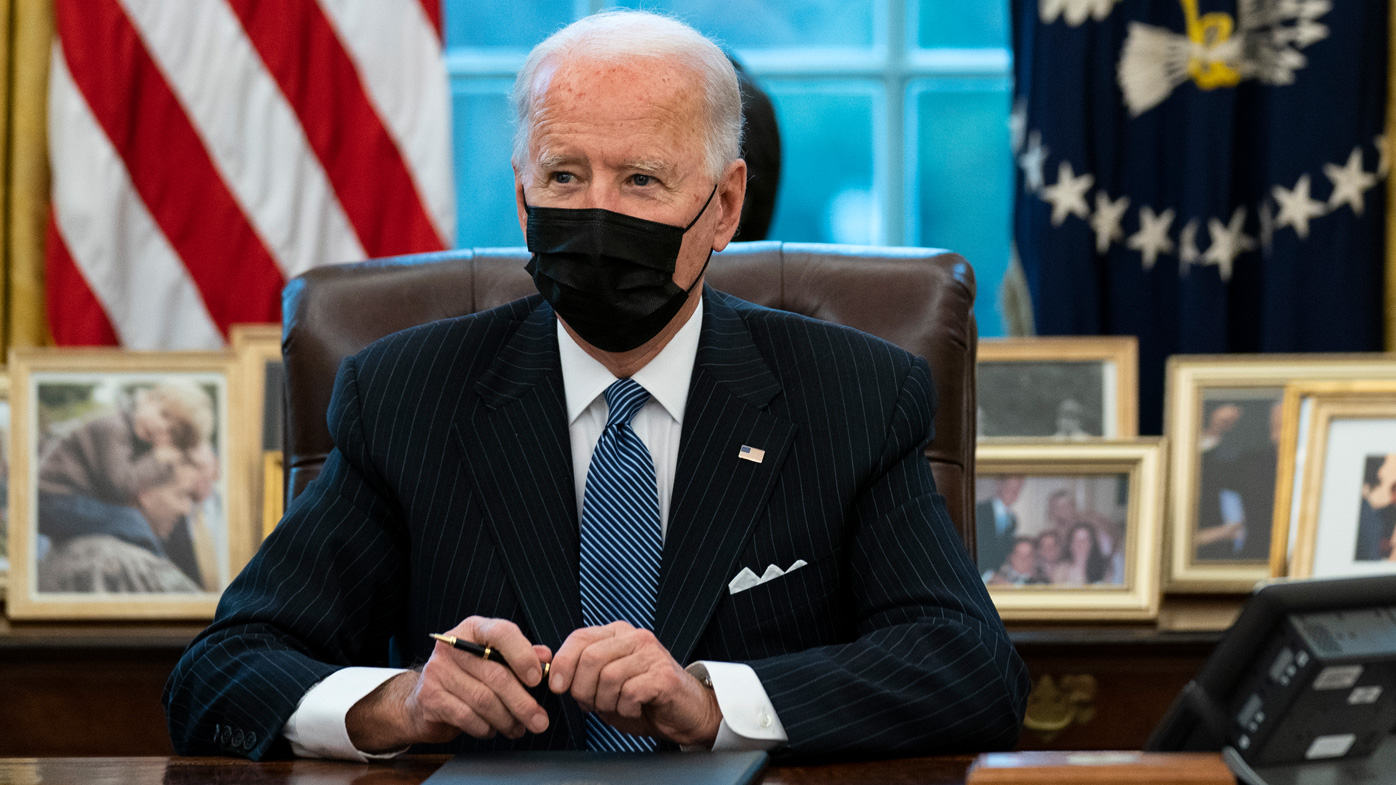
How Joe Biden ended up with a moon rock in the Oval Office

The day after the inauguration of President Joe Biden and Vice President Kamala Harris, the Washington Post reported on the aesthetics of the newly-redecorated Oval Office.

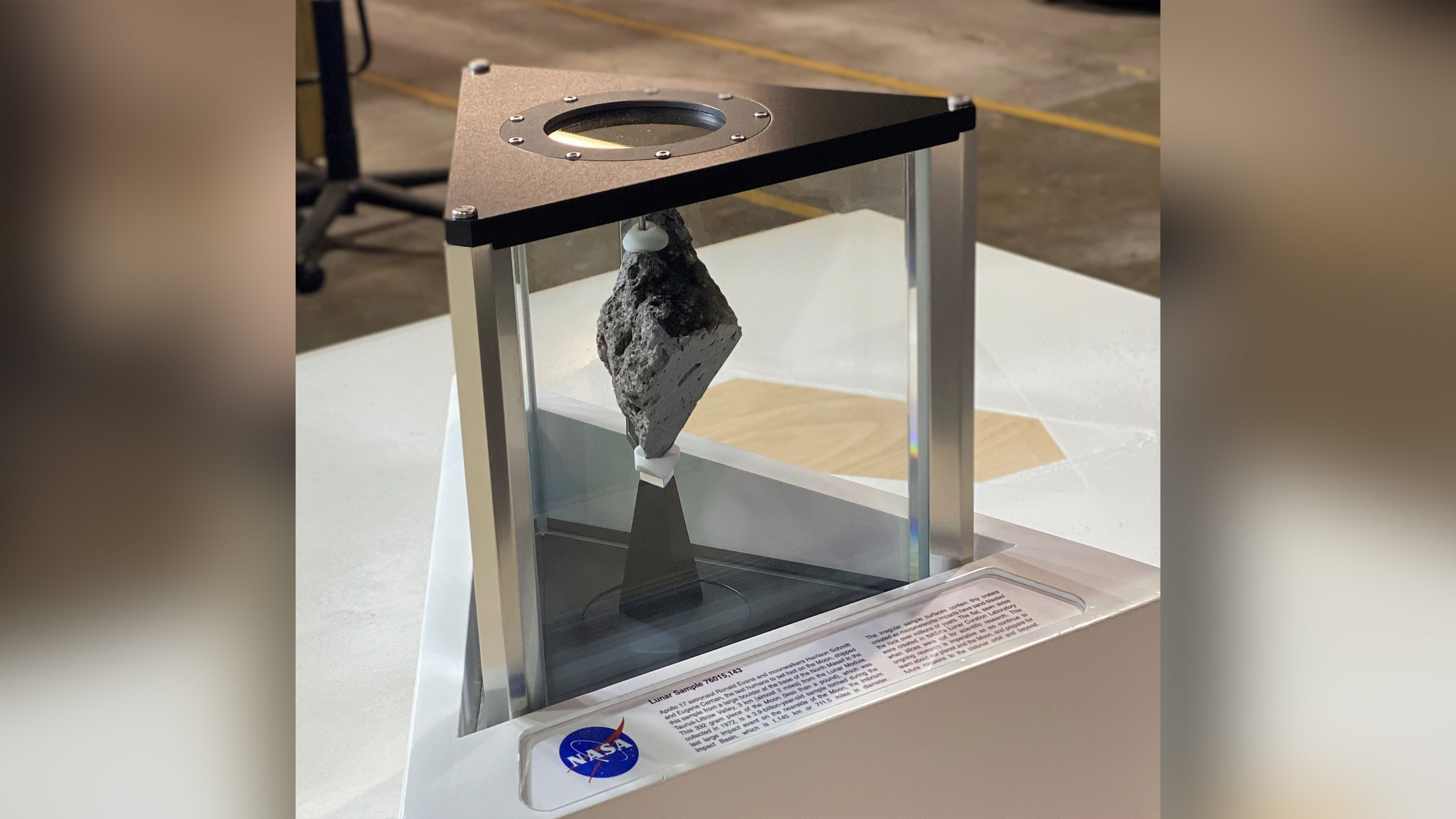
Among all sorts of noteworthy items, a moon rock was found to be sitting on a bookshelf.

LIVE UPDATES: World COVID-19 figure passes 100 million

Social media rejoiced at the sight, an indubitably cool artifact to find inside the White House.

But what many didn't know was that this rock, dubbed Lunar Sample 76015,143, had been on an Odyssean journey to get there, one 3.9 billion years in the making.

The current thinking is that 4.5 billion years ago, a protoplanet the size of Mars slammed into a magma ocean-covered Earth.

Debris from the baby planet and the spaceborne projectile was sent into orbit, eventually clumping together to make the moon.

The solar system was a bit like the inside of a pinball machine back then, with countless would-be worlds crashing into each other.

READ ALSO: Biden calls Putin and presses Russia on election hacking

Like the adolescent Earth, the youthful moon was a target too, with several enormous impacts carving out ginormous basins on its surface.

And around 600 million years after it was formed, the moon rendezvoused with a rock the size of New Jersey, weighing about 25,000 trillion tons and moving at a speed of around 83,000km/h.

This interloping giant rock, which hit the moon at an inclined angle, disintegrated upon impact, sending boulders shooting across the lunar surface, cutting deep, long grooves into the crust as if it were attacked by a cosmic, clawed beast.

President Joe Biden looks up after signing an Executive Order reversing the Trump era ban on transgender individuals serving in military, in the Oval Office of the White House

The impact would have been way more powerful than a gargantuan volcanic explosion like Mount St Helens, which itself had unleashed more energy than the sum total of all the explosives used during World War II, including the two nuclear bombs.

The rock carved out a circular chasm some 1142 kilometres across.

For the sake of comparison, the asteroid that careened into earth 66 million years ago and heralded the end of the age of the dinosaurs excavated a pit a mere 177 kilometres in diameter.

Around 250 million years later, lava later poured into this great depression, forming a sea of molten rock named Mare Imbrium, the "Sea of Rains".

And as lava lapped at the shores of this magnificent desolation, a curious rock sat nearby: a mangled amalgam of crushed sediment and once-molten matter, a product of the ferocity of that ancient, colossal impact.

READ ALSO: Biden restarts push to put Harriet Tubman on $20 note

For what seemed like an eternity, that rock sat silently on the moon, hit by the occasional micrometeorite.

And 3.9 billion years after it was formed, in the twilight days of 1972, two visitors from another world, Apollo 17 astronauts Eugene Cernan and Harrison Schmitt – Mr Schmitt was the first and only geologist sent to the moon – saw it glinting in starlight.

The last two people to set foot on the moon carved off a chunk and brought a sample back home.

Like the other rocks brought back by the Apollo missions, it was housed at the Lunar Sample Laboratory Facility at NASA's Johnson Space Centre in Houston.

There, it was broken up, and its pieces – including number 76015,143 – were examined by scientists hoping to unravel the secrets of the moon's origins and its evolution, as well as providing them with a window into Earth's obfuscated distant past.

That we can host such stunning off-world geologic treasures on Earth and decode the epochal stories they tell without needing to invent time travel is a remarkable achievement. But Lunar Sample 76015,143 isn't sitting in any old building.

It's in the office of the most powerful person in the world.

That imbues this lithic archive with novel significance.

For the last four years, the Trump administration threw science into the sewers, treating it like an inconvenience at best and a shameful pursuit at worst.

More than 400,000 Americans died of COVID-19 during Donald Trump's time in office.

We may never know how many lives could have been saved had the former president not shown an allergic reaction to reality – not only on the pandemic, but on another death-dealing existential crisis: climate change.

READ ALSO: 'Attempted sedition': Justice Department launches investigation into alleged Trump plot

Mr Biden is clearly ushering in a new era. Immediately after the inauguration, the new administration went to task, initiating their 198-page plan to defeat the pandemic while beginning the difficult work of stemming climate change.

The Oval Office's moon rock is, for many, a cathartic sight, a symbol of the new President's science-driven agenda, of his administration's adherence to facts and to objective truths, something America needs now more than ever.

Landing astronauts on the moon was a political ambition first and foremost.

But that rock, on loan from NASA at the request of the Biden administration, represents what can happen when a national priority is made of the pursuit of knowledge for its own sake.

If America can send people across the expanse and bring them back with geologic treasures, then it can also bring an end to a pandemic.

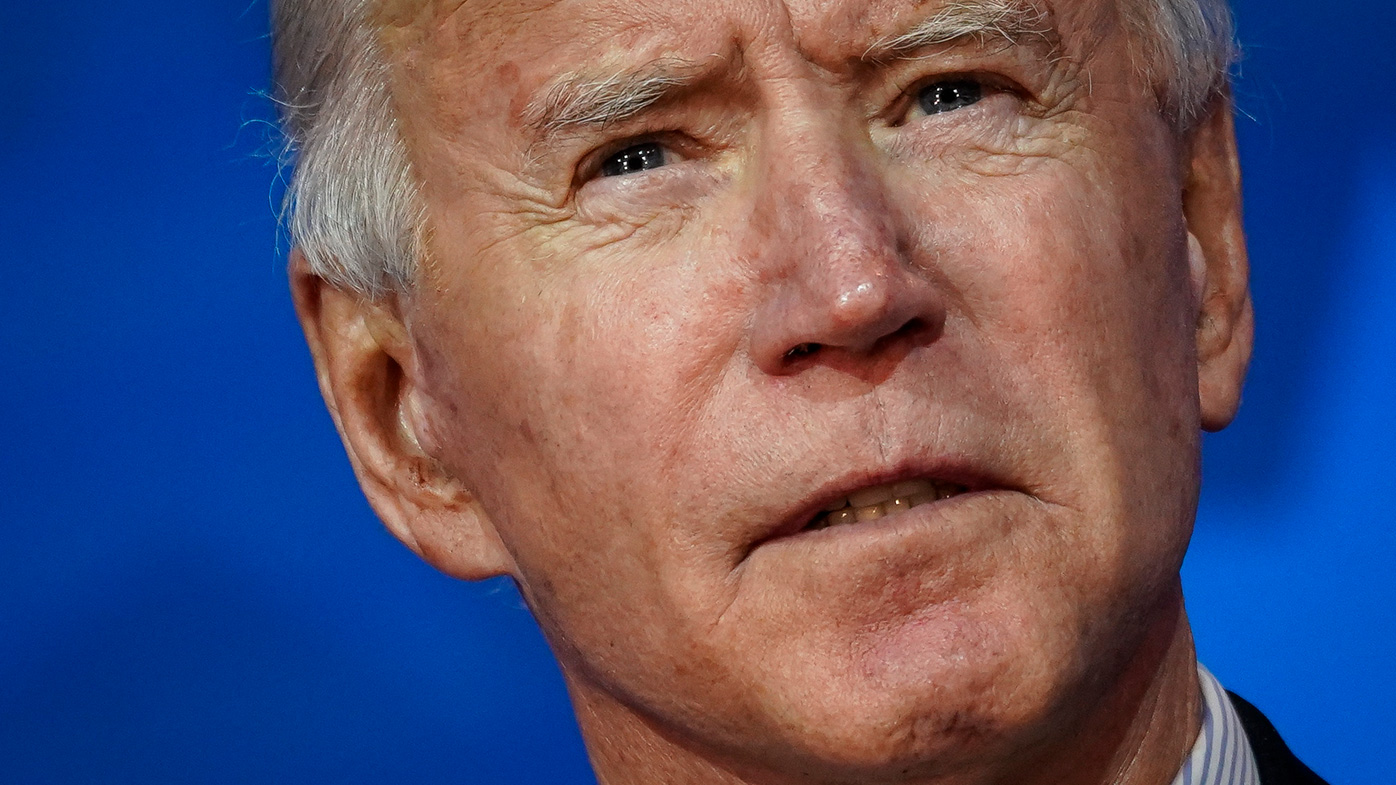
Joe Biden speaks at The Queen theater in Delaware.

Ideally, this rock also represents a calling card to the stars. We can only comprehend our place in the cosmos if we go out and explore it – and look not just to the moon, but beyond it.

NASA is about to land its Perseverance rover on Mars, the first step in an 11-year operation to bring back the first pristine rocks from that planet's surface.

One day, astronauts will be hauling Martian rocks home themselves. But who will be the first Earth-born emissaries to the Red Planet?

A future president of the United States may have a piece of Mars sitting on her bookshelf.

If so, one suspects Americans will look back in pride at the moment they saw a moon rock sitting in Mr Biden's Oval Office.

It may mark the day the White House was exorcised of its ignorance, transforming once again – and, we hope, forevermore – into a place that champions science.

Major $23.9 million coronavirus vaccine advertising blitz launches

A new $23.9 million advertising campaign to convince Australians to get the coronavirus vaccine will be rolled out from today.

The Federal Government is behind the blitz, hoping to encourage everyone to get the jab once it becomes available from mid-February.

The campaign will come in three stages with the first aimed at clearing up any concerns people might have about the vaccine.

LIVE UPDATES: How the globe's economy will respond to effective COVID-19 vaccination

Chief Midwifery and Nursing Officer Professor Alison McMillan is one of the health officials featured in the first ad and says it's all about building public confidence.

"We need to be very transparent and provide the information they are looking for to have confidence in the vaccine program that we are about to start," Professor McMillan told Today.

But there have been some suggestions the first advertisement is not emotional enough to make Australians come forward to roll up their sleeves.

Professor McMillian says the campaign does what it needs to do.

"We know that people, if provided the right information, will make the choice that is best for them," she said. "That is our intent here, to provide the information so people can make a decision for themselves.

"There will always be people who are sceptic about this and I acknowledge their right to make a decision for themselves. I think it is important that people go to where the credible and reliable information."

Earlier this week, the Pfizer COVID-19 vaccine was provisionally approved for rollout in Australia by the Therapeutic Goods Administration (TGA).

It is the first vaccine to receive regulatory approval in Australia.

The TGA decided that the Pfizer vaccine met the "high safety, efficacy and quality standards required for use in Australia".

The TGA provisional approval is for people aged 16 and older. Two doses will be required – at least 21 days apart.

A priority group of Australians are expected to now receive their first dose of the vaccine as soon as it can be received from Pfizer and the necessary checks are undertaken by the TGA, prior to its distribution.

The latest advice given to the government from Pfizer is that shipping and the first vaccinations are expected to be in late February.

Health Minister Greg Hunt said Australia's vaccine roll-out strategy is "on track" to be complete by October 2021. 

Australia's roll-out plan will also include the AstraZeneca vaccine, expected to be available from late March.

From late February, 80,000 doses of the Pfizer vaccine will be available per week.

By late March, one million doses of the AstraZeneca will be available per week.

The vaccine will be rolled out in five phases at more than 1000 vaccination administration sites.

People who need protection the most will get the vaccine first. This includes aged care and disability care residents and workers, frontline health care workers, and quarantine and border workers.

Teen charged as pregnant woman hit and killed by allegedly stolen car

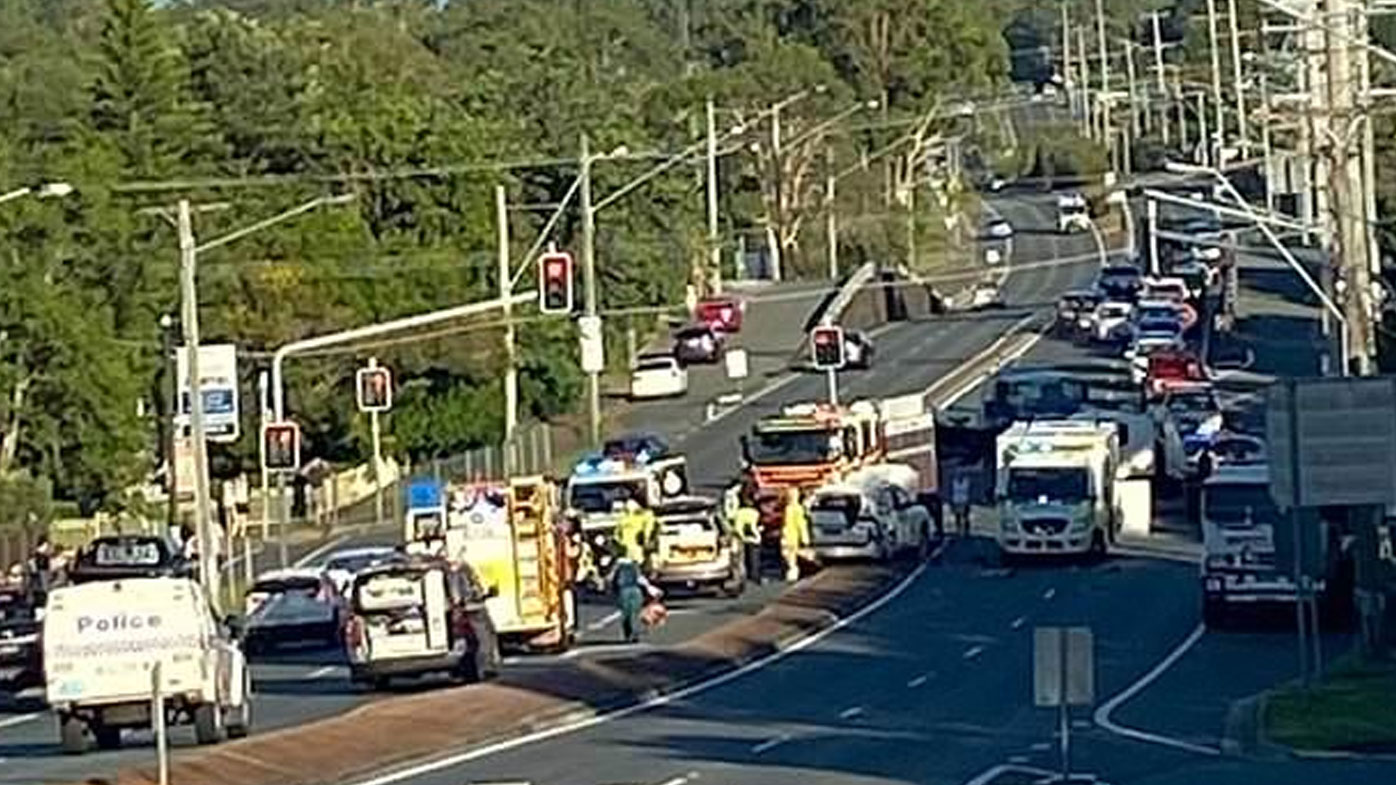
A teenage driver will face court today in Brisbane, charged with murder following the death of two pedestrians hit and killed while out walking their dog.

The boy was arrested a short time later after being held to the ground by a local resident when the teen allegedly tried to run from the scene.

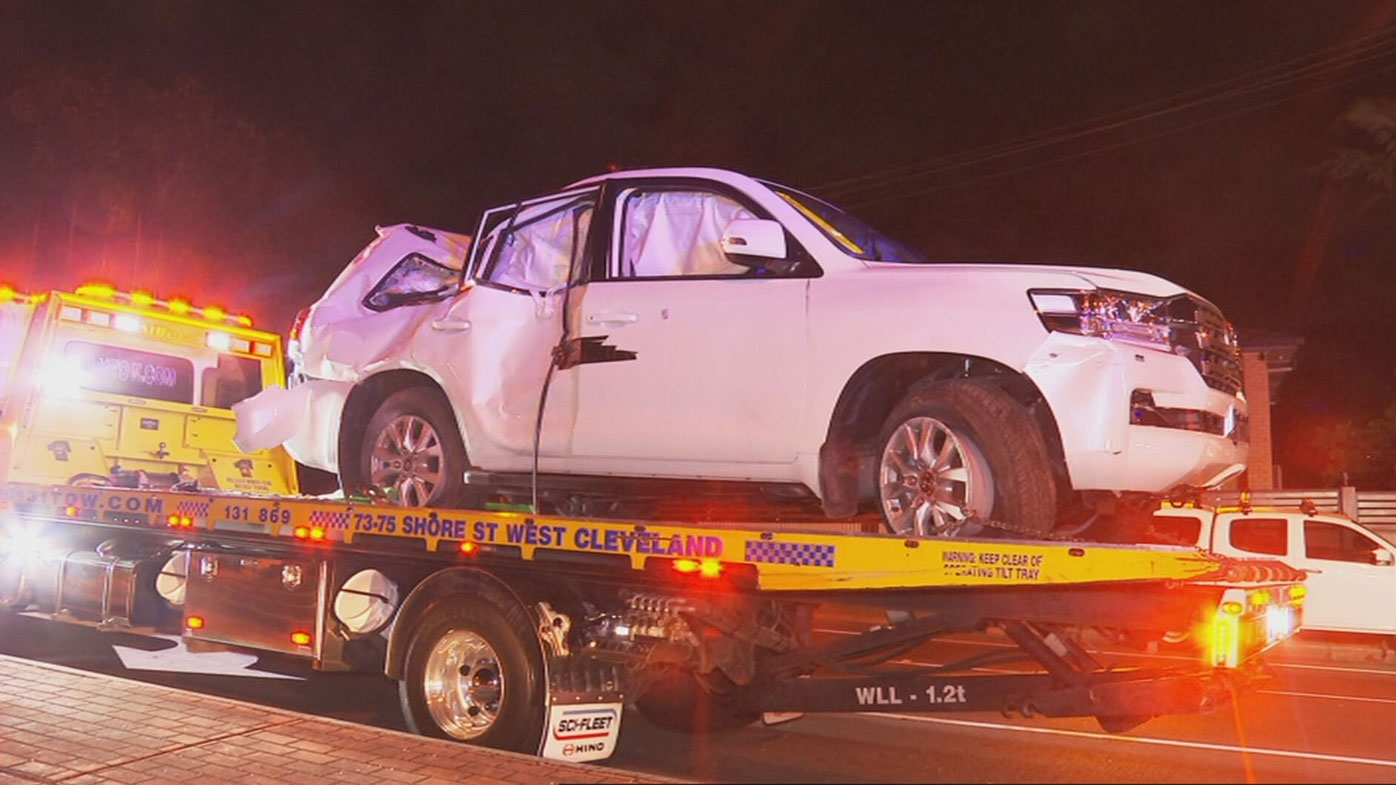
Police allege the 17-year-old was driving a stolen Landcruiser 4WD when he went through a red light and ploughed into a truck at Alexandra Hills.

It's alleged the 4WD was stolen between 4pm and 5pm yesterday from a Cleveland house, prior to the deadly rampage.

Moments earlier, the 4WD was filmed appearing to engage in a road rage attack, deliberately colliding with a silver Hyundai at the intersection of Vienna and Finucane Roads before speeding away.

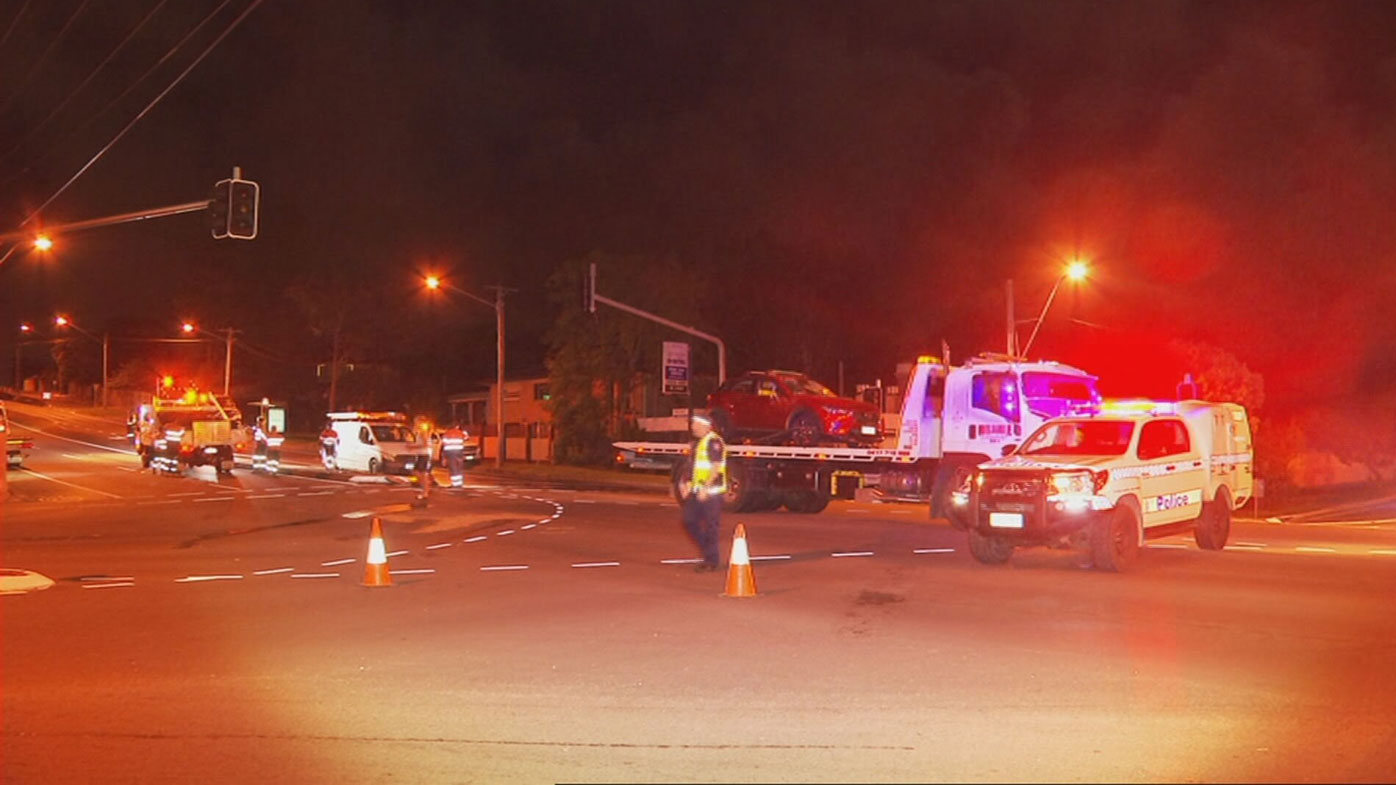
About 15 minutes later, he allegedly lost control of the 4WD after speeding through the red light at Finucane Road and Vienna Road and collided with the truck.

The Landcruiser rolled and struck two pedestrians crossing the road, they died at the scene.

They have been identified by police as a 31-year-old woman and 37-year-old man, both from Alexandra Hills.

It's understood the woman who was killed was pregnant at the time.

Their dog is believed to be uninjured and remains missing.

The teenage boy allegedly fled the scene of the crash just after 5.30pm and stole a set of keys from a Kingston Avenue house and tried to start a car in the garage.

The home's resident crash tackled the boy in nearby Chelsea Crescent and held him down before police arrived.

"I saw him walking across the lawn, acted like I was going to run him over, stopped, jumped out," the resident said.

"Got him on to the ground. He went to get up so I give him a kick or two, put him on his face and held him until the police arrived."

Double fatal crash, Alexander Hills Brisbane

He arrested and taken to hospital for minor injuries.

The 17-year-old Waterford West teen has been charged with two counts of murder, one count of dangerous operation of a vehicle (adversely affected by an intoxicating substance), two counts of burglary and one count each of unlawful use of a motor vehicle and attempted unlawful use of a motor vehicle.

He'll face Brisbane Children's Court later today.

Senators to be sworn in for Trump impeachment trial

Senators will be formally sworn in as jurors on Tuesday for the second impeachment trial of former President Donald Trump, though the trial won't get into full swing until the week of February 8.

But the first test of Republicans' attitudes toward the trial could come quickly. Sen. Rand Paul, a Kentucky Republican, may try to force a procedural vote as soon as Tuesday afternoon on whether the Senate trial of the former President is constitutional, according to a GOP source.

The test vote, which jumps onto an argument that a faction of Senate Republicans have adopted going into trial, is likely to be defeated, but it could give more clues about how many Republicans are open to voting to convict Trump.

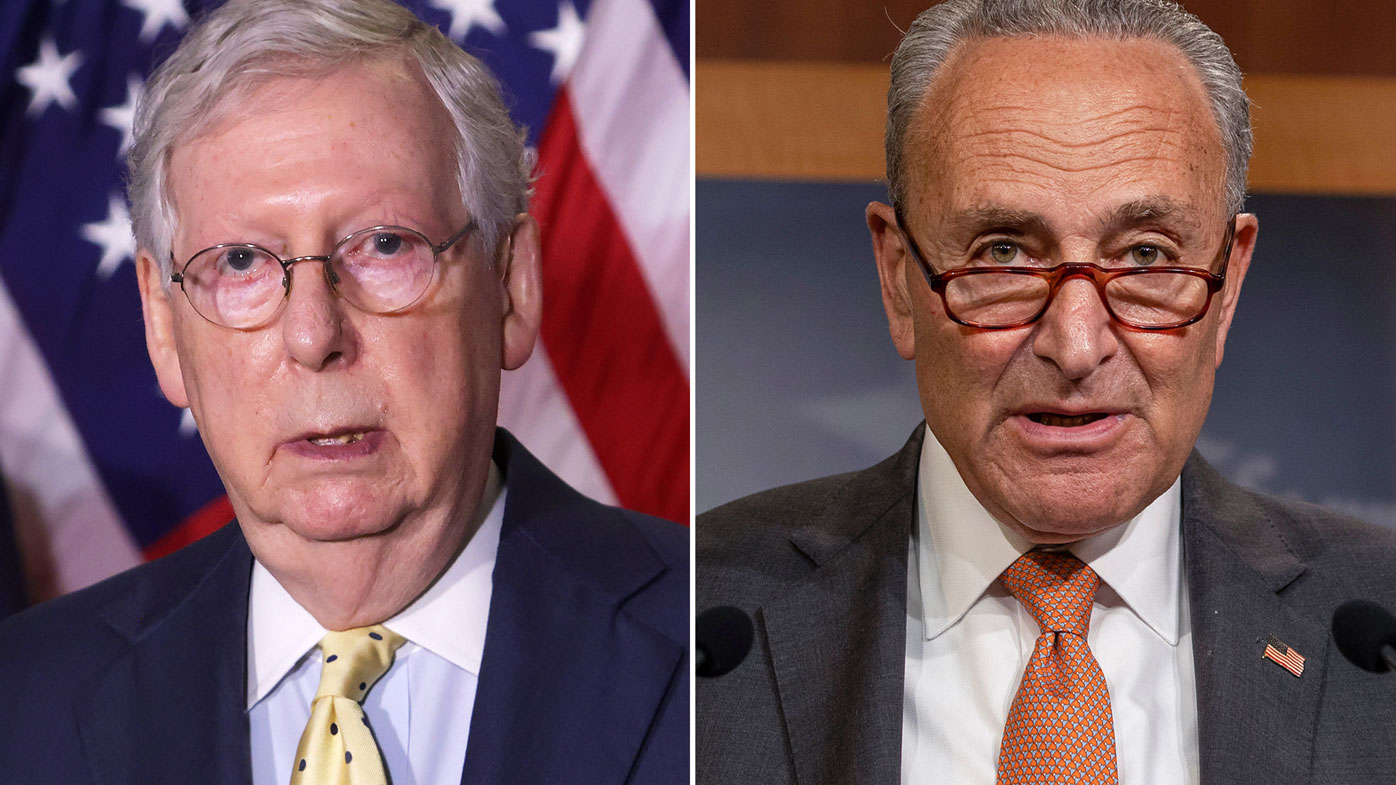
Senators Mitch McConnell (left) and Chuck Schumer (right) are among those being sworn in for the second Trump impeachment trial.

On Monday, the House impeachment managers, a group of Democratic lawmakers who will act as prosecutors presenting the case against Trump during the trial, delivered the single article of impeachment to the Senate. The article, approved by the Democrat-led House, charges Trump with incitement of insurrection for provoking the attack on the US Capitol that left multiple people dead.

The two-week break until the trial begins will give both sides more time to prepare for the trial. Trump is still hiring lawyers for his impeachment legal defence team, which is being led by South Carolina lawyer Butch Bowers.

As the House impeachment managers put together their plans for the trial, they are considering using a variety of video evidence to show how the rioters were responding to former President Donald Trump's own words when they breached the Capitol, according to sources familiar with the deliberations.

The impeachment managers are still wading through the huge amount of video that exists from January 6 to determine what they should use at the trial, the sources said, including video posted to the conservative social media site Parler.

The House's impeachment team has taken an interest in a 10-minute video compilation from the national security forum Just Security, which uses social media posts from rioters on Facebook and Parler to illustrate how they were reacting in real-time to Trump's comments at the January 6 rally as well as Trump's social media posts when they attacked the Capitol.

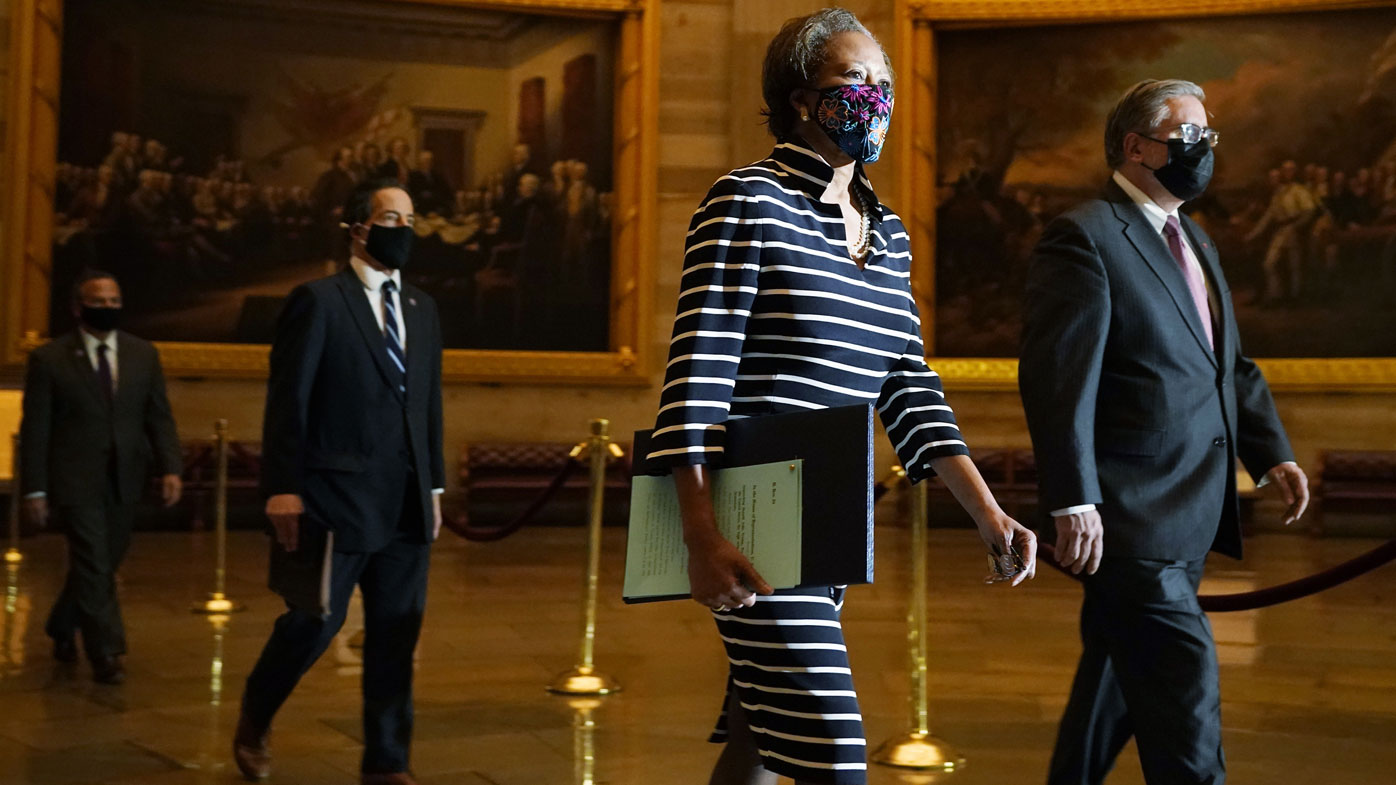
Clerk of the House Cheryl Johnson along with acting House Sergeant-at-Arms Tim Blodgett, lead the Democratic House impeachment managers as they walk through the Capitol Rotunda in the Capitol, to deliver to the Senate the article of impeachment alleging incitement of insurrection against former President Donald Trump, Monday, Jan. 25, 2021 in Washington

No decisions have been finalised about how to use the video. The Washington Post first reported on the impeachment managers' interest in the Just Security clip.

At the first Trump impeachment trial, House impeachment managers also used video to bolster their case that Trump had pushed for Ukraine's help to investigate his political opponent, Joe Biden. The use of video for the upcoming trial is even more compelling given the disturbing images and video that have emerged of rioters ransacking the Capitol and attacking police officers.

The transmission of the article typically triggers a quick start to an impeachment trial, but Senate Majority Leader Chuck Schumer and Minority Leader Mitch McConnell reached a deal last week to push back the start date for the substance of the proceedings. That move will give Democrats more time to confirm Biden's Cabinet and potentially take up a new COVID-19 relief bill while Trump's defense team will have more time to prepare for trial.

It remains to be seen how long the trial will last, whether the House impeachment managers will seek witnesses and what the exact contours of the President's legal defense will be.

When the trial gets underway, one visible difference between the proceedings and Trump's first impeachment trial will be that instead of Chief Justice John Roberts, the Senate's longest-serving Democrat is expected to preside.

Clerk of the House Cheryl Johnson along with acting House Sergeant-at-Arms Tim Blodgett, lead the Democratic House impeachment managers as they walk through the Capitol Rotunda in the Capitol, to deliver to the Senate the article of impeachment alleging incitement of insurrection against former President Donald Trump, Monday, Jan. 25, 2021 in Washington

Roberts will not be presiding like he did for the first trial, two sources familiar with the matter told CNN Monday.

Instead, Sen. Patrick Leahy, the president pro tempore of the Senate, is expected to preside, the sources said. The Constitution says the chief justice presides when the person facing trial is the current president of the United States, but senators preside in other cases, one source said, and Trump's second trial will take place with him no longer in office.

The likelihood that Leahy will oversee the trial has raised questions about whether he will also be eligible to vote, but constitutional experts say that nothing would stop him from doing so.

It would take a two-thirds vote in the Senate to convict Trump, a high bar to clear that looks increasingly unlikely to happen as a number of Senate Republicans are already arguing that it's illogical and may be unconstitutional to impeach a former president.

Senate Republicans are hosting conservative legal scholar Jonathan Turley at their party lunch on Tuesday, according to a source familiar with the matter. Turley is one of the lead scholars arguing that impeaching Trump when he is out of office is unconstitutional.

Turley has written extensively in recent days about his belief that while reasonable people can disagree about whether or not it is constitutional to hold an impeachment trial for a former President, he wrote recently on his blog, "even if the Senate does not view this as extra-constitutional, it should view this trial as Constitutionally unsound."

Given the limited language in the Constitution on impeachment, legal experts disagree about whether the Senate can convict a former president. But Democrats have pointed to legal scholars on both ends of the political spectrum who say a trial is constitutional.

Under the agreement reached by Schumer and McConnell, several ceremonial functions of the trial will take place this week. On Tuesday, the Senate is also expected to issue a summons to Trump, another step in the process of organising for the trial to kick into high gear.

Then the trial will effectively be put on hold as the impeachment managers and Trump's legal team exchange pre-trial briefs for two weeks. The final briefs would be due on February 9, allowing the trial to begin in earnest.