The head of a Māori-led inquiry into Oranga Tamariki who slammed it for “inexplicable breaches of human rights towards Māori” will now be at the forefront of its transformation. Dame Naida Glavish is one of four Māori…
Tag Archives: oceania
Déjà vu: Wellington weathering a storm of broken water pipes
ANALYIS: When Wellington’s mayor got the news that poo was on the city’s streets again, his reaction was “Oh! [insert four letter word]!”.Andy Foster didn’t disclose his swear word of choice as he addressed media at the site…
Auckland bicycle market feels pressure from strong demand and stock shortage
Auckland’s bicycle market is feeling the pressure from an increase in demand, shortage of stock and increasing bike thefts. Bike stores across the city – and nationally – are feeling the delayed effects of the Covid-19 pandemic…
Covid 19 coronavirus: Northlanders denied tests after conflicting Healthline advice
Conflicting advice from Healthline and other health organisations has left many people frustrated after being refused a Covid-19 test. Many Northlanders were turned away from the Ruakākā racecourse testing station yesterday,…
Herald morning quiz: January 27
Test your brains with the Herald’s morning quiz. Be sure to check back on nzherald.co.nz at 3pm for the afternoon quiz. To challenge yourself with more quizzes, CLICK HERE.
Covid 19 coronavirus: Police say Northland iwi Covid checkpoints not needed
Police respect the intentions of a Northland group which wants to resurrect Covid-19 checkpoints on the region’s key roads — but say checkpoints aren’t needed as long as the country is in alert level 1. Yesterday the iwi group behind…
Vatican clears retired US bishop of multiple sex abuse claims
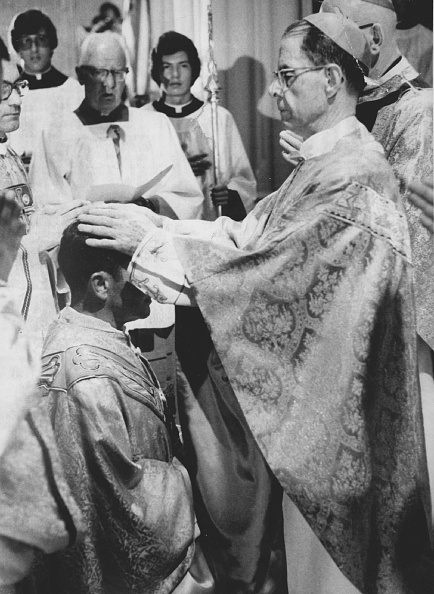
The Vatican has cleared a retired US bishop of multiple allegations he sexually abused minors and teenagers, rejecting lay experts' determination that a half-dozen claims were credible and instead slapping him on the wrist for what it called "flagrant" imprudent behaviour.
The Vatican's Congregation for the Doctrine of the Faith (CDF) exonerated retired Cheyenne, Wyoming Bishop Joseph Hart of seven accusations abuse and determined that five others couldn't be proven "with moral certitude."
Two other cases involving boys, who were 16 and 17, couldn't be prosecuted given the Catholic Church didn't consider them minors at the time of the alleged abuse, the diocese reported on Monday. A 13th allegation wasn't addressed in the decree.
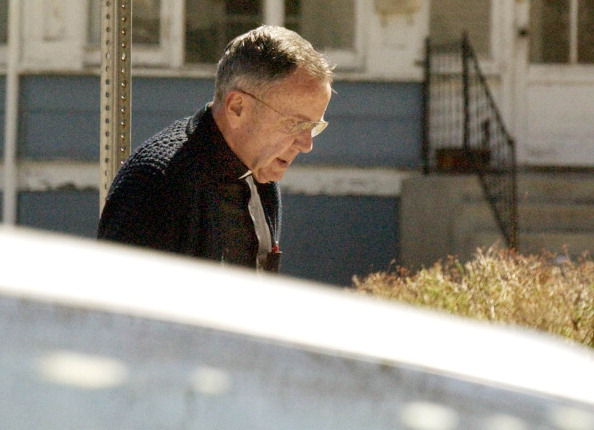
Hart, 89, had long maintained his innocence and denied all allegations of misconduct.
RELATED: Pope updates Vatican financial authority following scandals
The Vatican decision clearly disappointed Hart's successor, Bishop Steven Biegler, who stressed that the Vatican's findings didn't mean Hart was innocent, just that the Holy See determined that the high burden of proof hadn't been met.
"Today, I want the survivors to know that I support and believe you" Mr Biegler said in a statement.
"I understand that this announcement will not bring closure to the survivors, their family members, Bishop Hart and all those affected."

Mr Biegler has previously stood by the findings of his review board, which determined a half-dozen claims were credible. And a diocesan statement noted the qualifications of its members: "law enforcement; school administration; a doctor of psychology; a paediatrician; a psychotherapist, who treats sexually abused children; and a judge, who was a criminal prosecutor for 13 years involving crimes against children, primarily child sexual abuse."
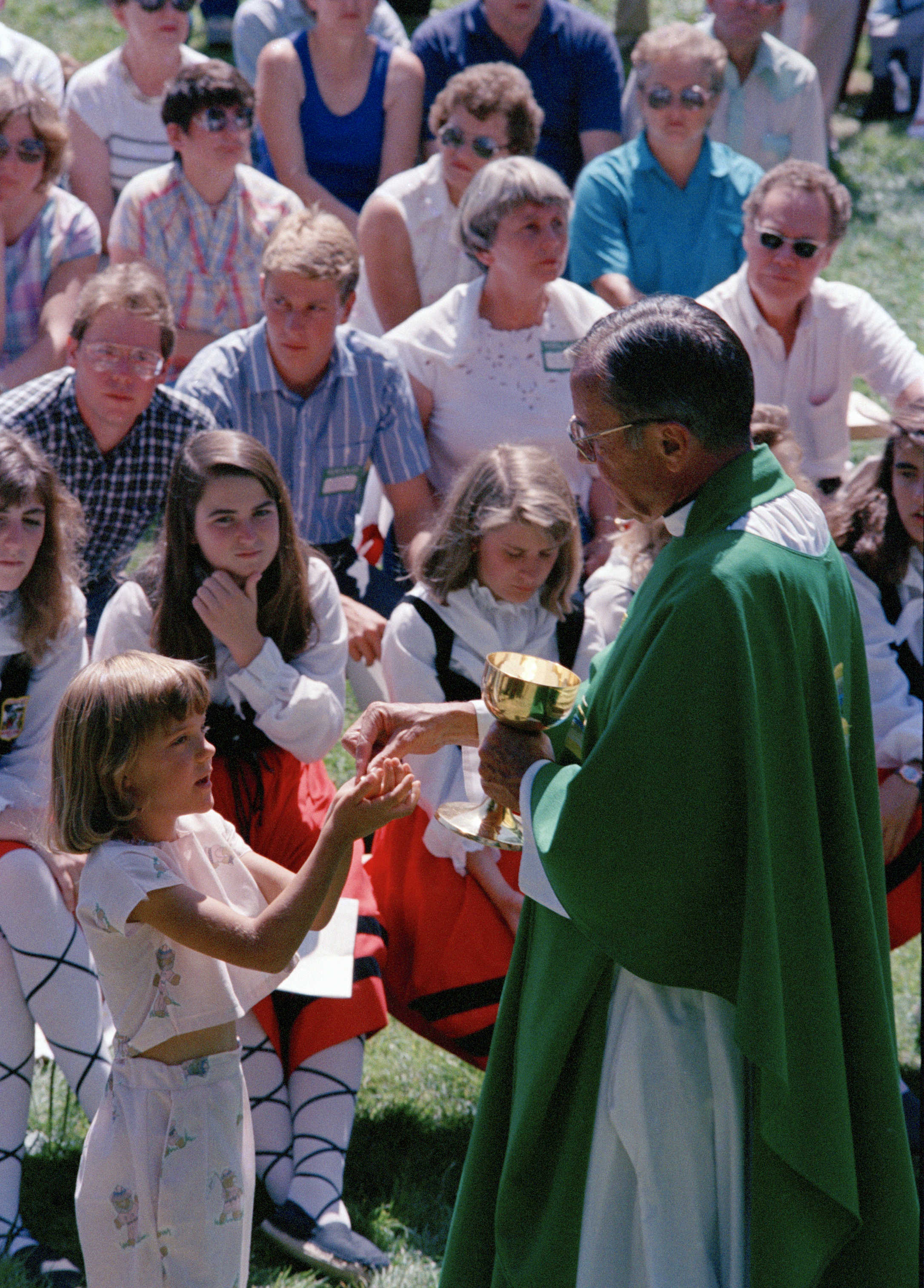
On the other hand, the Vatican's CDF relies on the judgement of priests and bishop canon lawyers, and ultimately the pope.
The Vatican for decades has been blasted by victims' groups for giving bishops a pass when they have been accused of sexual abuse themselves or of covering it up.
A few exceptions have been made in recent years, most famously in the case of ex-Cardinal Theodore McCarrick, who was defrocked after the CDF determined he had abused minors as well as adults, including during confession — essentially the same allegations against Hart.
As a result, the sentence showed the arbitrary nature of Vatican's canonical sex abuse deliberations and judgements, which aren't public.
Hart's previous diocese of Kansas City-St. Joseph reached court settlements years ago with at least 10 victims.
But Wyoming criminal prosecutors also decided last year not to proceed with charging Hart.
Anne Barrett Doyle, of the online resource BishopAccountability.org, said the Vatican ruling was "heartbreaking and disgraceful" and showed that church law is biased in favour of priests and bishops.
"Defenders of canon law might point to the punishment of ex-cardinal McCarrick as evidence that the system works," Ms Doyle said.
"But for every McCarrick, there are five Harts: bishops who retain their titles and pensions in the face of multiple allegations."
Ms Doyle added that the ruling calls into question Pope Francis' vow to hold bishops accountable.
In its decree, the CDF rebuked Hart "for his flagrant lack of prudence as a priest and bishop for being alone with minors in his private residence and on various trips which could have been potential occasions endangering the 'obligation to observe continence' and that would 'give rise to scandal among the faithful,'" the diocese said.
Hart was also rebuked for failing to observe previous Vatican restrictions prohibiting him from having contact with minors and seminarians and from participating in public engagements, the diocese said, adding that those restrictions remain in place.
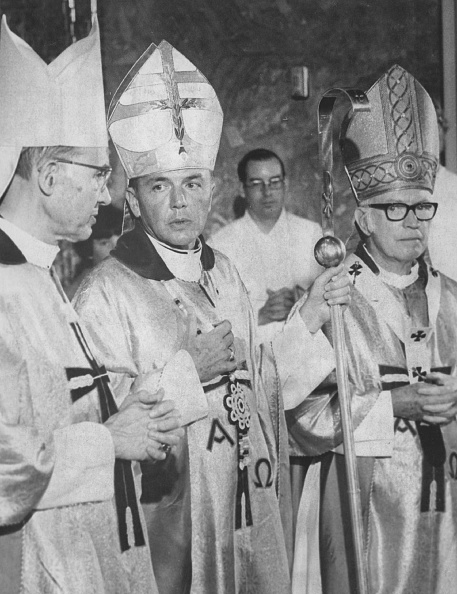
Hart was a priest in Kansas City, Missouri, for 21 years before moving to Wyoming, where he served as auxiliary and then full bishop from 1976 until his retirement in 2001.
The first known allegations against Hart dated to the early 1960s and were made in the late 1980s.
At least six men came forward in the past few years to say Hart abused them in Wyoming.
Angry farmers storm India's Red Fort in huge tractor rally
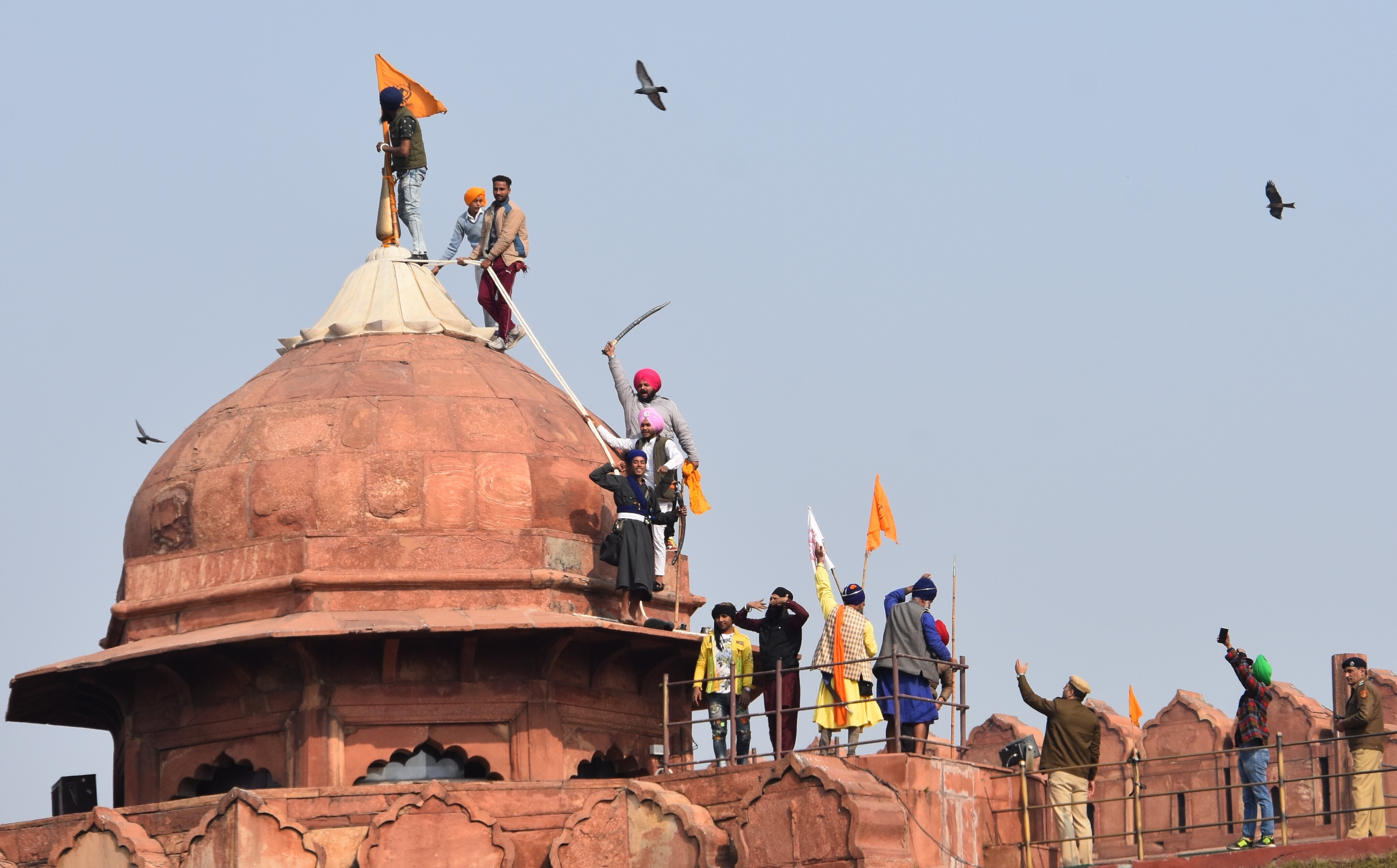
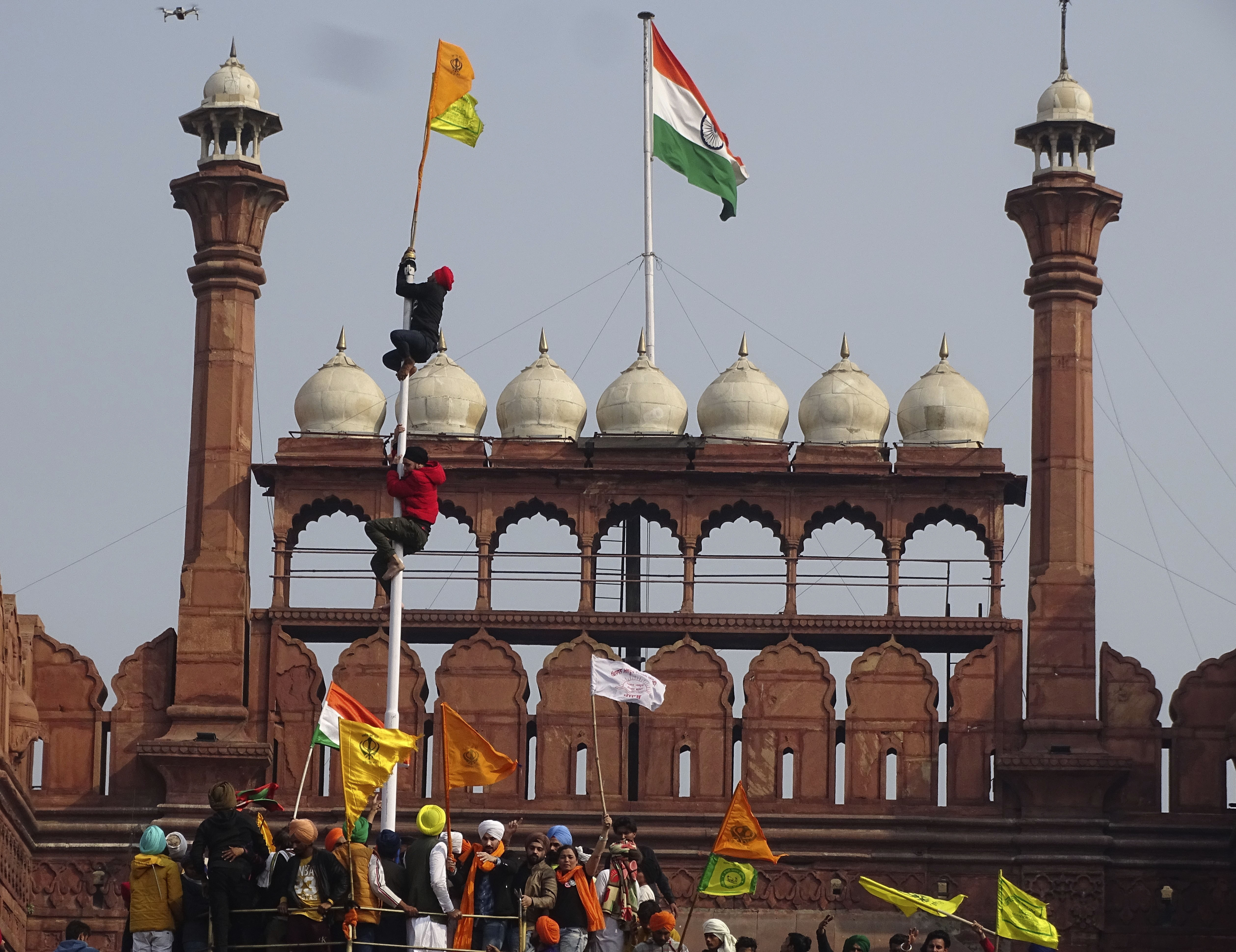
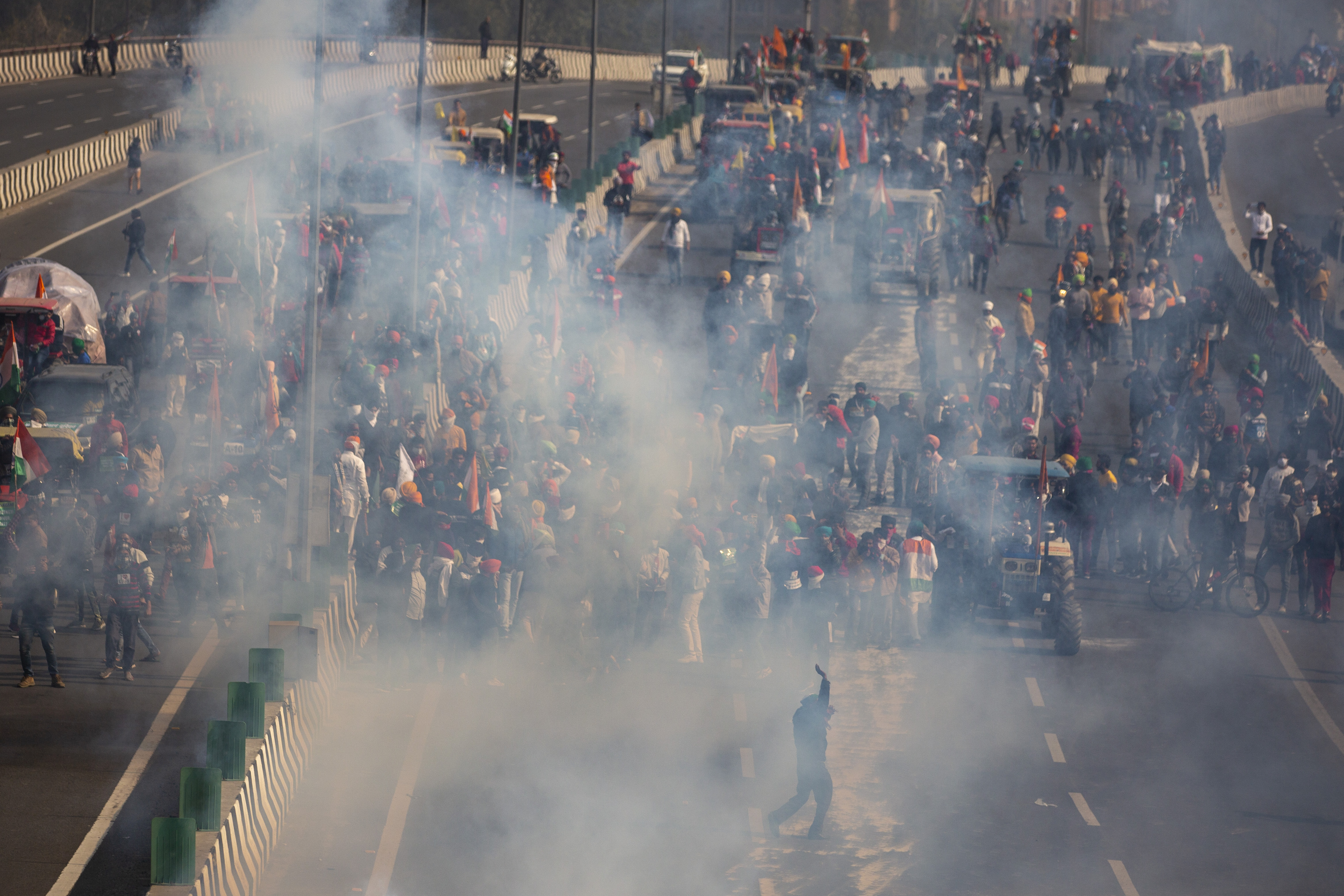
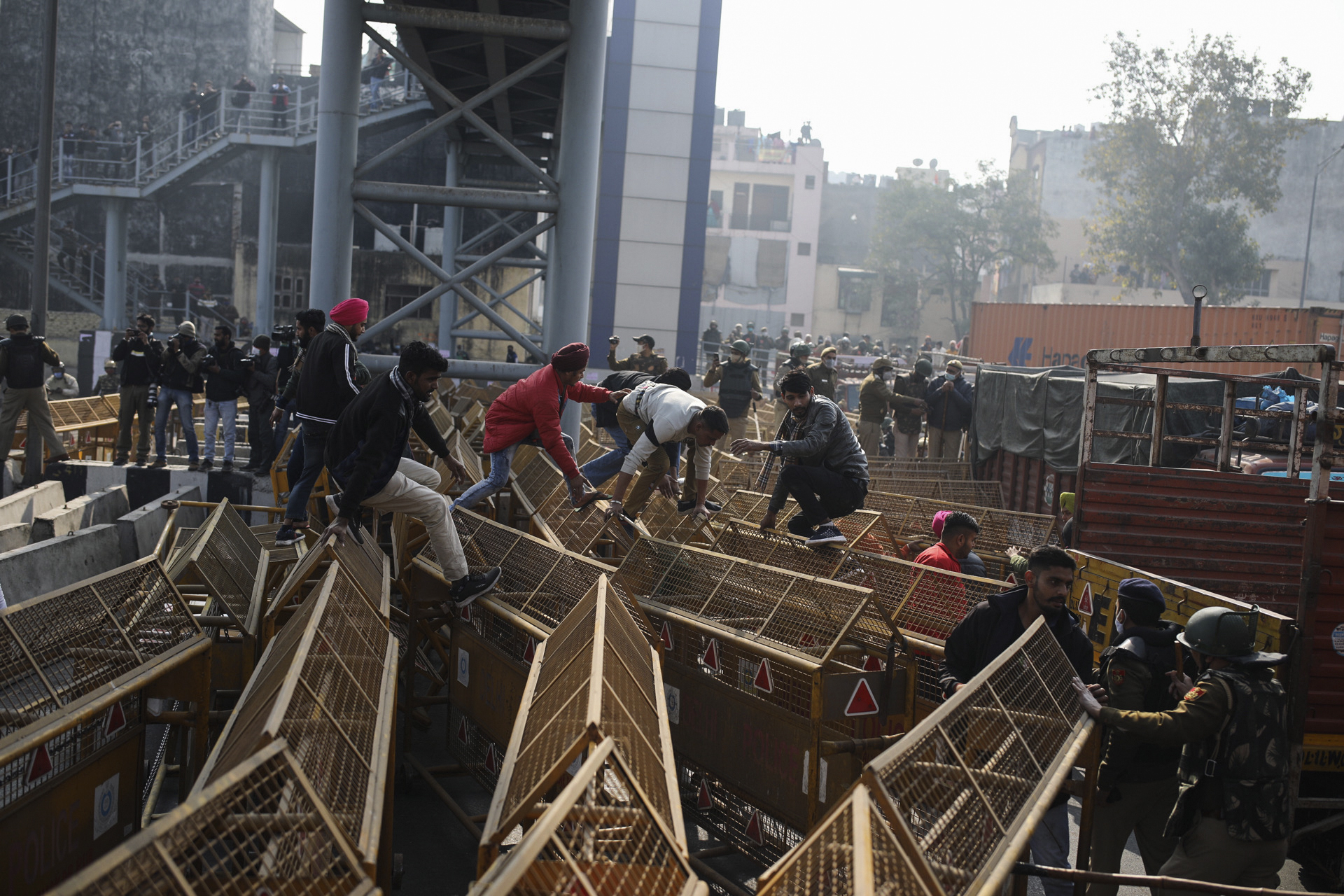
Tens of thousands of protesting farmers drove long lines of tractors into India's capital on Tuesday, breaking through police barricades, defying tear gas and storming the historic Red Fort as the nation celebrated Republic Day.
They waved farm union and religious flags from the ramparts of the fort, where prime ministers annually hoist the national flag to mark the country's independence.
Thousands more farmers marched on foot or rode on horseback while shouting slogans against Prime Minister Narendra Modi.
At some places, they were showered with flower petals by residents who recorded the unprecedented rally on their phones.
Police said one protester died after his tractor overturned, but farmers said he was shot.
Protesters laid his body on the road after draping it in an Indian flag and sat around it.
Television channels showed several bloodied protesters.
Leaders of the farmers said more than 10,000 tractors joined the protest.
For nearly two months, farmers, many of them Sikhs from Punjab and Haryana states, have camped at the edge of the capital, blockading highways connecting it with the country's north in a rebellion that has rattled the government.
They are demanding the withdrawal of new laws which they say will commercialise agriculture and devastate farmers' earnings.
"We want to show Modi our strength," Satpal Singh, a farmer who drove into the capital on a tractor along with his family of five, said.
"We will not surrender."
Riot police fired tear gas and water cannons at numerous places to push back the rows upon rows of tractors, which shoved aside concrete and steel barricades.
Authorities blocked roads with large trucks and buses in an attempt to stop the farmers from reaching the centre of the capital.
Thousands, however, managed to reach some important landmarks.
"We will do as we want to. You cannot force your laws on the poor," Manjeet Singh, a protesting farmer, said.
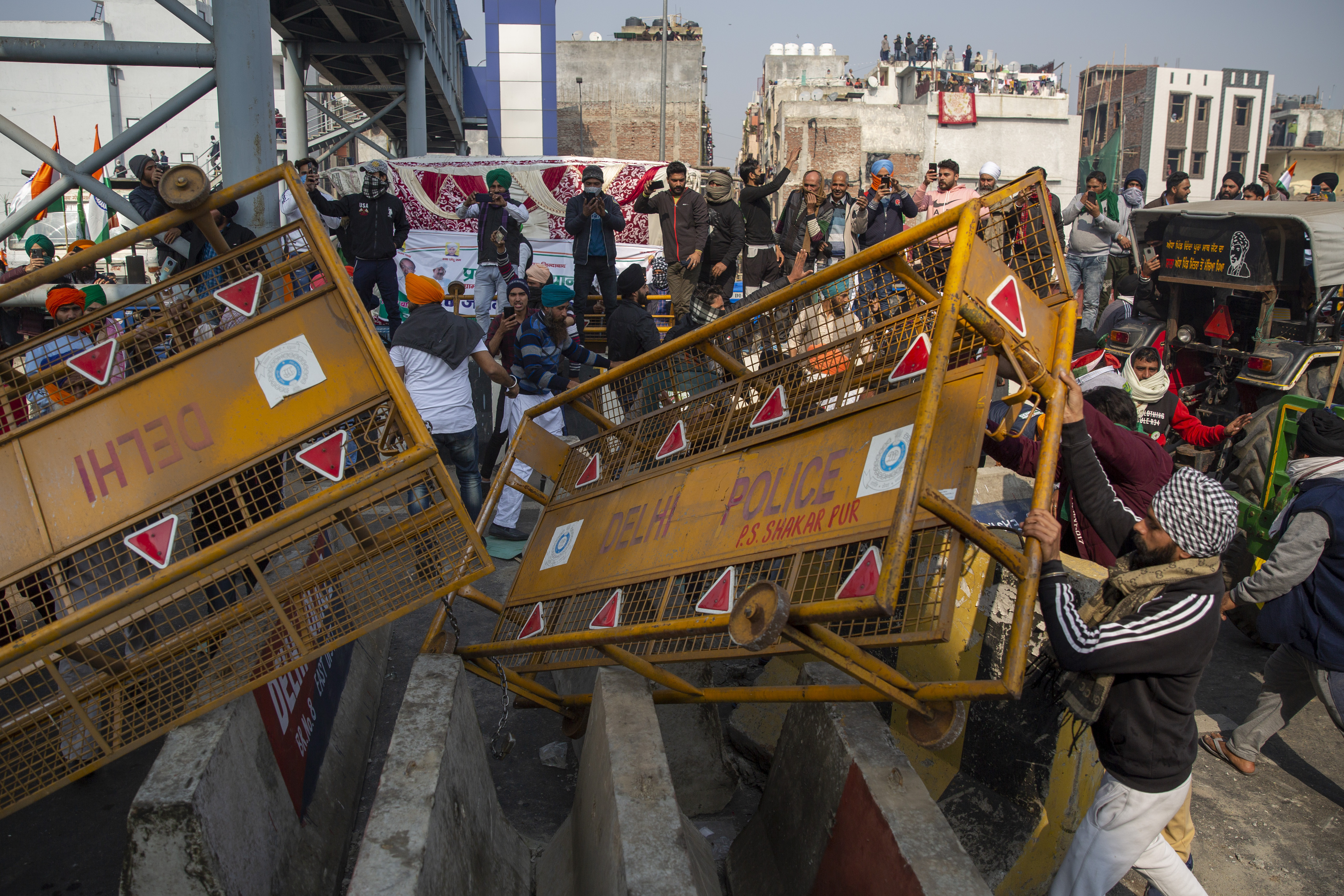
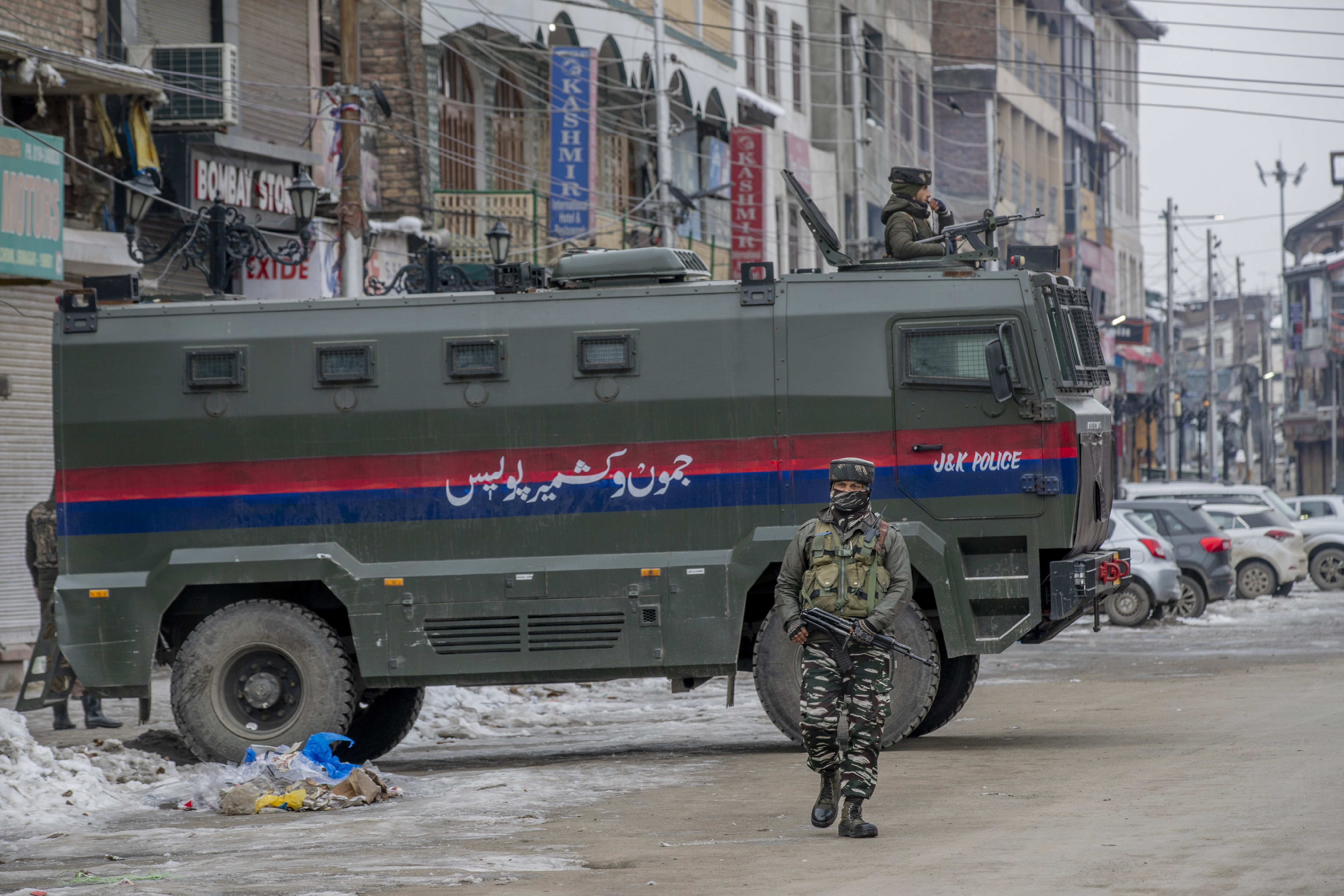
Authorities shut some metro train stations, and mobile internet service was suspended in some parts of the capital, a frequent tactic of the government to thwart protests.
The government insists that the agriculture reform laws passed by Parliament in September will benefit farmers and boost production through private investment.
Farmers tried to march into New Delhi in November but were stopped by police.
Since then, unfazed by the winter cold, they have hunkered down at the edge of the city and threatened to besiege it if the farm laws are not repealed.
The government has offered to amend the laws and suspend their implementation for 18 months.
But farmers insist they will settle for nothing less than a complete repeal.
They plan to march on foot to Parliament on February 1, when the country's new budget will be presented.
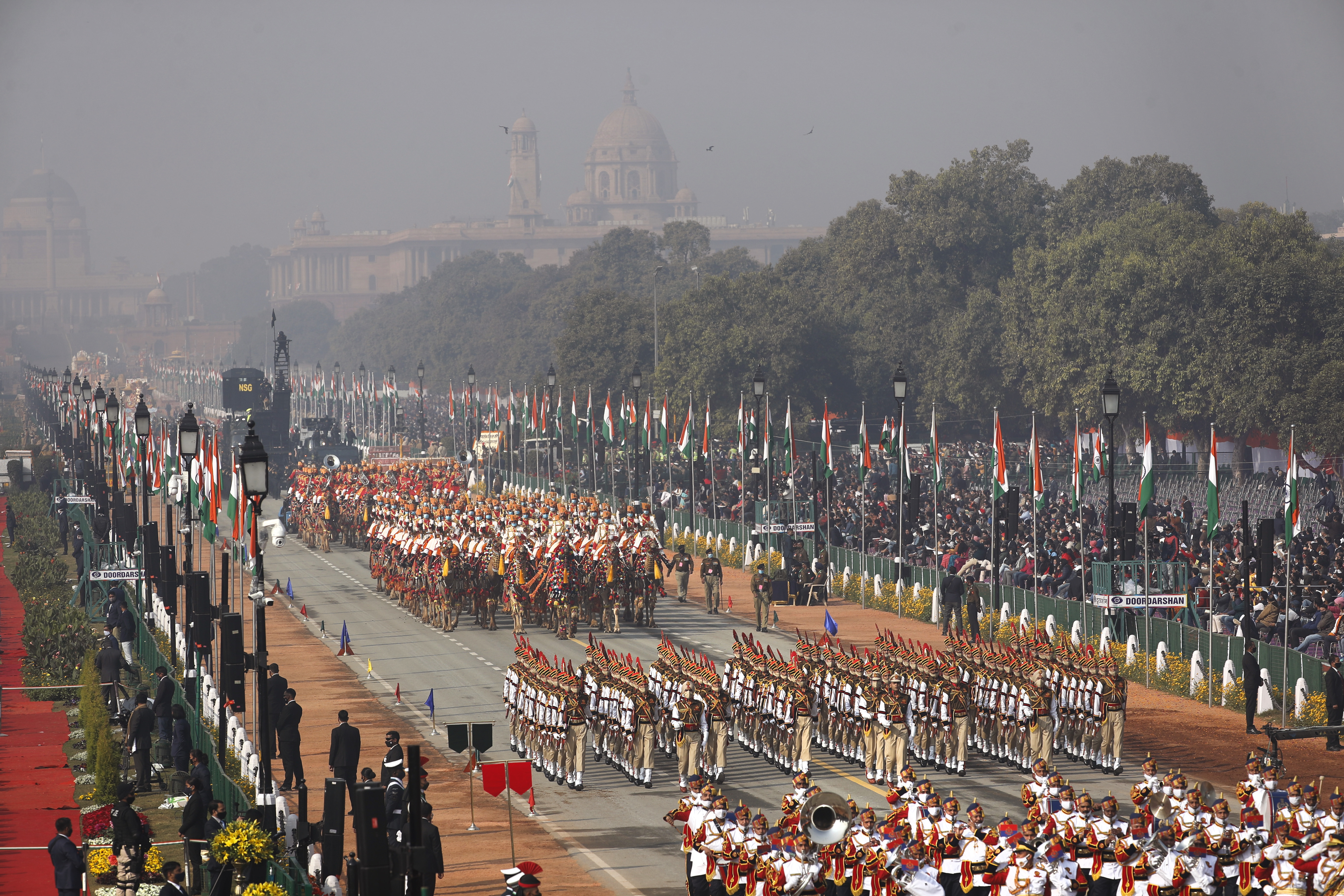
The protests overshadowed Republic Day celebrations, in which President Modi oversaw a traditional lavish parade along ceremonial Rajpath boulevard displaying the country's military power and cultural diversity.
The parade was scaled back because of the coronavirus pandemic.
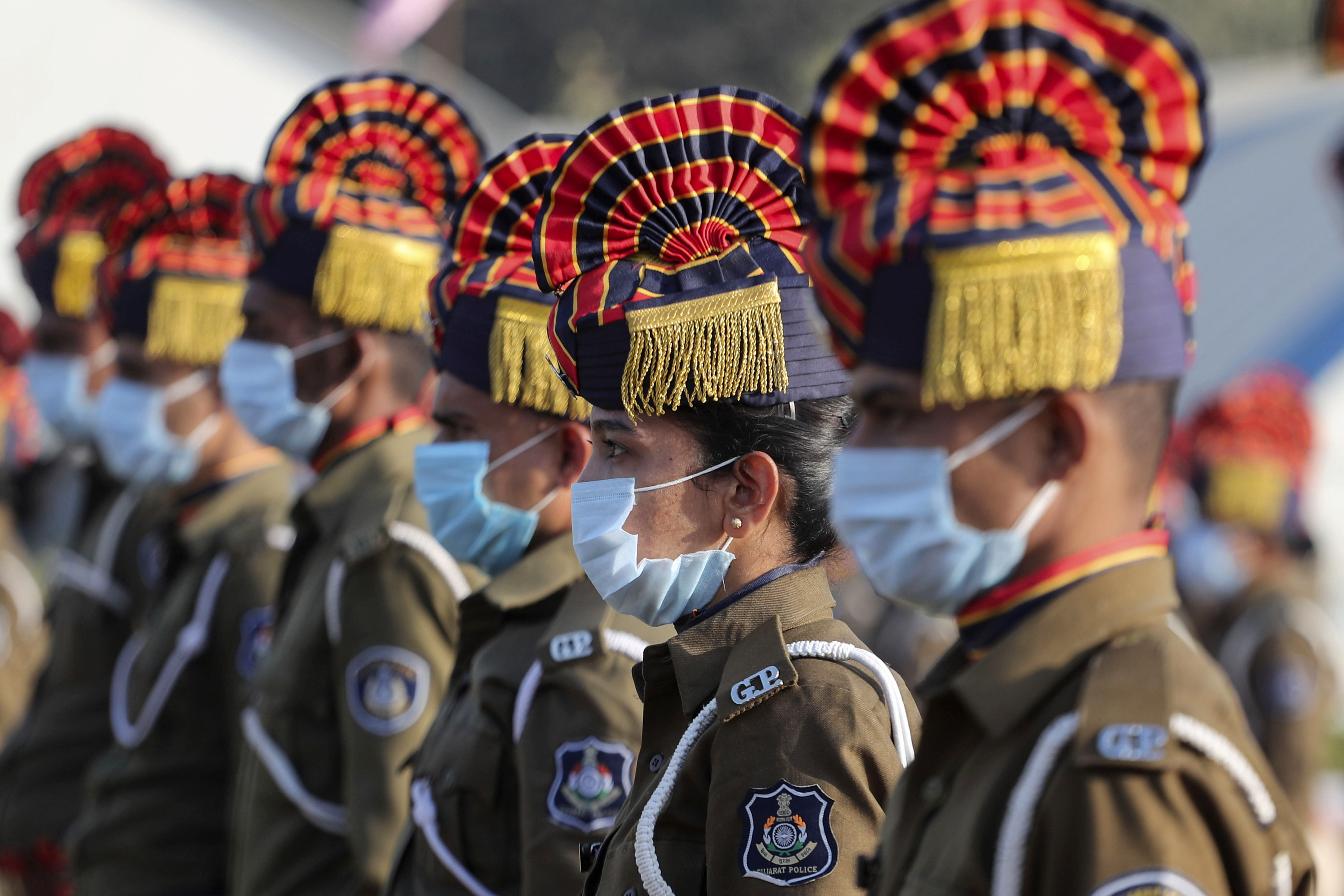
People wore masks and adhered to social distancing as police and military battalions marched along the route displaying their latest equipment.
Republic Day marks the anniversary of the adoption of the country's constitution on January 26, 1950.
Farmers are the latest group to upset Modi's image of imperturbable dominance in Indian politics.
Since returning to power for a second term, Modi's government has been rocked by several convulsions.
The economy has tanked, social strife has widened, protests have erupted against discriminatory laws and his government has been questioned over its response to the pandemic.
Agriculture supports more than half of the country's 1.4 billion people.
But the economic clout of farmers has diminished over the last three decades.
Once producing a third of India's gross domestic product, farmers now account for only 15 per cent of the country's US$2.9 trillion ($3.7 trillion) economy.
More than half of farmers are in debt, with 20,638 killing themselves in 2018 and 2019, according to official records.
The contentious legislation has exacerbated existing resentment from farmers, who have long been seen as the heart and soul of India but often complain of being ignored by the government.
Modi has tried to allay farmers' fears by mostly dismissing their concerns and has repeatedly accused opposition parties of agitating them by spreading rumours.
Some leaders of his party have called the farmers "anti-national," a label often given to those who criticise Modi or his policies.
Devinder Sharma, an agriculture expert who has spent the last two decades campaigning for income equality for Indian farmers, said they are not only protesting the reforms but also "challenging the entire economic design of the country."
"The anger that you see is compounded anger," Mr Sharma said.
"Inequality is growing in India and farmers are becoming poorer.
"Policy planners have failed to realise this and have sucked the income from the bottom to the top.
"The farmers are only demanding what is their right."
Crime scene established after body found in Adelaide apartment block
A crime scene has been established in Adelaide's CBD after a man's body was found inside his home yesterday evening.
South Australia Police said they are treating the death as suspicious after officers were called to the unit block on Sturt Street at about 6.30pm.
Detectives from Eastern District CIB and Major Crime Investigation Branch, along with Forensic Crime Scene examiners attended the scene.

Investigations are continuing.
Police have urged anyone with information to contact Crime Stoppers on 1800 333 000 or online at www.crimestopperssa.com.au/.
Italian Prime Minister resigns amid coronavirus crisis
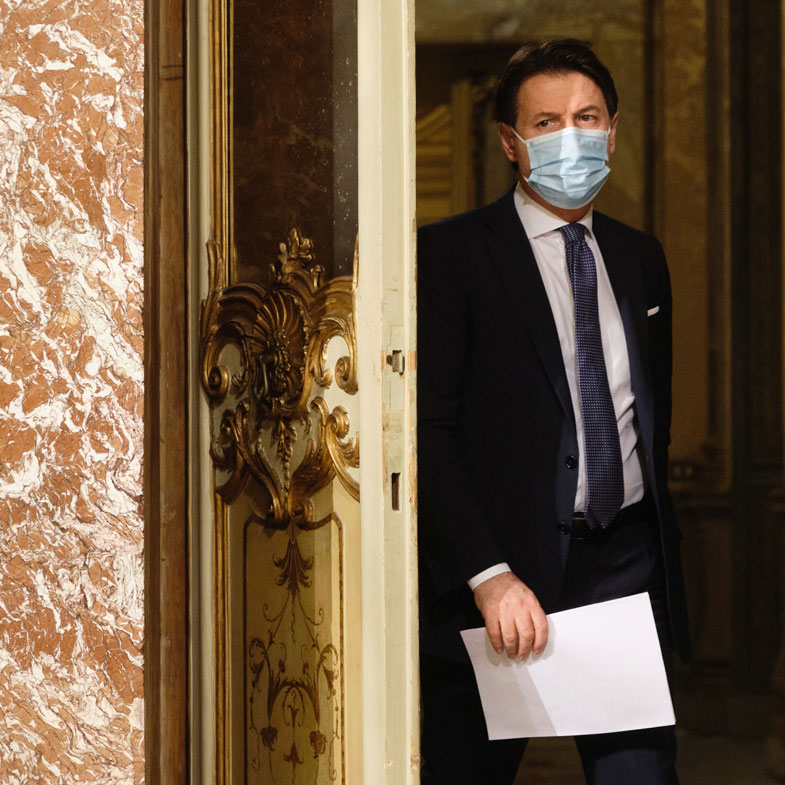
Italian Prime Minister Giuseppe Conte handed in his resignation on Tuesday, in a tactical political manoeuvre that he hopes will allow him to build a new coalition.
Italy was thrown into a fresh political crisis last week when Conte faced two confidence votes. He survived but lost his governing majority in the Senate after his predecessor, Matteo Renzi, withdrew his small Italia Viva party from the ruling coalition, citing frustrations with the government's management of the pandemic and a recession.
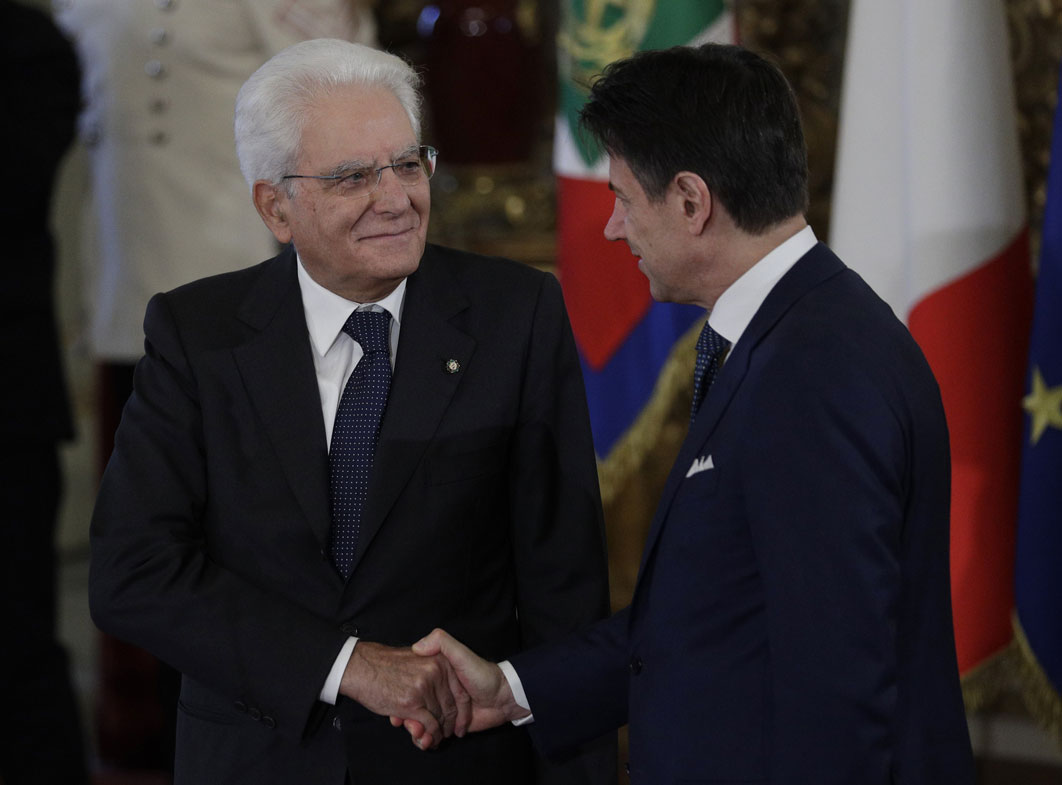
Conte handed his resignation to President Sergio Mattarella, according to a presidential palace statement.
RELATED: Italy ponders suing Pfizer for COVID-19 vaccine delays

The President will begin consultations with the leaders of the country's main political parties on Wednesday afternoon, the statement said.
If Conte, who does not belong to a party, has enough support, Mattarella could ask him to form a new coalition.
Another option to break the impasse would be to call snap elections, two years early.
"The President of the Republic is reserving his decision and has asked the government to stay in office for the management of ordinary affairs," the statement said.
If Conte receives the mandate, he would likely look for a broader coalition and to add five more senators to the fold.
Without a Senate majority, Conte would struggle to pass effective legislation at a time of crisis for the European nation, which has suffered years of political instability in addition to new economic challenges amid the pandemic.
Italy has been through several political crises since the end of World War II and has held many snap elections before sitting governments have finished their electoral terms. Conte is the country's 66th leader in 75 years.
His coalition, which was formed in 2019, is led by the centre-left Democratic Party (PD) and the anti-establishment Five Star Movement (M5S). Despite vast political differences, the unusual alliance prevented snap elections which could have favoured the far-right League Party.
Conte has enjoyed high approval ratings after Italy imposed Europe's first lockdown last spring, in response to spiralling number of COVID-19 cases and deaths. He remains Italy's most popular politician with an approval rating above 50 per cent, Reuters reports.